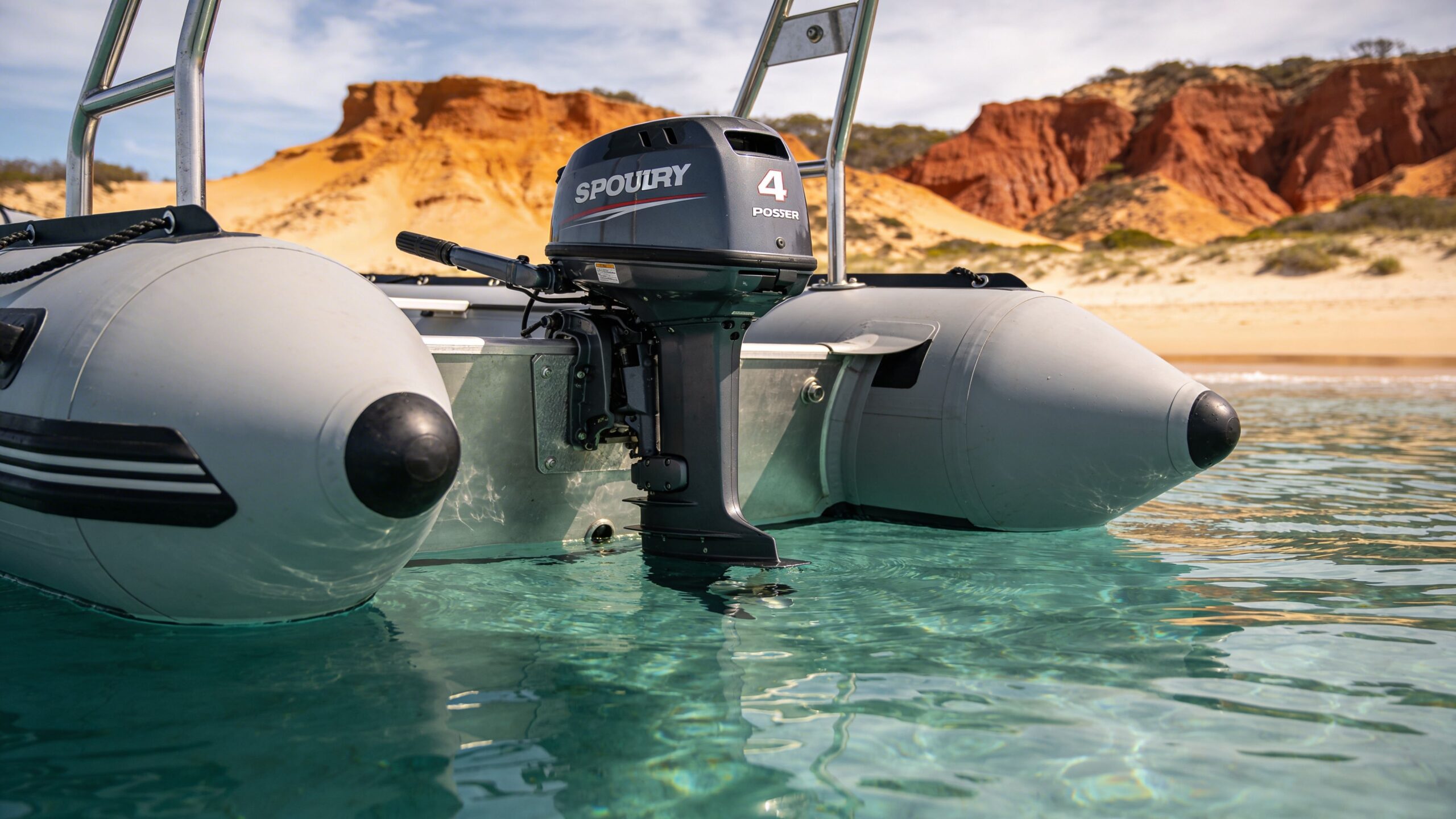

You’re probably in one of two spots right now. You’ve got a small inflatable boat and you need a motor that won’t be a pain to lift, store, and start. Or you’re still choosing the whole setup, and you want something that makes sense for Australian weekends, not marina bragging rights.
The 4 horsepower outboard motor is a frequent topic of discussion. It’s small enough to live in the back of an SUV, on a yacht rail, or in an RV storage bay. But it’s also useful enough to do real work on the water, from creek fishing to tender duty to short coastal hops in settled conditions.
For a lot of buyers, that middle ground matters more than headline power. A portable rig only gets used if it’s easy to handle, easy to fuel, and easy to trust when you’re launching off a beach or nudging through an estuary with the kids aboard.
A small outboard changes the kind of boating you do.
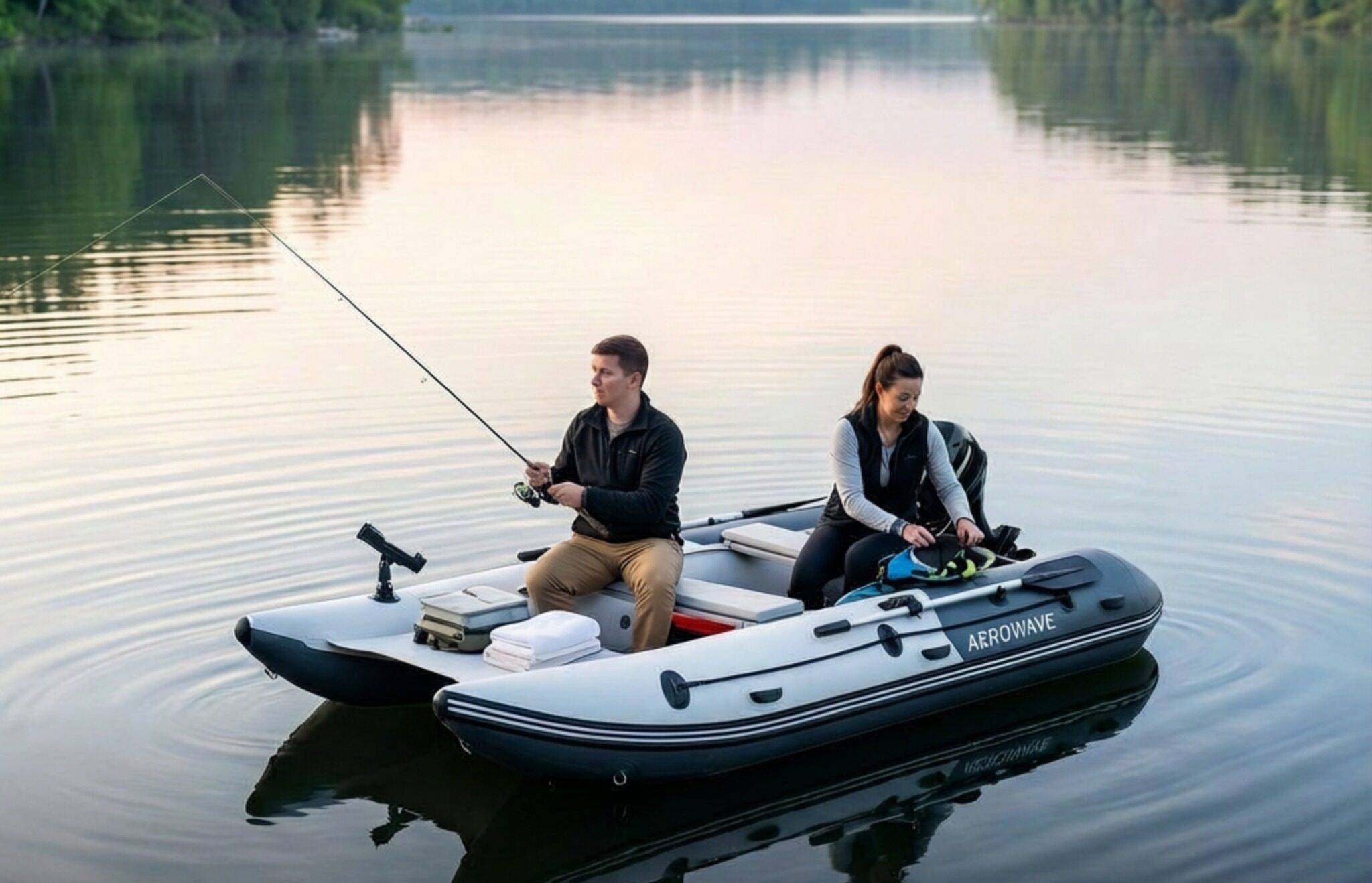
It opens up the trips that don’t justify a trailer boat. Early-morning flicks in a quiet estuary. Tender runs from a mooring. A quick launch off the sand at a coastal campsite. Exploring creeks and sheltered bays where a bigger setup feels like overkill.
A 4 horsepower outboard motor sits in a very practical lane. It’s portable enough for one-person handling in many cases, yet it has enough push for the jobs that matter most to Australian inflatable owners.
The modern 4HP story starts with the broader shift to cleaner four-stroke technology. In 1984, Yamaha released a pioneering 9.9 horsepower 4-stroke outboard, a milestone that helped push the market away from older two-stroke norms and toward quieter, cleaner engines. Yamaha notes these four-strokes delivered up to 30 to 50% lower fuel consumption and quieter running, which is a big reason they became so relevant for family boating and coastal exploring in Australia (Yamaha history of its 4-stroke outboard development).
That matters on the water more than it does on a spec sheet.
Quieter operation makes a small boat feel calmer. Lower fuel use stretches a day trip. Cleaner running is a better fit for waterways where people fish, swim, and launch close to shore.
It’s freedom.
A 4HP setup suits people who want boating to be simple. Inflate the boat. Clamp on the motor. Add fuel. Go. If you’re comparing this kind of setup with larger, more permanent rigs, the appeal becomes obvious once you understand the benefits of buying an inflatable boat.
A portable boat and motor combo works because it removes friction. If launching becomes a project, people go boating less.
That’s why so many first-time buyers land on 4HP. Not because it’s the biggest motor they can buy, but because it’s often the one they’ll use most.
A 4HP outboard earns its place when you want a motor you can carry, clamp on, and trust for the sort of boating many Australians participate in. Dinghy runs from the mooring. A morning flick in the estuary. Quiet exploring in creeks and sheltered bays. In that role, 4HP is not about top speed. It is about enough thrust to move a small boat properly without turning the whole setup into hard work.
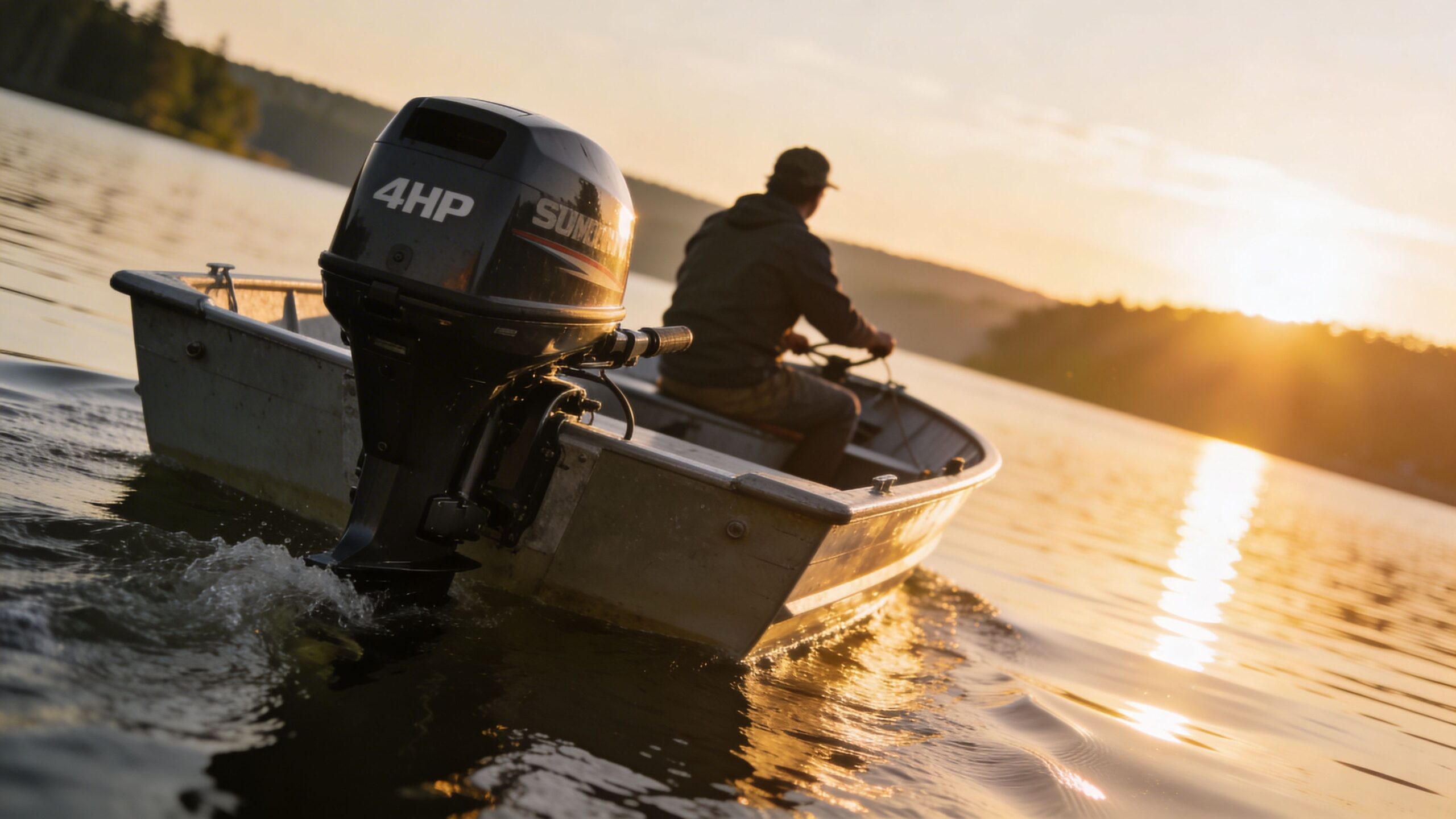
A 4HP motor performs best with a lightweight inflatable or compact tender. Put the same motor on a heavy hull with too much gear aboard, and it will feel slow and strained.
On a light inflatable, a 4HP gives calm, steady drive and much better control than the smallest portable motors. You notice it most when pushing into a light breeze, holding a line near a bank, or getting two adults and some gear back to the ramp without rowing the last stretch.
That is why this size works so well for first-time buyers. It has enough shove to feel useful, but it still stays manageable to lift, store, and service.
In practical Australian use, expect a 4HP to suit short runs in sheltered water, tender work, and low-speed fishing rather than long open-water crossings. If your boating revolves around compact inflatables or small fishing boats suited to estuaries and calm bays, this is the point where portability and usable thrust start to balance out.
A motor in this class is well suited to:
This is the horsepower range I recommend when buyers want one motor that can cover several jobs without becoming awkward to own.
It also keeps running costs in check. Small four-strokes in this class sip fuel compared with larger outboards, and they do not demand the same storage space, transom strength, or handling effort.
A 4HP cannot fix a poor boat and load combination. If the hull is too big, the transom sits low, or you regularly carry extra passengers, eskies, batteries, and fishing gear, performance drops off quickly. The same applies in steep chop, strong headwinds, or tidal flow that runs harder than the motor can comfortably push against.
That is the trade-off. A 4HP is easy to live with, but it rewards realistic expectations.
Practical rule: Buy a 4HP for light, efficient boats and modest loads. If your regular use includes heavy payloads, open bays in fresh afternoon wind, or strong current, step up in horsepower instead of expecting a small motor to cover it.
Most buyers don’t start with “I definitely need 4HP.” They start with a range. Usually 2.5HP, 4HP, or 6HP. The right choice comes down to what you value most: ease of lifting, extra thrust, or overall balance.
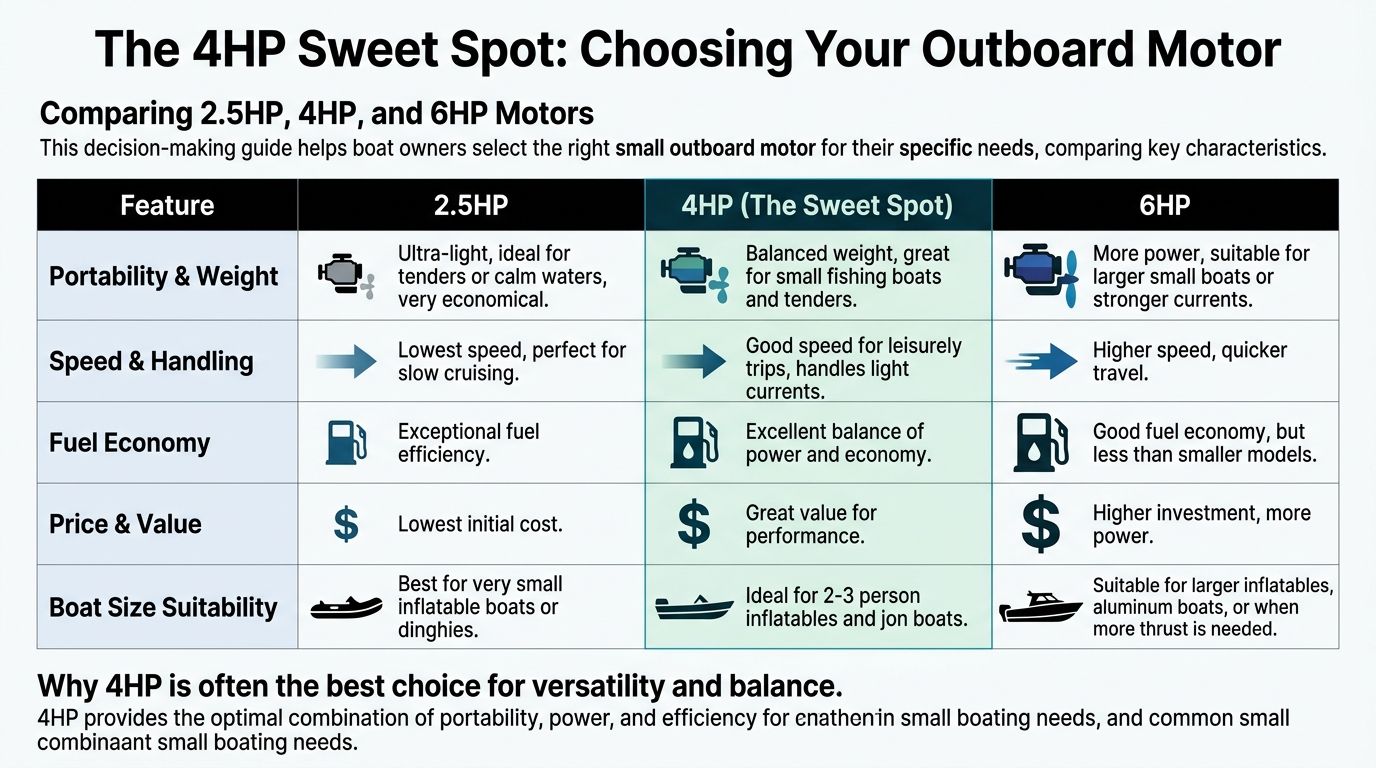
| Feature | 2.5 HP | 4 HP (The Sweet Spot) | 6 HP |
|---|---|---|---|
| Portability | Lightest option | Still portable for most owners | Noticeably more to handle |
| Thrust in current | Limited | Better all-round control | Strongest of the three |
| Typical use | Tiny tenders, calm water | Inflatables, fishing boats, tenders | Heavier loads, stronger flow |
| Fuel setup | Usually simple | Usually simple | Often less convenient in practice |
| Cost of ownership | Lowest entry point | Balanced | Higher overall commitment |
| Buyer profile | Minimalist | Most versatile | Power-first user |
A 2.5HP motor works when your priorities are very clear. You want the lightest engine possible. You carry it often. You use it on a very small tender. You boat in calm water and don’t ask much of it.
That setup can be excellent for short dinghy hops.
But the limitations show up quickly in Australian conditions. Add a second person, a bit of chop, some current, or extra fishing gear, and the motor starts feeling like a compromise rather than a convenience.
A 4 horsepower outboard motor is often where the setup becomes more useful without tipping into hassle.
You get a stronger push off the line, better authority in sheltered current, and a more relaxed day when the boat is carrying real people and real gear. At the same time, you’re usually still in portable-motor territory rather than “awkward workshop lump” territory.
There’s also a bigger ownership point that many generic buying guides miss. The true comparison isn’t just fuel burn in isolation. It’s the broader ownership picture, including maintenance demands and service support in regional Australia. That’s one reason broad online advice often leaves buyers short of the practical answer they need (discussion of the gap around real-world ownership costs for 4HP outboards).
A 6HP is the right move if you know you need more thrust often, not occasionally.
That might mean:
The trade-off is that the whole rig becomes less tidy. More weight. More bulk. More cost. More motor to wrestle on and off a transom.
If you already suspect you’ll resent lifting a 6HP, you probably won’t enjoy owning one.
For many inflatable owners, 4HP lands right in the middle. Enough motor to feel capable. Not so much motor that every launch becomes a chore.
For most Australian buyers, the Hidea question is simple. Does it give you the practical upside of a premium portable without forcing you into premium-brand pricing?
In many real buying situations, yes.
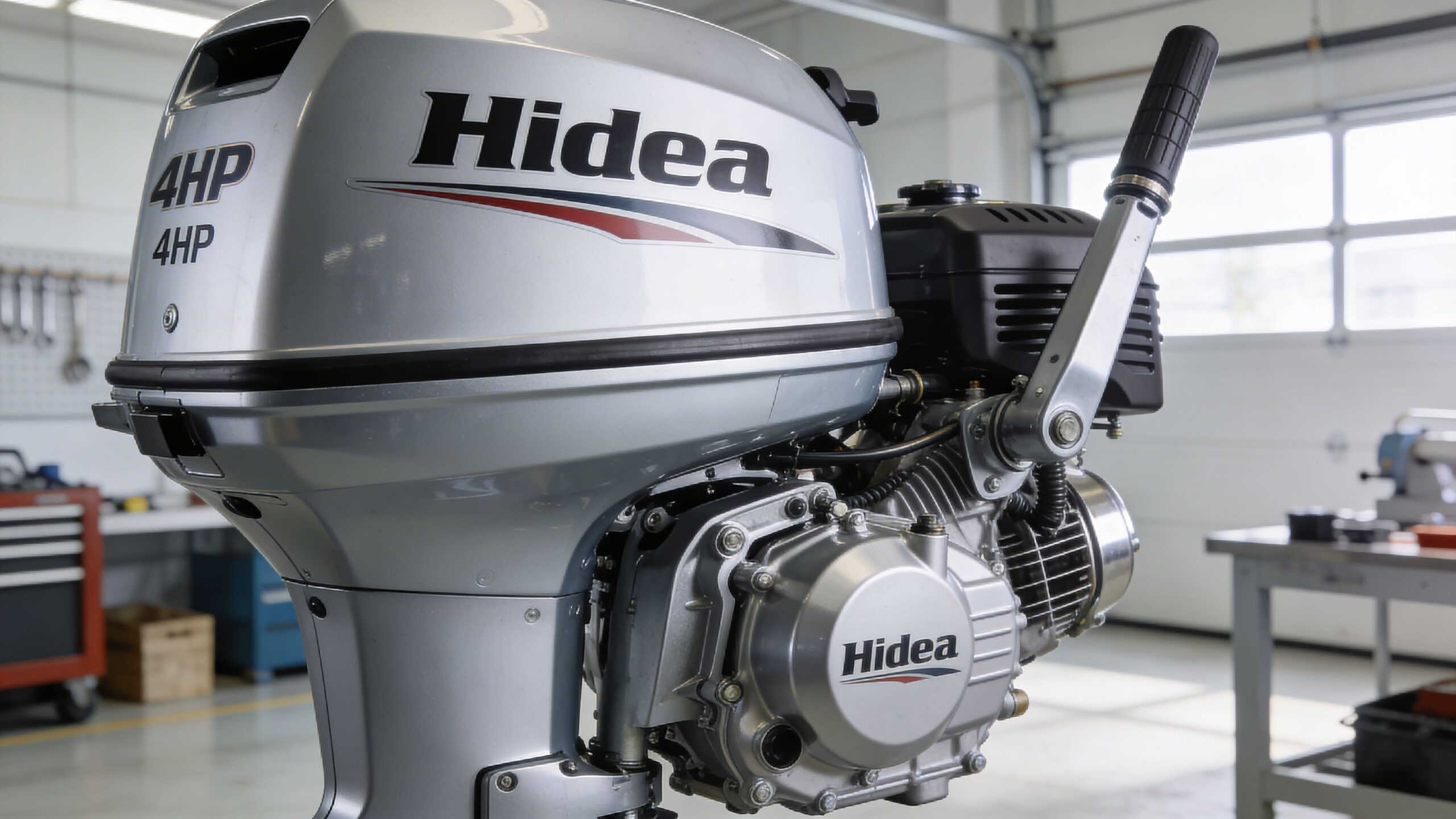
Premium brands like Mercury offer attractive features in this class. The Mercury 4MLH 4hp outboard is described with thermostat-controlled water cooling and a 2.15:1 gear ratio, both useful details in a small motor. But the more important takeaway for many recreational owners is that the Hidea 4HP delivers comparable core performance and reliability for Australian conditions at a significantly lower price point (Mercury 4MLH product context and comparison point).
That’s the part that cuts through.
If your boating is family use, fishing, tender work, or camping trips, you may not need every premium extra. You need a motor that starts, pushes the boat properly, and doesn’t make ownership annoying.
Durability on a portable outboard isn’t only about metallurgy or badges. It’s about how well the motor fits your routine.
For Australian users, that often means:
A practical 4HP motor earns its keep by coping with those habits.
That’s why Hidea has appeal in this size. It targets the buyer who wants dependable recreational use, not a technical hobby. If you want to compare that value-focused approach directly, Hidea outboard motors value-driven outlines the range and where it fits.
Often, the buying decision is made here.
A good 4HP should be:
If a motor has brilliant brochure features but creates extra fuss every weekend, people stop using it. In this bracket, convenience has real value.
The best small outboard is often the one that gets used without second thoughts. Reliable starting and straightforward handling matter more than fancy talking points.
That’s why Hidea makes sense for a lot of first-time package buyers. It sits in the practical middle. Enough motor. Enough reliability. Less financial pain.
New buyers often encounter difficulties here.
They’re not confused about the motor. They’re confused about the paperwork. Licence, registration, safety gear, state rules, AMSA, local exemptions. Most generic boating articles barely touch any of it.
A key gap in online advice is exactly this lack of clarity around AMSA requirements for small motors and how a 4hp motor fits local registration and licensing exemptions for Australian buyers (discussion of that regulatory gap).
The safe approach is to treat regulations as a state-based check before launch, not an afterthought.
Start with these questions:
Those answers can differ between NSW, Queensland, Victoria, and other states.
A lot of people assume a small portable motor automatically means no licence and no rego.
Sometimes that’s true in a given use case. Sometimes it isn’t.
The sensible move is to confirm:
If you’re fitting out a new small boat, it also helps to review the basics around boating safety equipment before your first trip.
A 4HP setup is often one of the simpler ways to get on the water, but simple doesn’t mean exempt from checks.
Check the rules before you buy, not at the ramp. A ten-minute review of your state requirements can save a very frustrating first outing.
That’s especially true if you’ll move between states, use the boat in both inland and coastal waters, or carry the motor between different hulls.
A 4HP outboard earns its keep when the hull is chosen properly. Get the match right and you end up with a package that is easy to launch, light enough to handle at the ramp, and capable enough for the jobs Australians typically buy these motors for, tender runs, estuary fishing, creeks, and sheltered coastal use.
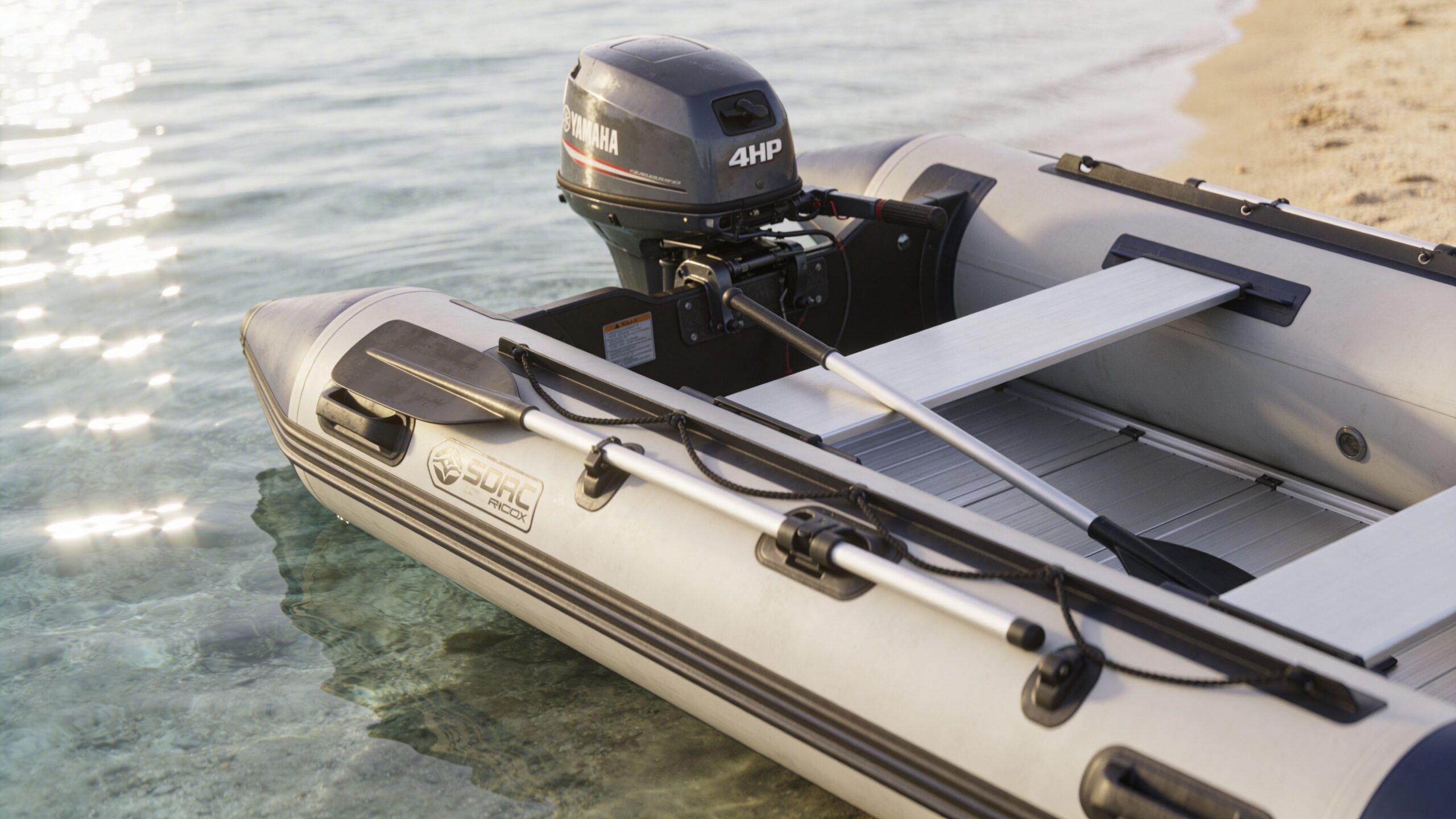
On the water, a 4HP can feel surprisingly capable on one inflatable and flat on another. The difference usually comes down to hull weight, transom height, load placement, and how well the boat matches the motor’s job.
Start with three checks. The transom must suit the shaft length. The boat’s rating must comfortably cover the motor and your typical load. The hull itself needs to be light and efficient enough that the engine is pushing the boat, not fighting it.
Tilt behaviour matters too, especially in Australia where plenty of small inflatables are launched off beaches, riverbanks, and uneven ramps. A portable four-stroke that tolerates repeated tilting and transport well is easier to live with over time. Proper storage and maintenance habits help as well. Even a simple off-season routine makes a difference, and the basic storage mindset in how to winterize your engine carries across well: clean it, protect it, and store it properly.
The best pairings are usually straightforward:
This is the practical trade-off. A bigger, heavier inflatable gives you more room and a softer ride, but it also asks more of a 4HP. A lighter hull is easier to launch, easier to beach, and more realistic if you want crisp throttle response with one or two people aboard.
First-time buyers often choose the motor, then choose the boat, then discover the transom, carrying weight, and balance are only average as a package. A matched setup avoids a lot of that guesswork.
If you want a clearer starting point, it helps to compare a motor for inflatable boat package where the hull and engine are selected to work together. That matters with a 4HP class motor because small changes in boat weight and setup are easy to feel on the water.
I usually steer new owners toward the package mindset for one reason. It reduces mistakes. With a Hidea 4HP paired to the right inflatable, you get a simple, portable setup that suits real local use, from cartopping and tender work to short fishing sessions without dragging around more motor than you need.
Check your owner’s manual first. In this class, standard unleaded is common, and some models specifically note a particular octane compatibility in their product details. Use fresh fuel and don’t leave old petrol sitting for long periods.
Sometimes, with the right lightweight hull and sensible load. Don’t buy a 4HP assuming it will always plane. Buy it for dependable small-boat propulsion, then treat any planing performance as hull-dependent.
No, but it does need consistency. Flush after saltwater use, inspect the prop, check engine oil, and store the motor correctly. If you also want a simple off-season checklist mindset, this guide on how to winterize your engine is written for vehicles, but the storage principle is still useful: clean it, protect it, and don’t put it away wet and neglected.
Yes, if the motor is designed for repeated tilting and you handle it properly on the shoreline. This is one reason portable four-strokes with sensible tilt design work well with inflatables in Australia.
If you’re narrowing down a portable setup for fishing, family trips, tender work, or an inflatable catamaran, Easy Inflatables is one place to compare boat-and-motor combinations that are built around Australian use rather than generic overseas assumptions.