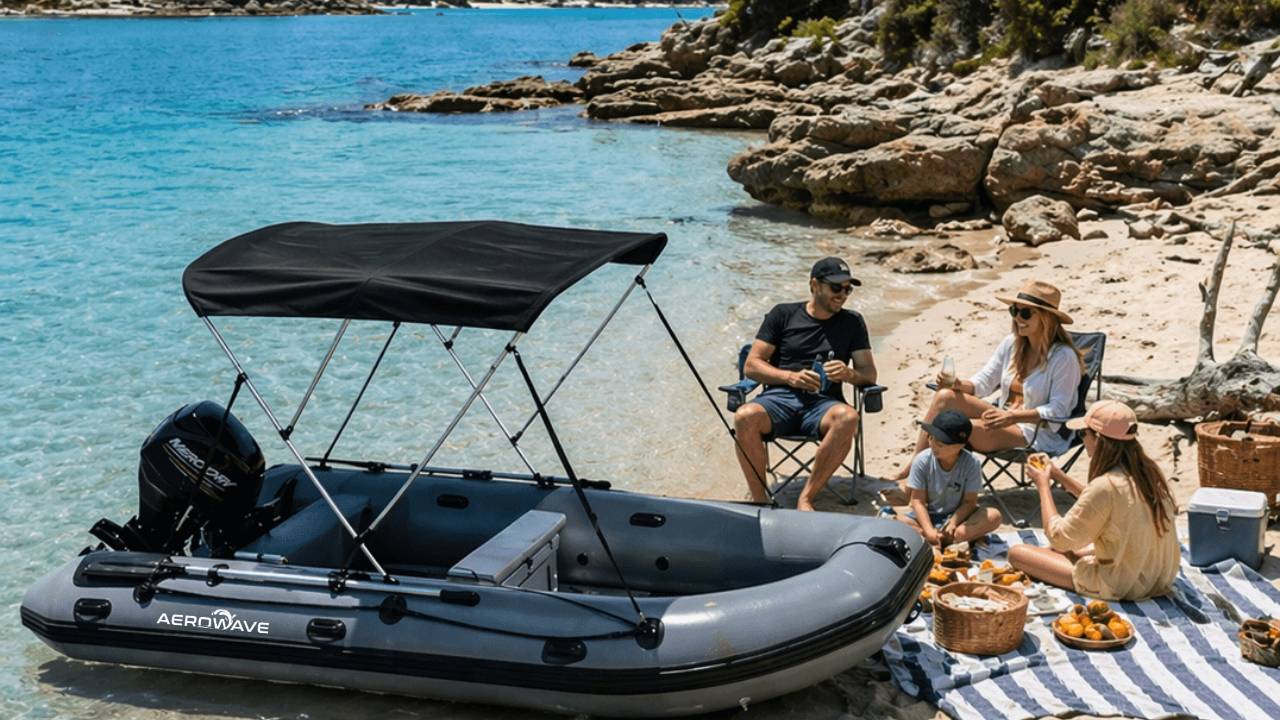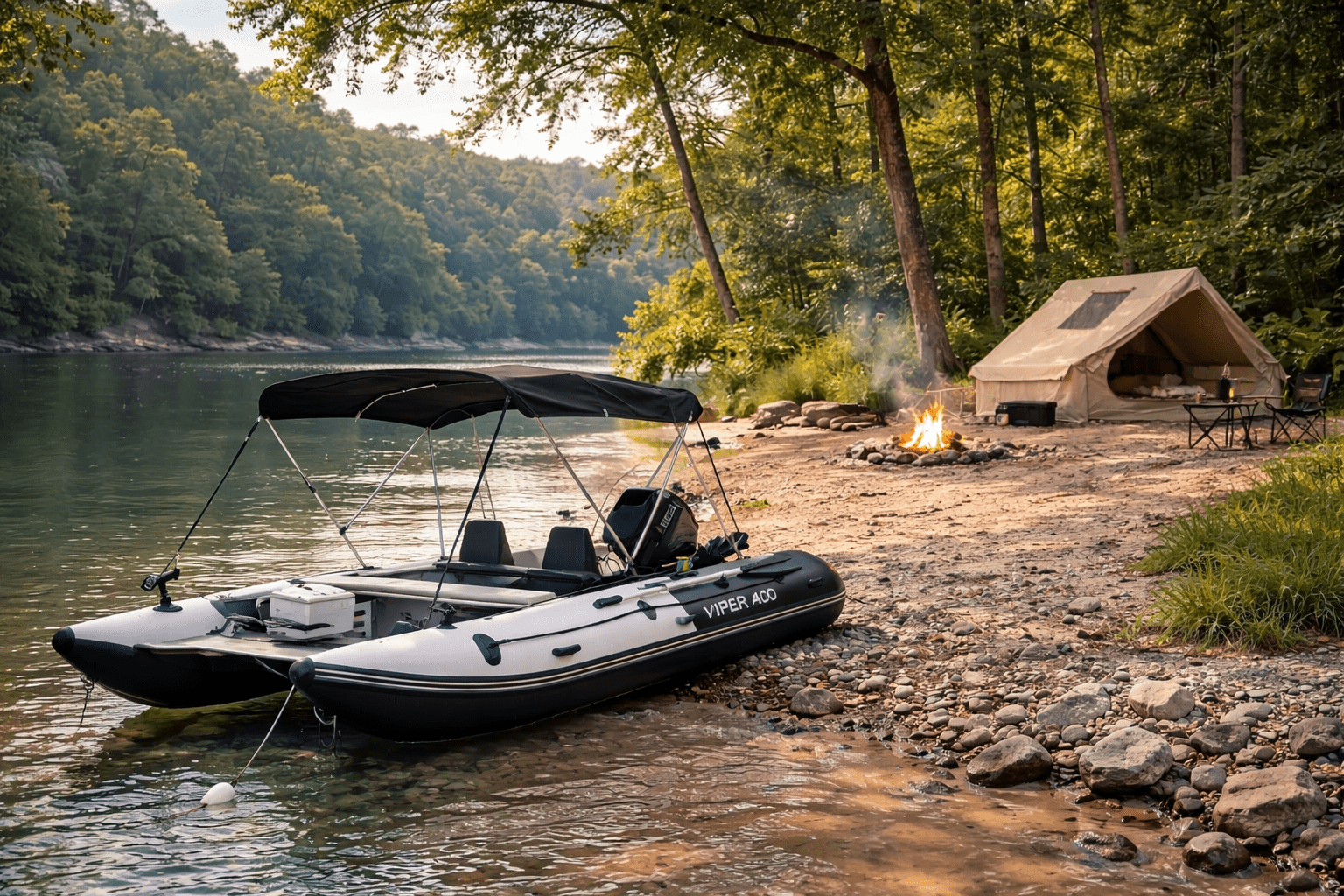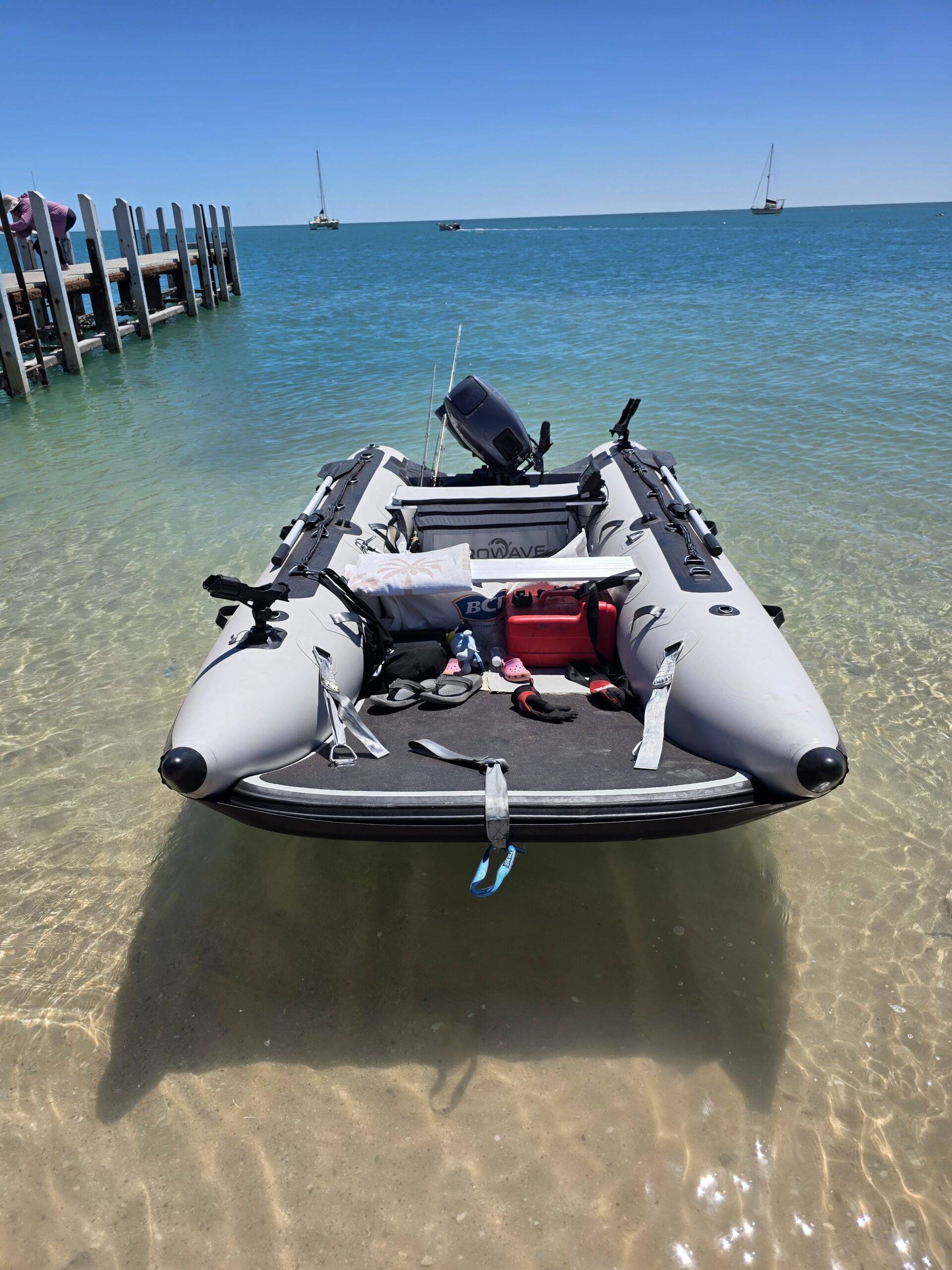
If you’ve ever wrestled with your boat at a busy ramp, you know the feeling. A sudden crosswind catches the stern, pushing it sideways just as you’re trying to line up with the trailer. It’s a frustrating dance that everyone seems to be watching. This is exactly why the best boat guides for a boat trailer aren’t just an accessory; they’re an absolute game-changer.
They essentially create a funnel, guiding your vessel perfectly onto the bunks or rollers every single time. What was once a stressful, hit-or-miss task becomes a smooth, simple manoeuvre, even when the wind and current are working against you. Whether you’re comparing prices and features of inflatable boats in your area or already own one, getting it on and off the trailer safely is paramount.
The Secret to Stress-Free Boat Launching and Retrieval

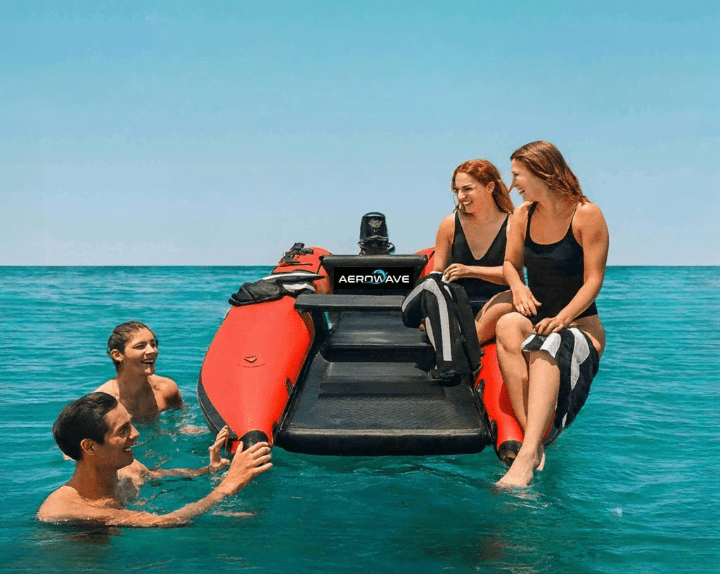
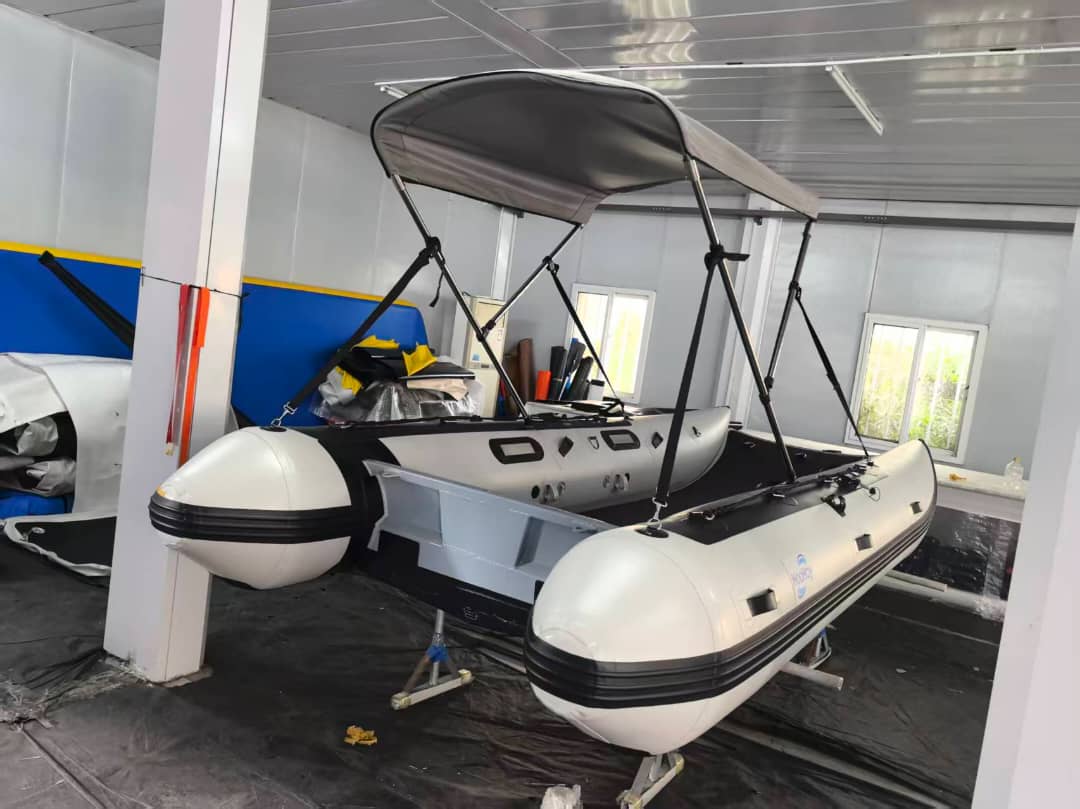
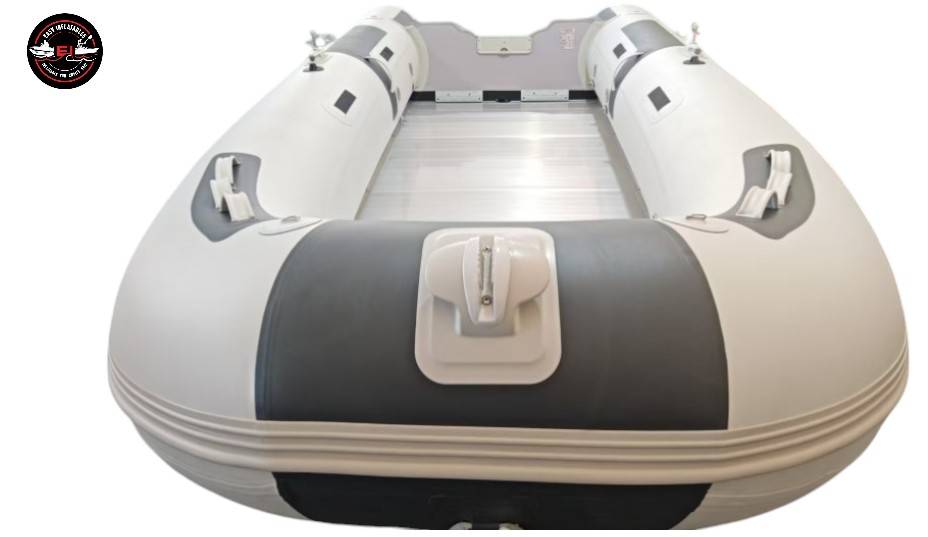
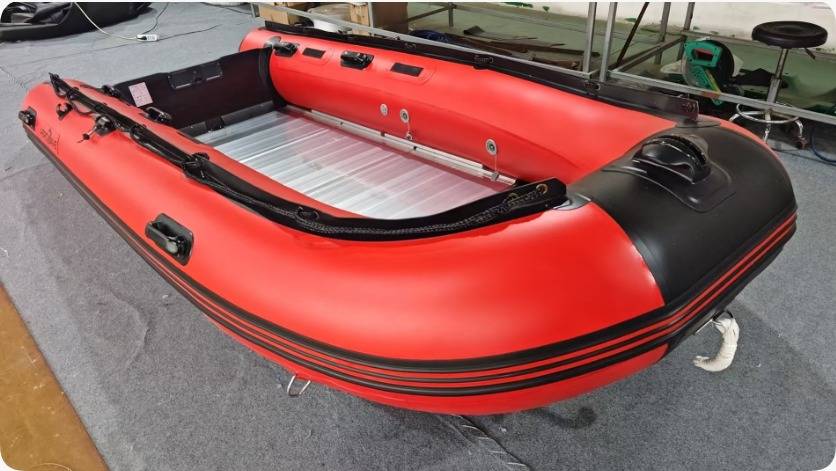
These simple additions transform the entire process from a game of chance into a precise, repeatable action. This is especially true for lightweight vessels like inflatable boats or an inflatable catamaran, which are far more susceptible to being pushed around by the elements.
Why Every Boater Needs Trailer Guides
Without guides, you’re risking more than just a bit of ramp-side frustration. Misaligning your boat can lead to costly cosmetic damage or, worse, serious structural harm over time.
- Preventing Hull Damage: The guides act as a buffer, stopping your boat’s hull—whether it’s fibreglass or the soft tubes of an inflatable—from scraping against the sharp metal edges of the trailer frame.
- Ensuring Proper Support: A perfectly centred boat sits securely on its bunks, distributing its weight exactly as intended. A crooked load creates uneven pressure points that can weaken and damage the hull.
- Saving Time at the Ramp: This is a big one. With guides, you can confidently drive or winch your boat onto the trailer correctly on the first attempt, getting you off the water and on your way home that much faster.
Recreational boating is woven into the Aussie lifestyle, and with over 25,000 km of coastline, it’s no surprise. This passion is driving boat trailer demand, with a projected 4.3% CAGR through 2035 in Australia. The marine industry’s turnover even hit an impressive A$10.12 billion in 2023–2024. Trailers are crucial for towing everything from tinnies to inflatables, including portable catamarans that deflate into bags for the back of the SUV.
For anyone who owns one of the best inflatable boats for recreational use, guides are non-negotiable. They protect the soft pontoon tubes from punctures and abrasion, preserving the lifespan and value of your investment.
Ultimately, installing a quality set of boat guides for your trailer is one of the smartest upgrades you can make. It’s a small investment that pays huge dividends in confidence, safety, and peace of mind.
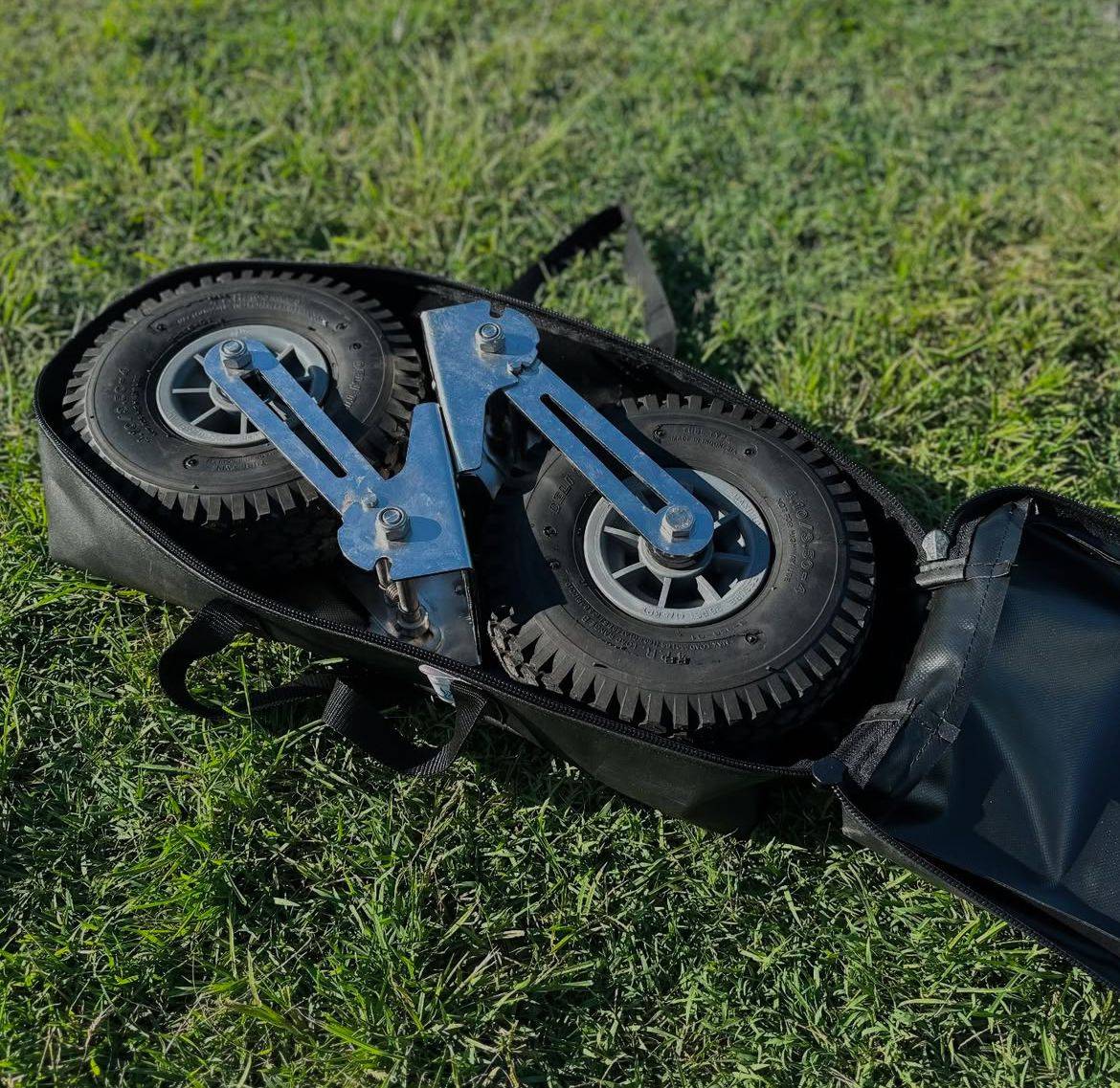
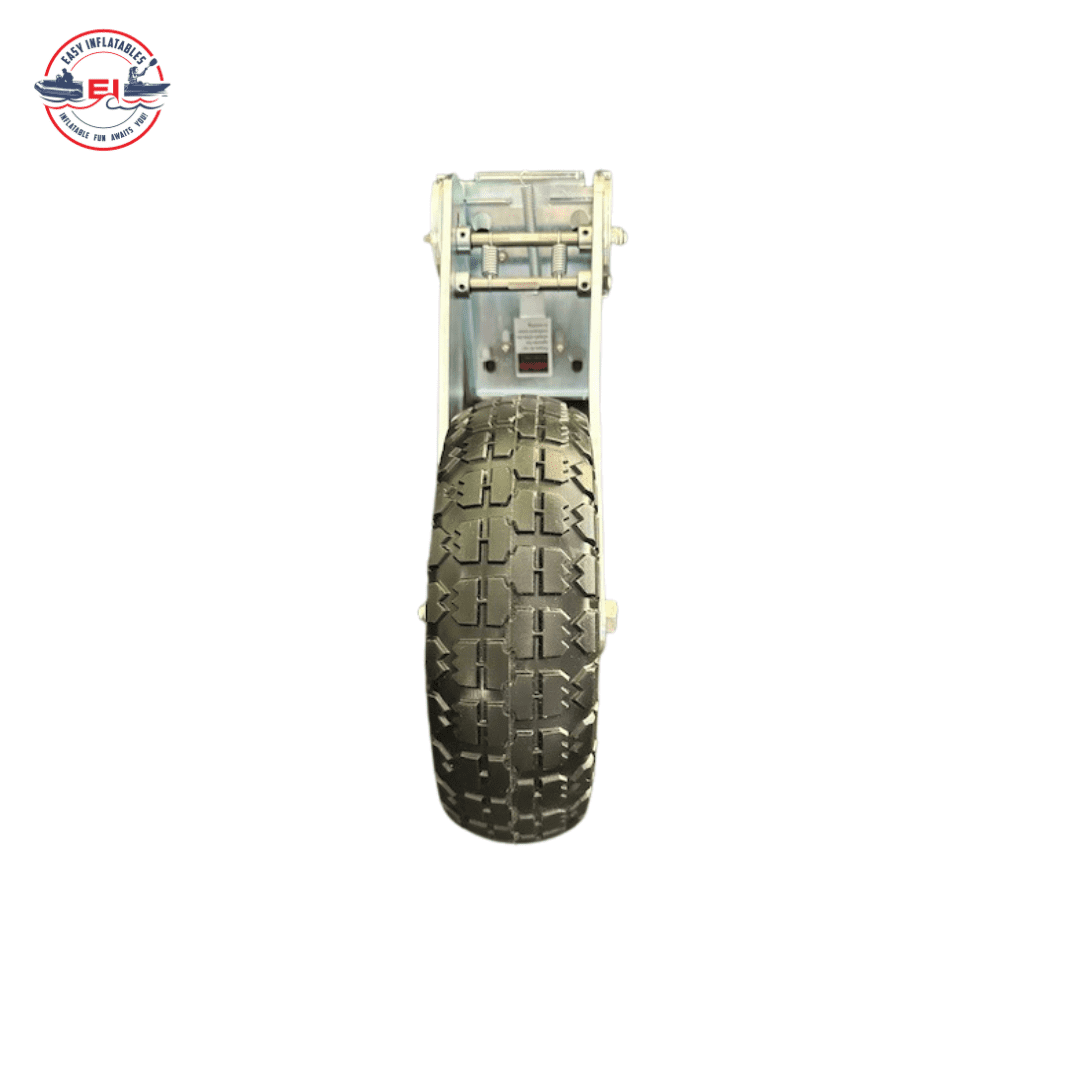
And speaking of making life easier with inflatables, ensuring mobility from the car park to the water is just as important. You might find our guide on choosing the right wheels for an inflatable boat helpful for streamlining that part of your day.
How to Select the Perfect Guides for Your Boat

Choosing the right boat guides for your boat trailer isn’t a one-size-fits-all decision. The perfect setup comes down to your boat’s specific design—especially its hull. What works brilliantly for a rigid aluminium tinnie could cause serious wear and tear on the soft tubes of an inflatable catamaran.
The two main players in the game are vertical bunk guides and roller guides. Getting your head around the fundamental differences between them is the first step toward making a smart investment that actually protects your vessel.
Bunk Guides for Gentle Support
Vertical bunk guides are essentially tall posts fitted with long, flat boards, almost always covered in marine-grade carpet. They offer broad, distributed support, which makes them the hands-down winner for inflatable boats.
- Ideal for Inflatables: The soft, carpeted surface provides a gentle buffer that won’t scuff or puncture the PVC or Hypalon fabric of an inflatable’s tubes.
- Broad Contact Area: Instead of focusing all that pressure on small points, the long bunks guide the boat smoothly along its sides—a non-negotiable for flexible hulls.
Think of it like pushing a shopping trolley with your open palm versus a single finger. The bunk guide is the palm, giving you stable, gentle guidance without creating a single point of high pressure that could damage the delicate material of an inflatable boat. For our range of inflatable catamarans, carpeted bunk guides are what we always recommend.
A key consideration here is the material. Make sure the bunks are covered with marine-grade polypropylene carpet. It dries quickly to prevent mould and rot, which can seriously degrade your boat’s tubes over time.
Roller Guides for Rigid Hulls
Roller guides, on the other hand, use spinning polyurethane or rubber wheels mounted on vertical posts. These are fantastic for boats with solid, rigid hulls.
The rollers let the boat glide on and off the trailer with minimal friction, which is a massive help for heavier fibreglass or aluminium boats. But those focused pressure points can be far too harsh for the soft tubes of an inflatable, potentially causing indentations or even damage.
Bunk Guides vs Roller Guides: Which Is Right for You?
Deciding between bunk and roller guides can feel tricky, but it really just boils down to your boat type and how you launch. Here’s a quick comparison to help you figure out what’s best for your setup.
| Feature | Bunk Guides (Carpeted) | Roller Guides (Polyurethane) |
|---|---|---|
| Best For | Inflatable boats, pontoons, and boats with delicate or painted hulls. | Fibreglass, aluminium, and other rigid-hulled boats. |
| Support Type | Distributes weight and pressure evenly across a wide surface area. | Concentrates pressure on specific points via rollers. |
| Friction Level | Higher friction; offers more controlled loading and unloading. | Very low friction; allows boats to slide on and off with minimal effort. |
| Launch Conditions | Excellent for steep ramps where you need more control. | Ideal for shallow ramps where you need to push the boat off the trailer. |
| Maintenance | Carpet can wear out over time and may hold moisture, requiring eventual replacement. | Rollers are durable but may need occasional lubrication or replacement if they crack or seize. |
| Risk Factor | Very low risk of hull damage for inflatables due to the soft, wide surface. | High risk of damaging inflatable tubes; can leave marks or dents on softer hulls. |
Ultimately, the choice is clear: if you have an inflatable, bunk guides are the way to go for safe, gentle support. For just about any rigid hull, rollers will make your life a whole lot easier at the ramp.
Material and Build Quality Matter
Your guide’s longevity, especially in our harsh Australian coastal conditions, really comes down to its construction. Always look for hot-dip galvanised steel for the posts and brackets. This process provides a thick, protective zinc coating that is far more resilient against saltwater corrosion than simple zinc plating will ever be.
The booming interest in boating across Australia makes quality equipment more important than ever. Australia’s trailer market is set to reach USD 2.22 billion in 2025 and is projected to grow to USD 2.51 billion by 2030. This growth is driven by families and anglers towing vessels, like the lightweight inflatable boats from Easy Inflatables, to spots all across Queensland and New South Wales. If you’re looking to hire inflatable boats for a family outing in Australia, you’re part of this growing trend.
Matching the right guides to the right hull and investing in quality materials is foundational. It ensures every launch is smooth and damage-free, keeping you on the water longer. For more detailed information on trailers specifically designed for portability, check out our guide on selecting a small boat trailer that complements your inflatable.
How to Properly Measure and Prepare for Installation
A perfect boat guide setup hinges on what you do before a single bolt gets tightened. Getting the prep work right is the secret to a smooth launch every time and ensures your guides do their job without scratching or damaging your boat. It all starts with a tape measure and a solid plan.
The single most important measurement you’ll take is your boat’s beam – its width at the absolute widest point. For an inflatable, this is usually the distance between the outer edges of the two main pontoon tubes. Get this measurement while the boat is either on a flat, level surface or already sitting on the trailer.
Once you’ve got that number, it’s time to transfer it to your trailer. The goal is to mount the guides so they sit just a little wider than the boat itself. A great rule of thumb is to add a total of 4 to 6 centimetres to your beam measurement. This gives you a neat 2-3 cm gap on each side, which is the sweet spot for guiding the hull in without forcing it.
For example, if your inflatable catamaran has a beam of 180 cm, you’ll want the final distance between your guide posts to be around 184-186 cm. This small amount of clearance is what makes for effective, damage-free alignment.
Assembling Your Toolkit
Having the right gear on hand makes this a quick and painless job. Before you get started, round up these essentials to save yourself a few trips back to the garage:
- Tape Measure: Absolutely non-negotiable for accurate measurements.
- Permanent Marker or Paint Pen: For clearly marking your mounting points on the trailer frame.
- Socket Set and Wrenches: Make sure you have the right sizes to fit the U-bolts and nuts that came with your guide kit.
- Rubber Mallet: Incredibly handy for gently tapping brackets into their final position without marring the finish.
Pre-Installation Checks and Balances
With your measurements marked and your tools laid out, take a moment for a few final checks. This is your last chance to spot any potential headaches before you commit to drilling or bolting anything down.
First up, give the sections of the trailer frame where you plan to mount the guides a thorough inspection. You’re looking for any serious rust or signs of structural weakness. If you spot heavy corrosion, you absolutely need to treat it with a rust converter and a fresh coat of galvanised paint before you go any further. Mounting brand new guides to a compromised frame is just asking for trouble down the track.
Next, double-check all your hardware. Confirm that every nut, bolt, and washer is either marine-grade stainless steel or has been hot-dip galvanised. Anything less is going to corrode and fail surprisingly quickly, especially if you’re launching in saltwater. A bit of diligence here ensures your boat guides will serve you reliably for years. Speaking of smart setups, you can apply similar organisational principles when choosing a kayak wall rack to maximise your storage space.
Installing Your New Boat Guides Step by Step
Alright, let’s get our hands dirty. You’ve done the measuring, you’ve got your tools, and now it’s time to get these new boat guides fitted to your trailer. The whole process is pretty straightforward, but the trick is to take your time. Work methodically, make small adjustments, and don’t tighten anything down fully until you’re happy with the fit.
First up, loosely attach the mounting brackets to your trailer frame with the U-bolts provided. I mean loosely—just enough to hold them in place. You should still be able to nudge them into position with a tap from a rubber mallet. This bit of play is your best friend for the next stage.
Getting the Initial Fit Right
With the brackets loosely on, go ahead and slide the vertical guide posts in. This is where you’ll start to see how the system will hug your boat. Use the measurements you took earlier to position the guides at the widest point of your boat’s hull—that’s where they’ll do the most good.
If your boat is already on the trailer, this part is even easier. You can use the hull as a direct reference. You’re aiming for that sweet spot: an ideal gap of 2-3 cm on each side. This little bit of clearance is crucial. It ensures the guides can funnel your boat onto the trailer cleanly without scraping the hull or putting constant pressure on it, which is especially important for the soft tubes on an inflatable catamaran.
Here’s a simple three-stage process to follow for your trailer prep before you even pick up a wrench.

Stick to this sequence—inspect, measure, then gather your tools—and you’ll have a smooth, safe installation from start to finish.
Securing the Hardware Correctly
Once you’re satisfied with the position of the guides, you can start tightening the hardware. It’s best to work in a crisscross pattern, a bit like tightening the lug nuts on a car wheel. This helps apply even pressure and stops the brackets from pulling out of alignment as you tighten them down.
One of the biggest mistakes I see people make is over-tightening the U-bolts. It’s tempting to really crank on them, thinking tighter is better, but you can actually crush or warp your trailer’s frame, especially if it’s a C-channel or box-section design. Tighten them until they feel snug and the lock washers are compressed, but don’t go overboard with brute force.
After everything is tight, grab each guide post and give it a firm shake. There shouldn’t be any wobble or play where it meets the frame. If you feel any movement, go back and double-check your connections.
Here’s a final checklist before you call it a day:
- Check Vertical Alignment: Are the guide posts standing perfectly straight? If they’re angled, they could guide the boat incorrectly and even cause damage.
- Confirm Clearance: Do one last check of the gap between the guides and your hull. Make sure it’s consistent all the way up.
- Inspect Hardware: Run your hand around the brackets and bolts. Ensure there are no sharp edges sticking out that could catch and tear your boat’s hull.
Taking the time to do this carefully ensures you get a professional-quality setup. Properly installed guides don’t just protect your boat; they make launching and retrieving a breeze for years to come. And for those who are constantly on the move with their inflatables, pairing your setup with a purpose-built foldable boat trailer can make the entire experience even better.
Fine-Tuning and Maintaining Your Guides for Flawless Performance
With your new boat guides securely installed, the final piece of the puzzle is dialling in the alignment. This isn’t about guesswork; it’s about seeing how your boat actually behaves during a real-world launch and retrieval. The only way to perfect the setup is to take it to the water.
Pay close attention as you winch your boat back onto the trailer. Does it centre itself effortlessly, or does it seem to favour one side? You’ll likely need to make a few tiny micro-adjustments to get that flawless fit. Seriously, a centimetre here or a slight angle change there can make a world of difference.
The Test Launch and Micro-Adjustments
During your first retrieval, watch for these key signs:
- Even Contact: The boat should make light, even contact with both guide-ons at roughly the same time as it comes up the trailer.
- Self-Centring Action: As you winch, the guides should gently nudge the boat into the perfect central position over your keel rollers or bunks. It should feel smooth, not forced.
- No Binding or Scraping: Listen for any nasty scraping sounds and look for signs of excessive pressure on one side of the hull.
If the alignment is off, don’t sweat it. Just loosen the mounting bolts, make a small adjustment to the guide’s width or angle, and retighten. It’s an iterative process, but taking the time now ensures your guides work with your boat, not against it.
Your goal is a setup where the guides do their job with minimal force. Think of them as a gentle suggestion for the hull’s path, not a rigid barrier that forces it into place.
Long-Term Care for Lasting Performance
Once your guides are perfectly dialled in, a little proactive maintenance will ensure they last as long as your trailer. A simple checklist can keep them in prime condition for years, protecting your investment with every trip to the ramp.
Regular checks are essential. Before heading out, give all the nuts and bolts a quick check for tightness—road vibrations love to work things loose over time. You should also look for any signs of corrosion, especially around welds and bolt holes, and keep an eye on the condition of your rollers or bunk carpeting. Any damaged surfaces can easily harm your boat’s hull. For tips on fixing wear and tear on inflatable boats, check out our helpful article on inflatable boat repairs.
A freshwater rinse after every single saltwater dip is non-negotiable. This simple action dramatically extends the life of the galvanised steel by washing away corrosive salt residue.
Boat trailers in Australia are evolving fast, adapting to our unique conditions and high safety standards. This growth is tied to the 905,000 registered boats and over 15,000 new ones hitting the water in 2023 alone. Modern trailers often feature non-marking rollers and sealed LEDs—ideal for lightweight inflatables with Hypalon fabrics—making regular maintenance even more crucial to protect these advanced components. This diligent approach ensures your guides perform flawlessly every time.
Got Questions About Your Trailer Guides?
Even after a perfect installation, you’ll probably have a few questions pop up. Getting the right answers from the get-go builds confidence and makes sure you’re getting the most out of your setup. Here are some of the most common queries we hear, especially from inflatable boat owners.
Think of this as your quick-reference guide. The right information here will help you sidestep common mistakes and keep your launch and retrieval smooth every time.
How Close Should Guides Be to My Inflatable Boat?
For an inflatable boat, the goal is gentle guidance, not a tight squeeze. You want the guides close enough to nudge the boat into position against wind or current, but not so tight that they put constant pressure on the tubes.
A gap of about 2-3 cm on each side is the perfect starting point. This keeps the boat centred without scuffing up the PVC or Hypalon fabric. Before you tighten everything down, run your hand along the inside edge of the guide posts to make sure no sharp bolts or hardware can catch the tubes when the boat shifts.
Can I Install Guides on Any Boat Trailer?
Most guide-on kits are designed to be pretty universal, typically using U-bolts that clamp onto standard I-beam or box-section trailer frames. But it’s still critical to measure your trailer frame’s height and width before you buy.
Some older, custom-built, or oddly shaped trailer frames might need special mounting brackets or a bit of modification to get a secure fit. Always check your trailer’s dimensions against the product specs to make sure you’re getting a kit that will bolt on properly from the start.
Do I Still Need Tie-Down Straps with Guides?
Yes, 100%. This is a non-negotiable safety point. Boat guides are purely for alignment—they help you get the boat onto the trailer straight. They are not designed to secure your boat for transport.
Once your boat is winched up snugly against the bow stop, you must always use a bow safety chain and heavy-duty stern tie-down straps. The guides get it in the right spot; the tie-downs make sure it stays there on the highway.
Which Guide Materials Last Longest in Saltwater?
In coastal Australia’s harsh marine environments, your choice of materials is everything. Cheap steel will rust and fail faster than you think, compromising your whole setup.
For gear that lasts, always look for these materials:
- Frame Construction: Stick with hot-dip galvanised steel or marine-grade aluminium. Nothing else provides the same level of protection against saltwater corrosion.
- Rollers: If your setup uses rollers, make sure they are high-quality polyurethane. They’re tough, non-marking, and won’t degrade in the sun.
- Bunk Carpet: For bunk-style guides, the carpet needs to be a marine-grade synthetic. This stuff is designed to dry quickly and resist mould, rot, and UV damage, protecting your hull and tubes for years.
Spending a bit more on quality materials upfront will save you from expensive replacements and potential damage down the track.
At Easy Inflatables, we believe getting on the water should be simple and enjoyable. If you’re asking, “What are the best inflatable boats for recreational use available near me?” we have the answer. Explore our range of durable, high-performance inflatable boats, catamarans, and accessories designed for Australian adventurers. Find your perfect setup today at https://easyinflatables.com.au.