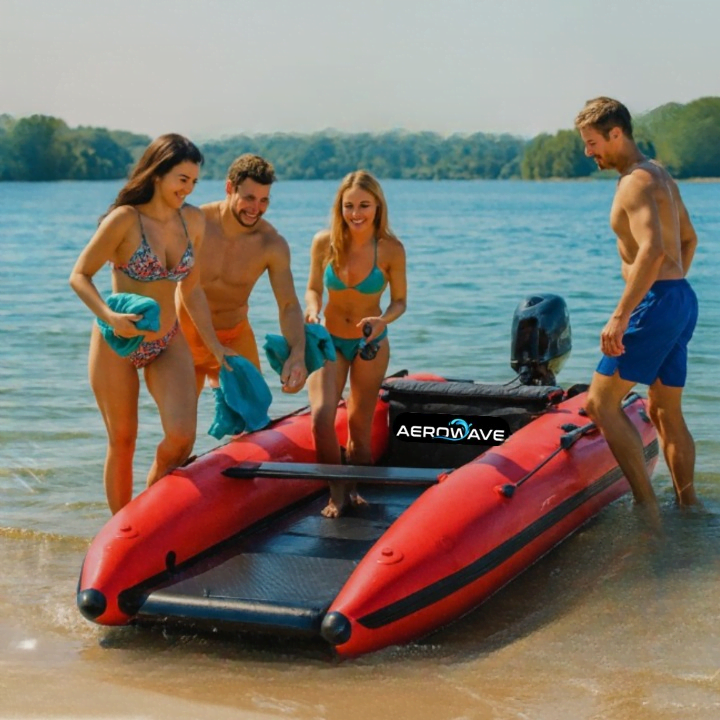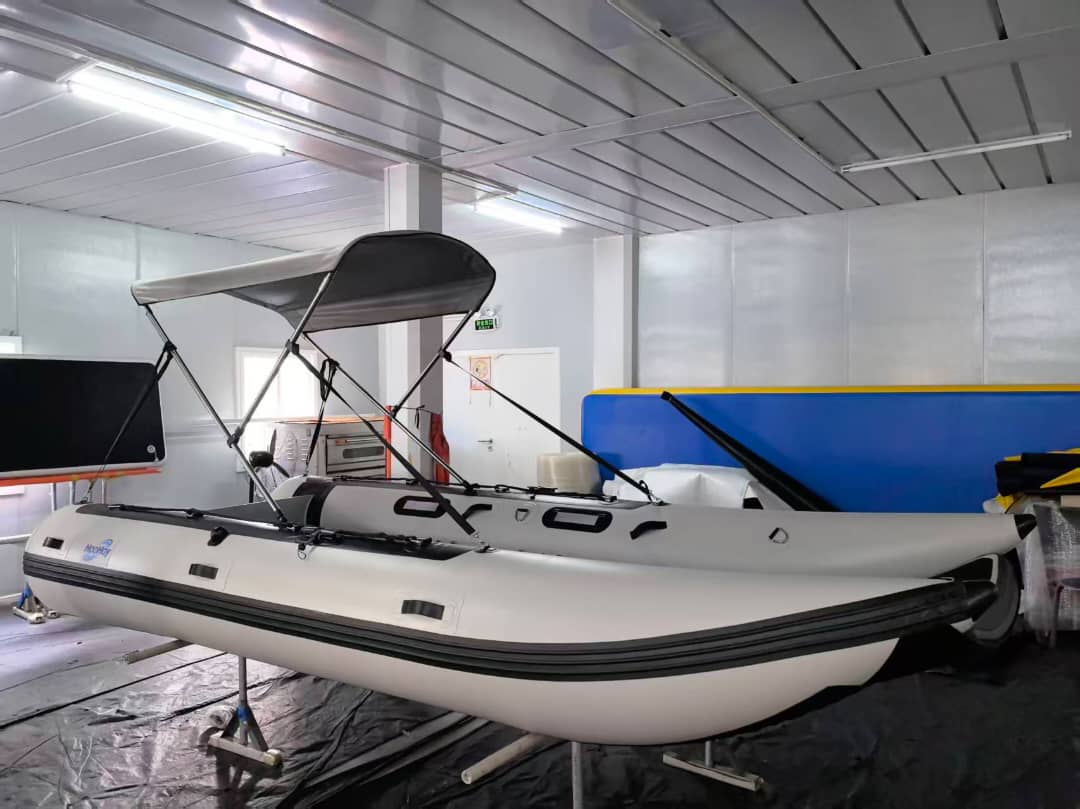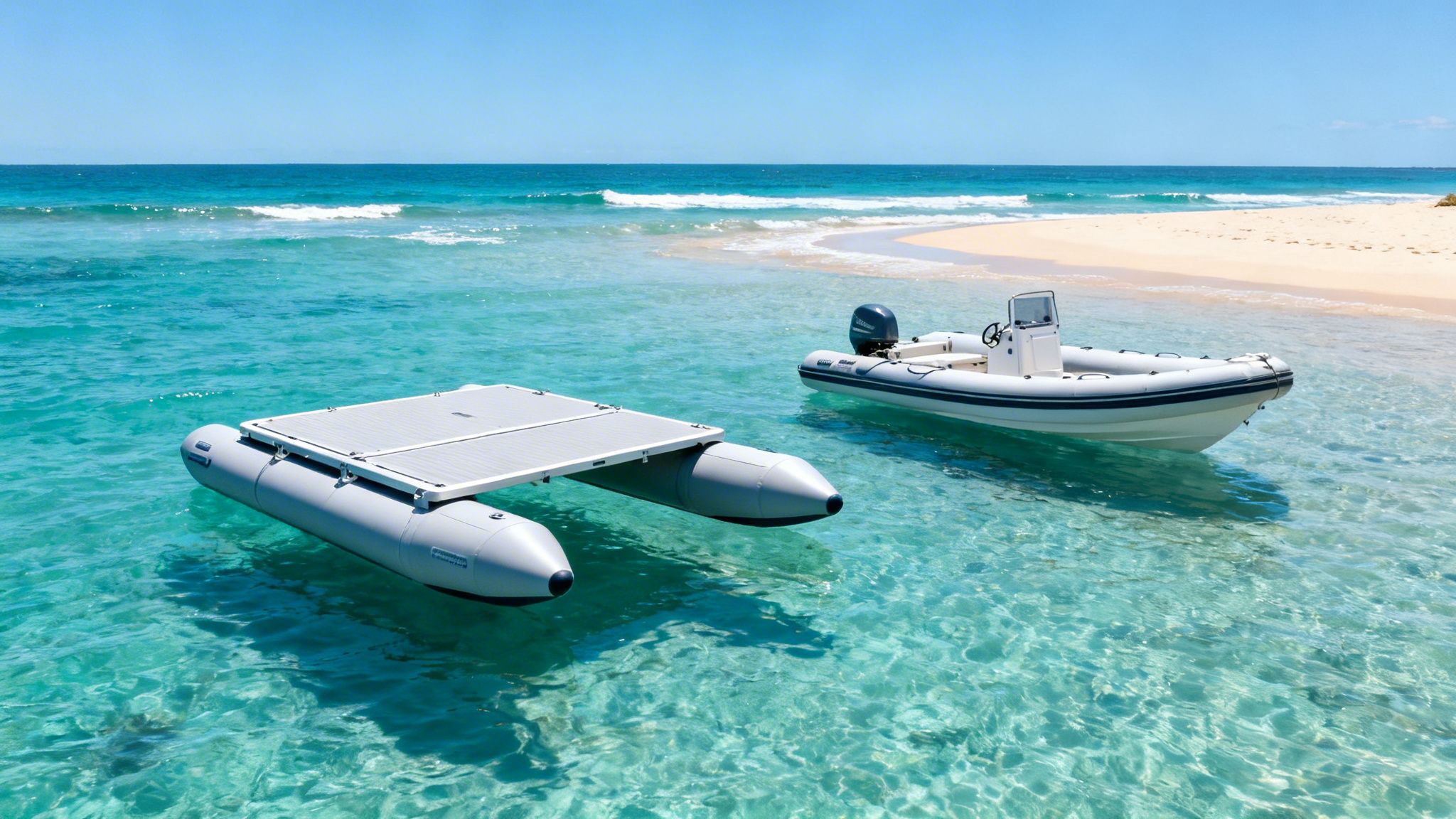

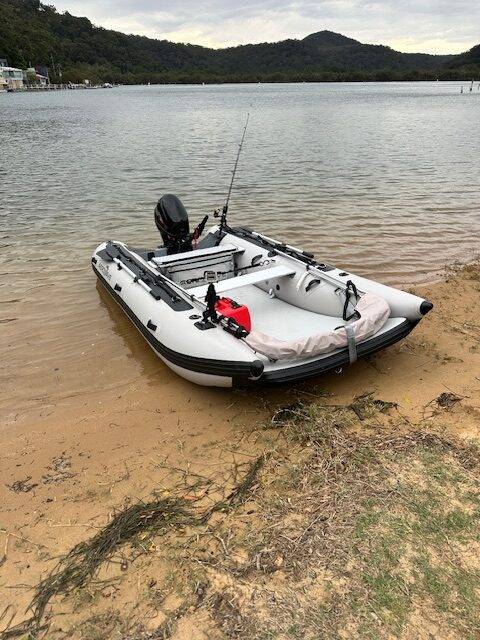
Picture this: launching your boat effortlessly from a quiet riverbank or a secluded stretch of sand, with no boat ramp or trailer in sight. This is the exact freedom an inflatable catamaran in Australia delivers. These incredibly versatile, packable boats are opening up our country’s best waterways for families, fishers, and adventurers who want to get out there without the fuss.

The Easy inflatables – Viper Sovereign 4.00 Inflatable Catamaran
For a lot of Aussies, the dream of owning a boat gets bogged down by the realities of storage, towing, and maintenance. A classic tinnie needs roof racks or a trailer, which immediately rules out remote tracks and adds to your fuel bill on long trips. This is where a modern catamaran inflatable boat completely changes the game. If you’re comparing prices and features of inflatable boats, the unique advantages of a catamaran design are worth a serious look.
Imagine your entire boat, motor, and gear packed neatly into a couple of bags in the back of your SUV or caravan. Instead of trying to wrestle an 80kg tinnie off the roof, you’ve got a vessel that starts from just 24kg and inflates in a matter of minutes. This level of portability means you are no longer chained to busy, designated boat ramps.
The real advantage is getting to places bigger boats simply can’t. Think of a hidden cove on Fraser Island, a quiet creek in the Gippsland Lakes, or a calm bay you stumbled upon while overlanding—these are the spots an inflatable catamaran is made for.
This guide is here to walk you through everything you need to know about picking the right inflatable catamaran for your kind of adventure. We’ll dive into the crucial differences between materials, what to look for in quality construction, and how to match a boat to your specific lifestyle. You might also want to check out our guide on the top 5 destinations for inflatable boating in Australia to get some inspiration for your first trip.
A huge reason for the growing popularity of these boats is the incredible stability that comes from the twin-hull design. Unlike a traditional V-hull boat that can feel a bit tippy, a catamaran offers a wide, solid platform on the water. This is a game-changer for a few reasons:
Brands like Viper have focused on this core strength, blending natural stability with tough materials and clever design. This approach creates a superior boating experience, positioning their models as a smart choice for those seeking both performance and ease of use. By the time you finish this guide, you’ll know exactly what to look for to find the perfect boat for your next water adventure.
When you’re out on the water, the shape of your boat’s hull is what separates a good day from a great one. For years, traditional monohull (single-hull) boats were the go-to, but if you’re looking for a genuinely better experience on Australia’s diverse waterways, the modern inflatable catamaran is in a league of its own. It’s all about stability, efficiency, and pure comfort, especially when conditions get choppy.
The difference is simple, yet it completely changes how the boat handles. A monohull boat sits in the water, displacing a large volume. This often leads to a side-to-side rolling motion that can feel pretty unsettling unless you’re on glass-calm water. A catamaran, however, uses two sleek hulls that sit on top of the water, creating a wide, stable platform that naturally resists that rolling.
Here’s a simple way to think about it: try standing on one foot. That’s your monohull. Now, stand with your feet shoulder-width apart. That’s your catamaran. The twin-hull foundation makes the boat feel incredibly planted, whether you’re anchored up or cruising through a bit of chop. This isn’t just a perk; it’s a game-changer for safety and enjoyment.
This diagram shows exactly what we mean by the stability difference between a monohull and a catamaran.

You can see how the catamaran’s wider base distributes weight evenly across both hulls, which cuts down on the tipping and rocking you often feel in single-hull designs.
For families planning an outing or anglers who need a steady platform to stand and cast, this stability is a godsend. It’s a key reason why many consider inflatable catamarans the best choice for recreational use. You’ll feel more secure, relaxed, and confident on the water.
This incredible stability isn’t just about feeling good at anchor. When you head into open or choppy water, a catamaran inflatable boat really shows its true colours.
A catamaran’s twin-hull design creates a pocket of air right down the middle. As you move, this trapped air generates lift and dampens wave impact, giving you a ride that feels soft and controlled—a world away from the harsh slap of a typical flat-bottomed boat.
To give you a clearer picture, here’s how the two types of inflatables stack up side-by-side.
| Feature | Inflatable Catamaran (Twin-Hull) | Inflatable Monohull (V-Hull) |
|---|---|---|
| Stability | Exceptional. Wide base minimises rocking, perfect for standing and moving. | Good. V-hull cuts through water but can be prone to side-to-side roll. |
| Ride Comfort | Very smooth. Air tunnel cushions wave impact, reducing ‘slapping’. | Can be bumpy. Slaps against chop, especially in flatter-bottomed models. |
| Space | Excellent. Flat, open deck provides more usable internal space. | Good, but less usable. The V-shape intrudes into the floor space. |
| Speed & Efficiency | Highly efficient. Less drag means faster speeds with smaller motors. | Good. Requires more power to get on plane due to greater water displacement. |
| Best For | Fishing, family outings, choppy water, and tender use. | All-purpose boating, calm to moderate conditions. |
Ultimately, while V-hulls are a reliable choice, the twin-hull design of a catamaran simply offers a more stable, comfortable, and efficient platform for Australian conditions.
A boat’s hull shape is only half the story. The rigidity of the floor is just as critical, and this all comes down to its construction and PSI (Pounds per Square Inch) rating. A flimsy, under-inflated floor will make even the best-designed catamaran feel spongy and sluggish.
Top-tier inflatable catamarans, like those in the Viper range, use a high-pressure drop-stitch air-deck floor. These floors are engineered to be inflated to a very high pressure—typically between 10 to 15 PSI. When inflated correctly, the floor becomes incredibly firm, creating a solid platform that feels almost like a traditional hard deck. This rigidity is what unlocks the boat’s full performance, unifying the whole structure so it handles with precision.
Lower-end boats with low PSI floors (often 3-5 PSI) just can’t compete. They flex and warp when you hit a wave or make a sharp turn, robbing you of performance and control. If you’re serious about getting the best out of your inflatable, a high-pressure floor is non-negotiable. It’s what ensures your boat feels solid underfoot and responds exactly when you need it to. To see these features in action, you can explore our full range of inflatable catamarans here.

When you start shopping for an inflatable catamaran in Australia, you’ll quickly see a massive range of options at wildly different prices. So what really separates a reliable, high-performance boat from one that’s going to let you down? It all comes down to the details you can’t always see at first glance—fabric thickness, seam type, and hull design.
Getting your head around these key elements is crucial. A well-built boat gives you safety, predictable handling, and years of service under the harsh Aussie sun. A poorly made one, on the other hand, can quickly turn into a frustrating and expensive mistake. Let’s break down what truly matters.
The fabric is your boat’s first line of defence against everything from punctures and scrapes to UV damage. For Australian conditions, you need a material that’s both tough and resilient. Most quality inflatables are built from either PVC (Polyvinyl Chloride) or Hypalon.
While both materials are tough, a high-quality PVC like German Valmex offers a brilliant balance of performance and value for most recreational boaters. Its UV-resistant properties make it a perfect match for Australia’s demanding climate.
If you’re weighing up the options, you can explore our detailed comparison of Hypalon vs German PVC to figure out what’s right for you. This choice directly impacts how long your investment will last.
A boat is only as strong as its weakest point, and on an inflatable, that’s almost always the seams. How the fabric panels are joined together is a dead giveaway of quality. There are two main methods: gluing and welding.
Beyond materials, the specific design of the hulls and floor is essential. As discussed, a high-pressure air-deck floor (or “drop-stitch” floor) is what turns the boat from a soft raft into a rigid, high-performance platform. When inflated to 10 PSI or more, these floors prevent the boat from flexing in choppy water, allowing the twin hulls to slice through waves efficiently. A low-PSI floor will just feel spongy and sluggish, killing both your stability and speed.
The demand for these versatile boats is absolutely booming. In fact, Australia dominates the regional market, accounting for a staggering 82% of all inflatable vessel sales across Australia-Oceania. With over 1.5 million recreational units sold worldwide, our obsession with getting out on our 10,000+ beaches is clear, and the catamaran inflatable boat is perfectly built for it.
Choosing the best inflatable catamaran isn’t about finding a single “perfect” boat. It’s about finding the perfect boat for you and the adventures you’ve got planned. A solo angler sneaking into remote creeks needs something entirely different from a family looking to hire an inflatable boat for a safe, fun day out.
The first step is always the most important: be honest about how you’ll really use this boat. Your answer here will shape every other decision, from its length and capacity to the motor and accessories you bolt on. If you can picture your perfect day on the water, you can build a package that delivers exactly that, without wasting money on features you’ll never use.
For any serious fisherman, an inflatable catamaran is a complete game-changer. The stability is just incredible, giving you a solid, wide platform for standing and casting, even if there’s a bit of chop. You can move around the boat with total confidence, letting you focus on the fish, not on keeping your balance. This is why anglers often search for “best inflatable boats for recreational use near me.”
When setting up your ultimate fishing rig, here’s what to look for:
A huge advantage for anglers is the shallow draft. An inflatable cat can sneak you into skinny water where tinnies can’t dream of going. Think untouched fishing grounds in estuaries, mangroves, and along shallow sand flats.
When the kids are on board, safety and comfort are everything. This is where the inherent stability of a catamaran inflatable boat becomes a massive plus. It dramatically reduces the risk of tipping, creating a much safer space for little ones who are always on the move. If you’re looking for a place in Australia to hire inflatable boats for a family outing, a catamaran design is an excellent and safe choice.
For the perfect family vessel, make sure you consider these features:
If you’re a traveller doing the Big Lap or exploring remote 4WD tracks, you know that portability is king. A heavy tinnie on the roof is a constant headache—it chews through fuel, raises your centre of gravity, and limits where you can actually go. This is where the ‘boat-in-a-bag’ concept really comes into its own.
An inflatable catamaran in Australia is the ultimate adventure buddy for tourers. You can pack a seriously capable boat into the back of your SUV or caravan, ready to be deployed in minutes. Look for models starting from just 24kg that pack down into one or two easy-to-handle bags. It means you can launch from practically anywhere—a remote beach on K’gari (Fraser Island) or a quiet riverbank in the Kimberley—no boat ramp needed.
The growth in this market speaks for itself. Australia’s wider catamaran sector pulled in USD 40.9 million in 2022 and is on track to hit USD 70.5 million by 2030. Inflatable versions are a massive driver of this trend, fuelled by adventurers looking for this exact mix of performance and portability.
Picking the right outboard motor is critical to getting the best out of your boat. The idea is to find that sweet spot between power, weight, and fuel efficiency. And always, always stick to the maximum horsepower rating on your boat’s compliance plate.
Finally, don’t forget the accessories that just make life easier. A good set of launch wheels is a must-have, allowing one person to effortlessly move a fully loaded boat from the campsite to the water’s edge. Likewise, a high-pressure electric pump will have your boat inflated in minutes, saving your energy for the actual adventure. You can browse a wide variety of inflatable boats and accessories to find the right bits and pieces for your setup.
So, you’re ready to buy an inflatable catamaran in Australia. You’ve got two main choices: import one yourself from overseas or partner with a local, Australian-owned business. The idea of a direct import can seem tempting, promising a cheaper deal. But as many boaties have discovered, the hidden costs and headaches can quickly sink any initial savings.
Buying locally isn’t just about convenience; it’s about simplicity, security, and getting far better long-term value.
One of the biggest traps of personal importing is the final bill. That “bargain” price you see online almost never includes GST, import duties, and surprisingly high international shipping fees. All told, these can easily add an extra 20-30% to the price tag. When you choose a proper Australian supplier, the price you see is the price you pay. All the taxes and duties are handled, so there are no nasty surprises waiting for you.
What happens after the sale is just as important. If a part breaks or you need a hand with the setup, you want to be able to call someone who is in your time zone and actually understands the product and Australian conditions. That’s the local advantage.
A genuine Australian warranty offers real peace of mind. Many local suppliers provide solid 3 to 5-year warranties on materials and construction. Trying to claim an international warranty, on the other hand, is often a nightmare of expensive return shipping and endless waiting. You could be left without a boat for months on end.
An Australian business can give you a clear, realistic delivery timeline, which is a massive plus when you’re trying to plan your adventures.
This local-first approach means you spend less time tangled in red tape and more time where you want to be: on the water. For a deeper dive on this, you can read about the benefits of buying an inflatable boat in our comprehensive guide.
Choosing a local supplier isn’t just about convenience; it’s about investing in a hassle-free ownership experience. You get faster delivery, transparent pricing, and someone to call when you need help, ensuring your focus stays on the adventure ahead.
The demand for these versatile boats speaks for itself. Globally, there are an estimated 140 million water sports enthusiasts. Here in Australia, our nation’s passion for the water is clear, with 5 million active boaters fuelling demand for vessels like the catamaran inflatable boat. They’re a standout choice, even in a market where rigid-hull inflatables accounted for 62% of global shipments in 2023.
Deciding to buy an inflatable catamaran in Australia is exciting, but it’s natural to have a few last-minute questions. Getting your head around the practical side of owning one—from setup times to how they handle our tough Aussie conditions—is the final step to buying with total confidence.
Here, we’ll tackle the most common queries we get from boaters just like you, so you have everything you need to choose the perfect ride for your adventures.
Honestly, it’s refreshingly quick. One person can get an inflatable cat from the bag to the water in just 15-20 minutes. The process couldn’t be simpler: unroll the boat, inflate the two main hulls and the high-pressure air-deck floor with an electric pump, and pop in your seats.
Good quality boat packages come with efficient pumps that do all the hard work for you. Packing down is just as speedy, getting you off the water and back on the road with zero fuss.
Absolutely. A modern catamaran inflatable boat is a seriously rugged bit of kit. They’re built from tough, multi-layered PVC or Hypalon fabrics made specifically to handle punctures, abrasion, and the harsh Aussie sun. The real secret to their longevity, though, is in how they’re put together.
Always look for models with thermo-welded seams. This process creates a chemical bond that’s far stronger than old-school glue, ensuring the seams won’t weaken or fail after years of heat and saltwater exposure—a must-have for our climate.
This advanced construction means your boat can handle everything from choppy coastal waves and oyster beds to being packed and unpacked time and time again on overland trips.
Choosing the right motor really comes down to the boat’s size and what you plan to do with it. For smaller cats around 3-4 metres, perfect for relaxed fishing in estuaries or coastal cruising, a 5-15 HP outboard is a great match.
If you’ve got a larger boat, plan on carrying heavier loads, or want to tackle open water, you’ll likely want something in the 20-40 HP range for the best performance. The most important thing is to always check the boat’s compliance plate for the maximum rated horsepower to keep your setup safe and balanced.
Yes, and this is a massive plus when buying from a proper Australian dealer. Reputable sellers offer nationwide delivery, shipping boats everywhere from capital cities to the most remote corners of the country.
This takes all the logistical headaches out of the equation, making it easy to get a top-quality boat no matter where you live. In-stock models can often be on your doorstep within a week or two.
Ready to find the perfect vessel for your next adventure? Easy Inflatables offers a wide range of premium, adventure-ready inflatable catamarans with free delivery across Australia. Explore our full collection and start planning your escape at https://easyinflatables.com.au.