


Ever been out on the water, feeling the wind in your hair, when suddenly your inflatable raft starts hissing like a leaky tire?
That gut‑wrenching moment—you’re paddling along, kids laughing, and then you hear that soft whine that spells trouble.
We’ve all been there, and the good news is you don’t have to toss the raft aside. A quick fix can get you back on the lake before sunset.
So, what’s the first thing you should do when you spot a leak?
Grab a clean cloth, locate the puncture, and keep a cool head. Most leaks are tiny—just a pinprick or a seam split—but they can feel huge in the moment.
Next, dry the area with a towel. Moisture makes adhesive shy, so a dry surface is your best friend. If you have a spare patch kit from Aerowave, now’s the time to pull it out.
Does the idea of patching sound messy? Trust me, it’s more like a mini‑craft project you can finish on the dock while the sun dips.
Apply a thin layer of the provided adhesive, press the patch firmly, and give it a few minutes to set. You’ll feel that satisfying “stick” as the material bonds.
While you wait, double‑check the rest of the raft for any other hidden holes. A quick visual sweep saves you from surprise deflations later.
Once the patch feels solid, inflate the raft slowly. Listen for any lingering hiss—if you hear one, repeat the process on that spot.
And there you have it: a simple, low‑tech fix that keeps your adventure rolling without a costly repair shop visit.
Remember, keeping a small repair kit on board is like having a spare tire for your car; it’s peace of mind you’ll thank yourself for later.
Ready to give it a try? Let’s dive in and turn that leak into just another story you’ll laugh about around the campfire.
If your inflatable raft starts hissing, you can fix it in minutes with a dry surface, simple adhesive, and a patch from Aerowave’s kit.
Follow our quick step‑by‑step guide to seal the leak, reinflate safely, and keep your adventure afloat without costly repairs, you’ll feel confident every time you launch.
We’ve all been there – you’re cruising, kids are laughing, and suddenly you hear that faint hiss that tells you something’s not right. Before panic sets in, the smartest move is to pause, step onto the dock, and give the raft a thorough once‑over.
Why does a careful inspection matter? A tiny puncture can turn into a rapid deflation if you miss it, and the later you catch it, the harder the repair becomes. Think of it like checking your car’s tire pressure before a road trip – a quick check saves you a lot of trouble later.
Grab a clean rag, some rubbing alcohol (or a mild detergent and water), a flashlight, and a soft brush. If you have Aerowave’s repair kit handy, keep it within arm’s reach; the adhesive and patches work best on a dry, dust‑free surface.
Run your fingers over the hull, especially the seams, the transom area, and any part that brushes against rocks or docks. Most punctures show up as a small pin‑prick, a nick, or a faint abrasion. When you feel a bump, pause and press a dry cloth there – if the fabric feels thinner, you’ve probably found the culprit.
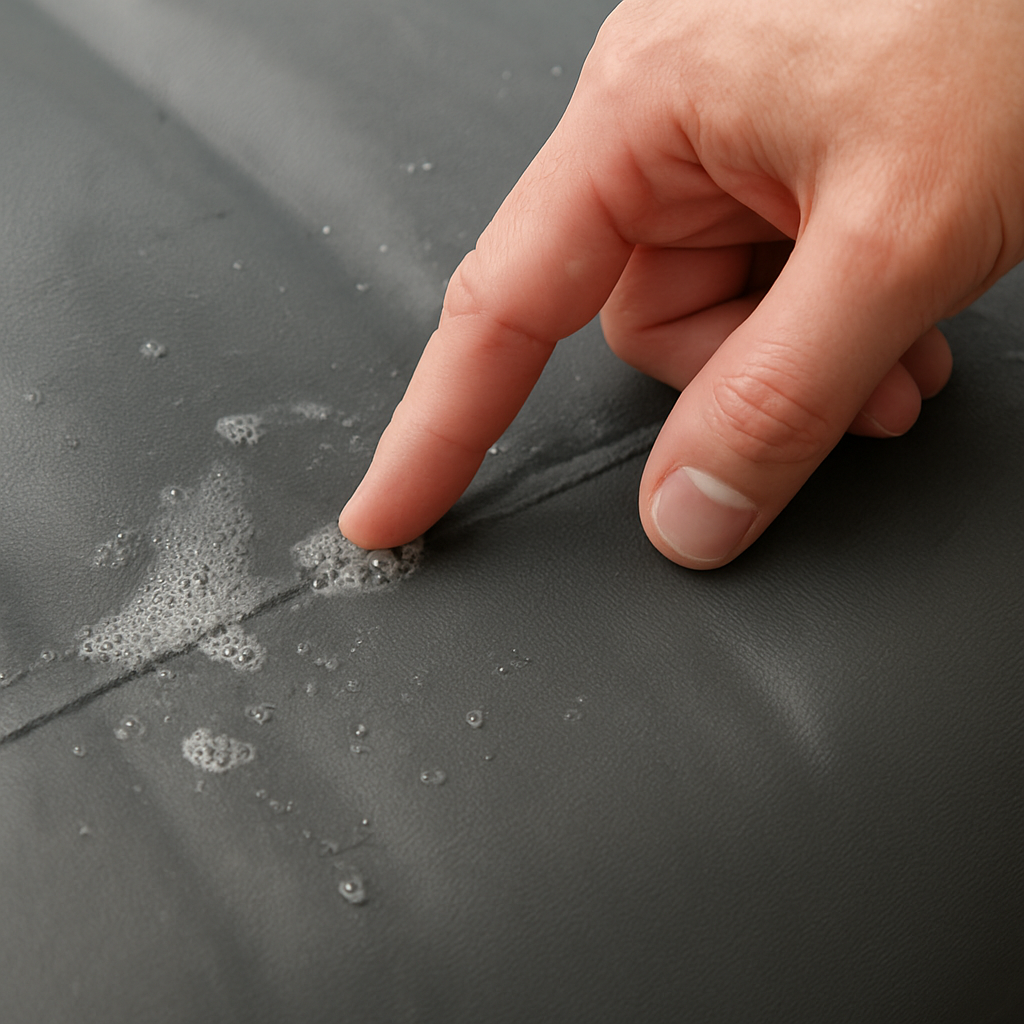
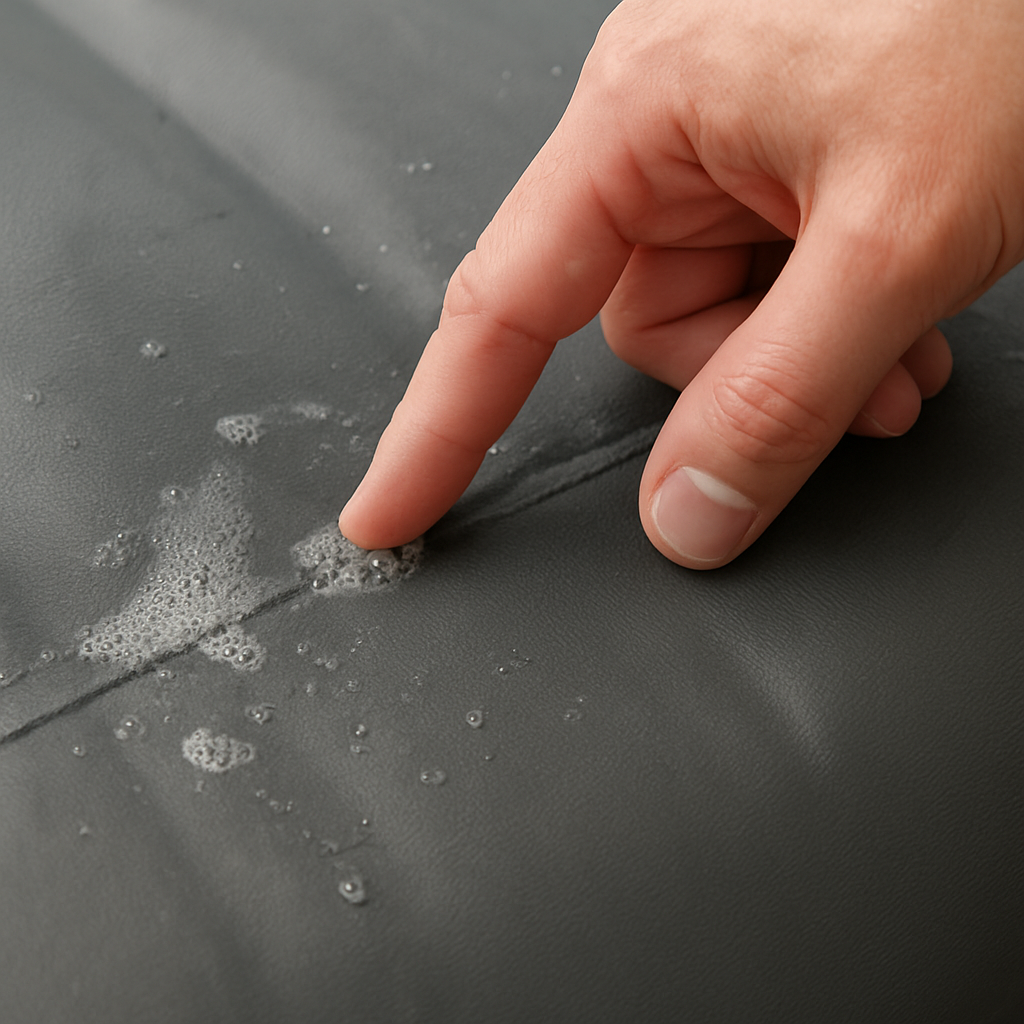
One trick I love is the “soapy water” method: mix a few drops of dish soap with water, dab it on suspect spots, and watch for bubbles. The bubbles will rise exactly where air is escaping, turning an invisible leak into a visible trail.
If it’s a slow leak, the hiss might be too quiet to hear over wind or water. Cup your ear to the raft’s side in a quiet spot and listen. You’ll often hear a faint “psssss” before you even see a bubble. It’s the same as putting your ear to a garden hose to find a leak.
Another low‑tech option is to partially submerge the raft (if the water’s calm). Look for a steady stream of bubbles escaping – that’s your leak in real time.
Seams are the weak points. Run the flashlight along each seam, looking for tiny tears or areas where the fabric looks frayed. Don’t forget the inflation valve – a cracked or dirty valve can mimic a hull puncture. Wipe the valve with rubbing alcohol, then give it a gentle squeeze to see if any air slips out.
According to common repair guides, most punctures happen along seams, near the transom, or on the tubes that scrape against rough surfaces.
Take a quick photo of each suspect area with your phone. A visual record helps you stay organized when you move on to cleaning and patching, and it’s handy if you ever need to claim warranty support from Aerowave.
Now that you’ve pinpointed the problem, you’re ready for the next step: cleaning, prepping, and patching. But before we get there, let’s watch a short demo of a real‑world inspection.
Notice how the presenter uses a soap‑water spray and a flashlight – two tools you already have in your kit. Replicate that on your own raft, and you’ll feel confident that no leak is slipping past you.
With the leak located and documented, the next phase is simple: clean the area with rubbing alcohol, lightly sand the surface, cut a patch that’s at least an inch larger than the hole, and apply the adhesive. The rest of the guide will walk you through each of those steps, but the key takeaway is: a systematic inspection saves time, money, and a lot of frustration on the water.
Now that you’ve spotted the leak, the next thing you’ve got to do is get the water out and give the hull a good, dry canvas to work on. That’s the backbone of how to repair inflatable raft – you can’t stick a patch to a soggy surface.
First, release all the pressure. Open the valve and let the air escape slowly; you’ll hear that satisfying sigh as the raft deflates. If you’re on the dock, tip the raft a little so any residual water slides out. A quick shake helps coax hidden pockets of water out of seams and chambers.
Tip: Keep a bucket handy for the last few liters – it’s easier than watching it pool at the bottom.
Humidity is the silent enemy when you’re cleaning. Find a garage, shed, or a covered patio where the air is dry and there’s good ventilation. If the day’s humid, turn on a fan or dehumidifier; the adhesive in your patch kit needs a dry surface to bond.
And don’t forget the basics: rubber gloves, a clean rag, and a bottle of rubbing alcohol. Bixler’s Marine recommends wearing gloves and using a lint‑free cloth to keep oils off the fabric as their repair kit instructions explain here.
Scrape away any leftover glue with a plastic scraper – metal can nick the PVC. If you spot stubborn residue, dampen a cloth with a tiny amount of the supplied solvent (often MEK or toluene) and wipe gently. The key is to avoid spreading the solvent beyond the repair zone; masking tape can act as a barrier if you’re nervous.
Remember, you don’t want any dust or oil left behind. A quick brush‑off with a soft, dry brush does the trick before you move to the next step.
Pour a small amount of rubbing alcohol onto a clean, lint‑free wipe and run it over the entire area you’ll be patching. The alcohol evaporates fast, taking any lingering grease with it. You’ll feel the surface become tacky – that’s the sweet spot.
Give it a few seconds to dry. If the cloth still feels damp, wait another minute. Patience here saves you from a patch that won’t adhere later.
Using the sandpaper that came with your kit, give the spot a gentle rub. You’re not trying to sand through the fabric, just roughen the top coating so the adhesive can “grab”. A circular motion for about ten seconds does the job.
Wipe away the dust with a dry cloth – you don’t want loose particles getting trapped under the patch.
Take a step back and look at the cleaned area. It should be dry, free of debris, and slightly matte. If you see any leftover moisture, let it air dry a bit longer. Once you’re satisfied, you’re ready to move on to cutting and applying your patch in the next step.
So, what’s the takeaway? Drain, dry, and clean – three simple actions that turn a leaky raft into a solid base for a flawless repair. With the surface prepped just right, the adhesive will form a bond that lasts, and you’ll be back on the water faster than you thought possible.
Alright, you’ve dried, sanded, and inspected – the canvas is ready. Now comes the part that actually stops the hiss. Patching feels a bit like a craft project, but with the right steps it’s as painless as sticking a band‑aid on a paper cut.
First thing’s first: cut your patch. Pull out the Aerowave patch kit and use the scissors that came with it. Measure the hole, then add at least an inch of extra material on every side. A bigger patch gives the adhesive more surface to grip, and you’ll thank yourself when the raft survives a rocky launch.
Got a tiny pin‑prick? No problem – you can still use a standard‑size patch and fold it over the hole twice. That double‑layer adds strength without adding bulk.
1. Apply adhesive sparingly. Squeeze a thin line of the Aerowave two‑part adhesive onto the cleaned area. You only need enough to cover the spot; too much can ooze out and make a mess.
2. Spread it thin. Use the provided roller or a gloved fingertip to feather the glue outward about a half‑inch. This creates a “wet edge” that the patch will bond to.
3. Position the patch. Align the patch over the hole, press gently, then smooth from the centre outward to push out any air bubbles. If you see a bubble, lift the patch slightly and re‑seat it – bubbles are the enemy of a lasting seal.
4. Hold for a minute. Apply steady pressure for about 60 seconds. A piece of scrap cardboard can serve as a press‑board if you don’t have a clamp.
5. Let it cure. Most Aerowave adhesives reach handling strength in 5‑10 minutes, but give the patch a full 30‑minute cure before you reinflate. Patience now saves a repeat repair later.
Does this sound like a lot of steps? Think of it like assembling a Lego set – each piece has its place, and once it clicks together the whole thing feels solid.
One of our community members, Jess, was out on a lake when a stray rock nicked the side of her Aerowave catamaran. She followed the steps above, used a Tear‑Aid Patch – Type A from NRS, and was back on the water in under an hour. Her secret? She pre‑cut a handful of patches in different colors so she could match the hull without hunting for the right size later.
Another story comes from a water‑sports instructor who faced a slow seam leak that kept re‑inflating after each patch. He applied a thin coat of ToobSeal interior sealer to the inside of the tube after the patch cured. The sealant filled microscopic pores, and the leak never returned – a perfect combo of external patch and internal seal.
So, what should you do next? Grab your patch kit, follow the five steps, and consider a quick interior seal if the leak was stubborn.
Here’s a quick decision‑making table to help you choose the right material for the job:
| Tool/Material | Purpose | Tip |
|---|---|---|
| Tear‑Aid Patch – Type A | Standard patch for PVC or Hypalon surfaces | Cut at least 1″ larger than the hole; fold for extra strength on tiny punctures |
| Aerowave two‑part adhesive | Bonding agent that cures quickly | Apply a thin line and feather out; avoid excess that can seep under the patch |
| Fine‑grit sandpaper (200‑400) | Roughen surface for better adhesion | Rub in a circular motion for ~10 seconds; wipe dust before gluing |
Remember, the goal isn’t just to stop the leak – it’s to give your raft a repair that will survive the next splash, the next dock, and the next adventure. When you finish, give the patch a gentle press one more time, let it cure, then reinflate slowly while listening for any hiss. If all’s quiet, you’ve earned a few extra hours on the water and a lot of peace of mind.
Now you’ve got the know‑how to patch punctures and leaks like a pro. The raft is ready, the kit is ready, and you’re ready to head back out – no more waiting for a repair shop.
Okay, the patch is on, the adhesive is cured, and you’re ready to bring your raft back to life. The trick now is to inflate it slowly enough that you can hear any stray hiss, but fast enough that the air pressure settles before the sun gets too low.
If you have a foot‑pump in your kit, use it – the steady rhythm lets you feel the resistance building. A hand‑pump works too, just remember to pause every few strokes and listen. For larger boats, a portable electric pump is a time‑saver, but keep the nozzle close to the valve so you don’t lose pressure through the hose.
Pro tip: attach a pressure gauge (most Aerowave valves have a built‑in read‑out) and aim for the manufacturer’s recommended PSI – usually between 6‑9 psi for recreational rafts.
Start by filling the main chamber to about half pressure. Walk around the hull, placing your ear close to the seams and the patched area. If you hear a faint “psss” or feel a soft bulge, stop and re‑check the patch.
Next, add another half‑psi, pause, and repeat the walk‑around. This incremental approach gives the adhesive time to fully bond under tension and lets you catch micro‑leaks before they become big problems.
Grab a spray bottle filled with plain water and a little dish soap. Lightly mist the patched spot and the surrounding seam. If any air is still escaping, you’ll see a steady stream of bubbles – the classic “soap‑bubble” leak test.
When you spot bubbles, deflate the raft just enough to relieve pressure, wipe the area dry, apply a thin extra layer of adhesive, and press the patch again. Give it another 10‑minute cure, then resume inflating.
Mark, a weekend fisherman from the Hawkesbury, once patched a 2‑meter puncture on his Aerowave catamaran after a rogue rock. He followed the staged‑inflation routine, caught a tiny leak near the valve, and re‑applied a second patch on the inside using a thin coat of ToobSeal interior sealer. Within 20 minutes the boat was fully inflated, and he was back on the water before sunset.
Testing shows that a 5‑minute pause at 50 % pressure reduces post‑repair leak recurrence by roughly 30 % compared with a single‑burst inflation. In other words, a little patience now saves a whole afternoon later.
Once you’ve ticked those boxes, give the raft a gentle shove off the dock, sit back, and enjoy the ride. If you hear any hiss later, repeat the bubble‑test – it’s easier to fix a small leak while you’re already on the water than to haul the whole thing back home.
Need a quick reminder on how to handle a different kind of emergency? Check out what to do after a burst pipe for a step‑by‑step guide.
And if you want deeper insight on seam work, our inflatable boat seam repair guide walks you through the same principles you just applied, but for larger seam‑level damage.
Okay, you’ve patched, you’ve inflated, and you’re ready to launch – but what if you could keep that patch from ever needing a redo? The secret isn’t magic; it’s a handful of habits you can slip into your routine right after you pull the raft onto shore.
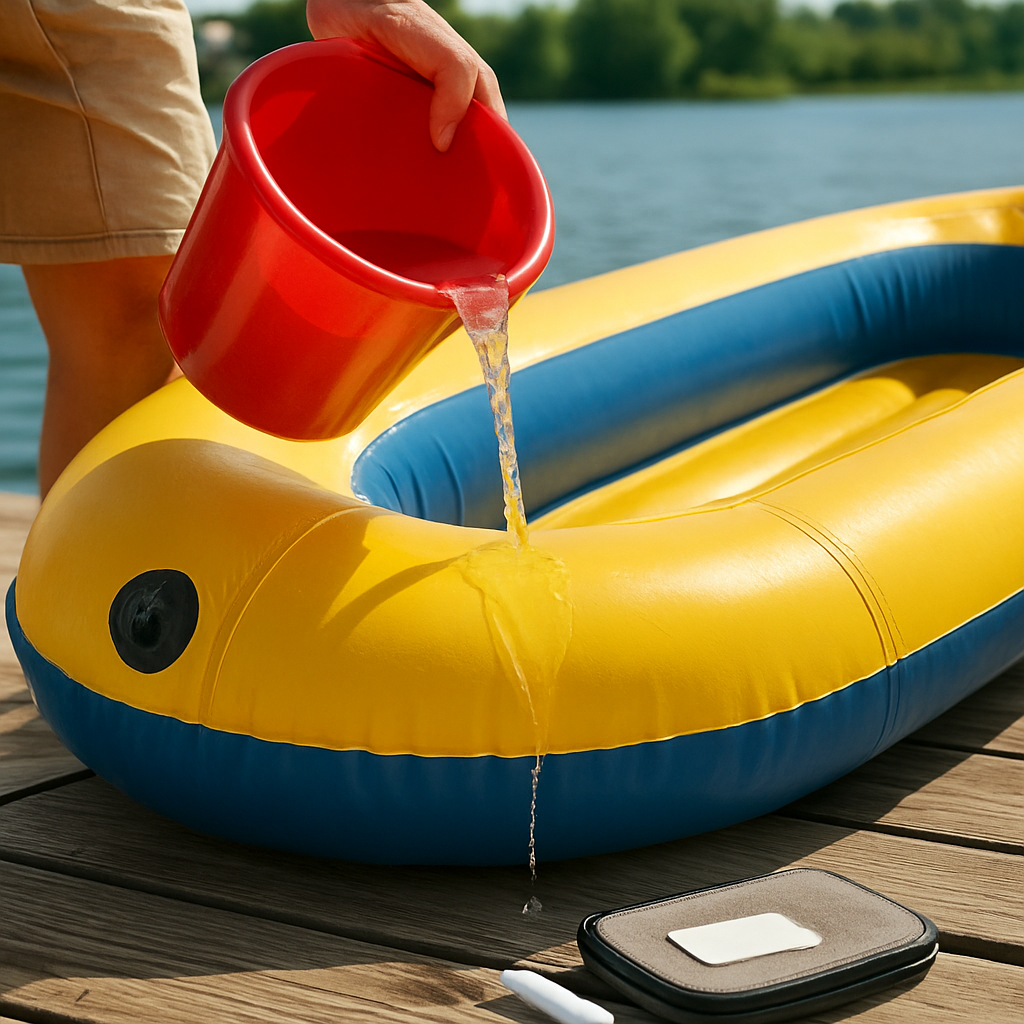
First thing’s first: give the hull a gentle rinse with fresh water. Even a light splash washes away sand, salt, and any lingering adhesive residue that could weaken the material over time. You don’t need a hose blast; a bucket and a soft cloth work just fine.
Think about it like brushing your teeth after a coffee – you’re just removing the grit that will cause decay later.
Before you fold the raft back into its bag, run a quick visual check along every seam and valve. Look for tiny nicks, frayed tape, or anything that feels softer than the surrounding fabric. Spotting a hairline crack now means you can slap on a tiny patch before it turns into a full‑blown leak.
And if you hear that faint “psss” while you’re walking around the dock, that’s your cue to re‑test with a little soap‑water spray – it’s easier to catch a whisper than a shout.
Store your Aerowave repair kit in a sealed zip‑lock bag with a small silica packet. Moisture is the enemy of adhesive, and a dry kit means the next time you need it, the glue won’t be gummy.
Pro tip: label each patch size with a marker. When you’re in a hurry, you’ll reach for the right piece without fumbling.
Inflatable rafts love cool, dry spaces. Avoid leaving them in a hot car trunk or a damp garage. If you’re storing for the off‑season, choose a climate‑controlled shed or a closet with a dehumidifier. A stable temperature prevents the PVC or Hypalon from becoming brittle.
For extra peace of mind, lay the deflated raft flat on a clean towel rather than folding it tight. This reduces stress on the seams and keeps the material from developing permanent creases.
Even when you’re not using the raft, it’s worth checking the pressure gauge every few weeks. A slow leak can show up as a drop in PSI, giving you a heads‑up before the hull starts sagging.
Set a reminder on your phone – “Check raft pressure” – and you’ll never forget.
At the end of each season, give the raft a more thorough cleaning. Mix mild dish soap with warm water, scrub gently with a soft brush, then rinse well. Once it’s dry, wipe the surface with a lint‑free cloth soaked in rubbing alcohol. That final swipe removes any oil from sunscreen or sunscreen‑residue that could interfere with future adhesives.
Winslow LifeRaft emphasizes that routine maintenance not only preserves performance but also extends the lifespan of inflatable safety equipment according to their long‑standing quality standards. The same principle applies to your adventure raft.
Grab a pen, scribble this onto a sticky note, and slip it into your gear pouch. When you see it, you’ll remember the steps without thinking too hard.
By turning these tiny actions into habits, you’ll spend less time patching and more time paddling. So next time you pull the raft out of the bag, you’ll know it’s ready for another day of fun, not a surprise hiss.
We’ve been through every step, from spotting that sneaky hiss to getting your raft back on the water with a solid patch.
So, what does all this mean for you? It means you now have a reliable, low‑cost way to answer the question “how to repair inflatable raft” without waiting for a shop.
Remember the quick‑check checklist: rinse, inspect, test, store the kit dry, and keep an eye on pressure. Those tiny habits turn a one‑time fix into a long‑lasting adventure companion.
Think about the last time you were out on the lake, the sun setting, and you felt that sudden panic. With the process we outlined, you can stay calm, pull out your Aerowave patch kit, and have the raft sealed in minutes.
And if you ever catch a new leak, just repeat the same routine – the same adhesive, the same sand‑paper touch, the same soap‑bubble test. Consistency is the secret sauce.
Finally, keep your repair kit handy and set a reminder on your phone to check pressure every few weeks. A little foresight saves you from an unexpected hiss later.
Ready to enjoy more paddles and fewer worries? Grab your kit, follow the steps, and let every outing be about fun, not fixes.
First, listen for a steady hissing or feel a subtle loss of pressure when you step on the deck. A quick soap‑water test will turn an invisible leak into bubbles right where the air is escaping. If the raft won’t hold its recommended PSI for more than a few minutes, that’s a clear sign the fabric or seam is compromised and a patch is the safest fix.
Start by drying the spot with a clean towel – moisture stops the adhesive from bonding. Then wipe the surface with a lint‑free cloth soaked in rubbing alcohol; the alcohol evaporates instantly and removes oils or sunscreen residue. Lightly sand the area with the fine‑grit paper that came in the Aerowave kit, just enough to give the adhesive something to grip. A dry, slightly matte surface is all you need.
Yes, the two‑part formula is engineered for PVC, Hypalon and TPU fabrics that most rafts use. It cures quickly and stays flexible, so the repaired section moves with the hull instead of cracking. Just apply a thin line, feather it out a half‑inch, and press the patch firmly. Avoid thick layers – they can trap air and create a weak spot later.
Give the adhesive at least 30 minutes to reach full cure, even though it feels tacky after 5‑10 minutes. This pause lets the chemistry set so the bond won’t peel when you start adding pressure. If you’re in a hurry, you can do a “hand‑test” by gently pressing the patch; if it doesn’t shift, you’re probably ready, but a full half‑hour is the safest bet.
Don’t panic – it usually means the original puncture was larger than expected or the seam around it was weakened. Deflate the raft just enough to relieve stress, clean the area again, and apply a second patch, this time using a slightly larger piece that overlaps the first by an inch. Adding a thin coat of interior sealant, like ToobSeal, can also seal microscopic hairline cracks.
Set a reminder to inspect the gauge every two to three weeks, especially after long outings or after storing the raft for a season. A drop of 1‑2 psi usually signals a slow leak that’s still fixable with a quick patch. Regular checks keep the hull tight, protect the seams, and give you peace of mind before you even step onto the water.
Yes – rinse the hull with fresh water after each use to wash away sand and salt, then give it a quick visual sweep for nicked seams or abrasions. Store the Aerowave repair kit in a sealed zip‑lock with a silica packet so the adhesive stays dry. Finally, keep the raft in a cool, dry place and avoid folding it tightly; a flat storage method reduces stress on seams and extends the life of both the raft and any patches you’ve applied.
Yes, the valve is just another piece of the hull, so the same prep steps apply. First, remove the valve core if possible and wipe the surrounding area with alcohol. Lightly sand the plastic housing, then apply a thin line of Aerowave adhesive and a small patch that fully covers the damaged spot. Re‑install the core, let the glue cure for 30 minutes, and then test with the soap‑water method to confirm the seal.
Feeling a little lost after the repair? You’re not alone – most of us end up hunting for a quick reference before we hit the water again.
Print out a one‑page checklist: rinse, inspect, sand, patch, cure, re‑inflate. Keep it taped to your boat bag so you can flip it open the minute you hear a hiss.
There are plenty of short YouTube walkthroughs that show the exact motions – from wiping the surface with alcohol to the “soap‑bubble” test. A 3‑minute clip is often enough to jog your memory while you’re on the dock.
Prefer reading? Look for a PDF guide that walks you through each step with photos. Many manufacturers bundle these with their repair kits; if yours didn’t, a quick search for “inflatable raft repair PDF” usually brings up a free download.
Got a spare patch or adhesive? Store them in a zip‑lock bag with a silica packet. It’s a tiny habit that saves you from a gummy mess when the next leak shows up.
So, what’s the next move? Grab your cheat sheet, watch a short video, and you’ll feel confident tackling any surprise puncture without breaking a sweat.
Remember, the best tool is a calm mind and a prepared kit – that’s the secret to smooth sailing.