
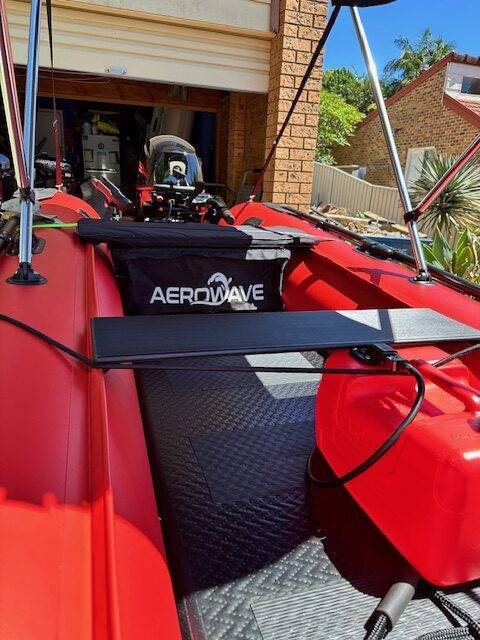
An outboard motor gas tank is the lifeblood of your vessel. It’s the portable or built-in container that stores and supplies fuel to your engine, and for anyone with an inflatable boat, a high-quality portable tank is non-negotiable. It’s what ensures performance, safety, and a stress-free day on the water, making sure every trip is reliably powered.
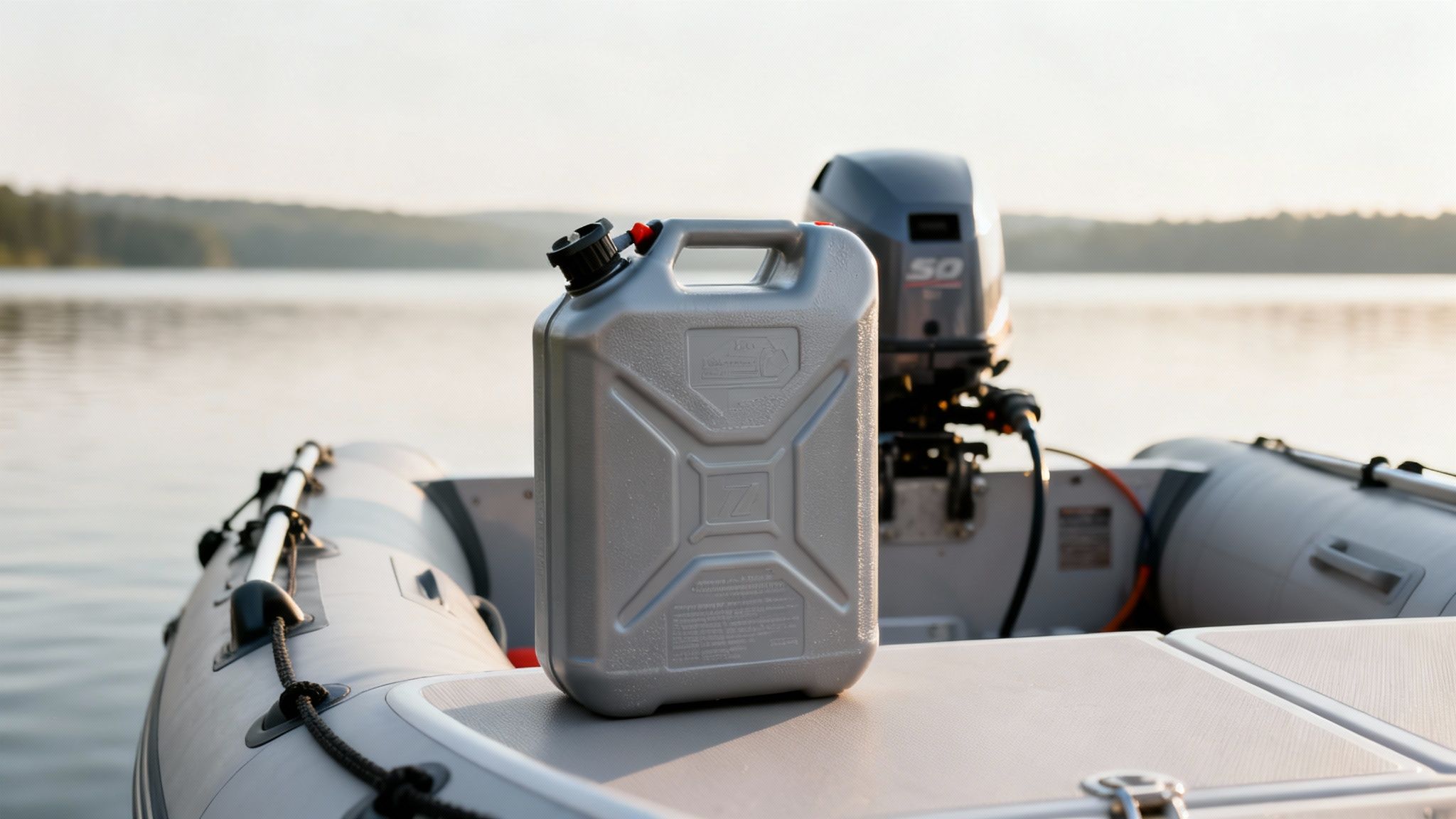
Think of your outboard motor gas tank as the heart of your boating adventure. It might seem like a simple component, but it’s what fuels every fishing trip, family outing, and exploration of Australia’s stunning coastlines. Without a dependable fuel supply, even the best inflatable boats for recreational use are just drifting.
Understanding your fuel tank goes far beyond simply filling it up. It’s about recognising its crucial role in your boat’s overall performance and, more importantly, your safety on the water. A well-maintained and correctly chosen tank prevents the most common and frustrating problems that can cut a perfect day short.
A dependable fuel system ensures your outboard motor runs smoothly, efficiently, and without unexpected stalls. This is especially vital for owners of versatile craft like an inflatable catamaran, where portability and reliability are everything. A dodgy tank or a cracked fuel line can lead to engine trouble miles from shore, turning a fun day into a dangerous situation.
Neglecting your fuel system is one of the quickest ways to run into preventable issues on the water. Proper selection and basic maintenance are essential for anyone who wants to spend more time enjoying their boat and less time troubleshooting engine problems.
This is why having a solid grasp of your fuel setup is so important. From picking the right size for your journey to understanding how to connect it safely, this knowledge gives you confidence and control. It’s a core piece of your boat’s operational health, just as vital as the engine itself.
A reliable outboard motor gas tank is a cornerstone of responsible boating. Keeping it in top condition is a key part of your pre-launch routine, which is why we always recommend reviewing a comprehensive boat safety equipment checklist before heading out. Proper fuel management is fundamental to staying safe and prepared for anything the water throws your way.
When it comes to fuelling your boat, you’ve basically got two choices: a portable tank or a built-in one. Think of it like a high-performance backpack for a day hike versus the fixed plumbing in a house. For the grab-and-go world of the best inflatable boats for recreational use, the portable outboard motor gas tank is the clear winner, hands down.
The whole point of an inflatable is its “boat-in-a-bag” convenience, and portable tanks are designed with that exact same spirit. A built-in tank is a permanent, heavy fixture that’s part of the boat’s structure, which totally defeats the purpose of a lightweight, storable craft. Portable tanks, on the other hand, give you complete flexibility.
This adaptability is a game-changer for the modern boater. You can easily unclip the tank and take it to the servo for a refill, instead of having to haul your entire boat to a fuel dock. That simple convenience saves a ton of time and hassle, making those last-minute trips out on the water so much easier.
The perks of a portable system go way beyond just refuelling. They’re light enough to handle easily, and cleaning is a breeze—a quick rinse is usually all it takes to get rid of any sediment or water. Keeping your fuel clean is one of the most important things you can do to protect your outboard motor.
Just think about the real-world situations on a family outing or a fishing trip:
This sheer practicality is a huge reason why portable tanks are the standard for most recreational boats in Australia. In 2023, there were over 905,000 registered boats in the country, and the vast majority are powered by outboards that rely on these mobile fuel systems. This trend, especially with versatile setups like our inflatable catamarans paired with Hidea outboards, really highlights the need for a fuel solution that’s as flexible as the boat itself.
The core appeal of an inflatable boat is its freedom and simplicity. A portable fuel tank honours that spirit, offering a grab-and-go solution that keeps your adventures hassle-free and maximises your time on the water.
Ultimately, going with a portable fuel system ensures your setup stays as agile and user-friendly as your inflatable. If you’re looking to compare prices and features of inflatable boats and accessories, a great place to start is by checking out a quality selection of external fuel tanks to find a reliable power source for your boat.
Choosing the right outboard motor gas tank is about more than just picking a size that looks right. The material it’s made from and its capacity are the two factors that directly impact your boat’s safety, performance, and how far you can actually go. Let’s break these down so you can pick the perfect tank for your adventures on the water.
When you start shopping for a tank, you’ll see two main materials on offer: traditional metal and modern high-density polyethylene (HDPE). While you might still spot older metal tanks around, HDPE has well and truly become the industry standard for portable fuel tanks, and for good reason.
HDPE is incredibly tough. Unlike metal, it will never rust or corrode, even if you’re constantly out in harsh saltwater environments. It’s also significantly lighter, which is a huge plus for inflatable boats and tenders where every kilogram matters. On top of that, modern HDPE tanks are built to take a few knocks and are designed to prevent fuel fumes from escaping, making them a safe and durable choice for any boater.
A tank’s capacity is just a number until you can translate it into actual time on the water. Seeing “12L” or “25L” on a label doesn’t mean much on its own. The real question is: how long will that keep your motor running?
To figure this out, you need to think about two things: your outboard’s horsepower and what you typically do on the water. A small, fuel-sipping 5HP motor will run for hours on a 12-litre tank. But if you’ve got a more powerful 40HP outboard, it’s going to go through that same amount of fuel much, much faster, especially when you open up the throttle.
Boating is a massive part of the Aussie lifestyle, and the vast majority of recreational boats rely on outboard motors powered by these portable tanks.
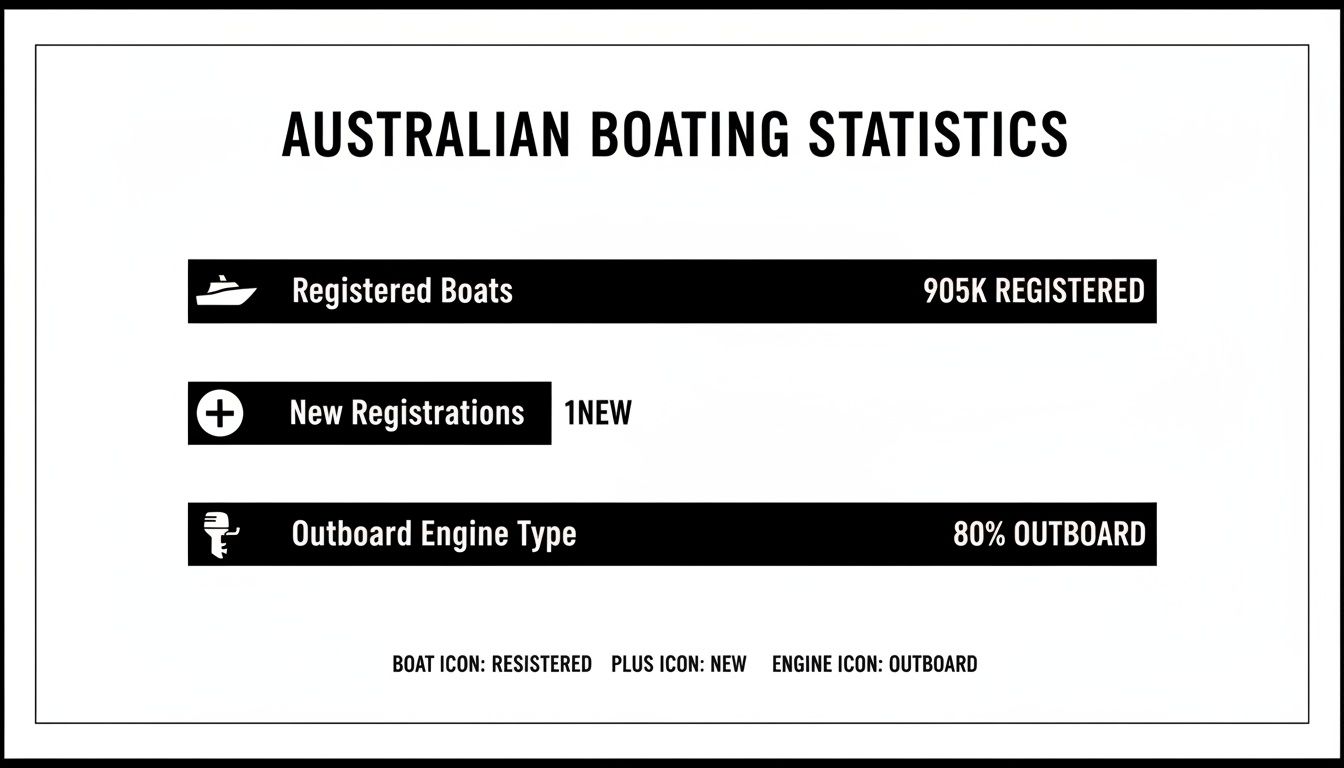
These numbers really drive home how important it is to get your fuel setup right. A reliable tank isn’t just an accessory; it’s the heart of your boat’s power system.
To give you a clearer picture, this table provides a rough guide to how far you can expect to go with common tank sizes. Remember, these are just estimates—your actual run time will vary based on speed, load, and water conditions.
| Tank Capacity (Litres) | Common Outboard Size (HP) | Estimated Run Time (Hours at cruising speed) | Ideal For |
|---|---|---|---|
| 12 Litres | 2.5 – 6 HP | 4 – 6+ Hours | Tenders, short fishing trips, exploring estuaries |
| 12 Litres | 8 – 15 HP | 2 – 3 Hours | Quick trips around the bay, tender duties |
| 25 Litres | 8 – 15 HP | 4 – 6 Hours | Day trips, exploring coastlines, longer fishing |
| 25 Litres | 20 – 40 HP | 2 – 4 Hours | Family outings, reaching further fishing spots |
This should help you get a gut feel for what size makes sense for your boat and motor combination.
A simple way to think about it is to match the tank size to your typical day out on the water. For most inflatable boat owners, it comes down to a couple of common scenarios.
Think of your fuel tank like a backpack for a hike. A small daypack (12L) is great for short walks, but for a full-day trek, you’ll want a larger pack (25L) with enough supplies to see you through safely.
Ultimately, it’s about making sure you have more than enough fuel for your trip without lugging around unnecessary weight. If you’re ready to find the perfect balance for your vessel, browsing a quality selection of portable petrol tanks is a great place to start. And always remember the golden rule of boating: it’s far better to head home with fuel to spare than to run out miles from the boat ramp.
Think of your fuel delivery system as the lifeline between your outboard motor gas tank and the engine itself. It’s what keeps the power flowing. For a steady, reliable stream of petrol that prevents stalls and keeps your motor humming, every single component in that line has to work together perfectly.
This isn’t just a simple hose, either. It’s a complete assembly of parts, and each one has a critical job. Once you understand how they all connect, you’ll have the confidence to set up your fuel system correctly every single time, avoiding those frustrating on-water issues that can ruin an otherwise perfect day.
A standard fuel line is made up of three essential parts that work in unison to feed your outboard. When putting it all together, choosing the appropriate hoses and fittings with the right materials and pressure ratings is absolutely paramount for safe and efficient operation.
Let’s break down what each piece does.
It can be tempting to try and mix and match fuel line components, especially if you’re in a pinch, but this is a common and risky mistake. Outboard manufacturers like Yamaha, Mercury, and our own Hidea motors all use unique fitting designs. A Yamaha fitting simply won’t create a secure, airtight seal on a Hidea motor, and vice versa.
An improper connection is just a recipe for trouble. It can lead to dangerous fuel leaks, introduce air into the system and cause the engine to stall, or just fall off with a bit of vibration on the water. Always use the dedicated fuel line that was designed for your specific outboard brand.
For a deeper dive into these critical components, our guide on choosing the right outboard engine fuel line gives you all the detailed information you need to get it right. Making sure these connections are perfect is the key to a reliable and safe fuel system.
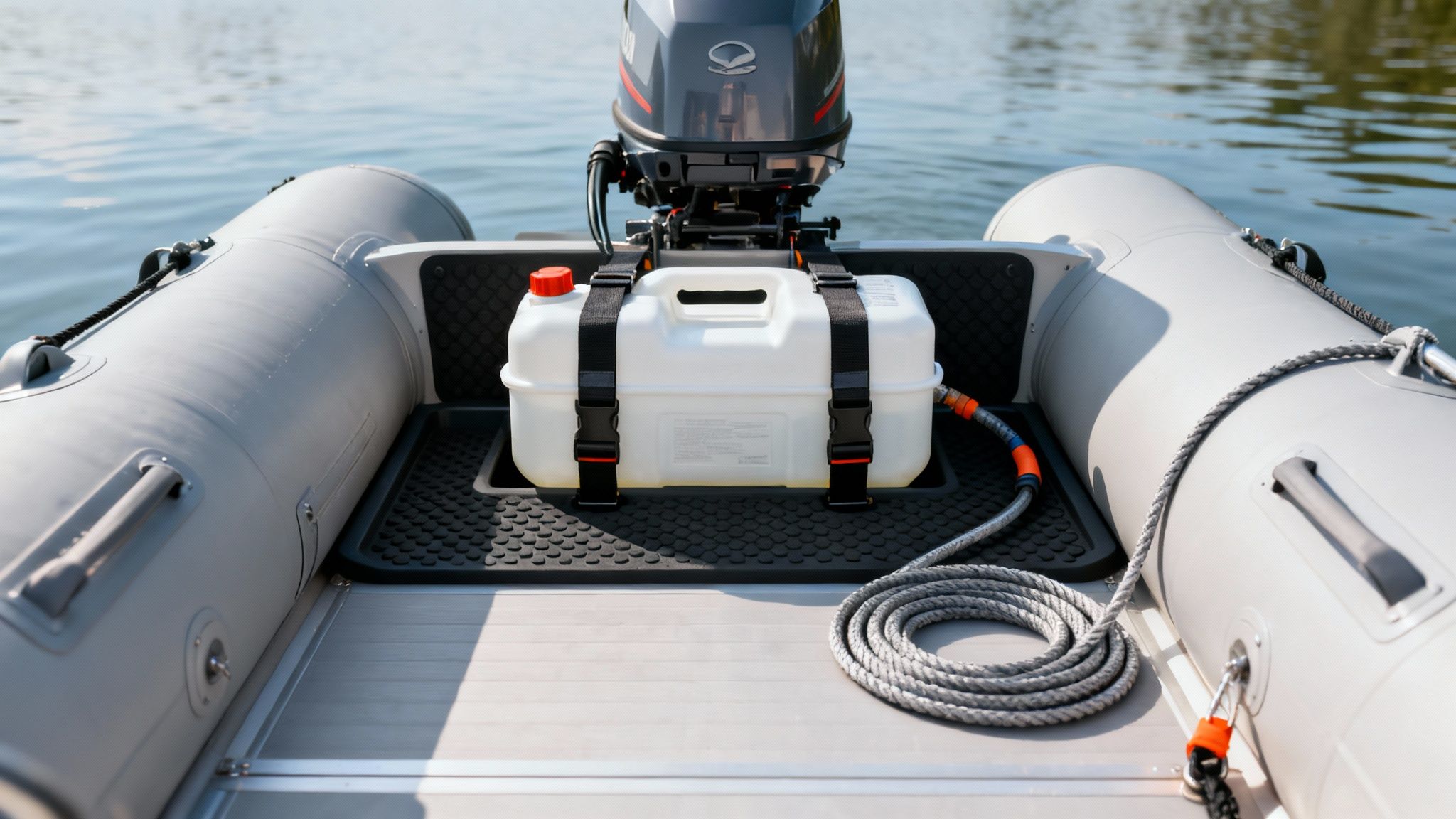
On the water, safety always starts with how you handle your fuel. Getting your outboard motor gas tank properly handled and stored isn’t just about engine performance; it’s the most critical step you can take to prevent a dangerous situation before it ever starts. A secure tank means a smooth, predictable, and safe day for everyone on board.
Before you even think about launching, run through a few simple checks. Make sure the fuel line connectors are clipped firmly onto both the tank and the engine. Give the primer bulb a good squeeze and have a close look at the fittings and hose for any signs of weeping fuel or leaks. Trust me, catching a tiny leak at the boat ramp is a thousand times better than dealing with it miles from shore.
An unsecured fuel tank is a serious hazard, plain and simple. On an inflatable boat or an inflatable catamaran, a loose tank can slide around as you move through chop, creating a dangerous tripping hazard, damaging your boat’s tubes, or even yanking the fuel line clean off the motor.
Proper placement is your first line of defence. Position the tank where it helps balance the boat and is out of high-traffic areas. This is often near the transom, but always leave enough slack in the fuel line to prevent it from kinking or pulling tight.
To lock it down, use dedicated tie-down straps or heavy-duty bungee cords. Most quality inflatable boats have D-rings or other attachment points built right into the floor or tubes for this exact purpose.
A secure fuel tank is the mark of a well-prepared skipper. Taking a moment to stow your gear properly keeps the deck clear and safe, letting you focus on what matters: enjoying your time on the water.
Following these simple steps is just part of being a responsible boater. You can explore more expert tips and techniques by reading our guides on proper fuel storage.
Aussie boaters are smarter than ever, increasingly investing in quality accessories that boost both safety and performance. The Australian marine equipment retailing sector ballooned to $2.6 billion in revenue by 2024, and outboard motor gas tanks are a key part of those sales.
As post-pandemic trends saw more people hitting the water, the demand for reliable and safe boating gear has shot through the roof. You can learn more about these boating industry trends and insights on ibisworld.com. This sharp focus on quality gear just goes to show how important it is to master the fundamentals, like securing your fuel tank correctly, every single time.
An outboard motor gas tank is a pretty tough bit of gear, but a little preventative care goes a seriously long way in keeping your engine happy and your days on the water frustration-free. Most fuel-related engine dramas come down to two culprits: water and sediment. A bit of regular attention stops them from building up in the first place.
Your best first line of defence is a simple visual check. Before you head out, give your fuel line and primer bulb a quick once-over. Are there any cracks? Does the rubber feel stiff or look like it’s perishing? Make sure the fittings are snug and not weeping fuel. These little checks take seconds but can stop a minor issue from turning into a major headache offshore.
One of the biggest questions we get is what to do with leftover fuel. If you’re planning to use the boat again in the next few weeks, you’re generally fine to leave it. For long-term storage, though, it’s a completely different ball game. To protect your outboard’s fuel system, it’s vital to follow comprehensive boat winterization practices before you pack it away. This usually means adding a fuel stabiliser or, even better, safely emptying the tank completely.
At the end of the season, giving your tank a clean-out is non-negotiable. Swishing a small amount of fresh fuel around inside and then disposing of it safely is a great way to flush out any water droplets and bits of debris that could clog up your engine’s fuel filter or carburettor later on.
Even with the best maintenance, things can still go wrong. If your engine refuses to start or keeps sputtering out, the fuel system is always the first place you should look.
To wrap things up, let’s go through some of the most common questions boaters have about their outboard motor gas tanks. Getting these basics right is the key to a safe, hassle-free day out on the water.
A good rule of thumb is to give your fuel line a thorough inspection at the start of every season and plan to replace it every 2-4 years. Keep an eye out for any cracks, stiffness, or signs of the rubber perishing, especially on the primer bulb and hose itself. A failing fuel line isn’t just a common cause of engine trouble; it’s a serious fire hazard.
While you might see specialised epoxy kits for plastic tanks, trying to patch up an outboard motor gas tank is something we strongly advise against. Fuel is incredibly flammable, and a DIY repair is unlikely to hold up against the constant vibration and pressure changes that happen on a boat. When it comes to fuel leaks, replacement is always the safest and most reliable path.
If you know you’ll be storing fuel for more than a month, always mix in a quality marine fuel stabiliser. This simple step stops the petrol from degrading and forming those nasty gum deposits that can clog up your engine’s fuel system. Once treated, store the tank in a cool, well-ventilated spot, well away from direct sunlight and any potential sources of ignition.
You can, but you need to be careful. First, make absolutely sure the tank is spotless inside—no old fuel residue, sediment, or water. Most importantly, you must use a brand-new fuel line fitted with the correct, brand-specific connectors for your new outboard. This is non-negotiable for guaranteeing a secure, leak-free connection.
Remember, a reliable fuel system is the heart of a safe boating adventure. Regular checks and proactive maintenance prevent the vast majority of on-water issues, ensuring you spend more time enjoying the journey.
Ready to power your next adventure with a reliable fuel system? At Easy Inflatables, we have everything you need, from high-quality portable tanks to the right fuel lines for your Hidea outboard. If you’re looking to compare prices and features for the best inflatable boats for recreational use available near you, we have those options too. Visit us at https://easyinflatables.com.au to get geared up today