Outboard Engine Fuel Line Maintenance and Repair Guide
Master the Outboard Engine Fuel Line Maintenance and Repair Guide to keep your boat running smoothly and avoid breakdowns.
🇺🇸 Boats shipping to United States
See landed prices in USD before you bounce.
Door-to-door delivery to United States in 7–14 days. Choose a boat, see local-currency pricing, or request a fixed landed quote from the sales team.
An outboard engine fuel line is far more than just a simple hose. Think of it as the critical artery supplying the lifeblood—fuel—from the tank right to your motor's heart. Imagine being miles from shore when a tiny, unnoticed crack finally gives way. Your engine sputters, coughs, and dies, leaving you stranded and powerless. That's the reality of a failed fuel line.
Why Your Fuel Line Is Your Engine’s Lifeline
Let's get practical. Your boat’s fuel system is its circulatory system. The fuel tank is the heart, the engine is the brain, and the outboard engine fuel line is the main artery connecting them. If that artery gets clogged, leaky, or weak, the whole system grinds to a halt. It’s the difference between a perfect day of fishing and a long, frustrating tow back to the ramp.
Most boat owners only think about their fuel line when the engine sputters or refuses to start. By then, the damage is done. This guide cuts through the technical jargon to give you actionable advice you can use today to prevent tomorrow's breakdown.
Understanding the Critical Role of the Fuel Line
Your fuel line's job seems simple, but it’s constantly under attack from engine vibration, harsh UV exposure, and corrosive saltwater. Even worse, modern ethanol-blended fuels (like E10) can be a silent killer, degrading older hoses from the inside out, turning them brittle or gummy. This breakdown sends tiny particles straight into your engine, clogging sensitive fuel injectors or carburettor jets.
This guide will help you understand:
- The Early Warning Signs of Failure: Learn to spot clues like a soft primer bulb or a faint whiff of fuel before they ruin your trip.
- Essential Maintenance Practices: Discover simple checks you can do in minutes to prevent costly breakdowns and extend the life of your fuel system.
- Choosing the Right Components: See why a proper marine-grade fuel line and a reliable external fuel tank are non-negotiable for safety and peak performance.
By mastering the basics of this single component, you ensure your outboard runs smoothly, efficiently, and safely every time you leave the dock. Consider this your complete manual for your outboard's most critical support system.
Choosing the Right Fuel Line Materials and Components
Choosing the right outboard engine fuel line isn't just a matter of finding one that fits. This is a critical safety decision. Imagine a cheap, non-compliant hose splitting open and spraying fuel into a hot engine bay. The right hose ensures a reliable flow of fuel; the wrong one is a fire hazard waiting to happen.
Modern fuels, especially those with ethanol like E10, are surprisingly corrosive to older rubber. A fuel line not designed for these blends will break down internally, shedding sticky deposits that clog filters and injectors until your engine splutters and dies—likely just as you're navigating a busy channel.
Materials Matter Most
When you’re buying a new fuel line, the material is everything. It must stand up to three main enemies: ethanol, UV radiation, and saltwater corrosion.
Today's best fuel lines are made from multi-layered synthetic rubber or specialised plastic compounds engineered for the harsh marine environment.
- Ethanol Resistance: Don't buy anything unless it's explicitly rated for ethanol-blended fuels. Modern hoses have a special inner lining that prevents fuel degradation, guaranteeing a clean supply to your engine.
- UV Protection: Look for an outer jacket designed to resist cracking and turning brittle after seasons of exposure to direct sunlight. A cheap hose might look fine at the start of summer but be dangerously cracked by the end.
- Pressure Rating: Never use a low-pressure hose from an old carbureted engine on a modern Electronic Fuel Injection (EFI) system. It’s a serious safety risk. Always match the hose’s pressure rating to your engine’s requirements.
A fuel line is not a "one size fits all" component. Using an underrated or non-compliant hose is like fitting your performance car with bicycle tyres—it's an invitation for disaster.
Understanding Australian Compliance
Here in Australia, marine fuel system standards are strict for good reason. Using the wrong gear isn’t just a bad idea; it can void your insurance policy and get you an instant fail on a vessel inspection.
Maritime surveyors frequently find incorrect fuel hose setups, sometimes seeing plastic cable ties used instead of proper hose clamps. Australian regulations demand marine fuel lines be certified to standards like SAE J 1527 or ISO 7840. These certifications are your guarantee that the hose is fire-resistant and tough enough for the job.
Fittings and clamps are just as crucial. Flimsy clamps vibrate loose, creating a dangerous fuel leak. That's why you should only ever use marine-grade 316 stainless steel hose clamps. Our guide on durable stainless steel components explains why this is the only real choice for a secure, rust-free connection that lasts.
By insisting on certified hoses and high-quality clamps, you're not just buying parts—you're investing in safety and reliability. Don't risk it. Shop our range of compliant fuel system components today and boat with confidence.
How Engine Technology Shapes Your Fuel Line Needs
To understand your boat’s fuel system, you need to appreciate how much outboards have evolved. The leap from old-school carbureted engines to today’s high-tech motors has completely rewritten the rulebook for the outboard engine fuel line. It’s no longer just a simple hose; it’s a high-performance component engineered to match the engine it feeds.
Think of it this way: an old carbureted engine is like a garden hose with a basic spray nozzle. It runs on low pressure, using a primer bulb to pull fuel from the tank. The fuel line just needs to be an open pipe.
But a modern Electronic Fuel Injection (EFI) engine? That’s a high-pressure washer with a precision nozzle. It needs a powerful, consistent stream of fuel at much higher pressure to run properly. This simple comparison highlights the massive difference for boat owners today.
The Great Shift From Carburettors to EFI
The move away from carburettors was a total overhaul of fuel delivery. This jump in technology forced every part of the fuel system, especially the fuel line, to become tougher and more reliable.
This shift was clear in the Australian market in the early 2000s. Between 2003 and 2005, carburettor models faded as manufacturers embraced more efficient, fuel-injected systems. By 2005, only about 60% of outboard models in Australia were still carburetted, while advanced fuel-injected four-strokes had already grabbed a solid 25% of the market. This change was driven by emissions laws and boaters demanding better performance and economy.
Why Your Modern Engine Demands More
This evolution from low-pressure to high-pressure systems is exactly why you can't just slap an old-style fuel hose on a new engine. It’s not just a bad idea—it’s asking for a catastrophic failure.
An EFI system, like on a Suzuki DF200A, operates with digital precision. It requires fuel lines that can handle constant high pressure without swelling, leaking, or degrading.
- Higher Operating Pressures: EFI pumps force fuel at pressures many times greater than a carbureted system. An old hose could easily burst under that load.
- Tighter Tolerances: Modern injectors use tiny nozzles that clog easily. If the inner lining of a cheap hose breaks down, you’re looking at poor performance and expensive repair bills.
- System Integrity: The entire fuel system is sealed and pressurised. A tiny air leak from a cracked hose can make the engine run lean, sputter, or stall completely.
This context makes it clear why today’s fuel lines are built to much higher standards. To see how these modern systems work, check out our selection of products designed for electronic fuel injection. Investing in the right fuel line isn’t just maintenance; it’s protecting your engine and ensuring your safety.
How to Troubleshoot Common Fuel Line Problems
When your outboard starts acting up, the outboard engine fuel line is the first place to look. Frustrating engine issues often trace back to a simple fuel delivery problem. Learning to connect the symptoms to the cause can save you from being stranded and avoid a costly trip to the mechanic.
Think of yourself as a detective. An engine that sputters under load or is a nightmare to start is often pointing a big, oily finger straight at its fuel supply.
Diagnosing the Primer Bulb
The primer bulb is a common failure point and one of the easiest to diagnose. A simple squeeze test tells you almost everything you need to know.
A healthy primer bulb should go firm after a few squeezes. If you keep pumping and it stays soft, you have an air leak somewhere between the bulb and the fuel tank. This is often caused by a loose hose clamp or a tiny, hard-to-see crack in the fuel line.
On the other hand, if the bulb gets rock-hard but the engine still won’t start, the blockage is after the bulb. This points to a clogged fuel filter or a stuck needle valve inside the engine.
A primer bulb that collapses on itself or won't spring back is a dead giveaway that its internal check valves have failed. The only fix is a complete replacement. Don't wait—shop for a quality replacement primer bulb assembly now.
Common Outboard Fuel Line Issues and Solutions
This table breaks down the most common symptoms, their likely causes, and how to fix them, fast.
Symptom
Potential Cause
Solution
Engine sputters or dies at high speed
Fuel starvation from a blockage or kink
Inspect the entire line for kinks. Replace the fuel filter. Check for hose degradation.
Engine is hard to start or stalls at idle
Air leak in the fuel system
Check all connections are tight. Inspect the fuel line and bulb for tiny cracks.
You smell petrol
A fuel leak
Immediately inspect all hoses and connections. Tighten clamps and replace any cracked hoses.
Primer bulb stays soft when squeezed
Air leak between the tank and the bulb
Check the hose connections at the tank and the bulb for a tight seal.
Primer bulb becomes rock-hard
Fuel blockage after the bulb
Inspect and replace the engine's fuel filter. Check for a stuck float or needle valve.
Primer bulb collapses
Failed internal check valves in the bulb
The bulb is faulty and needs to be replaced entirely.
By working through these checks, you can diagnose and often fix the most common fuel line issues yourself.
Breaking Down the Symptoms
Let's walk through some real-world scenarios:
-
Scenario 1: Engine Sputters at High Speed. You're cruising along, and as you open the throttle, the engine hesitates and loses power. This is classic fuel starvation. The engine is demanding more fuel than the system can deliver, likely due to a kinked line, a clogged fuel filter, or the inner lining of an old hose restricting flow.
-
Scenario 2: Engine is Hard to Start. You turn the key, and the engine just cranks and cranks. This almost always points to an air leak. A tiny crack in the outboard engine fuel line or a loose connection is allowing air into the system, messing up the fuel-to-air mix.
-
Scenario 3: You Smell Fuel. This is a serious safety hazard requiring immediate attention. A fuel smell means a leak. Carefully inspect every centimetre of the fuel line, especially connection points at the tank, primer bulb, and engine. Tighten all clamps and look for visible cracks or wet spots.
If you discover a small tear while on the water, having a proper boating repair kit can provide a crucial temporary fix to get you safely back to shore.
By methodically working through these checks, you can identify and fix most fuel line issues yourself, keeping your outboard reliable and your days on the water enjoyable.
Essential Maintenance for a Reliable Fuel System
Proactive maintenance is the secret to an outboard engine fuel line you can trust. Instead of waiting for a problem to leave you stranded, a simple routine will keep your fuel system in top condition.
These checks aren't a chore; they are your ticket to a stress-free day on the water. Spending just five minutes on inspection before you launch can save you hours of frustration later. It’s about building confidence in your gear.
Perform Routine Visual Inspections
Your own eyes are the best tool for spotting trouble early. Before every trip, make it a habit to visually inspect the entire length of your fuel line, from the tank connection to the engine.
Look closely for any signs of aging or damage:
- Cracks: Small hairline fractures, especially near fittings or bends, are a clear sign the material is brittle and needs immediate replacement.
- Swelling or Soft Spots: If any part of the hose feels mushy, it's likely deteriorating from ethanol exposure. This is a failure waiting to happen.
- Brittleness: Squeeze the hose gently. If it feels hard and inflexible, it has lost its integrity and is at high risk of cracking.
Check and Tighten All Connections
Engine vibration is relentless and can slowly work hose clamps loose. A loose clamp is the most common cause of air leaks, leading to a sputtering engine that’s hard to start.
Before each trip, give every clamp a quick check to ensure it’s snug. This simple two-minute task is one of the most effective ways to prevent fuel system problems.
Remember, a fuel line is only as strong as its weakest connection. A perfect hose with a loose clamp is still a faulty system.
Test Your Primer Bulb Function
Your primer bulb is an excellent diagnostic tool. Before starting your engine, give it a few squeezes. A healthy bulb will become firm after three to five pumps, showing the line is primed and free of major air leaks.
If the bulb stays soft, it’s telling you there’s an air leak. If it becomes rock-hard but the engine won't start, the blockage is likely downstream, such as in a clogged fuel filter.
The Modern Engine Case Study
High-performance outboards are incredibly sensitive to fuel delivery issues. A popular engine like the Suzuki DF200A uses a sophisticated EFI system that requires precise, high-pressure fuel delivery to operate within its 5,500–6,100 rpm range.
Any small crack or loose clamp can disrupt this flow, leading to poor performance or engine alarms. The manufacturer's emphasis on using approved, high-quality components reinforces why diligent maintenance is non-negotiable. You can learn more about the technical demands of this advanced outboard from Suzuki Marine Australia.
By integrating these simple checks into your pre-launch routine, you are actively protecting your engine and ensuring reliability. For more expert advice, explore our other articles on maintenance and care.
Step-by-Step Outboard Fuel Line Replacement
Swapping out a worn outboard engine fuel line is a straightforward job any boatie can tackle. The key is to be methodical for both safety and success. Before you start, ensure you're in a well-ventilated area, disconnect the battery, and have a fire extinguisher handy.
The process is simpler than you think. We’ve broken it down into three core stages.
As you can see, a successful replacement comes down to good preparation, careful removal of old parts, and meticulous installation and testing.
Your Action Plan for a Secure Replacement
Follow these steps to avoid common mistakes and end up with a leak-free system you can trust.
-
Gather Your Tools and Parts: Get everything ready before you start. You'll need your new, certified fuel line assembly, marine-grade stainless steel hose clamps, a screwdriver or nut driver, and a rag to catch spills. Don't have the right parts? Find everything you need in our online store.
-
Disconnect the Old Line: Start at the engine side first, then disconnect from the fuel tank. Use the rag to catch any drips. For quick-connect fittings, press the release tab. For barbed fittings, loosen the clamp and gently twist the hose to break the seal before pulling it off.
-
Install the New Fuel Line: Time to fit the new line. CRITICAL: Check that the arrow on the primer bulb points in the direction of fuel flow—from the tank towards the engine. It’s a classic mistake! Slide your new clamps over the hose before pushing it firmly onto the fittings. Ensure the hose is pushed all the way on before you tighten the clamps securely.
-
Prime and Test for Leaks: Reconnect your battery. Now, squeeze the new primer bulb until it feels firm. This is the moment of truth. Carefully inspect every connection point—at the tank, both ends of the primer bulb, and at the engine—for any sign of leaking fuel. Run your finger under each connection to feel for wetness.
By taking your time and following this process, you can confidently replace your own outboard fuel line and get back to enjoying a trouble-free day on the water.
Got Questions? We've Got Answers
Every boat owner runs into questions about their fuel system eventually. Here are some of the most common ones we hear, with practical answers to help you stay safe and keep your outboard running smoothly.
How Often Should I Replace My Outboard Fuel Line?
There’s no hard and fast rule, but a good practice is to inspect it every year and plan on replacing it every 5-7 years.
That said, your eyes are your best guide. If you see cracks, swelling, or brittleness, replace it immediately, regardless of age. A boat used in harsh saltwater or under the blazing Aussie sun will need more frequent checks and likely an earlier replacement. If in doubt, swap it out—it's cheap insurance.
Can I Just Grab a Fuel Line From a Hardware Store?
Absolutely not. Using an automotive or hardware store fuel line on a boat is a massive safety risk. Marine-grade fuel lines are built to be fire-resistant (look for USCG Type A1 or ISO 7840 ratings) and tough enough to handle constant moisture, UV exposure, and engine vibrations.
Using a non-compliant outboard engine fuel line isn't just dangerous; it could also void your insurance. It's not worth the risk. Browse our certified marine fuel lines to ensure you're protected.
What if my primer bulb stays soft? A primer bulb that won't firm up is screaming "air leak!" The leak is almost always between the fuel tank and the bulb. Check for a loose hose clamp, a tiny crack in the line, or a bad seal at the tank connection. It could also mean the check valves inside the bulb have failed. In that case, you need a new primer bulb assembly.
Are All Grey Fuel Lines Bad News with Ethanol Fuel?
Not all, but the older grey ones are notorious for problems. Many older-style grey fuel lines can't handle modern ethanol-blended fuels like E10. Their inner lining breaks down into a black goo that will clog your fuel filters and carburettor.
Today's fuel hoses are all made to be ethanol-resistant. If you have an older boat with its original grey lines, do yourself a favour and upgrade to a new, certified, low-permeation fuel line. It will save you a world of headaches.
For a complete range of high-quality marine accessories and inflatable boats perfect for any Australian adventure, trust the experts at Easy Inflatables. Explore our full collection and get ready for your next day on the water at https://easyinflatables.com.au.
Article created using Outrank
Shop gear featured in this guide
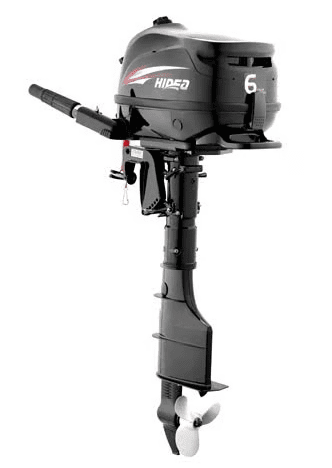
Hidea 6HP 4-Stroke Outboard
The 6HP 4-Stroke is built for tenders, skiffs and smaller inflatable boats. Quiet, easy to handle and reliable everyday power.
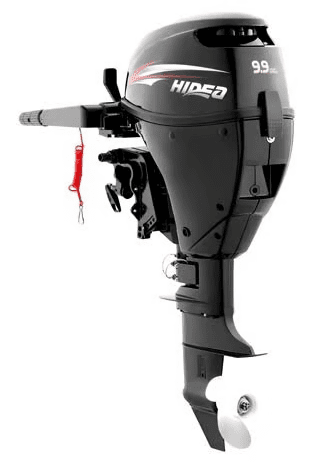
Hidea 9.9HP 4-Stroke Outboard
Twin-cylinder smoothness for dinghies, inflatables and small aluminium boats. A confident step-up from 6HP.
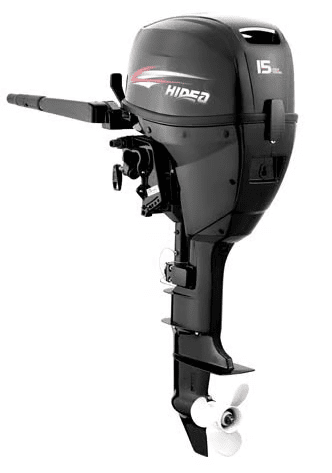
Hidea 15HP 4-Stroke Outboard
Strong, dependable mid-range power for bigger inflatables, tenders and small runabouts.
Not sure which suits you? Talk to a real boat owner.
Ready to set sail?
Premium German-fabric inflatable catamarans with FREE Sea Freight or Express Air Delivery — your choice at cart. Talk to our team or browse the fleet.
Like this guide? Get the next one in your inbox.
Owner-tested tips, gear deep-dives and Aussie boating know-how — no spam.