Portable Petrol Tanks: Your Ultimate Buying Guide
Explore Portable Petrol Tanks: Your Ultimate Buying Guide to prevent frustrating fuel shortages on your adventures.
At a glance
Explore Portable Petrol Tanks: Your Ultimate Buying Guide to prevent frustrating fuel shortages on your adventures.
- Why a Good Petrol Tank Is Non-Negotiable
- Everyday Scenarios That Demand a Reliable Fuel Can
- Plastic vs Metal: Which Fuel Can Is for You?
- The Case for Plastic (HDPE) Tanks
What we'd put you in
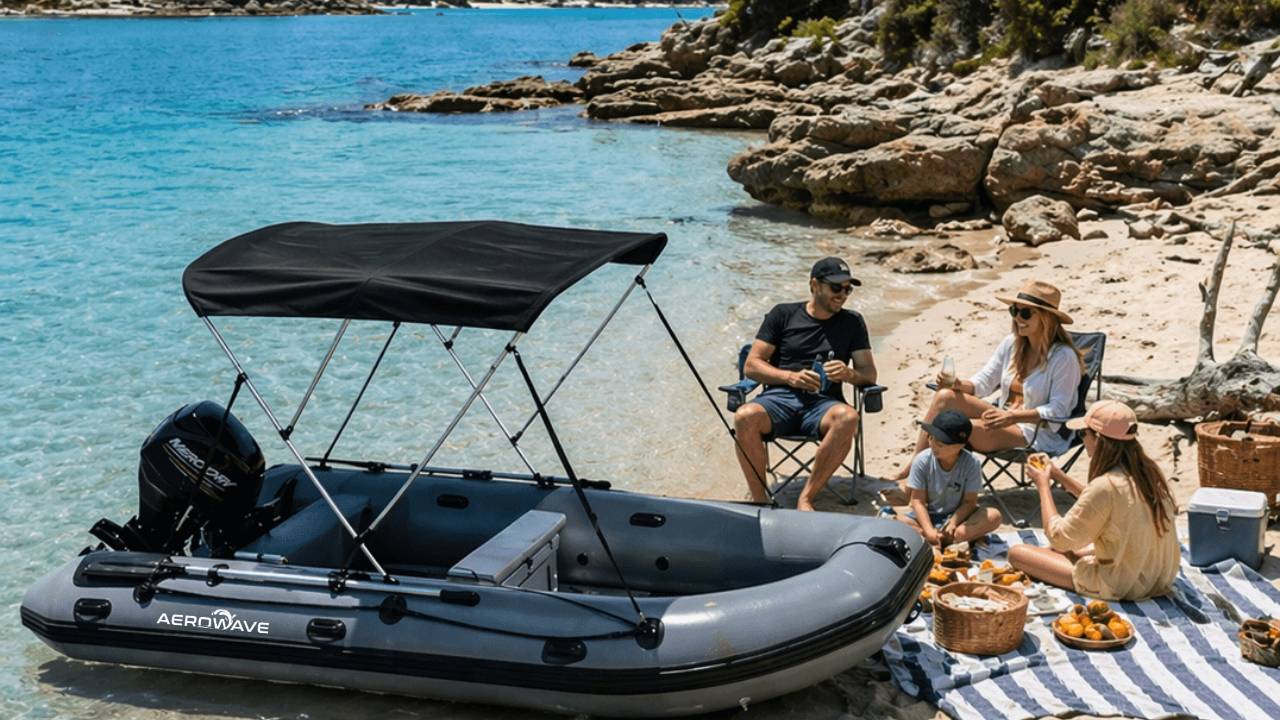
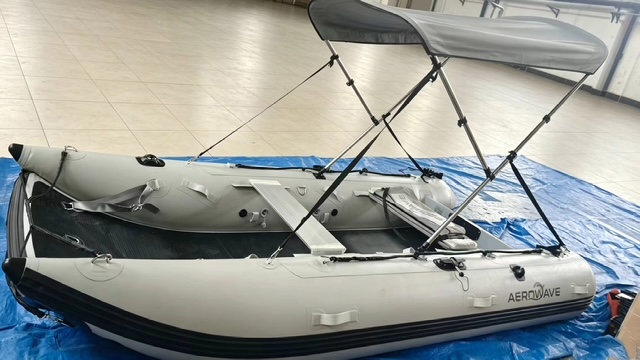
Aerowave Viper 400 Sovereign
Our best-selling boat: 4.0 m, 1.2 mm VALMEX hull, 7-year hull warranty.
US$3,167 USD
Delivered to your door, today's rate
- Free freight to United States · local taxes payable on arrival
- 7-year hull warranty
🇺🇸 Shipping to United States · landed price quoted in writing
Yes — we ship the Aerowave Viper 400 Sovereign to United States. Here's the landed price.
Our best-selling boat: 4.0 m, 1.2 mm VALMEX hull, 7-year hull warranty.
Aerowave Viper 400 Sovereign
- Boat package (export price)
- US$3,726
- 15% tariff relief credit
- − US$559
- Express air freight to United States
- Included
- Import duty, taxes & customs clearance
- Payable on arrival
- Estimated landed, USD
- US$3,167
Indicative, converted at today's rate, before local duty and tax on arrival. Ask below and we'll put a fixed figure in writing, valid 30 days.
- 7-year hull warranty
- 1500 GSM / 1.2 mm VALMEX® Heavy Plus hull
- CE certified to ISO 6185-3 and EU Directive 2013/53/EU
- Door-to-door, tracked the whole way
Your price, delivered to your door — freight included.
We email the full PDF quote (spec, freight, finance, WavePay) to your inbox in under 60 seconds. No spam — one quote, one follow-up.
See it for yourself
Real boats. Real owners. Real people behind them.
Plenty of what you read online these days is generated. Check us out properly — the factory, the reviews and the owners are all one click away. Why we use AI, and how to check we’re real
How our boats are built
Walk the production line: thermo-welded seams, 1.2 mm VALMEX Heavy Plus hulls, over-pressure relief valves on every chamber.
See the buildGoogle Maps reviews
Real Australian owners, five stars, published on our Google Business Profile with the map — read them there, not just on our own site.
Open Google Maps reviewsOwner stories
Boats in use — offshore, on rivers, on rescue duty. Photos and words from the people who actually own them.
Read owner storiesEver found yourself stuck, miles from the nearest servo, with the fuel gauge firmly on empty? It’s a sinking feeling that can turn a great day out into a stressful ordeal. A portable petrol tank is your best insurance against getting stranded, giving you a safe, sealed container to carry extra fuel for your vehicle, boat, or outdoor power gear.
Imagine being able to extend that fishing trip, finish that last bit of yard work, or have total peace of mind on a long outback drive. That's the freedom a reliable petrol tank gives you.
Why a Good Petrol Tank Is Non-Negotiable
Running out of fuel is more than just an annoying delay; it can completely derail your plans and even land you in a genuinely risky situation. Picture this: you're out on the bay, the fish are biting, but the fuel is low. Do you head back early or risk it? With a spare tank, you don't have to choose. Having a reliable supply of extra petrol is all about peace of mind.
Think about the real-world moments where a purpose-built tank becomes a lifesaver. It’s not just for roadside emergencies. A quality portable petrol tank is a vital tool for a huge range of activities, making life that much easier.
Everyday Scenarios That Demand a Reliable Fuel Can
Consider these common situations where having that extra fuel on hand is a complete game-changer:
- Worksite Power: You're a tradie on a new build site, and the generator sputters out, stopping your whole crew. With a spare 20L can, you're back up and running in minutes, avoiding costly downtime.
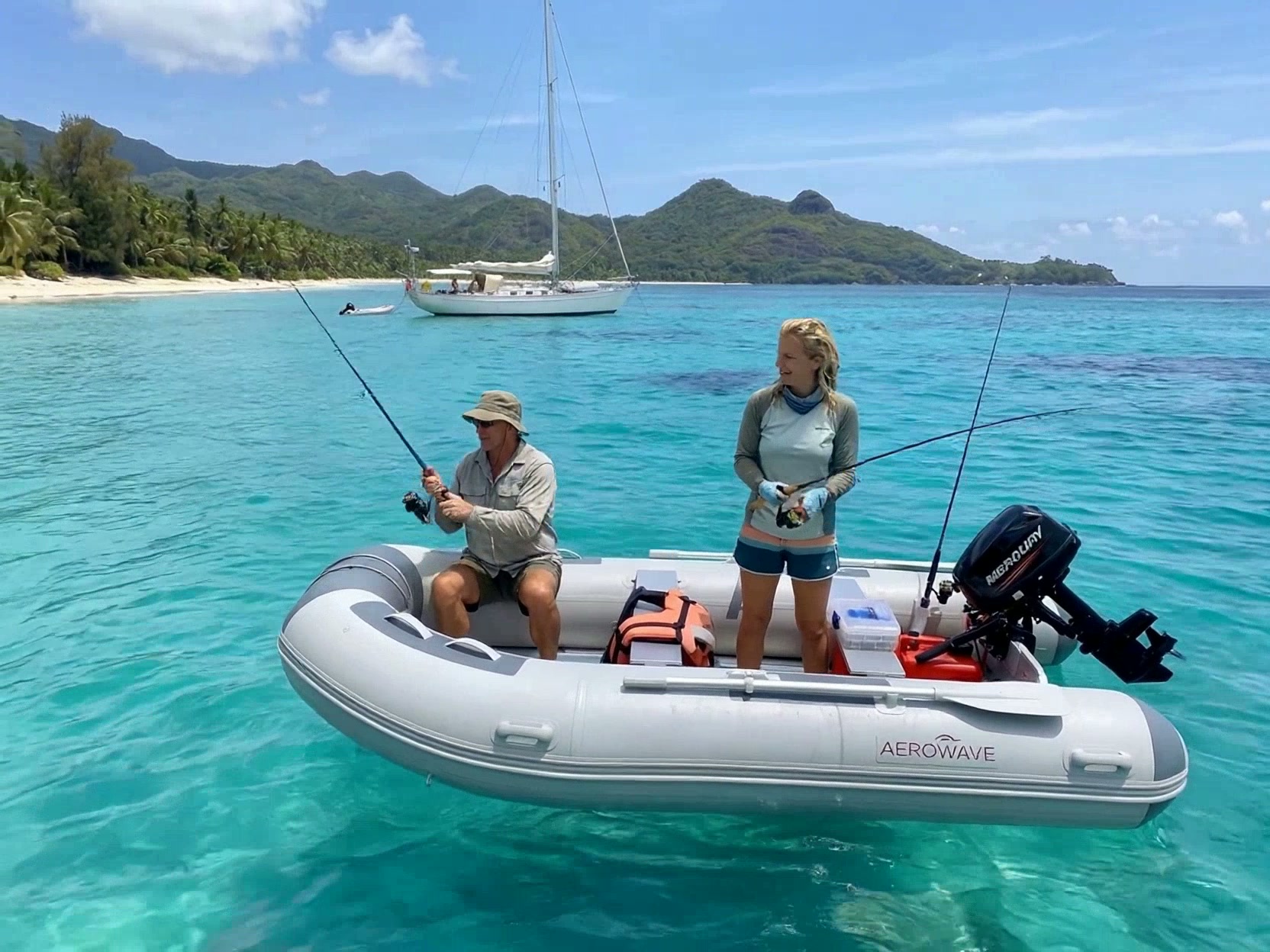
- Boating and Water Sports: A day on the water can get cut short fast without enough fuel. A proper marine fuel can ensures you have enough petrol for the trip back to the ramp—a crucial safety measure that goes hand-in-hand with gear like reliable manual bilge pumps.
- Weekend Adventures: Imagine exploring a remote 4WD track and seeing a sign: "Next Fuel 300km". That spare can in the back means you can explore with confidence, not anxiety. It's essential for powering the quad bike, fuelling the ride-on mower, or getting through a long camping trip.
- Emergency Preparedness: During a storm-induced power outage, a full petrol tank for your generator can keep the fridge cold, the lights on, and your phones charged when you need them most.
Simply put, a certified portable petrol tank isn't just a container; it's a tool that gives you freedom, safety, and preparedness. Grabbing any old plastic bottle or unapproved container is a serious risk.
Using the wrong container can lead to dangerous leaks, fume build-up, and even hefty fines for not meeting Australian safety standards. A purpose-built tank is engineered to handle flammable liquids safely, with features designed to prevent spills and withstand the pressures of being carted around. Investing in the right one means you can focus on the job at hand without giving fuel safety a second thought.
Plastic vs Metal: Which Fuel Can Is for You?
When you’re looking for a portable petrol tank, the biggest question usually boils down to one simple thing: material. Are you better off with a modern, lightweight plastic can, or a traditional, heavy-duty metal one? The right choice isn’t about which is better overall, but which is better for you and your specific needs.
This infographic gives you a quick side-by-side comparison, showing the key visual and material differences between a standard plastic tank and a classic steel jerry can.
You can immediately see the robust, welded construction of the metal can versus the moulded, ergonomic design of its plastic counterpart. This helps guide you toward the material that best suits your needs for handling and durability.
The Case for Plastic (HDPE) Tanks
High-Density Polyethylene (HDPE) is the go-to material for most of the red petrol cans you see these days. Think of it as the versatile all-rounder, perfect for boaties, campers, and homeowners.
Its biggest advantage is weight. An empty plastic can is a whole lot lighter than its metal cousin, making it much easier to carry from the car to the mower or down to the boat ramp.
But don't mistake lightweight for flimsy. Modern HDPE is incredibly tough and, most importantly, it won’t rust. This makes plastic a fantastic choice for marine environments or humid climates where a steel can might start to show its age. Plastic cans also have a bit of give, meaning they can often bounce back from a minor drop that would permanently dent a metal tank. This kind of resilience is similar to the toughness found in the high-grade PVC materials used for inflatable boats. If you want to dive deeper into material toughness, you can learn more about the benefits of different advanced PVC materials.
When Metal (Steel) Is the Right Call
Metal jerry cans are the undisputed heavyweights of fuel storage, built for pure toughness and a seriously long life. A well-looked-after steel can is an investment that can serve you for decades.
They are the go-to for serious off-roading, construction sites, and farm work—anywhere gear gets treated a bit rough. Their rigid construction means they are far less prone to swelling or contracting with big temperature swings, and steel offers superior protection against punctures from sharp tools or rocks.
If your portable petrol tank is going to be rattling around in the back of a ute with tools and other heavy equipment, the sheer strength of steel gives you unmatched peace of mind.
A Head-to-Head Comparison
To make the decision easier, let's break down the key differences. This table puts the practical pros and cons of each material for your portable petrol tank right in front of you.
Material Comparison: Plastic vs Metal Petrol Tanks
A quick-glance comparison of the key features of High-Density Polyethylene (HDPE) plastic and metal portable petrol tanks to help you choose the best option for your needs.
Feature
HDPE Plastic Tanks
Metal (Steel/Aluminium) Tanks
Durability
Resists dents from minor impacts and is completely rust-proof.
Extremely puncture-resistant and can withstand heavy abuse, but can dent and rust if paint is compromised.
Weight
Significantly lighter and easier to carry, especially when full.
Heavier and more cumbersome, requiring more effort to transport.
Cost
Generally more affordable upfront, offering great value for most users.
Higher initial cost, but can offer a longer lifespan if properly maintained.
Best For
Homeowners, boaties, casual campers, and general emergency backup fuel.
Tradies, serious 4WD enthusiasts, farmers, and commercial worksites.
So, what's the final verdict? It really comes down to your primary use.
For the homeowner needing fuel for the mower or a family planning a weekend boat trip, a lightweight and rust-proof HDPE plastic tank is almost always the most practical and wallet-friendly solution.
However, for the tradie whose can needs to survive a demanding worksite day after day, the rugged durability of a classic steel metal tank is well worth the extra weight and cost.
Finding the Right Size Petrol Tank
Choosing the right capacity for your portable petrol tank isn’t just about grabbing the biggest one off the shelf. It’s a balancing act. You need enough fuel for the job, but the tank also has to be practical, safe, and easy for you to actually handle.
Think of it like this: you need to refuel a small generator. A massive 20L tank is heavy and awkward, increasing your chance of a messy spill. A 5L tank is perfect. Match the tank to the task for a hassle-free day.
Small Capacity Tanks For Everyday Jobs
For most day-to-day jobs, a smaller tank is the smarter, more manageable choice. Those compact 5-litre cans are perfect for keeping your essential outdoor power equipment topped up.
- Lawn Mowers: A 5-litre can is more than enough for the average suburban lawn, and its light weight makes it a breeze to carry around the garden without straining your back.
- Chainsaws and Trimmers: When you're clearing brush, a smaller, lighter can is far less of a pain to haul through the scrub with your other gear.
- Small Outboards: For a quick trip in a tender or a small fishing boat, a 5 or 10-litre tank is usually all you'll need. This is especially true for exploring calm waters in a compact vessel. You can find out more about the perfect setup in our guide to fishing with an inflatable boat.
The real win here is how easy they are to manage. A full 5-litre can weighs just over 5 kilograms, making it simple to lift and pour accurately, which means fewer messy and dangerous spills.
Large Capacity Tanks For Bigger Adventures
When you’re planning a serious trip or need a reliable emergency backup, the 20-litre jerry can is the undisputed king. This size is the standard for serious adventurers and anyone who needs a substantial fuel reserve on hand.
A 20-litre can is the perfect solution for:
- Long-Distance 4WD Trips: It can give you that critical extra 100-150 km of driving range, which can be the difference between making it to the next town or being stranded in the outback.
- Boating Excursions: For a full day of water skiing or exploring a new coastline, a 20-litre tank gives you the freedom to stay out longer without constantly checking the fuel gauge.
- Emergency Vehicle Fuel: Keeping a full 20-litre can at home is a vital safety net if you ever need to evacuate or can't get to a petrol station during a natural disaster.
But that extra capacity comes with a hefty trade-off. A full 20-litre can of petrol weighs around 18-20 kilograms. That's a lot of weight, and it can be a real challenge to lift and pour safely, especially into a high vehicle fuel tank, increasing the risk of spillage.
Understanding Australian Transport Rules
It’s important to know you can't just load your ute with as much fuel as you can fit. Australia has strict legal limits on how much petrol you can transport in portable containers.
While the rules can vary a little between states, the general guideline is that you can carry up to 250 litres in approved portable petrol tanks, as long as no single container is larger than 25 litres.
Always make sure your tanks are properly secured and sitting upright during transport. This prevents them from tipping over and leaking, and it’s not just a good idea—it’s a legal requirement. A simple set of ratchet straps can save you from a fine and a dangerous mess.
Making Sense of Australian Safety Standards
When you're dealing with something as flammable as petrol, safety isn't just a suggestion—it's everything. The rules and regulations can seem a bit much at first, but they’re actually there to keep things simple and, most importantly, keep you safe.
The single most critical thing to look for on any portable petrol tank in Australia is the AS/NZS 2906 certification. Think of this sticker not just as a label, but as a guarantee. It’s your confirmation that the tank has been put through its paces and passed rigorous tests for durability, leak prevention, and overall safety.
If a tank doesn't have this certification, it’s a massive red flag. Don't be tempted by a cheap, uncertified can at a market stall. It hasn't been proven to handle pressure changes, resist impacts, or stop dangerous vapours from leaking out. It’s just not worth the risk.
What AS/NZS 2906 Certification Guarantees
This standard is your assurance that the tank is built tough enough for the job. It's a comprehensive set of rules that cover everything from the thickness of the plastic or metal to the design of the cap.
When you buy a certified tank, you know it comes with specific features designed to prevent common accidents. These aren't just nice-to-haves; they are essential for handling fuel safely.
Key safety features you should always look for include:
- Child-Resistant Caps: These caps need a specific action, like pushing down while turning, to open. It’s a simple mechanism that’s incredibly effective at stopping curious little hands from getting into the fuel.
- Durable Seals and Gaskets: A quality tank will have robust rubber or synthetic seals in the cap and spout. These are what stop petrol vapours from escaping—reducing fire risk—and prevent fuel from sloshing out when you're on the move.
- Proper Venting Systems: As temperatures fluctuate, petrol expands and contracts, building up pressure inside the tank. A proper venting system lets this pressure equalise safely, preventing the can from swelling, splitting, or leaking.
A certified portable petrol tank is an engineered safety system. Every single part, from the handle to the spout, is designed to work together to contain a highly volatile substance, giving you complete peace of mind.
Staying Legal on the Road
Owning a compliant tank is step one, but getting it from A to B safely is just as crucial. In Australia, you’re legally required to secure your portable petrol tanks during transport. An unsecured can sliding around in the back of a ute or car boot is a serious hazard waiting to happen.
To travel safely and avoid any fines, always make sure your tanks are:
- Stored Upright: Never, ever lay a petrol can on its side.
- Firmly Secured: Use ratchet straps, ropes, or a purpose-built bracket to stop the tank from tipping over or shifting around.
This goes for your boat, too. A loose fuel tank on the water is incredibly dangerous. Making sure you have a quality, correctly fitted fuel line is non-negotiable for safe boating. For a deep dive into this critical component, check out our guide on selecting an outboard engine fuel line.
Taking these simple precautions ensures you're meeting your legal obligations and dramatically reducing the risk of a dangerous spill.
How to Use and Store Your Fuel Can Safely
Having a certified portable petrol tank is the right start, but knowing how to handle and store it properly is what really keeps you, your family, and your gear safe. A few simple habits can turn what seems like a risky job into a routine, safe practice, making sure you get the most out of your equipment without any dramas.
Getting the filling, pouring, and storing right prevents dangerous spills, cuts down fire risk, and can even make your petrol-powered tools last longer. It’s all about building good habits that quickly become second nature.
Filling Up at the Petrol Station
The safety process begins the moment you pull up to the servo. It might seem tempting to leave your portable tank in the back of the ute or in the boot while you fill it, but this is a shortcut you should never, ever take.
Static electricity is the invisible danger here. A tiny spark can ignite petrol fumes, and your car’s rubber tyres act as an insulator, stopping any static charge from grounding safely. Placing the can directly on the ground completely removes this risk.
Here’s your simple, safe filling checklist:
- Place the Can on the Ground: Always take the tank out of your vehicle. Put it on a flat, level concrete surface, a good distance away from other cars.
- Touch the Can: Before you do anything else, touch the can with the metal fuel nozzle. This simple action gets rid of any lingering static electricity.
- Fill Slowly: Keep the nozzle in contact with the rim of the can and fill it at a slow, steady pace. This minimises splashing and stops vapours from building up too quickly.
- Don’t Overfill: This one is critical. Never fill the tank right to the top. You have to leave a small air gap—at least 5% of the tank’s capacity—to let the fuel expand as the temperature changes. For a 20L can, that means stopping around the 19L mark.
Once you're done, screw the cap on tight and wipe off any drips before carefully putting it back in your vehicle for the trip home.
Pouring Fuel Safely and Storing It Smartly
Most spills happen when you're transferring fuel from the portable tank to your car, boat, or mower. A good flexible pouring spout is your best friend for this job; it gives you far better control and cuts down on the mess. Just make sure the spout is screwed on tight and the air vent (if your can has one) is open to get a smooth, glug-free flow.
When it comes to storage, it’s all about location, location, location. The main goal is to keep your fuel can well away from your living spaces and anything that could possibly start a fire.
The best storage spot for a portable petrol tank is in a well-ventilated, separate shed or garage. Keep it out of direct sunlight and away from heat sources like hot water heaters or electrical appliances. Never, ever store petrol inside your home.
Following this single rule massively reduces your risk of a fire. If you find you need larger or more permanent fuel solutions for a boat or other equipment, it's worth exploring a range of certified external fuel tanks that offer a purpose-built and even safer way to manage bigger fuel needs.
Maintenance and Understanding Fuel Lifespan
Your fuel can itself needs a bit of looking after to stay in safe, working condition. Before you use it each time, give it a quick once-over.
- Check for Damage: Have a look for any cracks, rust spots, or big dents that might have weakened the tank.
- Inspect the Seals: Make sure the rubber gasket inside the cap is still in one piece and feels pliable. A cracked or brittle seal is a guaranteed leak waiting to happen.
- Keep it Clean: Give the outside a wipe down to get rid of any dirt or old fuel spills.
It’s also important to remember that petrol has a surprisingly short shelf life. Unlike propane, which lasts for ages, petrol starts to go off after just a few months. As it oxidises, it creates gums and varnishes that are notorious for clogging up fuel lines and carburettors.
Stale fuel is one of the most common reasons why mowers, chainsaws, and outboards refuse to start. To dodge this headache, try to use any petrol you have stored within three to six months. If you know you need to keep it for longer, adding a quality fuel stabiliser when you first fill the can will extend its life and help ensure your gear starts without a fuss every time.
Your Checklist for Buying the Right Petrol Tank
Choosing the right petrol tank is simple once you know what to look for. Think of this as your final pre-purchase inspection—a quick checklist that brings everything together to help you pick a high-quality, compliant tank that actually fits your needs.
First up, let’s talk construction. Is a lightweight plastic can the smart choice for weekend boating trips, or does the rugged durability of a steel tank make more sense for your worksite? Your main use for the tank will almost always point you to the right material.
Next is capacity. A compact 5-litre tank is perfect for topping up the lawnmower, but a 20-litre can gives you the range and peace of mind you need for a 4WD adventure or as an emergency backup. Just remember the trade-off: a bigger tank holds more fuel, but it’s a lot heavier and trickier to pour from safely.
Final Safety and Handling Check
Once you’ve settled on the material and capacity, your final checks should be all about safety and practical use. Before you buy any portable petrol tanks, run through these non-negotiable points:
- Confirm AS/NZS 2906 Certification: This is the most important step. If the tank doesn't have this Australian safety standard clearly marked on it, walk away. It’s your only real guarantee of quality and compliance.
- Inspect the Cap and Seals: Have a good look at the cap. It should be child-resistant. Check that the rubber gasket inside is thick and pliable, not brittle or flimsy—that’s a future leak waiting to happen.
- Review Your Storage Plan: Where are you going to keep it? The only safe option is a well-ventilated shed or garage, well away from any heat sources and out of direct sunlight. Never store petrol inside your home.
By prioritising certified materials, matching the size to your task, and committing to safe handling habits, you're not just buying a container. You're investing in a reliable tool that delivers fuel safely and efficiently whenever you need it.
Ready to put this knowledge into practice? You're now fully equipped to choose the perfect tank.
Browse our curated range of certified portable petrol tanks and find the ideal solution for your next adventure today.
Explore the Aerowave range
Weekend-Proof Score 17 questions · about 2 minutes
Will the boat you're about to buy survive an Australian summer?
Seventeen straight questions about where you'll use it, what you'll ask of it and the boat you're weighing up. You get a score out of 100, the exact weak points in your plan, and the one boat that genuinely fits.
Free · your result shows on screen · no email required
So which one is yours?
Pick how you'll actually use it and we'll take you straight to the right hull.
I want to fish it
Open bow, rod holders, deck space you can stand and cast from.
Viper Sport 400Family, diving and the beach
3.8 m Series 3 catamaran — low bow to climb back in wearing fins or a tank.
WaveRunner 380Tender / one-person launch
3.3 m hard-floor boat that packs into a bag and still takes a beach landing.
Viper 330Shop gear featured in this guide
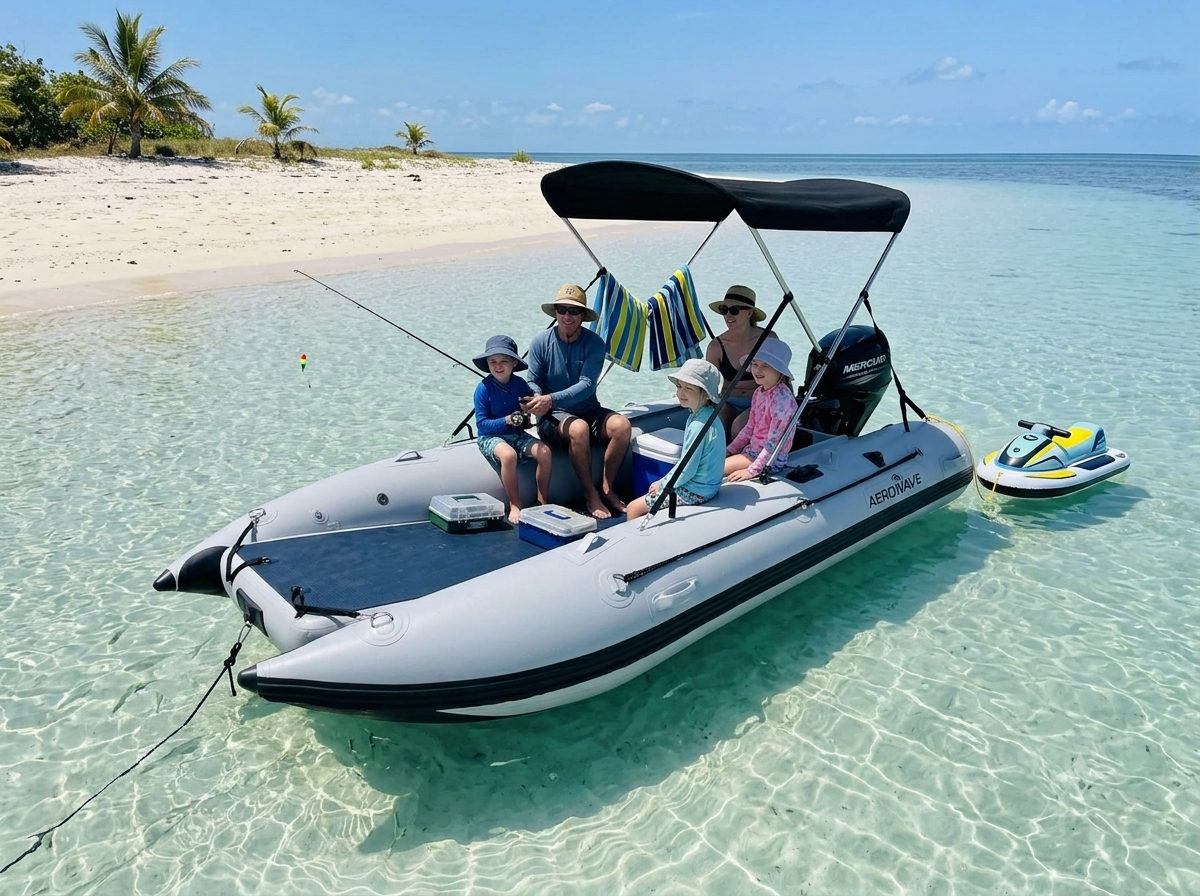
Aerowave WaveRunner 380 Series 3 Catamaran Package
The WaveRunner 380 Series 3 is a premium 3.8m inflatable catamaran package built for Australian and worldwide families, fishing, and coastal day boating — ideal for snorkeling and spearfishing — offering serious stability and premium German Valmex® construction.
Free freight to United States · local taxes payable on arrival
Aerowave Viper 400 Sovereign
Flagship 4m enclosed-bow inflatable catamaran. German VALMEX® 7321 Heavy Plus 1.2mm commercial-grade fabric, 10 PSI high-pressure drop-stitch air deck floor with VALMEX non-slip surface, LockPro wheels, full Bimini and FREE express delivery Australia-wide included. Winter special — save $1,000 until 31 August 2026.
Free freight to United States · local taxes payable on arrival

Aerowave Viper 365 Open Bow
Premium 3.65m Inflatable catamaran — built the same way as our flagship Viper 400 sports boat, just 35cm shorter. German VALMEX® 7321 Heavy Plus 1.2mm commercial-grade fabric, 10 PSI high-pressure drop-stitch air deck floor with VALMEX non-slip surface, LockPro wheels, full Bimini and FREE express delivery Australia-wide included.
Free freight to United States · local taxes payable on arrival
Not sure which suits you? Talk to a real boat owner.
Before you spend a cent
Buying from Australia, delivered to United States
You have never heard of us, we are on the other side of the world, and the internet is full of fakes. Fair enough. Here is everything you would need to check us out, in one place — no forms, no chat bot.
Australian designed business
Easy Inflatables, Avoca Beach NSW 2251. ABN 96 856 548 613. International orders ship from our Hong Kong hub.
222 owner reviews, 4.8 average
Read them in full, good and bad, on our reviews page.
CE certified, 7-year hull warranty
ISO 6185-3 and EU Directive 2013/53/EU. Warranty honoured worldwide.
Tracked, insured, door to door
FREE freight to United States · local tax/duty on arrival.
- Who am I actually buying from?
- Easy Inflatables, Avoca Beach NSW 2251, Australia. ABN 96 856 548 613. Sean is the owner and skipper, Gary Stewart handles sales on +61 2 4335 1603, Karen Matthews handles email. The boats are Australian designed; international orders ship from our Hong Kong dispatch hub so your landed price stays competitive. Phone us before you pay a cent — a real person answers.
- Is this really an Australian product?
- Yes — Australian designed and engineered on the NSW Central Coast. Manufacturing is done offshore to our spec, and international orders ship direct from our Hong Kong dispatch hub. If we routed every boat through Australia first, the freight alone would roughly double or triple your cost for the same hull.
- What do I pay, and what is not included?
- The delivery and import terms depend on your country. EU, UK, New Zealand and named Asia/Pacific lanes include duty and tax; US freight is free but US buyers pay import charges on arrival. Other destinations show their terms before payment.
- How do I pay safely?
- Card through Stripe (Visa, Mastercard, Amex, Apple Pay, Google Pay) or bank transfer. Card payments carry your bank's own dispute protection. We never ask for crypto, gift cards or payment to a personal account.
- What if it arrives damaged?
- Every boat ships fully tracked and insured door to door. Photograph the carton and the boat on arrival and email us — transit damage is claimed and replaced through us, not left with you and the courier.
- Is the warranty real outside Australia?
- Yes. The 7-year hull warranty on 1.2 mm VALMEX Heavy Plus and Orca Hypalon hulls applies wherever you are. Replacement parts are held in Australia and at our overseas hub and go out by express courier to your door.
- Is the boat actually certified?
- All Aerowave catamarans are CE certified to ISO 6185-3 and EU Directive 2013/53/EU. Certification paperwork is supplied with the boat — ask and we will send it before you order.
Frequently asked questions
- How Long Does Petrol Last in a Fuel Can?
- It's a common myth that petrol can last forever in a jerry can. The reality is, modern unleaded fuel has a surprisingly short shelf life. When stored in a sealed, compliant portable petrol tank, you can typically expect it to stay fresh for about three to six months . After that, it starts to oxidise and break down. This process creates gums and varnishes that are notorious for clogging fuel lines and carburettors, which can lead to poor engine performance or your equipment failing to start at all. Need to store fuel for a bit longer? The smart move is to add a quality fuel stabiliser the moment you fill the can. A good stabiliser can extend the life of your petrol for up to a year or more, saving you the headache of dealing with stale, useless fuel.
- Can I Store Diesel or Other Fuels in a Red Petrol Can?
- While it might seem convenient to grab whatever can is empty, you should never store diesel or any other fuel in a container designated for petrol. In Australia, our containers are colour-coded for a critical safety reason: to stop you from accidentally misfuelling and destroying an engine. The standard colour code is simple: Red Can: For unleaded petrol only. Yellow Can: For diesel fuel. Blue Can: For kerosene. Using the right colour isn't just a suggestion; it’s a crucial safety habit that protects your vehicles and equipment from seriously expensive damage. Accidentally putting petrol in a diesel engine (or vice versa) can lead to thousands of dollars in repairs.
- What Should I Do if My Plastic Petrol Can Swells Up?
- Seeing your plastic portable petrol tank bulge out can be pretty alarming, but it's usually not a sign that the can is faulty. This swelling is just a build-up of vapour pressure inside, which happens when the temperature climbs and the petrol expands. Certified portable petrol tanks are actually designed to handle this. The fix is simple and safe: First, move the can to a well-ventilated spot, far away from any ignition sources like flames or sparks. Slowly and carefully loosen the cap to release the built-up pressure. You’ll hear a hissing sound as the vapour escapes. Once the hissing stops, the can will return to its normal shape. Now you can retighten the cap securely. This is a normal function of a properly designed fuel can, built to prevent the container from splitting under pressure. Making a habit of venting your can, especially on hot days, is a great way to stay safe. Now that you've got the answers, you have everything you need to choose and use your fuel storage safely. Equip yourself with a reliable, certified tank that gives you total peace of mind on every trip. At Easy Inflatables , we offer a range of high-quality, compliant portable petrol tanks perfect for any adventure. Browse our selection and find the ideal solution for your needs. Shop Our Certified Portable Petrol Tanks Now
Ready to set sail?
Premium German-fabric inflatable catamarans, built to order and delivered to your door. Talk to our team or browse the fleet.
Like this guide? Get the next one in your inbox.
Owner-tested tips, gear deep-dives and Aussie boating know-how — no spam.