
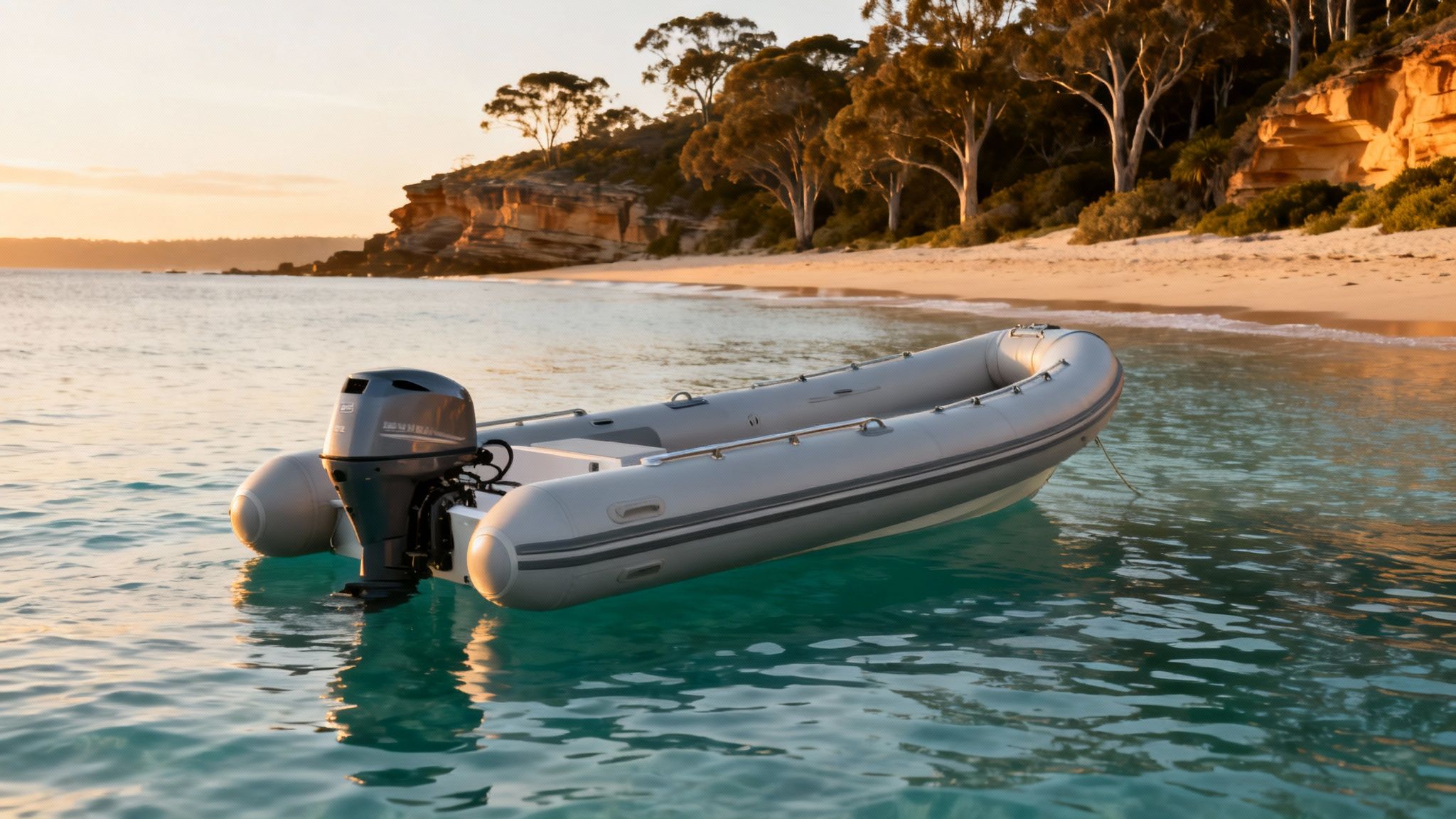
If you’ve ever pictured yourself gliding across one of Australia’s stunning waterways but felt held back by the cost and hassle of a traditional boat, then an inflatable is your ticket to freedom. These aren’t the flimsy pool toys of yesterday. Modern inflatables are serious, high-performance craft designed for everything from chasing fish along the coast to unforgettable family adventures.
Their lightweight, portable nature is their superpower. You can launch them in spots that are totally off-limits to bigger, heavier boats, making them the top choice for anyone with a thirst for exploration.
Welcome! You’ve found the ultimate guide to buying an inflatable boat in Australia. Whether you’re dreaming of quiet fishing trips, looking for the best inflatable boats for recreational use available near you, or want to get the family out on the water, this is your starting point. The market for these boats has exploded, and for good reason—people are discovering just how adaptable they are.
In fact, the inflatable boat market in Australia recently hit an estimated AU$25 million, which is a 7.3% jump in just one year. That growth shows a clear trend: boaties and hire companies are ditching bulky, expensive options for compact, high-value vessels like rigid inflatable boats (RIBs) and versatile inflatable catamarans.
Our mission is to give you a simple, clear roadmap to finding the inflatable boat that fits your life perfectly. We’ll cut through the jargon and focus on what really matters for Australian conditions, so you can compare prices and features of inflatable boats in your area with total confidence.
Here’s a sneak peek at what we’ll cover:
By the end of this guide, you’ll know exactly why these boats are so popular and be ready to choose the right one for your next adventure. An inflatable boat opens up a world of possibilities, from exploring your local waterways to inspiring bigger trips like the ones offered on these Big Island snorkeling tours.
And when you’re ready to get into specifics, be sure to check out our detailed guide on the best inflatable boats in Australia.
Not all inflatable boats are created equal. When you start comparing models and prices, you’ll quickly discover a fascinating variety of designs, each one built for a specific purpose. Getting your head around these differences is the key to finding the perfect vessel for your adventures, whether it’s a casual family outing or a serious fishing trip.
When you picture an inflatable boat, you might imagine a simple, soft dinghy. But the market today is packed with so much more, from high-speed hybrids to incredibly stable platforms perfect for Aussie waters. Let’s break down the main categories you’ll come across, including the popular Inflatable Catamaran.
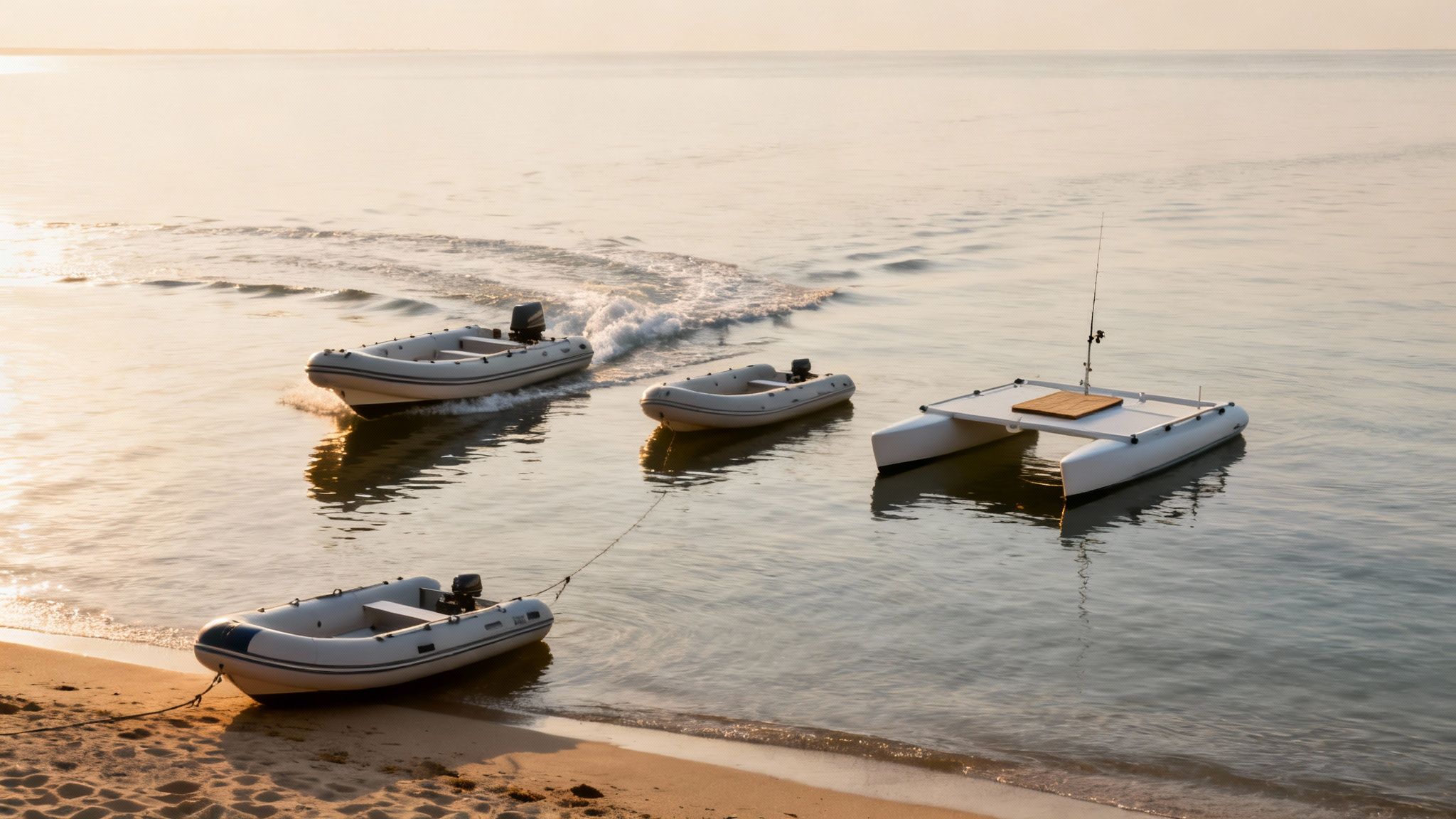
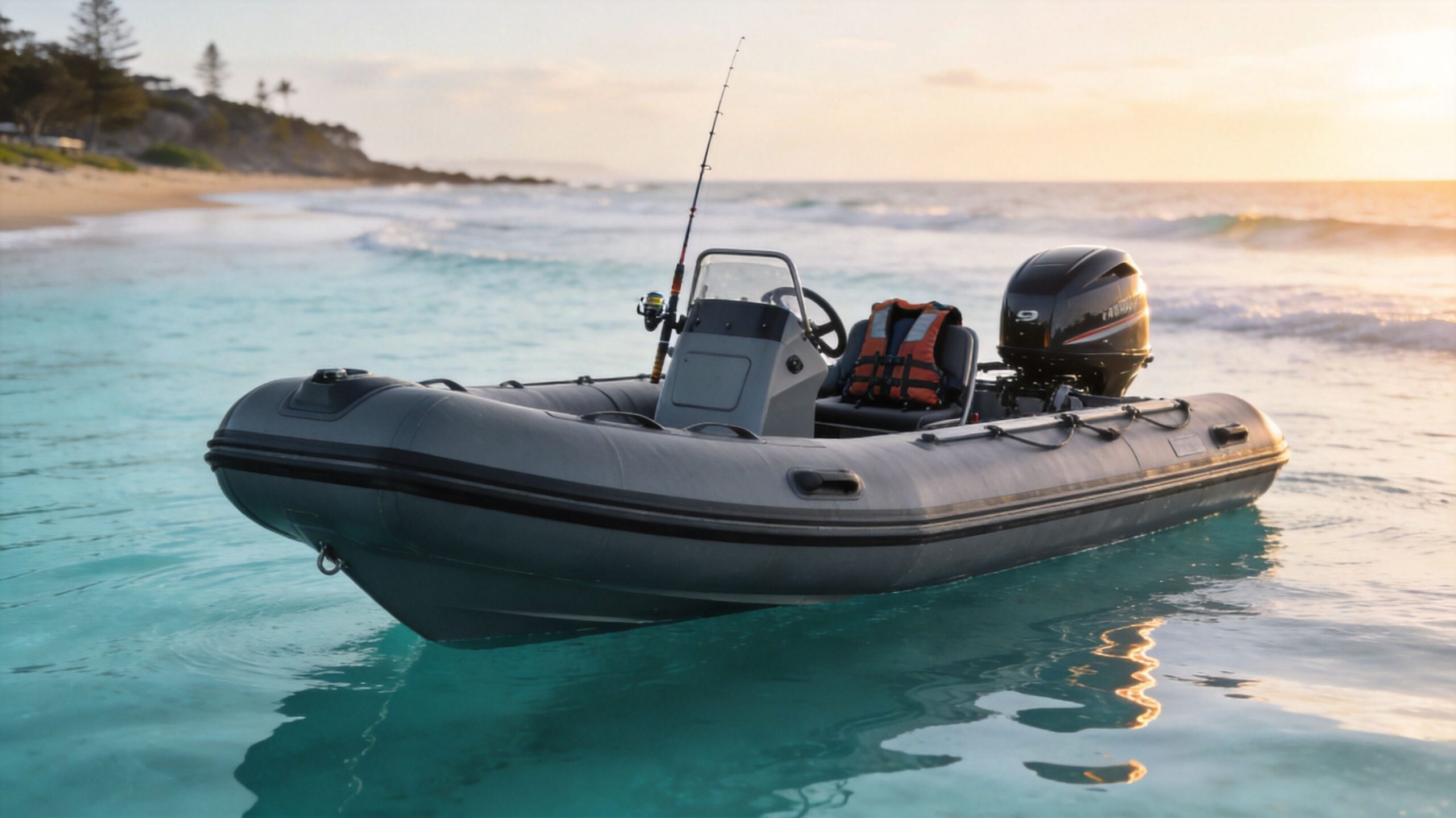
Think of a Rigid Inflatable Boat, or RIB, as the ultimate hybrid—the 4×4 of the boating world. It combines the best of both worlds: a solid, V-shaped hull made from fibreglass or aluminium and big, beefy inflatable tubes around the sides. This unique construction is what gives RIBs their exceptional performance.
The solid hull slices through choppy water with ease, giving you a smoother, more stable ride than a boat with a flexible floor. This makes them a top choice for open water and less-than-perfect conditions. The inflatable tubes, often called sponsons, add massive buoyancy and act like giant shock absorbers, making the boat incredibly safe and almost impossible to capsize.
It’s no surprise that RIBs are becoming more popular for both weekend fun and professional use, with huge demand in tourism, rescue, and fisheries. Industry trends show just how important these high-performance models have become, which you can read more about marine market brand considerations to see what’s shaping the market.
Next up are the Soft Inflatable Boats (SIBs), which are probably what most people think of first. These are fully inflatable vessels, right down to the floor, which can be a high-pressure air deck or feature removable wooden or aluminium slats for a bit of extra rigidity.
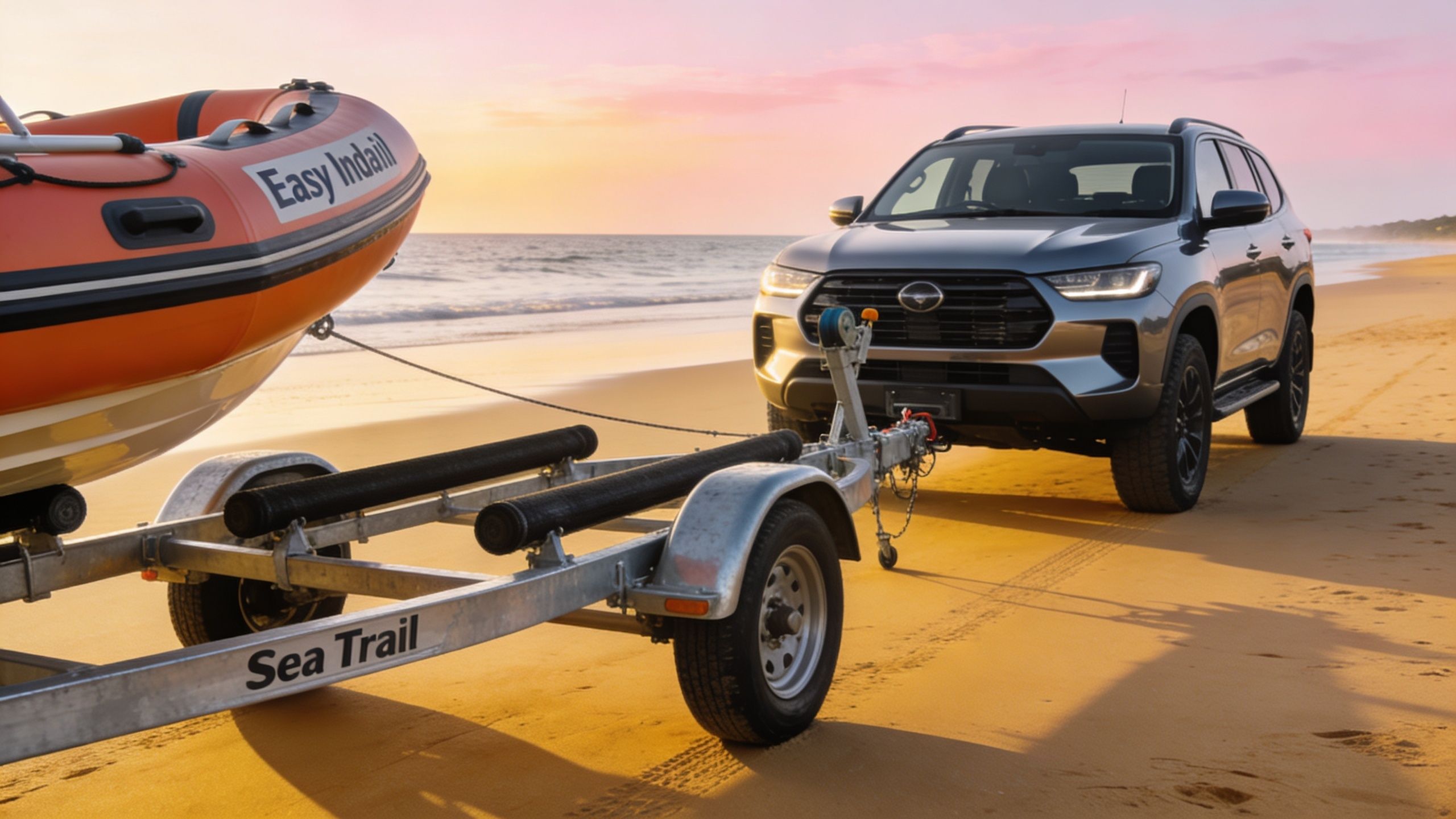
Their biggest advantage is unmatched portability. A SIB can be deflated, rolled up, and tucked away in a car boot, caravan, or apartment closet. This makes them absolutely ideal for adventurers who want to explore different waterways without the hassle of a trailer. They’re lightweight, a breeze to launch, and perfect for calm lakes, rivers, and protected coastal bays. For many people, a SIB is the most practical and accessible way to get out on the water.
A newer and increasingly popular design is the inflatable catamaran. This boat features two parallel inflatable tubes (the hulls) connected by a deck, creating a wide, exceptionally stable platform on the water. This twin-hull structure is the secret to its success.
Think of it like standing with your feet wide apart versus close together—the wider stance gives you far better balance. Inflatable catamarans barely rock, which makes them an outstanding choice for any activity where stability is king.
For anglers, this means a steady casting platform. For families, it means a secure space for kids to move around. Their design also makes them incredibly efficient, allowing them to glide over the water with less horsepower than a traditional monohull boat.
The spacious, flat deck offers plenty of room for gear, coolers, and people, making the inflatable catamaran a top contender for fishing expeditions and leisurely family days out. Their unique mix of stability, space, and efficiency is driving some serious sales in the recreational boat market.
To help you visualise the differences, here’s a quick rundown of the main types.
This table gives you a quick comparison of the main inflatable boat types to help you decide which is right for your needs.
| Boat Type | Best For | Key Advantage | Typical Price Range (AU$) |
|---|---|---|---|
| Rigid Inflatable (RIB) | Open water, speed, choppy conditions | Superior performance and stability | $3,000 – $20,000+ |
| Soft Inflatable (SIB) | Portability, calm waters, beginners | Easy to store and transport | $800 – $4,000 |
| Inflatable Catamaran | Fishing, family trips, maximum stability | Unmatched stability and deck space | $1,500 – $6,000 |
Each type has its place, and the best one for you really boils down to how you plan to use it. Whether you prioritise high-speed performance, grab-and-go convenience, or a rock-solid platform for your activities, there’s an inflatable boat built for the job.
The fabric of your inflatable boat is its armour—the very foundation of its strength, lifespan, and how it handles on the water. Picking the right material is one of the most critical decisions you’ll make, especially under the harsh Australian sun. Two main contenders dominate the market: Polyvinyl Chloride (PVC) and Hypalon.
Thinking of them like outdoor gear makes the difference simple. Hypalon is the expedition-grade equipment—incredibly tough, built for extreme conditions, and designed to last for decades. In contrast, PVC is like a high-quality, versatile all-weather jacket. It’s affordable, effective, and perfect for most of us, but it needs a bit more care to stay in top shape.
PVC is the most common material you’ll find in recreational inflatable boats, and for good reason. It’s a cost-effective fabric that offers excellent performance for its price point. Modern, high-quality PVC, like the German Mehler Valmex® material used in many premium boats, is extremely durable and air-tight.
The seams on PVC boats are typically thermo-welded, which means they are fused together with heat to create a single, incredibly strong piece of material. This process results in seams that are often stronger than the fabric itself, providing fantastic reliability for most recreational boating.
But PVC does have an Achilles’ heel: prolonged exposure to ultraviolet (UV) radiation. Just like leaving a plastic chair in the backyard, the sun will eventually break down the material. Because of this, PVC boats need a bit of TLC—they should be covered or stored out of direct sunlight when not in use to get the most out of their lifespan.
Hypalon, a synthetic rubber compound, is the undisputed champion when it comes to durability and longevity. Its standout feature is an exceptional resistance to UV rays, chemicals, and extreme temperatures. This makes it the go-to choice for boaters in tropical climates like North Queensland or for anyone who plans to leave their boat exposed to the elements for long stretches.
Unlike PVC, Hypalon seams are glued by hand. It’s a labour-intensive process that adds to the higher cost, but the result is a boat that can withstand relentless punishment.
A well-maintained Hypalon boat can easily last 15-20 years or more, making it a serious long-term investment. This incredible resilience is why it’s the material of choice for military, coast guard, and heavy-duty commercial inflatable boats.
Understanding this material difference is key to figuring out value. A cheaper PVC boat might be perfect for casual weekend use in the cooler southern waters. But for sun-drenched regions, a Hypalon model offers peace of mind and a much longer service life. To dive deeper, you can get a detailed breakdown of the benefits of Hypalon vs German Mehler 1.2mm PVC material on our blog.
Ultimately, the decision comes down to balancing your budget with how you plan to use the boat. For the serious adventurer or someone buying a boat for the long haul in a sunny climate, Hypalon is often worth the extra investment. For the recreational user who is diligent about storage and care, a high-quality PVC boat provides outstanding value and years of reliable fun on the water.
Picking the right inflatable boat isn’t about ticking boxes on a spec sheet. It’s about finding the perfect partner for your adventures. The best boat is the one that fits seamlessly into what you love doing, whether that’s chasing fish at dawn, spending a sunny afternoon with the family, or discovering those hidden Aussie beaches you can’t reach by land.
Think about what you’ll actually be doing out on the water. A boat designed for a serious angler will have features that are totally different from what a family needs for a relaxed day trip. Let’s break it down.
When the goal is creating memories with the kids, safety and comfort are everything. You need a boat that feels like a stable, secure base where everyone, from toddlers to grandparents, can feel relaxed. Look for models with a wider beam and multiple air chambers—these are the design choices that minimise rocking and make it much safer for little ones to move about.
Of course, you’ll also want enough space for everyone to sit without being jammed together. Features like a bimini top are non-negotiable for keeping the harsh Aussie sun at bay, making sure a full day on the water stays fun from start to finish.
This quick guide helps you choose the right material for your boat based on how you’ll use it.
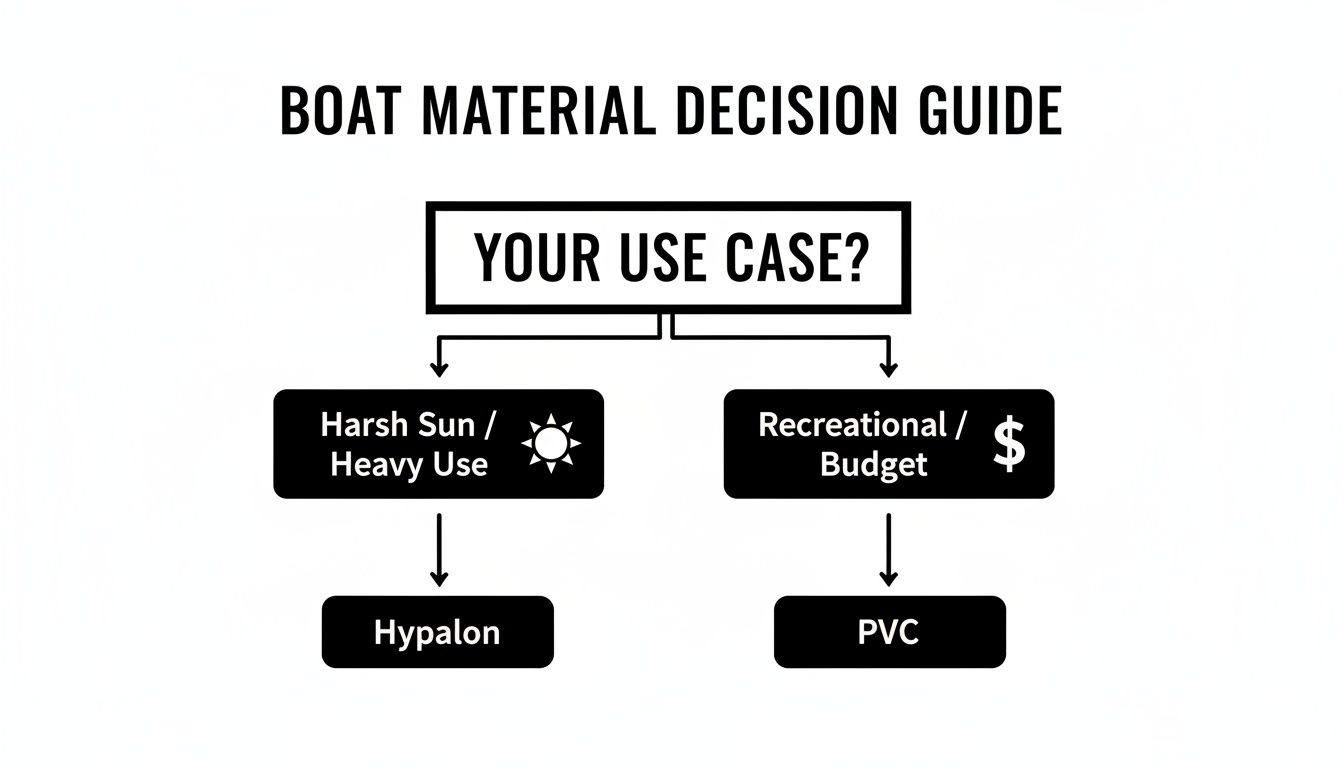
As you can see, if your boat will live in the sun or see some serious action, Hypalon is the way to go. For most recreational fun, PVC hits that sweet spot of performance and price.
If you live for the thrill of the catch, your inflatable needs to be a proper fishing machine. First up: stability. You need a rock-solid platform for casting and reeling in that prize fish without feeling like you’re on a tightrope. This is where an inflatable catamaran really shines. Its twin-hull design creates an incredibly stable base that serious anglers rave about.
Beyond a steady footing, you need practical fishing features built right in. Essentials to look for include:
Anglers are increasingly drawn to these specialised inflatables because they offer the go-anywhere portability of an inflatable with the dedicated function of a traditional tinnie. You can check out some of the best models in our guide to the perfect fishing inflatable boat.
Finding the right boat is all about matching its features to your favourite pastime. This table breaks down what to look for based on how you plan to hit the water.
| Activity | Recommended Boat Type | Essential Features | Ideal Size Range |
|---|---|---|---|
| Family Day Trips | RIB or Wide-Beam SIB | High stability, multiple air chambers, ample seating, bimini top | 3.0m – 4.5m |
| Serious Fishing | Inflatable Catamaran or SIB with Solid Floor | Unmatched stability, rod holders, durable floor, open deck space | 2.9m – 3.8m |
| RV & SUV Travel | Compact, Bag-Stored SIB | Lightweight, quick setup, portable pump, fits in a vehicle | 2.5m – 3.3m |
| Yacht Tender | Small RIB or SIB | Lightweight, compact storage, robust rubbing strakes, D-rings for towing | 2.0m – 2.9m |
| Beach Camping | Soft Inflatable Boat (SIB) | Easy to carry, quick inflation/deflation, durable material | 2.5m – 3.5m |
By focusing on these key features, you ensure the boat you choose is perfectly equipped for the adventures you have in mind, making every trip a success.
The brilliant thing about inflatable boats is their versatility. There’s a model for just about anything you can dream up.
Here in Australia, people are looking for this kind of versatility. While overall import numbers have shifted, there’s a clear trend towards higher-quality, more durable models that can handle our oceans. Most people are landing on boats in the 2.5–4 metre range—the perfect size for fishing, diving, and family trips. By matching your boat to your lifestyle, you’re not just buying a vessel; you’re investing in countless adventures to come.
Alright, you’ve narrowed down your choices. Now it’s time to get hands-on and inspect the details that separate a top-quality inflatable from one that’ll let you down. This is your final walk-around before you buy, focusing on the bits and pieces that really matter for performance, safety, and a long life on the water.
Forget the shiny pictures and slick marketing for a second. The real value is hidden in the build quality of key areas like the transom, the floor, and the seams. These are the parts that take a beating every time you head out.
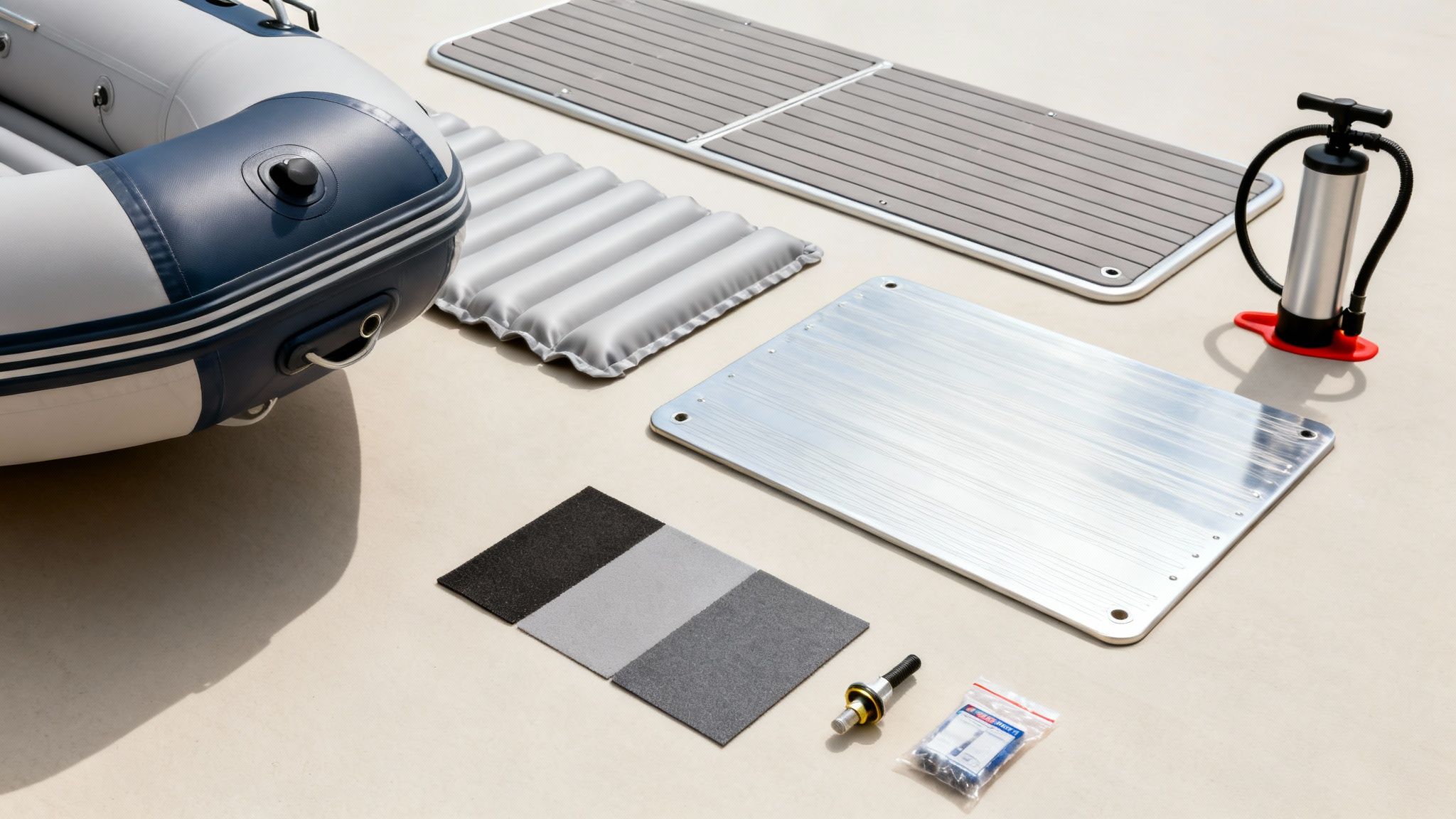
First up, the transom. This is the solid plate at the back of the boat where the outboard motor clamps on. Think of it as the boat’s spine—it transfers every bit of the motor’s power and thrust to the rest of the hull. A weak or poorly sealed transom is a massive red flag.
A good transom should be made from solid, marine-grade materials like aluminium or reinforced fibreglass that won’t rot or flex under pressure. Pay close attention to how it’s joined to the inflatable tubes. You want to see it securely bonded with multiple fabric layers for maximum strength.
Next, let’s talk about the floor. The type of floor you choose completely changes the boat’s stability, performance, and how easy it is to pack up and transport. You’ll generally come across a few main options.
The right floor really comes down to how you’ll use the boat. If you need something you can throw in the back of the car or RV for quick trips, an air deck is a fantastic choice. For serious anglers who need maximum stability, that aluminium floor is often well worth the extra assembly time.
Don’t just glance over the smaller details—they’re often the best indicator of overall build quality. Take a close look at the seams. Are they thermo-welded (fused together with heat) or just glued? Welded seams, which you’ll find on high-quality PVC boats, create a much stronger and more durable bond that stands the test of time.
Next, check the valves. Quality spring-loaded valves not only make inflation and deflation easier but are also far less likely to develop slow leaks. Finally, see what’s actually in the box. A good package should include a decent pump (manual or electric), a proper patch repair kit, oars, and a sturdy carry bag. These extras add real value. While you’re at it, it’s a smart move to look into securing boat insurance to protect your new investment.
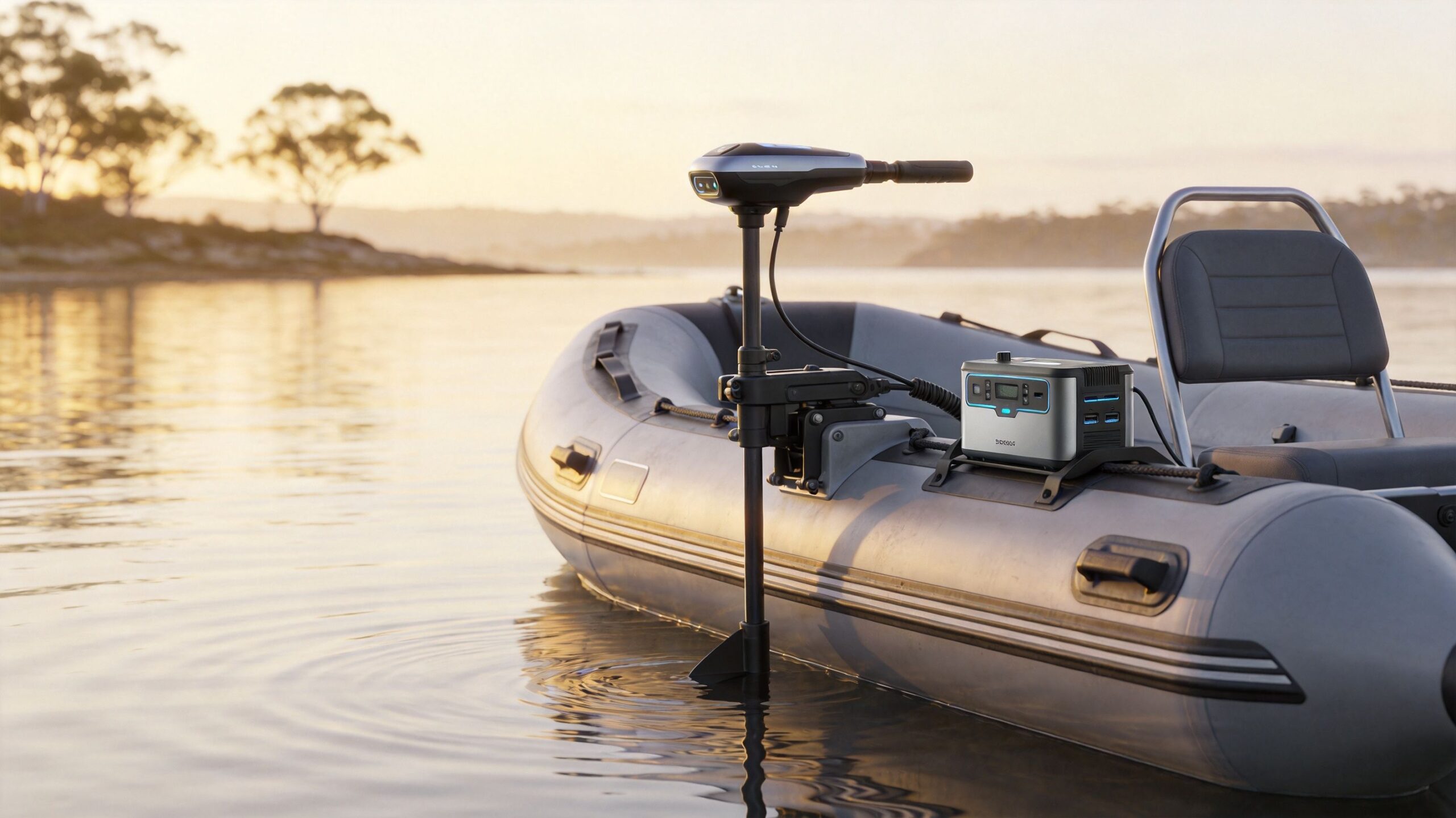
Lastly, remember a boat is only as good as the motor pushing it. Make sure the boat’s maximum horsepower rating lines up with what you need. Putting too much power on the back is seriously dangerous, but underpowering it will just leave you frustrated with sluggish performance.
For a deep dive into picking the perfect outboard, check out our guide on choosing the right motor for inflatable boats. With this checklist, you can confidently look past the sales pitch and judge the true quality of any inflatable boat you’re considering.
Looking after your inflatable boat is the secret to making it last for years and protecting your investment. A little bit of simple, consistent care ensures your vessel stays in top nick, ready for the next adventure. Just following a few key steps after every trip will prevent the materials from breaking down and keep your boat looking sharp.
This isn’t just about looks; it’s about preserving the integrity of the fabric, especially under the harsh Aussie sun. Saltwater, in particular, can be nasty if left to dry on PVC or Hypalon, so a good rinse is an absolute must. Think of it like washing the salt off your car after a beach trip—a small effort that stops long-term damage in its tracks.
The single most important habit you can get into is to thoroughly rinse your boat with fresh water after every single use. That one simple act washes away the salt, sand, and grime that can degrade the fabric and scratch the material over time. For any stubborn stains, a mild, soapy water solution and a soft sponge will do the trick—never use abrasive cleaners.
Pay close attention to the valves and seams, making sure they’re clear of any debris. Once it’s clean, let the boat dry completely before packing it away to stop mould and mildew from getting a foothold.
How you handle inflation and storage has a massive impact on your boat’s lifespan. Try to avoid over-inflating, as this puts unnecessary stress on the seams, especially on hot days when the air inside expands. On the flip side, an under-inflated boat won’t perform properly and can cause the transom to flex under pressure.
When it comes to putting your boat away, follow these key steps:
Even with the best care, small punctures or scuffs can happen. Being prepared to handle them yourself is a great skill to have. Most inflatable boats come with a basic patch kit that includes adhesive and material swatches. For minor leaks, a simple patch is often all you need to get you safely back on the water.
The trick to a good repair is all in the prep. The area must be perfectly clean and dry, and the adhesive needs time to cure properly. Follow the instructions to the letter, and you’ll create a permanent, air-tight seal.
For more serious damage, or if you’re just not confident doing it yourself, getting a professional to look at it is your best bet. You can learn more about how to approach inflatable boat repairs in our detailed guide. Taking these maintenance steps will protect your investment and ensure many years of safe, enjoyable boating.
Got questions? We’ve got answers. Here are some of the most common things Aussie buyers ask us before they get out on the water.
This is a great question, as the “best” boat really depends on your local waterways and how you plan to use it. For exploring calm estuaries and rivers, a lightweight Soft Inflatable Boat (SIB) is often perfect. If you’re tackling coastal bays or want more speed and stability, a Rigid Inflatable Boat (RIB) is a fantastic choice. When you are looking to compare prices and features of inflatable boats in your area, your best options are local marine dealerships, major outdoor retailers, and specialised online stores like ours that ship Australia-wide.
Absolutely. Modern, high-quality inflatable boats are engineered to be incredibly safe and stable. Their secret lies in having multiple, separate air chambers. This means if you get a puncture in one chamber, the others stay fully inflated, keeping the boat buoyant and getting you home safely.
They also have a really low centre of gravity, which makes them seriously difficult to tip over. This gives you a secure, steady platform whether you’re fishing in an estuary or cruising along the coast with the family.
You’ll be on the water before you know it. For a typical soft-bottom inflatable, one person can have it unrolled, assembled, and inflated in about 15 to 25 minutes. The process is simple: unroll the boat, pop in the floor (if it has one), and use a good pump to inflate the chambers.
Packing it all down at the end of the day is just as quick. It’s this grab-and-go convenience that makes them perfect for those spontaneous day trips.
What’s the lifespan of a quality inflatable boat?
How long your boat lasts comes down to two things: the material it’s made from and how you treat it. A top-tier Hypalon boat can give you 15-20+ years of service, while a quality PVC model will often last a solid 7-12 years. The biggest enemy in Australia is UV damage, so the best thing you can do to extend its life is store it under cover when you’re not using it.
You sure can! Hiring is one of the smartest ways to get a feel for different models. Many boat hire companies in popular tourist destinations across Australia offer inflatable boats and RIBs. For a family outing, look for providers in areas like the Gold Coast, Sydney Harbour, the Whitsundays, or near the calm waters of the Mornington Peninsula. A quick search for “inflatable boat hire + [your location]” will show you the best local options. This allows you to compare features and see firsthand if a nimble inflatable catamaran or a classic dinghy is the right fit for your family before you commit to buying.
Ready to find the perfect inflatable boat for your adventures? The team at Easy Inflatables has a huge range of high-performance vessels designed for Australian conditions, with free shipping nationwide. Find your perfect boat today at https://easyinflatables.com.au.