
You’re probably comparing a few inflatable boats right now and seeing a familiar spread. One looks cheap enough to buy on impulse. Another has a better hull shape. A third costs more than you expected and claims better fabric, better seams, and better durability.
That’s where most Australian buyers get stuck.
Inflatable boats in Australia need to cope with harsh UV, salt, beach launches, oyster-covered ramps, inland rivers, and short, messy chop. The right choice isn’t just about size or sticker price. It comes down to materials, construction, hull design, and how the boat will be used.
If you’re searching for the best inflatable boats australia buyers can rely on, the smartest move is to judge them the way a designer or repairer would. Look at what fails first. Look at what carries weight properly. Look at what survives repeated inflation, transport, sun exposure, and rough handling. Cheap boats often look acceptable in a showroom or online listing. The problems show up later, when seams age, fabric softens, floors flex, and the boat stops feeling trustworthy.
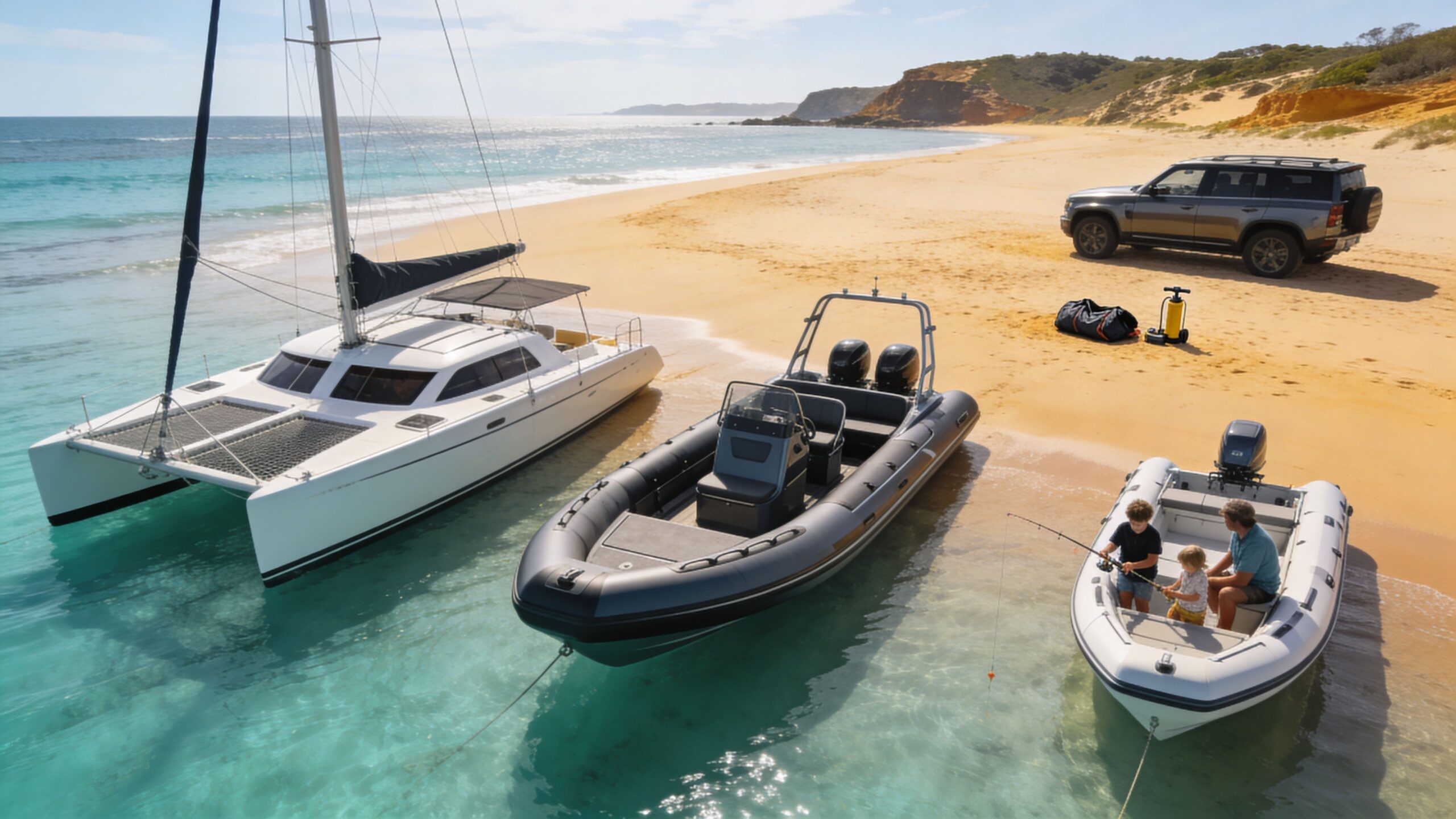
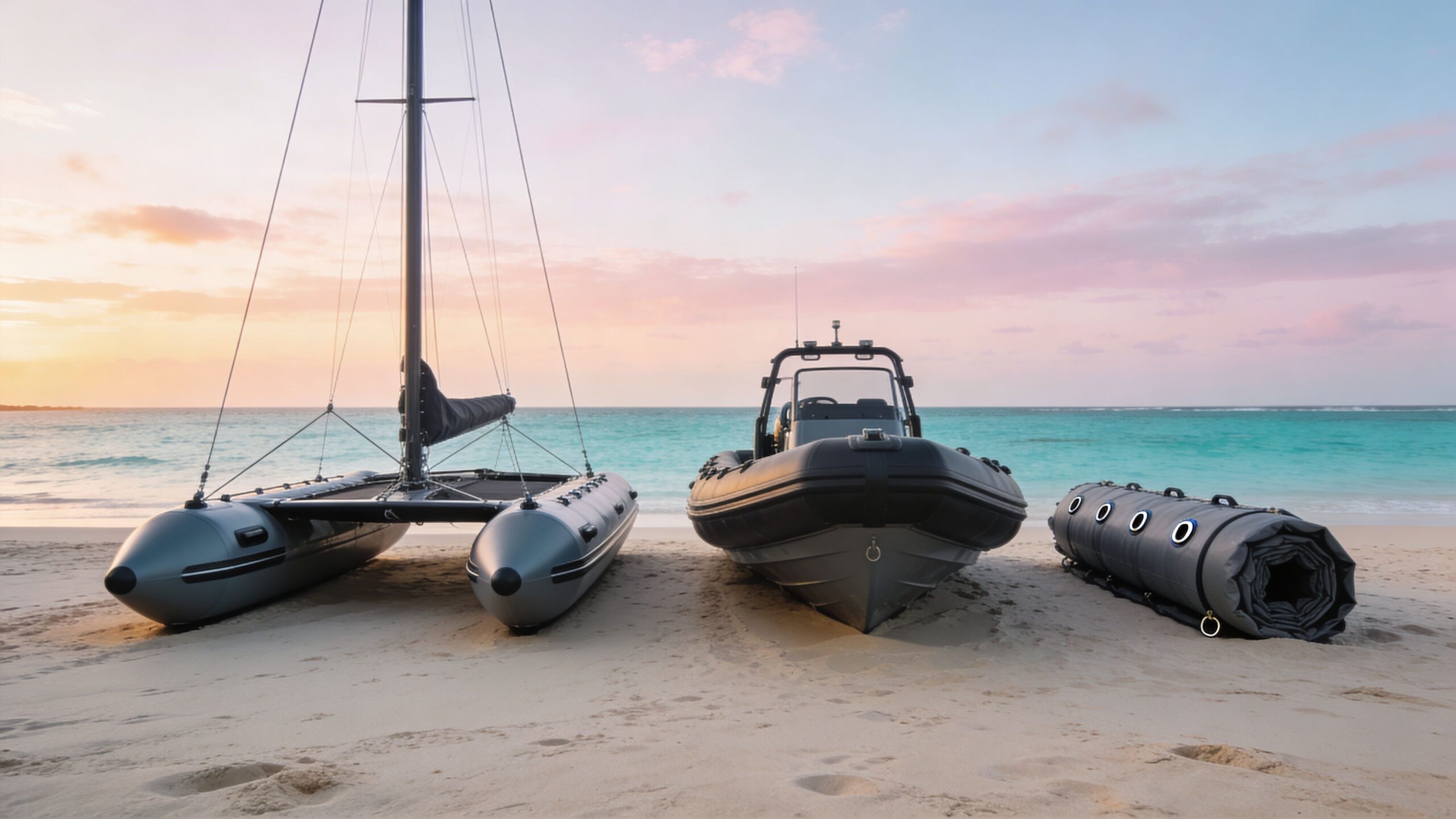
There are several types of inflatable boats available in Australia, each suited to different uses. Traditional V-hull inflatables are common and offer a familiar ride, while RIBs (rigid inflatable boats) provide improved performance through a solid hull. However, inflatable catamarans are becoming increasingly popular due to their superior stability and softer ride in choppy conditions. For buyers focused on comfort and balance, especially in offshore or open water environments, catamaran-style inflatables offer a clear advantage.
The quickest way to narrow your choice is to stop asking which boat is “best” in general and ask which layout suits your water, storage, crew, and launch style. A family launching from the beach has different needs from an angler casting solo. A caravan traveller has different constraints from a yacht owner shopping for a tender.
Here’s the practical comparison that matters most.
| Inflatable Boat Type Comparison | Best For | Stability | Ride in Chop | Portability |
|---|---|---|---|---|
| Roll-up / slat floor | Calm water, tenders, occasional use | Fair | Basic | Excellent |
| RIB | Coastal runs, speed, frequent use | Very good | Very good | Lower |
| Inflatable keel boat | General family use, fishing, touring | Good | Good | Good |
| Inflatable catamaran | Fishing, family boating, variable chop | Excellent | Soft and balanced | Good |
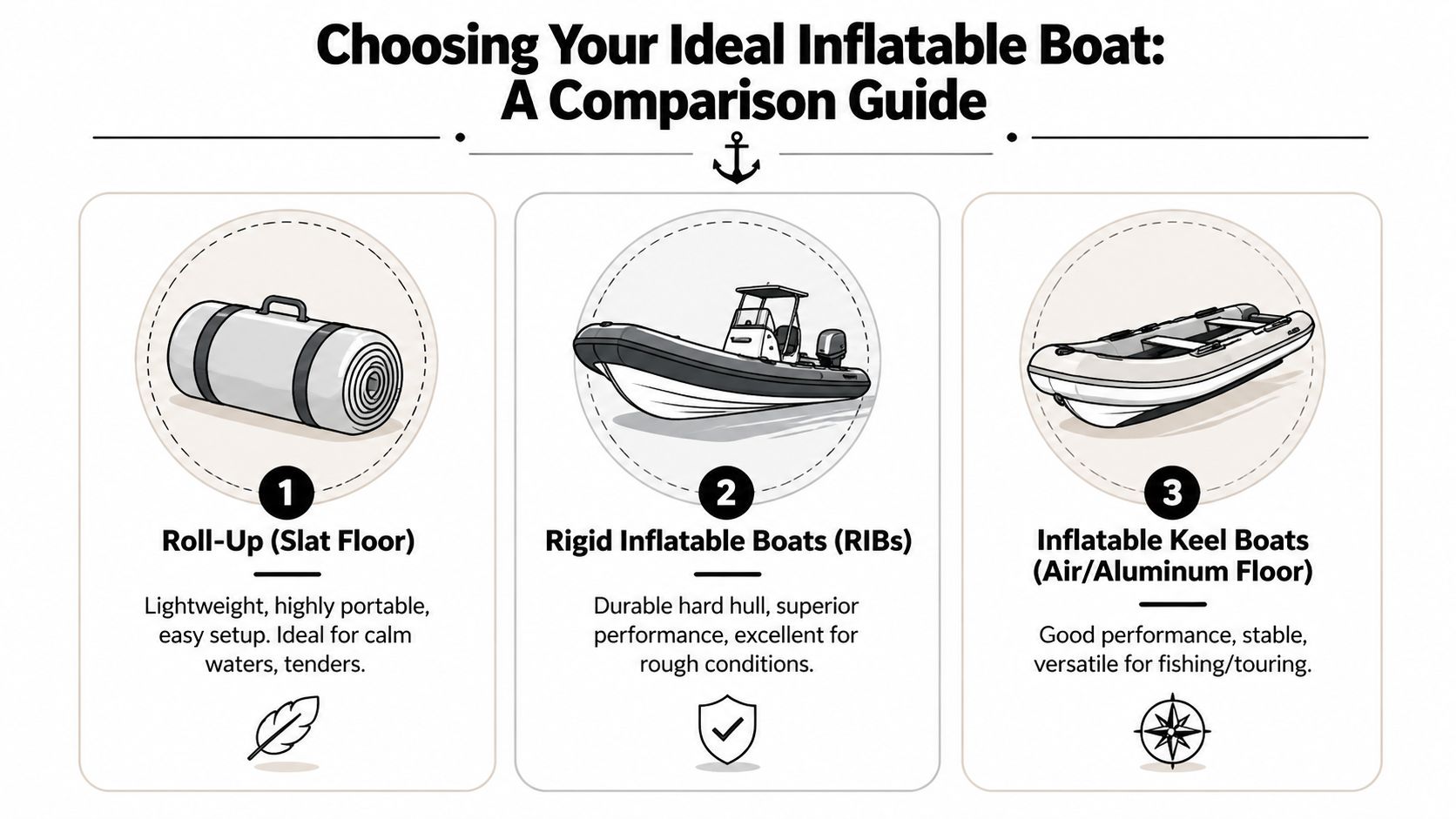
Roll-up inflatables are the easiest to store and carry. They suit tender duty, protected water, and buyers who value packability above all else. The trade-off is that they’re not the hull I’d choose for regular chop or for people who want to move around the boat a lot.
RIBs sit at the other end. They use a rigid hull and deliver a more planted ride when speed and offshore ability matter. A Queensland builder, Swift, offers around 50 models from 2.4 to 13 metres with aluminium-hulled RIBs and Hypalon tubes, which shows how established this category is in Australia’s market according to the Trade A Boat inflatable boat buyer’s guide.
Inflatable keel boats sit in the middle. They’re versatile, practical, and a strong fit for buyers who want one boat for estuaries, lakes, sheltered bays, and the odd coastal day in sensible conditions.
In Australian conditions, stability changes everything. It affects how safe the boat feels when someone shifts weight. It affects whether kids can move around without unsettling the hull. It affects whether an angler can stand, cast, and reach for gear without the whole boat rolling around.
That’s why inflatable catamarans have gained so much attention among practical buyers. Their twin-hull form spreads buoyancy differently and gives a more settled platform at rest than many traditional layouts.
Practical rule: If your boating includes fishing, family use, beach launching, or mixed conditions, prioritise stability before speed.
The other thing buyers underestimate is storage workflow. A boat you can deploy easily gets used more often. A boat that needs a trailer, dedicated parking, or awkward handling tends to sit.
If you’re comparing layouts side by side, this overview of different types of boats you can buy is useful because it frames the decision around use rather than marketing language.
For day trips, the gear you carry matters too. If you’re planning fishing or family sessions, a solid esky setup helps keep the load organised, and this best 100 QT cooler guide is a handy reference for working out what size cooler makes sense alongside your boat and vehicle space.
Most poor inflatable purchases happen for one of three reasons:
A cheap small boat can still make sense if it’s being used as a basic tender. It stops making sense when buyers expect offshore confidence, family comfort, or regular fishing performance from an entry-level hull.
One of the biggest differences between inflatable boats is the thickness of the PVC fabric used in construction. Many entry-level inflatables use 0.7mm to 0.9mm material, which is lighter but less durable over time. Premium inflatable boats use 1.2mm German Mehler Valmex® fabric, which is 33.3% thicker. This increased thickness provides better puncture resistance, improved rigidity when inflated, and a longer lifespan, especially in Australian conditions where UV exposure and regular use can quickly wear down thinner materials.
That thickness gap isn’t a brochure detail. It changes how the boat ages, how it feels under load, and how much abuse it can absorb before you start worrying about the next scrape or puncture.
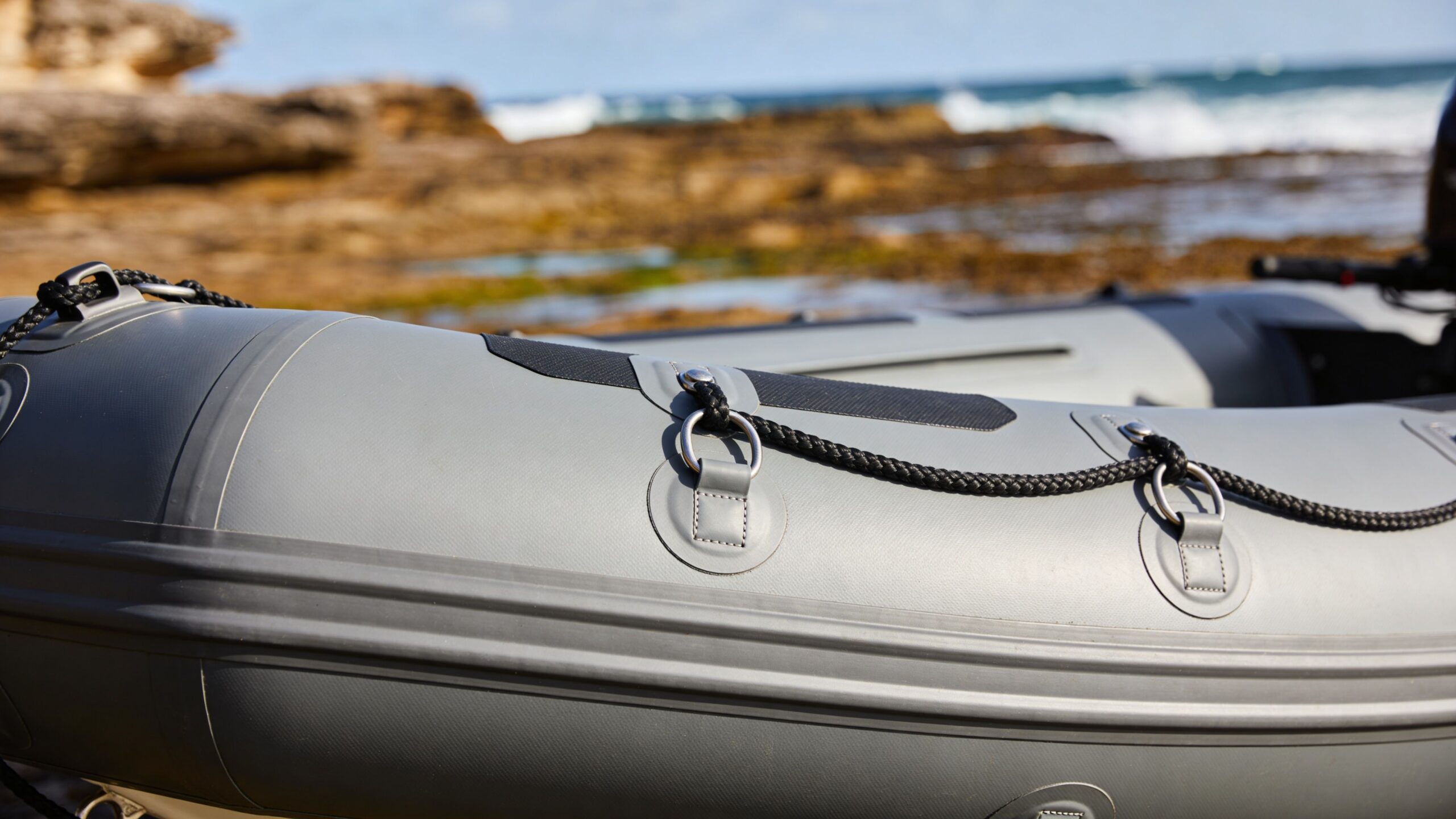
Australia is hard on inflatables. UV is relentless. Beach launches drag tubes over sand, shells, and stones. Salt sits in seams and fittings. Boats get folded hot, stored damp, inflated hard, and left in the sun longer than they should be.
A thin PVC boat might feel fine when it’s new. The problem is that local conditions expose shortcuts fast. Lower-grade fabric loses confidence first at the contact points. Then around fittings. Then around seams if the join method is poor.
That’s why I treat material thickness as a long-term ownership issue, not a feature comparison. Boats built with thicker fabric leave more margin for real use.
For Australian coastal and open-water applications, premium inflatable RIBs and SIBs use 1.2mm 2000D German Valmex PVC, thermo-welded seams, and 4 to 6 air chambers, providing over 2000 denier tear strength and meeting AMSA-related safety expectations for unsinkability according to the complete inflatable boat buyer’s guide for Australia.
Those details matter for different reasons:
A tough inflatable doesn’t rely on one impressive spec. It relies on several good construction decisions working together.
If you want a direct material comparison between high-grade PVC and other common options, this guide on Hypalon vs German Mehler 1.2mm PVC material helps frame the trade-offs properly.
A well-built inflatable feels composed. The floor stays firm. The tubes don’t feel flimsy when crew move around. The transom area supports power properly. The boat holds shape instead of feeling like it’s twisting and flexing every time the load shifts.
Cheap construction gives itself away in smaller signs first:
That last point matters. The best inflatable boats australia buyers keep for years are boats they can use without constantly worrying about damaging them during normal boating.
Choosing the right size inflatable boat is one of the biggest decisions you’ll make. Smaller boats around 3.3m can suit light use, but for Australian conditions, moving into the 3.6m to 4.0m range gives a noticeable lift in stability, comfort, and carrying ability.
That isn’t just opinion. In Australia, boats in the 3.3m to 4.0m bracket dominate sales, and they typically support 9.9 to 20HP outboards, carry 4 to 5 adults plus gear, and offer capacities up to 800 to 1000kg depending on model, according to Easy Inflatables market data.
This size range hits the balance most buyers need. It still packs down. It still works for SUV, ute, and RV travel. But it gives enough hull length and internal room to feel like a real day boat rather than a compromise.
For families, that extra length buys breathing room. People aren’t piled on top of each other. Bags, rods, safety gear, and the esky have somewhere to go. For anglers, it means a more usable working platform.
A 3.3m boat can be the right call if you’re mostly boating with one or two people in sheltered water and keeping packed size down is a key consideration. It’s also a sensible tender size.
Where buyers go wrong is expecting that same hull to do everything. Add another passenger, more gear, or messy chop and the limits show up quickly. The boat may still be serviceable, but it stops feeling generous and starts feeling busy.
For Australian use, 3.6m to 4.0m is where many buyers stop compromising. The boat handles load shifts better. It gives more confidence when conditions build. It’s more comfortable for family boating and more practical for fishing.
Buying lens: If you’re stuck between two sizes, choose the one that still makes sense on your busiest day on the water, not your lightest one.
A few checkpoints help:
Capacity sheets tell you what a boat can carry. They don’t tell you what it feels like carrying it.
The right inflatable changes depending on what your weekends look like. Buyers often describe one boat as a family boat, fishing boat, tender, and travel boat all at once. Sometimes that works. Sometimes it doesn’t.
The trick is to choose the compromise that fits your most frequent use, not the fantasy use.
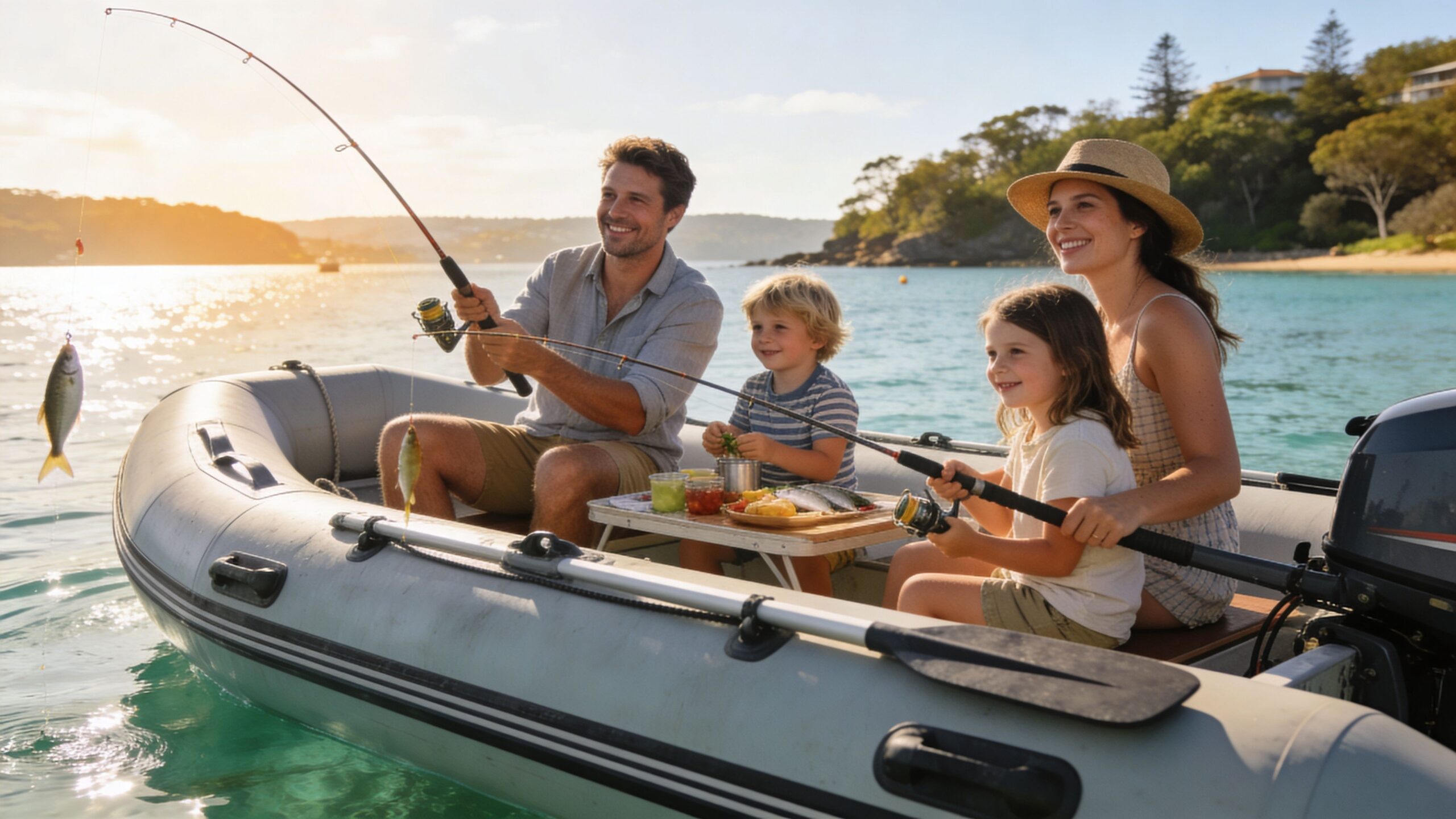
For family use, stability and simple boarding matter more than headline speed. Wide tubes help a lot here because they settle the boat at rest and make it less nervous when someone climbs aboard from shallow water or shifts seats unexpectedly.
A mid-size inflatable with sensible floor rigidity and a stable hull shape usually suits this role better than a tiny ultra-light tender. Families don’t just carry people. They carry towels, food, shade gear, spare clothes, and all the unpredictable extras that come with a day out.
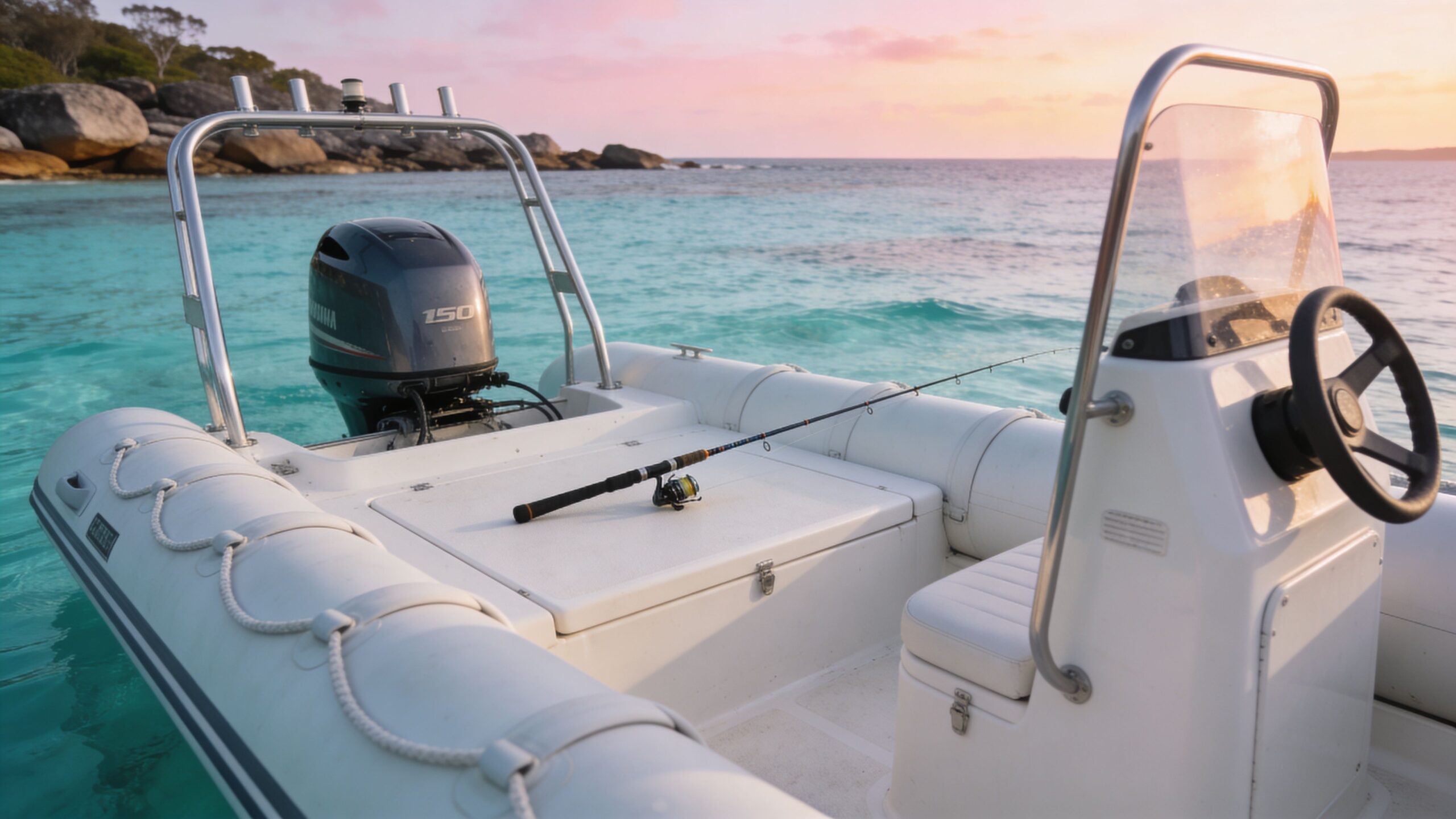
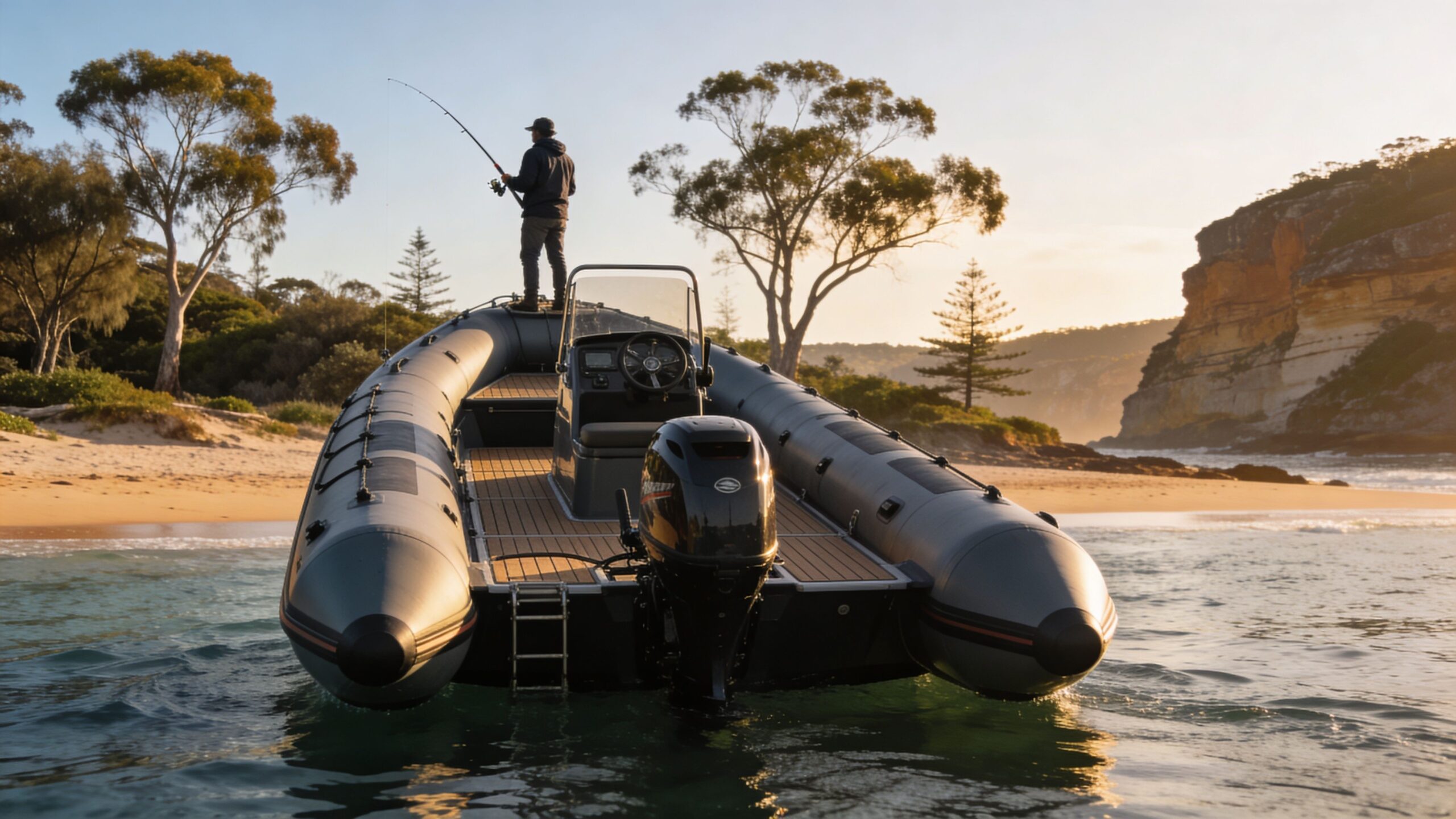
Inflatable boats are widely used for fishing across Australia, from estuaries to offshore environments. Stability matters when you’re casting, moving around, or dealing with swell, and catamaran-style inflatables are well suited to that because they reduce side-to-side movement and create a steadier platform.
If you’re shopping specifically for that role, looking at purpose-built fishing inflatable boat options helps because layout matters as much as hull type. Rod placement, floor space, transom confidence, and how the boat sits while drifting all affect whether it’s enjoyable to fish from.
A fishing setup that’s too small becomes annoying fast. Hooks, bait, tackle trays, landing nets, and an esky fill space quickly. Anglers often regret buying short before they regret buying slightly larger.
Tender use sounds simple until you add passengers, shopping bags, fuel cans, and repeated dock or beach contact. For this job, easy launching, good carrying stability, and durable tube material matter more than flashy design cues.
A tender gets used hard in short bursts. It’s dragged, tied off, loaded awkwardly, and exposed to abrasion. That’s why material quality matters so much in this category.
Here’s a closer look at on-water use and setup styles:
For touring buyers, portability is more nuanced than “does it fit in a bag”. Packed size and packed weight matter. Floor choice matters too. For RV and caravan travellers, boats in the 3.3m to 4.0m range can pack down, but the choice between air decking and aluminium flooring can change weight and portability in meaningful ways for vehicle limits and long-distance travel, as discussed in this RV-focused inflatable boat video reference.
That’s where a lot of smart buyers narrow their shortlist. They stop chasing the cheapest boat and start asking:
For road trips, convenience isn’t a bonus. It’s part of the design brief.
A common question is whether inflatable boats can handle rough water. The honest answer is yes, but only when the boat’s design, size, and setup match the conditions and the operator uses good judgement.
High-quality inflatables in the larger recreational range can handle moderate chop sensibly. The hull design makes a major difference, so buyers need to look past generic product listings.
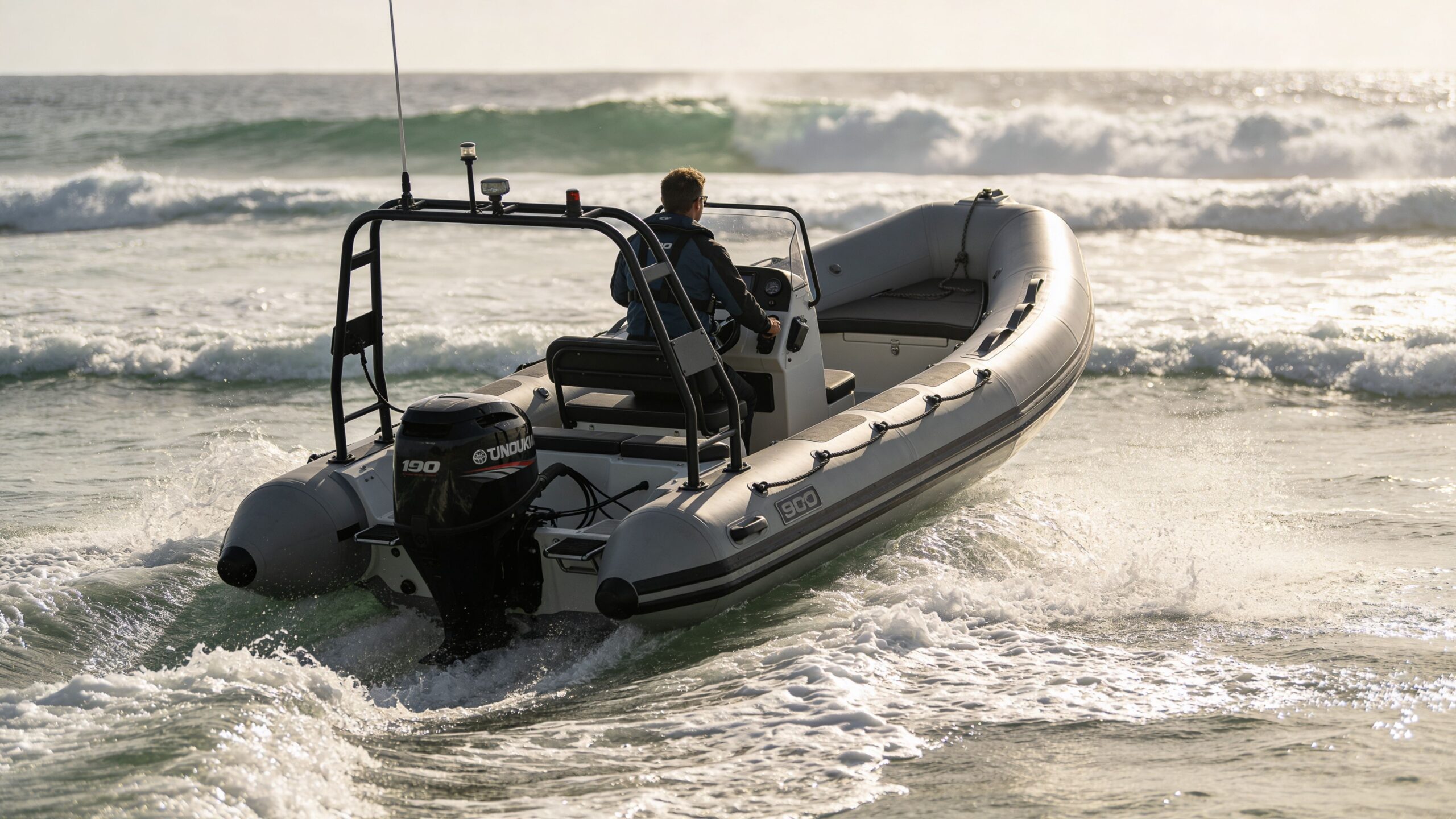
A rigid-hull inflatable behaves differently from a soft inflatable because the hard hull gives a cleaner, firmer shape through chop and at speed. If offshore performance sits high on your list, it’s worth reviewing dedicated rigid hull inflatable options and comparing them with soft-hull and catamaran designs.
Catamaran-style inflatables solve the problem differently. Instead of relying on a single conventional hull feel, they tend to deliver a more level, settled platform and a softer sense of balance across short chop. That’s one reason they appeal to families and anglers.
A boat can be well built and still disappoint if it’s underpowered or badly matched. In the dominant Australian size range covered earlier, outboards in the 9.9 to 20HP band are common because they suit the hull size and expected load.
The goal isn’t maximum horsepower. It’s usable planing performance with normal crew and gear. Too little motor and the boat struggles to lift cleanly. Too much focus on top-end power and you may add unnecessary weight and cost.
A balanced setup feels easy. It planes without drama, holds speed cleanly, and doesn’t force the driver to fight the boat.
In short coastal chop, the boats that inspire confidence are usually the ones with:
Buyers sometimes overestimate what “rough water capable” means. The best inflatable boats australia owners trust still require judgement, weather awareness, and sensible loading. Good design helps. It doesn’t replace seamanship.
While cheaper inflatable boats can look attractive upfront, they often use lighter materials and simpler construction. That can mean shorter lifespan, more repairs, and less confidence using the boat the way you intended.
The upfront price spread in Australia is wide. A basic 2.5-metre soft inflatable can start around $500 to $1,500, while RIBs range from $2,000 to $20,000, according to this guide on best inflatable boat options in Australia. Those prices tell only part of the story.
Total cost of ownership matters. That includes maintenance, potential UV-related repairs, how the seams age, and whether the boat still holds value after years of use.
Cheap inflatables often fail the test. They save money at purchase, then ask for that saving back through repairs, reduced service life, and weak resale appeal. Premium construction usually costs more upfront because more has gone into the parts that determine lifespan.
The boat that lasts and stays trustworthy is often the cheaper boat over time. It just doesn’t look cheaper on day one.
A better-value boat usually gives you:
That’s also why bundled motor decisions matter. A boat-and-outboard setup should be judged as a system. If you’re comparing complete packages, these affordable outboard motors are worth reviewing alongside hull size and intended load.
One practical example from the market: some suppliers offer in-stock models with free Australia-wide shipping and custom-build options, which simplifies buying for regional owners who don’t want to chase freight arrangements or piece together accessories separately. Easy Inflatables is one such option in the Australian market.
Buying an inflatable boat online is now normal in Australia. The smart way to do it is to check what’s included, how the boat is built, what warranty support exists locally, and whether the size and floor system match your use.
Don’t let a polished product page distract you from the fundamentals. Ask what the fabric is. Ask how the seams are made. Ask what the package includes. Ask how the boat will be used three years from now, not just on the day it arrives.
Rinse it with fresh water after every saltwater trip. Salt left on fabric, fittings, and transom hardware shortens the life of the boat and makes everything feel older sooner.
Let the boat dry properly before long storage. If it’s going away folded, make sure sand, moisture, and grit aren’t trapped in the creases. Check seams, valves, and high-wear contact points regularly. Small issues are easier to deal with before they turn into leaks or patch jobs.
Store the boat out of direct sun whenever you can. Australian UV punishes neglect faster than most buyers expect.
Registration rules vary by state and depend largely on motor size and local requirements. That means there isn’t one national answer that covers every buyer.
Check your state maritime authority before purchase if you’re choosing an outboard-powered setup. It’s better to confirm the legal position before matching a motor than to assume a small inflatable will be treated differently from other powered boats.
Start with the items that affect safety and ease of use, not cosmetic add-ons.
A good carry bag, anchor system, and rod holders can wait if the budget is tight. Correct inflation, safety equipment, and basic maintenance gear shouldn’t.
No. A bigger boat only makes sense if you can transport, launch, store, and power it properly.
The better question is whether the boat fits your real use. For many Australians, the strongest all-round answer sits in the mid-size category because it balances portability with the confidence needed for family use, fishing, and travel.
If you’re comparing options and want a setup built for Australian conditions, have a look at Easy Inflatables. The range covers portable inflatables, catamarans, RIBs, tenders, and matched outboard packages, with detailed specs that make it easier to judge fabric, construction, and fit for your use.