Air Electric Pump: Guide To Faster Inflation
Ditch manual work. Our guide to the air electric pump covers how they work, benefits, and buying tips. Get your boat on the water faster.
At a glance
Ditch manual work. Our guide to the air electric pump covers how they work, benefits, and buying tips. Get your boat on the water faster.
- From Frustration to Fun The Electric Pump Difference
- Why more boaters are making the switch
- Where the difference shows up
- How an Air Electric Pump Works Its Magic
What we'd put you in
Aerowave Viper 330
Light hull, small motor, big result — plenty of boat for a modest outboard.
US$2,774 USD
Delivered to your door, today's rate
- Free freight to United States · local taxes payable on arrival
- 7-year hull warranty
Ships to United States 🇺🇸 · tracked door to door
One person, one launch. No trailer.
LockPro Plus transom wheels and the 22 PSI lithium pump — the two things that decide whether the boat gets used.
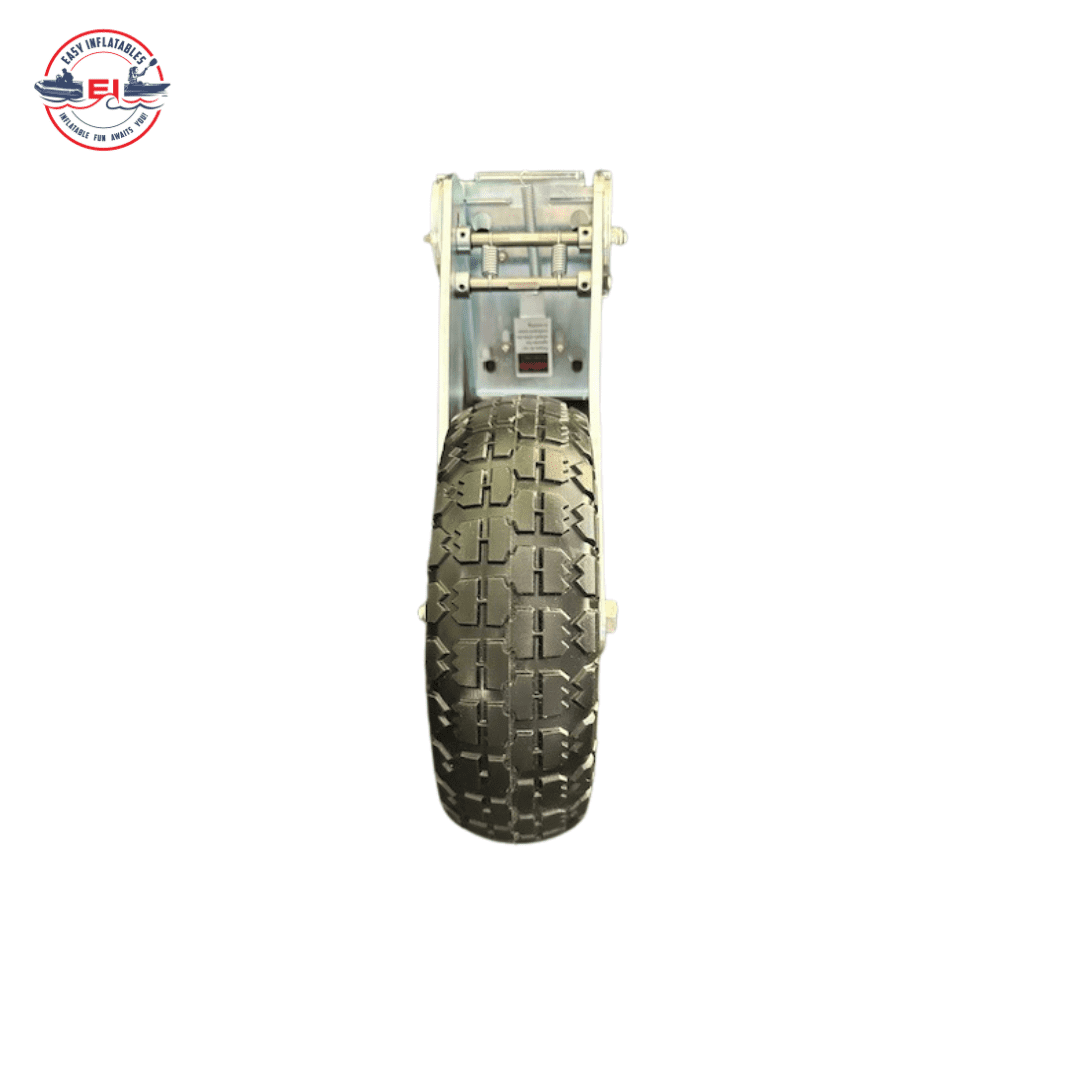
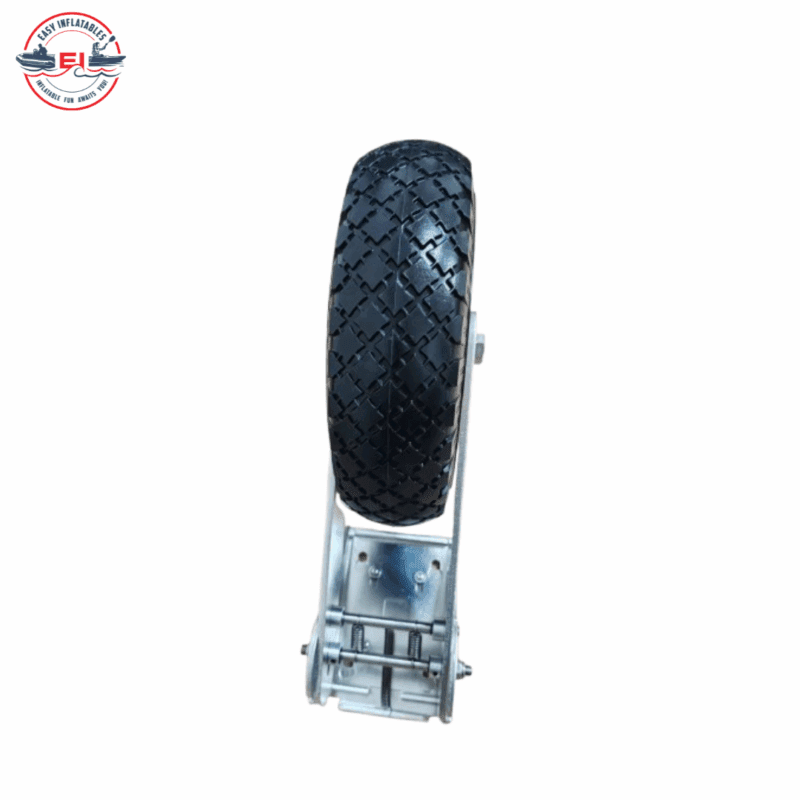
- Transom wheels rated for a loaded 4 m boat over soft sand
- 22 PSI lithium pump for the tubes; use it on the AirDeck only to approximately 2–2.5 PSI, then finish the floor to 8–10 PSI with the manual pump
- Ships worldwide, tracked door to door
Or replace the boat entirely
Aerowave Viper 330
Delivered to United States — freight included in the figure below.
US$2,774landed, USD
- 7-year hull warranty
- CE certified to ISO 6185-3 and EU Directive 2013/53/EU
- Door-to-door, tracked the whole way
See it for yourself
Real boats. Real owners. Real people behind them.
Plenty of what you read online these days is generated. Check us out properly — the factory, the reviews and the owners are all one click away. Why we use AI, and how to check we’re real
How our boats are built
Walk the production line: thermo-welded seams, 1.2 mm VALMEX Heavy Plus hulls, over-pressure relief valves on every chamber.
See the buildGoogle Maps reviews
Real Australian owners, five stars, published on our Google Business Profile with the map — read them there, not just on our own site.
Open Google Maps reviewsOwner stories
Boats in use — offshore, on rivers, on rescue duty. Photos and words from the people who actually own them.
Read owner storiesYou’ve packed the boat, driven to the ramp, found a clean stretch of sand, and unrolled the inflatable. That should be the easy part. Too often, it’s where the fun slows down.
A manual pump can get the job done, but it also burns time and energy before the day has even started. For Australian boaters who want quick launches, firm air-decks, and less mucking around at the shoreline, the right air electric pump changes everything. It turns setup from a workout into a short, repeatable routine. That matters whether you’re heading out for a solo fishing session, taking the kids for a beach day, or keeping a tender ready on the yacht.
From Frustration to Fun The Electric Pump Difference
The biggest shift isn’t technical. It’s practical. An electric pump gives you back the part of the day that matters most.
On a hot morning at the coast, manual inflation gets old fast. You’re bent over the pump, checking hoses, swapping effort between chambers, and trying to guess when the floor is firm enough. By the time the boat is ready, you’re already tired. That’s a poor start if the plan is fishing, exploring the estuary, or getting the family on the water without drama.
An air electric pump removes that bottleneck. You connect it, set your pressure, and let the pump handle the repetitive work. Instead of arriving at the water and facing a chore, you arrive and move straight into launch mode.
Why more boaters are making the switch
This isn’t a niche trend. The global electric air pump market was valued at USD 3.8 billion in 2023 and is projected to reach USD 7.0 billion by 2032, and Australia is following the same direction as registrations of small recreational boats surged 15% from 2019 to 2023 according to the electric air pump market outlook.
That lines up with what boaters are doing on the ground. More people want portable gear that fits in the car, launches quickly, and doesn’t add hassle to a weekend trip.
You notice the value of a good pump most when conditions aren’t ideal. Windy beach. Soft sand. Kids waiting. Bait already thawing.
Where the difference shows up
The advantage becomes obvious in common Australian boating situations:
- Remote fishing trips: You can inflate near the launch spot instead of wrestling with a half-ready boat.
- Family beach days: Setup stays calm and organised, which helps when you’re also managing towels, eskies, and kids.
- RV and SUV travel: A compact inflatable only works well if inflation is quick and reliable.
- Yacht tender use: You want a boat that’s properly pressurised without wasting time at anchor.
A proper air electric pump doesn’t just save effort. It makes inflatable boating feel like the smart, convenient choice it’s meant to be.
How an Air Electric Pump Works Its Magic
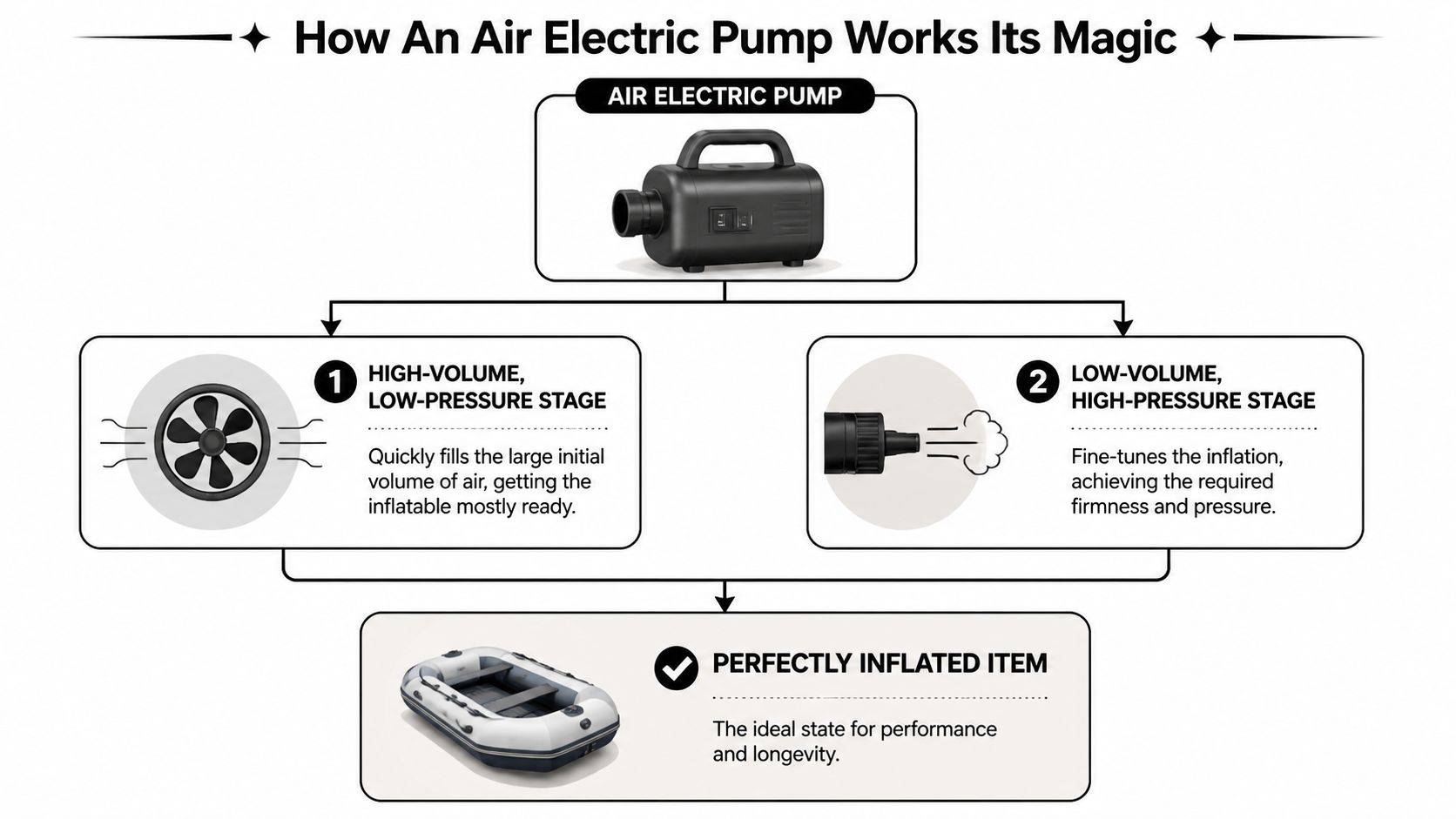
The common understanding is that a pump either blows air or it doesn’t. Good inflatable boat pumps are more clever than that. The better ones work in two stages, and that’s the key to getting both speed and firmness.
The fast-fill stage
The first stage is high volume and low pressure, comparable to filling the shape of the boat. This part moves a lot of air quickly into the chambers so the hull, tubes, or floor stop looking flat and start taking form.
That’s why a decent air electric pump feels much quicker than a hand pump in the early part of setup. It’s designed to shift air fast, not to fight pressure straight away.
The pressure stage
Once resistance builds, the pump switches to the second job. This stage is lower volume and higher pressure. It’s no longer just filling space. It’s building the firm, correct pressure that gives an inflatable boat its stiffness and proper handling.
That matters most with high-pressure air-decks and premium inflatables. The hull feels tighter, the floor feels more supportive underfoot, and the whole boat behaves more like a rigid platform on the water.
Practical rule: Fast inflation without correct final pressure is only half a solution. The last part of the job is what makes the boat perform properly.
The parts doing the work
A quality pump usually relies on a few core components working together:
- Motor: Drives the airflow and pressure cycle.
- Air-moving stage: Pushes volume into the chamber quickly.
- Compression stage: Builds the final pressure needed for stiffness.
- Pressure sensing and shutoff: Stops inflation at the set target instead of forcing you to guess.
That last point is where modern pumps stand out. A preset shutoff helps remove user error, which is especially useful when you’re inflating different gear such as a tender, SUP, kayak, or beach shelter.
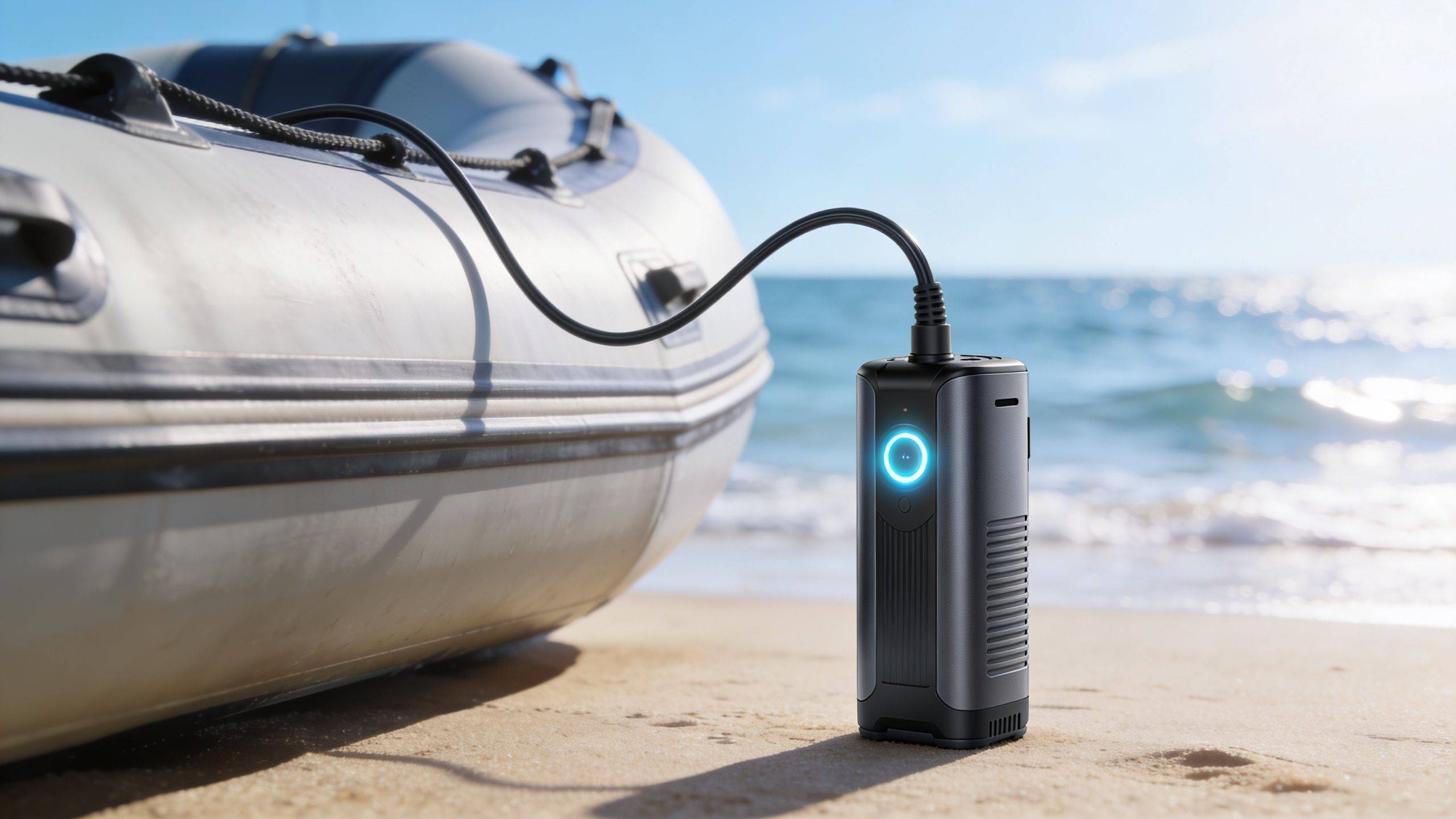
For a clear example of the kind of unit boaters use for this job, the 22 PSI electric air pump available in Australia shows why high-pressure capability matters. A handheld pump that can both fill quickly and finish accurately is what makes modern inflatable setups work in practical applications.
Top Benefits for Inflatable Boat Owners
The strongest case for an air electric pump isn’t the spec sheet. It’s what changes once you start using one regularly.
You get time back
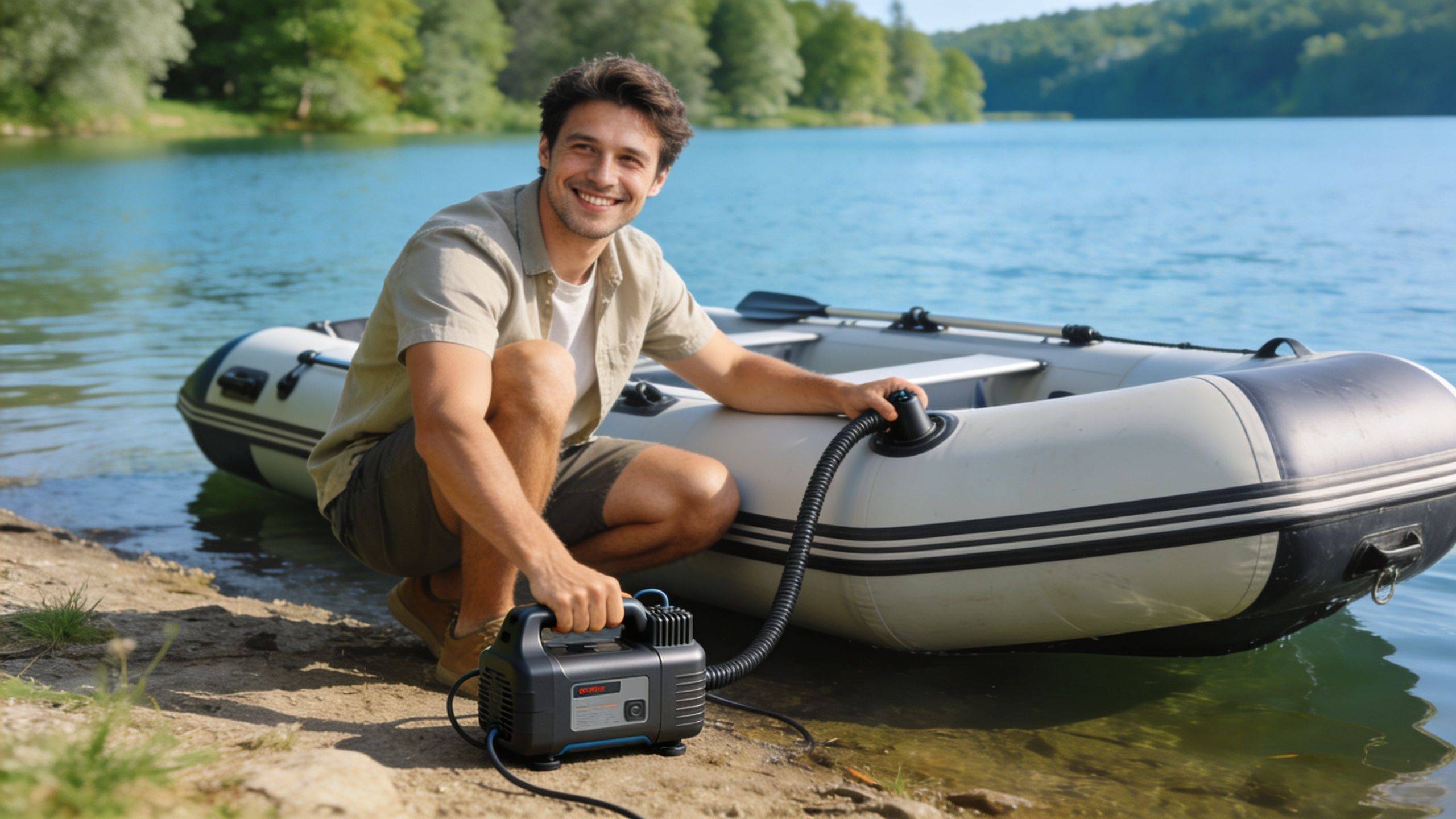
For many owners, speed is the first benefit they notice. In 2023, 68% of Australian anglers reported using electric pumps for portable fishing setups, up from 42% in 2015, and lithium-powered models introduced around 2018 cut inflation time by up to 50%, according to the rechargeable electric air pump market analysis.
That’s a direct win for anyone launching before first light or trying to make the most of a short weather window. Less setup means more time casting, cruising, or towing the kids.
You get the right pressure, not a rough guess
A boat that feels “close enough” on land often feels underdone on the water. Soft chambers can affect hull shape, floor stiffness, and overall confidence.
Electric pumps with pressure control help you hit the target more consistently. That’s good for handling, comfort, and safety. It also helps when you’re using gear that depends on a firmer platform, such as an inflatable catamaran, a compact RIB, or a high-pressure SUP.
If you split your time between boats and paddle gear, this ultimate guide to choosing a SUP is useful background because board performance also depends heavily on proper inflation.
You make portable boating actually convenient
The whole point of an inflatable is flexibility. It should fit in the vehicle, store easily, and launch without drama. A clumsy pump setup ruins that advantage.
A good air electric pump improves the full ownership experience:
- For beach campers: It keeps setup simple when you’re away from powered sites.
- For families: It reduces the stress of getting everyone organised near the water.
- For anglers: It helps you deploy quickly when the tide or bite window is right.
- For multi-use owners: One pump can cover the boat, tender, SUP, towables, and other inflatables.
For boaters building a practical kit, a solid accessory setup matters as much as the boat itself. This guide to essential inflatable boat accessories is worth a look if you want the whole package to work smoothly on trip day.
The best accessory is often the one that removes friction from every outing, not the one with the flashiest feature list.
Types of Air Electric Pumps for Every Boater
Not every air electric pump suits every boat. The right choice depends on how you travel, where you inflate, and whether your inflatable needs high pressure, high volume, or both.
The three main categories
Some pumps are fine for casual inflatables but fall short on boat air-decks. Others have plenty of volume but can’t finish the job. Here’s the practical breakdown.
| Pump Type | Power Source | Best For | Pros | Cons |
|---|---|---|---|---|
| 12V DC pump | Vehicle power | Ramp launches and car-based trips | Simple to power, handy near the car, reliable for routine use | Tethered to cable length and vehicle access |
| AC pump | Wall outlet | Home setup and pre-inflation | Steady power, useful for preparing gear before departure | Not suited to remote beaches or off-grid launches |
| Rechargeable lithium pump | Built-in battery | Travellers, anglers, beach launches, tenders, SUPs | Portable, flexible, no cable dependence, ideal for mixed gear use | Needs charging discipline and should be matched to required pressure |
Where high-volume pumps fall short
A lot of buyers get caught by airflow numbers alone. High airflow sounds great until you realise the pump can’t produce the final pressure your boat needs.
The Scoprega GE 10-3, for example, delivers 450 L/min but is limited to 4.4 PSI, which shows why modern inflatables often need a dual-stage solution that can do both volume and higher final pressure for air-decks that require up to 22 PSI, as shown in the Scoprega GE 10-3 product specification.
That’s the difference between a pump that gets the chamber puffy and a pump that gets the boat properly ready.
Why lithium models suit Australian use
For most recreational boaters, rechargeable lithium pumps are the most useful all-round option. They suit beach launches, remote camping, and situations where you don’t want to rely on a car socket or powered site.
Verified product data for modern lithium-powered pumps shows 2500mAh battery capacity, 25 to 35 minutes of runtime, and pressure up to 150 PSI with ±1.5 PSI accuracy. That same data notes that precise auto-shutoff can extend seam lifespan by up to 25% by preventing over-inflation on high-pressure inflatables, based on the lithium pump specification reference.
That’s why the Aerowave 22 PSI Lithium Battery Air Pump stands out as the sensible choice for inflatable boats, tents, and SUPs. It’s handheld, portable, and built around the specific needs of high-performance inflatables rather than generic pool gear.
For boaters comparing practical options, this portable boat pump for Australia shows the sort of product category worth focusing on. The sweet spot is simple. You want portability without giving away the pressure needed for a proper air-deck.
How to Choose the Right Air Electric Pump
Buying the right pump gets easier when you ignore the hype and check a few key points in order.
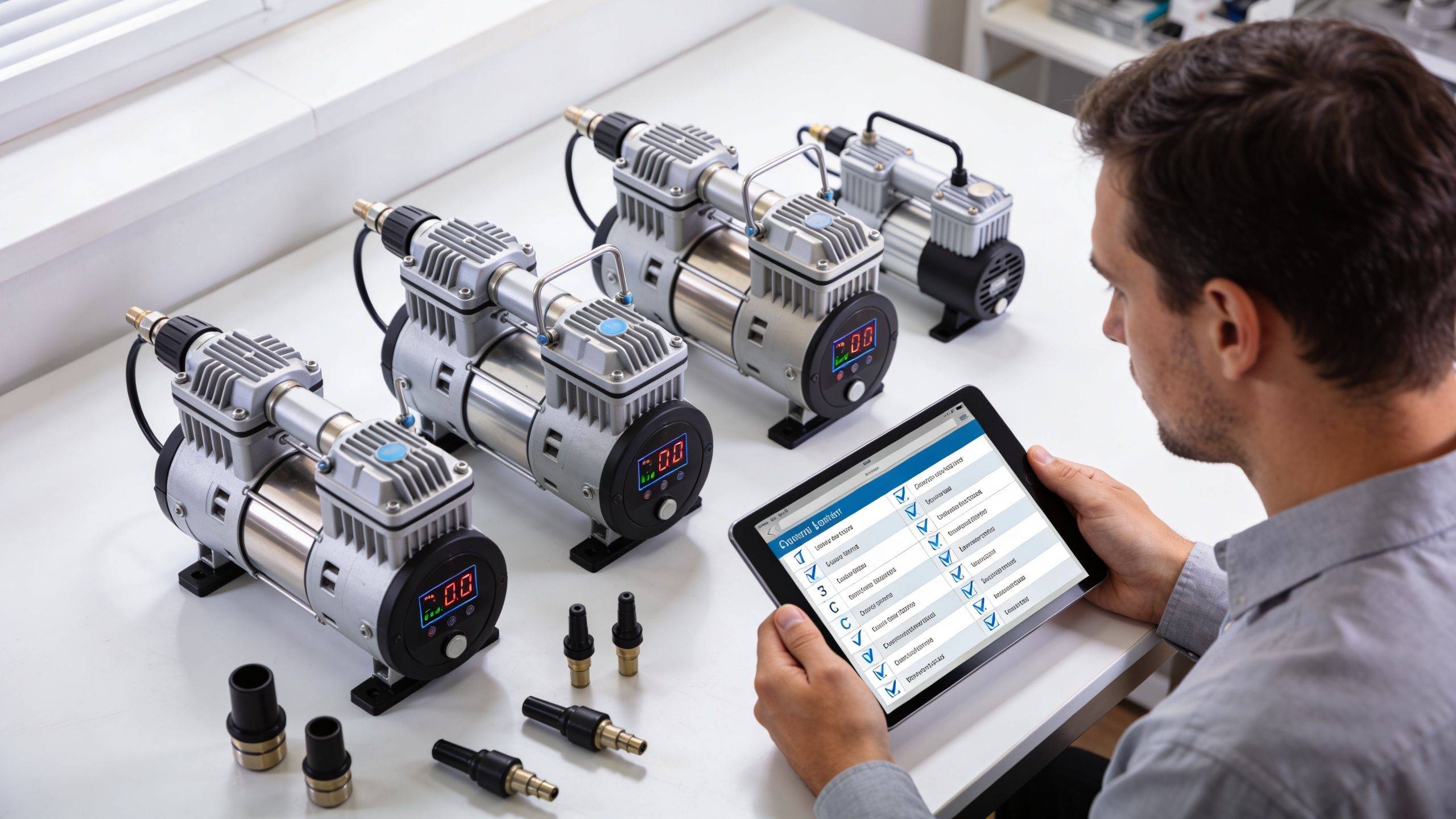
Start with your boat’s pressure requirement
This is the first filter, and it rules out plenty of pumps straight away. Some units move lots of air but top out at low pressure. That’s fine for basic inflatables, not for premium boat floors or firm air-decks.
If your setup needs a higher final PSI, choose a pump built for that range from the start. Don’t buy a low-pressure unit and hope it’ll be “near enough”.
Use this buyer’s checklist
- Match the max PSI to the job: Boats with high-pressure floors need a pump that can reach the required pressure.
- Check whether it’s dual-stage: A pump should fill quickly and then finish with proper pressure.
- Look for auto shutoff: This protects the boat and saves you from constant monitoring.
- Confirm valve compatibility: A strong pump is useless if the adaptors don’t fit your chambers properly.
- Think about where you launch: Home, driveway, marina, bush camp, and beach access all favour different power setups.
- Keep portability realistic: If it’s awkward to carry, charge, or pack, you’ll notice that every trip.
Don’t get distracted by one headline spec
Buyers often focus on airflow or battery alone. That’s not enough. A pump with strong flow but low final pressure won’t fully inflate a high-performance boat. A tiny portable unit may be convenient, but if it struggles with the boat floor, it becomes backup gear rather than primary gear.
A good buying decision comes down to this. Can the pump inflate your actual boat, in your usual launch conditions, without guesswork?
For owners who want to understand the safety side of pressure control, this guide to overinflation valves on inflatable boats is worth reading. It helps explain why proper pressure management matters beyond convenience.
Simple Tips for Pump Maintenance and Longevity
A good air electric pump doesn’t need complicated care, but it does need basic discipline. Most problems start with sand, moisture, flattened batteries, or hoses being shoved into a storage bag carelessly.
Habits that keep a pump reliable
- Keep the intake clean: Sand and grit are hard on moving parts and seals.
- Dry the pump before storage: Salt spray and damp bags shorten the life of electrical gear.
- Store hoses without sharp bends: Kinked hoses reduce performance and eventually split.
- Check adaptors regularly: Worn seals cause air leaks and longer inflation times.
- Charge the battery sensibly: Don’t leave a lithium unit forgotten for long periods, especially between seasons.
After-beach care matters
The shoreline is harsh on equipment. Fine sand gets everywhere. Salt sits on housings and connectors. If you pack the pump away wet and gritty, small issues become bigger ones by the next trip.
A quick wipe-down and a clean storage routine usually make the difference between a pump that stays dependable and one that starts acting temperamental when you need it most.
Keep the pump like you keep the boat. Clean, dry, and ready for the next launch.
If you’re tightening up your whole care routine, this guide on inflatable boat maintenance made simple is a practical next step.
If you want a pump that matches the way Australians use inflatables, from family beach runs to remote fishing sessions, Easy Inflatables offers purpose-built options including the Aerowave 22 PSI Lithium Battery Air Pump. It is a compact, handheld solution designed for inflatable boats, tents, SUPs and more, with the pressure capability that high-performance air-decks demand.
Share the post now

Set Sail with Easy Inflatables
Experience the ultimate freedom on the water with our top-quality inflatable boats and accessories. Easy Inflatables is your trusted partner, providing everything you need for a safe and unforgettable adventure.
Categories
- Accessories & Gear (84)
- Adventure Destinations (63)
- Boat Accessories & Setup (25)
- Boat Comparisons (7)
- Boat Trailers (12)
- Boating Safety Gear (5)
- Catamaran Boats (12)
- Customer Stories & Experiences (4)
- Inflatable Boat Guides (47)
- Inflatable Boats & Kayaks (149)
- Inflatable Catamarans (12)
- Maintenance & Care (114)
- Outboard Motors (53)
- Outdoor Activities (26)
- Product Comparisons & Reviews (108)
- Setup & Safety Tips (52)
- Special Offers & Promotions (2)
- Sustainability Tips (13)
- Types of Boats (47)
Related Post
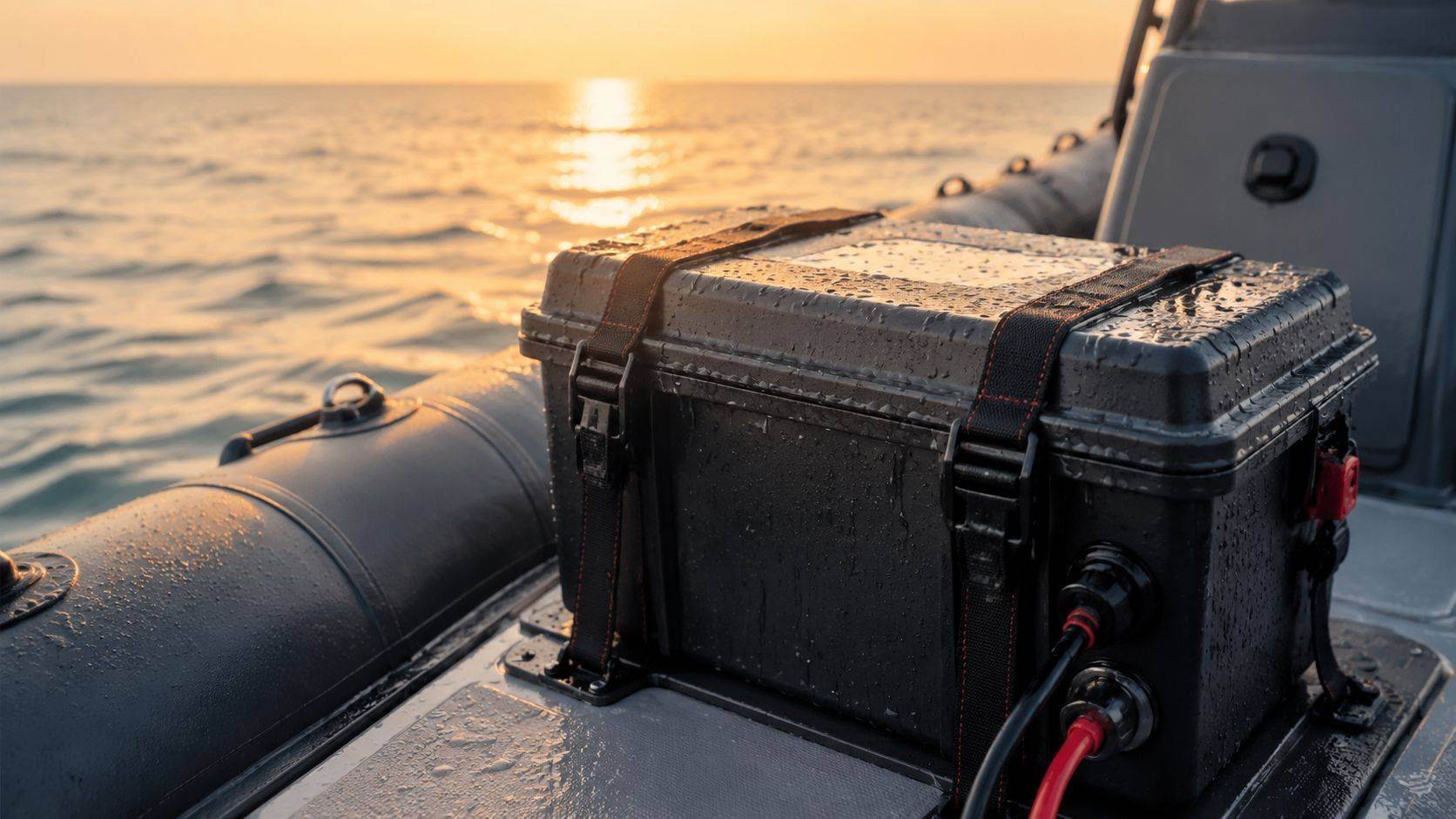
Your Guide to the Best Waterproof Battery Box of 2026
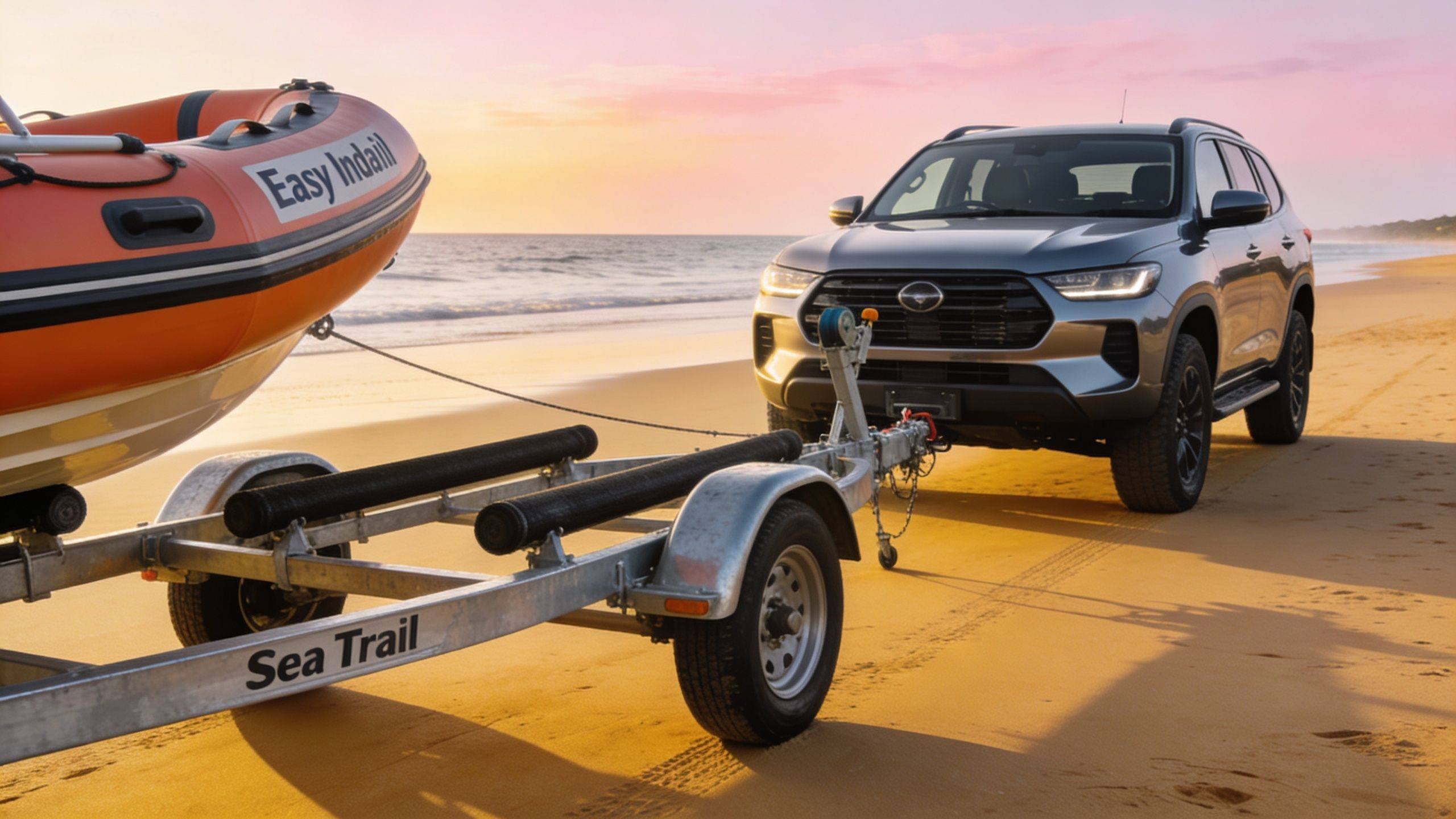
Sea Trail Boat Trailers A Complete Australian Guide
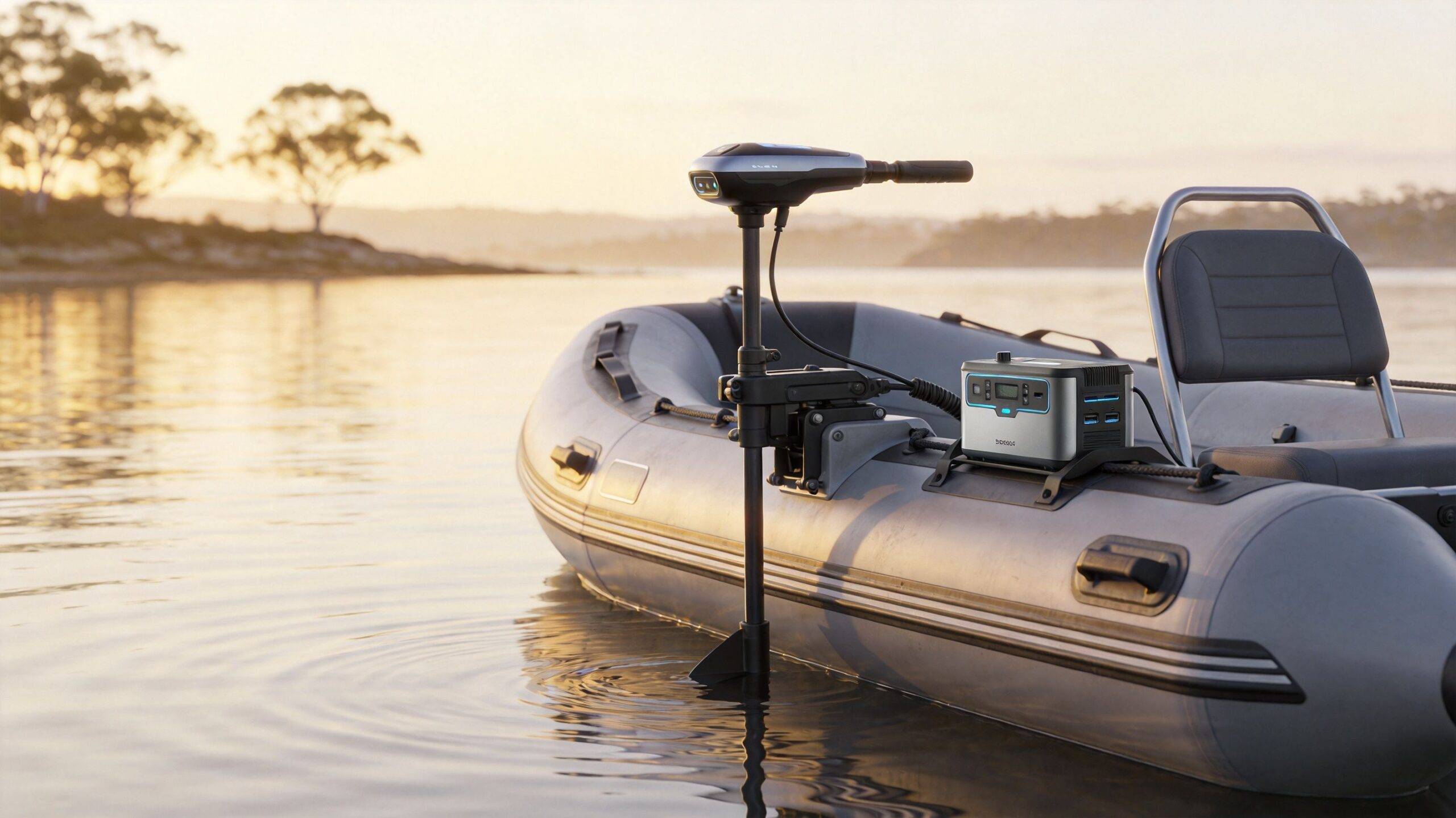
Choosing the Best Electric Trolling Engine: 2026 Guide
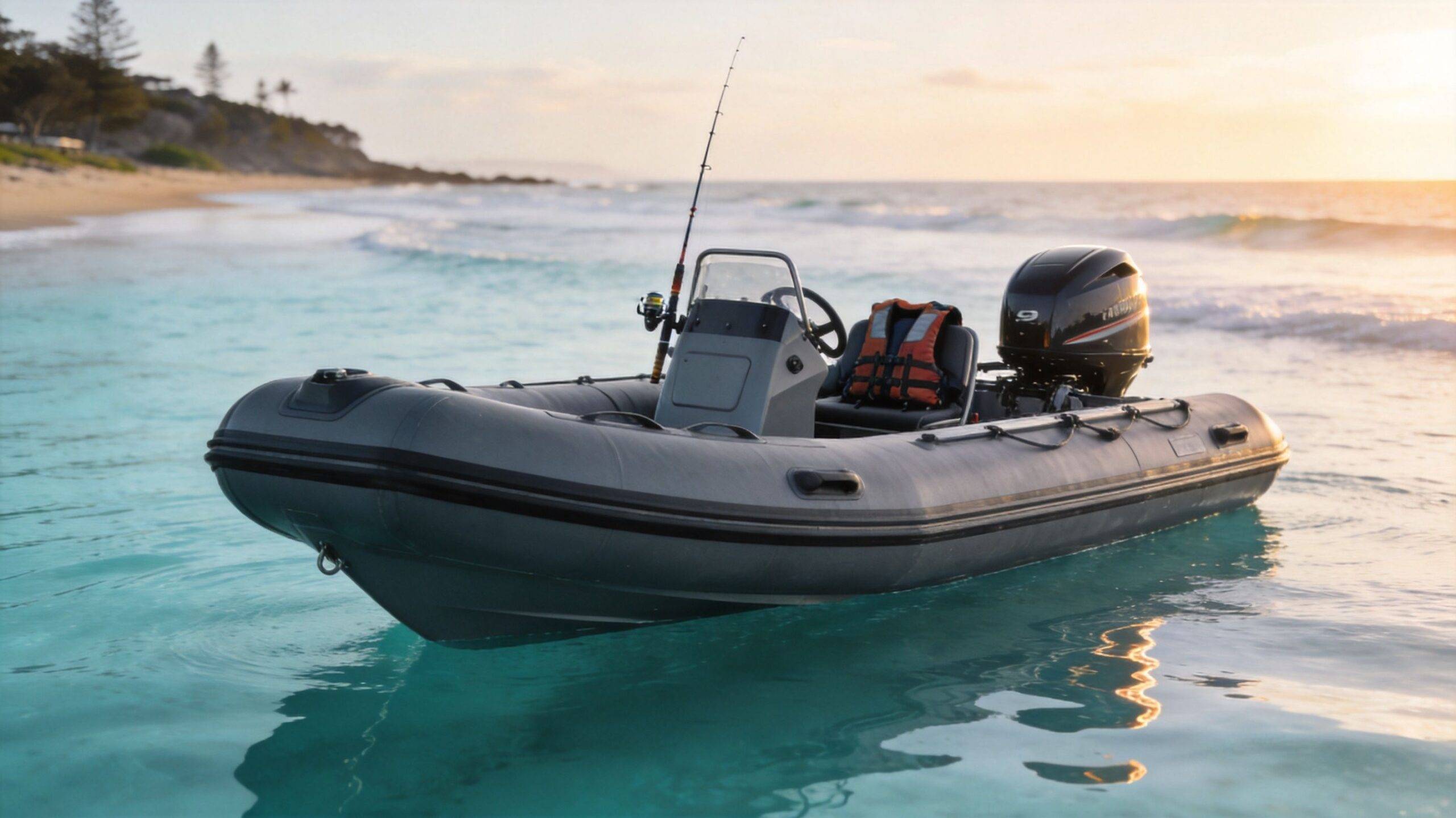
Inflatable Motorised Boat A Buyer’s Guide for Australia
Stay Connected
Join our community of water adventure enthusiasts! Sign up for Easy Inflatables' monthly newsletter for exclusive tips, product updates, and insights to make the most of your outdoor adventures.
Explore the Aerowave range
Weekend-Proof Score 17 questions · about 2 minutes
Will the boat you're about to buy survive an Australian summer?
Seventeen straight questions about where you'll use it, what you'll ask of it and the boat you're weighing up. You get a score out of 100, the exact weak points in your plan, and the one boat that genuinely fits.
Free · your result shows on screen · no email required
So which one is yours?
Pick how you'll actually use it and we'll take you straight to the right hull.
I want to fish it
Open bow, rod holders, deck space you can stand and cast from.
Viper Sport 400Family, diving and the beach
3.8 m Series 3 catamaran — low bow to climb back in wearing fins or a tank.
WaveRunner 380Tender / one-person launch
3.3 m hard-floor boat that packs into a bag and still takes a beach landing.
Viper 330Shop gear featured in this guide
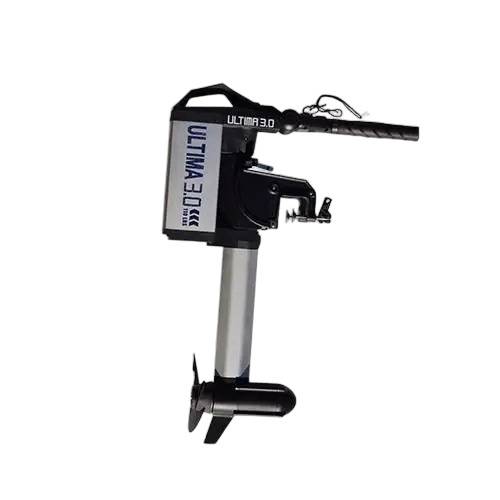
Haswing Ultima 3.0HP Electric Outboard
3HP shaft power with the thrust of a 4HP petrol outboard — detachable 30Ah lithium battery, up to 10 hours runtime, under 16 kg all up.
Australia-only item or unlisted country — ask for a price
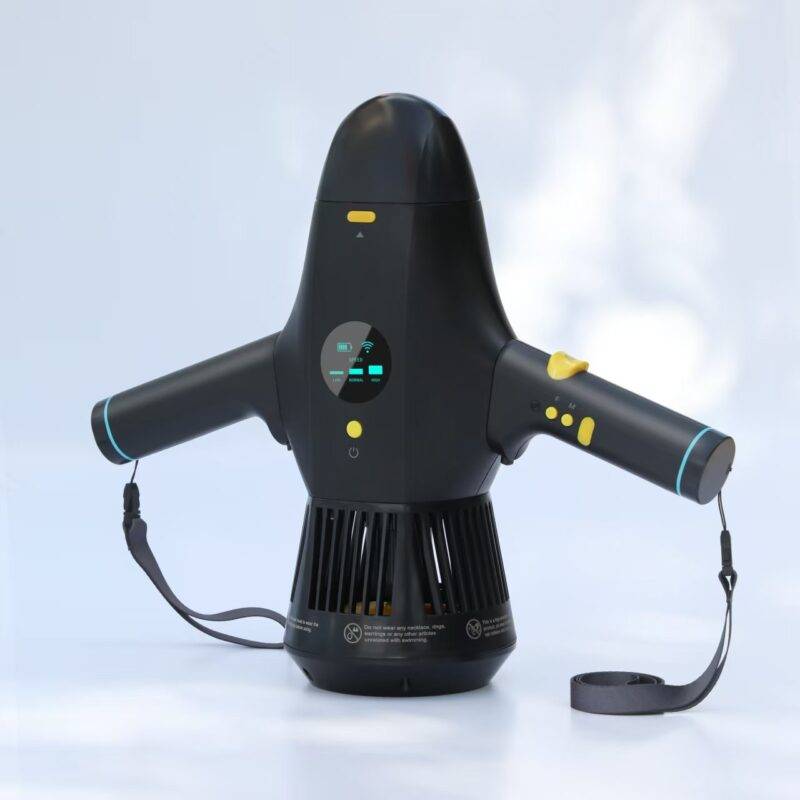
Stermay M1 Snorkelling Sea Scooter
A lightweight, electric underwater scooter designed for snorkelling and shallow-water exploration, with intuitive controls and a maximum speed of 5 km/h.
Free freight to United States · local taxes payable on arrival
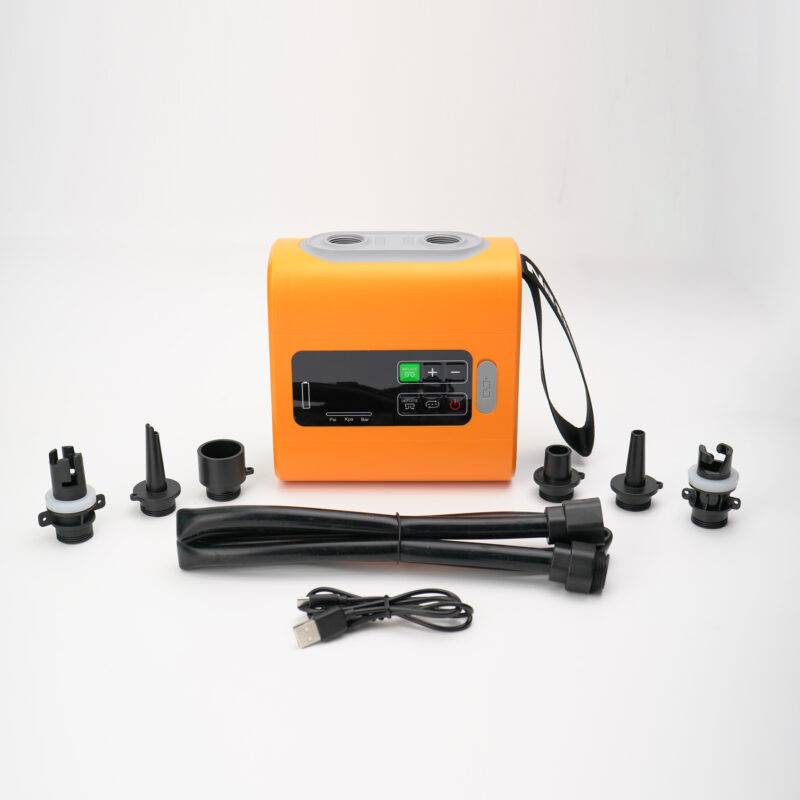
22 PSI Lithium Electric Air Pump
Portable lithium electric pump for Aerowave boat tubes and initial AirDeck inflation only. For a hard AirDeck floor, use it for the first minute to approximately 2–2.5 PSI, then change to the manual pump to reach 8–10 PSI.
Free freight to United States · local taxes payable on arrival
Not sure which suits you? Talk to a real boat owner.
Before you spend a cent
Buying from Australia, delivered to United States
You have never heard of us, we are on the other side of the world, and the internet is full of fakes. Fair enough. Here is everything you would need to check us out, in one place — no forms, no chat bot.
Australian designed business
Easy Inflatables, Avoca Beach NSW 2251. ABN 96 856 548 613. International orders ship from our Hong Kong hub.
222 owner reviews, 4.8 average
Read them in full, good and bad, on our reviews page.
CE certified, 7-year hull warranty
ISO 6185-3 and EU Directive 2013/53/EU. Warranty honoured worldwide.
Tracked, insured, door to door
FREE freight to United States · local tax/duty on arrival.
- Who am I actually buying from?
- Easy Inflatables, Avoca Beach NSW 2251, Australia. ABN 96 856 548 613. Sean is the owner and skipper, Gary Stewart handles sales on +61 2 4335 1603, Karen Matthews handles email. The boats are Australian designed; international orders ship from our Hong Kong dispatch hub so your landed price stays competitive. Phone us before you pay a cent — a real person answers.
- Is this really an Australian product?
- Yes — Australian designed and engineered on the NSW Central Coast. Manufacturing is done offshore to our spec, and international orders ship direct from our Hong Kong dispatch hub. If we routed every boat through Australia first, the freight alone would roughly double or triple your cost for the same hull.
- What do I pay, and what is not included?
- The delivery and import terms depend on your country. EU, UK, New Zealand and named Asia/Pacific lanes include duty and tax; US freight is free but US buyers pay import charges on arrival. Other destinations show their terms before payment.
- How do I pay safely?
- Card through Stripe (Visa, Mastercard, Amex, Apple Pay, Google Pay) or bank transfer. Card payments carry your bank's own dispute protection. We never ask for crypto, gift cards or payment to a personal account.
- What if it arrives damaged?
- Every boat ships fully tracked and insured door to door. Photograph the carton and the boat on arrival and email us — transit damage is claimed and replaced through us, not left with you and the courier.
- Is the warranty real outside Australia?
- Yes. The 7-year hull warranty on 1.2 mm VALMEX Heavy Plus and Orca Hypalon hulls applies wherever you are. Replacement parts are held in Australia and at our overseas hub and go out by express courier to your door.
- Is the boat actually certified?
- All Aerowave catamarans are CE certified to ISO 6185-3 and EU Directive 2013/53/EU. Certification paperwork is supplied with the boat — ask and we will send it before you order.
Ready to set sail?
Premium German-fabric inflatable catamarans, built to order and delivered to your door. Talk to our team or browse the fleet.
Like this guide? Get the next one in your inbox.
Owner-tested tips, gear deep-dives and Aussie boating know-how — no spam.