Inflatable Boats Australia Sale: The 2026 Buyer's Guide
Find the best deals in our inflatable boats Australia sale. This guide covers PVC vs Hypalon, sizing, Hidea motors & packages to help you buy with confidence.
🇺🇸 Boats shipping to United States
See landed prices in USD before you bounce.
Door-to-door delivery to United States in 7–14 days. Choose a boat, see local-currency pricing, or request a fixed landed quote from the sales team.
You’re probably looking at an inflatable boat for the same reason most Australians do. You want time on the water without the nonsense that comes with a heavy trailer boat, awkward storage, and a half-day setup before you even launch.
That’s where a good inflatable earns its keep. Packed properly, it lives in a garage corner, the back of an SUV, a caravan boot, or on the deck as a tender. Unpacked properly, it gives you a practical platform for fishing, family runs, estuary exploring, beach camping, or getting offshore without turning every outing into a project.
The trap is buying only on sale price. Cheap inflatables can look similar in photos. They don’t stay similar after hard sun, salt, sand, folding, dragging, and repeated inflation. In Australia, total cost of ownership matters more than the sticker on day one. Material quality, seam construction, floor type, transom build, included accessories, delivery terms, and warranty support all affect what you’ll spend later, and how much confidence you’ll have every time you launch.
Why 2026 is the Year of the Inflatable Boat in Australia
A lot of buyers don’t want a “boat lifestyle”. They want boating. There’s a difference. They want to leave camp, pull up at a lake, river mouth or sheltered bay, inflate the boat, fit the motor, and get moving while the weather is still good.
That shift explains why the inflatable category keeps attracting attention. In 2023, Australia recorded sales of over 120,000 soft hull inflatable boats, while boat licence registrations increased by 29% between 2019 and 2024, and the 3.3m to 4.0m range led sales because it balances portability and performance for real-world use across Australian waterways, according to Australian inflatable boat sales data.
Why inflatables suit how Australians actually boat
The modern buyer usually falls into one of a few groups:
- Weekend families who want a boat that doesn’t dominate the driveway.
- Anglers who need access to shallow ramps, estuaries and tucked-away launch spots.
- RV travellers who want a true “boat-in-a-bag” setup.
- Yacht owners looking for a tender that’s compact but still usable beyond marina duties.
Traditional hard boats still have their place. But if your boating is spontaneous, local, and tied to holidays, weekends and road trips, a well-built inflatable often makes more sense.
What matters more than the sale banner
A search for inflatable boats australia sale brings up plenty of offers. Some are genuine value. Some are just stripped-down packages dressed up with discount language.
Look past the headline and check these first:
- Storage reality: Will it fit your vehicle, garage, van, or tender position?
- Launch speed: Can one or two people get it on the water without drama?
- Power match: Does the hull suit the outboard you’ll use?
- Construction method: Welded seams and quality fabric matter more than shiny photos.
Practical rule: If a boat is cheap enough to tempt you, ask what had to be removed or downgraded to get it there.
For buyers who want a portable setup with current package options, Aerowave inflatable boat offers are worth comparing against bare-hull deals so you can see what’s included.
PVC vs Hypalon The Ultimate Material Showdown
Material choice is where long-term value starts. Most buyers first look at size, shape and price. Experienced owners look at fabric and seam construction because that’s where lifespan gets decided.
The easiest comparison is outdoor gear. Standard PVC is like a decent all-purpose jacket. It works well when it’s made properly, stored properly and built with quality components. Hypalon is closer to specialist expedition gear. It’s made for harsher exposure and tougher service, but you usually pay for that.
Where cheap PVC goes wrong
Not all PVC is the same. That’s the part many sale listings skip. Thin, budget fabric can look fine in the warehouse and still struggle once it faces Australian UV, hot sand, repeated folding, and salt left sitting in seams and fittings.
The bigger issue is often not the base material alone. It’s how the boat is assembled. In Australian conditions, poor seam work usually fails before the buyer expects.
According to inflatable material and durability notes, AMSA incident reports from 2025 show 18% of recreational vessel failures involved inflatables, primarily from seam delamination linked to UV and heat. The same reference states that independent tests on 1.2mm 2000D Valmex PVC showed 98% pressure retention after 1,500 UV hours.
That tells you two things. PVC can perform very well. Cheap construction can undo it.
When Hypalon makes sense
Hypalon usually suits buyers who keep the boat exposed more often, use it regularly in salt, or want a hull for tougher long-term coastal duty. It has a strong reputation for handling harsh marine environments.
That doesn’t automatically mean every Hypalon boat is a better buy than every PVC boat. A poorly built Hypalon boat can still disappoint. A premium PVC boat with proper fabric weight and thermo-welded seams can be the smarter ownership choice for many recreational buyers.
Use this simple comparison:
| Material | Usually suits | Watch for |
|---|---|---|
| PVC | General recreational use, tenders, family boating, portable setups | Fabric grade, seam quality, storage habits |
| Hypalon | Hard coastal use, frequent exposure, buyers prioritising long service life | Higher upfront cost, repair work often needs specialised handling |
Why thermo-welded seams matter
Glue has its place, but heat is brutal on adhesive-based shortcuts. Thermo-welded seams are a major advantage because the join is created through heat bonding rather than relying only on adhesive integrity over time.
For Australian use, that matters in three common situations:
- Beach launching: Sand abrasion and heat build-up work weak points hard.
- Vehicle storage: Boats left packed in hot cars or caravans punish lower-grade joins.
- Summer inflation cycles: Repeated pressure changes expose seam quality fast.
Buy fabric second, but buy seam quality first. A premium material joined poorly is still a weak boat.
If you’re comparing these materials in more detail, Hypalon versus German Mehler 1.2mm PVC gives a useful side-by-side reference point.
Find Your Fit A Guide to Inflatable Boat Sizes and Styles
The right inflatable isn’t the biggest one you can afford. It’s the one you’ll use often, transport easily, and launch without dreading the effort.
Most poor buying decisions happen when someone shops by category instead of use case. Start with your primary job for the boat, then work backwards into size and hull style.
Tender, fishing platform, or family runabout
A tender has a different brief from a fishing boat. A family beach boat has a different brief again.
Use this framework.
If it’s mainly a tender
Choose for compact storage, easy boarding, and low fuss. A lighter hull, simple floor setup, and practical carrying weight matter more than outright deck space.
Look closely at the transom and floor. Tender owners often focus on packed size and forget that repeated dock contact, beaching and loading place real stress on the rear end of the boat.
If it’s mainly for fishing
Stability matters more than speed. You’ll notice that every time you shift weight, reach for a net, or stand to cast. In such moments, hull design starts to change the feel of the whole boat.
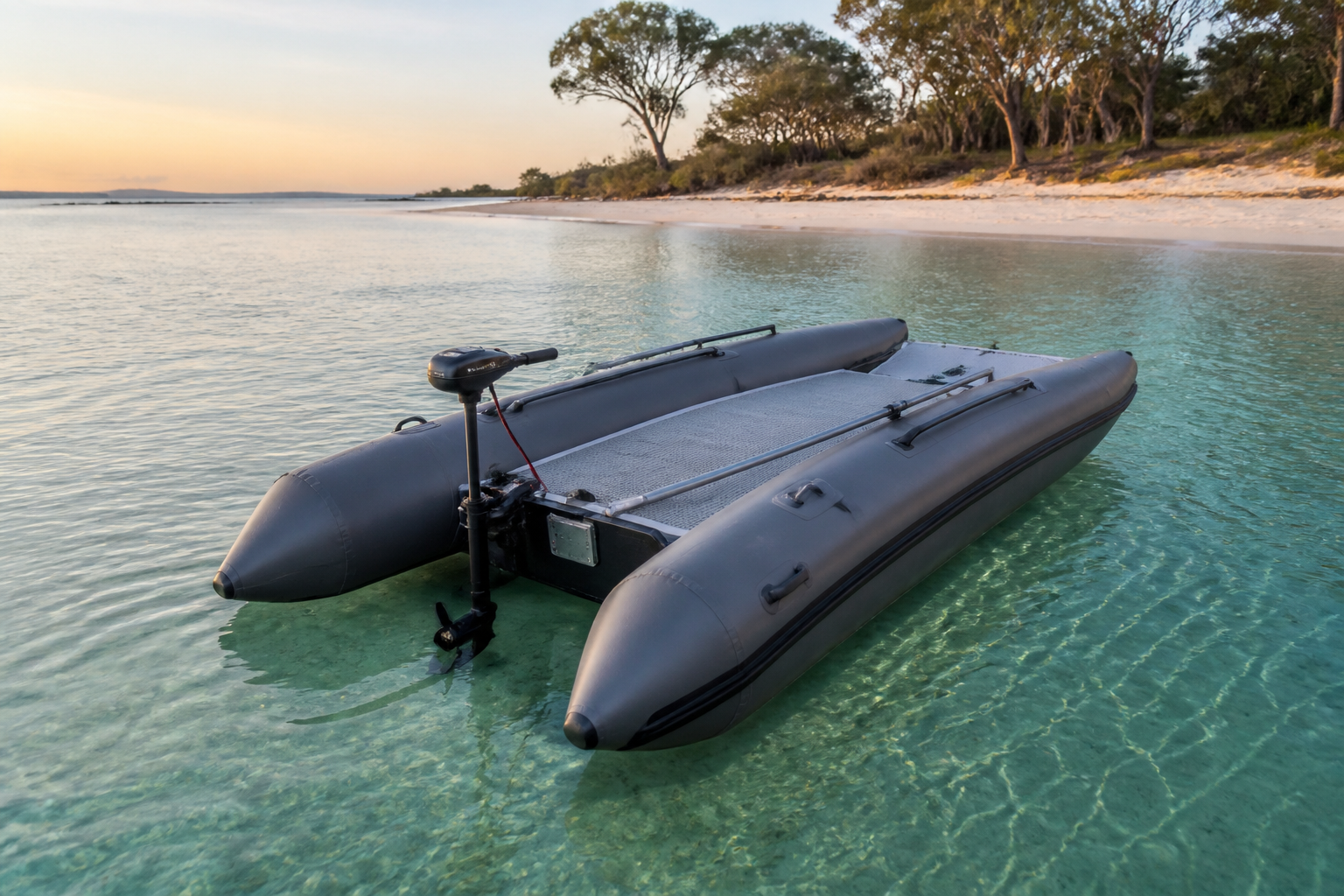
According to inflatable catamaran guidance for Australian waters, inflatable catamarans can reduce roll by up to 50% compared with monohulls in moderate coastal swells, and a typical 2.9m model with a 160cm beam and 450kg cargo capacity creates a flatter platform for fishing or family use.
That twin-hull layout gives you a very different on-water feel from a conventional mono inflatable. Less roll means less correction. Less correction means more confidence.
A stable boat is tiring in a good way. You spend your energy on fishing, not balancing.
If it’s mainly for family fun
Families need predictability. A boat that feels twitchy with kids moving around won’t get used as often, no matter how good the brochure looked.
For family outings, think about:
- Boarding ease: Wider, more stable shapes are less stressful at the shoreline.
- Underfoot feel: Air-deck floors can feel surprisingly firm when inflated properly.
- Passenger movement: The hull should stay settled when people shift seats or reach over the side.
Monohull versus inflatable catamaran
This decision deserves more attention than it gets in most sale listings.
Monohull inflatables often suit buyers who want a familiar, simple format. They can be practical, compact and easy to understand.
Inflatable catamarans suit buyers who care most about stability, flatter running attitude and extra confidence in chop. For anglers and families, that’s often the smarter path.
Here’s the practical difference:
- Monohull feel: More conventional, often a bit more direct, but can feel livelier side to side.
- Catamaran feel: More planted and forgiving when people move around.
A simple way to choose size
Don’t size the boat for your best-case trip. Size it for your most common trip.
Ask yourself:
- How many people will usually be aboard?
- Will you carry fishing gear, camping gear, or tender supplies?
- Do you need to lift it often, or mostly launch close to the car?
- Will you run sheltered water only, or mix in exposed bays and beach launches?
If your answers point toward stability, comfort, and standing room, inflatable catamarans deserve serious attention. If your answers point toward compact storage and basic transport, a smaller conventional inflatable may suit better.
Decoding Sale Packages Hidea Outboards and Rigging Options
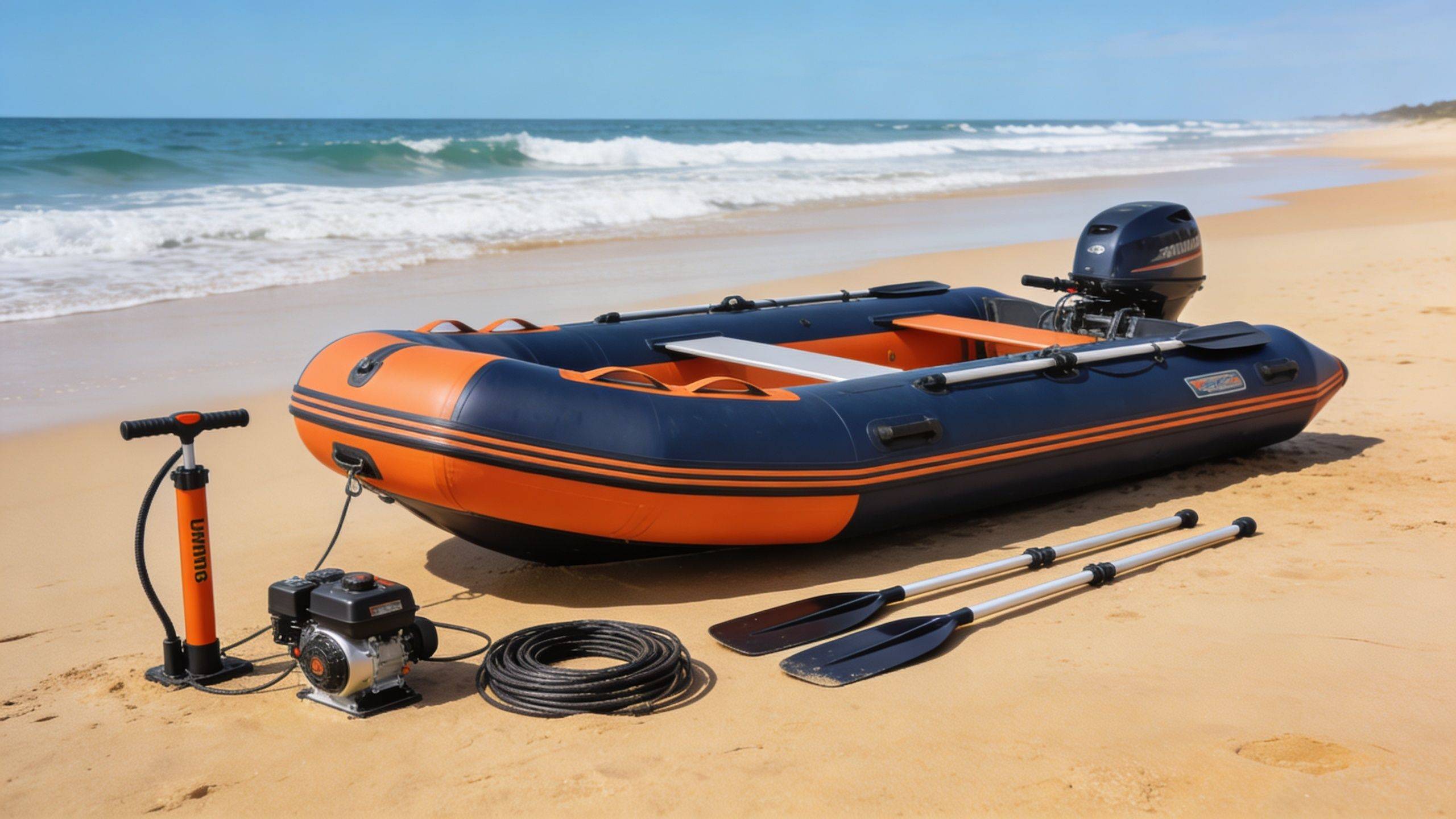
A sale package only has value if the parts work together. A bare inflatable with a low price can become more expensive once you add a motor, pump, fuel setup, seat upgrades, transport gear, and the fittings you thought were included.
That’s why package assessment should start with the motor.
What a proper package should include
A useful package is built around readiness. You should be able to receive it, assemble it, and launch with minimal chasing around for missing parts.
Look for these components:
- Matched outboard: The motor should suit the hull’s size and intended use, not just be bundled because it’s available.
- Correct inflation gear: A boat with a high-pressure floor needs a pump that can reach operating pressure properly.
- Storage and carrying items: Bags, oars, seats and repair gear save hassle later.
- Practical accessories: Rod holders, Biminis, and mounting points are valuable when they match how you’ll use the boat.
Cheap bundle versus useful bundle
The weakest sale packages usually fail in one of three ways. The motor is underpowered for the hull. The pump is slow or unsuitable. Or the accessories are decorative rather than useful.
A better way to compare offers is to ask what you’d need to buy in the first month if the package arrived tomorrow.
| Package element | Cheap bundle problem | Better-value package sign |
|---|---|---|
| Outboard | Generic pairing that doesn’t suit load or hull use | Sensible horsepower match for the boat |
| Pump | Basic unit that struggles with floor pressure | Pump suited to the floor and chamber requirements |
| Rigging | Minimal fittings, more work after delivery | Boat arrives closer to water-ready |
| Accessories | Throw-ins you won’t use | Items tied to fishing, shade, transport, or setup |
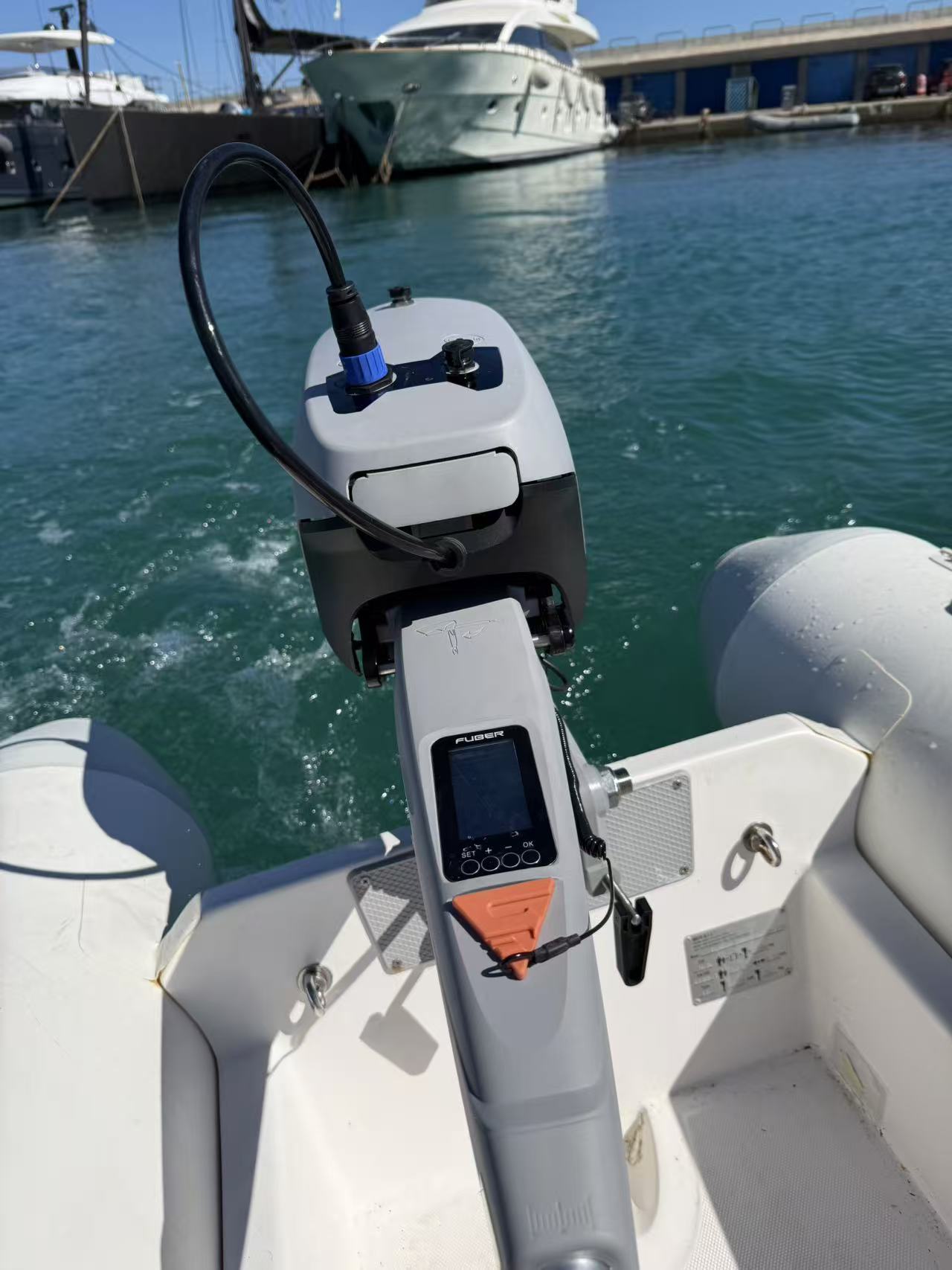
For buyers comparing motors, Hidea outboard package value is one example of how bundled outboards are positioned around practical boating rather than just list price.
Why turnkey matters
Turnkey doesn’t just mean convenient. It reduces compatibility mistakes. That matters with inflatable setups because transom rating, shaft length, boat balance, fuel handling and floor type all affect the final result.
A bundle that includes a Hidea outboard, appropriate pump, and sensible accessories can save frustration in three places:
- At assembly time, because parts are matched.
- At launch, because you’re not improvising with missing gear.
- Over time, because fewer rushed add-ons means fewer poor-fit accessories.
This walkaround gives a good sense of how a compact outboard setup looks in practice:
NEW INFLATABLE BOAT - Stryker PRO 470 with Mercury 40HP EFI MOTOR - YouTube
Tap to unmute
NEW INFLATABLE BOAT - Stryker PRO 470 with Mercury 40HP EFI MOTOR Stryker Boats
Stryker Boats8.73K subscribers
One practical market option in this space is Easy Inflatables, which offers Aerowave boats and bundled Hidea outboards in turnkey-style packages with fitted accessories and local support. That matters if you want one purchase to solve the whole setup instead of building it piece by piece.
The Buying Process Pricing Timelines and Australia-Wide Delivery
A lot of hesitation happens right at the point of purchase. Not because buyers don’t want the boat, but because they don’t know what happens after payment. They wonder how long delivery takes, whether the quoted figure is the actual figure, and whether they’re signing up for hidden freight or import surprises.
Those are fair concerns. Inflatable boat buying is easier when the seller states the process clearly.
In-stock versus custom order
The first trade-off is speed versus personalisation.
In-stock production-line boats suit buyers who want the fastest path to the water. If the specification already matches your needs, there’s no real advantage in waiting for a custom build.
Custom orders suit buyers who know exactly what they want in layout, accessories, or configuration. That can be worth the wait if the boat has a very specific job, such as tender duty, fishing layout, or a travel-friendly package.
A simple way to understand it:
- Choose in-stock if your priority is getting on the water soon.
- Choose custom if your priority is getting a setup suited to your use.
What transparent pricing looks like
The best quote isn’t always the lowest visible price. It’s the one that tells you what you’ll pay.
Transparent pricing should make these points obvious:
- GST included or not
- Shipping included or not
- Import duties handled or not
- What accessories are included
- What support applies after delivery
If those points are vague, the “sale” can become less attractive very quickly.
Buyers usually regret ambiguity more than they regret paying a little more for a clear, complete transaction.
Delivery expectations across Australia
For portable inflatables, delivery is part of the value equation because freight on bulky marine gear can become a real cost when it isn’t bundled into the offer.
As a buying habit, confirm these before checkout:
- Dispatch timing for in-stock boats.
- Expected arrival window to your state or region.
- Whether residential delivery is supported.
- What arrives assembled, packed, or separated.
For a clear example of what to check, Australia-wide inflatable boat shipping details outline how delivery, coverage and purchase logistics are handled.
Protect Your Investment Essential Maintenance for Aussie Boaters
Inflatable boats don’t ask for complicated maintenance. They do ask for consistent maintenance. In Australia, the big enemies are simple. Salt, UV, and bad storage habits.
Most boats that age badly weren’t destroyed by one dramatic event. Owners just skipped small routines often enough that the material, fittings and seams wore out earlier than they should have.
The three habits that matter most
The first habit is rinsing after saltwater use. Salt dries into fittings, floor edges, transom hardware and fabric surfaces. Leave it there long enough and every later clean gets harder.
The second is storing the boat dry and correctly folded. Damp packing encourages mildew and stale odours. Harsh folding in the same points over and over can also fatigue the material over time.
The third is managing sun exposure. UV does more damage than most new owners realise. If your boat sits inflated in open sun for long periods, protective treatment and covers make a real difference.
A practical post-trip routine
Keep it simple and repeatable:
- Rinse thoroughly: Fresh water over tubes, floor, transom and fittings.
- Dry before packing: Don’t rush this step if the boat’s going back into a bag.
- Check seams and wear points: Catch small issues before they become repair jobs.
- Reduce pressure if stored in heat: Hot days can change internal pressure quickly.
- Store out of direct sun: Shade, cover, or indoor storage will always help.
If you keep the boat inflated for longer periods, surface protection can also help preserve appearance and make cleaning easier. For owners researching advanced protection for marine surfaces, professional marine ceramic coating is a useful reference point for understanding how protective coatings are used in the broader boating space.
Clean boats get used more. Boats that are annoying to clean usually end up neglected.
What owners often get wrong
A few habits shorten lifespan fast:
- Packing the boat wet after a rushed trip home.
- Leaving fuel residue or grime on the transom area.
- Dragging the hull across hot sand or rough concrete.
- Ignoring slow leaks because the boat still feels “mostly fine”.
If you want a straightforward owner checklist, simple inflatable boat maintenance steps cover the practical basics well.
Your Adventure Awaits Making the Right Choice with Confidence
A smart buy in an inflatable boats australia sale isn’t the lowest number on the page. It’s the boat that still makes sense after Australian sun, salt, transport, setup, storage, and years of regular use.
Choose material with your conditions in mind. Prioritise seam quality, not just fabric labels. Match the size to your real trips, not the occasional big one. If stability matters for fishing or family use, give catamaran designs serious consideration. If you’re looking at package deals, judge them by readiness and compatibility, not by how loud the discount language is.
That’s how you avoid buying twice.
When the hull, floor, transom, motor package and delivery terms are right, ownership gets easier. You launch more often, maintain it properly, and keep the boat longer. That’s the whole point. More water time, less messing around.
Frequently Asked Questions About Inflatable Boats in Australia
Do I need a licence for an inflatable boat in Australia
It depends on the boat, motor, and where you use it. According to Australian inflatable boat licensing updates, there was a 35% spike in searches for “inflatable boat license Australia”, and 2025 AMSA regulations exempt boats under 4.75m with less than 10HP from licensing in most sheltered waters. The same reference notes that many packages with Hidea 2.5 to 9.9HP outboards can save buyers over $200 on courses, while portable setups saw 28% sales growth in 2025.
State rules and local conditions still matter, so check the waterway and current local requirements before launch.
Are inflatable catamarans better than standard inflatables
They’re better for some jobs, not all jobs. If you care about stability, especially for standing, casting, or taking family out in choppy protected water, catamarans usually feel more settled. If your priority is the most basic compact tender format, a conventional inflatable may be enough.
Should I buy a bare boat or a package
Buy a bare boat only if you already understand motor matching, inflation requirements, and accessory fitment. Most recreational buyers are better off with a complete package because it reduces mistakes and saves time.
Can I hire an inflatable boat for a family outing instead of buying
Yes, in many coastal and holiday areas you can find hire operators with small portable boats or tender-style craft. Availability varies by region and season. For occasional use, hiring makes sense. If you want repeat family weekends, fishing trips, or caravan travel use, ownership usually gives you more flexibility.
What happens if the boat gets a puncture
Small punctures are usually repairable. The important thing is to stop using the damaged chamber, dry the area properly, and use the correct repair method for the material. A quality repair kit is worth carrying on every trip.
Air-deck or aluminium floor
An air-deck floor is easier to pack, lighter to handle, and suits buyers who value portability. An aluminium floor gives a more rigid feel underfoot but adds setup time and carrying weight. For travel and quick setup, many owners prefer air-deck. For some heavier-duty uses, aluminium still appeals.
Is insurance necessary
That depends on the boat, motor, where you store it, and how often you use it. Even when it isn’t strictly necessary for your situation, many owners still insure the package for theft, transport damage, and general peace of mind. Check what your insurer covers for portable marine gear and outboards.
If you’re ready to compare real options, explore the range at Easy Inflatables. Focus on the boat that fits your use, your storage, and your conditions. That’s the purchase you’ll still be happy with long after the sale ends.
Share the post now
Set Sail with Easy Inflatables
Experience the ultimate freedom on the water with our top-quality inflatable boats and accessories. Easy Inflatables is your trusted partner, providing everything you need for a safe and unforgettable adventure.
Categories
- Accessories & Gear (84)
- Adventure Destinations (63)
- Boat Accessories & Setup (25)
- Boat Comparisons (7)
- Boat Trailers (12)
- Boating Safety Gear (5)
- Catamaran Boats (12)
- Customer Stories & Experiences (4)
- Inflatable Boat Guides (47)
- Inflatable Boats & Kayaks (149)
- Inflatable Catamarans (12)
- Maintenance & Care (114)
- Outboard Motors (53)
- Outdoor Activities (26)
- Product Comparisons & Reviews (108)
- Setup & Safety Tips (52)
- Special Offers & Promotions (2)
- Sustainability Tips (13)
- Types of Boats (47)
Related Post
Your Guide to the Best Waterproof Battery Box of 2026
Sea Trail Boat Trailers A Complete Australian Guide
Choosing the Best Electric Trolling Engine: 2026 Guide
Inflatable Motorised Boat A Buyer’s Guide for Australia
Stay Connected
Join our community of water adventure enthusiasts! Sign up for Easy Inflatables' monthly newsletter for exclusive tips, product updates, and insights to make the most of your outdoor adventures.
Shop gear featured in this guide
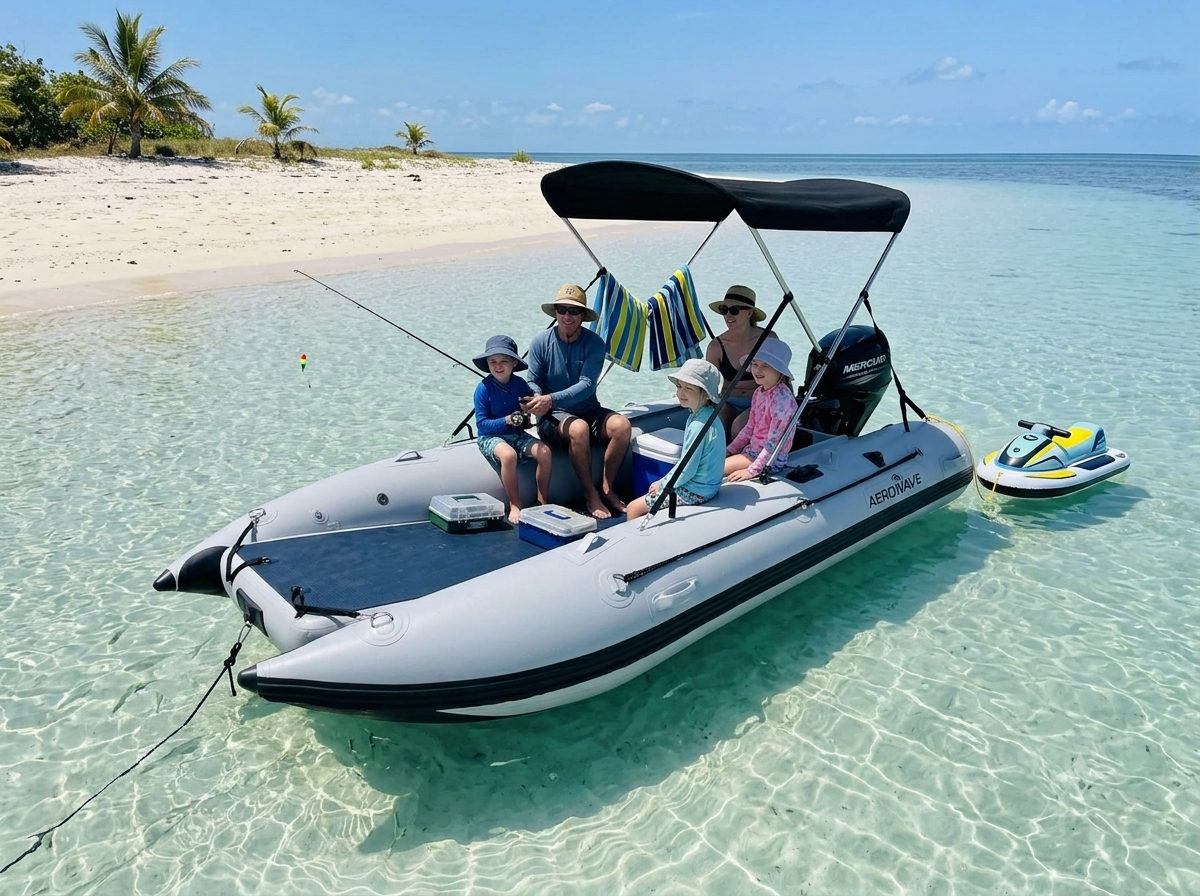
Aerowave WaveRunner 380 Series 3 Catamaran Package
The WaveRunner 380 Series 3 is a premium 3.8m inflatable catamaran package built for Australian and worldwide families, fishing, and coastal day boating — ideal for snorkeling and spearfishing — offering serious stability and premium German Valmex® construction.
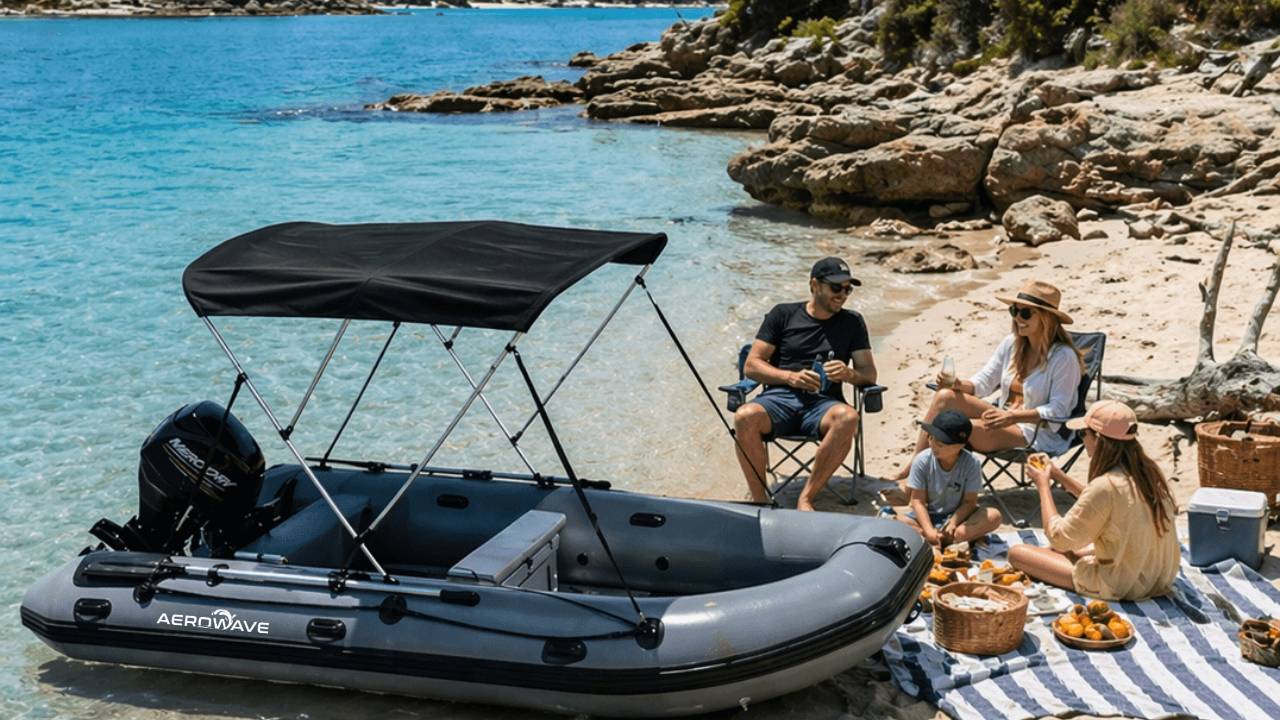
Aerowave Viper 400 Sovereign
Flagship 4m enclosed-bow inflatable catamaran. German VALMEX® 7321 Heavy Plus 1.2mm commercial-grade fabric, 10 PSI high-pressure drop-stitch air deck floor with VALMEX non-slip surface, LockPro wheels, full Bimini and FREE express delivery Australia-wide delivery included. Winter special — save $1,000 until 31 August 2026.
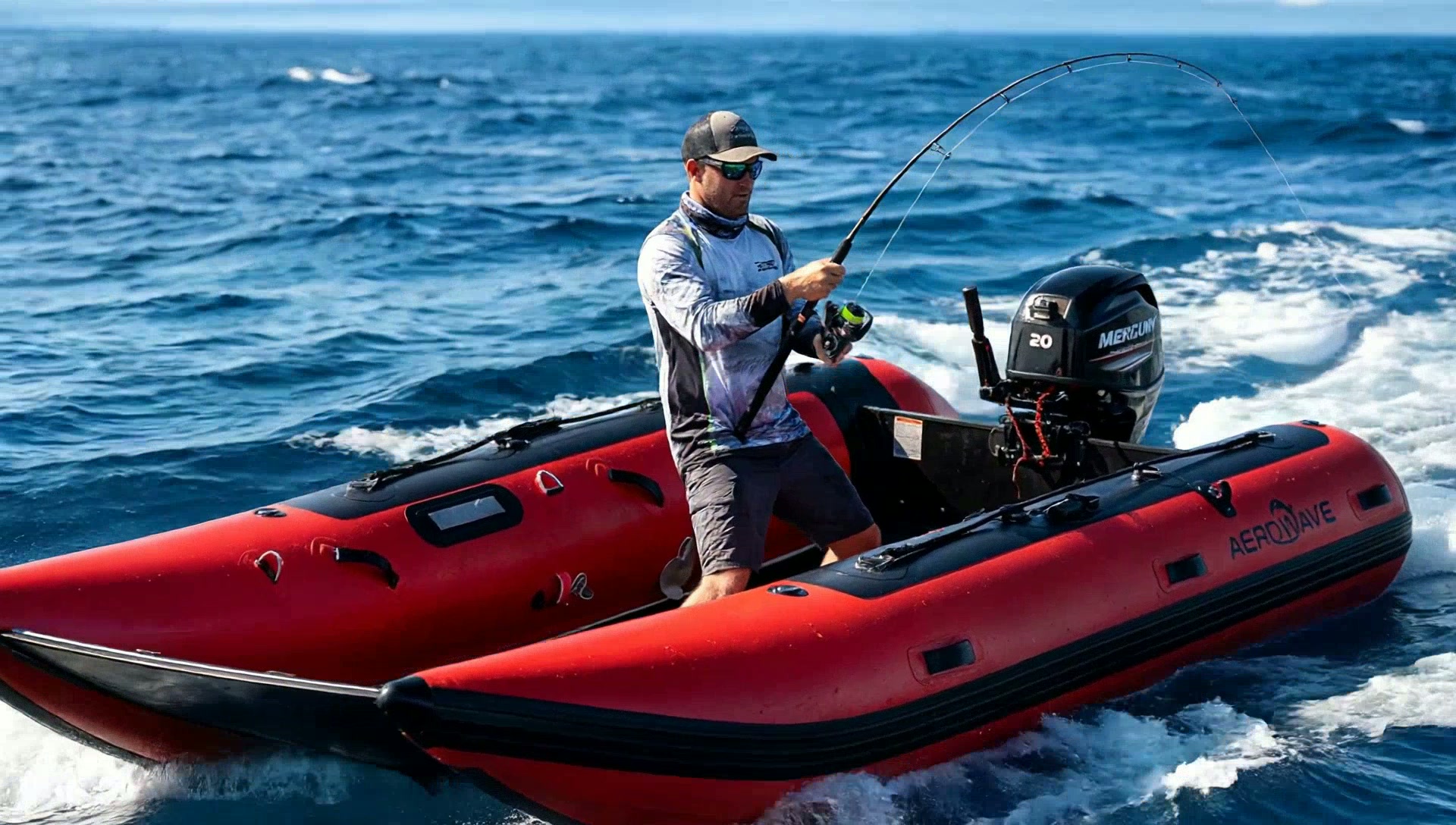
AeroWave AeroCat 360 Inflatable Catamaran
Same proven hull design, shape and look as our flagship Aerowave Viper catamarans — built lighter using 0.9mm Valmex® fabric instead of the Viper's 1.2mm. The AeroWave AeroCat 360 is our 3.6m inflatable catamaran built from 0.9mm Valmex® fabric — intentionally lighter than our 1.2mm Viper hulls so it folds smaller, packs lighter and is easy to handle solo. Twin-hull stability, 5-Year Warranty with global support and priced ~$500 below comparable 0.9mm imports.
Not sure which suits you? Talk to a real boat owner.
Ready to set sail?
Premium German-fabric inflatable catamarans with FREE Sea Freight or Express Air Delivery — your choice at cart. Talk to our team or browse the fleet.
Like this guide? Get the next one in your inbox.
Owner-tested tips, gear deep-dives and Aussie boating know-how — no spam.