Inflatable Boats for Sale Australia: A 2026 Buyer's Guide
Find the best inflatable boats for sale Australia-wide. Our complete 2026 guide covers boat types, motors, pricing, and local tips to get you on the water.
🇺🇸 Boats shipping to United States
See landed prices in USD before you bounce.
Door-to-door delivery to United States in 7–14 days. Choose a boat, see local-currency pricing, or request a fixed landed quote from the sales team.
You’re probably in one of two camps right now. You want a boat, but you don’t want the cost, storage headaches, towing fuss, and upkeep that usually come with one. Or you’ve already looked at a few inflatables and you’re trying to work out which ones are built for Australian conditions and which ones will start showing their age after a hard summer on the coast.
That’s the core buying question in Australia. It isn’t just what looks good on a product page. It’s what packs easily, launches without drama, handles family use, survives UV and salt, and still makes sense to own after the first season. If you’re searching for inflatable boats for sale australia, that’s the filter worth using.
Why Inflatable Boats Are Perfect for Australia
A typical Australian boating day starts before the boat hits the water. You need to get it out, tow it, launch it, wash it down, store it, and keep up with registration and servicing. For plenty of owners, that ownership load decides whether the boat gets used regularly or sits at home. That is why inflatables suit Australia so well. They lower the effort, the space required, and the ongoing cost without ruling out real fishing, family boating, or coastal exploring.
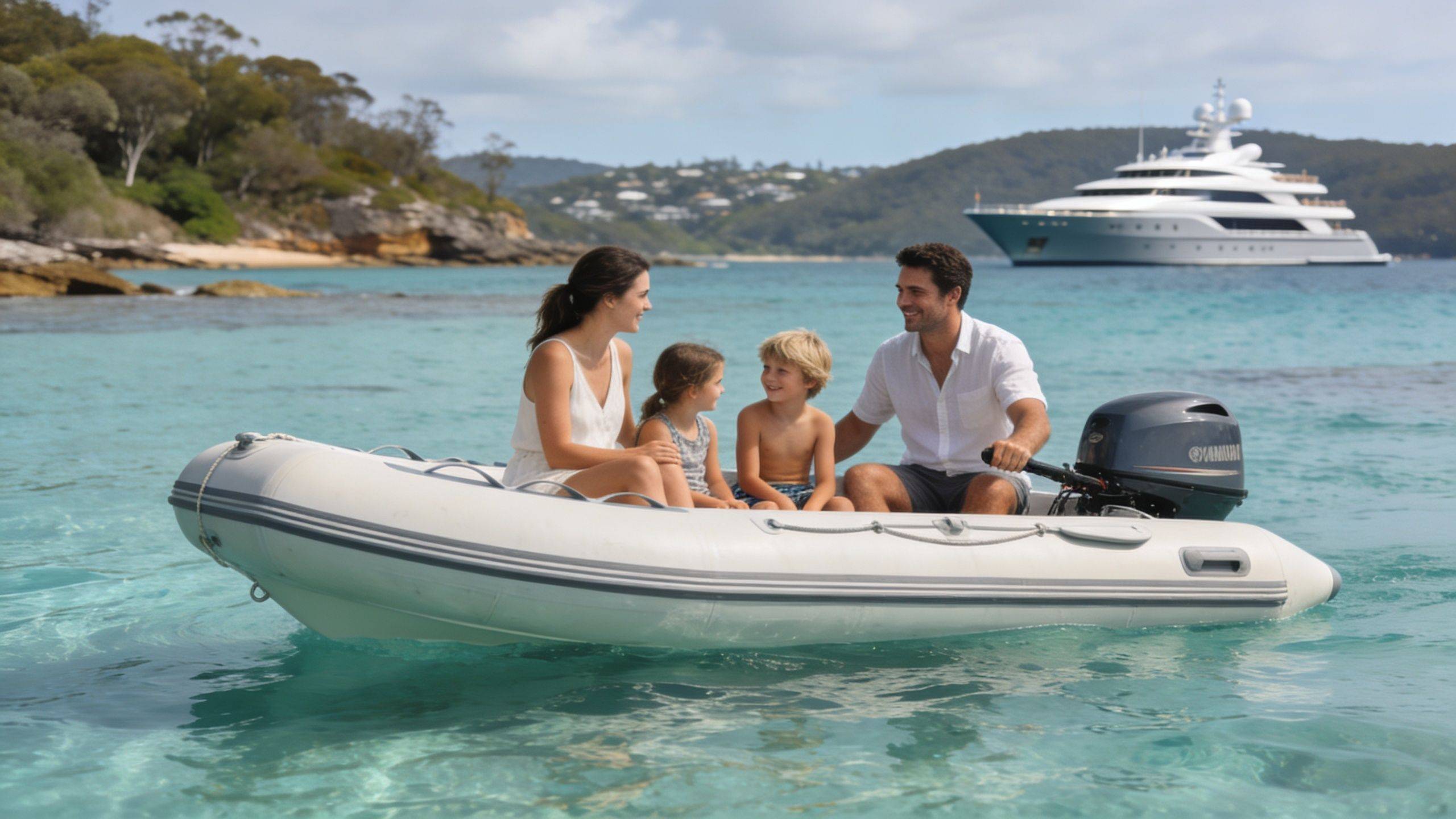
They also fit the way Australians use boats. Beach launches, estuaries, creeks, caravan trips, yacht tenders, holiday houses, and quick sessions after work all favour a boat that is easy to move and easy to live with. A good inflatable earns its keep because it gets used more often, not because it looks impressive in the driveway.
That matters even more in Australian conditions. UV is hard on fabric. Salt finds every fitting. Long road trips, hot storage, and sandy launches expose weak construction fast. The better buying question is not just what the boat costs today. It is how well it will hold up, how easy parts and advice are to get locally, and whether the package still makes sense after a few seasons of real use.
What suits Australian buyers so well
Inflatables solve practical ownership problems that stop many people buying a conventional boat in the first place.
- Storage is easier: Many owners keep an inflatable in a garage, shed, apartment storage area, caravan setup, or vehicle, instead of finding room for a full trailer boat year-round.
- Launching takes less effort: For sheltered waters and light coastal use, many inflatable setups are faster to prepare and less stressful at the ramp or beach.
- Running costs stay lower: There is often less tied up in towing, storage, and upkeep, which matters if you want affordable boating rather than another expensive project.
- They suit flexible use: One boat can cover tender duty, camping trips, crabbing, creek exploring, family beach runs, and short fishing sessions.
- Support matters after the sale: Buying from an Australian supplier with stock, parts, and product knowledge makes ownership simpler when you need repairs, accessories, or setup advice.
Practical rule: The right inflatable is the one you will use often because it suits your storage, your budget, your local water, and the amount of maintenance you are willing to do.
The old view of inflatables as basic tenders is well out of date. A well-built inflatable can be a genuine primary boat for many Australian owners, provided the materials, layout, and motor pairing match the job. That is where long-term value starts. Cheap fabric, weak fittings, and poor after-sales support usually cost more in the end than buying the right package from the start.
Buyers who start by comparing features often end up making a better decision once they look at the full benefits of buying an inflatable boat for Australian conditions and everyday ownership. At Easy Inflatables, that is the focus. Supply a boat that handles local UV and salt, make setup straightforward, and back it with local advice and package options that make ownership easier from day one.
Choosing Your Inflatable Boat SIBs RIBs and Catamarans
Boat type changes everything. The wrong choice creates frustration from day one. The right one feels obvious after the first launch.
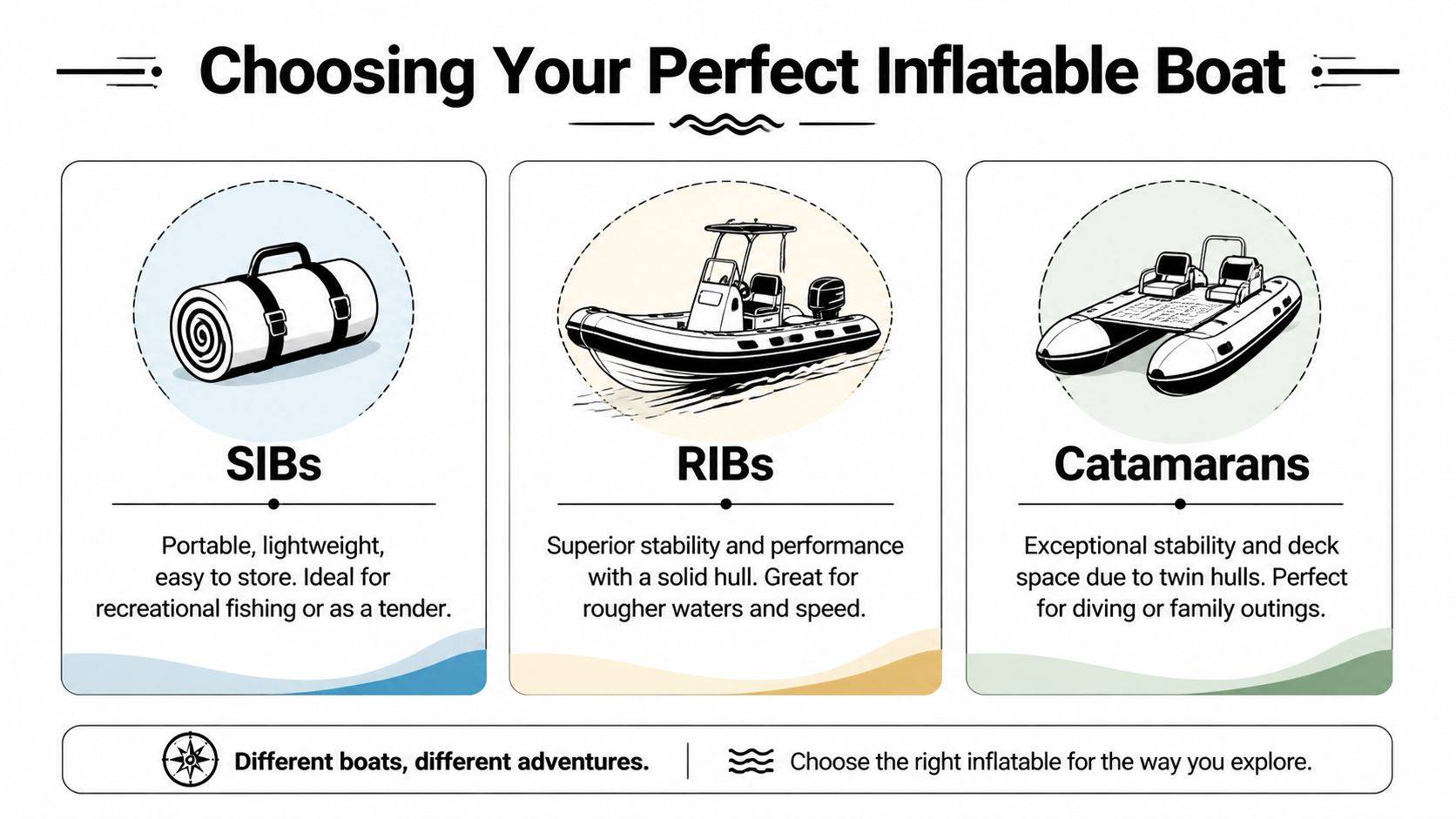
Most Australian buyers narrow the field down to SIBs, RIBs, or inflatable catamarans. All three can work well. They just solve different problems.
SIBs suit buyers who value portability first
A soft inflatable boat, often called a SIB, is the simplest entry point for many owners. These are the boats that win on packability, transport, and ease of storage. If you’re travelling with an SUV, motorhome, camper trailer, or yacht, this category makes immediate sense.
They’re a strong fit for:
- RV travellers: You can carry the boat without dedicating your whole trip to towing.
- Holiday users: If the boat comes out on long weekends and coastal trips, pack-down matters.
- Tender duty: Many yacht owners want something reliable that doesn’t become a storage nuisance.
- Casual fishers: For sheltered water use, a lightweight inflatable is often all that’s needed.
What doesn’t work so well is buying a very lightweight SIB and expecting it to feel like a larger rigid setup in chop or when heavily loaded. That’s where buyers often get disappointed. SIBs reward realistic expectations.
RIBs suit buyers who want more hull confidence
A rigid inflatable boat adds a hard hull under the inflatable tubes. That changes the feel on the water. You get a more planted ride, firmer tracking, and a stronger platform for buyers who want speed, more regular use, or rougher conditions within the boat’s intended envelope.
A RIB usually makes more sense when you prioritise:
- Performance over packability
- A more substantial ride feel
- A dedicated trailer setup
- Frequent coastal use
- Tender use where docking durability matters
For buyers comparing categories, rigid hull inflatable options are worth looking at when a soft floor or air deck boat starts to feel like a compromise.
A RIB is rarely the most convenient boat to store, but it’s often the one that feels most familiar to buyers stepping across from conventional small boats.
Inflatable catamarans are the sleeper option
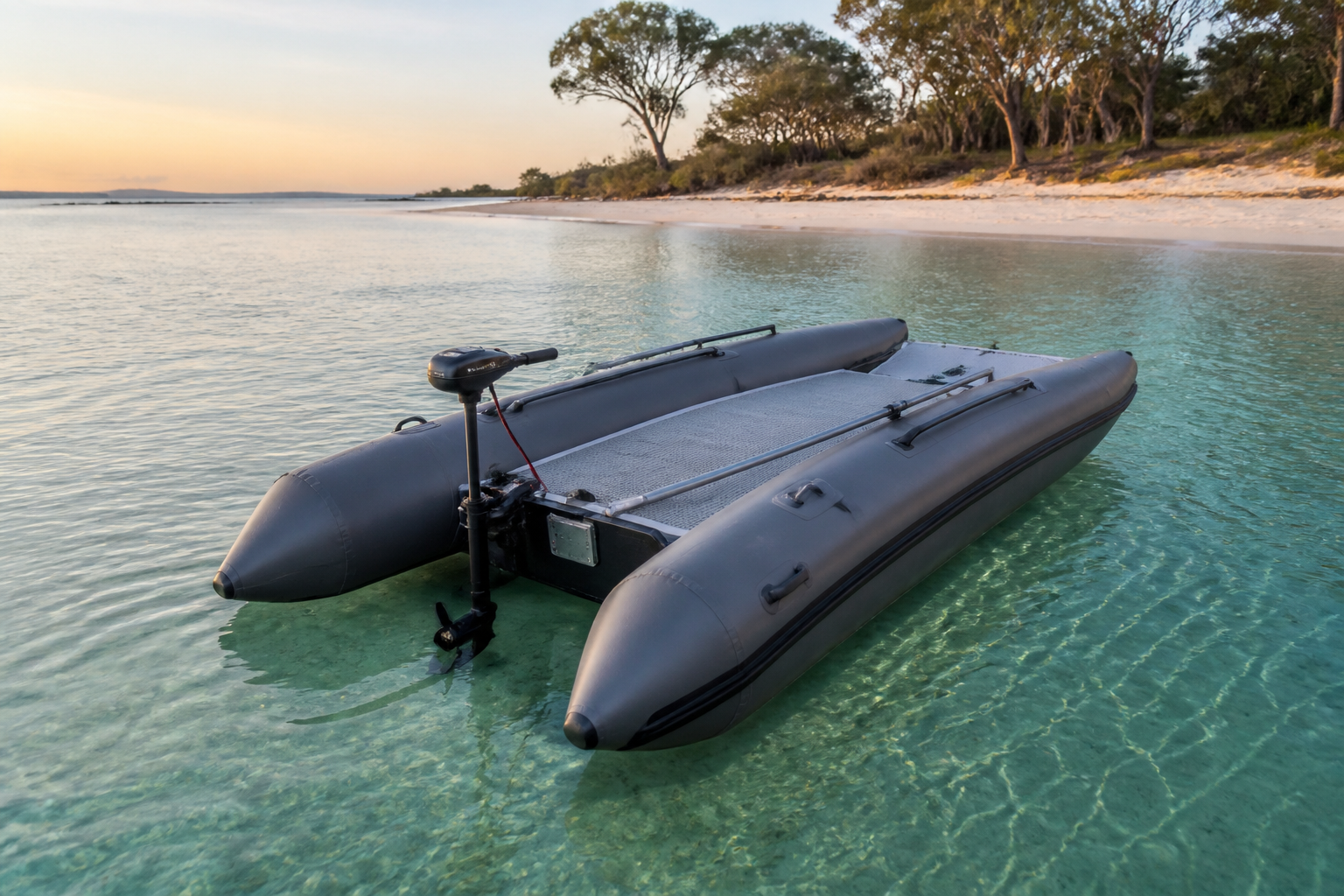
A lot of people overlook inflatable catamarans until they stand in one. Then the appeal becomes obvious. Twin-hull design gives a very stable feel, useful deck space, and a platform that suits family use, diving, and fishing particularly well.
For some Australian buyers, catamarans are the smartest middle ground between portability and on-water stability. They’re especially good when the day involves people moving around the boat, gear spread across the deck, or hours on anchor rather than quick point-to-point runs.
They suit:
- Anglers who want a stable casting platform
- Families who care about steadiness at rest
- Divers who need useful deck space
- Buyers who want something different from the usual inflatable profile
Which inflatable boat is right for you
| Boat Type | Best For | Key Advantage | Easy Inflatables Model |
|---|---|---|---|
| SIB | RV travel, tenders, sheltered water fishing | Packs down and stores easily | Aerowave WaveRunner |
| RIB | Frequent coastal boating, trailer-based use, higher-speed handling | Hard hull performance and a more planted ride | Aerowave RIB range |
| Catamaran | Fishing, diving, family outings, stability at rest | Twin-hull stability and usable deck space | Viper Series Inflatable Catamarans |
Match the boat to the day you actually have
Buyers often choose the boat they imagine using, not the boat they’ll really use. That’s backwards.
If most of your boating is a quick launch from the beach, local estuary exploring, or holiday use with the kids, a SIB can be exactly right. If you’ll keep the boat on a trailer and head out regularly in more open water, a RIB usually earns its keep. If steadiness and deck utility matter more than outright speed, catamarans deserve serious attention.
The best comparison question is simple. When you pull into a car park near the water, what do you want the next half hour to look like?
Decoding Boat Construction Materials That Last
Specs can mislead buyers. A long feature list doesn’t tell you whether the boat is built to live in Australian conditions. Material quality and construction method tell you far more.
That matters because sun, salt, sand, poor storage, and repeated inflation cycles expose weak points fast. The good boats don’t just look neat in photos. They hold shape, keep their seams, and stay serviceable after repeated use.
PVC versus Hypalon in real use
Most buyers start by comparing PVC and Hypalon. That’s sensible, but it helps to move past generic claims.
PVC can be an excellent choice when the fabric is marine-grade and the build quality is there. It often suits owners who want strong value, regular use, and good packability. Hypalon is often chosen by buyers who expect heavier UV exposure, demanding commercial-style use, or prefer a more premium tube material for long-term ownership.
The mistake is assuming all PVC is the same. It isn’t. Fabric quality, coating quality, and manufacturing standards matter a lot.
A practical way to compare them is:
- Choose premium PVC if you want a lighter, durable boat for recreational ownership and proper maintenance.
- Choose Hypalon if your boat will spend more time exposed, especially in harsh coastal conditions.
- Avoid vague material descriptions if a seller won’t tell you what fabric is being used.
For a closer look at the differences, Hypalon versus German Mehler 1.2mm PVC material is the comparison that matters more than broad marketing terms.
Seams, transoms and floors matter more than shiny accessories
Shiny add-ons don’t save a poorly built hull. Focus on the bones of the boat.
Look closely at these points before buying:
- Seam construction: Thermo-welded seams generally inspire more confidence than basic glued construction in boats expected to handle heat and repeated use.
- Transom strength: An aluminium transom is a practical sign the boat is intended for real motor use, not just occasional puttering.
- Floor design: Double-stitched air decks and well-supported floors change stiffness, comfort, and handling.
- Reinforcement zones: Stress points around towing eyes, transom joins, and underside contact areas should look deliberate, not minimal.
Cheap accessories are easy to add later. A poor tube fabric or weak seam layout is expensive pain from the start.
What experienced buyers check by hand
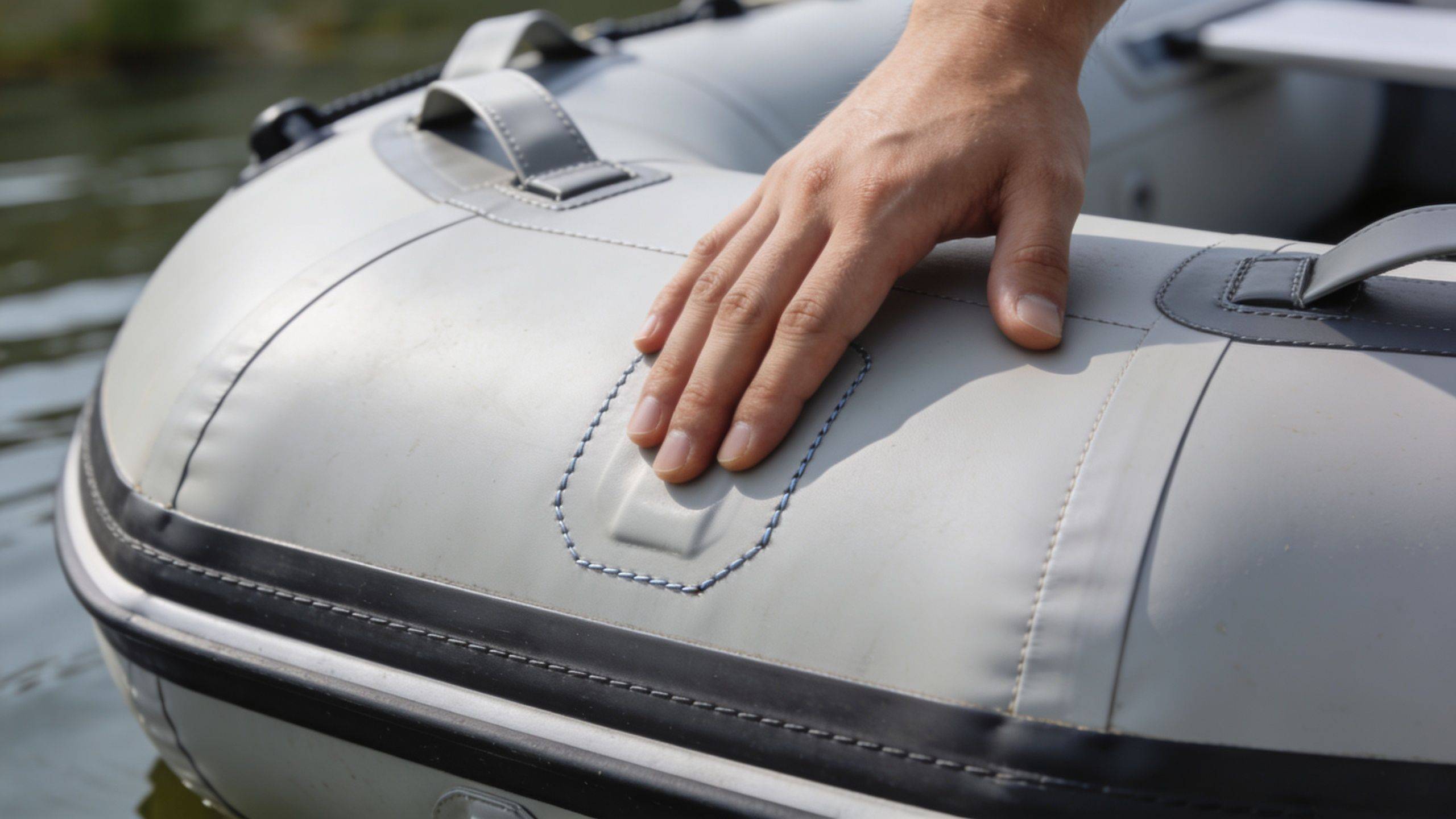
If you’re inspecting a boat in person, don’t just read the tag. Press on the material. Look at the transom finish. Inspect fitting alignment. Check whether attachment points feel properly integrated or just stuck on.
The boats that last tend to show care in the unglamorous details. That’s what separates a long-term purchase from a disposable one.
Sizing Your Boat and Pairing a Hidea Motor
You load up before sunrise for a run to the creek mouth. Two adults, a fuel tank, lifejackets, tackle, an esky, and a dry bag or two. On paper, the boat still fits the rated capacity. On the water, it feels tight, sits lower, and takes the fun out of the day. That is why size needs to be based on real Australian use, not the bare minimum printed on a plate.
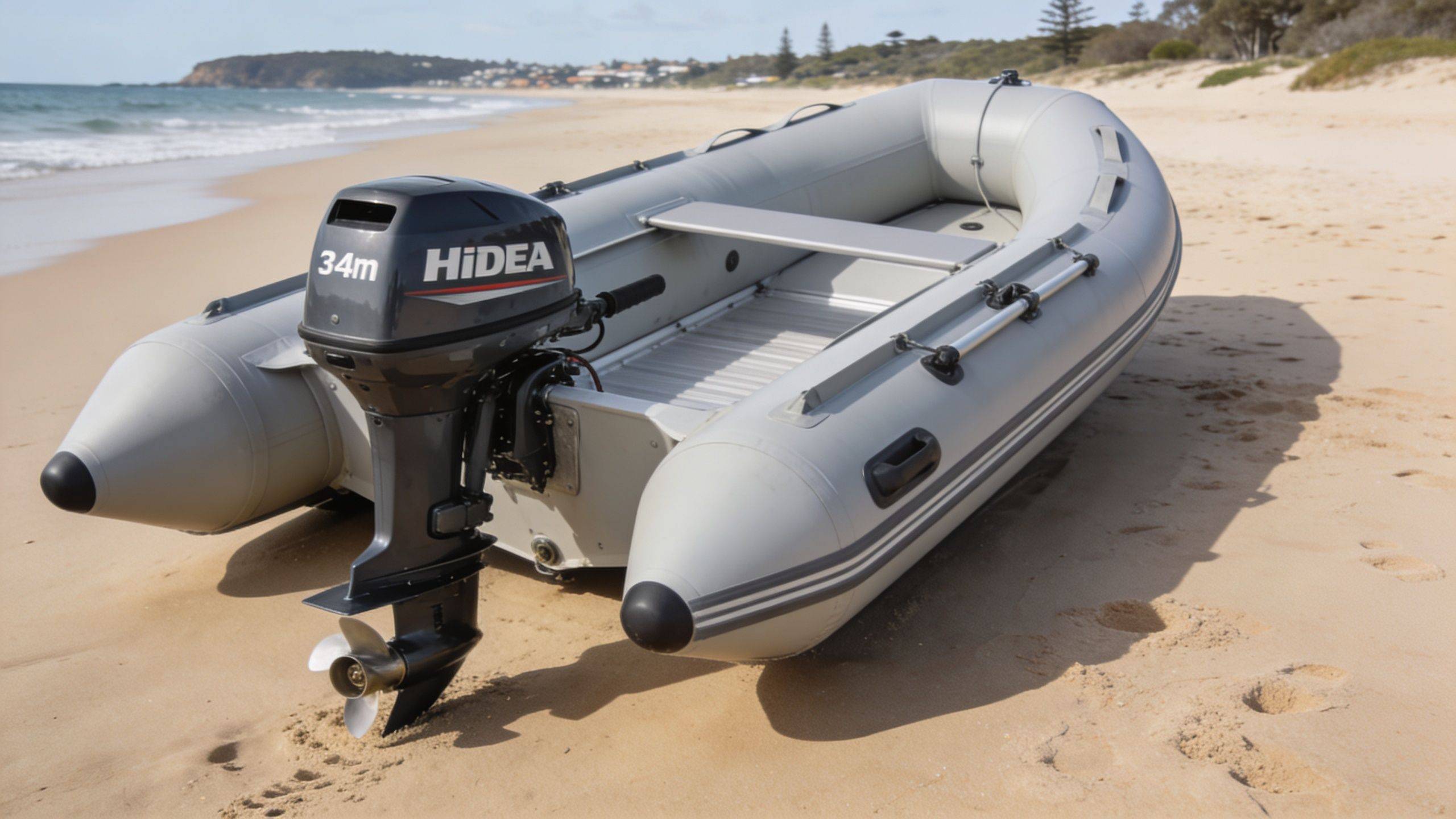
Length affects far more than passenger count. It changes how the boat trims with a motor on the back, how dry it rides in chop, how easy it is to launch at a rough ramp, and whether you will still be happy moving it around after the first few trips. In Australia, it also affects the long-term ownership experience. A boat that is too big for your storage ends up baking in the sun. A boat that is too small gets overloaded and worked harder than it should.
The practical rule is simple. Buy for your usual crew and your usual gear, with some breathing room.
If you mostly run solo or with one mate, a compact setup keeps transport, storage, and fuel costs sensible. If the boat will carry family, fishing gear, or camping kit, go up a size before you go up in horsepower. Extra floor space usually improves comfort and safety more than chasing a bigger motor.
A straightforward sizing guide looks like this:
- Tender and marina use: Keep it compact. Easy boarding, easy stowage, easy lifting matter most.
- Creek fishing and estuary runs: Allow room for rods, tackle trays, battery gear, and an esky. These boats fill up fast.
- Family day boating: Choose space to move around, not just enough room to sit shoulder to shoulder.
- Beach launches and coastal exploring: Carrying capacity matters, but so does a hull and motor package you can still manage onshore.
Motor choice needs the same practical approach. The right outboard is not the biggest one the transom can legally carry. It is the one that gets the hull onto the plane cleanly, holds sensible speed with your normal load, and does not make the stern heavy. Too little power leaves the boat sluggish and inefficient. Too much can make handling harsher, increase fuel use, and add unnecessary weight at the back.
That weight matters more than many first-time buyers expect. A motor that looks fine in a brochure can still upset balance once you add fuel, safety gear, and a second passenger. I usually tell buyers to judge the setup by their heaviest regular day on the water, not the lightest solo run around the bay.
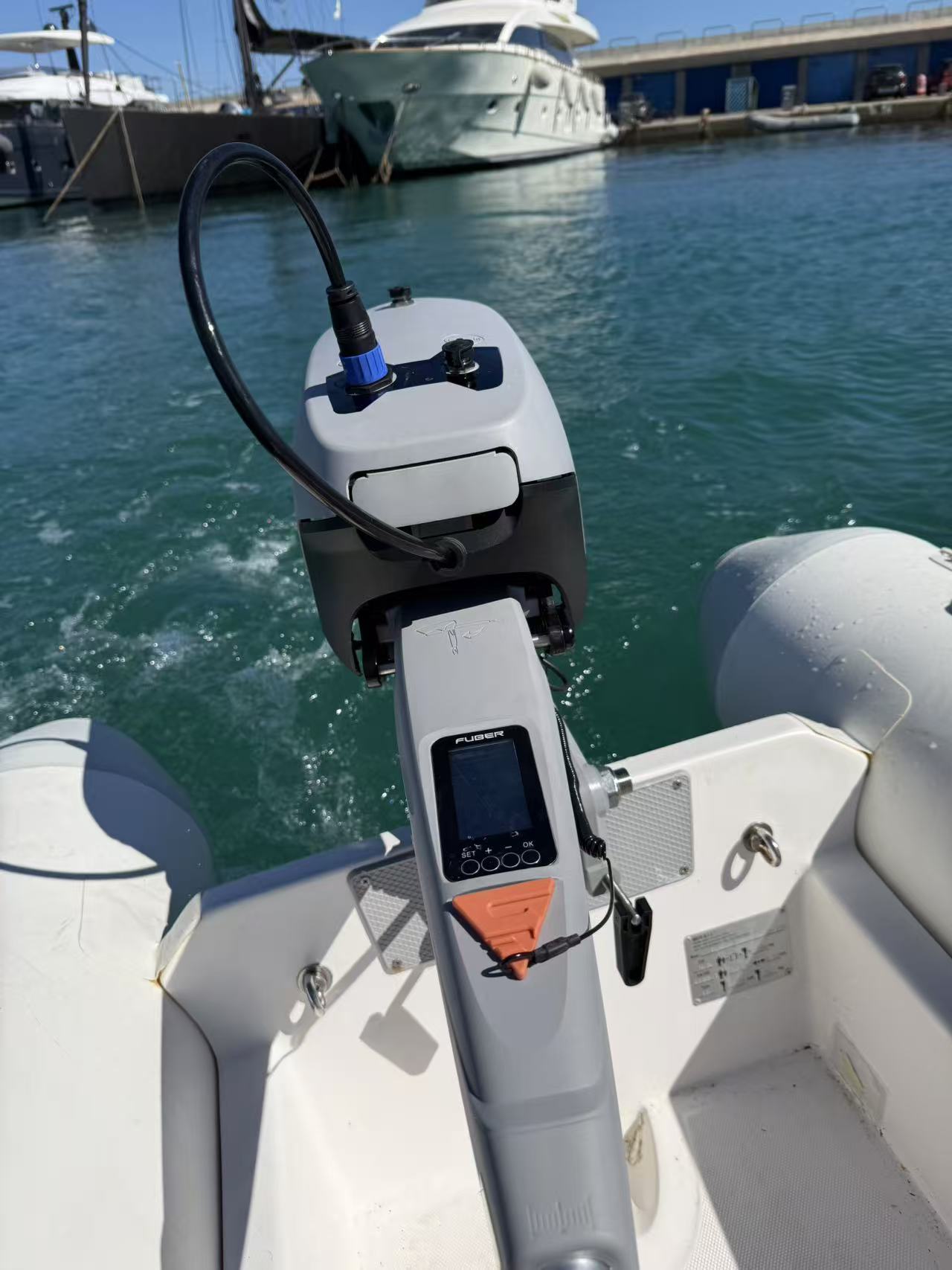
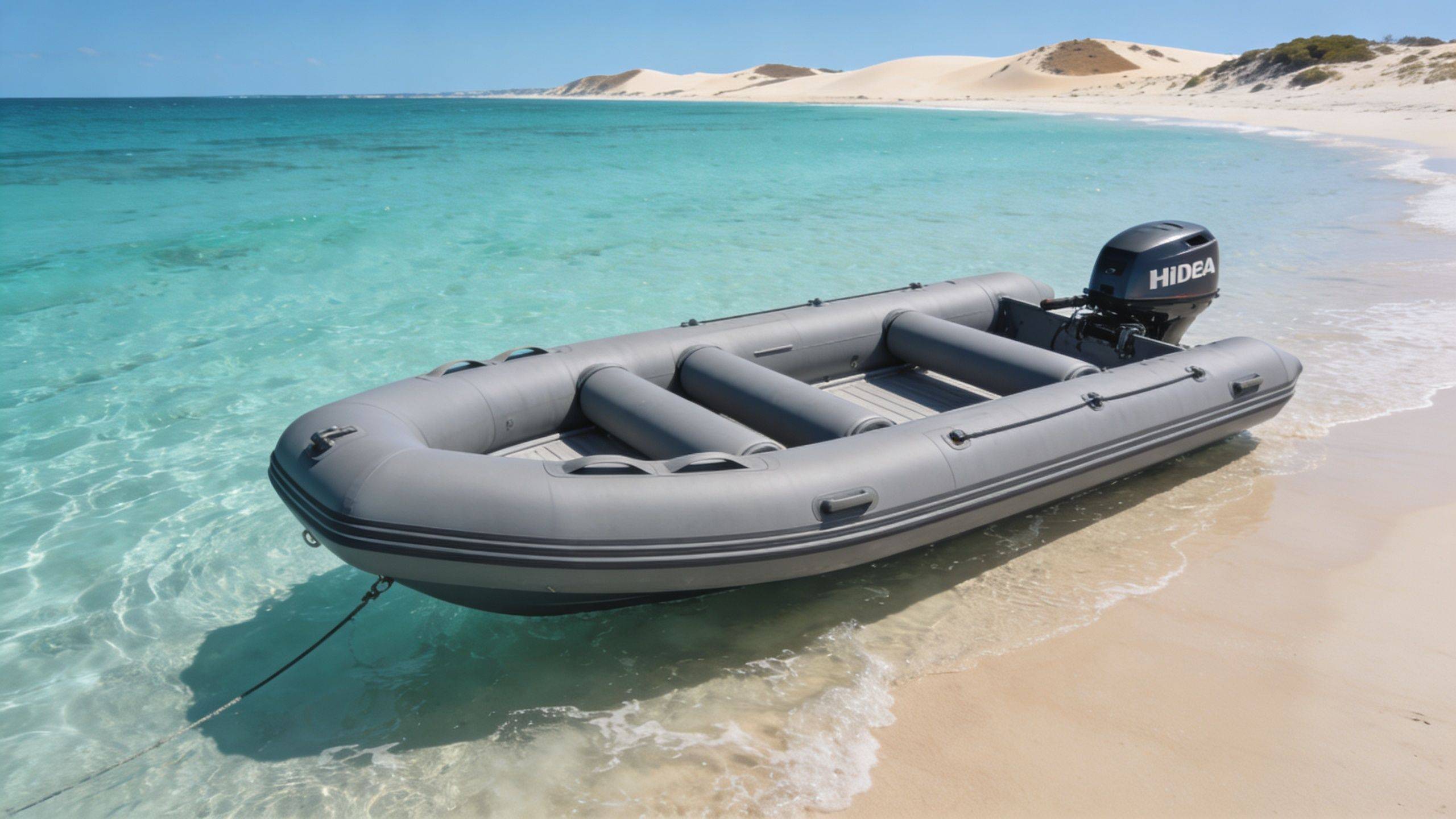
For owners who want a matched, dependable setup without piecing everything together themselves, Hidea outboard motors that offer strong value for Australian recreational boating are a sensible option. The range covers common inflatable sizes well, parts support is straightforward, and the pairing works for buyers who want a boat, motor, and ownership path that make sense from day one.
A useful overview is below.
INFLATABLE BOAT ⎸ What MOTOR should I BUY? - YouTube
Tap to unmute
INFLATABLE BOAT ⎸ What MOTOR should I BUY? Stryker Boats

Stryker Boats8.73K subscribers
Good pairings feel calm and predictable. The boat lifts properly, carries load without drama, and stays practical to tow, launch, register, and maintain in Australian conditions. That is the setup worth owning.
The Easy Inflatables Advantage Packages vs Custom Builds
Most buyers don’t struggle with whether they want a boat. They struggle with how they want to buy one. There are two sensible paths. Buy a ready-made package that removes the guesswork, or build a setup around your exact use.
Both approaches can work well. The better choice depends on how specific your needs are.
Packages suit buyers who want fewer decisions
A package works when you want a matched rig without researching every component separately. Boat, motor, pump, cover options, rod holders, and practical extras come together in one buying decision.
That’s usually the right move for:
- First-time owners who don’t want to piece together a setup from multiple suppliers
- Families who want a straightforward weekend-ready boat
- Fishing buyers who want useful accessories sorted from day one
- Anyone short on time who’d rather avoid compatibility guesswork
A package also gives you a clearer view of total ownership from the start. You know what’s included. You know what still needs to be added. You don’t end up buying the boat first and then chasing half the setup afterwards.
Custom builds suit buyers with a defined brief
Some owners know exactly what they want. Yacht tender dimensions. Specific colour choices. A certain tube material. A particular motor pairing. Storage constraints in a caravan locker. Fitout preferences for fishing or dive use.
That’s where production boats versus custom inflatable boats becomes a useful buying distinction. Off-the-shelf is often faster and simpler. Custom is about fit, not novelty.
One practical example is Easy Inflatables, which offers both package-based setups and custom configurations across inflatable boats, catamarans, RIBs, accessories, and Hidea outboards, along with local after-sales support, Australia-wide shipping, and warranties described by the business as part of the ownership process.
What usually works best
If you’re buying your first inflatable, a package is often the lower-risk path. It reduces mismatched components and gets you on the water faster.
If you already know your launch routine, storage space, and operating style, custom can make more sense. Especially for yacht owners, regular anglers, and buyers trying to optimise deck layout, fabric choice, or transport footprint.
A simple decision filter helps:
| Buying Path | Usually Right When | Main Benefit | Main Trade-off |
|---|---|---|---|
| Package | You want a ready-to-use setup | Convenience and cleaner decision-making | Less tailoring |
| Custom build | You have specific use requirements | Better fit to your exact brief | More choices to manage |
The wrong way to buy is to chase the lowest ticket price and ignore what still needs to be added. That’s how cheap boats become expensive setups.
Australian Boating Rules Registration and Maintenance Essentials
You buy the boat in summer, get a few cracking days on the water, then the admin and upkeep start catching people out. In Australia, the long-term cost of ownership usually comes down to three things. Registration, storage, and how well the boat is protected from UV and salt.
Registration depends on where and how you use the boat
There is no single Australia-wide rule for inflatable boats. Registration, safety gear, and licence requirements vary by state and territory, and the trigger point can depend on engine size, vessel length, or where you operate.
The practical way to handle it is to sort the paperwork before delivery, not after the first launch.
Use this checklist:
- Check your state maritime authority if your boat or motor is close to a registration threshold.
- Confirm the motor rules as well as the hull rules. Buyers sometimes check the boat and forget the outboard changes the legal position.
- Ask about trailer registration if the boat will travel inflated or on a trailer regularly.
- Record serial numbers and purchase documents for the hull, motor, and trailer from day one.
Interstate travel adds another layer. If you tow the boat between Queensland, New South Wales, Victoria, South Australia, Western Australia, Tasmania, the ACT, or the NT, check how long your home registration is recognised before local rules apply.
Maintenance decides whether the boat stays affordable
A cheap boat that is poorly looked after becomes expensive fast. A well-made inflatable with sensible care will usually give far better value over time, especially in Australian conditions.
Guidance on inflatable boats for sale in Australia notes that ownership cost is shaped by practical items such as UV protection, saltwater cleaning, storage, and timely repairs. That matches what I see with owners across the country. The boats that hold up best are the ones that get rinsed, dried, covered, and checked regularly.
Do the basics every trip:
- Rinse after saltwater use. Wash tubes, fittings, floor, transom, and the motor mounting area.
- Dry the boat before storage. Moisture left in folds or under flooring leads to mould, corrosion, and glue stress.
- Protect it from sun. Australian UV is hard on tubes, handles, seats, and covers.
- Inspect wear points often. Check seams, valves, handles, transom joins, keel areas, and underside contact patches.
- Fix small damage early. A minor rub point or lifting patch is far simpler and cheaper to repair before it spreads.
Salt rarely ruins an inflatable in one outing. Months of sun, poor storage, and skipped cleaning cause the primary damage.
Habits that shorten the life of an inflatable
A few mistakes come up again and again. Leaving the boat inflated in full sun for long periods. Dragging it across ramps, gravel, or oyster-covered edges. Packing it away wet after a weekend trip. Ignoring a slow leak because the boat still feels usable.
Those habits cost owners time and money later.
Good ownership is not complicated. Buy the right setup, keep the paperwork straight, and stay on top of the simple maintenance jobs that matter in Australian conditions. That is where long-term value shows up, and it is one reason many buyers prefer a supplier like Easy Inflatables that can help with the full ownership picture, not just the sale.
Frequently Asked Questions About Buying an Inflatable Boat
Can I hire an inflatable boat in Australia before I buy
You can in some parts of Australia, particularly in tourism-heavy coastal areas where operators run short-term hire boats or guided trips. It is a useful way to check size, ride comfort, launch effort, and onboard space before spending money on your own setup.
Hire availability is patchy, though. Some businesses only offer skippered experiences, and many fleets are built around kayaks, tinnies, or rigid boats rather than inflatables. If you are serious about buying, a better approach is often to speak with a supplier who can walk you through the complete ownership picture, including storage, transport, registration, motor pairing, and after-sales support.
What safety gear do I need
The answer depends on your state, the type of water you use, and how far from shore you operate. Lifejackets are the obvious starting point, but many owners also need items such as an anchor, signalling gear, navigation lights, a fire extinguisher, or a waterproof means of communication.
Check the rules before the first trip, not at the ramp. For example, Transport for NSW sets out required safety equipment by vessel type and operating area at NSW recreational boating safety equipment requirements. Other states have their own requirements, and they are not always identical.
How do I compare prices and features properly
Start with total ownership cost. The cheap headline price means very little if the boat needs a better floor, extra seating, a trailer solution, upgraded fittings, or a motor that does not suit the hull.
I tell buyers to compare five things side by side. Tube material, construction quality, what is included in the package, warranty support in Australia, and how easy it is to get parts or advice later. That is where the key difference shows up.
A well-chosen package from Easy Inflatables often saves money over the life of the boat because the setup is matched properly from day one. You are not left sorting out missing accessories, underpowered motors, or support from overseas sellers who disappear once the invoice is paid.
Are inflatable catamarans worth considering over standard inflatables
For plenty of Australian buyers, yes. Catamarans make sense when stability is high on the list, especially for fishing, family boating, diving, or any use where people move around onboard a lot.
The trade-off is that they are not always the lightest or simplest option for every owner. A standard SIB or RIB can still be the better fit if compact storage, lower cost, or easier handling matters more. The right choice comes back to how you use the boat, not what looks good in a spec sheet.
How long does delivery usually take
That depends on whether the boat is in stock, whether you are buying a package or a custom build, and where you live. Metro deliveries are usually easier to turn around than remote freight.
Ask for lead times before you commit, especially if you want the boat for a holiday, fishing trip, or summer break. In my experience, buyers are happiest when the full package is confirmed upfront, including boat, motor, accessories, and any registration paperwork they need to sort out next.
Is financing available
Sometimes, yes. It depends on the seller and the finance options they work with.
The main point is to look past the monthly repayment. Compare the full spend across the term, including the boat, motor, accessories, servicing, and anything else needed to get on the water legally and reliably. A straightforward package purchase is often the cleaner option for buyers who want certainty around total cost.
If you’re narrowing down inflatable boats for sale australia, the easiest next step is to match the boat to your real use case, then get advice on the right package or custom setup. Browse the range at Easy Inflatables and choose a boat that fits how you’ll boat in Australia.
Share the post now
Set Sail with Easy Inflatables
Experience the ultimate freedom on the water with our top-quality inflatable boats and accessories. Easy Inflatables is your trusted partner, providing everything you need for a safe and unforgettable adventure.
Categories
- Accessories & Gear (84)
- Adventure Destinations (63)
- Boat Accessories & Setup (25)
- Boat Comparisons (7)
- Boat Trailers (12)
- Boating Safety Gear (5)
- Catamaran Boats (12)
- Customer Stories & Experiences (4)
- Inflatable Boat Guides (47)
- Inflatable Boats & Kayaks (149)
- Inflatable Catamarans (12)
- Maintenance & Care (114)
- Outboard Motors (53)
- Outdoor Activities (26)
- Product Comparisons & Reviews (108)
- Setup & Safety Tips (52)
- Special Offers & Promotions (2)
- Sustainability Tips (13)
- Types of Boats (47)
Related Post
Your Guide to the Best Waterproof Battery Box of 2026
Sea Trail Boat Trailers A Complete Australian Guide
Choosing the Best Electric Trolling Engine: 2026 Guide
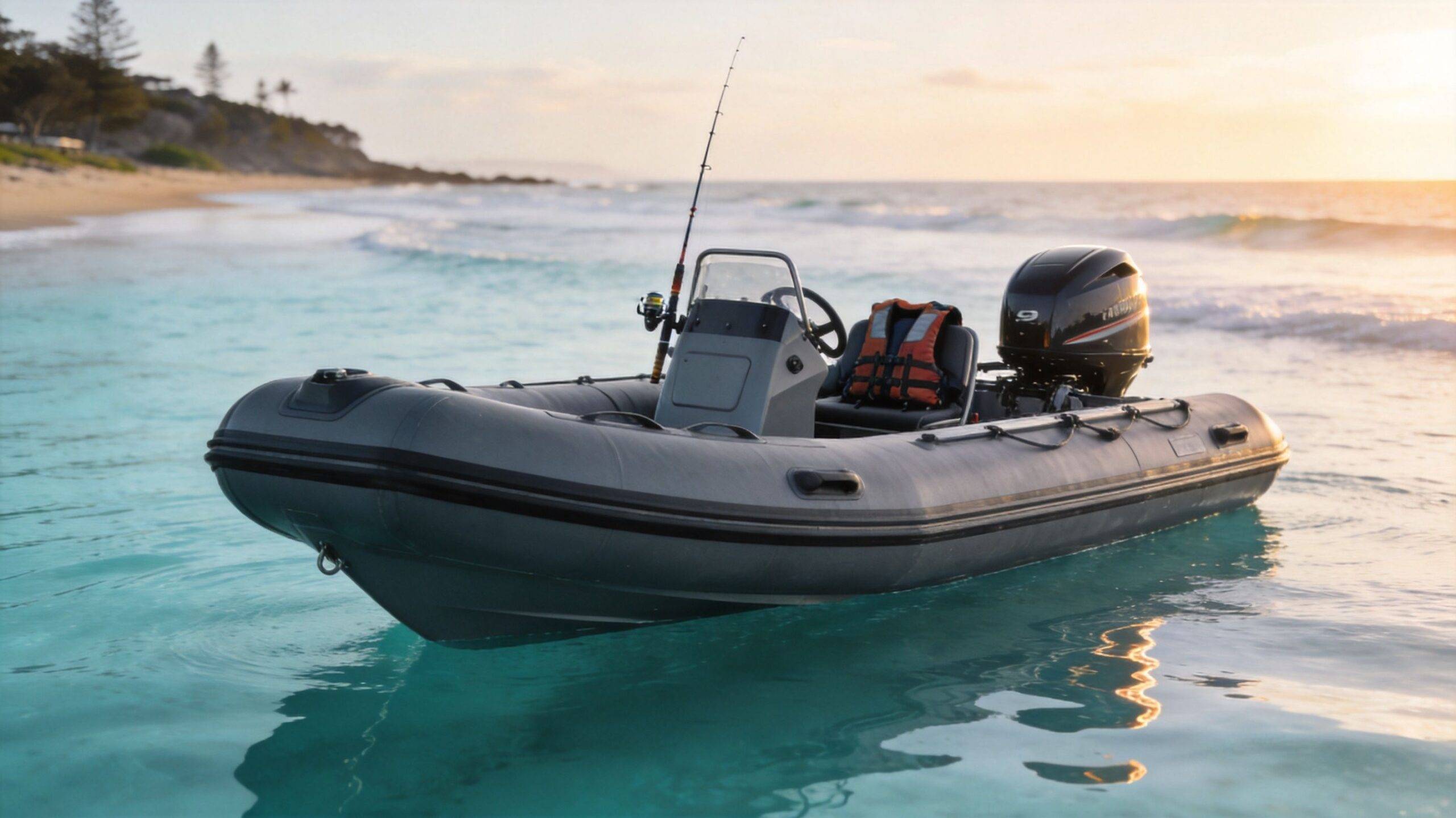
Inflatable Motorised Boat A Buyer’s Guide for Australia
Stay Connected
Join our community of water adventure enthusiasts! Sign up for Easy Inflatables' monthly newsletter for exclusive tips, product updates, and insights to make the most of your outdoor adventures.
Shop gear featured in this guide
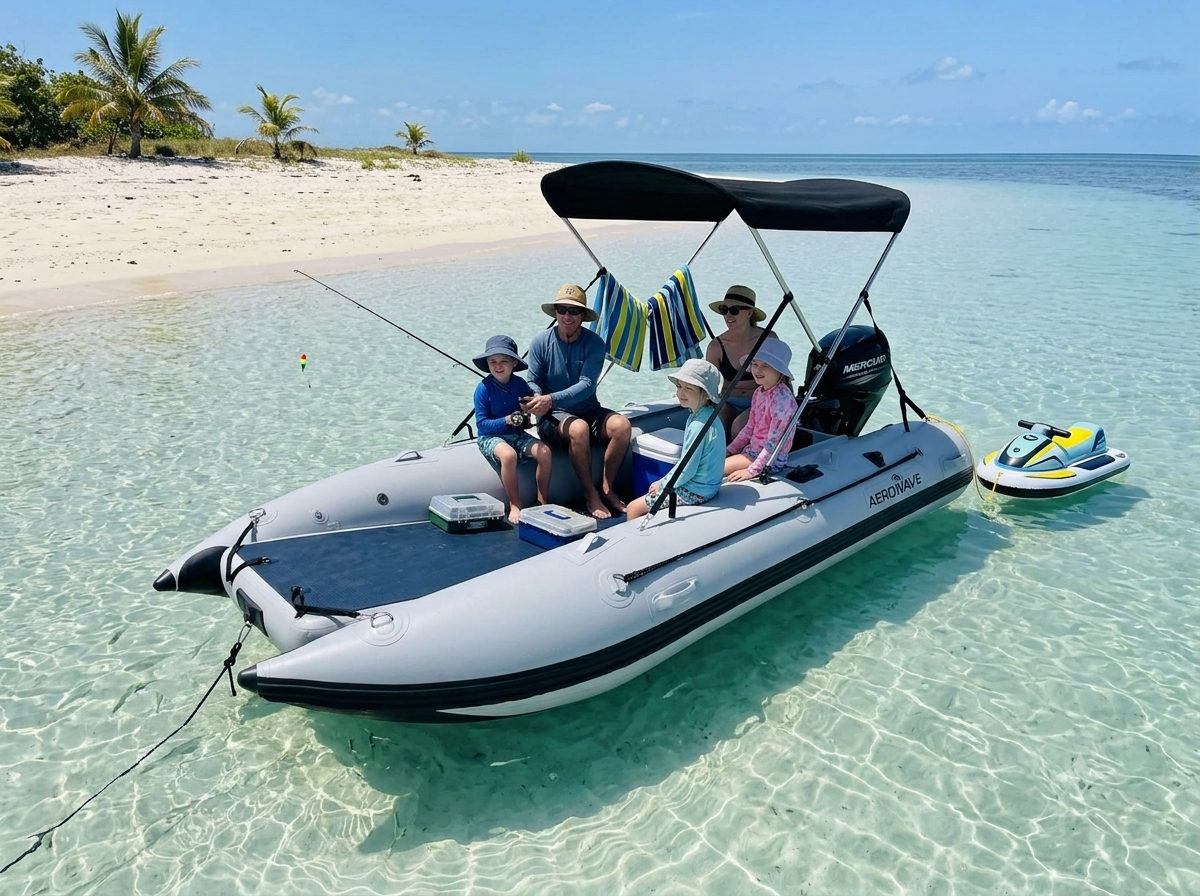
Aerowave WaveRunner 380 Series 3 Catamaran Package
The WaveRunner 380 Series 3 is a premium 3.8m inflatable catamaran package built for Australian and worldwide families, fishing, and coastal day boating — ideal for snorkeling and spearfishing — offering serious stability and premium German Valmex® construction.
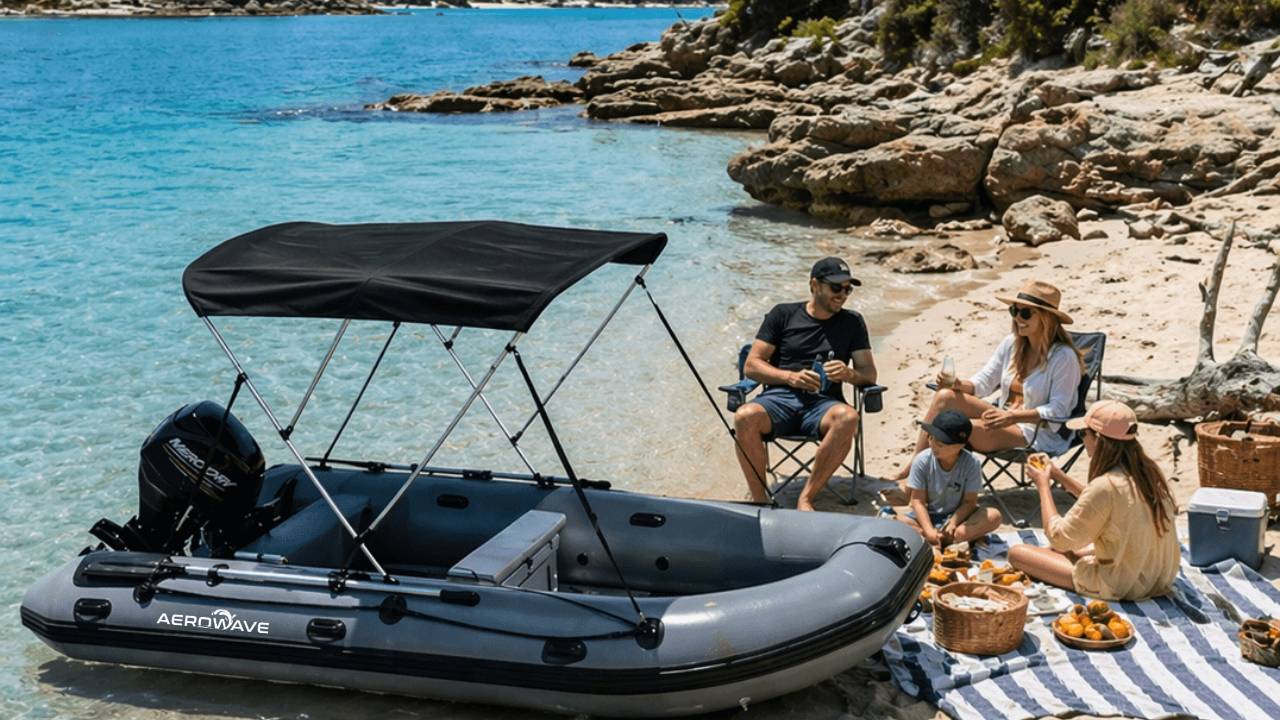
Aerowave Viper 400 Sovereign
Flagship 4m enclosed-bow inflatable catamaran. German VALMEX® 7321 Heavy Plus 1.2mm commercial-grade fabric, 10 PSI high-pressure drop-stitch air deck floor with VALMEX non-slip surface, LockPro wheels, full Bimini and FREE express delivery Australia-wide delivery included. Winter special — save $1,000 until 31 August 2026.
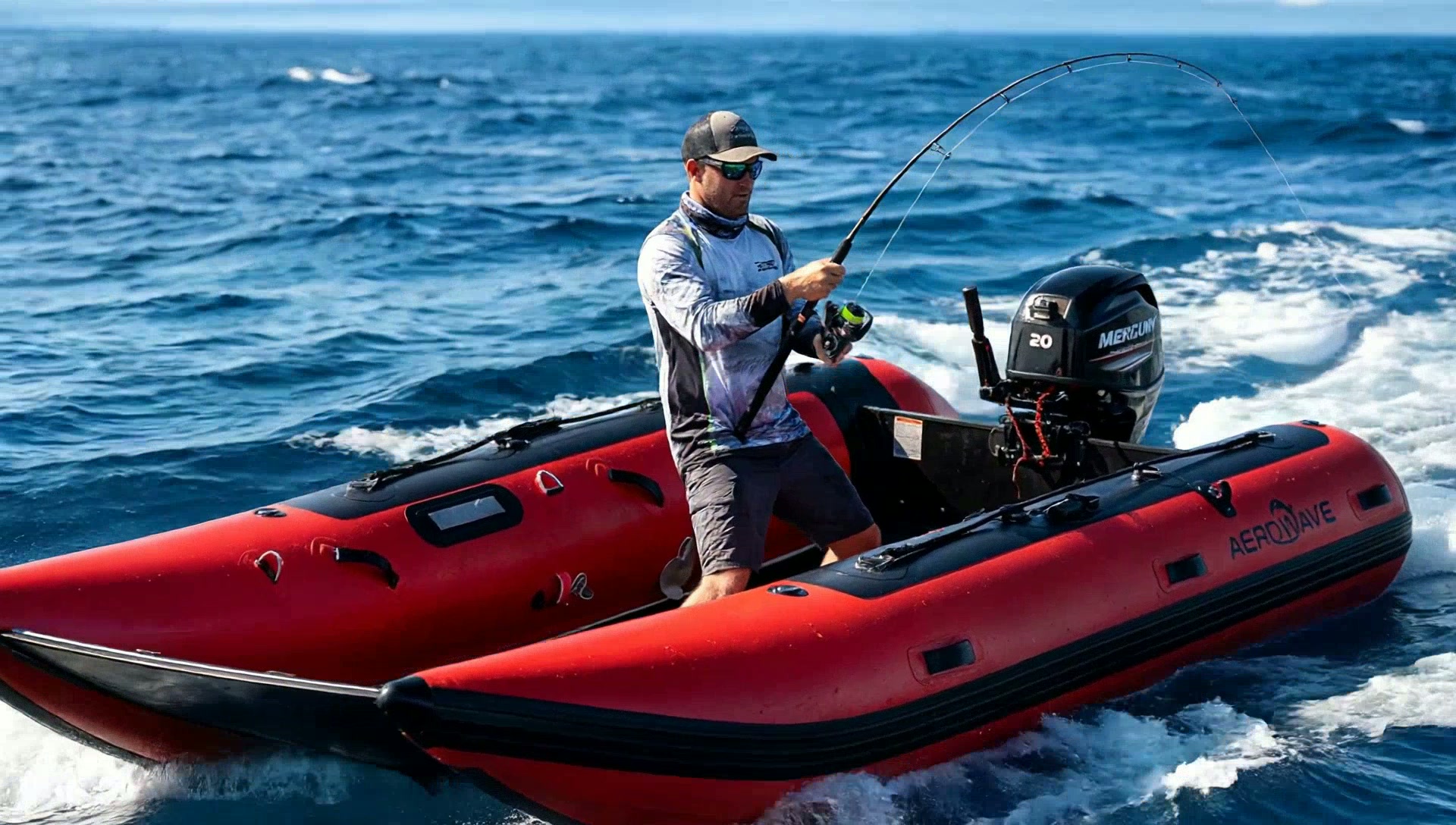
AeroWave AeroCat 360 Inflatable Catamaran
Same proven hull design, shape and look as our flagship Aerowave Viper catamarans — built lighter using 0.9mm Valmex® fabric instead of the Viper's 1.2mm. The AeroWave AeroCat 360 is our 3.6m inflatable catamaran built from 0.9mm Valmex® fabric — intentionally lighter than our 1.2mm Viper hulls so it folds smaller, packs lighter and is easy to handle solo. Twin-hull stability, 5-Year Warranty with global support and priced ~$500 below comparable 0.9mm imports.
Not sure which suits you? Talk to a real boat owner.
Ready to set sail?
Premium German-fabric inflatable catamarans with FREE Sea Freight or Express Air Delivery — your choice at cart. Talk to our team or browse the fleet.
Like this guide? Get the next one in your inbox.
Owner-tested tips, gear deep-dives and Aussie boating know-how — no spam.