Choosing The Right Motor For Inflatable Boats
Discover the perfect motor for inflatable boats with our guide. We compare electric vs petrol, find the right horsepower, and highlight top value brands.
Choosing The Right Motor For Inflatable Boats
Choosing The Right Motor For Inflatable Boats
Picking the right motor for inflatable boats is what turns your humble vessel into a proper powerhouse. It’s the difference between being stuck paddling in a small bay and having the freedom to explore coastlines, chase fish, or just enjoy a day on the water with family. The best motor for you comes down to your boat’s size, what you plan to do with it, and whether you want the grunt of petrol or the quiet hum of an electric.
Your Guide To Powering An Inflatable Boat
Think of a motor as the heart of your inflatable boat. It dictates what your boat can do and what your experience on the water will feel like. This guide will walk you through everything you need to know to make a smart, confident choice.
Getting it right is all about understanding a few key concepts, which we’ll break down step-by-step. Whether you’ve got a small tender, an inflatable catamaran, or a bigger beast like the ones in our guide to rigid hull inflatables, the fundamentals are the same.
Key Decisions You Will Face
Before getting lost in the technical jargon, it helps to think about the big-picture choices that will narrow down your options. Each one plays a huge role in your boat’s performance, safety, and how much fun you’ll have.
We’re going to cover these three essential topics:
- Petrol vs Electric Power: This is your first and biggest decision. Petrol gives you serious power and range, while electric offers whisper-quiet, eco-friendly operation that’s perfect for sneaking up on fish or cruising in sensitive areas.
- Horsepower (HP) Needs: This isn’t just about going fast. The right amount of horsepower makes sure your boat can handle currents and carry your gear safely without being so powerful it overpowers the hull.
- Shaft Length: This is a crucial detail that’s easy to overlook. Matching the motor’s shaft length to your boat’s transom height is absolutely vital for performance and efficiency. Get this wrong, and your motor will never run properly.
For many Aussie boaters, the sweet spot is a motor that balances solid performance with real value. It needs to be reliable without the premium price tag of the big brand names, making boating more affordable for everyone.
This is where a brand like Hidea really shines. Hidea Outboard Engines have become a fantastic option, giving Aussie boaters a dependable and cost-effective way to power up their adventures. Once you get these core concepts down, you’ll be ready to pick the perfect motor for your inflatable.
Decoding Motor Types: Petrol Vs Electric
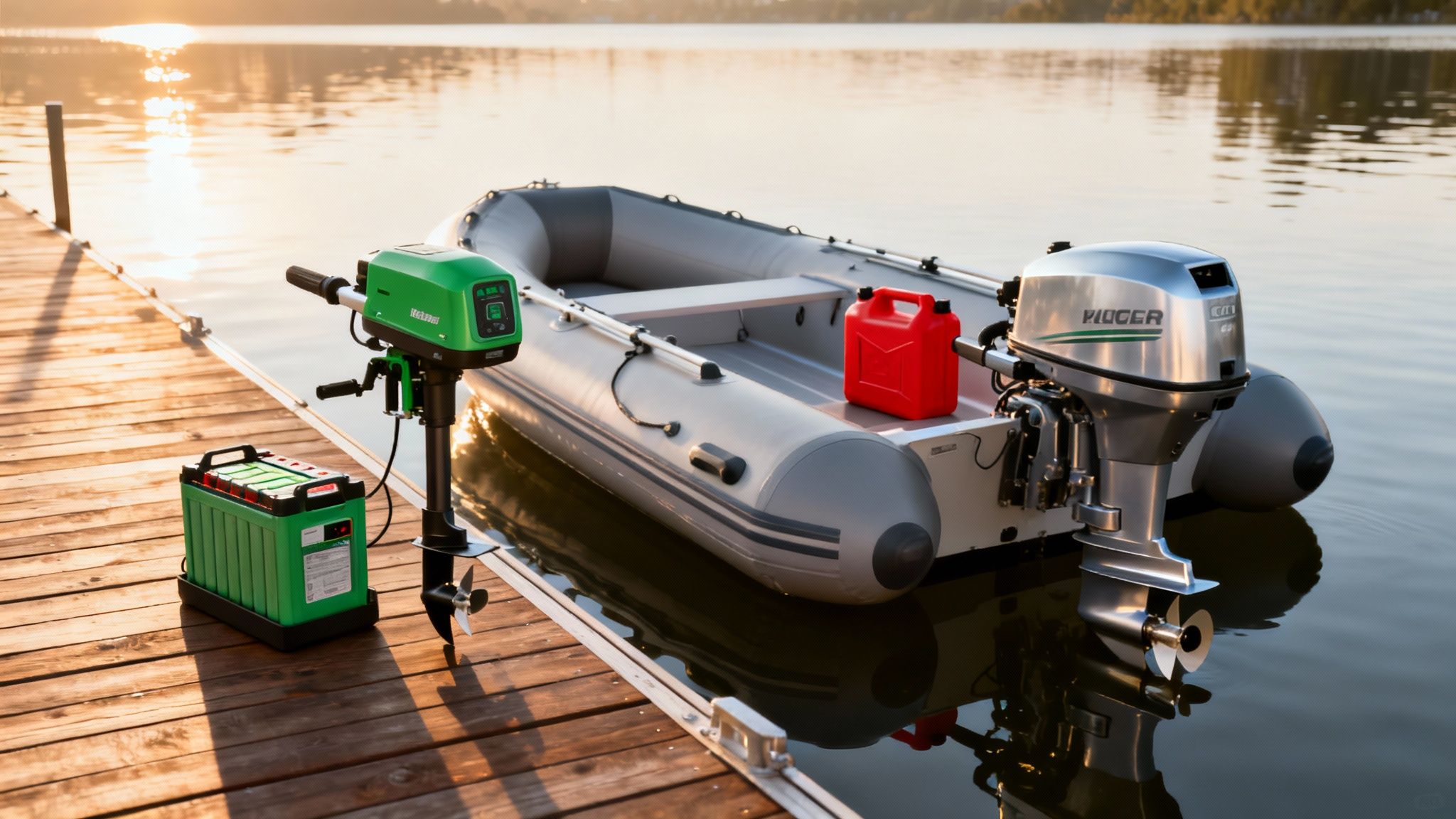
When it comes to choosing a motor for an inflatable boat, you’re facing the biggest decision in your setup: traditional petrol power or modern electric efficiency. Think of it like picking a car. A petrol engine gives you raw power and the freedom to go the distance, perfect if you plan on covering a lot of water. On the flip side, an electric motor offers a quiet, eco-friendly ride—ideal for sneaking up on fish or enjoying the serenity of a calm waterway.
This choice really defines what your days on the water will look and feel like. Petrol engines, especially the 4-stroke models, are the workhorses known for their muscle and can be refuelled in minutes. If you’re leaning this way, having safe and reliable dedicated fuel storage solutions is a must.
But there’s a quiet revolution happening, and electric motors are making serious waves here in Australia. While the small boat sector saw a small dip in imports recently, the overall market is healthy and growing, thanks to the boom in recreational fishing and water sports. The push for greener boating is having a real impact, with electric outboards grabbing 12% of the market share in 2024. That’s a massive jump from just 2% in 2020, driven partly by government incentives.
Weighing Your Options
To make things simpler, let’s break down the real-world differences. Each motor type has its own set of pros and cons, from the upfront price and performance to the ongoing upkeep and environmental footprint. Getting clear on these will help you nail down the perfect match for your adventures.
A quick side-by-side comparison often cuts through the noise. Just think about where you’ll be boating, how far you want to go, and what your budget looks like for both the initial purchase and the running costs down the track.
For many boaties, it all boils down to a simple trade-off: the immediate grunt and convenience of petrol versus the silent, clean, and ridiculously simple operation of an electric motor. Your personal preference for noise, maintenance, and your environmental footprint will ultimately steer your decision.
We’ve put together a table below to help you compare them head-to-head. And if you’re keen to dive deeper into battery-powered options, our in-depth guide on electric boat motors in Australia has all the details you need.
To help you decide, here’s a straightforward comparison of what each motor type brings to the table for inflatable boat owners.
Petrol vs Electric Motor Comparison for Inflatable Boats
| Feature | Petrol Outboard (4-Stroke) | Electric Outboard |
|---|---|---|
| Performance | Higher top speeds and greater power for heavier loads. Ideal for covering long distances and tackling strong currents. | Instant torque for quick acceleration but lower top speeds. Best for calm waters, trolling, and shorter trips. |
| Range | Excellent range, limited only by how much fuel you can carry. Quick to refuel and get back on the water. | Limited by battery capacity. Recharging takes several hours, and spare batteries can be heavy and pricey. |
| Upfront Cost | Generally a higher initial purchase price, especially for well-known brands. | Often a lower upfront cost for the motor itself, but high-quality lithium batteries can add significantly to the total price. |
| Running Costs | Ongoing costs for fuel and oil. Requires regular servicing, including oil changes and spark plug replacements. | Very low running costs; electricity is much cheaper than petrol. Minimal maintenance needed. |
| Noise & Emissions | Louder operation and produces exhaust emissions. Some waterways have restrictions on petrol motors. | Virtually silent operation and zero emissions, making it eco-friendly and perfect for wildlife viewing or quiet fishing spots. |
Ultimately, the right motor is the one that fits how you use your boat. A powerful petrol outboard might be perfect for long coastal runs, while a whisper-quiet electric motor is the undisputed champion for exploring serene lakes and rivers without leaving a trace.
Calculating The Right Horsepower For Your Boat
Picking the right horsepower (HP) for your inflatable isn’t just about speed—it’s about finding that sweet spot between performance, safety, and efficiency. Get it wrong, and you’re in for a frustrating day. Too little power, and you’ll be fighting every gust of wind and current. Too much, and you’ve got a dangerous, potentially illegal setup that could wreck your boat’s transom.
How Much Horsepower Do I Need For My Boat? - YouTube
Tap to unmute
How Much Horsepower Do I Need For My Boat? Formula Boats
Formula Boats2.93K subscribers
Nailing this choice means every trip is smooth, safe, and exactly what you hoped for. The goal is a motor that works with your boat, not against it.
Find Your Boat’s Capacity Plate
First things first: find the Australian Builders Plate or capacity plate on your boat. This is your non-negotiable starting point. It’s a small metal or plastic plate, usually fixed to the transom or near the helm, and it holds the manufacturer’s official safety limits.
Pay close attention to two numbers on that plate:
- Maximum Horsepower (HP) Rating: This is the absolute ceiling. It’s the most powerful motor your boat was designed to handle safely.
- Maximum Weight Capacity: This covers the total weight of everyone on board, all your gear, and the motor itself.
Ignoring these ratings is a huge safety risk. An overpowered boat can become incredibly unstable and difficult to control. In a worst-case scenario, it can cause the transom to fail completely. Treat the capacity plate as the final word, always.
Consider Your Total Load And Use
While the plate tells you the maximum HP, your ideal power might be a bit less. Think about what you’ll actually be doing. Are you planning on lazy cruises around a calm lake, or do you need enough grunt to get on a plane and zip across the bay?
Your total weight is a massive factor here. You need to account for everything:
- The boat’s own weight.
- The weight of all your passengers.
- All your gear—think fishing tackle, coolers, and safety equipment.
- The weight of the motor and a full tank of fuel.
A boat loaded up with four people and camping gear for the weekend will need a lot more punch than one carrying a solo angler with a single rod. A good rule of thumb is to aim for a motor that’s at least 75% of the maximum rated HP, especially if you plan on carrying heavy loads or want your boat to get on a plane reliably.
For many inflatable owners, a 20 HP outboard engine hits that perfect balance of power and efficiency. It gives you enough power in reserve for when you need it, without pushing the structural limits of your boat.
Matching Shaft Length To Your Transom
It’s one of those details that’s easy to miss but absolutely critical: matching your motor’s shaft length to your boat’s transom height. Getting this wrong is like trying to run a marathon in boots two sizes too big—it just won’t work properly. An incorrect fit will seriously mess with your boat’s performance, create handling headaches, and could even damage your gear.
This simple measurement is all about making sure your propeller sits at the perfect depth to get maximum bite and efficiency in the water.
Read the full guide at easyinflatables.com.au
Shop gear featured in this guide
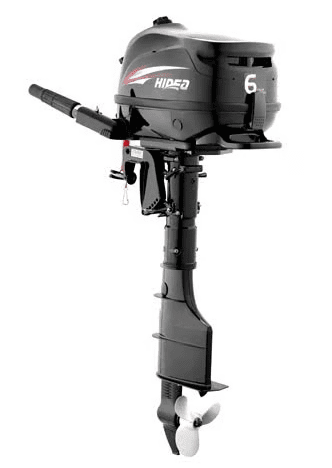
Hidea 6HP 4-Stroke Outboard
The 6HP 4-Stroke is built for tenders, skiffs and smaller inflatable boats. Quiet, easy to handle and reliable everyday power.
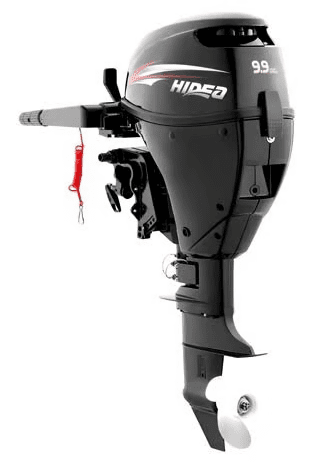
Hidea 9.9HP 4-Stroke Outboard
Twin-cylinder smoothness for dinghies, inflatables and small aluminium boats. A confident step-up from 6HP.
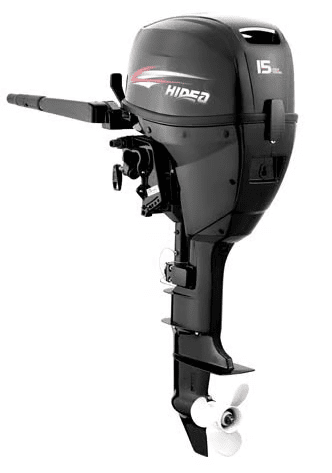
Hidea 15HP 4-Stroke Outboard
Strong, dependable mid-range power for bigger inflatables, tenders and small runabouts.
Not sure which suits you? Talk to a real boat owner.
Ready to set sail?
Premium German-fabric inflatable catamarans with included sea freight to major metro capital-city corridors. Talk to our team or browse the fleet.
Like this guide? Get the next one in your inbox.
Owner-tested tips, gear deep-dives and Aussie boating know-how — no spam.