What to Look For in an Inflatable Boat Warranty (The Questions Aussie Sellers Won't Answer)
Understanding an inflatable boat warranty in Australia can be tricky. We unpack the differences between structural hull and accessory warranties, what voids them, and why seam construction matters for your peace of mind.
At a glance
Understanding an inflatable boat warranty in Australia can be tricky. We unpack the differences between structural hull and accessory warranties, what voids them, and why seam construction matters for your peace of mind.
- Structural Hull Warranty: The Backbone of Your Boat
- Accessory Warranty: The Finer Details
- What Voids Your Inflatable Boat Warranty?
- Welded Seams vs. Glued Seams: The Core of Longevity
What we'd put you in
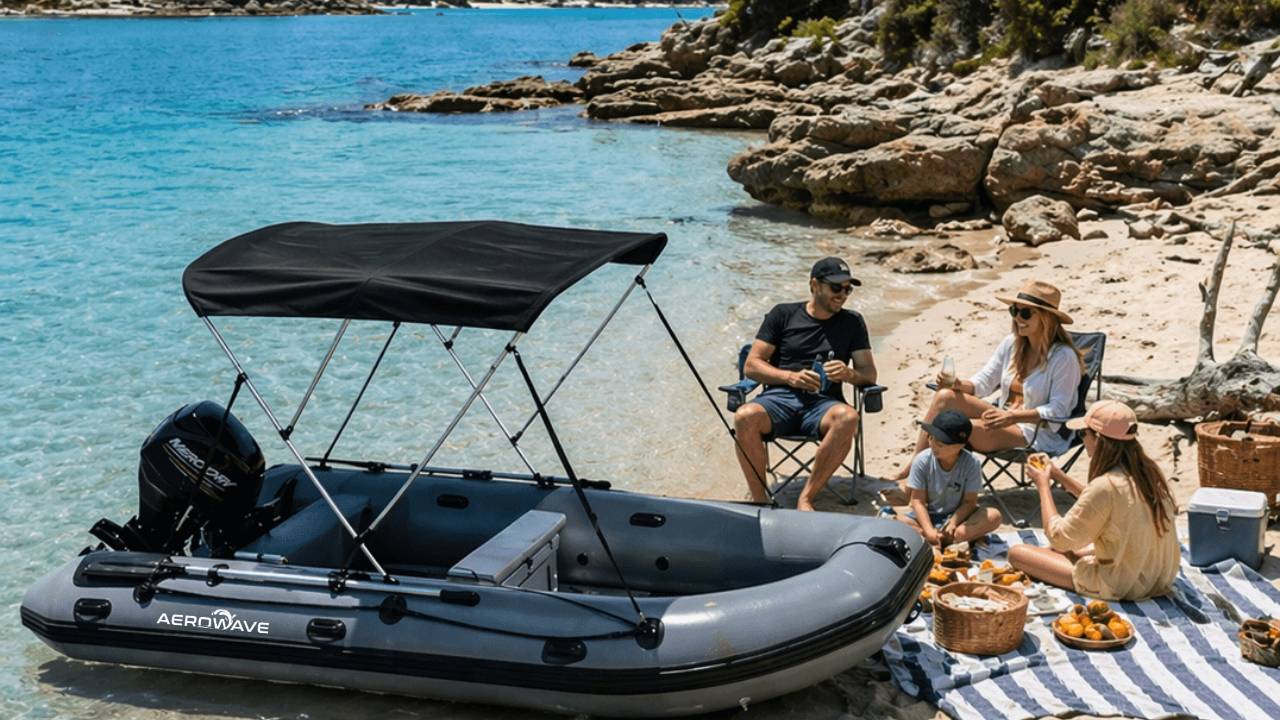
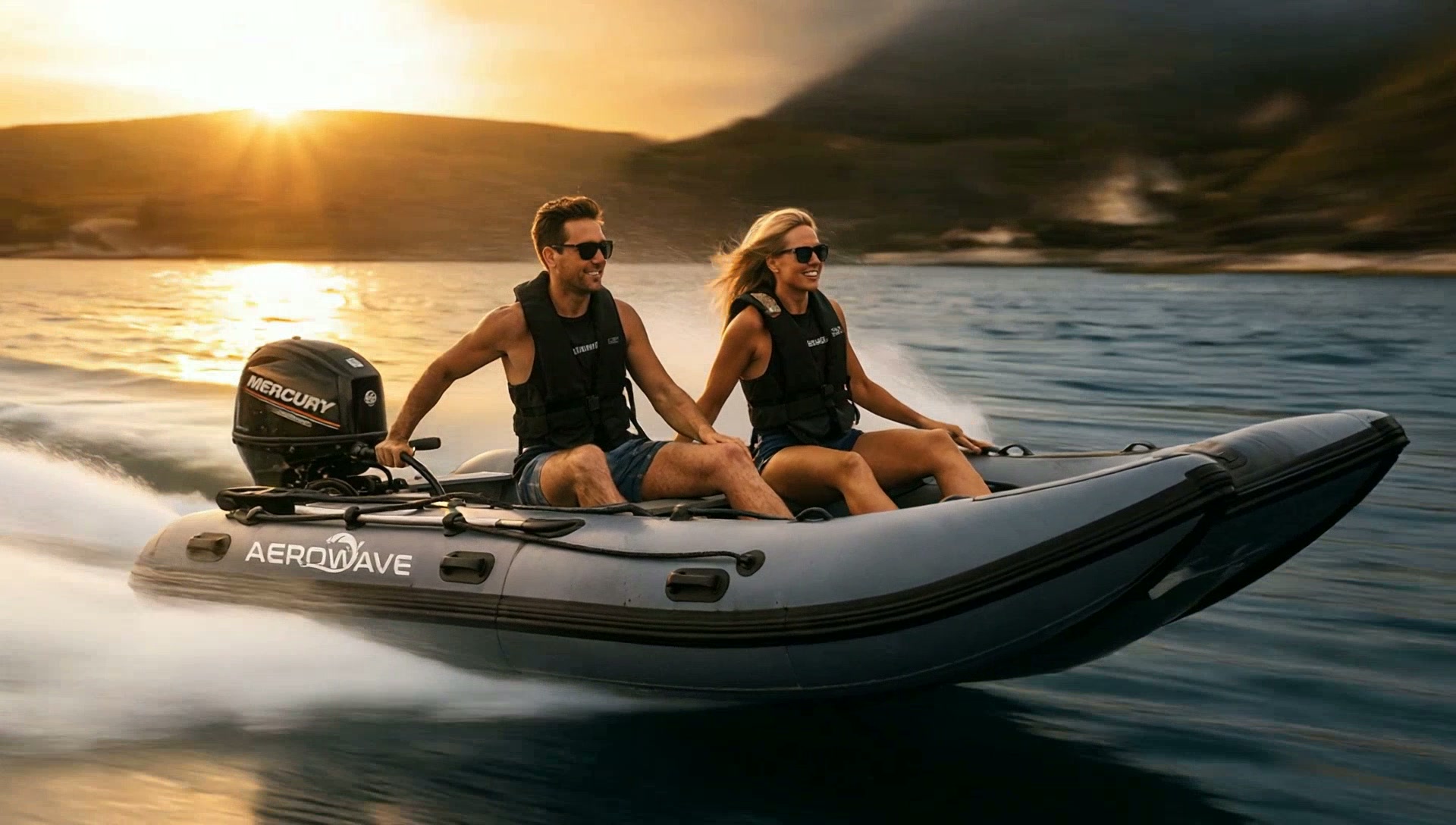
Aerowave Viper 400 Sovereign
Our best-selling boat: 4.0 m, 1.2 mm VALMEX hull, 7-year hull warranty.
US$3,167 USD
Delivered to your door, today's rate
- Free freight to United States · local taxes payable on arrival
- 7-year hull warranty
🇺🇸 Shipping to United States · landed price quoted in writing
Yes — we ship the Aerowave Viper 400 Sovereign to United States. Here's the landed price.
Our best-selling boat: 4.0 m, 1.2 mm VALMEX hull, 7-year hull warranty.
Written for Australian readers — but the boat ships to you. We are an Australian builder and this article is written from Australian waters. That changes nothing about what you can order: the same hull, the same 7-year warranty and the same certification go out to United States every week.
Aerowave Viper 400 Sovereign
- Boat package (export price)
- US$3,726
- 15% tariff relief credit
- − US$559
- Express air freight to United States
- Included
- Import duty, taxes & customs clearance
- Payable on arrival
- Estimated landed, USD
- US$3,167
Indicative, converted at today's rate, before local duty and tax on arrival. Ask below and we'll put a fixed figure in writing, valid 30 days.
- 7-year hull warranty
- 1500 GSM / 1.2 mm VALMEX® Heavy Plus hull
- CE certified to ISO 6185-3 and EU Directive 2013/53/EU
- Door-to-door, tracked the whole way
Your price, delivered to your door — freight included.
We email the full PDF quote (spec, freight, finance, WavePay) to your inbox in under 60 seconds. No spam — one quote, one follow-up.
See it for yourself
Real boats. Real owners. Real people behind them.
Plenty of what you read online these days is generated. Check us out properly — the factory, the reviews and the owners are all one click away. Why we use AI, and how to check we’re real
How our boats are built
Walk the production line: thermo-welded seams, 1.2 mm VALMEX Heavy Plus hulls, over-pressure relief valves on every chamber.
See the buildGoogle Maps reviews
Real Australian owners, five stars, published on our Google Business Profile with the map — read them there, not just on our own site.
Open Google Maps reviewsOwner stories
Boats in use — offshore, on rivers, on rescue duty. Photos and words from the people who actually own them.
Read owner storiesWhat to Look For in an Inflatable Boat Warranty (The Questions Aussie Sellers Won't Answer)
Buying an inflatable boat in Australia is a significant investment, whether it's for fishing, family fun, or as a tender. Like any major purchase, understanding the warranty is crucial. However, when it comes to inflatable boat warranty Australia, many sellers are vague or sidestep the tougher questions. This guide aims to equip you with the knowledge to read between the lines, ask the right questions, and protect your investment.
We'll delve into the nuances of what's typically covered, what isn't, and why some construction methods offer superior warranty longevity compared to others. Let's cut through the sales speak and get to the honest truth about protecting your pride and joy on the water.
Structural Hull Warranty vs. Accessory Warranty: Know the Difference for Your Inflatable Boat Warranty Australia
Not all warranties are created equal, and this is especially true in the inflatable boat market. You'll often see headline figures like "5-year warranty" or "3-year warranty", but what exactly do these cover? It's critical to distinguish between a structural hull warranty and an accessory warranty.
Structural Hull Warranty: The Backbone of Your Boat
This is perhaps the most important part of any inflatable boat warranty Australia. A structural hull warranty covers the integrity of the boat's main inflatable chambers and, crucially, the seams that hold them together. This includes defects in materials (like the PVC or Hypalon fabric itself) and workmanship that lead to air leaks or structural failure under normal use.
For an inflatable catamaran like our Aerowave Viper or AeroCat series, or a WaveRunner tender, the hull is the primary component. Issues here, such as a seam coming apart, are show-stoppers. A robust structural hull warranty gives you peace of mind that the core of your boat is protected for a reasonable period.
Easy Inflatables, for example, offers a 7-year structural hull warranty on the Aerowave Viper Series — 5 years standard plus extended years 6 and 7. This demonstrates confidence in the build quality and materials we use. When comparing, ask specifically: "Is this a structural hull warranty, or does it include accessories?"
Accessory Warranty: The Finer Details
Accessories are all the additional components that make your boat functional but aren't part of its primary air-holding structure. This can include:
- Transom: The rigid part where the outboard motor mounts.
- Flooring: Air decks, aluminium floorboards, or slatted floors.
- Valves: Air inflation/deflation valves.
- Oar locks and oars: Points for rowing and the oars themselves.
- Rub strakes: Protective rubber strips along the side of the tubes.
- D-rings and handles: Attachment points and grab handles.
- Pumps, repair kits, bags: Items supplied with the boat.
Accessory warranties are typically much shorter, often 1 to 2 years, because these components are subject to more wear and tear, UV degradation, or accidental damage. A common tactic is for sellers to advertise a 5-year warranty, which might only apply to the hull, while accessories are covered for just a year. Always clarify the split.
What Voids Your Inflatable Boat Warranty?
Understanding what can void your warranty is as important as knowing what it covers. Manufacturers are not obligated to cover damage resulting from misuse or neglect. Here are common culprits:
- Improper Use: Exceeding the maximum weight capacity, horsepower rating for your outboard, or number of passengers. Using the boat in conditions it wasn't designed for (e.g., heavy surf if it's a calm water boat).
- Inadequate Maintenance: Failing to clean and store the boat properly. Forgetting to rinse off saltwater, leaving it inflated under extreme heat/pressure, or not drying it before storage can lead to mould, mildew, or premature fabric degradation.
- Accidental Damage: Punctures, tears, or abrasion from sharp objects, rocks, or collisions. This is generally considered owner responsibility.
- Unauthorised Modifications or Repairs: Attempting do-it-yourself repairs with incompatible glues, using non-standard parts, or having repairs done by unapproved workshops can void your warranty.
- Exposure to Harmful Chemicals: Cleaning agents, fuels, oils, or solvents that are not marine-grade or are specifically prohibited by the manufacturer can degrade the fabric and seams.
- Prolonged UV Exposure: While quality PVC (like VALMEX®) has UV inhibitors, leaving your boat uncovered in direct Australian sun for extended periods without proper protection (like a boat cover or marine-grade UV protectant) will accelerate material degradation and may not be covered.
- Improper Inflation: Over-inflating the boat, especially in hot weather, can put excessive stress on seams and valves. Under-inflating can also cause stress in bumpy conditions.
Always read your warranty document thoroughly. It's your contract, and knowledge of its terms can save you headaches and expenses down the line.
Welded Seams vs. Glued Seams: The Core of Longevity
This is perhaps the most critical technical difference affecting an inflatable boat's durability and, consequently, its warranty prospects. Australian consumer protection is strong, but manufacturers have the right to decline claims based on poor construction vs. failure from misuse/neglect.
Hot-Air Welded Seams (or High-Frequency Welds)
Hot-air welding is a process where the fabric layers (usually PVC or similar thermoplastics) are physically fused together using intense heat and pressure. This creates a homogeneous bond that is effectively stronger than the original material itself. Properly welded seams are incredibly durable and are generally considered the superior construction method for PVC inflatables.
Advantages:
- Exceptional Durability: Resistant to UV, heat, and chemical degradation over time.
- Consistent Bond: Less reliant on human skill; automated processes ensure uniformity.
- Longer Lifespan: Often leads to a longer structural warranty period.
- Ideal for Australia: Handles our harsh UV and high temperatures much better than glue.
Our Aerowave Viper catamarans, for instance, utilise 1.2mm VALMEX® PVC with hot-air welded seams – a combination chosen specifically for maximum durability in Australian conditions. Many high-quality brands like Zodiac also employ welding techniques for their PVC boats.
Glued Seams
Glued seams involve bonding two pieces of fabric with a multi-part adhesive. This method is common, especially for Hypalon boats (which cannot be heat-welded) and for many budget PVC boats. While modern glues are good, they are ultimately an adhesive bond.
Advantages:
- Versatility: Can be used on various fabrics, including Hypalon.
- Repairability: Often easier for field repairs.
Disadvantages:
- Degradation Over Time: Glues can break down due to UV exposure, heat (a big factor in Australia!), and chemical exposure. This leads to seams delaminating, manifesting as slow leaks or catastrophic failures.
- Human Factor: The quality of a glued seam is highly dependent on the skill of the person applying the glue, room temperature, humidity, and adhesive shelf life.
- Shorter Lifespan: Glued boats generally have a shorter practical lifespan and often come with shorter structural warranties (e.g., 2-3 years).
When comparing boats, always ask about the seam construction. Many sellers of cheaper Chinese imports (and even some recognised brands) use glued seams for PVC boats to keep costs down. While True Kit produce thermo-welded boats in Mehler VALMEX® 0.9 mm / 1100 decitex, and Takacat thermo-weld their custom 0.9 mm, 1000 denier PVC, for PVC, welding is generally preferred for longevity.
Aussie Market Comparison: Warranty Snapshot (General Guide)
To help you visualise, here's a general comparison. Always confirm specific warranty terms directly with the seller as these can change.
| Feature | Easy Inflatables (Aerowave Viper) | True Kit (Mehler VALMEX® 0.9 mm / 1100 decitex) | Takacat (custom 0.9 mm, 1000 denier PVC) | 3D Tender (PVC) | Generic Chinese Imports (PVC) |
|---|---|---|---|---|---|
| Structural Hull Warranty | 7 years on the Viper Series (5 standard + extended years 6 and 7) | 5 years (limited) | 5 years | 3-5 years (model dependent) | 1-3 years |
| Accessory Warranty | 1-2 years (vary by component) | 1-2 years (vary by component) | 1-2 years (vary by component) | 1-2 years (vary by component) | 1 year (often limited) |
| Seam Construction (PVC) | Hot-Air Welded (1.2mm VALMEX) | Thermo-welded | Thermo-welded | Glued / Welded (model dependent) | Glued (most common) |
| Seam Construction (Hypalon) | N/A | N/A | Optional extra | N/A (Hypalon) | N/A |
| Material Quality | 1500 GSM / 1.2 mm VALMEX® Heavy Plus | Mehler VALMEX® 0.9 mm / 1100 decitex | Custom 0.9 mm, 1000 denier PVC | Strongan / VALMEX (model dependent) | Various, often generic PVC |
| Delivery | FREE DDP Australia-wide | Delivery fees apply | Delivery fees apply | Delivery fees apply | Variable, often steep fees |
Note: True Kit publish Mehler VALMEX® 0.9 mm / 1100 decitex with thermo-welded seams. Takacat publish a custom 0.9 mm, 1000 denier PVC, thermo-welded on PVC and TPU, with Hypalon offered as a paid alternative that is glued rather than welded — Hypalon cannot be thermo-welded by anyone. Our Aerowave catamarans use premium 1.2mm VALMEX PVC, which, when hot-air welded, offers incredible durability for its type.
The "Australian Consumer Law" Clause and Why It Matters
No matter what a seller's warranty document says, you have rights under the Australian Consumer Law (ACL). Goods must be of acceptable quality, fit for purpose, and match their description. If a product fails to meet a consumer guarantee, you may be entitled to a repair, replacement, or refund.
However, relying solely on the ACL can be a long and arduous process, especially with overseas manufacturers or smaller, less reputable sellers. A strong, clearly defined manufacturer's warranty from a local Australian business like Easy Inflatables means a quicker, less stressful resolution if something goes wrong. We're here on the ground, phone +61 2 4335 1603, ready to assist.
Practical Tips for Protecting Your Inflatable Boat Warranty Australia
- Read the Fine Print: Don't just skim. Download the full warranty document before purchase and understand its terms.
- Ask Direct Questions: Don't be afraid to ask sellers: "Is the 5-year warranty for the hull only? What about the transom and floor? Are the seams welded or glued?"
- Register Your Boat: Some manufacturers require warranty registration within a certain timeframe to be valid. Don't forget this step.
- Keep Records: Store your proof of purchase (invoice), warranty card, and any maintenance records. Photos of proper storage can also be helpful.
- Follow Maintenance Guidelines: Adhere strictly to the manufacturer's recommendations for cleaning, storage, inflation, and use. Use appropriate UV protection products.
- Report Issues Promptly: If you notice a defect, contact the seller immediately. Delaying reporting can complicate a warranty claim.
Choosing an inflatable boat is an exciting journey. By understanding the intricacies of an inflatable boat warranty Australia, you're not just buying a boat; you're buying confidence that your adventure will be smooth sailing, backed by clear, honest terms. Look for quality construction like hot-air welded VALMEX PVC for maximum peace of mind in our tough Aussie conditions.
At Easy Inflatables, we stand by our products with clear warranty terms and local support. Explore our range, including the Aerowave Viper 400 Sovereign full package, AeroCat 330, AeroCat 360, AeroCat 380, and WaveRunner 380, all delivered FREE DDP Australia-wide. For any questions, reach out to sales@easyinflatables.com.au or call +61 2 4335 1603.
Related
- Aerowave Viper 400 Sovereign — covered by our full Aerowave warranty.
- AeroCat 380 — same warranty backing at a lower price point.
- Inflatables accessories — genuine accessories that don't void your warranty.
Weekend-Proof Score 17 questions · about 2 minutes
Will the boat you're about to buy survive an Australian summer?
Seventeen straight questions about where you'll use it, what you'll ask of it and the boat you're weighing up. You get a score out of 100, the exact weak points in your plan, and the one boat that genuinely fits.
Free · your result shows on screen · no email required
So which one is yours?
Pick how you'll actually use it and we'll take you straight to the right hull.
I want to fish it
Open bow, rod holders, deck space you can stand and cast from.
Viper Sport 400Family, diving and the beach
3.8 m Series 3 catamaran — low bow to climb back in wearing fins or a tank.
WaveRunner 380Tender / one-person launch
3.3 m hard-floor boat that packs into a bag and still takes a beach landing.
Viper 330Shop gear featured in this guide
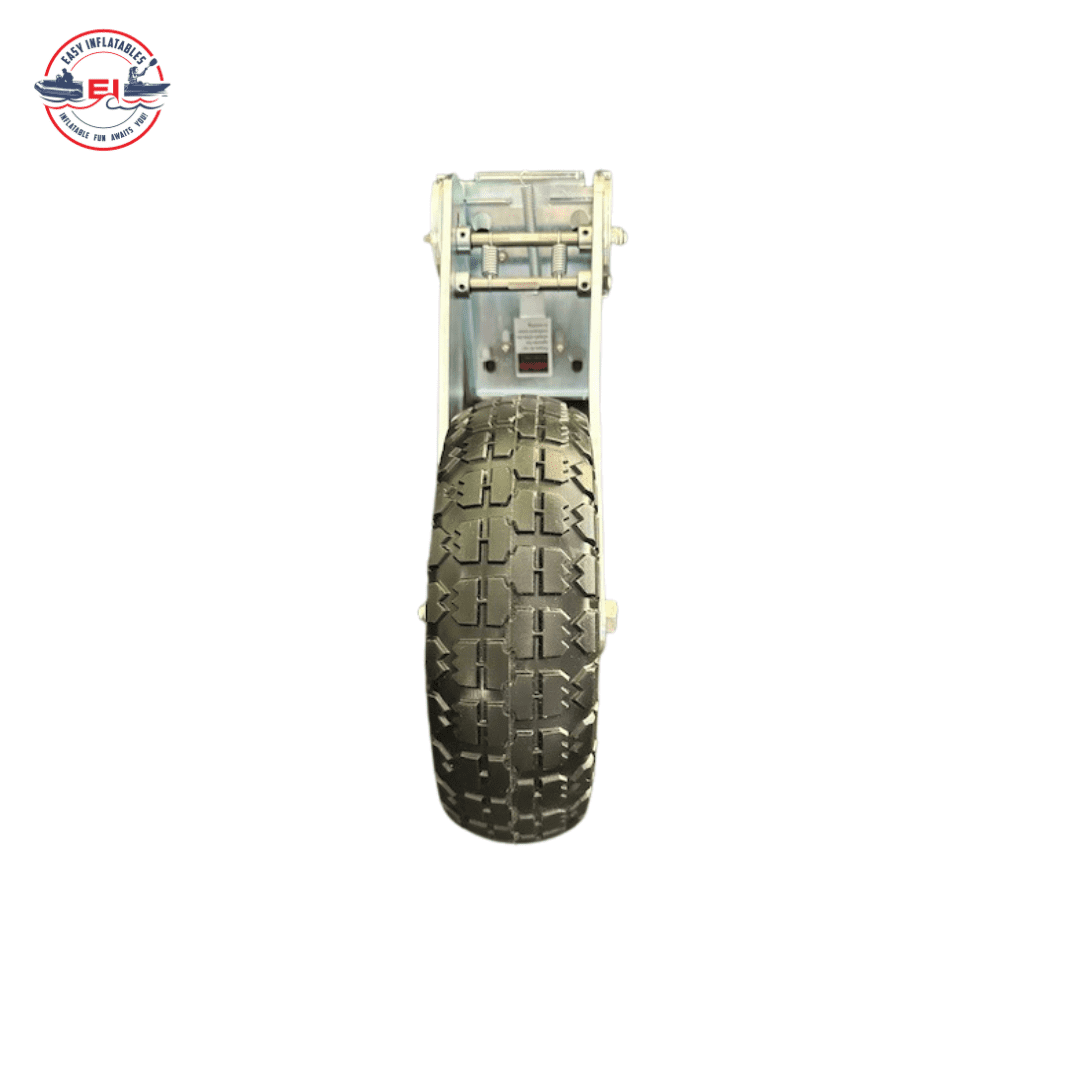
LockPro Plus Inflatable Boat Wheel Set
The LockPro Plus Inflatable Boat Wheel Set offers a premium solution for easy and safe loading of inflatable boats, featuring an Italian stainless steel quick-lock system.
Free freight to United States · local taxes payable on arrival
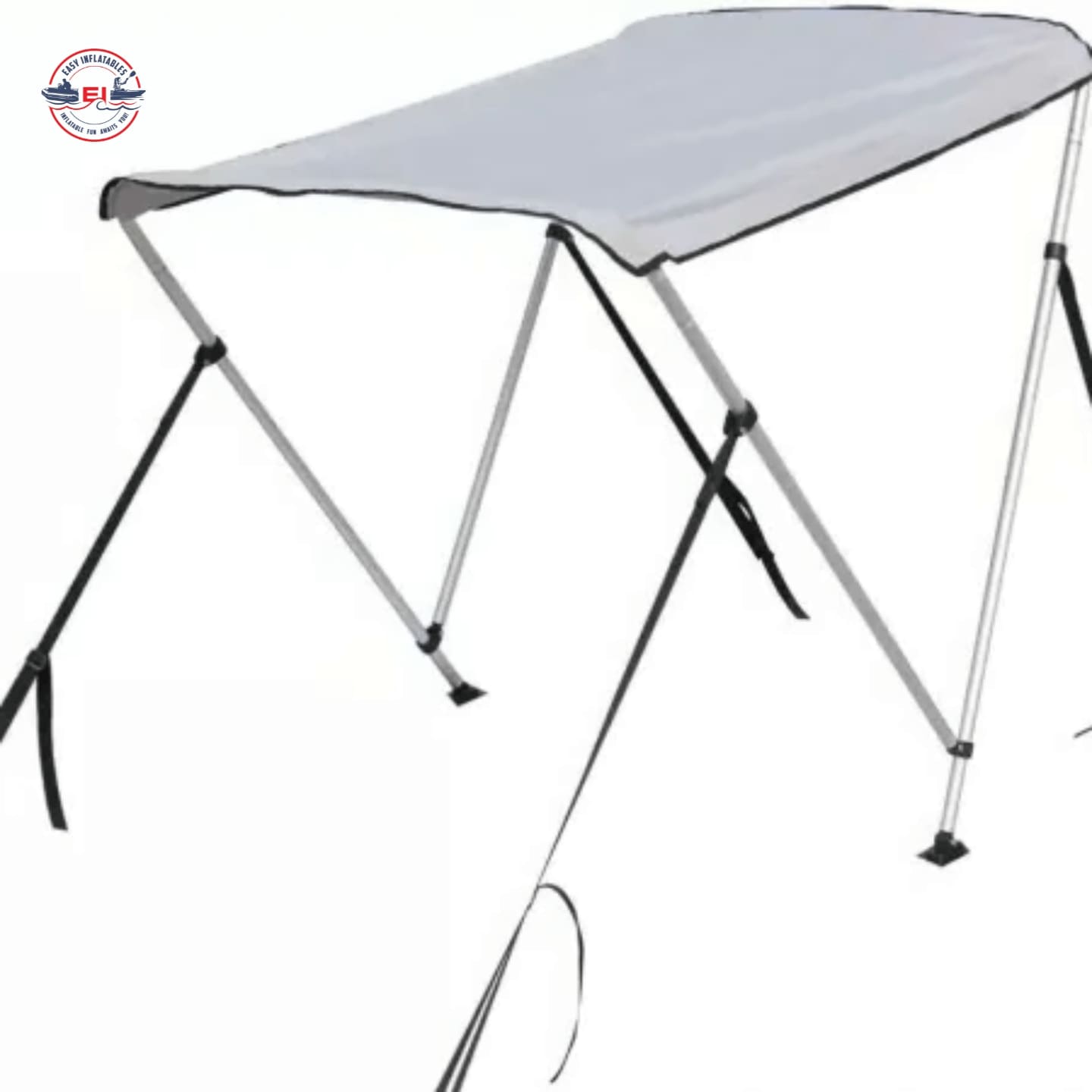
Aerowave Inflatable Boat Bimini
Lightweight inflatable UV sun-shade canopy for inflatable boats, SIBs and catamarans. Now available in two colours — Light Grey and Black. Fast setup, compact storage and premium UV protection for Australian boating.
Free freight to United States · local taxes payable on arrival
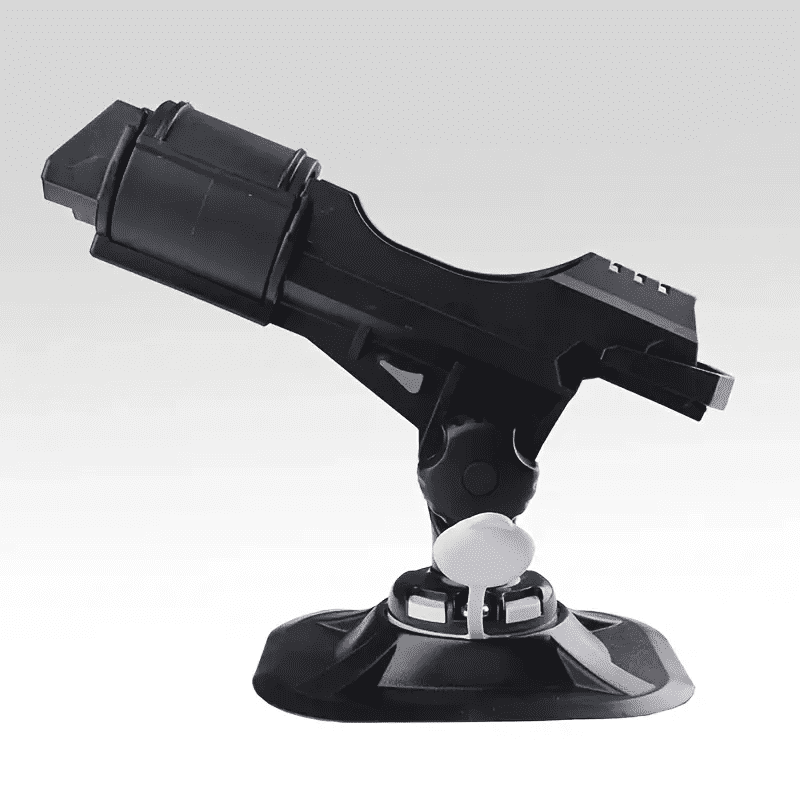
Inflatable Boat Rod Holder Mount
Factory-installed fishing mount designed for Easy Inflatables boats, providing a clean and secure installation for serious anglers.
Free freight to United States · local taxes payable on arrival
Not sure which suits you? Talk to a real boat owner.
Before you spend a cent
Buying from Australia, delivered to United States
You have never heard of us, we are on the other side of the world, and the internet is full of fakes. Fair enough. Here is everything you would need to check us out, in one place — no forms, no chat bot.
Australian designed business
Easy Inflatables, Avoca Beach NSW 2251. ABN 96 856 548 613. International orders ship from our Hong Kong hub.
222 owner reviews, 4.8 average
Read them in full, good and bad, on our reviews page.
CE certified, 7-year hull warranty
ISO 6185-3 and EU Directive 2013/53/EU. Warranty honoured worldwide.
Tracked, insured, door to door
FREE freight to United States · local tax/duty on arrival.
- Who am I actually buying from?
- Easy Inflatables, Avoca Beach NSW 2251, Australia. ABN 96 856 548 613. Sean is the owner and skipper, Gary Stewart handles sales on +61 2 4335 1603, Karen Matthews handles email. The boats are Australian designed; international orders ship from our Hong Kong dispatch hub so your landed price stays competitive. Phone us before you pay a cent — a real person answers.
- Is this really an Australian product?
- Yes — Australian designed and engineered on the NSW Central Coast. Manufacturing is done offshore to our spec, and international orders ship direct from our Hong Kong dispatch hub. If we routed every boat through Australia first, the freight alone would roughly double or triple your cost for the same hull.
- What do I pay, and what is not included?
- The delivery and import terms depend on your country. EU, UK, New Zealand and named Asia/Pacific lanes include duty and tax; US freight is free but US buyers pay import charges on arrival. Other destinations show their terms before payment.
- How do I pay safely?
- Card through Stripe (Visa, Mastercard, Amex, Apple Pay, Google Pay) or bank transfer. Card payments carry your bank's own dispute protection. We never ask for crypto, gift cards or payment to a personal account.
- What if it arrives damaged?
- Every boat ships fully tracked and insured door to door. Photograph the carton and the boat on arrival and email us — transit damage is claimed and replaced through us, not left with you and the courier.
- Is the warranty real outside Australia?
- Yes. The 7-year hull warranty on 1.2 mm VALMEX Heavy Plus and Orca Hypalon hulls applies wherever you are. Replacement parts are held in Australia and at our overseas hub and go out by express courier to your door.
- Is the boat actually certified?
- All Aerowave catamarans are CE certified to ISO 6185-3 and EU Directive 2013/53/EU. Certification paperwork is supplied with the boat — ask and we will send it before you order.
Ready to set sail?
Premium German-fabric inflatable catamarans, built to order and delivered to your door. Talk to our team or browse the fleet.
Like this guide? Get the next one in your inbox.
Owner-tested tips, gear deep-dives and Aussie boating know-how — no spam.