Rigid Boat Alternative: Why an Inflatable Catamaran Might Suit You Better
Considering a new boat but put off by the typical hassles of rigid hulls? An inflatable catamaran could be the perfect rigid boat alternative you're looking for, offering surprising advantages in storage, tow weight, repair, and value.
At a glance
Considering a new boat but put off by the typical hassles of rigid hulls? An inflatable catamaran could be the perfect rigid boat alternative you're looking for, offering surprising advantages in storage, tow weight, repair, and value.
- The Rigid Boat Alternative: Understanding the Core Differences
- Construction and Durability: Hard vs. Inflatable
- Storage Solutions: Space-Saving Rigid Boat Alternative
- Towing Weight and Launching: Lighten Your Load
What we'd put you in
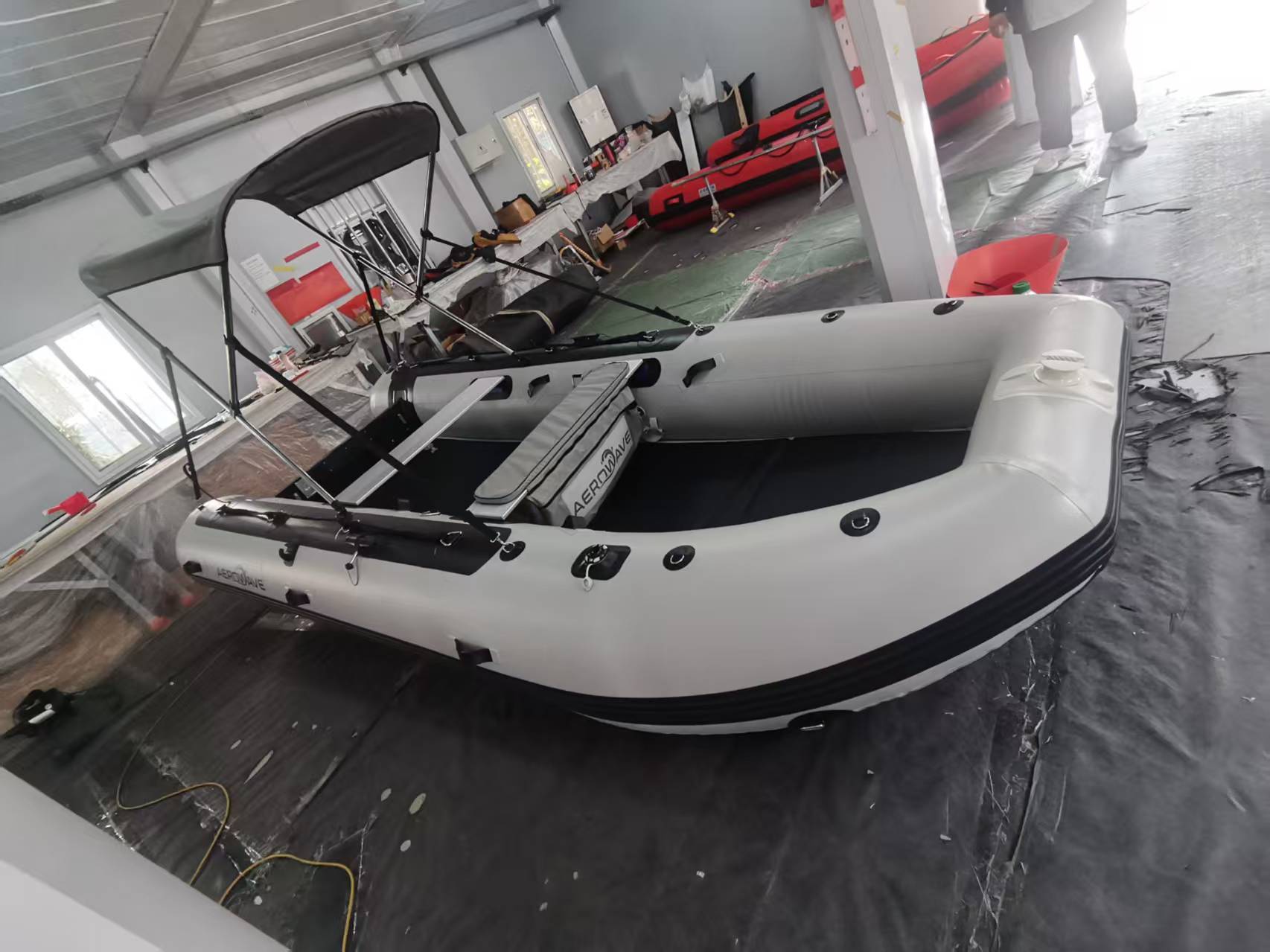
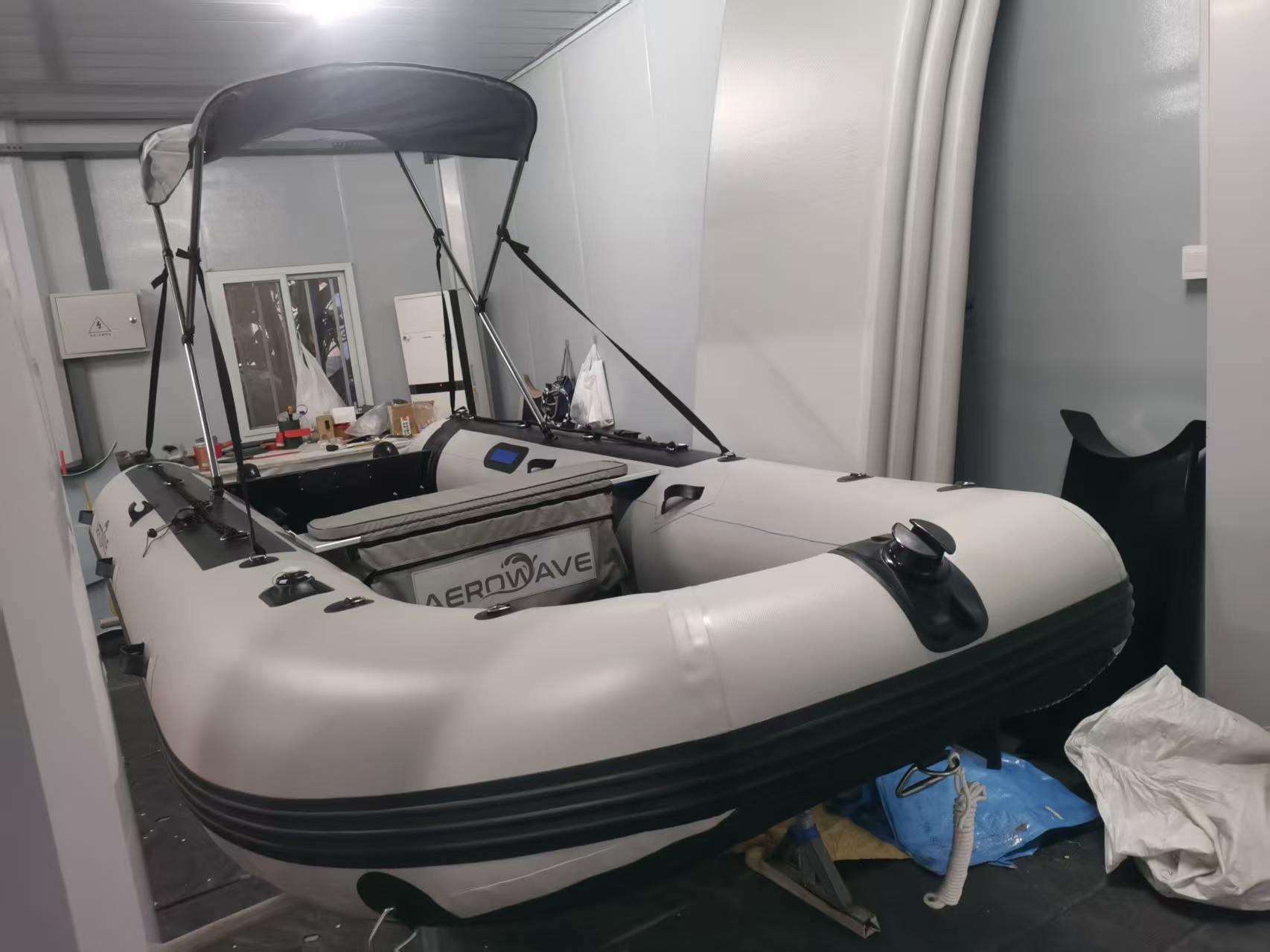
Aerowave Viper 400 Sovereign
If you're reading about catamarans, this is the one we build most of.
US$3,167 USD
Delivered to your door, today's rate
- Free freight to United States · local taxes payable on arrival
- 7-year hull warranty
🇺🇸 Shipping to United States · landed price quoted in writing
Yes — we ship the Aerowave Viper 400 Sovereign to United States. Here's the landed price.
If you're reading about catamarans, this is the one we build most of.
Aerowave Viper 400 Sovereign
- Boat package (export price)
- US$3,726
- 15% tariff relief credit
- − US$559
- Express air freight to United States
- Included
- Import duty, taxes & customs clearance
- Payable on arrival
- Estimated landed, USD
- US$3,167
Indicative, converted at today's rate, before local duty and tax on arrival. Ask below and we'll put a fixed figure in writing, valid 30 days.
- 7-year hull warranty
- 1500 GSM / 1.2 mm VALMEX® Heavy Plus hull
- CE certified to ISO 6185-3 and EU Directive 2013/53/EU
- Door-to-door, tracked the whole way
Your price, delivered to your door — freight included.
We email the full PDF quote (spec, freight, finance, WavePay) to your inbox in under 60 seconds. No spam — one quote, one follow-up.
See it for yourself
Real boats. Real owners. Real people behind them.
Plenty of what you read online these days is generated. Check us out properly — the factory, the reviews and the owners are all one click away. Why we use AI, and how to check we’re real
How our boats are built
Walk the production line: thermo-welded seams, 1.2 mm VALMEX Heavy Plus hulls, over-pressure relief valves on every chamber.
See the buildGoogle Maps reviews
Real Australian owners, five stars, published on our Google Business Profile with the map — read them there, not just on our own site.
Open Google Maps reviewsOwner stories
Boats in use — offshore, on rivers, on rescue duty. Photos and words from the people who actually own them.
Read owner stories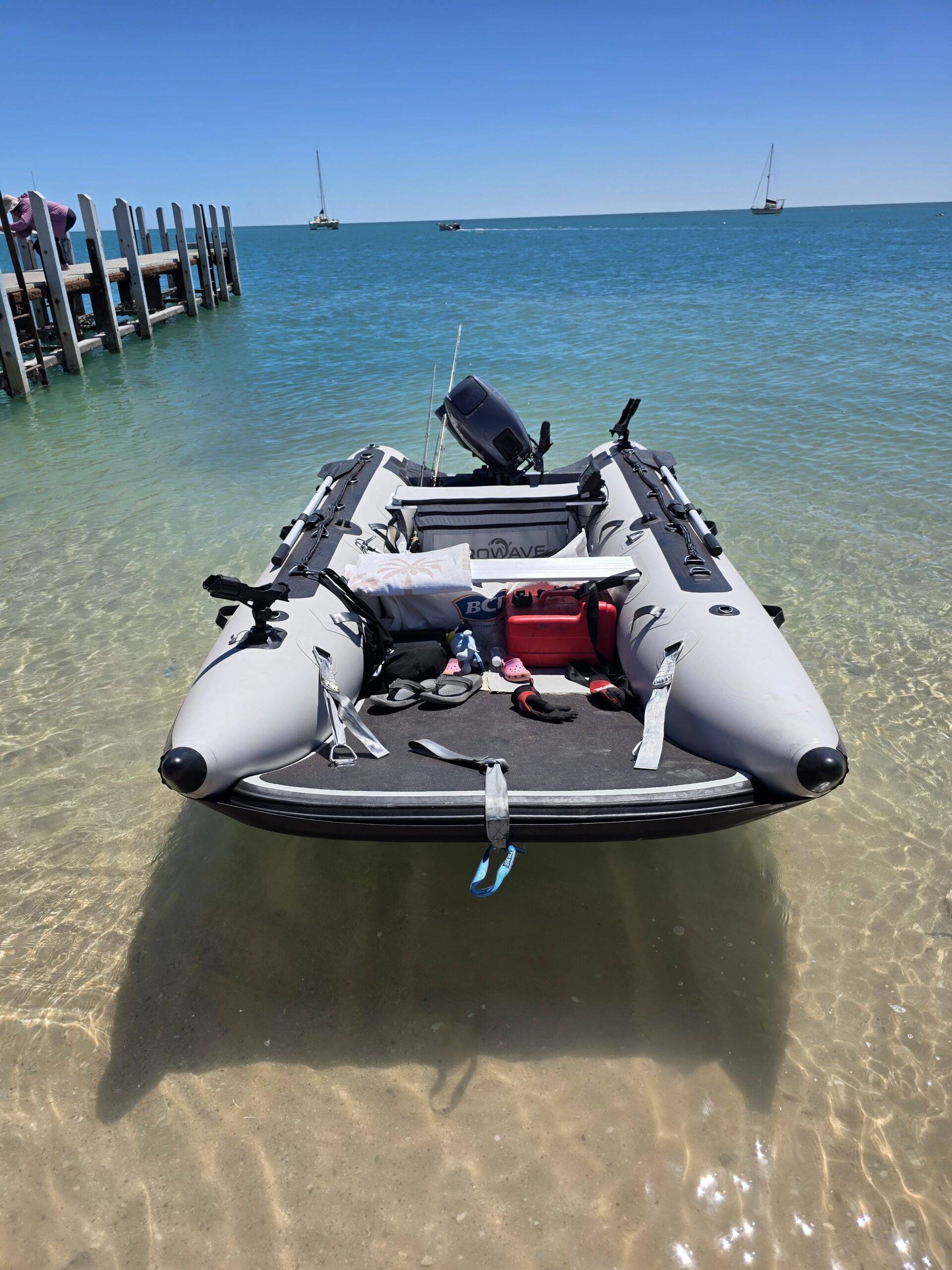
Thinking about a new boat? This could be the rigid boat alternative you never knew you needed.
For many Aussies, the dream of owning a boat means picturing a fibreglass runabout or an aluminium tinny. They're traditional, they're everywhere, and they're undeniably capable. But what if we told you there's a compelling rigid boat alternative that could save you money, space, and a fair bit of hassle? We're talking about inflatable catamarans, and they're rapidly changing how people approach boating.
At Easy Inflatables, we've seen first-hand how our Aerowave Viper, AeroCat, and WaveRunner models are winning over boaties who might never have considered an inflatable before. They offer a unique blend of portability, stability, and performance that rigid polyethylene or aluminium hulls simply can't match in every situation. Let's dive into why an inflatable catamaran might just be your perfect rigid boat alternative.
The Rigid Boat Alternative: Understanding the Core Differences
When you line up a rigid boat — whether it's polyethylene (PE) or aluminium — against an inflatable catamaran, the differences are immediately apparent. It's not just about what they're made of; it's about the entire boating experience they offer.
Construction and Durability: Hard vs. Inflatable
Rigid Hulls (PE or Aluminium):
- Polyethylene (PE): These boats are known for their incredible impact resistance. You can bump into rocks or jetties with less worry about structural damage compared to fibreglass. They're typically rotomoulded, creating a seamless, robust hull. However, they can be heavy and absorb heat, becoming quite warm in the Aussie sun. Repairs can also be tricky, often requiring specialised plastic welding.
- Aluminium: Lightweight, strong, and relatively inexpensive, aluminium tinnies are an Aussie icon. They're durable against knocks and scrapes, and minor dents can often be repaired. However, they can be noisy on the water, easily scratched, and can corrode in saltwater if not properly maintained. Punctures or cracks require welding, which isn't always straightforward in remote locations.
Inflatable Catamarans (e.g., Aerowave Viper, AeroCat, WaveRunner):
- Our inflatable catamarans, like the premium Aerowave Viper series, are constructed from high-quality PVC fabrics such as VALMEX, renowned for its exceptional strength and longevity. The Viper uses heavy-duty 1.2mm VALMEX, while our AeroCat models use 0.9mm VALMEX. These multi-layered fabrics are far tougher than you might imagine.
- They're designed to flex and absorb impact rather than resist it rigidly. This means bouncing off a submerged log is more likely to result in a minor scuff than a hull breach. The robust fabric is resistant to UV, abrasion, and punctures, ensuring a long service life, typically 10–12 years for VALMEX with proper care.
- Repairs, should they ever be needed, are surprisingly simple. Most minor punctures or tears can be easily patched by the owner with a standard repair kit, often without needing professional assistance. This is a significant advantage over rigid hulls that require specialised welding or fibreglass repair.
Storage Solutions: Space-Saving Rigid Boat Alternative
This is where inflatable catamarans truly shine as a rigid boat alternative. Boat storage is a perpetual challenge for many Australians, particularly those living in urban and suburban areas.
Rigid Hulls:
- Require dedicated trailer space, which means parking a bulky boat and trailer combination. This might mean renting a storage facility, taking up valuable driveway space, or even storing it at a friend's place.
- Hard hulls maintain their rigid shape, regardless of whether they're on the water or in the shed. They can't be made smaller.
- Even smaller rigid tenders still demand significant floor space in a garage or shed, often requiring a dedicated trolley or davits.
Inflatable Catamarans:
- The most significant advantage is their ability to be deflated and packed down. Our larger models, like the Viper 400 Sovereign, can be packed into a manageable bag (or two for the main hull and floor) and stored in a corner of your garage, shed, or even the boot of a larger car.
- No trailer required for storage! This frees up your driveway and saves on registration and maintenance costs associated with a boat trailer.
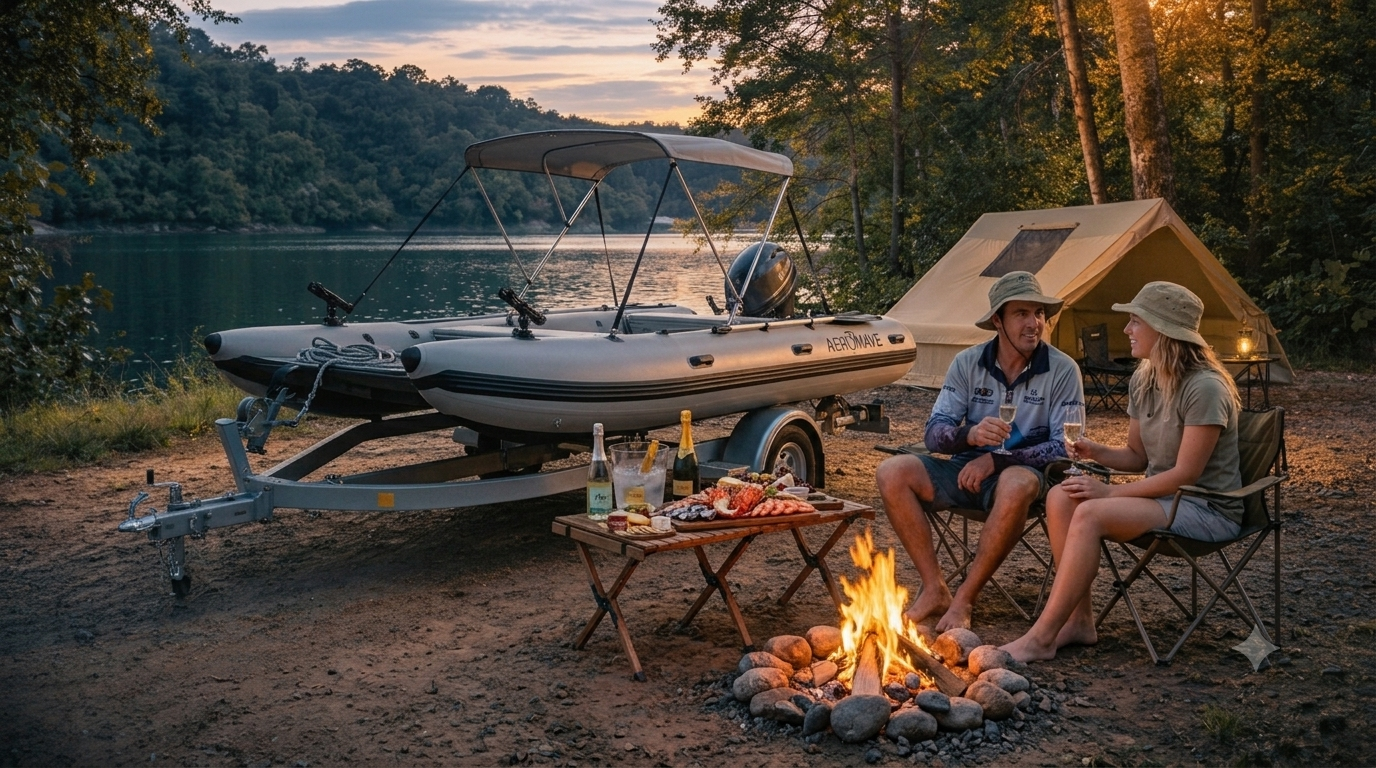
- Imagine leaving for a weekend trip to a coastal town or lake. Instead of towing a boat for hundreds of kilometres, you can simply pack your inflatable catamaran in the car, along with your camping gear or luggage.
Towing Weight and Launching: Lighten Your Load
Rigid Hulls:
- Even small rigid boats, especially with the added weight of an outboard, fuel, and gear, become substantial when paired with a trailer. This can push your vehicle's towing capacity limits.
- Many rigid boats require a boat ramp for launching, which can be crowded during peak seasons. Larger boats often demand a four-wheel drive and a skilled hand to manage the launch and retrieve process.
- Fuel consumption for your tow vehicle increases significantly when hauling a heavy boat and trailer.
Inflatable Catamarans:
- Fantastically lightweight! Many of our models can be launched and retrieved by a single person. For instance, the AeroCat 330 weighs around 38kg (boat only), and even the larger AeroCat 380 is only about 50kg. The Viper 400 Sovereign, a full-sized premium inflatable catamaran, weighs approximately 70kg.
- Because they're so light, you can often transport them inflated on car roof racks, or simply deflate and pack them into the back of an SUV or ute. This negates the need for a trailer entirely for many users.
- Launching is incredibly versatile. You're not tied to a boat ramp. With an inflatable catamaran, you can launch from almost any beach, riverbank, or even carry it a short distance to the water. This opens up a world of inaccessible waterways that rigid boats can't reach.
- Lower tow weight (or no tow weight at all) means better fuel economy for your vehicle and less stress on its drivetrain.
Performance and Stability: Unique Advantages of Inflatable Catamarans
While rigid hulls have their advantages, inflatable catamarans offer a unique performance profile, especially in terms of stability and shallow water access.
Rigid Hulls:
- Typically offer a deeper V-hull for cutting through chop (though flat-bottom tinnies can be very bumpy).
- Can often carry larger, heavier outboards, leading to higher top speeds in calm conditions.
- Can be less stable at rest, particularly monohulls, which tend to roll with passenger movement or waves.
Inflatable Catamarans:
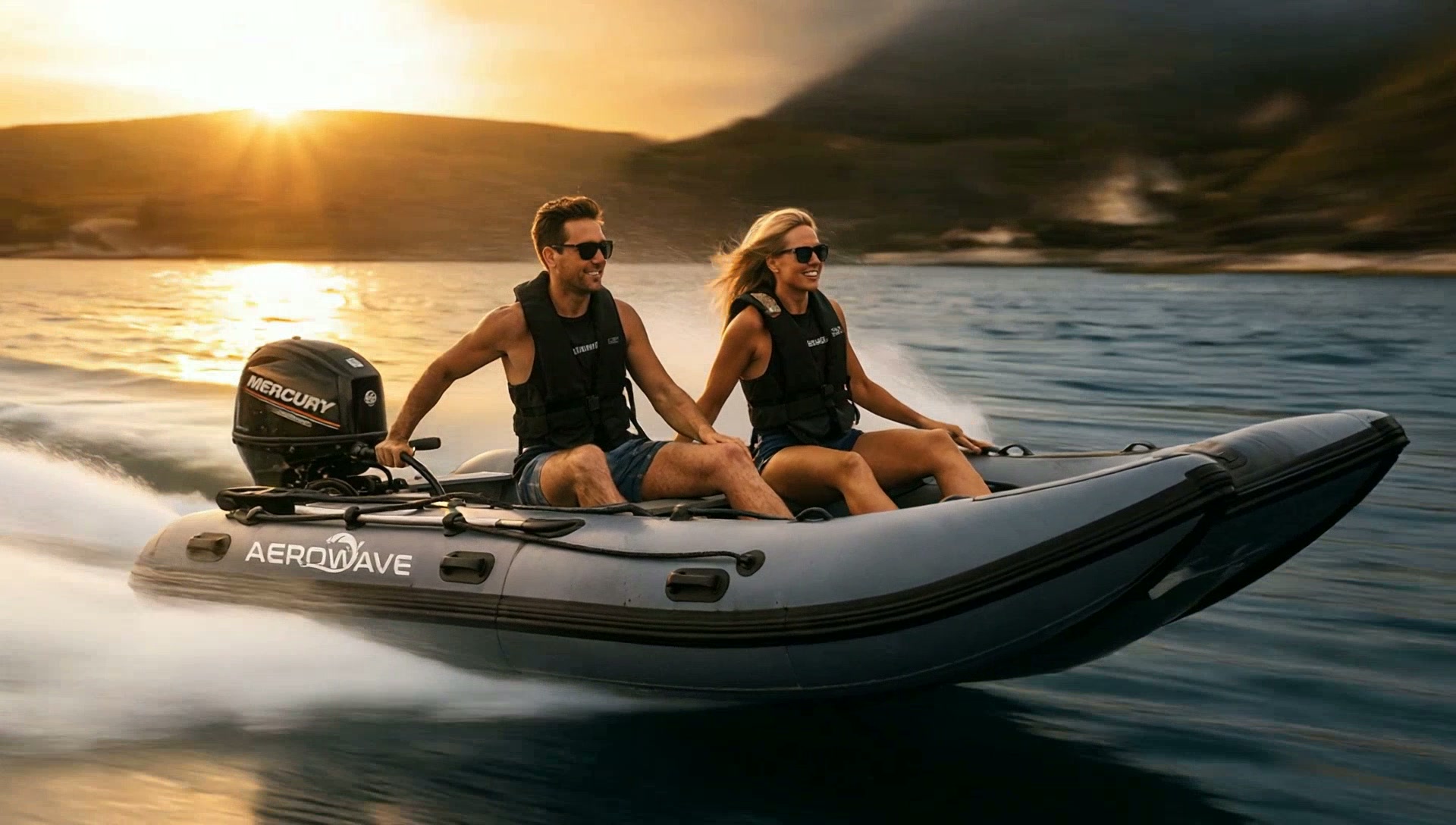
- Exceptional Stability: The twin-hull catamaran design provides an incredibly stable platform. This is a huge advantage for fishing, diving, photography, or just enjoying a calm day on the water with family. You can walk around the deck with confidence, and the boat resists rocking significantly more than a monohull.
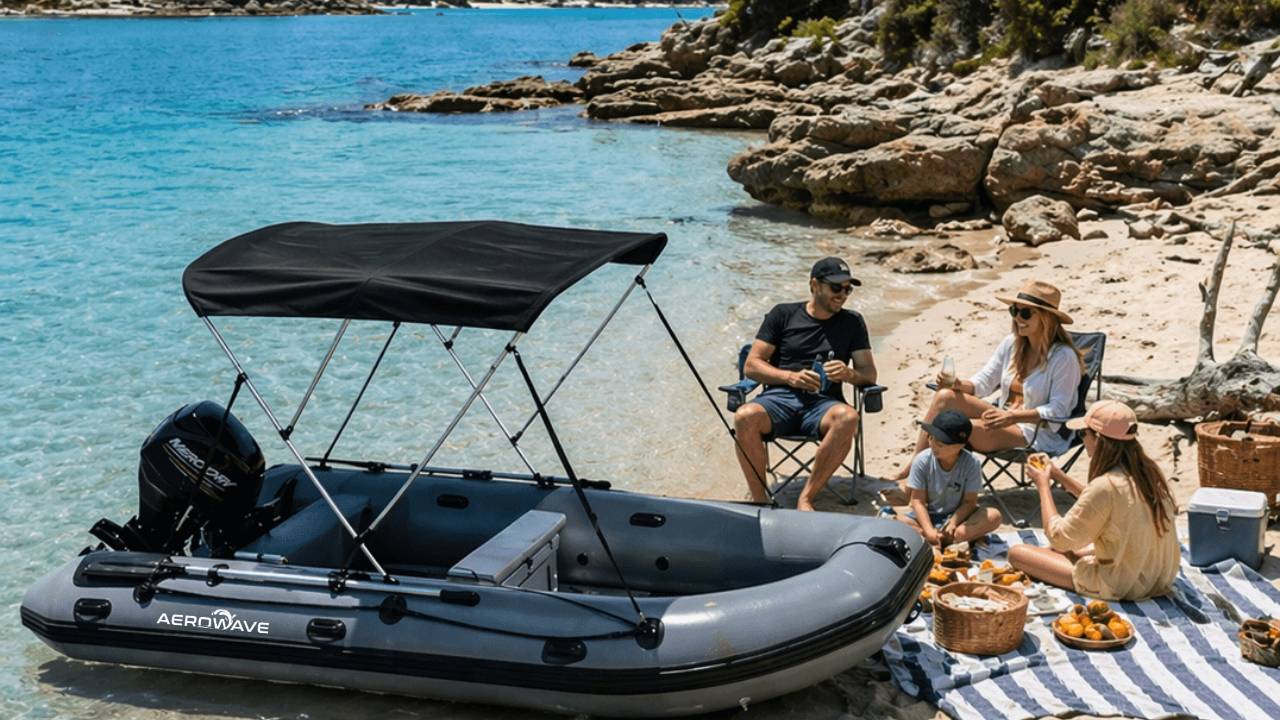
- Shallow Draft: The shallow draft of an inflatable catamaran allows you to explore incredibly shallow waters. You can glide over sand flats, reach remote beaches, and navigate estuaries where rigid boats would run aground. This is perfect for exploring pristine Australian coastlines.
- Smooth Ride: The inflatable tubes act like natural shock absorbers, softening the ride in choppy conditions. While they won't cut through large waves like a deep V-hull, they offer a comfortable and relatively dry experience.
- Efficient Planing: The catamaran hull design, particularly with an air deck (like on our AeroCat models), allows for quick and efficient planing, even with smaller outboards. This translates to excellent fuel economy.
Price and Value: The Economic Rigid Boat Alternative
Let's be frank: boating can be an expensive hobby. However, choosing an inflatable catamaran as a rigid boat alternative can offer significant cost savings, both upfront and long-term.
Rigid Hulls:
- Generally have a higher initial purchase price, especially for well-regarded brands and larger models.
- Require additional expenses like a trailer (purchase, registration, maintenance).
- Can incur higher repair costs if major damage occurs (e.g., fibreglass repair, aluminium welding).
- Resale values can be good for popular models, but storage and transport challenges remain.
Inflatable Catamarans:
- Offer excellent value for money. For example, our popular AeroCat 330 starts at $2,910, the AeroCat 360 at $3,195, and the AeroCat 380 at $3,480. Even our top-of-the-range Viper 400 Sovereign full package (including boat, floor, fuel tank, pump, oars, repair kit, anchor, and more) is $5,995.
- No trailer costs mean immediate savings on purchase, registration, and ongoing maintenance.
- DIY repairs for minor issues can save on labour costs.
- The low initial outlay makes boating more accessible to a wider range of people, allowing them to get on the water without a massive upfront investment.
- Our Air Tent, available for $890, can transform your inflatable catamaran into a comfortable overnight camping setup, further adding value to your boating experience.
Comparison Table: Rigid Hull vs. Inflatable Catamaran
| Feature | Rigid Hulls (PE/Aluminium) | Easy Inflatables Catamarans |
|---|---|---|
| Storage | Bulky, requires trailer, dedicated space | Deflatable, compact, fits in car boot/shed, no trailer |
| Tow Weight | High, requires suitable tow vehicle + trailer | Low or none, can be roof-racked or carried |
| Launch/Retrieve | Often requires ramp, can be skill-intensive | Easy from any beach/bank, often one person, highly versatile |
| Durability | Impact resistant (PE), strong (Aluminium) | Puncture/abrasion resistant, flexes on impact, easy DIY repair |
| Stability at Rest | Can be less stable (monohulls) | Extremely stable, excellent for fishing/diving |
| Shallow Water | Limited, risk of grounding | Very shallow draft, access remote areas |
| Ride Comfort | Can be bumpy (tinnies), cuts chop (V-hulls) | Inflatable tubes absorb shock, smooth ride in chop |
| Initial Cost | Generally higher, plus trailer | Very competitive, excellent value |
| Maintenance | Can involve complex repairs (welding, fibreglass) | Simple DIY patching for most issues |
Considering Your Boating Lifestyle
The best boat for you depends entirely on your boating aspirations and practical realities. If you have unlimited storage, a large tow vehicle, and primarily boat in deep, open waters, a rigid hull might still be your preference.
However, if any of the following describe your situation, an inflatable catamaran is a serious rigid boat alternative worth exploring:
- Limited Storage Space: Live in an apartment, have a small garage, or don't want a trailer permanently parked.
- No Tow Vehicle or Limited Towing Capacity: Your daily driver isn't suitable for towing a heavy boat.
- Desire for Versatility: Want to explore different waterways, from remote creeks to open bays, without needing a ramp.
- Budget-Conscious: Looking for an affordable entry into quality boating without compromising on fun or safety.
- Seeking Stability: Prioritise a stable platform for fishing, diving, or family activities.
- Easy Handling: Prefer a boat that's easy to launch, retrieve, and operate, even solo.
At Easy Inflatables, we're passionate about making boating accessible and enjoyable for everyone. Our range of inflatable catamarans, from the nimble AeroCat 330 to the powerhouse Viper 400 Sovereign, provides a compelling rigid boat alternative for a diverse range of Australian boaties. Check out our website at easyinflatables.com.au or give us a call on +61 2 4335 1603 to chat about how an inflatable catamaran can fit your lifestyle.
We offer both Expedited Air Delivery (7–14 days, with an A$810 customer contribution) and FREE Economy Sea Freight (30–40 days) to get your new inflatable catamaran to you, wherever you are in Australia. Our team is always ready to help you find the perfect match for your next adventure.
Related
Weekend-Proof Score 17 questions · about 2 minutes
Will the boat you're about to buy survive an Australian summer?
Seventeen straight questions about where you'll use it, what you'll ask of it and the boat you're weighing up. You get a score out of 100, the exact weak points in your plan, and the one boat that genuinely fits.
Free · your result shows on screen · no email required
So which one is yours?
Pick how you'll actually use it and we'll take you straight to the right hull.
I want to fish it
Open bow, rod holders, deck space you can stand and cast from.
Viper Sport 400Family, diving and the beach
3.8 m Series 3 catamaran — low bow to climb back in wearing fins or a tank.
WaveRunner 380Tender / one-person launch
3.3 m hard-floor boat that packs into a bag and still takes a beach landing.
Viper 330Shop gear featured in this guide
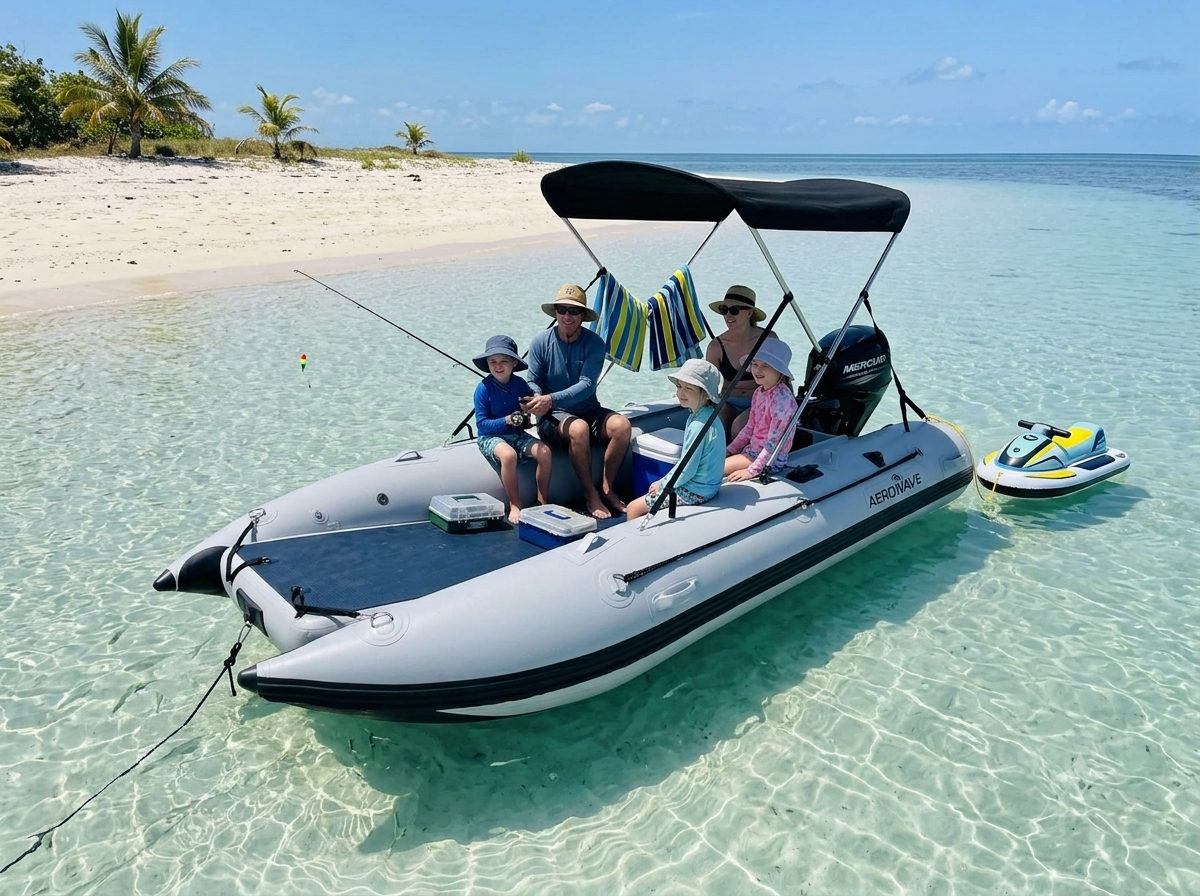
Aerowave WaveRunner 380 Series 3 Catamaran Package
The WaveRunner 380 Series 3 is a premium 3.8m inflatable catamaran package built for Australian and worldwide families, fishing, and coastal day boating — ideal for snorkeling and spearfishing — offering serious stability and premium German Valmex® construction.
Free freight to United States · local taxes payable on arrival
Aerowave Viper 400 Sovereign
Flagship 4m enclosed-bow inflatable catamaran. German VALMEX® 7321 Heavy Plus 1.2mm commercial-grade fabric, 10 PSI high-pressure drop-stitch air deck floor with VALMEX non-slip surface, LockPro wheels, full Bimini and FREE express delivery Australia-wide included. Winter special — save $1,000 until 31 August 2026.
Free freight to United States · local taxes payable on arrival
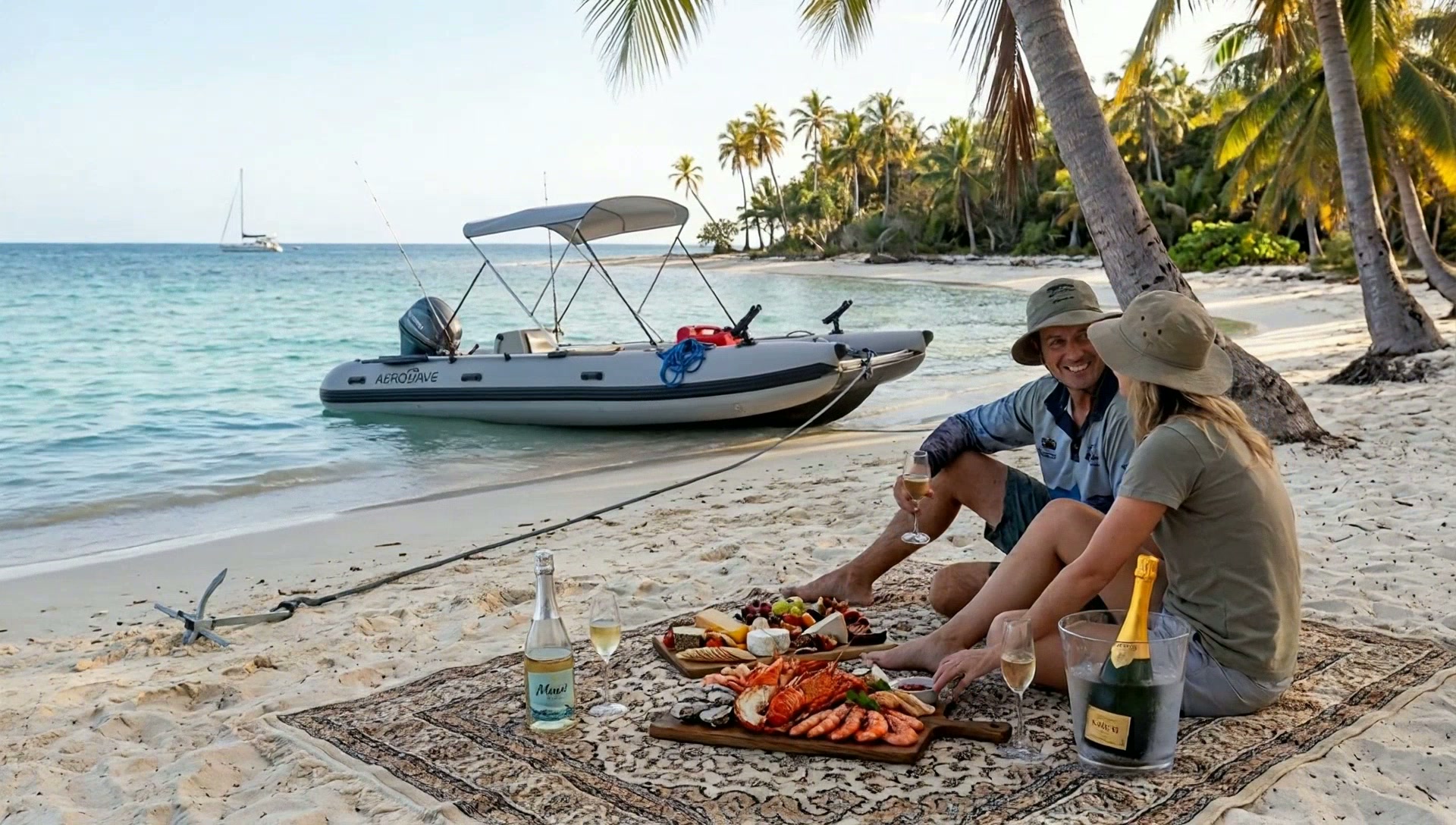
Aerowave Viper 365 Open Bow
Premium 3.65m Inflatable catamaran — built the same way as our flagship Viper 400 sports boat, just 35cm shorter. German VALMEX® 7321 Heavy Plus 1.2mm commercial-grade fabric, 10 PSI high-pressure drop-stitch air deck floor with VALMEX non-slip surface, LockPro wheels, full Bimini and FREE express delivery Australia-wide included.
Free freight to United States · local taxes payable on arrival
Not sure which suits you? Talk to a real boat owner.
Before you spend a cent
Buying from Australia, delivered to United States
You have never heard of us, we are on the other side of the world, and the internet is full of fakes. Fair enough. Here is everything you would need to check us out, in one place — no forms, no chat bot.
Australian designed business
Easy Inflatables, Avoca Beach NSW 2251. ABN 96 856 548 613. International orders ship from our Hong Kong hub.
222 owner reviews, 4.8 average
Read them in full, good and bad, on our reviews page.
CE certified, 7-year hull warranty
ISO 6185-3 and EU Directive 2013/53/EU. Warranty honoured worldwide.
Tracked, insured, door to door
FREE freight to United States · local tax/duty on arrival.
- Who am I actually buying from?
- Easy Inflatables, Avoca Beach NSW 2251, Australia. ABN 96 856 548 613. Sean is the owner and skipper, Gary Stewart handles sales on +61 2 4335 1603, Karen Matthews handles email. The boats are Australian designed; international orders ship from our Hong Kong dispatch hub so your landed price stays competitive. Phone us before you pay a cent — a real person answers.
- Is this really an Australian product?
- Yes — Australian designed and engineered on the NSW Central Coast. Manufacturing is done offshore to our spec, and international orders ship direct from our Hong Kong dispatch hub. If we routed every boat through Australia first, the freight alone would roughly double or triple your cost for the same hull.
- What do I pay, and what is not included?
- The delivery and import terms depend on your country. EU, UK, New Zealand and named Asia/Pacific lanes include duty and tax; US freight is free but US buyers pay import charges on arrival. Other destinations show their terms before payment.
- How do I pay safely?
- Card through Stripe (Visa, Mastercard, Amex, Apple Pay, Google Pay) or bank transfer. Card payments carry your bank's own dispute protection. We never ask for crypto, gift cards or payment to a personal account.
- What if it arrives damaged?
- Every boat ships fully tracked and insured door to door. Photograph the carton and the boat on arrival and email us — transit damage is claimed and replaced through us, not left with you and the courier.
- Is the warranty real outside Australia?
- Yes. The 7-year hull warranty on 1.2 mm VALMEX Heavy Plus and Orca Hypalon hulls applies wherever you are. Replacement parts are held in Australia and at our overseas hub and go out by express courier to your door.
- Is the boat actually certified?
- All Aerowave catamarans are CE certified to ISO 6185-3 and EU Directive 2013/53/EU. Certification paperwork is supplied with the boat — ask and we will send it before you order.
Ready to set sail?
Premium German-fabric inflatable catamarans, built to order and delivered to your door. Talk to our team or browse the fleet.
Like this guide? Get the next one in your inbox.
Owner-tested tips, gear deep-dives and Aussie boating know-how — no spam.