The Definitive Guide to Boat Camping in Australia
Discover the ultimate freedom of boat-to-shore adventures. This guide details everything from gear and locations to why an inflatable catamaran and air tent is the revolutionary setup for Australian explorers.
🇺🇸 Boats shipping to United States
See landed prices in USD before you bounce.
Door-to-door delivery to United States in 7–14 days. Choose a boat, see local-currency pricing, or request a fixed landed quote from the sales team.
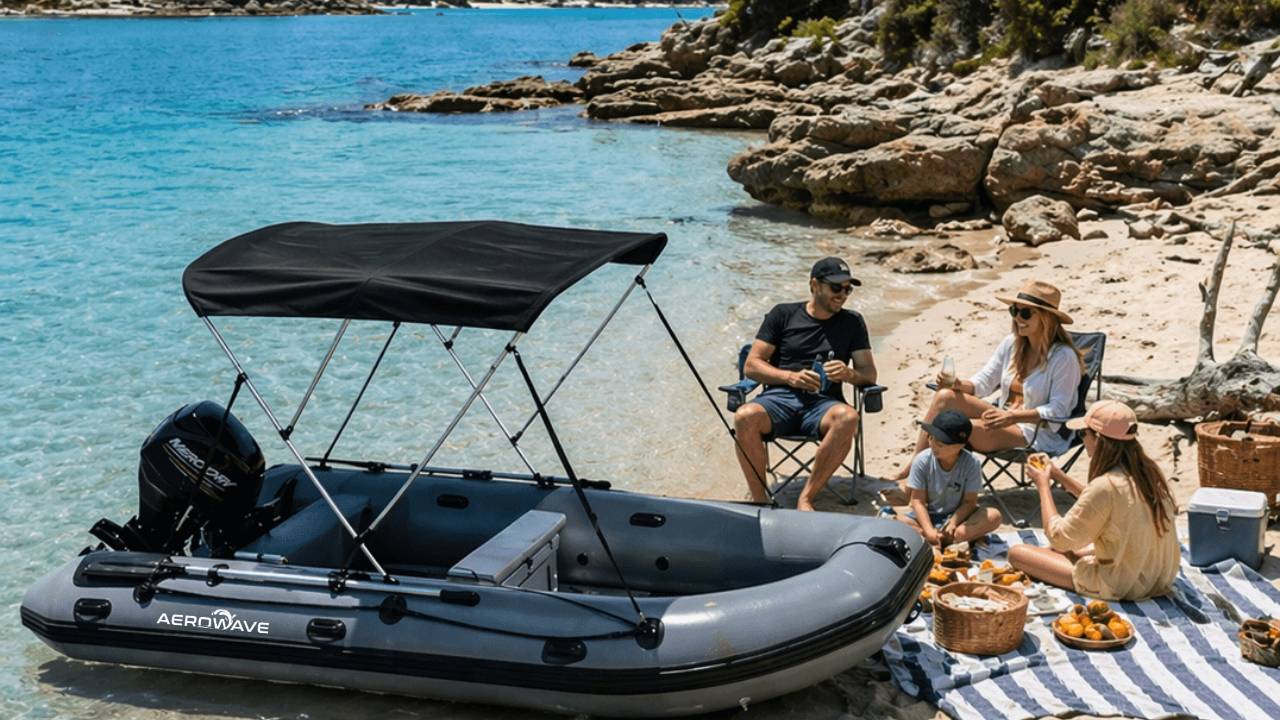
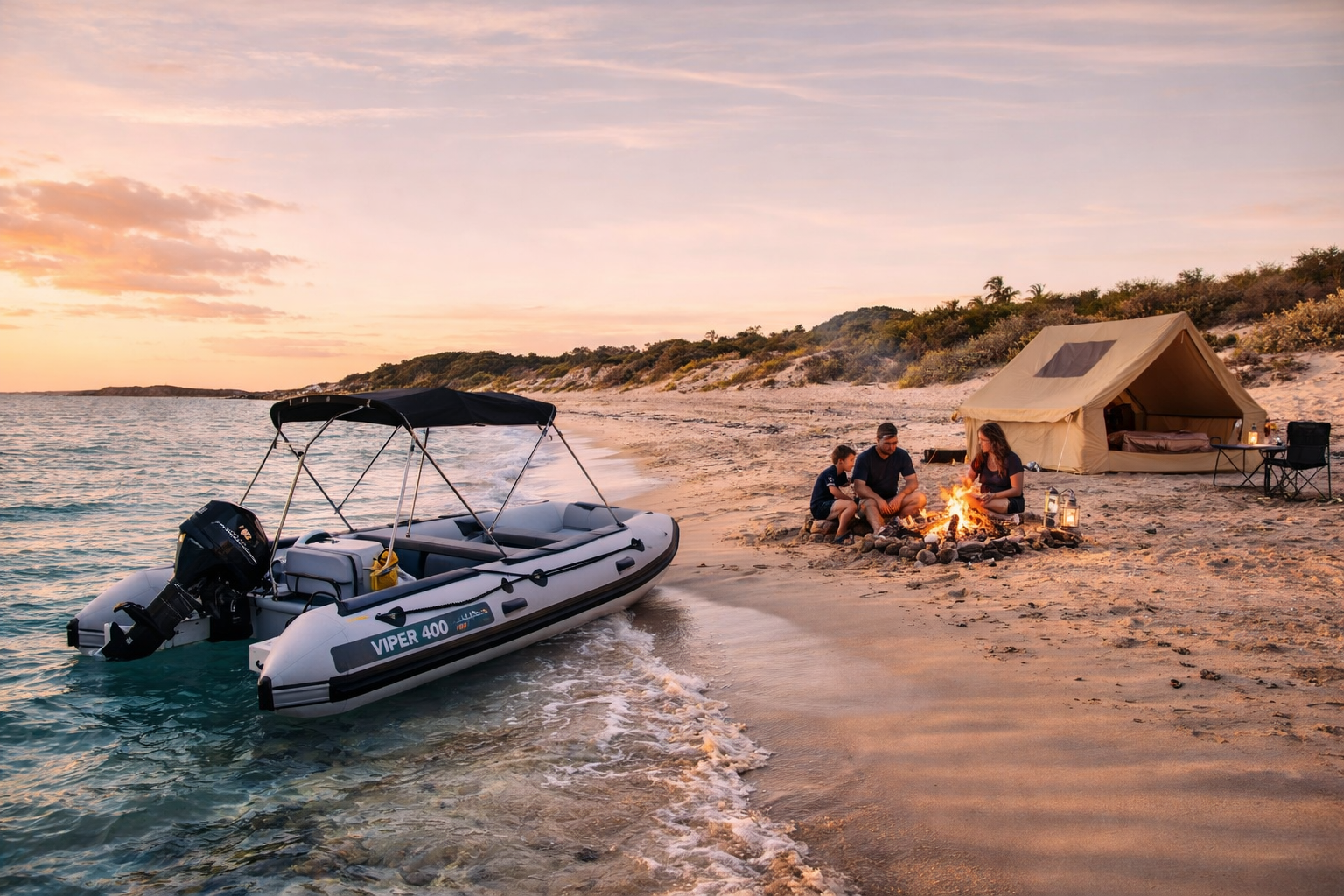
Imagine gliding into a secluded cove, the day's adventure behind you, and setting up a comfortable, spacious camp on the sand in under ten minutes.
This isn't a far-fetched dream; it's the new reality of boat-to-shore exploration in Australia. For decades, the logistical puzzle of combining boating with comfortable camping has been a significant barrier for many would-be adventurers. You either needed a large, expensive cabin cruiser, limiting your access to shallow waters, or you faced the cumbersome task of cramming traditional tents, poles, and pegs into a small tender, sacrificing space, stability, and sanity.
Boat camping in Australia offers access to a side of this country few ever get to see: deserted islands, remote riverbanks, and coastlines untouched by roads. But the gear has always been the compromise. A swag is too spartan, a standard dome tent is a nightmare of tangled poles on a windy beach, and both eat into precious deck space. There had to be a better way.
This guide explores the revolutionary pairing of a high-performance inflatable catamaran with a purpose-built air tent. It's a combination that solves the core challenges of portability, stability, and shelter, creating a seamless experience from waterway to campsite. We'll dive deep into the gear, the planning, and the skills you need to unlock the full potential of Australia's magnificent aquatic wilderness.
Why Inflatable Catamarans are the Ultimate Boat Camping Platform
Before we even talk about tents, the boat itself is the foundation of any successful trip. While many vessels can get you from A to B, the unique design of an inflatable catamaran makes it singularly suited for the demands of shore-based camping. They blend the portability of a small inflatable with the stability and space of a much larger craft.
Unmatched Stability
The twin-hull design creates an incredibly stable platform. Unlike a traditional V-hull tender that can rock and roll when you shift weight, a catamaran sits flat and firm on the water. This is a game-changer when you're loading and unloading eskies, dry bags, and camping equipment. It also provides a more comfortable and secure ride in choppy conditions, ensuring you and your gear arrive at your destination dry and in one piece.
Go-Anywhere Shallow Draft
One of the greatest advantages for boat camping is the ability to access shallow water. Inflatable catamarans have a minimal draft, meaning you can navigate skinny channels, cross sandbars, and motor right up to the beach. You can gently nose the bow onto the sand, making it effortless to unload your gear directly to your campsite without wading through chest-deep water. This opens up countless locations that are completely inaccessible to rigid-hull alternatives.
The Space-to-Weight Ratio
For their size and weight, inflatable catamarans offer a phenomenal amount of usable deck space. The open-plan layout, like that on the Aerowave Viper or AeroCat series, provides a large, flat area perfect for stacking gear. The payload capacity is often surprising, allowing you to carry everything you need for a multi-day trip—water, fuel, food, and camping equipment—without compromising performance or safety. This efficient use of space means you don't have to choose between bringing the big esky or the extra camp chairs.
The Air Tent Revolution: Ditching Poles for Boat Camping in Australia
Here is where the system truly becomes revolutionary. The traditional tent, with its bundle of fibreglass or alloy poles, is the Achilles' heel of boat camping. Poles are awkward to pack, can get lost or broken, and are infuriating to assemble in wind and sand. The Aerowave Adventure Air Tent eliminates these problems entirely.
Instead of a rigid skeleton of poles, an air tent uses high-pressure inflatable beams to create its structure. Using the same high-volume pump you use for your boat, the entire tent can be inflated and structurally sound in a matter of minutes. For the Aerowave Air Tent, setup time is a genuine 5 to 8 minutes from bag to finish.
This isn't just about speed; it's about simplicity and resilience. One person can easily manage the setup, even in breezy conditions. There are no poles to snap in a strong gust; the air beams simply flex and return to shape. This makes it an incredibly robust and reliable shelter for exposed coastal environments. When it's time to leave, the tent deflates in seconds and packs down into a compact bag that fits neatly aboard your boat.
The Viper 400 Expedition Package: A Turnkey Solution
While any of our catamarans pair beautifully with the air tent, the Aerowave Viper 400 Expedition Camping Package represents the pinnacle of this concept. It combines our flagship 4-metre catamaran with the Adventure Air Tent, creating a single, integrated system designed for serious exploration. The total package, including the Viper 400 Sovereign boat, is priced at $5,995.
The Viper 400 Catamaran Advantage
The Viper 400 isn't just another inflatable. It's built to a standard that puts it in a class of its own, making it the ideal base for ambitious boat camping trips.
- German VALMEX® Fabric: The hull is constructed from 1.2mm, 1500 GSM VALMEX® Heavy Plus fabric from German industry leader Mehler Technologies. This is significantly thicker and more abrasion-resistant than the 0.9mm fabric used on many other boats, including our own AeroCat series. It offers peace of mind when nosing onto beaches with shells or rocks and has a proven lifespan of 10-12 years in the harsh Australian sun.
- High-Pressure Air Deck: The floor is a high-pressure drop-stitch air deck, inflating to a rock-solid 8-10 PSI. This creates a firm, stable, and completely flat surface to stand on and stack gear—it feels as rigid as a sheet of marine ply but with none of the weight or maintenance.
- Self-Draining Open Transom: The open transom design is a crucial feature. Any water that comes over the bow from waves or spray immediately drains out the back. Your feet and gear stay dry, and the boat remains light and responsive.
The Aerowave Adventure Air Tent Deep Dive
The Adventure Air Tent ($890 when purchased separately) is more than an afterthought; it was designed in parallel with our boats. It uses the same inflation valve type, so a single pump does both jobs. It's built from durable, waterproof ripstop polyester with a heavy-duty integrated floor to keep you dry from below. The internal space is generous, easily accommodating two adults and their gear, with ample headroom to sit up comfortably. Large mesh windows provide ventilation while keeping the bugs out, essential for a comfortable night on the coast or a riverbank.
Planning Your First Australian Boat Camping Trip
With the right gear, the hardest part is simply choosing where to go. Australia's vast coastline and extensive river systems offer a lifetime of possibilities.
Choosing Your Location
Focus on areas that offer sheltered anchorages and accessible beaches. National Parks with designated boat-based campsites are a great starting point.
- New South Wales: The Myall Lakes, Hawkesbury River, and Port Stephens offer endless coves and sandy banks perfect for a weekend away.
- Queensland: The Whitsunday Islands are iconic, but don't overlook the sheltered waters of Moreton Bay, the Great Sandy Strait, or the intricate channels around Hinchinbrook Island.
- Victoria: The Gippsland Lakes are a vast inland waterway system ideal for exploration.
- Western Australia: The turquoise waters and limestone coast of the Cape Range National Park (Ningaloo) or the rugged, remote beauty of the Kimberley offer world-class boat camping for the truly adventurous.
- South Australia: The Coorong and the meandering lower Murray River provide unique freshwater and saltwater environments.
Essential Gear Checklist for Boat Camping
Packing smart is key. Use this checklist as a starting point and adapt it to your specific trip.
-
Boat & Safety Gear
- Inflatable catamaran (e.g., Aerowave Viper 400)
- Reliable outboard (like a Hidea 4-stroke) and spare fuel
- PFDs (life jackets) for everyone aboard
- Anchor with sufficient rope and chain
- High-volume pump (for boat and tent)
- Basic toolkit and tube repair kit
- Navigation aids (GPS/chart plotter and paper maps as backup)
- EPIRB or Personal Locator Beacon (PLB) for remote trips
- VHF radio
- First-aid kit
-
Camping & Shelter
- Aerowave Adventure Air Tent
- Sleeping bags rated for the expected temperatures
- Sleeping mats or air mattresses for comfort
- A well-thought-out plan for your boat camping Australia adventure
-
Cooking & Food
- High-quality esky/cooler
- Portable camp stove and fuel
- Nesting pots, pans, and cooking utensils
- Reusable plates, bowls, and cutlery
- Ample fresh water (at least 5 litres per person, per day)
- Rubbish bags (pack it in, pack it out)
-
Personal Items
- Dry bags to protect clothing, electronics, and sleeping gear
- Head torch or lantern with spare batteries
- Sunscreen, hat, and sunglasses
- Insect repellent
- Rain gear
- Camp chairs
Navigating Weather and Tides
This cannot be overstated. Your safety and enjoyment depend on a healthy respect for Mother Nature. Always check the Bureau of Meteorology (BOM) marine forecast before and during your trip. Pay close attention to wind speed and direction, as well as swell height and period. Understand the tidal range for your chosen location. When beaching your boat, always pull it well above the high-tide mark to avoid a nasty surprise in the morning.
Comparison: Inflatable Catamaran Camping vs. Other Setups
To understand why the inflatable cat and air tent combination is so effective, it's useful to compare it against other common boat camping methods.
| Feature | Inflatable Cat + Air Tent (e.g., Viper 400) | Rigid Hull Boat (Tinny/Fibreglass) + Swag | Budget PVC Inflatable + Dome Tent |
|---|---|---|---|
| Portability | Excellent. Packs into a car boot. No trailer needed. | Poor. Requires trailer and boat ramp. | Good. Packs into a car. |
| Launch Access | Unrivalled. Launch from any beach or accessible waterfront. | Limited to boat ramps. | Excellent. Launch from almost anywhere. |
| On-Water Stability | Excellent. Twin hulls create a very stable platform. | Good to Moderate. Can be tippy at rest. | Poor. Monohull design is prone to rocking. |
| Camp Setup Time | Excellent (5-8 mins). Fast, easy, one-person job. | Good. Swags are fast to roll out. | Poor. Poles are fiddly in wind and sand. |
| Comfort & Space | Excellent. Spacious tent with full weather protection. | Poor to Fair. Swags are cramped and basic. | Fair. Can be cramped and less weatherproof. |
| Durability / Lifespan | Excellent. Premium VALMEX® fabric lasts 10-12 years. | Excellent. Aluminium/fibreglass is tough. | Poor. Thin PVC degrades quickly in UV. 2-4 years. |
| Best for... | Ultimate boat camping Australia flexibility and comfort. | Fishing trips from a home base. | Occasional use in calm, sheltered waters. |
Packing Your Catamaran for a Multi-Day Trip
Loading your boat correctly is crucial for performance and safety. An overloaded or poorly balanced boat will be slow, inefficient, and potentially dangerous.
- Lay Everything Out: Before you start packing the boat, lay all your gear out on the ground. This helps you visualise the volume and decide if anything can be left behind.
- Weight Distribution: The golden rule is to keep weight low and central. The heaviest items—eskies, water containers, and fuel tanks—should be placed on the air deck, as close to the centre of the boat as possible. This maintains the boat's stability and helps it plane efficiently.
- Use Dry Bags: Invest in good quality dry bags. Nothing ruins a trip faster than a wet sleeping bag or clothes. Use different coloured bags for different categories of gear (e.g., red for clothes, blue for food, yellow for safety gear) to make finding things easier.
- Secure the Load: Use the D-rings and supplied straps to securely tie down all your gear. Loose items can shift in transit, upsetting the boat's balance or, worse, falling overboard. Ensure nothing can slide back and interfere with the outboard motor.
- Pack in Reverse Order: Pack the items you'll need last (like your sleeping bags) at the bottom. The items you'll need first when you hit the beach (like the anchor or the tent) should be on top and easily accessible.
On-Shore Skills for Perfect Boat Camping in Australia
The adventure continues when you reach the shore. A few key skills will ensure your campsite is safe, comfortable, and has minimal impact on the environment.
Beaching and Securing Your Boat
Approach the beach slowly. If there are small waves, come in on the back of a wave. Once the bow touches the sand, have one person hop out and pull the boat further up the beach while the skipper tilts the motor up. Pull the boat well clear of the high-tide line. For added security, especially on a long or exposed beach, run a line from the bow to a solid anchor point on shore (like a tree or a sand anchor) and set your main anchor out in the water to prevent the boat from swinging with the wind.
Leave No Trace
This is the most important rule of boat camping. You have the privilege of accessing pristine places, and it's your responsibility to leave them that way. Pack out everything you pack in, including all food scraps. Use existing fire pits where available and permitted, and be sure to check for local fire bans. Dispose of human waste responsibly, well away from waterways.
The Bottom Line
Boat camping in Australia is about freedom. It’s the freedom to escape the crowds, to discover your own private paradise, and to forge a deeper connection with the wild. For too long, the limitations of conventional gear have held people back. The combination of a high-performance inflatable catamaran and a purpose-built air tent removes those barriers.
This system provides the portability to explore remote waterways, the stability to do it safely, the space to bring the essentials, and a shelter that sets up in minutes, not hours. It's a smarter, more efficient, and ultimately more enjoyable way to experience the Australian outdoors. If you're ready to take your adventures beyond the boat ramp and the campground, this is the definitive setup that makes it all possible. For questions about the Viper 400, the Aerowave Air Tent, or planning your own trip, give our team a call on +61 2 4335 1603 or email sales@easyinflatables.com.au. All our boats include door-to-door express courier delivery in the purchase price, getting you on the water within 7-14 days.
Related
Shop gear featured in this guide

Aerowave Adventure Air Tent
Premium inflatable air tent with 5–8 minute setup, 600D Oxford fabric, 5000mm waterproofing, and a spacious 6-person design. Built for boat-based Australian adventures.
Aerowave Viper 400 Open Bow — Sports Package
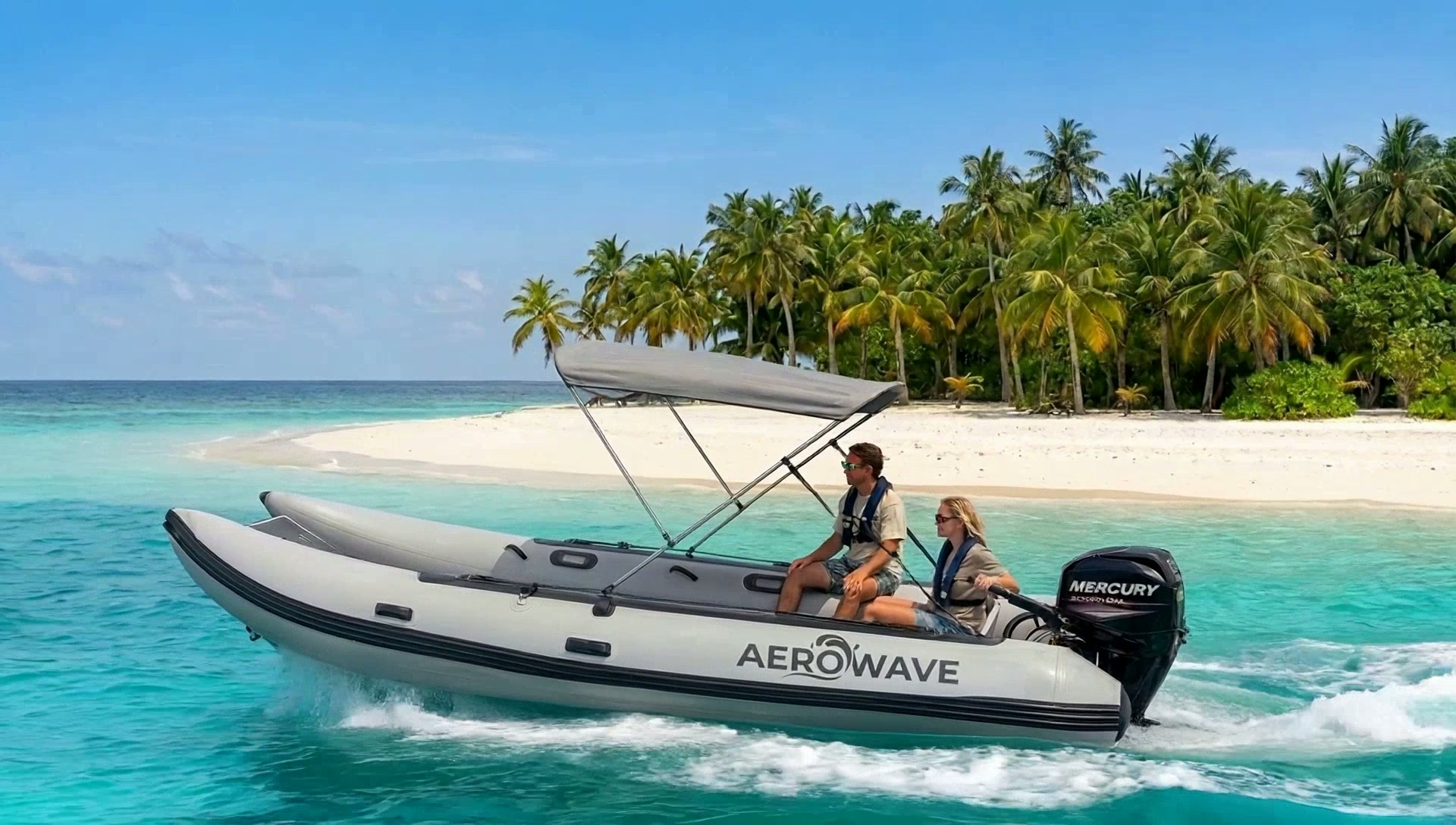
The premium 4m inflatable catamaran package built for Australian and worldwide families, fishos and coastal adventure buyers who want stability, strength and real long-term value. Includes Full Grey Bimini, LockPro Plus Wheels, German VALMEX® 1.2mm fabric, 10 PSI high-pressure drop-stitch air deck floor with VALMEX non-slip surface and FREE express delivery Australia-wide delivery.
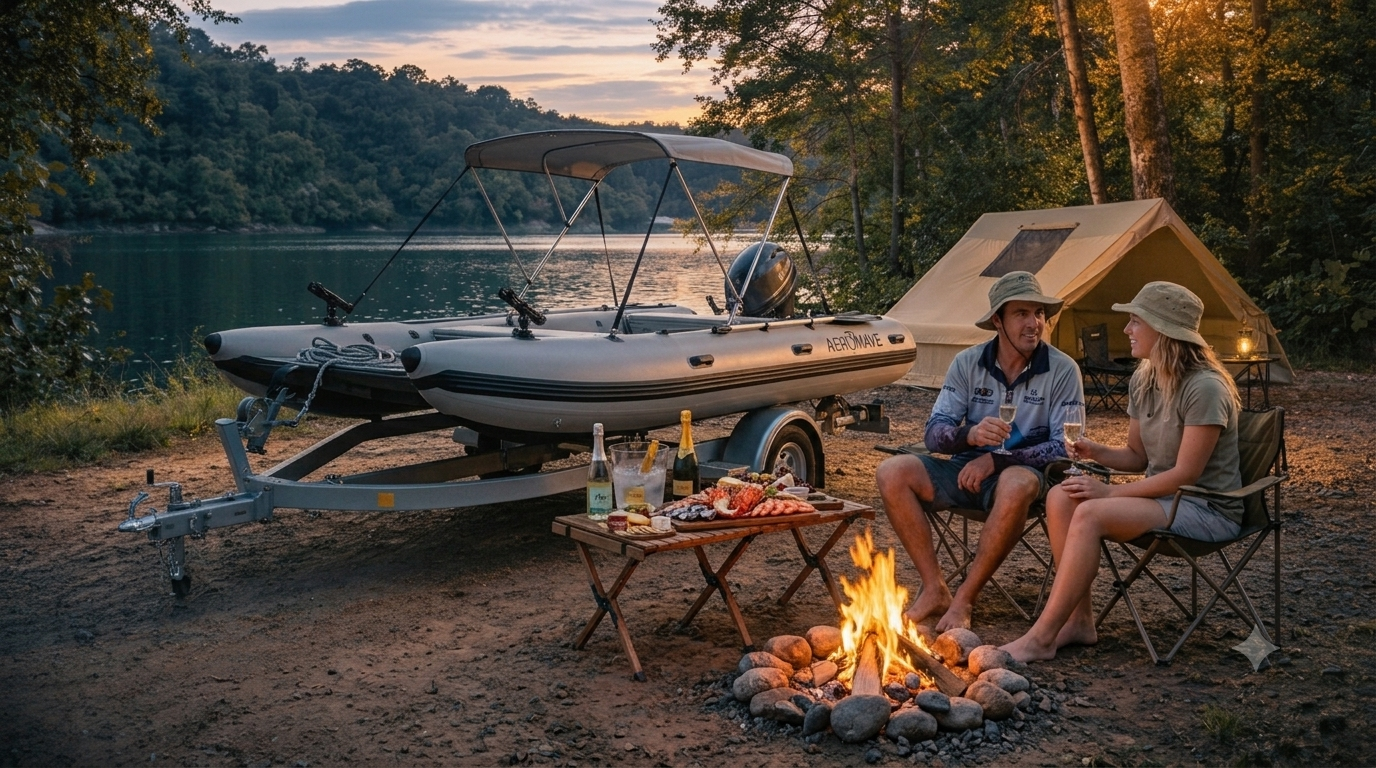
Viper 400 Expedition Camping Package
Complete boat-to-shore expedition system pairing the Viper 400 catamaran with the Aerowave Adventure Air Tent — reach remote beaches, islands and rivers with a fast-deploy camp. Aerowave Adventure Air Tent from $950. See the full package below.
Not sure which suits you? Talk to a real boat owner.
Frequently asked questions
- How durable is an air tent in strong winds compared to a pole tent?
- Air tents are surprisingly durable, often more so than pole tents in gusty conditions. Instead of rigid poles that can snap under pressure, the inflatable beams flex with the wind and bounce back into shape. This makes them incredibly resilient for coastal and exposed campsite locations.
- What size outboard motor is best for boat camping with a Viper 400?
- For a Viper 400 loaded with camping gear, a 15-20hp 4-stroke outboard, like those from Hidea, is ideal. This provides enough power to get the boat on the plane efficiently without being excessively heavy or thirsty on fuel, which is a key consideration for multi-day trips.
- Is German VALMEX fabric really better than standard PVC?
- Yes, significantly. The 1.2mm VALMEX® used on our Viper series is a commercial-grade, multi-layer composite fabric that is far more resistant to UV degradation, abrasion, and punctures than the thinner, cheaper PVC found on budget imports. This is why it has a 10-12 year expected lifespan and is backed by our 7-year Viper Sovereign warranty.
- How much gear can I realistically fit in an inflatable catamaran for camping?
- You can fit a surprising amount. A model like the AeroCat 380 or Viper 400 has a large, open deck and high payload capacity. For two people, you can comfortably pack a large esky, the air tent, sleeping gear, cooking equipment, chairs, and enough fuel and water for a 2-3 day trip.
- How long does delivery take for an Easy Inflatables boat?
- We include express courier delivery with DHL, FedEx, or UPS in the price of every boat. From the time of your order, you can expect door-to-door delivery anywhere in Australia within 7 to 14 days, getting you on the water faster.
- Can I use the Aerowave Adventure Air Tent for regular car camping too?
- Absolutely. While it's designed to be the perfect partner for our boats, the Adventure Air Tent is a brilliant standalone tent for any camping trip. Its fast setup and compact pack-down size make it just as convenient for car-based adventures as it is for boat camping.
- What happens if I puncture a tube on the boat or the tent?
- Both the boats and the air tent come with a comprehensive repair kit. Small punctures are easily fixed in the field in about 15-20 minutes. Because the boats have multiple separate air chambers, a puncture in one tube will not cause the vessel to sink, allowing you to return safely to shore.
Ready to set sail?
Premium German-fabric inflatable catamarans with express courier delivery included in the price — 7–14 days door-to-door. Talk to our team or browse the fleet.
Like this guide? Get the next one in your inbox.
Owner-tested tips, gear deep-dives and Aussie boating know-how — no spam.