How to Read Beach Conditions Before Launching Your Inflatable Catamaran: The Australian Skipper's Guide
Every year dozens of inflatable boats get into trouble because the skipper misread the beach. Here is how to read rips, sandbars, wind and tide so your catamaran launch is safe — every single time.
At a glance
Every year dozens of inflatable boats get into trouble because the skipper misread the beach. Here is how to read rips, sandbars, wind and tide so your catamaran launch is safe — every single time.
- The Five-Minute Beach Read
- Wave Pattern and Period
- Rip Currents: The Hidden Danger
- Wind Direction and Speed
What we'd put you in
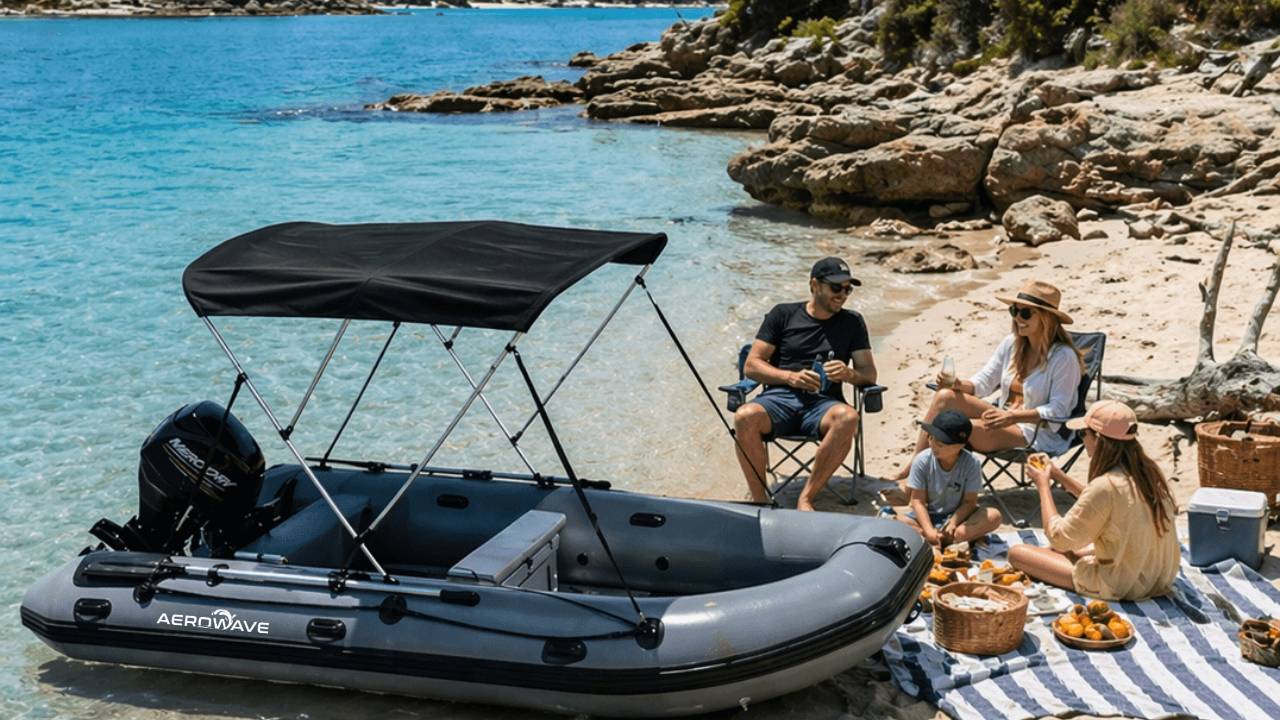
Aerowave Viper 400 Sovereign
If you're reading about catamarans, this is the one we build most of.
US$3,167 USD
Delivered to your door, today's rate
- Free freight to United States · local taxes payable on arrival
- 7-year hull warranty
🇺🇸 Shipping to United States · landed price quoted in writing
Yes — we ship the Aerowave Viper 400 Sovereign to United States. Here's the landed price.
If you're reading about catamarans, this is the one we build most of.
Written for Australian readers — but the boat ships to you. We are an Australian builder and this article is written from Australian waters. That changes nothing about what you can order: the same hull, the same 7-year warranty and the same certification go out to United States every week.
Aerowave Viper 400 Sovereign
- Boat package (export price)
- US$3,726
- 15% tariff relief credit
- − US$559
- Express air freight to United States
- Included
- Import duty, taxes & customs clearance
- Payable on arrival
- Estimated landed, USD
- US$3,167
Indicative, converted at today's rate, before local duty and tax on arrival. Ask below and we'll put a fixed figure in writing, valid 30 days.
- 7-year hull warranty
- 1500 GSM / 1.2 mm VALMEX® Heavy Plus hull
- CE certified to ISO 6185-3 and EU Directive 2013/53/EU
- Door-to-door, tracked the whole way
Your price, delivered to your door — freight included.
We email the full PDF quote (spec, freight, finance, WavePay) to your inbox in under 60 seconds. No spam — one quote, one follow-up.
See it for yourself
Real boats. Real owners. Real people behind them.
Plenty of what you read online these days is generated. Check us out properly — the factory, the reviews and the owners are all one click away. Why we use AI, and how to check we’re real
How our boats are built
Walk the production line: thermo-welded seams, 1.2 mm VALMEX Heavy Plus hulls, over-pressure relief valves on every chamber.
See the buildGoogle Maps reviews
Real Australian owners, five stars, published on our Google Business Profile with the map — read them there, not just on our own site.
Open Google Maps reviewsOwner stories
Boats in use — offshore, on rivers, on rescue duty. Photos and words from the people who actually own them.
Read owner stories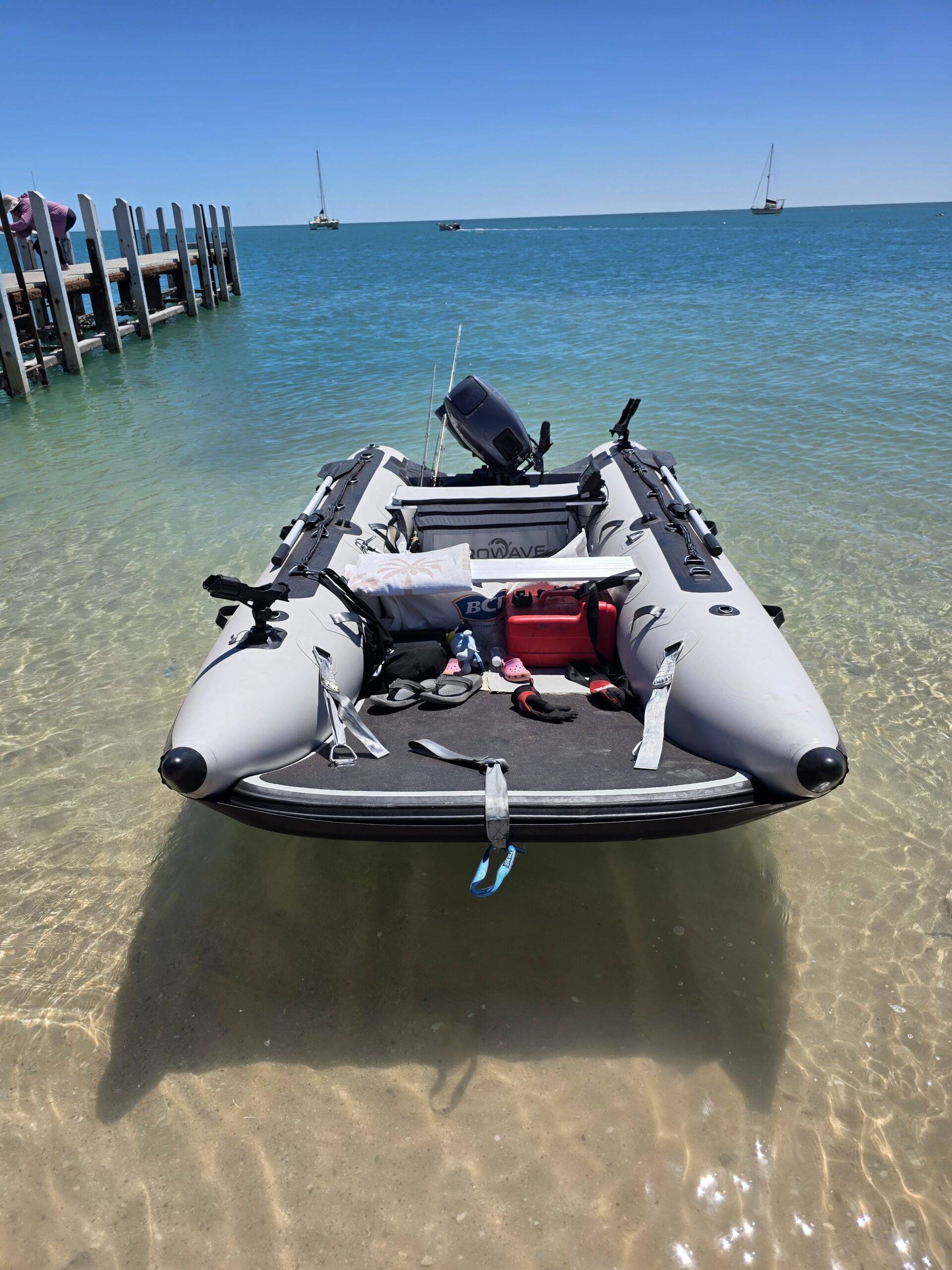
Australian beaches look flat and friendly — until they are not. Every summer, inflatable-boat owners find themselves caught in a rip, stuck on a sandbar or fighting a cross-shore wind that was not there at 6 am. The difference between a great day and a call to Marine Rescue is usually whether the skipper spent five minutes reading the beach before inflating the tubes.
This guide is written specifically for inflatable-catamaran skippers. Twin-hull boats behave differently to monohulls in surf: they are wider, lighter and sit higher on the water. That makes them easier to launch in shallow water, but it also means they catch wind differently and can broach sideways if a wave hits the wrong hull first. Knowing what to look for before you start pumping up the air deck is a skill that pays for itself.
The Five-Minute Beach Read
Before you unpack a single pump, walk to the high-tide line and look at the water for a full five minutes. You are checking four things: wave pattern, rips, wind direction and tide state. Each one changes how you launch, where you anchor and how you retrieve the boat at the end of the day.
Wave Pattern and Period
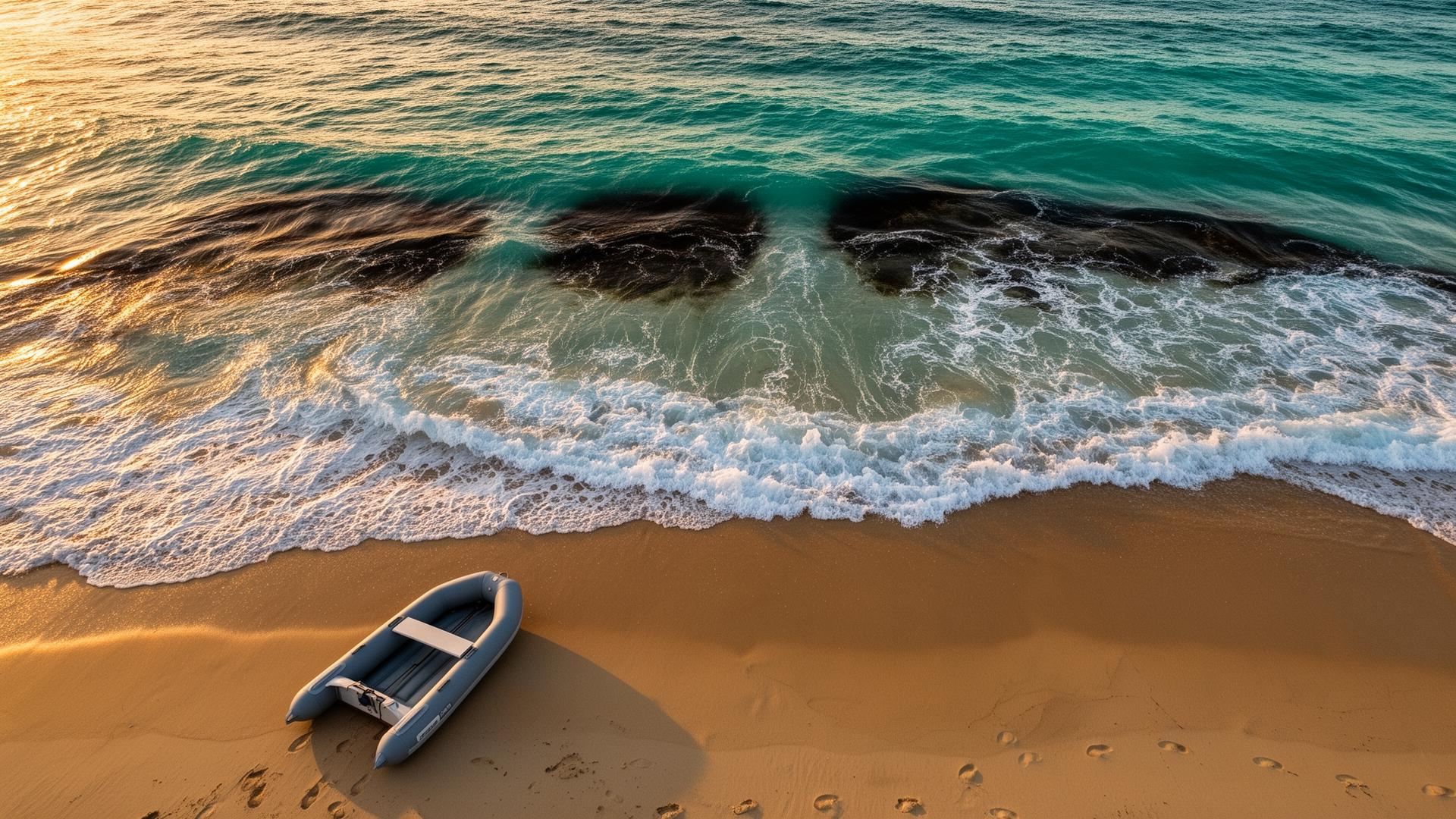
Look at the break. Are the waves crumbling evenly along the beach, or is there a section where they are not breaking at all? Even surf usually means an even seabed. A gap in the break — especially one that stays open for more than a minute — often marks a rip channel where the water is deeper and the current is running out to sea.
For an inflatable catamaran, the key number is wave period: the time between crests. Periods under six seconds mean choppy, disorganised surf that is hard to time. Periods over eight seconds mean larger, more powerful sets that arrive in predictable groups. You want to launch in the lull between sets, not during the biggest wave of the set.
Rip Currents: The Hidden Danger
Rips are the leading cause of inflatable-boat incidents on Australian beaches. They form where water pushed in by breaking waves funnels back out through a deeper channel. From the beach, a rip looks like:
- A gap in the break where waves are smaller or not breaking at all
- A channel of discoloured, sandy water running straight out to sea
- A line of foam, seaweed or debris being carried steadily offshore
- A sudden change in wave direction as the current pushes against the swell
If you see any of these signs, do not launch through the rip. Walk 50–100 metres along the beach and look for a section where the waves are breaking evenly and the water is not moving sideways. That is your launch window.
Wind Direction and Speed
Inflatable catamarans have a lot of side profile. A 4.0 m Viper 400 sits roughly 1.7 m wide and presents almost that full width to a cross-shore wind. A 15-knot cross-shore breeze can push the boat sideways faster than you can walk it into the water.
Before you launch, check:
- Offshore wind (blowing from land to sea): Launching is easy, but retrieving is harder because the wind pushes the boat away from the beach when you try to beach it. Always keep the motor running during retrieval and approach the beach at an angle, not straight in.
- Onshore wind (blowing from sea to land): Harder to launch because the wind and waves push the boat back onto you, but easier to retrieve. Launch quickly and get the motor started before the next wave pushes you backwards.
- Cross-shore wind (parallel to the beach): The trickiest condition. The boat will want to swing broadside to the wind. Have your crew hold the bow into the wind while you start the motor and give it enough throttle to punch through the break.
A good rule of thumb: if the wind is strong enough to whitecap the open water beyond the break, it is strong enough to make launching a solo operation difficult. Wait for a lull, or choose a more sheltered beach.
Tide State
Tide changes everything. At high tide, the beach is narrower and the waves break closer to the dry sand, giving you less room to manoeuvre. At low tide, sandbars are exposed and channels between them create unpredictable currents.
For inflatable catamarans, the best launch window is usually the last two hours of the rising tide and the first hour of the falling tide. The water is deep enough to float the hulls without scraping, but the beach is wide enough to walk the boat out and turn it before climbing aboard.
In Australia, tide times vary by state. New South Wales and Queensland have semi-diurnal tides (two highs and two lows per day). South Australia and Western Australia have mixed tides that can stay high or low for longer periods. Always check the local tide chart — not just the time of high and low water, but the tidal range. A three-metre spring tide in Broome can expose kilometres of mudflat, while a one-metre neap tide in Sydney barely changes the beach profile.
How to Launch an Inflatable Catamaran Through Surf
Once you have read the beach and chosen your launch spot, the physical launch is a three-stage process: positioning, timing and committing.
Positioning
Inflate the boat on dry sand above the high-tide line, well clear of the water. Fit the air deck, attach the motor and install the launching wheels if you have them. Do not try to inflate or rig the boat in the wash zone — a surprise wave can fill the hulls with sand and water in seconds.
Carry the boat to the waterline with one person at each hull end. Inflatable catamarans are light — a Viper 400 hull without motor is roughly 55 kg — but they are awkward. Lift by the hull tubes, not the air deck, and keep the motor tilted up until you are ready to start it.
Timing
Watch the surf for at least two full sets before you commit. Count the waves in each set and note the lull between them. Most Australian beaches have sets of three to seven waves, with a lull of 30 seconds to two minutes in between.
Your launch window is the lull after the last wave of a set. Walk the boat into the water until the hulls float, then immediately turn the bow into the oncoming waves. Do not hesitate in the break zone — if you pause, the next wave will push you sideways or backwards.
Committing
Start the motor before the boat is fully afloat if you can do so safely. With a short-shaft outboard on an inflatable catamaran, the lower unit is usually just clear of the sand at knee depth. Tilt it down, start it, and give it enough throttle to maintain steerage way.
The critical moment is crossing the breaker line. You want to hit each breaking wave at a 90-degree angle, bow-first, with enough forward speed to punch through. If a wave is about to break directly on top of you, throttle back and let it break in front of the boat, then power through the foam before the next wave arrives.
Never try to outrun a breaking wave. Inflatable catamarans are fast for their size, but they cannot outrun gravity. The wave always wins. Your job is to time your passage so the wave does not break on you.
Retrieving the Boat Safely
Retrieval is where most beach-launch incidents happen. After a long day on the water, skippers are tired, the wind may have shifted, and the tide has changed the beach profile. The rules are simple but easy to forget.
- Approach from seaward at a 45-degree angle, not straight in. This gives you room to turn parallel to the beach if a wave surprises you.
- Wait for a lull between sets before committing to the beach. If a set is coming, hold position outside the break and let it pass.
- Kill the motor before the propeller hits sand. On most Australian beaches, the motor should be tilted up or killed when the hulls touch the bottom at walking depth.
- Exit quickly. Do not sit in the boat in the wash zone. Grab the hull tubes, lift, and walk the boat up the beach in one continuous movement.
If the surf has increased while you were out, do not attempt a beach retrieval. Motor to a nearby boat ramp, estuary entrance or sheltered cove and retrieve there. A $50 taxi ride back to your car is cheaper than a ripped hull or a drowned motor.
Equipment That Makes Beach Launching Safer
A few accessories dramatically reduce the risk of a beach launch:
- Launching wheels: Italian quick-lock stainless wheels let one person roll a Viper 400 down the beach without carrying it. Essential for solo operators.
- Kill-switch lanyard: If you are thrown from the boat in surf, the motor stops immediately. Non-negotiable for beach launches.
- VHF radio or mobile phone in a dry pouch: If you get into trouble, you need to call for help without leaving the boat. Marine Rescue channels 16 (VHF) and 61 (phone) cover most Australian coasts.
- Anchor with chain: If you need to hold position outside the break while waiting for a lull, a small Danforth or sand anchor with 2 m of chain grips better than rope alone.
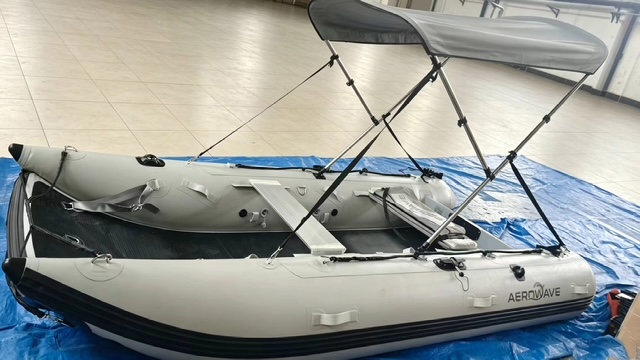
- Bimini canopy: Not just for sun protection. In a cross-shore wind, the Bimini acts as a windbreak and makes the boat easier to control during launch and retrieval.
When to Call It Off
There are days when the beach wins. Do not launch if any of the following are true:
- Wind over 20 knots sustained or gusts over 25 knots
- Breaking surf over 1.5 m face height
- Visible rip currents in your chosen launch corridor
- Thunderstorms within 10 km (lightning risk on open water)
- You are alone and there is no one on the beach to raise an alarm if something goes wrong
The boat will still be there tomorrow. The ocean will not.
Related
- AeroCat 380 — twin-hull stability for marginal beach launches.
- Aerowave Viper 400 Sovereign — flagship cat with the freeboard you want in chop.
- LockPro Plus wheel set — beach wheels that make launching one-person manageable.
Weekend-Proof Score 17 questions · about 2 minutes
Will the boat you're about to buy survive an Australian summer?
Seventeen straight questions about where you'll use it, what you'll ask of it and the boat you're weighing up. You get a score out of 100, the exact weak points in your plan, and the one boat that genuinely fits.
Free · your result shows on screen · no email required
So which one is yours?
Pick how you'll actually use it and we'll take you straight to the right hull.
I want to fish it
Open bow, rod holders, deck space you can stand and cast from.
Viper Sport 400Family, diving and the beach
3.8 m Series 3 catamaran — low bow to climb back in wearing fins or a tank.
WaveRunner 380Tender / one-person launch
3.3 m hard-floor boat that packs into a bag and still takes a beach landing.
Viper 330Shop gear featured in this guide
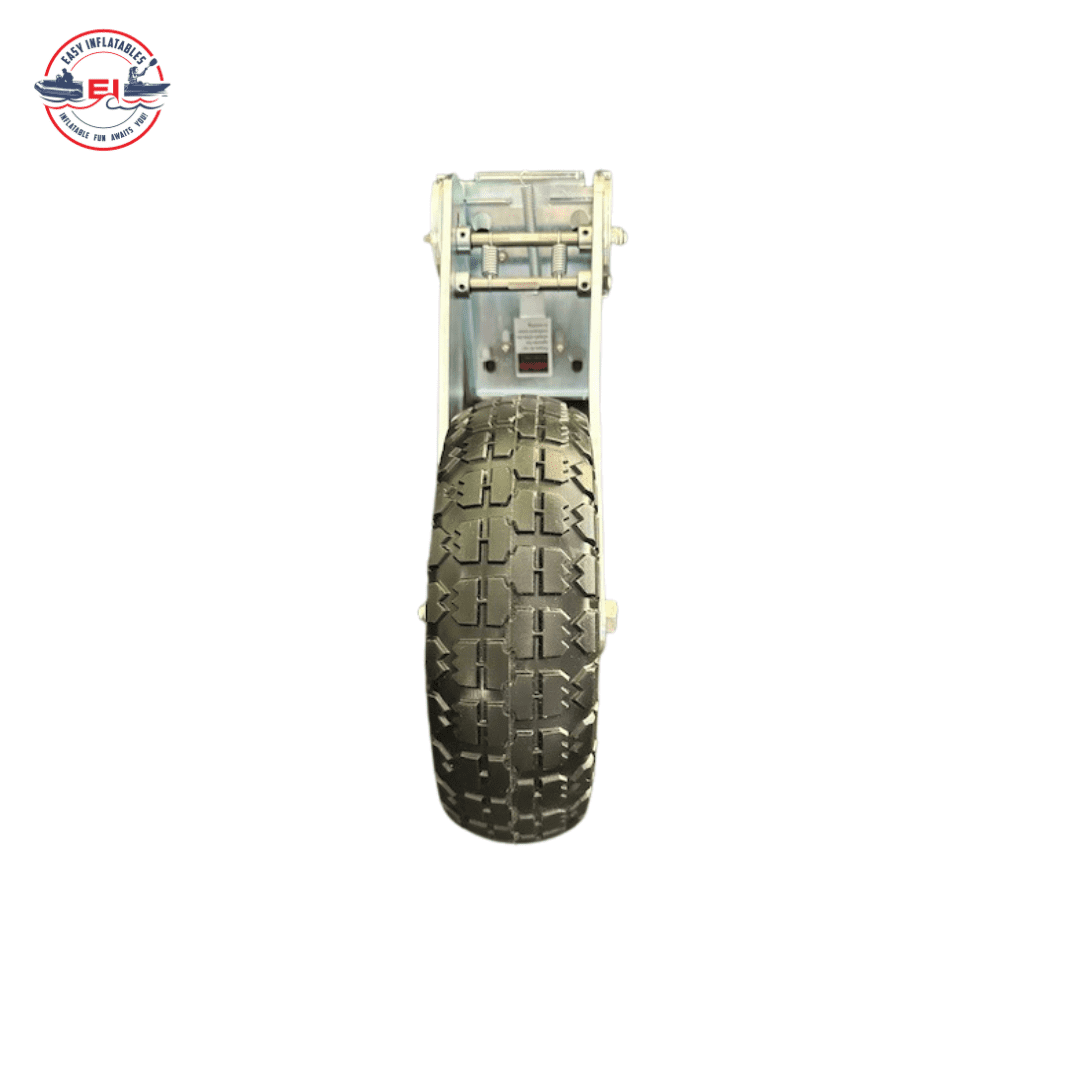
LockPro Plus Inflatable Boat Wheel Set
The LockPro Plus Inflatable Boat Wheel Set offers a premium solution for easy and safe loading of inflatable boats, featuring an Italian stainless steel quick-lock system.
Free freight to United States · local taxes payable on arrival
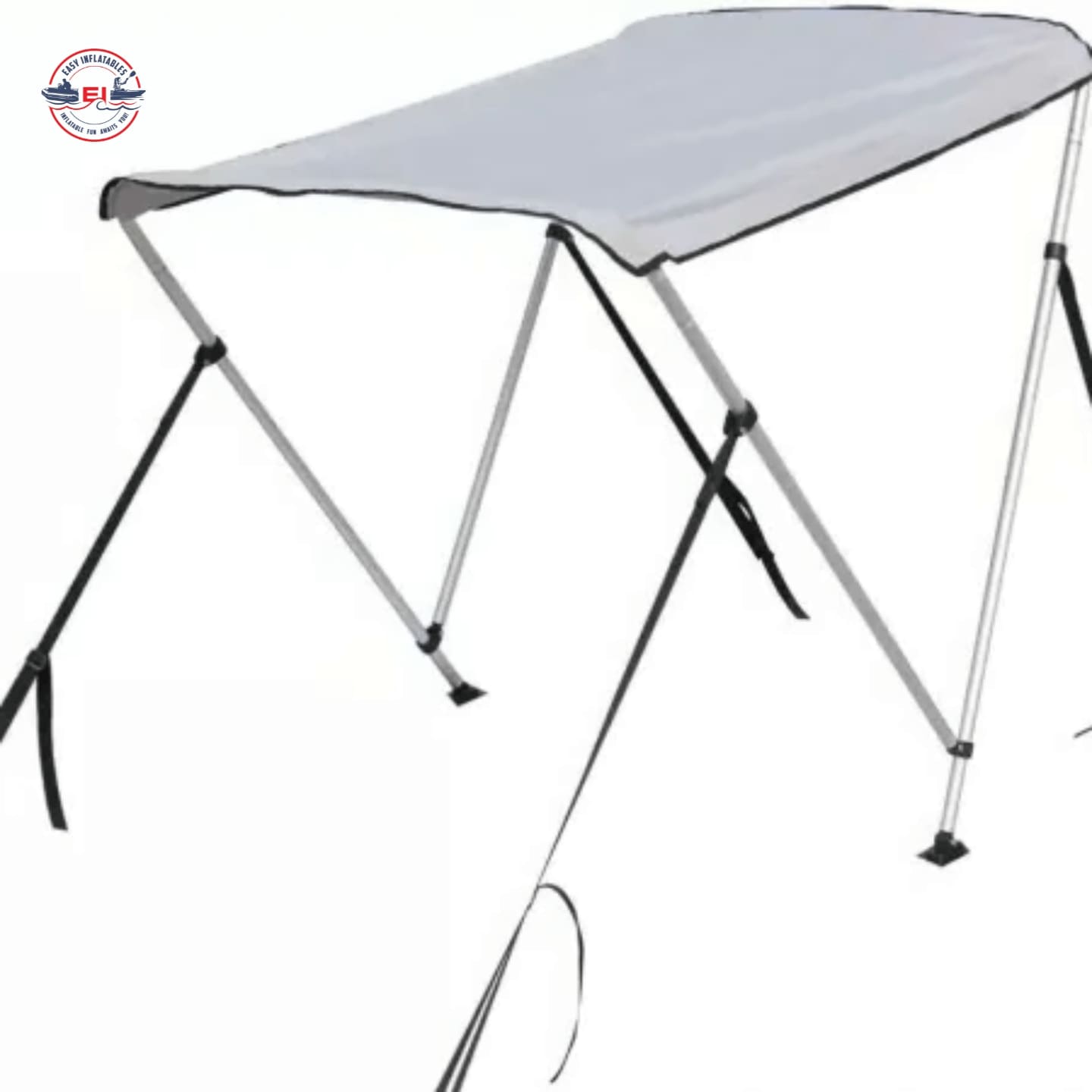
Aerowave Inflatable Boat Bimini
Lightweight inflatable UV sun-shade canopy for inflatable boats, SIBs and catamarans. Now available in two colours — Light Grey and Black. Fast setup, compact storage and premium UV protection for Australian boating.
Free freight to United States · local taxes payable on arrival
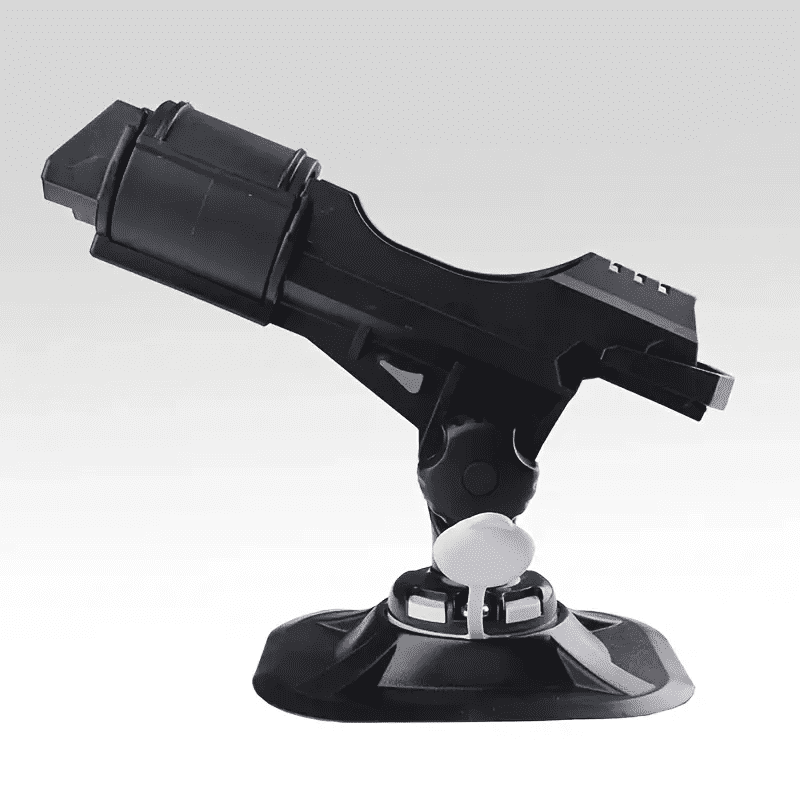
Inflatable Boat Rod Holder Mount
Factory-installed fishing mount designed for Easy Inflatables boats, providing a clean and secure installation for serious anglers.
Free freight to United States · local taxes payable on arrival
Not sure which suits you? Talk to a real boat owner.
Before you spend a cent
Buying from Australia, delivered to United States
You have never heard of us, we are on the other side of the world, and the internet is full of fakes. Fair enough. Here is everything you would need to check us out, in one place — no forms, no chat bot.
Australian designed business
Easy Inflatables, Avoca Beach NSW 2251. ABN 96 856 548 613. International orders ship from our Hong Kong hub.
222 owner reviews, 4.8 average
Read them in full, good and bad, on our reviews page.
CE certified, 7-year hull warranty
ISO 6185-3 and EU Directive 2013/53/EU. Warranty honoured worldwide.
Tracked, insured, door to door
FREE freight to United States · local tax/duty on arrival.
- Who am I actually buying from?
- Easy Inflatables, Avoca Beach NSW 2251, Australia. ABN 96 856 548 613. Sean is the owner and skipper, Gary Stewart handles sales on +61 2 4335 1603, Karen Matthews handles email. The boats are Australian designed; international orders ship from our Hong Kong dispatch hub so your landed price stays competitive. Phone us before you pay a cent — a real person answers.
- Is this really an Australian product?
- Yes — Australian designed and engineered on the NSW Central Coast. Manufacturing is done offshore to our spec, and international orders ship direct from our Hong Kong dispatch hub. If we routed every boat through Australia first, the freight alone would roughly double or triple your cost for the same hull.
- What do I pay, and what is not included?
- The delivery and import terms depend on your country. EU, UK, New Zealand and named Asia/Pacific lanes include duty and tax; US freight is free but US buyers pay import charges on arrival. Other destinations show their terms before payment.
- How do I pay safely?
- Card through Stripe (Visa, Mastercard, Amex, Apple Pay, Google Pay) or bank transfer. Card payments carry your bank's own dispute protection. We never ask for crypto, gift cards or payment to a personal account.
- What if it arrives damaged?
- Every boat ships fully tracked and insured door to door. Photograph the carton and the boat on arrival and email us — transit damage is claimed and replaced through us, not left with you and the courier.
- Is the warranty real outside Australia?
- Yes. The 7-year hull warranty on 1.2 mm VALMEX Heavy Plus and Orca Hypalon hulls applies wherever you are. Replacement parts are held in Australia and at our overseas hub and go out by express courier to your door.
- Is the boat actually certified?
- All Aerowave catamarans are CE certified to ISO 6185-3 and EU Directive 2013/53/EU. Certification paperwork is supplied with the boat — ask and we will send it before you order.
Frequently asked questions
- What is the best tide for launching an inflatable catamaran?
- The last two hours of the rising tide and the first hour of the falling tide are ideal. The water is deep enough to float the hulls without scraping the bottom, but the beach is still wide enough to manoeuvre.
- Can I launch a 4.0 m inflatable catamaran by myself?
- Yes, but it requires planning. Use launching wheels, choose a sheltered beach, and practice the timing of sets before you commit. Solo beach launching in surf over 1 m is not recommended.
- How do I know if there is a rip current?
- Look for a gap in the breaking waves, a channel of sandy or foamy water running straight out to sea, or debris moving steadily offshore. Rips can also be identified by a sudden change in wave direction where the current meets the swell.
- Should I start the motor before or after the boat is floating?
- Start the motor as soon as the lower unit is deep enough to avoid sucking sand — usually at knee depth. On short-shaft outboards mounted to inflatable catamarans, this happens before the hulls are fully afloat.
- What wind speed is too strong for a beach launch?
- Sustained winds over 20 knots, or gusts over 25 knots, make beach launching difficult and dangerous for inflatable catamarans. The wide beam catches a lot of wind, and cross-shore gusts can push the boat sideways into the break.
- Is it safe to beach an inflatable catamaran at speed?
- No. Always approach the beach at idle speed or with the motor tilted up. Beaching at speed can rupture the hull tubes on hidden rocks or shells, and it drives sand into the transom fittings.
- How do launching wheels help with beach retrieval?
- Quick-lock launching wheels let you roll the boat up the beach instead of carrying it. This is especially useful when the boat is wet and slippery, or when you are retrieving solo after a long day on the water.
Ready to set sail?
Premium German-fabric inflatable catamarans, built to order and delivered to your door. Talk to our team or browse the fleet.
Like this guide? Get the next one in your inbox.
Owner-tested tips, gear deep-dives and Aussie boating know-how — no spam.