Inflatable Boat Bimini Australia: The Ultimate 2024 Buyer's Guide
In Australia's harsh sun, a bimini top isn't a luxury for your inflatable boat; it's a necessity. Discover why, what to look for, and how to choose the perfect sun shade for your vessel.
🇺🇸 Boats shipping to United States
See landed prices in USD before you bounce.
Door-to-door delivery to United States in 7–14 days. Choose a boat, see local-currency pricing, or request a fixed landed quote from the sales team.
Under the brilliant Australian sun, a day on the water can be paradise. But without the right protection, it's a paradise with a serious sting in its tail.
There’s nothing quite like skimming across a glassy bay in your inflatable, the engine purring, destination unknown. It’s the quintessential Australian dream. But here, that dream unfolds under one of the most intense UV climates on the planet. For inflatable boat owners, a hat and a layer of sunscreen are simply the opening act. The headliner, the piece of equipment that transforms a boat from a fair-weather toy into a genuine all-day vessel, is a quality bimini top.
Yet, for a piece of gear so critical, it’s often treated as an afterthought. Many inflatable boat packages, particularly budget imports, leave it off the list entirely, forcing you to navigate the confusing world of aftermarket solutions. We believe this is a fundamental oversight. An inflatable boat bimini in Australia isn’t a luxury accessory; it’s a core component of a safe and usable boating package. This guide is built on that belief. We’ll explore why you need one, what separates a quality canopy from a liability, and how to choose and fit the perfect sun shield for your pride and joy.
The Unseen Hazard: UV Radiation on Australian Waters
We all know the Aussie sun has bite. But it’s easy to underestimate just how much more intense that bite becomes when you’re out on the water. Understanding the science behind it isn't just trivia; it's crucial for your safety.
More Than Just a Sunburn
Sunlight contains different types of ultraviolet (UV) radiation. The two we're most concerned with are UVA and UVB.
- UVB rays are the primary cause of sunburn. They are intense but are partially blocked by the atmosphere and don't penetrate glass well.
- UVA rays penetrate deeper into the skin. They are the main culprit behind premature ageing, wrinkles, and play a significant role in the development of skin cancers. Critically, UVA rays are less affected by cloud cover and can pass through glass.
On a boat, you’re dealing with a double dose. Not only are you receiving direct UV radiation from the sun, but the surface of the water acts like a giant mirror. It can reflect up to 80% of the sun's UV rays back up at you. This means you’re being hit from above and below, dramatically increasing your total exposure and the risk of cellular damage.
The Limits of Sunscreen and Hats
A wide-brimmed hat, polarised sunnies, and a high-SPF, water-resistant sunscreen are non-negotiable parts of any boater’s kit. However, they have their limitations for a full day on the water.
- Sunscreen wears off. Even the best '4-hour water-resistant' formulas degrade with sweat, swimming, and the simple act of towelling off.
- Reapplication is a hassle. Trying to reapply sunscreen evenly on a moving boat, with sandy or wet hands, is often impractical and leads to missed spots.
- Hats only cover so much. A hat provides excellent protection for your face, neck, and ears, but it does nothing for your arms, legs, or torso. Furthermore, the reflected UV from the water can still reach under the brim of your hat.
This is where a bimini top transcends being a mere accessory. It provides a physical barrier, a consistent and reliable patch of shade that moves with you. It doesn't wear off, require reapplication, or leave gaps in your protection. It creates a safe zone on your boat, allowing you and your family to relax and enjoy your time without constantly worrying about the UV index.
Anatomy of a Quality Inflatable Boat Bimini
Not all biminis are created equal. A flimsy, poorly designed sun top can be more of a hazard than a help, especially if it fails in a fresh breeze. Understanding the components is the first step to identifying a quality product that will last.
The Canopy Fabric
The fabric is the heart of the bimini. It needs to do more than just block light; it must endure constant exposure to sun, salt, and moisture. Look for marine-grade polyester canvas, typically rated in 'denier'. A higher denier count (e.g., 600D or higher) indicates a thicker, more durable fabric.
Key properties to look for are:
- UV Stability: The fabric must be treated to resist breaking down under intense UV radiation. Untreated fabrics will fade, become brittle, and tear within a season or two.
- Water Repellency: A hydrophobic coating will cause water to bead up and roll off, rather than soaking in and promoting mildew.
- Mildew Resistance: Essential in a marine environment, this treatment prevents mould and mildew from taking hold when the bimini is stored, even if slightly damp.
The Frame: Bows, Tubes, and Fittings
The frame provides the structure. For inflatable boats, frames are almost always made from anodised aluminium tubing. It’s lightweight, strong, and highly resistant to corrosion in a saltwater environment. Stainless steel is an alternative but is generally heavier and more expensive, offering little practical advantage for a portable SIB.
The number of 'bows' (the curved hoops that support the canopy) determines the bimini's length and rigidity.
- 2-Bow Biminis: Suitable for smaller tenders and boats under 3 metres. They provide a compact patch of shade.
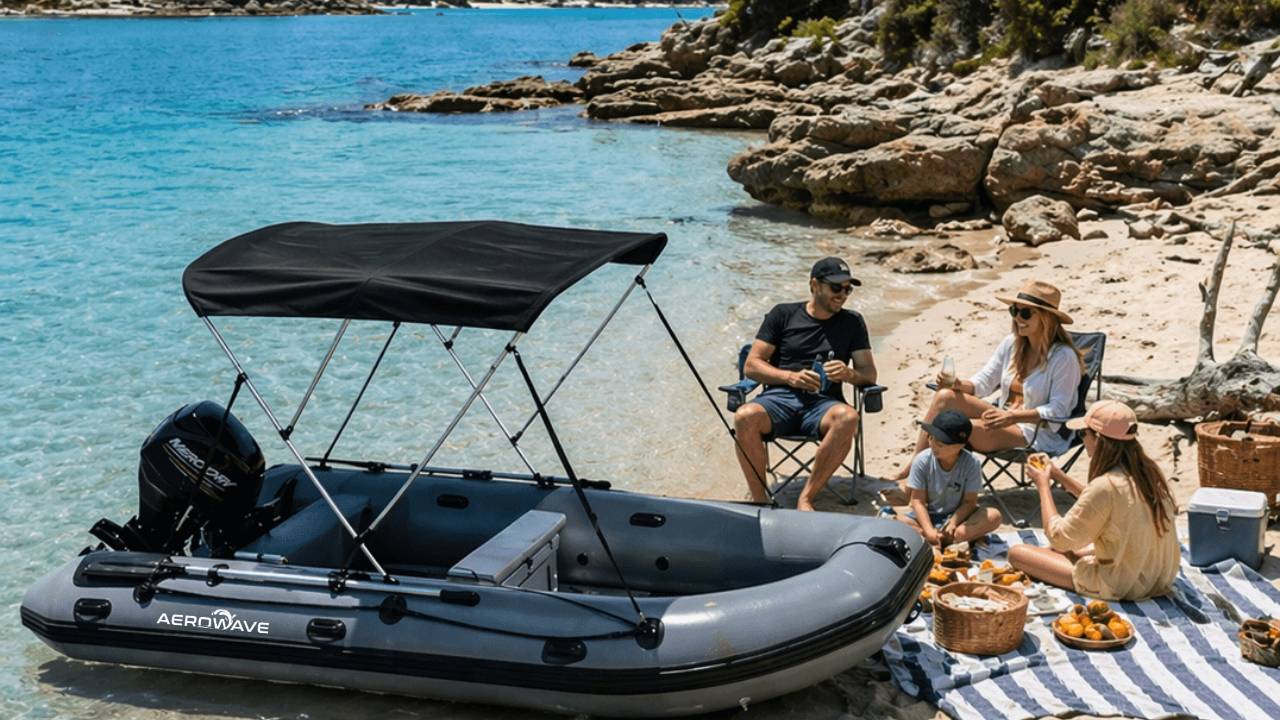
- 3-Bow Biminis: The most common size for inflatables between 3 and 4 metres. They offer a great balance of coverage, stability, and ease of storage. The Aerowave Bimini, for instance, uses a 3-bow design perfectly scaled for boats like the AeroCat and Viper series.
- 4-Bow Biminis: Generally used on larger rigid-hull boats. They can be too large and cumbersome for most portable inflatables.
All fittings, screws, and rivets should be marine-grade stainless steel (look for 316 grade) to prevent rust and corrosion from seizing the components.
The Mounting System: The SIB Difference
This is the most critical difference for an inflatable boat bimini in Australia. On a fibreglass boat, you drill holes and bolt the fittings on. On a premium inflatable made from VALMEX® or Hypalon fabric, drilling into the transom is possible, but drilling into the inflatable tubes is out of the question. The proper mounting solution involves specially designed PVC or Hypalon pads that are glued directly onto the tubes using a high-strength, two-part marine adhesive. These pads then provide a secure, non-penetrating anchor point for the bimini frame.
This glue-on method is superior because it distributes the load across a wider surface area of the tube and maintains the inflatable's structural integrity. Any bimini kit that suggests screwing directly into the inflatable tubes should be avoided at all costs.
Why We Include a Bimini in Our Premium Packages
When you look at the market, you'll notice a trend: most inflatable boat suppliers sell biminis as an optional extra, if at all. Budget PVC boats sold through mass-market platforms rarely even have a compatible option. This is a deliberate business choice to advertise a lower entry price, leaving the customer to discover the hidden costs and complexities later.
We take a different approach. With our flagship Aerowave Viper 400 Sovereign Full Package ($5,995), the custom-designed Aerowave Bimini (a $499 value) is included as standard. This isn't an upsell; it's part of our philosophy. A high-performance inflatable catamaran like the Viper, built from top-tier 1.2mm/1500 GSM VALMEX Heavy Plus fabric and designed for serious Aussie adventures, is incomplete without proper sun protection.
Including the bimini ensures three things:
- Guaranteed Compatibility: You receive a bimini that is perfectly sized for the boat's beam and length, with the correct mounting hardware for the VALMEX® fabric tubes.
- Safety from Day One: We believe providing a safe boating experience is our responsibility. In Australia, that includes protection from the elements. You shouldn't have to spend your first weekend on the water getting sunburnt while you research aftermarket parts.
- True Value: The advertised price of the package reflects the real cost of a fully-equipped, ready-to-use vessel. There are no hidden extras or essential components missing. This transparency is key, from the 7-year warranty on the Viper Sovereign to the included express courier delivery.
While we also offer the Aerowave Bimini as a standalone purchase for owners of our AeroCat models or other boats, our inclusion of it in the top-tier package underscores our commitment to delivering a complete and safe solution, not just a boat in a box.
Your Inflatable Boat Bimini Buyer's Checklist
Ready to choose a bimini? Whether it's for a new boat or an existing one, use this checklist to make an informed decision.
- Fabric Quality: Is it at least 600D marine-grade polyester? Is it specifically rated for UV, water, and mildew resistance? Don't settle for unspecified 'canvas'.
- Frame Material: Is the frame made from anodised aluminium? Are the tubes a decent diameter (e.g., 25mm) for rigidity?
- Fittings Material: Are all screws, nuts, bolts, and rivets made from marine-grade (316) stainless steel? Anything less will rust.
- Mounting System: Does the kit come with high-quality glue-on mounting pads suitable for your boat's fabric (PVC or Hypalon)? Does it include the correct two-part adhesive?
- Size and Coverage: Measure your boat. The bimini's width should be close to the measurement between the centre-points of the two main tubes. The length (determined by the number of bows) should provide adequate shade over your preferred seating area without hindering the skipper's movement or view.
- Straps and Tensioning: Does it come with heavy-duty webbing straps (not cheap rope) and stainless steel tensioning hooks to keep it taut and stable when underway?
- Storage Boot: A good kit includes a zippered 'boot' or cover made from the same material as the canopy. This protects the folded bimini from the elements and keeps it tidy when not in use.
- Clear Instructions: Proper installation is crucial, especially the gluing process. Look for clear, detailed instructions or, even better, online video tutorials.
Comparison: Bimini vs. Other Shade Solutions
A bimini is the gold standard, but what about other options? Here’s how they stack up for a typical inflatable catamaran or tender.
| Feature | Bimini Top | T-Top | Beach Umbrella | Easy Inflatables Air Tent |
|---|---|---|---|---|
| Primary Use | Shade while underway & at rest | Shade, mounting point for gear | Shade only at rest (zero speed) | Shade/shelter on the boat at rest, or on the beach |
| Stability | Good in moderate wind/speed | Excellent, fixed structure | Poor. Dangerous if used underway | Excellent at rest. Not for use underway. |
| Coverage | Excellent, covers main seating area | Good, but often smaller footprint | Poor, small circular patch | Superb, full bow-to-stern coverage |
| Installation | Glue-on pads, 1-2 hour process | Complex, requires rigid floor/console | None, but insecure | Simple, inflates in minutes |
| Portability | Folds down, stores in boot | Fixed, not removable | Highly portable | Very portable, packs into a small bag |
| Cost | $$ (e.g., $499 Aerowave) | $$$$ (not typical for SIBs) | $ | $$ (e.g., $890 Air Tent) |
| Best For | All-round use, the most versatile inflatable boat bimini in Australia | Serious fishing on rigid console tenders | A quick stop at a calm beach | Ultimate relaxation, camping, and beach use |
As the table shows, the bimini top offers the best all-round compromise of stability, coverage, and practicality for the vast majority of inflatable boat users. The Air Tent is an outstanding alternative for those who prioritise maximum shelter at rest, effectively turning the boat into a floating cabana.
Installation Guide: Fitting a Bimini to Your Inflatable
Fitting a bimini using glue-on pads is a straightforward job, but preparation and patience are key to a professional, permanent bond. Always follow the manufacturer's instructions, but here is a general guide.
Tools & Materials:
- Your bimini kit (frame, canopy, mounting pads, hardware)
- Two-part PVC or Hypalon adhesive (ensure it matches your boat's fabric)
- Methylated spirits or MEK (Methyl Ethyl Ketone) for cleaning
- Low-tack masking tape
- Pencil or non-permanent marker
- Clean, lint-free cloths
- Small brush for applying glue
- A friend to help with measurements!
Step-by-Step Process:
- Assemble the Frame: Assemble the bimini frame on the ground first. This will help you confirm all parts are present and understand how it operates.
- Positioning: Place the assembled, open bimini on your boat. Move it back and forth to find the ideal position. You want to shade the main seating area while ensuring the skipper has full visibility and range of motion for the tiller. The main pivot point is usually slightly behind the midpoint of the boat.
- Mark the Pad Locations: With the bimini held in its ideal spot, place the glue-on mounting pads under the frame's mounting points. Use a pencil or non-permanent marker to carefully trace the outline of the pads onto the boat's tubes.
- Prepare the Surfaces: This is the most important step. Deflate the tubes slightly so the surface is firm but not drum-tight. Clean the marked area on the boat tube AND the bottom of the mounting pad with methylated spirits or MEK on a clean cloth. This removes dirt, grease, and mould-release agents. The surfaces must be perfectly clean and dry.
- Mask the Area: Apply masking tape just outside your traced lines on the boat tube. This prevents any excess glue from smearing onto the boat, giving you a clean, professional-looking edge.
- Mix and Apply Adhesive: Following the adhesive's instructions, mix the two parts thoroughly. Using a brush, apply a thin, even coat of adhesive to both the prepared area on the boat tube and the bottom of the mounting pad.
- Wait and Apply Second Coat: Let the first coat become tacky to the touch (usually 5-15 minutes, but check the glue instructions). Then, apply a second thin, even coat to both surfaces.
- Bond the Pad: After the second coat becomes tacky, carefully align the pad with your markings and press it firmly onto the tube. Start from the centre and work your way out to eliminate any air bubbles. Use a smooth, rounded object (like the handle of a screwdriver) to apply firm pressure across the entire surface of the pad.
- Cure: The bond needs time to cure. Initial bond strength is achieved within an hour, but full chemical curing can take 24-72 hours, depending on the adhesive and ambient temperature/humidity. Do not attach the bimini or fully inflate the tubes during this time.
- Repeat and Assemble: Repeat the process for all mounting pads. Once cured, you can attach the bimini frame, tension the straps, and admire your work!
The Bottom Line
For the Australian inflatable boat owner, a bimini is not an indulgence; it's a fundamental piece of safety equipment. It extends your time on the water, protects your family, and ultimately increases the value and usability of your vessel. While the upfront cost of a boat package might look lower without one, the true cost comes later—in aftermarket hassle, a compromised experience, or worse, the painful consequences of over-exposure to our unforgiving sun. When choosing your next boat, look past the sticker price and ask: is it truly ready for an Australian summer?
If you have any questions about choosing the right bimini or boat package, our team of passionate boaters is here to help. Contact us at sales@easyinflatables.com.au or call +61 2 4335 1603.
Related
Shop gear featured in this guide
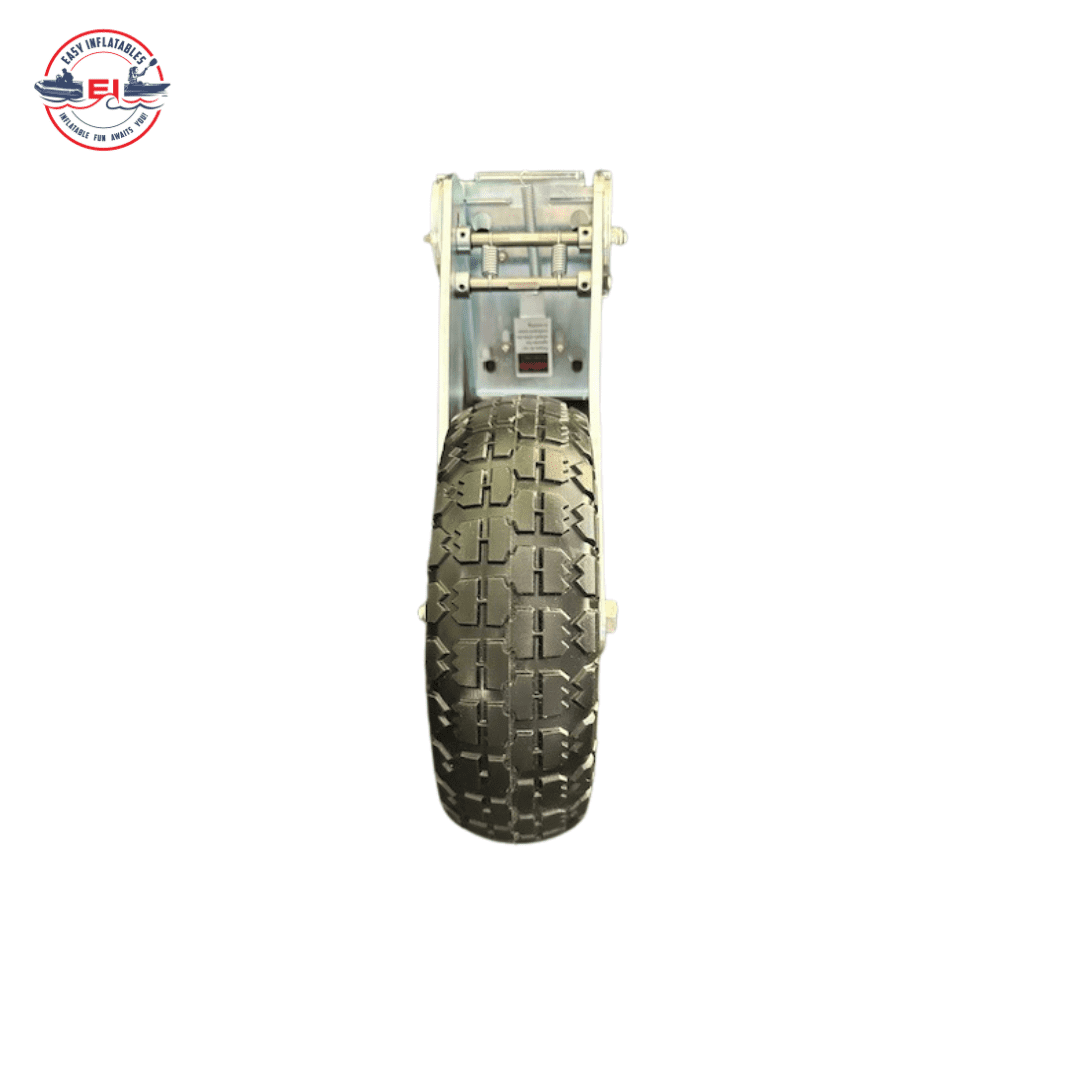
LockPro Plus Inflatable Boat Wheel Set
The LockPro Plus Inflatable Boat Wheel Set offers a premium solution for easy and safe loading of inflatable boats, featuring an Italian stainless steel quick-lock system.
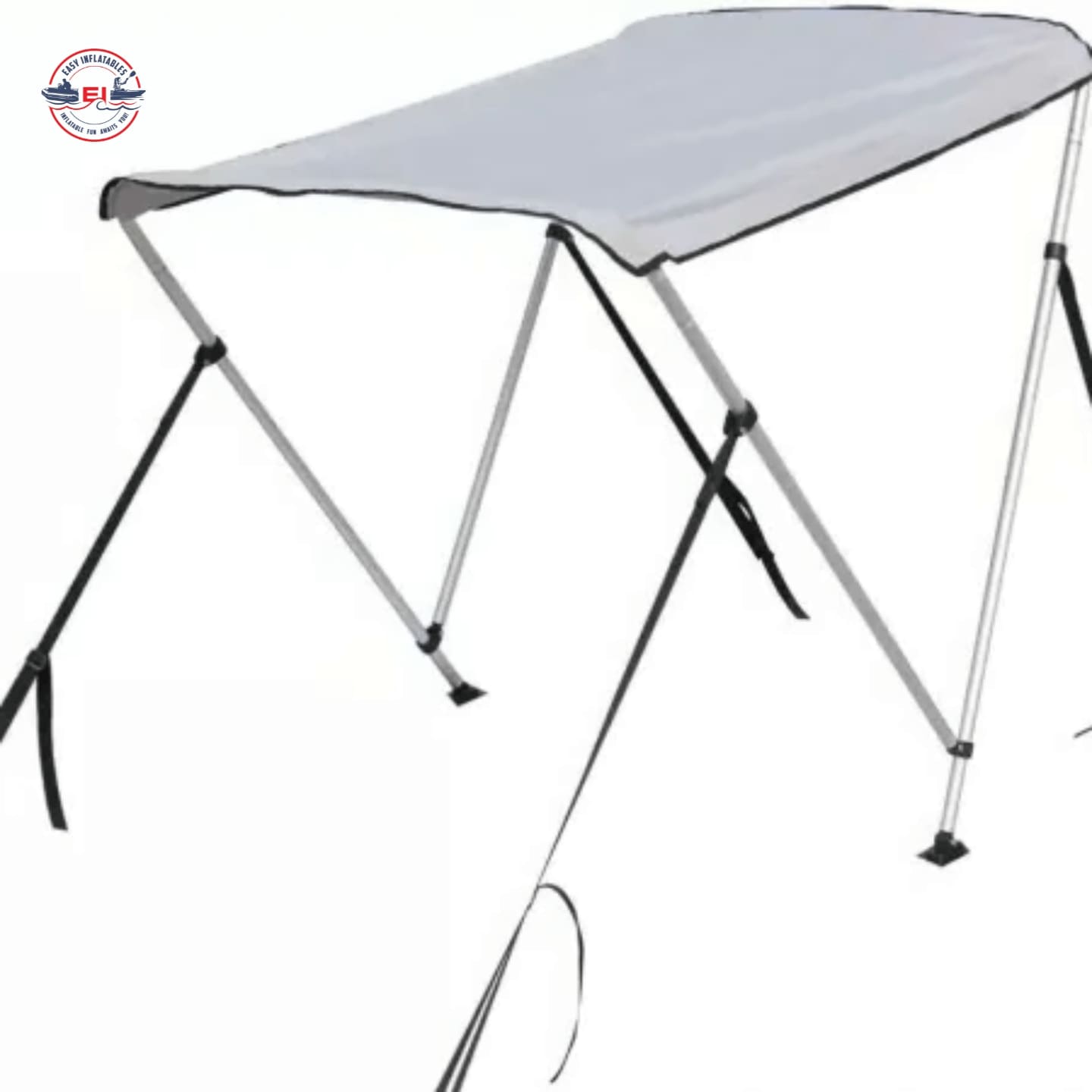
Aerowave Inflatable Boat Bimini
Lightweight inflatable UV sun-shade canopy for inflatable boats, SIBs and catamarans. Now available in two colours — Light Grey and Black. Fast setup, compact storage and premium UV protection for Australian boating.
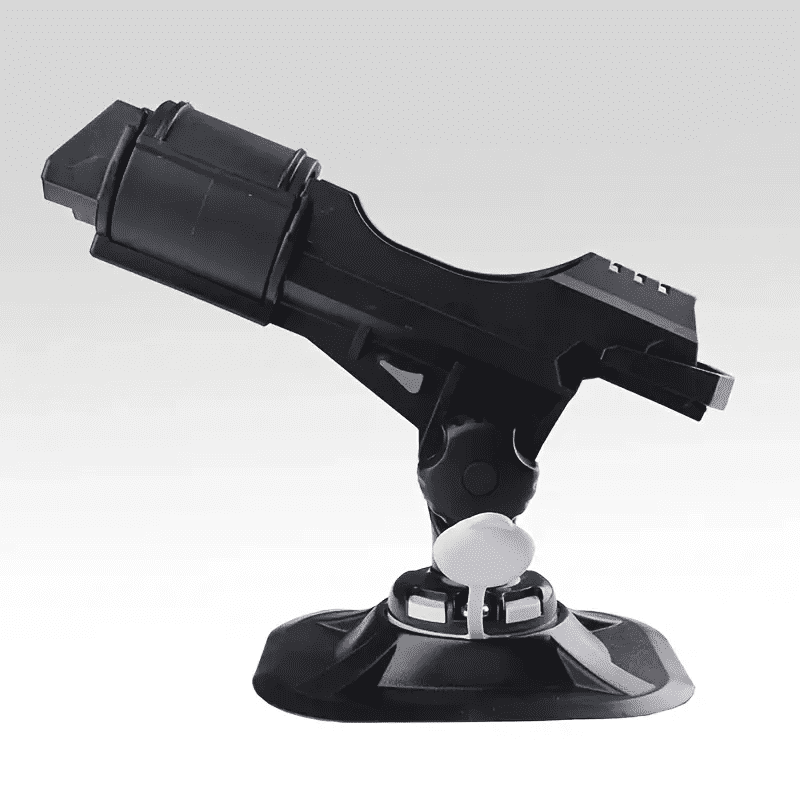
Inflatable Boat Rod Holder Mount
Factory-installed fishing mount designed for Easy Inflatables boats, providing a clean and secure installation for serious anglers.
Not sure which suits you? Talk to a real boat owner.
Frequently asked questions
- Can I install a bimini on any inflatable boat?
- Yes, almost any inflatable boat can be fitted with a bimini, provided you use the correct mounting system. The key is to use high-quality glue-on mounting pads that are compatible with your boat's fabric (PVC or Hypalon), rather than trying to drill into the tubes or transom.
- How fast can I go with my bimini top up?
- This varies by bimini design and size, but a well-installed 3-bow bimini on an inflatable should be stable up to around 20-25 knots (37-46 km/h). Always check the manufacturer's recommendation. In very high winds or at top speed, it's wise to fold it down and use the storage boot.
- What's the difference between a PVC and Hypalon compatible bimini kit?
- The bimini itself is the same, but the mounting pads and the required two-part adhesive are different. PVC and Hypalon (CSM) are different materials that require specific glues for a permanent, chemical bond. Using the wrong glue will result in the pads peeling off.
- How do I clean my inflatable boat bimini?
- For general cleaning, use fresh water and a soft-bristled brush to remove salt and dirt. For tougher stains or mildew, use a specialised marine canvas cleaner, following the product's instructions. Avoid harsh chemicals or bleach, which can damage the fabric's UV and water-resistant coatings.
- Why is the Aerowave Bimini included with the Viper 400 Sovereign package?
- We include the $499 bimini as standard in our top-tier Viper package because we believe sun protection is a safety essential in Australia, not an optional extra. It ensures our customers receive a boat that is fully equipped, safe, and ready for all-day adventures right from the start.
- Can I buy just the bimini from Easy Inflatables for my existing boat?
- Yes, we sell the Aerowave Bimini as a standalone item for $499. It's an excellent upgrade for our AeroCat 330, 360, and 380 models, or for other inflatables of a similar size. The kit includes the necessary glue-on mounting pads for PVC fabric boats.
- Does a dark-coloured bimini get hotter than a light-coloured one?
- While a black or navy bimini may feel slightly warmer to the touch, the temperature of the air in the shade underneath will be virtually identical to that under a light-coloured one. Darker colours also offer slightly better UV-blocking performance and are less prone to showing stains.
Ready to set sail?
Premium German-fabric inflatable catamarans with express courier delivery included in the price — 7–14 days door-to-door. Talk to our team or browse the fleet.
Like this guide? Get the next one in your inbox.
Owner-tested tips, gear deep-dives and Aussie boating know-how — no spam.