Catamaran vs Monohull Inflatable: Which Rules Australian Estuaries?
Deciding between a catamaran and a monohull inflatable for your Australian estuary adventures? We break down the pros and cons, focusing on stability, performance, and suitability for various activities in sheltered waters.
🇺🇸 Boats shipping to United States
See landed prices in USD before you bounce.
Door-to-door delivery to United States in 7–14 days. Choose a boat, see local-currency pricing, or request a fixed landed quote from the sales team.
Catamaran vs Monohull Inflatable: Which Rules Australian Estuaries?
Choosing the right inflatable boat for Australian estuaries can feel like a tall order. With so many options available – from sleek, stable catamarans like our Aerowave Viper and AeroCat series to the versatile deep-V monohulls like the WaveRunner – it's easy to get lost in the specs. The key is to match the boat's design to your primary intended use. Are you chasing flathead in the shallows? Planning family picnics on secluded sandbars? Or perhaps you're after a nimble craft for exploring tight mangrove systems? Understanding the fundamental differences between a catamaran vs monohull inflatable is crucial for making an informed decision that will enhance your time on the water.
At Easy Inflatables, we're all about getting Aussies out on the water safely and enjoyably. We're not here to just sell you a boat; we want to help you find the right boat. This guide delves into the characteristics of both inflatable catamaran and monohull designs, with a specific focus on their performance and practicality in the unique conditions of Australian estuaries.
The Inflatable Catamaran: Stability and Space for Estuary Adventures
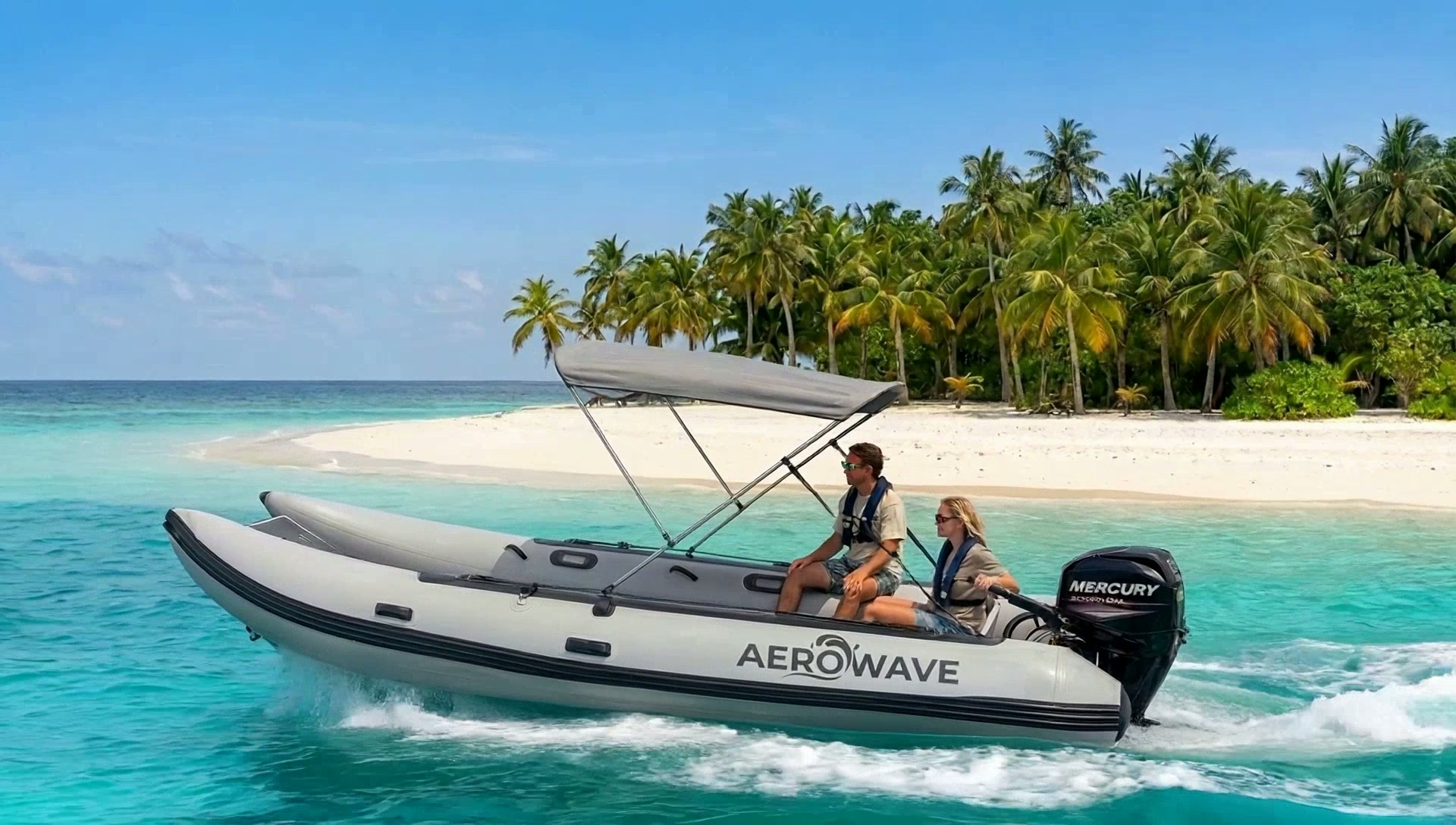
Inflatable catamarans, with their twin-hull design, offer a distinct advantage in terms of stability and usable deck space. This makes them incredibly popular for a wide range of estuary activities.
What Makes a Catamaran Different?
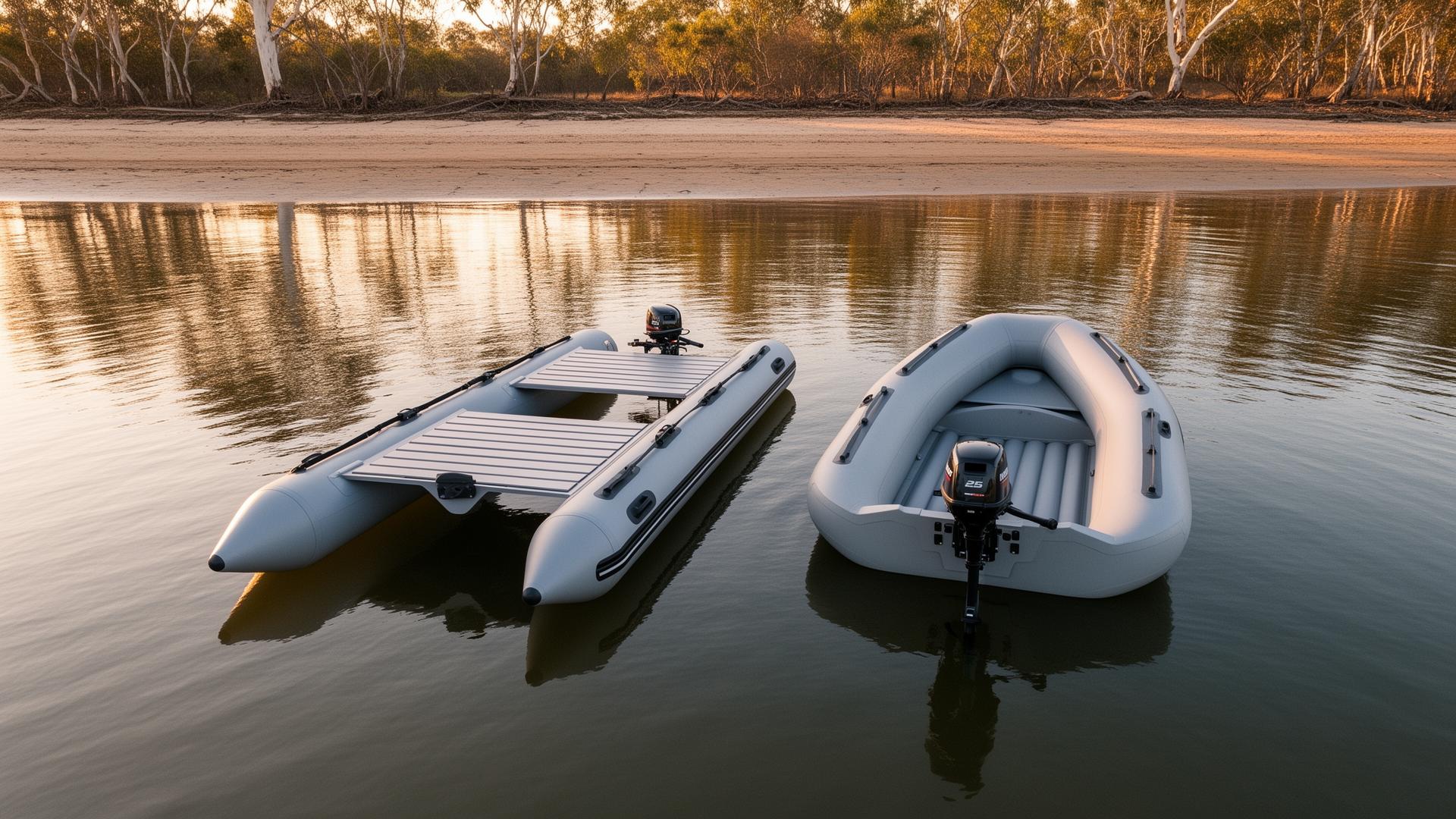
Unlike traditional V-hull boats, catamarans have two parallel hulls. In an inflatable context, this means two large, buoyant pontoon-like tubes separated by an open deck. This design yields several benefits:
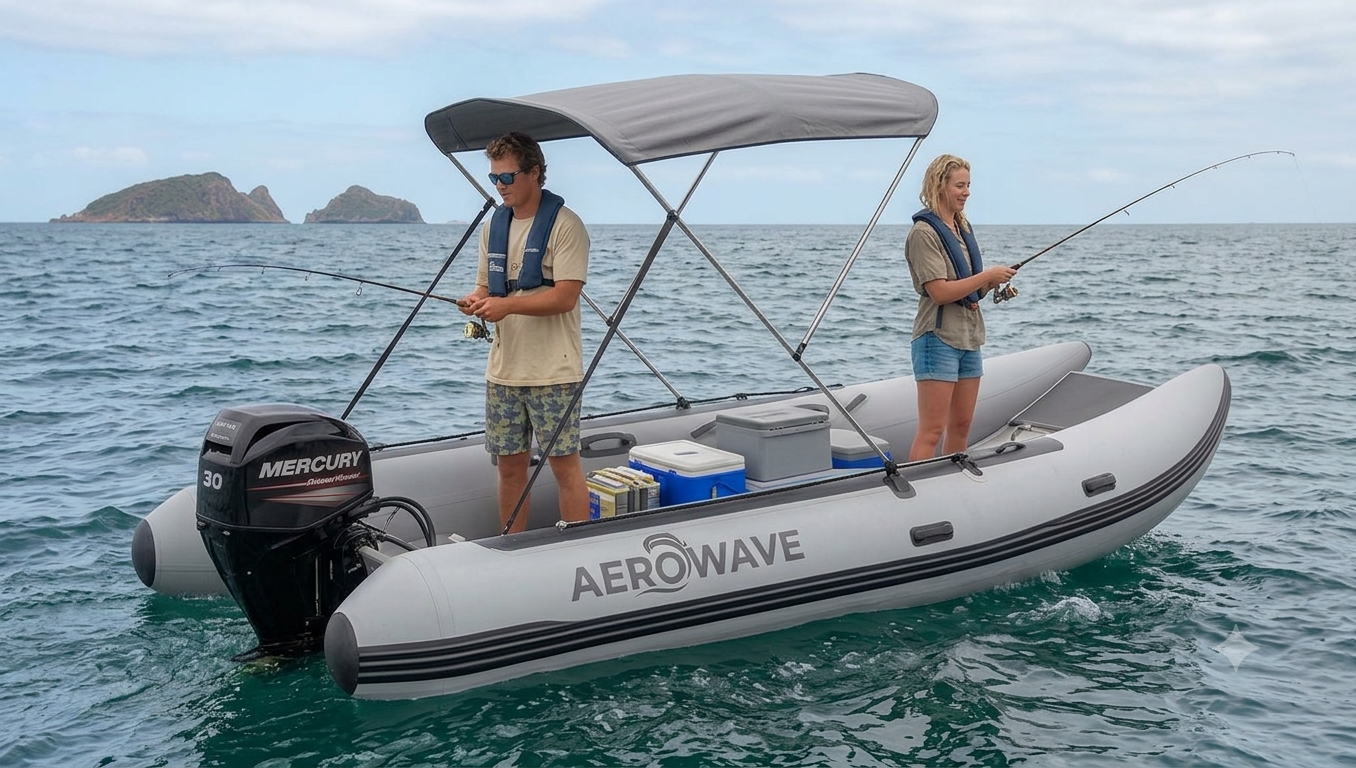
- Exceptional Stability: This is perhaps the biggest draw. The wide stance of a catamaran makes it incredibly stable, even when stationary. You can stand up, cast a line, move around, or have multiple people on board without the disconcerting rocking motion often associated with monohulls. This is a massive plus for fishing, photography, or simply enjoying a calm day on the water.
- Shallow Draft: The twin hulls generally draw less water than a comparable monohull, allowing you to access shallower areas – perfect for exploring those tucked-away estuary creeks and sand flats where fish often hide.
- Efficient Planing & Speed: With less wetted surface area compared to a deep-V monohull of similar length, catamarans can be very efficient and responsive to smaller outboards, quickly getting up on plane and cutting through chop effectively. Our AeroCat 330, for example, can perform exceptionally well with a 9.8hp Hidea 4-stroke, offering surprising speed while remaining fuel-efficient.
- Spacious Deck: The open deck area between the hulls provides a large, uncluttered platform. This is great for carrying gear, eskies, fishing tackle, or accommodating more passengers comfortably. Our Aerowave Viper 400 Sovereign Full Package, for instance, offers an impressive amount of usable space for its length.
Ideal Uses for Catamaran Inflatables in Estuaries
Given their characteristics, inflatable catamarans are superb for:
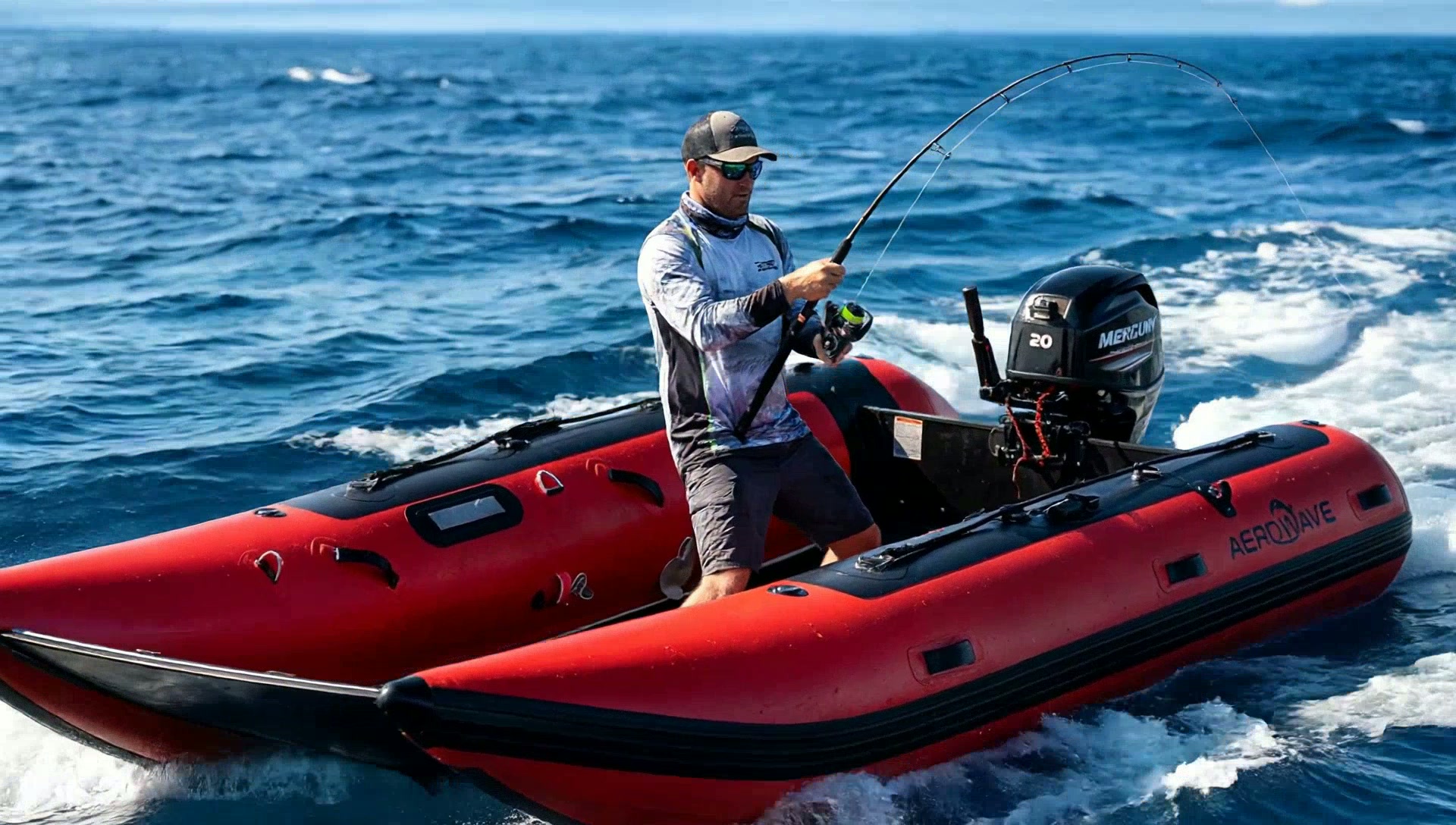
- Fishing: The stability is a game-changer for anglers. Standing to cast, bringing in a big catch, or dealing with multiple lines is much easier. The shallow draft also allows access to prime fishing grounds.
- Family Outings & Picnics: With ample space for kids, gear, and food, catamarans make for comfortable family days out. The stability also reassures parents.
- Photography & Wildlife Spotting: The steady platform is perfect for capturing those elusive estuary birds or tranquil landscapes without fighting the boat's movement.
- Tender/Utility Boat: Their robustness and carrying capacity make them excellent tenders for larger vessels, or for moving equipment around a property adjacency to water.
Easy Inflatables Catamaran Options:
- Aerowave Viper (1.2mm VALMEX®): Our top-tier catamaran, built with exceptionally tough 1.2mm VALMEX® PVC. The Viper 400 Sovereign Full Package is a powerhouse, offering superior durability and performance for demanding users. It’s significantly thicker than the PVC used by some competitors like TrueKit in their lower-end models or many generic Chinese imports.
- AeroCat (0.9mm VALMEX®): A fantastic range of highly capable catamarans (AeroCat 330, 360, 380) that balance performance, durability, and value. Constructed from 0.9mm VALMEX® PVC, they offer excellent abrasion resistance and longevity. This is comparable to, and often superior to, the material quality found in many TakaCat or 3D Tender models in similar size ranges.
The Inflatable Monohull: Versatility and Deep-V Performance
While catamarans excel in certain areas, the traditional deep-V monohull inflatable still holds a significant place, especially for those seeking versatility and a softer ride in certain conditions.
What Makes a Monohull Different?
Monohull inflatables, particularly those with an inflatable keel forming a deep-V hull, have one main hull chamber. This design offers a different set of advantages:
- Softer Ride in Chop: The deep-V hull cuts through waves rather than slapping over them, providing a noticeably softer and more comfortable ride when the water gets a bit lumpy. This is particularly noticeable if you're crossing larger, open expanses of an estuary during a windy day.
- Manoeuvrability: Monohulls often feel more responsive and nimble, especially at speed, making them easier to turn quickly or navigate tight spaces. Some users find this more traditional boat feel intuitive.
- Lighter Weight (Often): Smaller monohulls can sometimes be lighter than comparable catamarans, making them easier to transport and launch by hand. However, this isn't universally true across all sizes and build qualities.
- Simpler Design: Generally, monohulls can be simpler to set up and pack down, though this depends heavily on the specific model and floor type (slatted, air deck, or aluminium).
Ideal Uses for Monohull Inflatables in Estuaries
Deep-V monohulls are fantastic for:
- Exploring Further Afield: If your estuary adventures involve crossing larger, more exposed stretches of water where chop is common, the softer ride of a monohull is a definite advantage.
- Watersports (Light): While not typically designed for extreme watersports, a capable monohull can be suitable for light tubing or towing small inflatables in calm estuary conditions, depending on engine size.
- Coastal Explorations (Calm Days): For venturing just outside the estuary mouth on perfectly calm days, a monohull might feel a bit more comfortable in the slight ocean swell.
Easy Inflatables Monohull Options:
- WaveRunner 380: Our premier monohull inflatable, featuring a robust build and a sophisticated deep-V air deck floor. The WaveRunner 380 offers excellent performance, a comfortable ride, and is a strong contender against many premium monohulls from brands like 3D Tender, especially when considering its durable construction and overall value.
Catamaran vs Monohull Inflatable: A Direct Comparison for Estuaries
To help simplify your decision, let's put the two designs head-to-head on key aspects relevant to Australian estuary use.
| Feature | Inflatable Catamaran (e.g., AeroCat, Viper) | Inflatable Monohull (e.g., WaveRunner) |
|---|---|---|
| Stability | Excellent, very stable at rest and underway. Ideal for standing/moving around. | Good, but can be tippier at rest (especially smaller models) compared to catamarans. |
| Ride in Chop | Can be a bit 'slappy' in short, sharp chop; often rides over waves. | Generally softer ride, cuts through waves for more comfort. |
| Shallow Draft | Very good, can access extremely shallow areas due to twin hulls. | Good, but typically draws slightly more water than a catamaran of similar size. |
| Usable Space | Excellent, wide open deck for gear and passengers. | Good, but often narrower, with tubes encroaching on internal space more. |
| Speed/Planing | Very efficient, planes easily with smaller outboards. | Efficient, but may require slightly more power to plane compared to a catamaran. |
| Manoeuvrability | Good, turns efficiently. | Very good, often feels more responsive and nimble. |
| Wet/Dry Ride | Can be drier in some conditions due to how it handles chop. | Can be wetter in choppy conditions depending on spray deflection. |
| Primary Use | Fishing, family cruising, stable platform, shallow water exploration. | General cruising, exploring larger stretches, where a softer ride is preferred. |
| Easy Inflatables Model | AeroCat 330, 360, 380; Aerowave Viper 400 Sovereign | WaveRunner 380 |
Choosing Your Easy Inflatables Model: Tailoring to Your Estuary Habits
So, which one is right for you? It truly boils down to how you intend to use your boat most frequently in Australian estuaries.
When to Choose an Inflatable Catamaran:
If your primary activities involve:
- Fishing from a stationary or slow-moving platform: The unparalleled stability for casting, jigging, or squidding is a huge advantage.
- Taking the family out for a relaxed day: The spacious deck and reassuring stability make it comfortable for everyone.
- Exploring very shallow backwaters and creeks: The shallow draft opens up more of the estuary.
- Carrying a lot of gear: The open deck allows for easy loading of eskies, tackle boxes, and camping equipment.
- Efficiency with smaller outboards: Catamarans tend to perform very well with Hidea 4-stroke outboards in the 9.8hp to 20hp range.
Consider our AeroCat range for an excellent balance of performance, durability, and value, or step up to the Aerowave Viper for the ultimate in ruggedness and premium build quality (1.2mm VALMEX® ensures this boat will last). The Viper's 5–7 year limited hull warranty shows our confidence in its construction.
When to Choose an Inflatable Monohull:
If your primary activities involve:
- Covering larger distances across open estuary waters: The softer ride of a deep-V hull will be more comfortable in choppy conditions.
- Needing a slightly more traditional 'boat feel' for steering and handling: Some boaties simply prefer the responsiveness of a monohull.
- Perhaps venturing occasionally outside the estuary mouth on very calm days: The monohull handles ocean swell a little differently than a catamaran.
- A balance of speed and comfort for general recreational use: A well-designed monohull like our WaveRunner 380 offers a fantastic all-rounder experience.
Our WaveRunner 380 stands as a robust and capable monohull option, perfect for those who prioritise a softer ride and agile handling. Its air deck provides a firm and comfortable floor, a step up from many slatted floor offerings on the market.
Important Considerations for All Inflatables in Australian Estuaries
Regardless of whether you choose a catamaran or monohull, there are a few universal points to keep in mind when boating in Australian estuaries:
- Material Quality: Always opt for high-quality PVC like VALMEX® or Hypalon. Many cheaper Chinese imports often use inferior PVC that degrades quickly in our harsh Australian UV. Our Aerowave and AeroCat boats use VALMEX®, known for its excellent UV resistance and abrasion properties. This is a critical factor often overlooked when comparing prices with competitors like generic imports or even some entry-level offerings from bigger brands.
- Engine Choice: Match your Hidea 4-stroke outboard to the boat's maximum recommended horsepower and your intended use. Don't underpower your boat, especially if you plan to carry heavy loads or travel at speed. For example, an AeroCat 330 or 360 will fly with a Hidea 9.8hp or 15hp, while the 380 models and Viper might benefit from a 20hp or 25hp, respectfully.
- Anchoring & Mooring: Estuaries often have soft muddy or sandy bottoms. A suitable anchor (e.g., sand anchor) is crucial. Always carry enough anchor rope.
- Safety Gear: Don't skimp on safety gear! Lifejackets (PFDs), bailing bucket, paddle, sounding device, and appropriate navigation lights are essential and often legally required.
- Storage and Maintenance: Inflatables are durable, but proper care prolongs their life. Rinse with fresh water after each use, store out of direct sunlight when possible, and periodically check air pressure. Our comprehensive guides on inflatable boat care can help.
Let Easy Inflatables Help You Decide
We understand that it's a significant investment, and we want you to be absolutely thrilled with your choice. Our team at Easy Inflatables focuses on providing honest advice, not just pushing a sale. We encourage you to think about your typical boating day:
- How many people will usually be on board?
- What kind of gear do you need to carry?
- What are the typical conditions in your favourite estuary?
- Do you prioritise stability for standing, or a softer ride through chop?
Whether it's the rock-solid stability of an AeroCat 360 ($3,195) for a fishing trip, the rugged performance of a Viper 400 Sovereign Full Package ($5,796) for serious estuary exploration, or the comfortable ride of a WaveRunner 380 ($3,880) for general family fun, we have an inflatable that will suit your needs. Remember, all prices include FREE DDP delivery Australia-wide, meaning no hidden costs for shipping or import duties.
Give us a call on +61 2 4335 1603, or send an email to sales@easyinflatables.com.au. We're here to share our expertise and help you navigate the waters of inflatable boat ownership. Happy boating, mate!
Shop gear featured in this guide
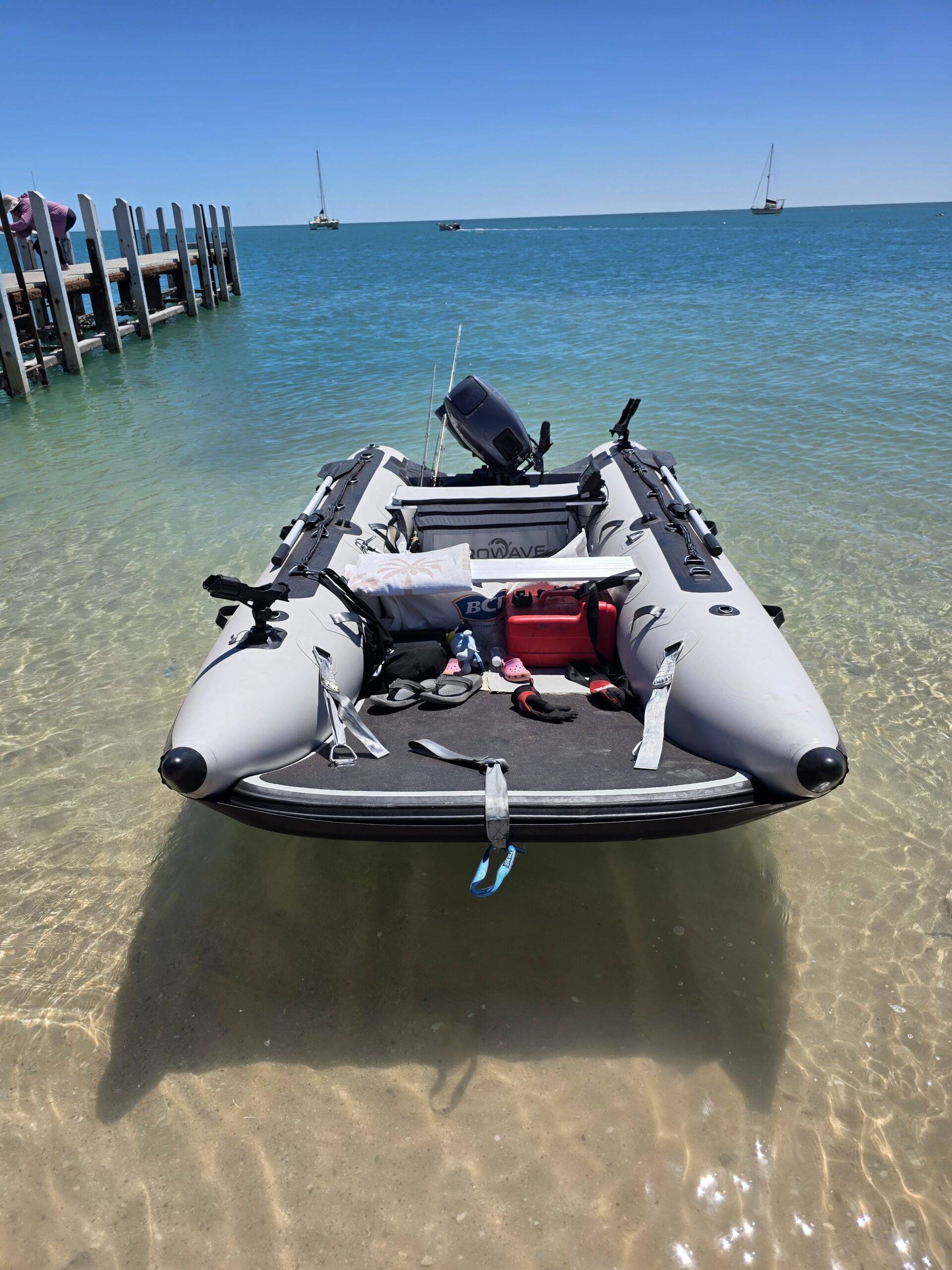
Aerowave WaveRunner 380 Series 3 Catamaran Package
The WaveRunner 380 Series 3 is a premium 3.8m inflatable catamaran package built for Australian and worldwide families, fishing, and coastal day boating — ideal for snorkeling and spearfishing — offering serious stability and premium German Valmex® construction.
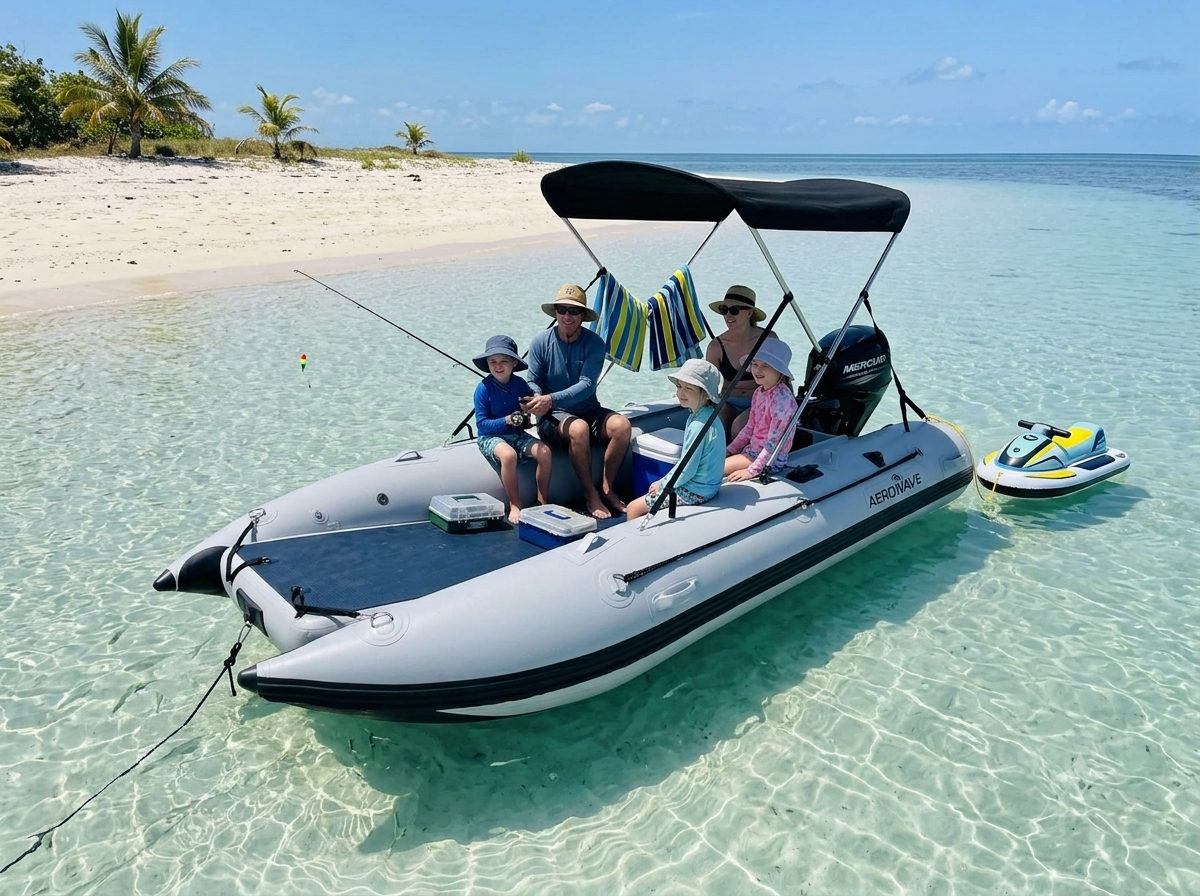
Aerowave Viper 400 Sovereign
Flagship 4m enclosed-bow inflatable catamaran. German VALMEX® 7321 Heavy Plus 1.2mm commercial-grade fabric, 10 PSI high-pressure drop-stitch air deck floor with VALMEX non-slip surface, LockPro wheels, full Bimini and FREE express delivery Australia-wide delivery included. Winter special — save $1,000 until 31 August 2026.
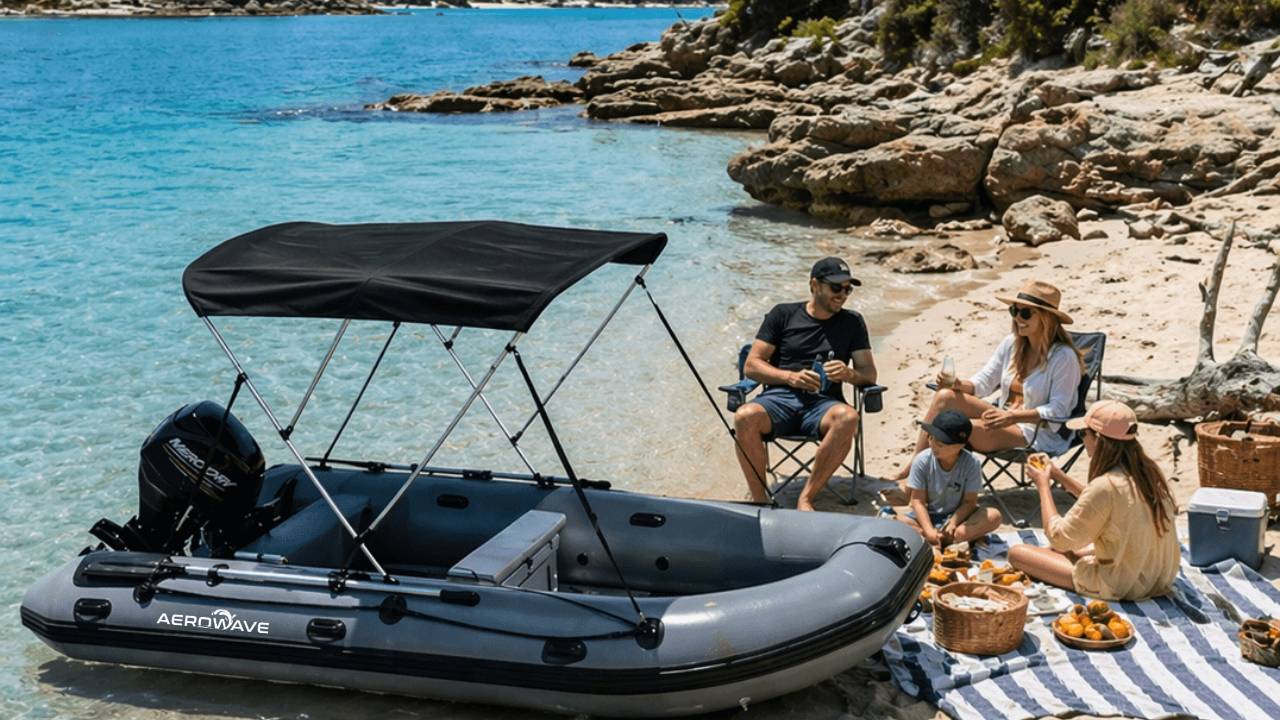
AeroWave AeroCat 360 Inflatable Catamaran
Same proven hull design, shape and look as our flagship Aerowave Viper catamarans — built lighter using 0.9mm Valmex® fabric instead of the Viper's 1.2mm. The AeroWave AeroCat 360 is our 3.6m inflatable catamaran built from 0.9mm Valmex® fabric — intentionally lighter than our 1.2mm Viper hulls so it folds smaller, packs lighter and is easy to handle solo. Twin-hull stability, 5-Year Warranty with global support and priced ~$500 below comparable 0.9mm imports.
Not sure which suits you? Talk to a real boat owner.
Frequently asked questions
- What is the main advantage of an inflatable catamaran over a monohull in an estuary?
- The primary advantage of an inflatable catamaran, like our AeroCat or Viper, is its exceptional stability. The twin-hull design provides a very stable platform, both at rest and underway, making it ideal for standing to fish, moving around, or carrying multiple passengers without much rocking. They also typically have a shallower draft, allowing access to very shallow estuary areas.
- Does a monohull inflatable offer a smoother ride than a catamaran in choppy estuary conditions?
- Generally, yes. A deep-V monohull inflatable, such as our WaveRunner 380, is designed to cut through waves and chop, offering a softer and often drier ride compared to a catamaran which tends to ride over the waves. If you frequently encounter choppy water, a monohull might be more comfortable.
- Are Easy Inflatables suitable for salt water in Australian estuaries?
- Absolutely! All Easy Inflatables are built with high-quality, marine-grade VALMEX® PVC (0.9mm or 1.2mm depending on the model) which is specifically designed for harsh marine environments, including salt water and strong UV exposure. It's crucial to rinse your boat thoroughly with fresh water after each saltwater use to prolong its life.
- What size outboard should I put on an Easy Inflatables boat for estuary use?
- The ideal Hidea 4-stroke outboard size depends on the specific boat model, how many people you typically carry, and your desired performance. Generally, an AeroCat 330 might be great with a 9.8hp or 15hp, while the 380 models and the Viper can comfortably handle 20hp or 25hp, offering excellent power-to-weight. Always refer to the boat's maximum horsepower rating and chat with our team for personalised advice.
- What is the difference between VALMEX® PVC and Hypalon?
- VALMEX® PVC, used in our Aerowave and AeroCat boats, is a high-quality, durable, and UV-resistant material offering excellent performance and longevity, especially in Australian conditions. Hypalon is another premium material, often slightly more expensive, known for its extreme abrasion resistance and chemical stability. For the vast majority of recreational users in estuaries, high-quality VALMEX® provides an excellent balance of durability, performance, and value, matching or exceeding many competitor's materials.
Ready to set sail?
Premium German-fabric inflatable catamarans with FREE Sea Freight or Express Air Delivery — your choice at cart. Talk to our team or browse the fleet.
Like this guide? Get the next one in your inbox.
Owner-tested tips, gear deep-dives and Aussie boating know-how — no spam.