Your Ultimate Guide to Mercury Outboard Parts
Find, compare, and install Mercury outboard parts in Australia. This guide covers identifying part numbers, OEM vs Hidea parts, and DIY installation tips.
At a glance
Find, compare, and install Mercury outboard parts in Australia. This guide covers identifying part numbers, OEM vs Hidea parts, and DIY installation tips.
- Why Choosing the Right Mercury Parts Matters
- Genuine Parts vs Aftermarket Alternatives
- The Impact of Your Choice
- How to Identify Your Exact Mercury Outboard Model
Ships to United States 🇺🇸 · tracked door to door
The motor for your inflatable — petrol or electric, in stock now.
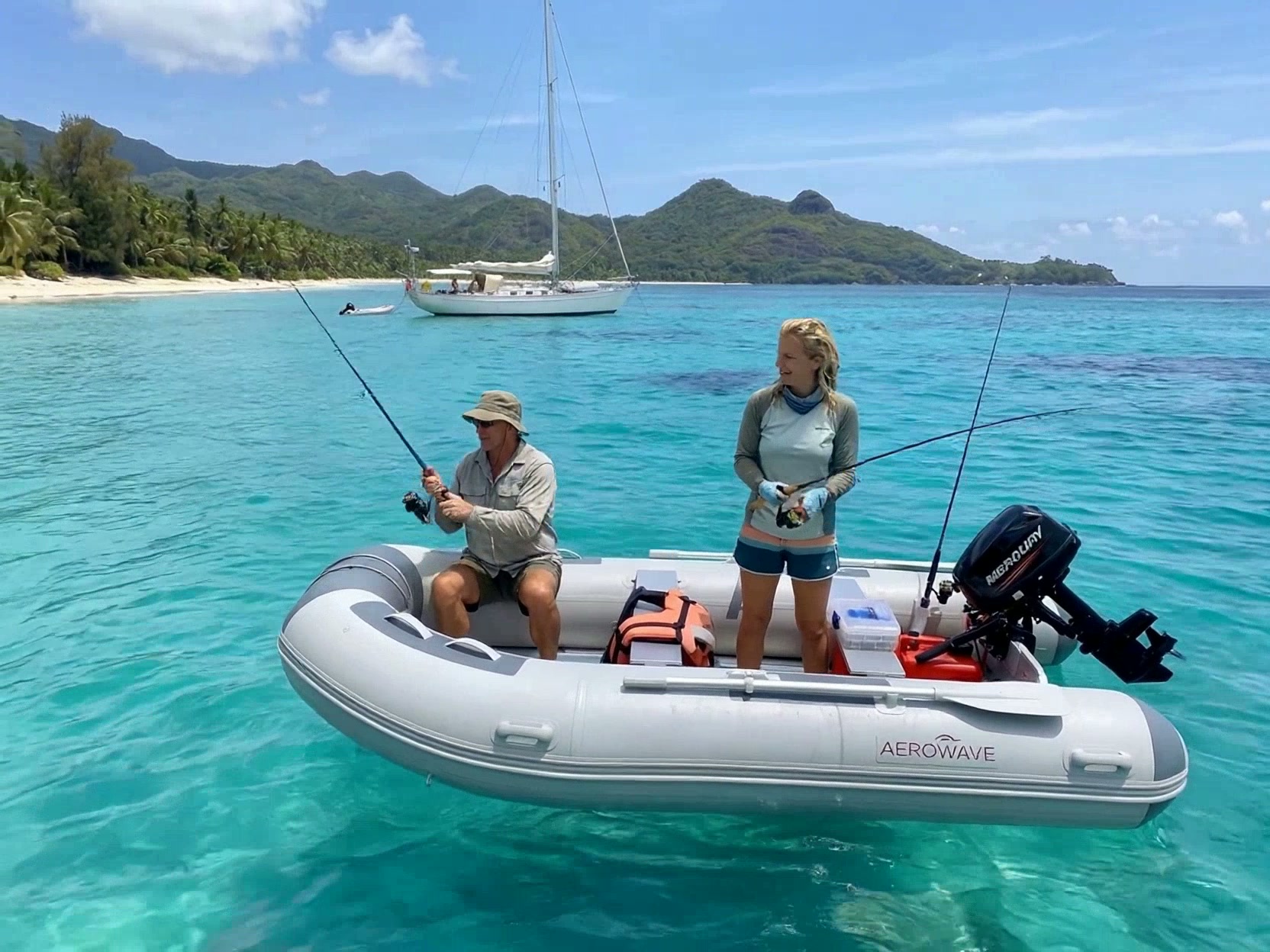
Hidea 4-strokes from 2.5 to 20 hp, plus the Haswing Ultima 3.0HP and Fuber Global 1.5 electric outboards. Every one of them is matched to a soft-transom inflatable.
- Hidea 4-stroke range: 2.5, 5, 6, 8, 9.9, 15 and 20 hp — carby or EFI
- Haswing Ultima 3.0HP and Fuber Global 1.5 electric — quiet, no fuel, no service
- Shaft length, transom height and thrust matched to our hulls before it ships
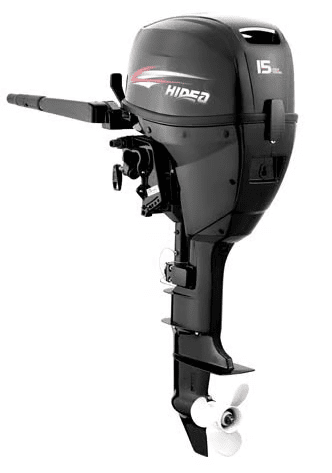 Hidea 15HP 4-Stroke OutboardUS$2,801 · in stock, ships now
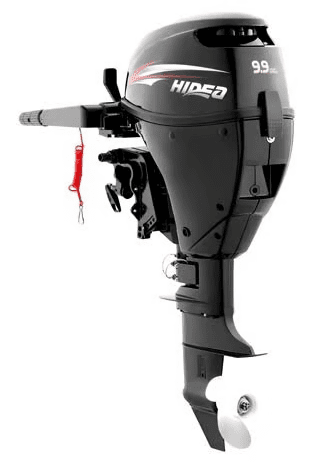 Hidea 9.9HP 4-Stroke OutboardUS$2,508 · in stock, ships now
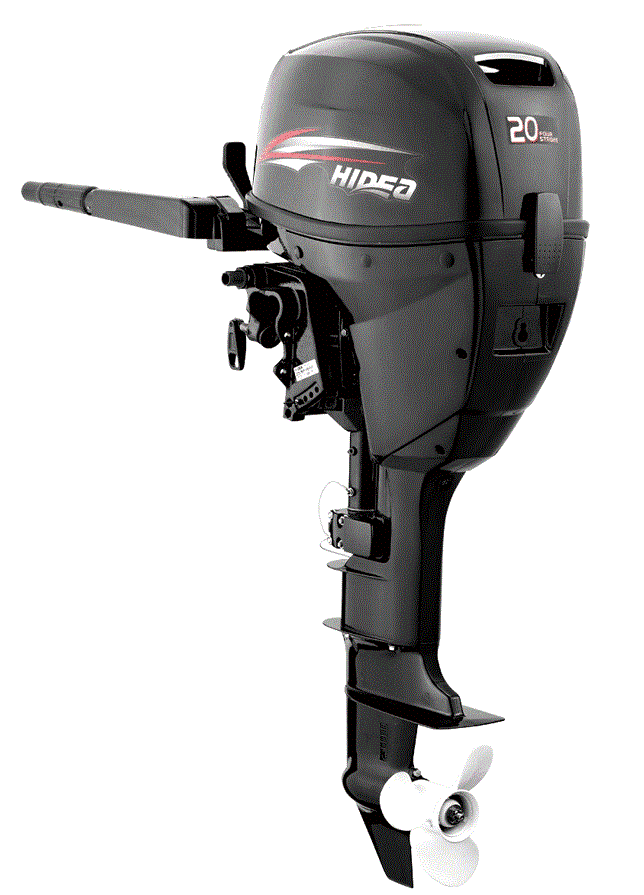 Hidea 20HP Carburettor 4-Stroke Outboard — Short Shaft, Electric StartUS$2,640 · in stock, ships now
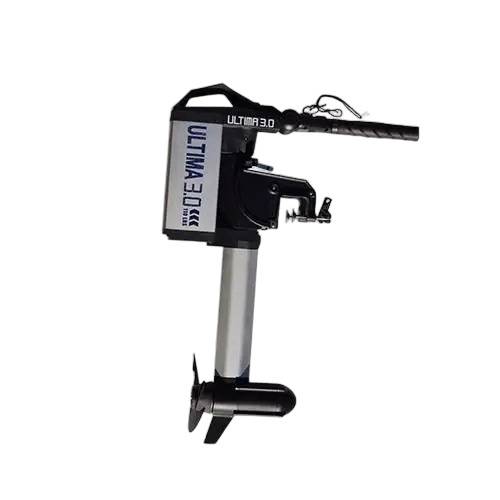 Haswing Ultima 3.0HP Electric OutboardUS$1,947 · in stock, ships now
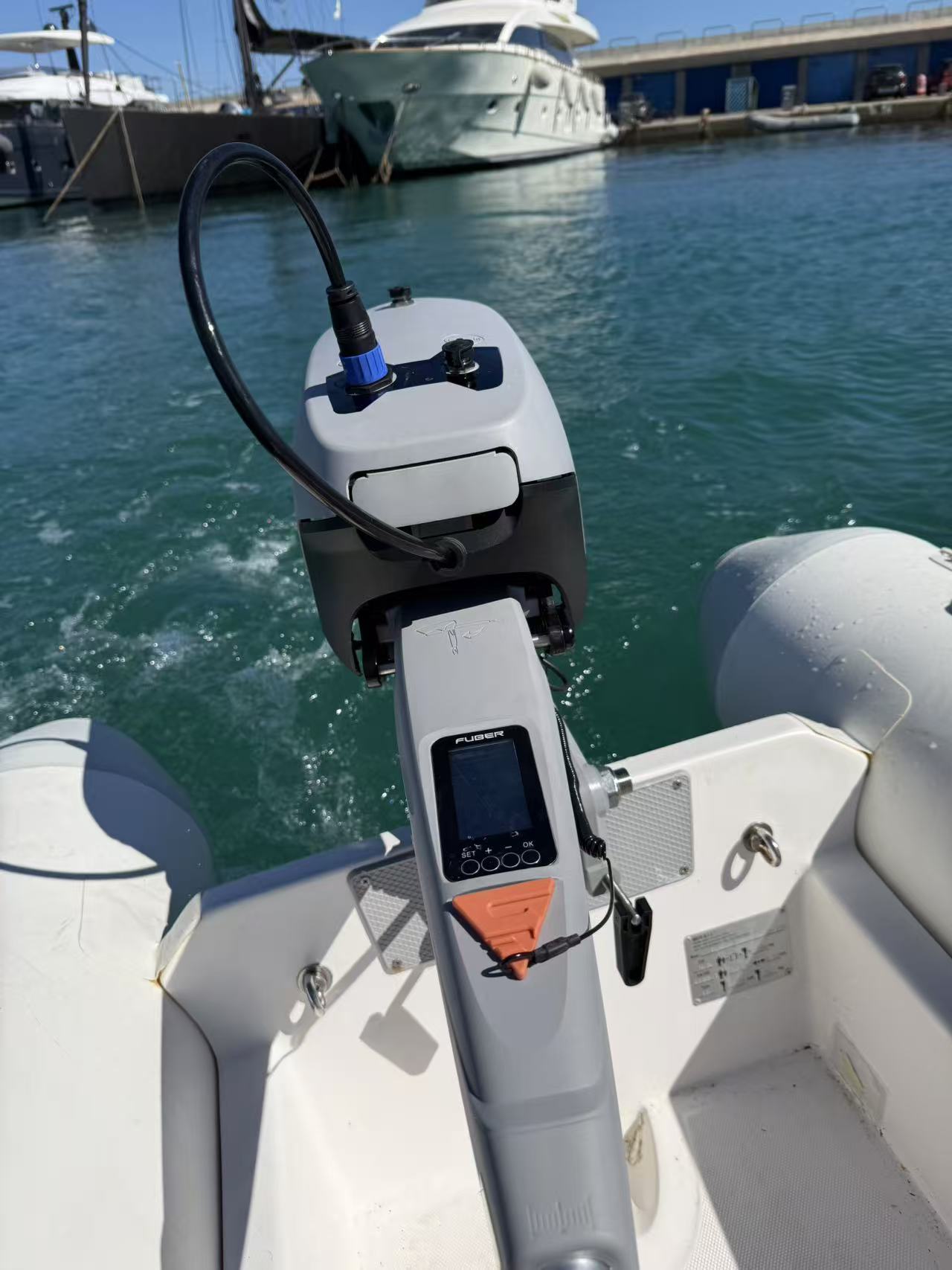 Fuber Global 1.5 Electric Outboard — Short ShaftUS$2,475 · in stock, ships now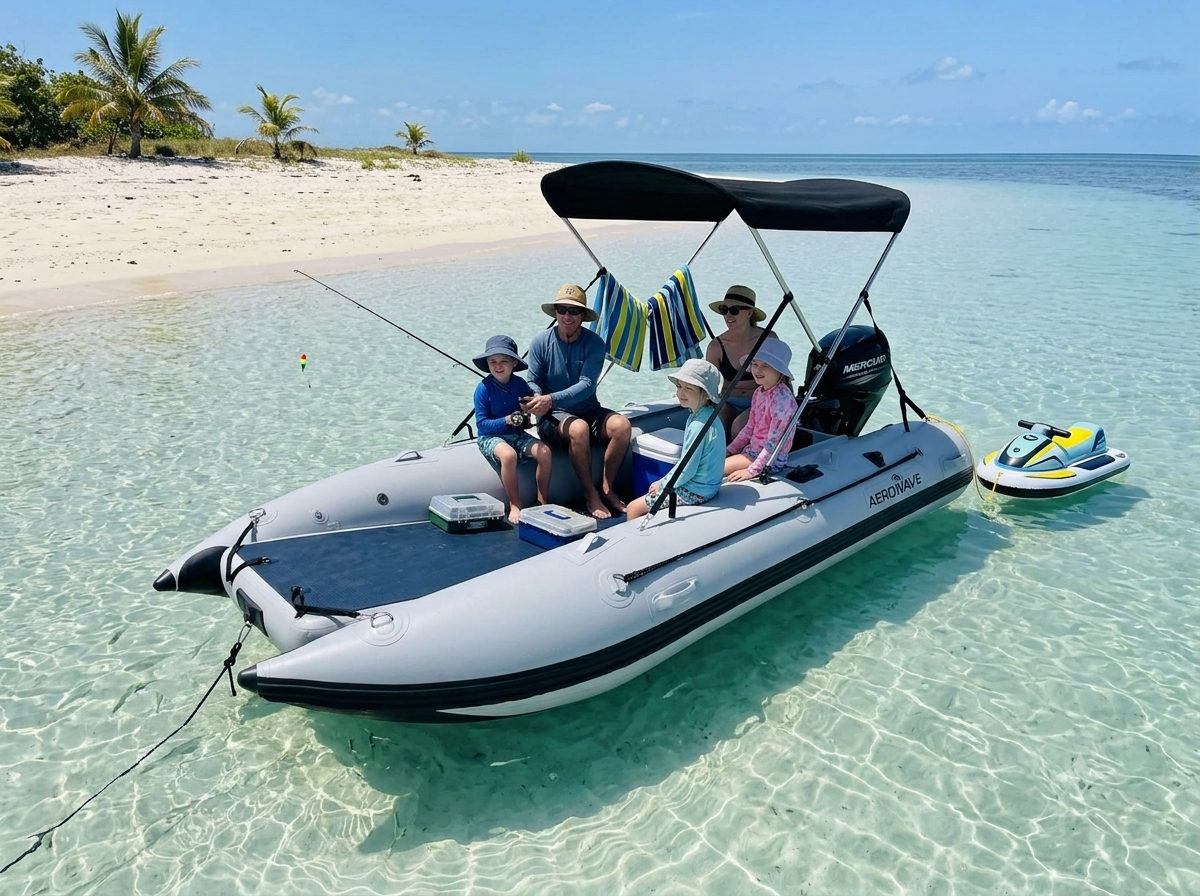
Or replace the boat entirely
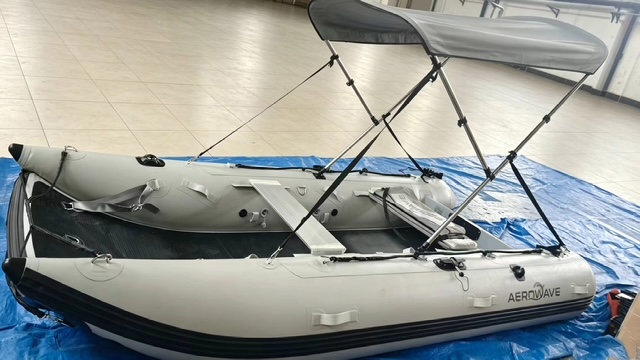
Aerowave WaveRunner 380 Series 3 Catamaran Package
Delivered to United States — freight included in the figure below.
US$2,662landed, USD
- 7-year hull warranty
- CE certified to ISO 6185-3 and EU Directive 2013/53/EU
- Door-to-door, tracked the whole way
See it for yourself
Real boats. Real owners. Real people behind them.
Plenty of what you read online these days is generated. Check us out properly — the factory, the reviews and the owners are all one click away. Why we use AI, and how to check we’re real
How our boats are built
Walk the production line: thermo-welded seams, 1.2 mm VALMEX Heavy Plus hulls, over-pressure relief valves on every chamber.
See the buildGoogle Maps reviews
Real Australian owners, five stars, published on our Google Business Profile with the map — read them there, not just on our own site.
Open Google Maps reviewsOwner stories
Boats in use — offshore, on rivers, on rescue duty. Photos and words from the people who actually own them.
Read owner storiesYour Ultimate Guide to Mercury Outboard Parts
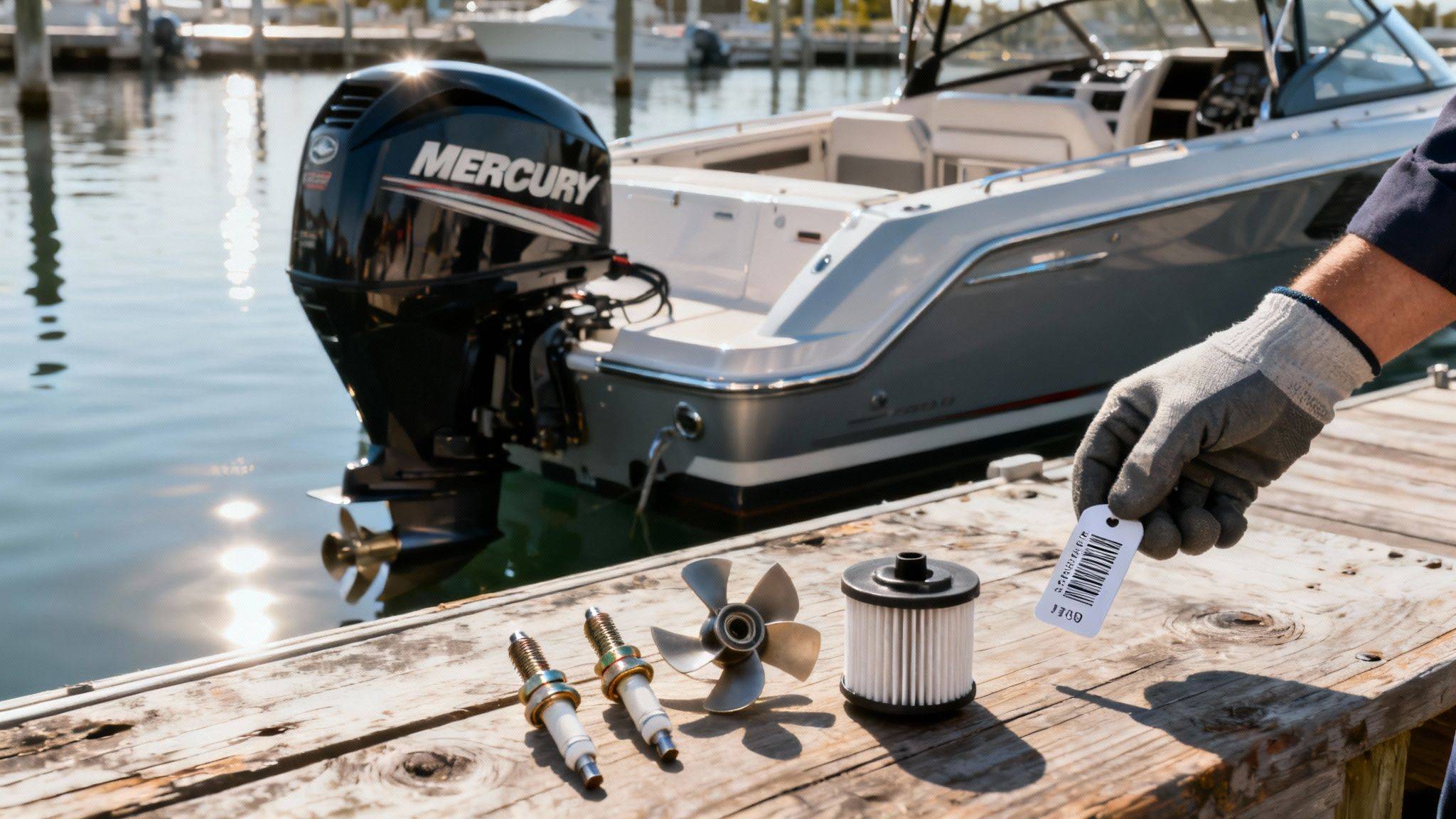
Your Ultimate Guide to Mercury Outboard Parts
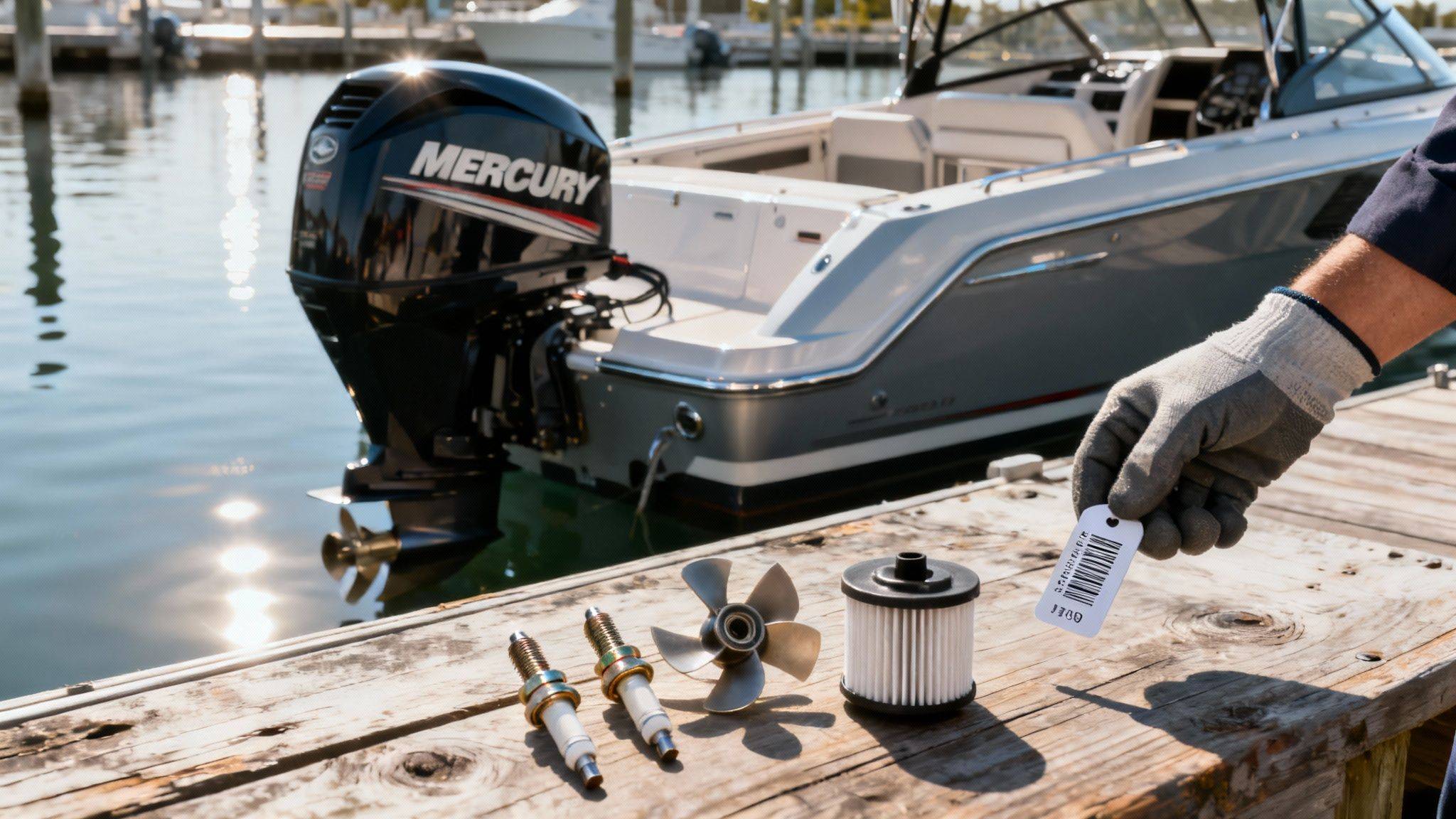
When you're doing your own maintenance, one of the biggest calls you'll have to make is whether to stick with genuine Mercury outboard parts or go for aftermarket options. While Original Equipment Manufacturer (OEM) parts are a sure bet for a perfect fit and performance, some quality aftermarket alternatives can save you a fair bit of cash.
Getting your head around the differences is the key to keeping your motor reliable, trip after trip.
Why Choosing the Right Mercury Parts Matters
Your Mercury outboard is the heart and soul of your boating adventures around Australia. Keeping it humming along starts with using the right bits and pieces, whether you're just doing a routine service or a major repair. The parts you choose have a direct impact on your motor's performance, how long it lasts, and ultimately, your safety on the water.
There's a reason you see so many Mercury motors out there. Their presence in the Aussie market is massive—at the 2025 Sydney International Boat Show, Mercury Marine accounted for exactly 50% of all outboards on display, more than double its closest competitor. That kind of dominance comes from the trust boaters put in their engineering.
Genuine Parts vs Aftermarket Alternatives
The genuine versus aftermarket debate is a classic for any boat owner. Genuine Mercury parts are made by Mercury, so they're identical to what your engine was built with. This guarantees a perfect fit, top performance, and keeps your factory warranty intact. No guesswork involved.
On the flip side, you have aftermarket parts made by other companies. A big name in this space is Hidea, which offers a seriously compelling value proposition. A lot of boaters have found that Hidea outboard motor parts are similar to Yamaha outboard parts but much cheaper. This makes them a really attractive option if you're trying to keep maintenance costs down without skimping on function. When you put Mercury outboard parts up against Hidea outboard parts, the primary difference often comes down to brand assurance versus cost-effectiveness.
The right part isn't just about fit; it's about peace of mind. A well-maintained engine means less time worrying at the dock and more time enjoying the water with family and friends.
The Impact of Your Choice
Picking the wrong part can cause a whole chain of problems, from a sluggish engine and poor fuel economy to a complete failure when you're miles from shore. It’s not something you want to get wrong.
Here’s why being careful with your selection is so important:
- Engine Performance: Precision-engineered parts make sure your outboard runs at its peak, giving you the power and punch you expect.
- Long-Term Reliability: Good quality components are built to handle the tough marine environment, preventing things from wearing out too soon.
- Safety and Confidence: When you use parts you can depend on, you can trust your motor to get you home safely after a long day out fishing or cruising.
In the end, it’s a balancing act between cost and guaranteed compatibility. While a brand like Hidea offers a strong, budget-friendly choice, genuine Mercury outboard parts give you that extra assurance of quality backed by the manufacturer. Before you lock in a decision on parts, it pays to look at the total cost of ownership; you can get a better idea by checking out our guide on Mercury outboard motor pricing.
How to Identify Your Exact Mercury Outboard Model
Before you even think about ordering Mercury outboard parts, you need to do a little detective work. The single most important piece of information you can have is your outboard's serial number. This isn't just a random string of digits; it's the key that unlocks the correct parts diagram for your specific motor, ensuring every filter, anode, or impeller you buy is a perfect match.
Getting this wrong is a surefire way to waste time, money, and a perfectly good weekend on the water. There’s nothing more frustrating than having the wrong part show up, bringing your boating plans to a screeching halt.
Locating the Serial Number Tag
Your outboard's identity is stamped on a small metal plate or sticker, and it's usually hiding in a couple of common spots. Grab a torch and have a good look in these places:
- Transom Bracket: This is the most likely spot. Check the starboard (right-hand) side of the bracket that clamps the motor to your boat's stern.
- Tiller Handle: On smaller, portable motors, you might find the tag right on the base of the tiller handle itself.
- Engine Cowl: In some cases, there might be a sticker under the engine cowl, but the tag on the transom bracket is always the primary source of truth.
The serial number will be a combination of numbers and letters. This is exactly what you’ll need to punch into an official parts catalogue.
Decoding the Information
Once you’ve found the tag, you'll see it contains more than just the serial number. It’s packed with vital stats about your engine. While the layout can vary a bit depending on the year and model, you can usually pick out these key details:
- Model Number: This often gives you the horsepower and can designate features like electric start or power trim.
- Serial Number (SER#): This is the unique code you're looking for. A typical format might look something like " 1B123456".
- Year of Manufacture: Sometimes the year is printed clearly, but often it’s encoded within the serial number and needs a lookup chart to decipher.
Entering that serial number into a parts lookup tool guarantees you'll only see the diagrams and part numbers that are compatible with your motor. It takes all the guesswork out of the equation.
What If the Tag is Missing?
It’s a common problem, especially on older motors. The tag can get corroded, painted over, or fall off completely. If you find yourself in this situation, don't panic. You've still got a few options:
- Check Original Paperwork: Dig out your owner's manual or the original bill of sale. The serial number should be recorded there.
- Look for a Welded Plug: Some engine blocks have the serial number stamped onto a small, round plug that's welded directly onto the block itself. It's worth a look.
- Contact a Dealer: A certified Mercury dealer can sometimes help identify a motor based on other features, but be warned, it can be a tricky process without that number.
Ultimately, having the correct model and serial number is non-negotiable for sourcing parts accurately. If you’re at the point of replacing the whole engine, exploring the market for reliable used outboard boat motors can be a cost-effective alternative. Even then, knowing the specs of your old motor helps you find a suitable replacement with the right power and features.
Finding the Correct Mercury Part Numbers Online
With your serial number in hand, you’re ready to track down the exact Mercury outboard parts you need. This is the moment you leave the physical motor behind and dive into the digital catalogues. Getting this step right is the secret to avoiding the massive headache of ordering a part that just won’t fit.
The absolute best place to start is the source: the official Mercury Marine parts catalogue. This online tool is your best friend. Just punch in your serial number, and it instantly filters out every single part that doesn’t belong on your specific engine. What you’re left with are detailed diagrams—or schematics—of your motor’s unique build.
Navigating Online Schematics
Think of these diagrams as a road map for your engine. They break down really complex assemblies into individual components, and each tiny piece is labelled with a reference number. You can visually pinpoint the exact part you’re after, whether it’s an impeller buried deep inside the water pump housing or a specific anode on the lower unit.
Once you’ve spotted the part on the diagram, you just match its reference number to a list that gives you the official part number. That’s the golden ticket—the number you’ll use to place your order.
Pro Tip: Always, always double-check the notes on the diagram. Sometimes a part is only meant for a specific horsepower range within the same model family. Catching these small details is crucial for getting it right the first time.
Superseded Parts and Third-Party Sites
Here’s something that trips people up: superseded part numbers. Manufacturers are constantly improving their parts, which means an old number often gets replaced by a new, updated one. The good news is the official catalogue will almost always show you this change, making sure you order the latest and greatest version available.
While the official site is your go-to, plenty of reputable third-party dealer websites have excellent lookup tools as well. They often use the same diagrams but might have a cleaner interface or even show you current stock levels. They're a fantastic secondary resource for cross-referencing a part number just to be 100% sure before you buy.
For instance, some crucial components like your engine's fuel line can be easily found this way; check out our guide on the outboard engine fuel line for more details on its importance.
The Value of a Good Dealer Network
Sometimes, you just need an expert eye. A reliable dealer can confirm you've picked the right part, and their experience is priceless. Honestly, the strength of this network is a major reason why so many boaters stick with Mercury.
These dealers are often celebrated for their success, too. Take Channel Marine, a Tasmanian dealer that made history by winning Mercury Marine's Australian National Dealer of the Year award in 2023. They earned it partly by converting commercial operations over to Mercury engines. You can read more about their impressive year-on-year growth and market share increase online. It just goes to show how a strong local dealer can be your best ally when you're hunting for parts.
OEM Mercury Parts vs Hidea Aftermarket Alternatives
Aftermarket Parts Vs. OEM - OEM wins this one 🥇 - YouTube
Tap to unmute
Read the full guide at easyinflatables.com.au
Explore the Aerowave range
Weekend-Proof Score 17 questions · about 2 minutes
Will the boat you're about to buy survive an Australian summer?
Seventeen straight questions about where you'll use it, what you'll ask of it and the boat you're weighing up. You get a score out of 100, the exact weak points in your plan, and the one boat that genuinely fits.
Free · your result shows on screen · no email required
So which one is yours?
Pick how you'll actually use it and we'll take you straight to the right hull.
I want to fish it
Open bow, rod holders, deck space you can stand and cast from.
Viper Sport 400Family, diving and the beach
3.8 m Series 3 catamaran — low bow to climb back in wearing fins or a tank.
WaveRunner 380Tender / one-person launch
3.3 m hard-floor boat that packs into a bag and still takes a beach landing.
Viper 330Shop gear featured in this guide
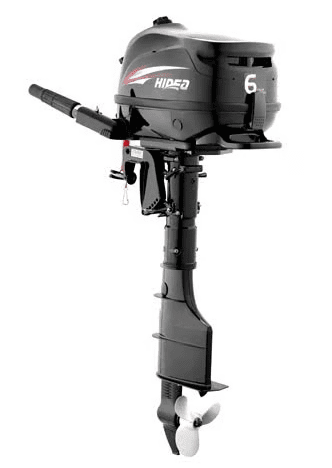
Hidea 6HP 4-Stroke Outboard
The 6HP 4-Stroke is built for tenders, skiffs and smaller inflatable boats. Quiet, easy to handle and reliable everyday power.
Australia-only item or unlisted country — ask for a price
Hidea 9.9HP 4-Stroke Outboard
Twin-cylinder smoothness for dinghies, inflatables and small aluminium boats. A confident step-up from 6HP.
Australia-only item or unlisted country — ask for a price
Hidea 15HP 4-Stroke Outboard
Strong, dependable mid-range power for bigger inflatables, tenders and small runabouts.
Australia-only item or unlisted country — ask for a price
Not sure which suits you? Talk to a real boat owner.
Before you spend a cent
Buying from Australia, delivered to United States
You have never heard of us, we are on the other side of the world, and the internet is full of fakes. Fair enough. Here is everything you would need to check us out, in one place — no forms, no chat bot.
Australian designed business
Easy Inflatables, Avoca Beach NSW 2251. ABN 96 856 548 613. International orders ship from our Hong Kong hub.
222 owner reviews, 4.8 average
Read them in full, good and bad, on our reviews page.
CE certified, 7-year hull warranty
ISO 6185-3 and EU Directive 2013/53/EU. Warranty honoured worldwide.
Tracked, insured, door to door
FREE freight to United States · local tax/duty on arrival.
- Who am I actually buying from?
- Easy Inflatables, Avoca Beach NSW 2251, Australia. ABN 96 856 548 613. Sean is the owner and skipper, Gary Stewart handles sales on +61 2 4335 1603, Karen Matthews handles email. The boats are Australian designed; international orders ship from our Hong Kong dispatch hub so your landed price stays competitive. Phone us before you pay a cent — a real person answers.
- Is this really an Australian product?
- Yes — Australian designed and engineered on the NSW Central Coast. Manufacturing is done offshore to our spec, and international orders ship direct from our Hong Kong dispatch hub. If we routed every boat through Australia first, the freight alone would roughly double or triple your cost for the same hull.
- What do I pay, and what is not included?
- The delivery and import terms depend on your country. EU, UK, New Zealand and named Asia/Pacific lanes include duty and tax; US freight is free but US buyers pay import charges on arrival. Other destinations show their terms before payment.
- How do I pay safely?
- Card through Stripe (Visa, Mastercard, Amex, Apple Pay, Google Pay) or bank transfer. Card payments carry your bank's own dispute protection. We never ask for crypto, gift cards or payment to a personal account.
- What if it arrives damaged?
- Every boat ships fully tracked and insured door to door. Photograph the carton and the boat on arrival and email us — transit damage is claimed and replaced through us, not left with you and the courier.
- Is the warranty real outside Australia?
- Yes. The 7-year hull warranty on 1.2 mm VALMEX Heavy Plus and Orca Hypalon hulls applies wherever you are. Replacement parts are held in Australia and at our overseas hub and go out by express courier to your door.
- Is the boat actually certified?
- All Aerowave catamarans are CE certified to ISO 6185-3 and EU Directive 2013/53/EU. Certification paperwork is supplied with the boat — ask and we will send it before you order.
Ready to set sail?
Premium German-fabric inflatable catamarans, built to order and delivered to your door. Talk to our team or browse the fleet.
Like this guide? Get the next one in your inbox.
Owner-tested tips, gear deep-dives and Aussie boating know-how — no spam.