Smart Buyer Guide for Used Outboard Boat Motors
Navigate the used outboard boat motors market with our Smart Buyer Guide for Used Outboard Boat Motors and save money.

At a glance
Navigate the used outboard boat motors market with our Smart Buyer Guide for Used Outboard Boat Motors and save money.
- Why a Used Outboard Motor Is a Savvy Move for Boaters
- More Power for Your Money
- Finding Gems in the Used Market
- The Pre-Purchase Intel You Need to Gather First
Ships to United States 🇺🇸 · tracked door to door
The motor for your inflatable — petrol or electric, in stock now.
Hidea 4-strokes from 2.5 to 20 hp, plus the Haswing Ultima 3.0HP and Fuber Global 1.5 electric outboards. Every one of them is matched to a soft-transom inflatable.
- Hidea 4-stroke range: 2.5, 5, 6, 8, 9.9, 15 and 20 hp — carby or EFI
- Haswing Ultima 3.0HP and Fuber Global 1.5 electric — quiet, no fuel, no service
- Shaft length, transom height and thrust matched to our hulls before it ships
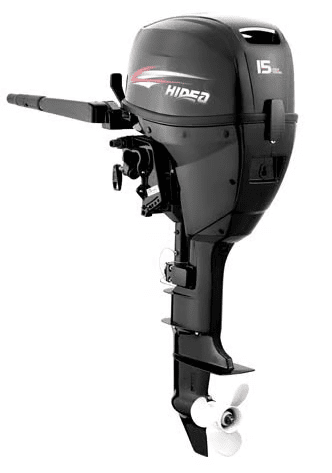 Hidea 15HP 4-Stroke OutboardUS$2,801 · in stock, ships now
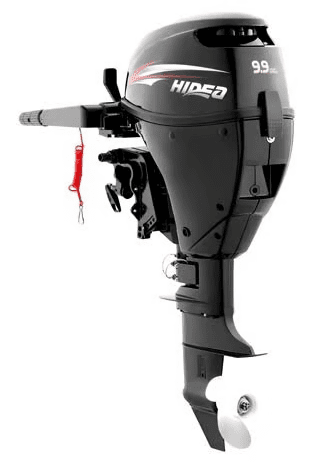 Hidea 9.9HP 4-Stroke OutboardUS$2,508 · in stock, ships now
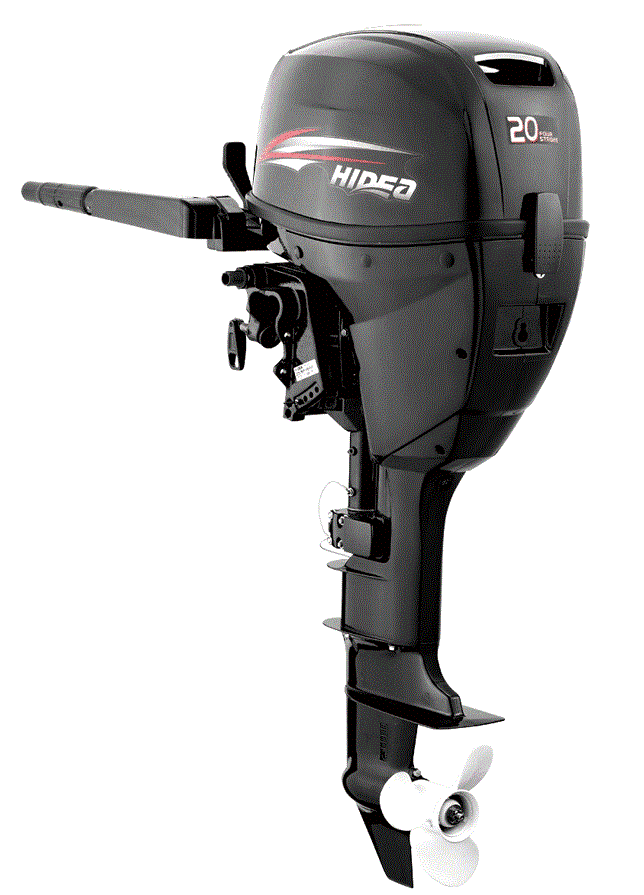 Hidea 20HP Carburettor 4-Stroke Outboard — Short Shaft, Electric StartUS$2,640 · in stock, ships now
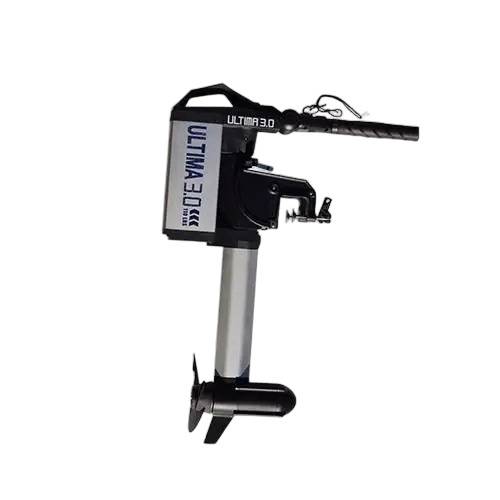 Haswing Ultima 3.0HP Electric OutboardUS$1,947 · in stock, ships now
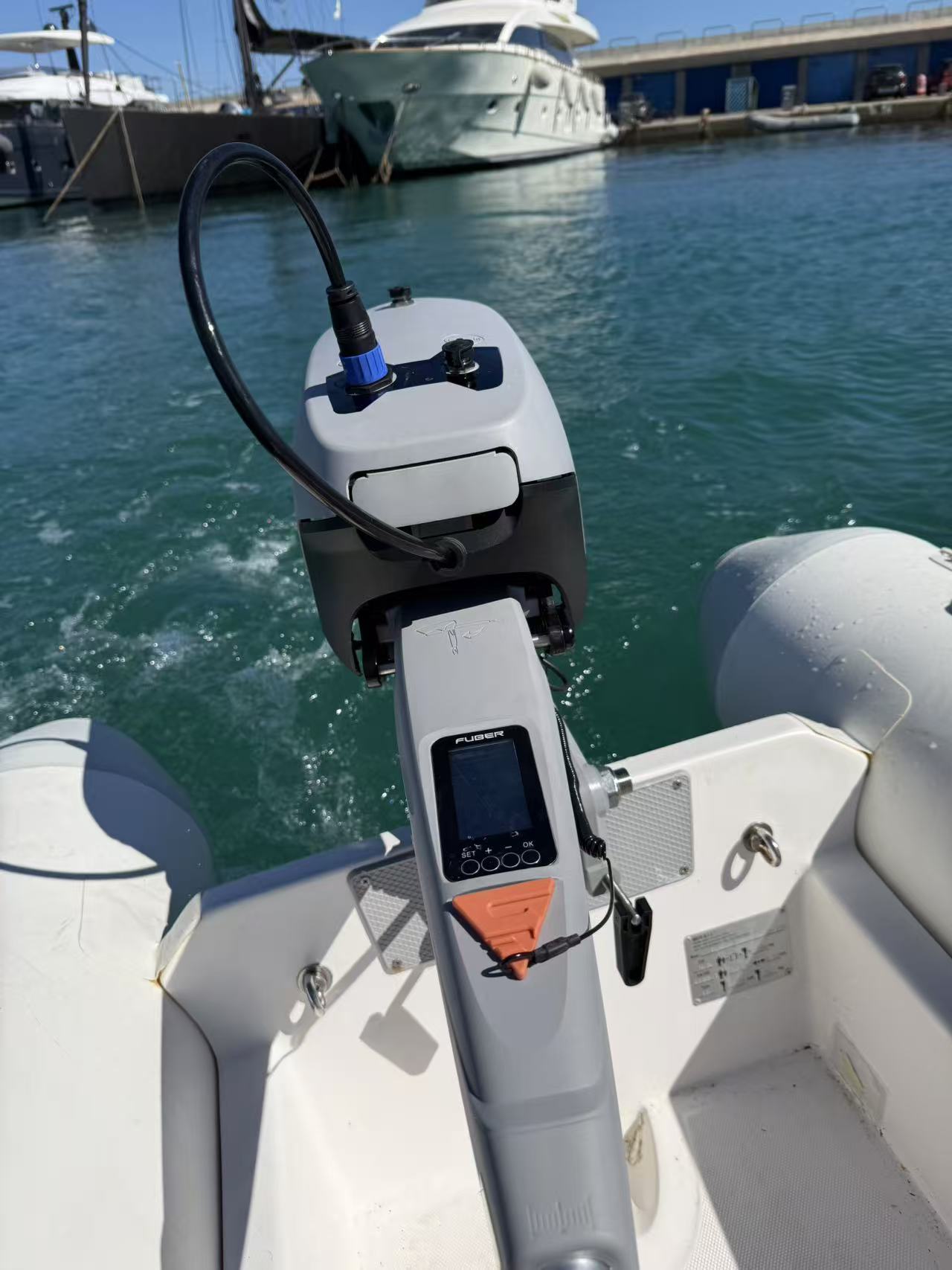 Fuber Global 1.5 Electric Outboard — Short ShaftUS$2,475 · in stock, ships now
Or replace the boat entirely
Aerowave WaveRunner 380 Series 3 Catamaran Package
Delivered to United States — freight included in the figure below.
US$2,662landed, USD
- 7-year hull warranty
- CE certified to ISO 6185-3 and EU Directive 2013/53/EU
- Door-to-door, tracked the whole way
See it for yourself
Real boats. Real owners. Real people behind them.
Plenty of what you read online these days is generated. Check us out properly — the factory, the reviews and the owners are all one click away. Why we use AI, and how to check we’re real
How our boats are built
Walk the production line: thermo-welded seams, 1.2 mm VALMEX Heavy Plus hulls, over-pressure relief valves on every chamber.
See the buildGoogle Maps reviews
Real Australian owners, five stars, published on our Google Business Profile with the map — read them there, not just on our own site.
Open Google Maps reviewsOwner stories
Boats in use — offshore, on rivers, on rescue duty. Photos and words from the people who actually own them.
Read owner stories
Smart Buyer Guide for Used Outboard Boat Motors
Smart Buyer Guide for Used Outboard Boat Motors
Buying used outboard boat motors is often one of the smartest moves an Aussie boater can make. Instead of paying top dollar for a brand-new model, the second-hand market lets you get a lot more horsepower for your money. It’s a great way to make the boating lifestyle far more accessible without a massive upfront investment.
Why a Used Outboard Motor Is a Savvy Move for Boaters
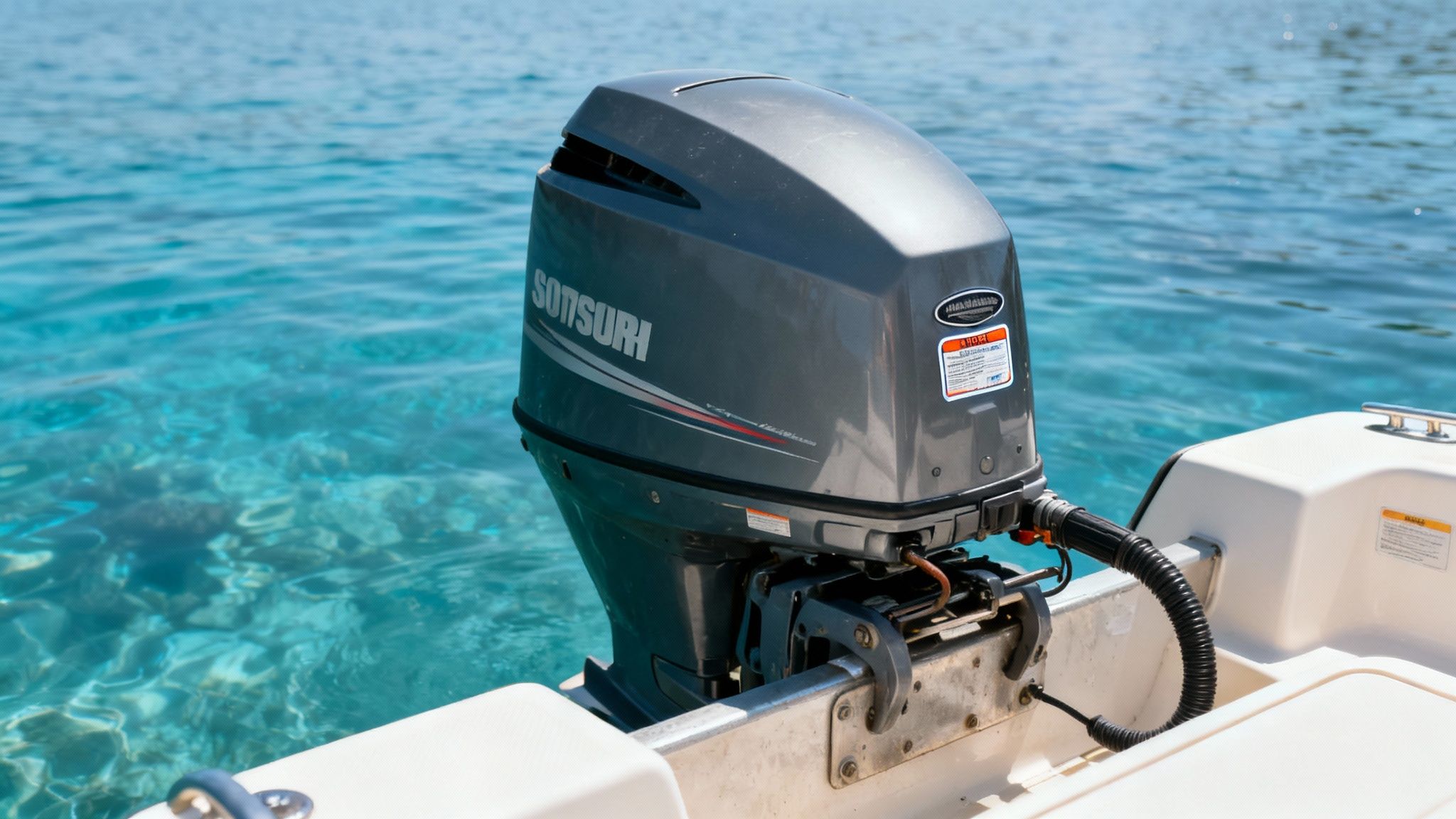
Let’s be honest, the idea of buying a used motor can feel like a bit of a gamble. But with the right approach, it’s a calculated decision that pays off in both savings and performance. This guide is here to help you move beyond the guesswork and give you real-world advice to confidently find a reliable motor that’ll power years of adventure.
The pre-owned market isn't just some small niche; it’s a massive part of Australia’s vibrant boating culture. The Australian marine equipment industry pulls in an estimated AUD 2.6 billion in 2024, and a huge chunk of that comes from pre-owned gear. In fact, dealers report that nearly 15% of their revenue comes from used boat sales and all the gear that goes with them, like outboard motors. That shows just how active this sector really is. You can dig into more insights on the Australian marine industry over at IBISWorld.
More Power for Your Money
One of the best reasons to look at used outboard boat motors is the sheer value you get. Just like a new car, a new motor depreciates significantly in its first couple of years. When you buy a well-maintained, low-hour used model, you let the original owner take that initial depreciation hit.
This financial leg-up means you can often afford a more powerful or feature-rich engine than you could if you were buying new. For instance, the budget you have for a new 15hp motor might just get you a powerful, lightly used 30hp model that completely transforms your boating experience.
It’s not just about saving money; it’s about maximising what you can do on the water for every dollar spent. A bigger, better motor opens up a world of new possibilities for fishing, family days out, and exploring a lot further from shore.
Finding Gems in the Used Market
While the big names like Yamaha and Mercury dominate the new market, the used scene offers a much wider variety of options. Brands like Hidea, known for their straightforward and tough-as-nails designs, represent excellent value.
When you start comparing used Hidea outboards, you'll often find newer models with fewer hours on the clock for the same price as an older, harder-worked competitor. This makes them a standout choice for boaters who want modern reliability without the premium price tag. For anyone on a budget, exploring these affordable outboard motors can be a real game-changer.
The Pre-Purchase Intel You Need to Gather First
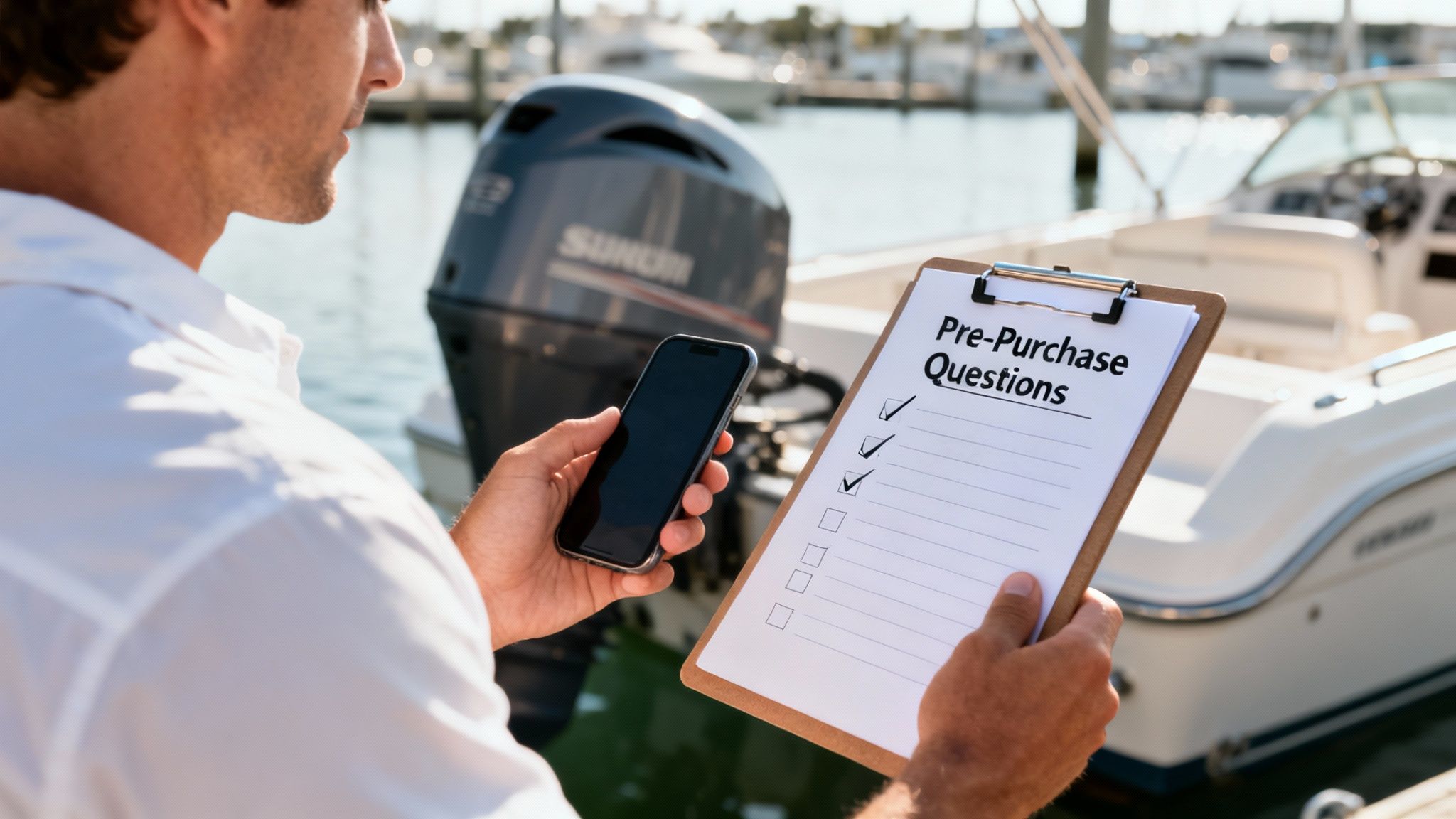
Before you even think about grabbing your keys or kicking a tyre, a quick phone call or email exchange with the seller can save you a world of pain. Don't waste a drop of petrol driving across town for a dud. This first conversation is your best filter—it’s where you gather the critical intel that separates a potential gem from a definite headache.
Think of yourself as a detective. You're asking sharp, specific questions to build a clear picture of the motor's life story, uncovering the details that don't always make it into the online ad.
Key Questions to Ask a Seller Before Inspection
This initial chat is all about due diligence. The right questions will tell you almost everything you need to know about the motor's history and the owner's attitude toward maintenance. Use this table as your script to vet sellers efficiently.
| Question Category | Specific Question to Ask | What the Answer Reveals (Green Flag vs. Red Flag) |
|---|---|---|
| Usage History | "Has this motor been used in freshwater, saltwater, or a mix of both?" | Green Flag: Primarily freshwater use. Red Flag: Heavy saltwater use with no mention of regular flushing. |
| Service Records | "Do you have service receipts or a logbook? Who did the servicing?" | Green Flag: A neat folder of receipts from a marine mechanic. Red Flag: Vague answers, no records, or claims of "serviced it myself" with no proof. |
| Reason for Selling | "Just curious, what’s the reason you’re selling it?" | Green Flag: Legitimate reasons like "upgrading to a bigger boat" or "don't use it anymore." Red Flag: Hesitation or a story that doesn't add up. |
| Running Hours | "How many hours are on the engine? Does it have an hour meter, or can you get a printout?" | Green Flag: A clear number supported by an ECU printout or a working meter. Red Flag: A wild guess or "not many" without any evidence. |
| Storage & Fuel | "How was it stored when not in use, and was the fuel system prepared for storage?" | Green Flag: Stored under cover, fuel stabiliser used, or fuel drained. Red Flag: Left out in the elements, old fuel sitting in the tank for years. |
| Known Issues | "Are there any known issues, quirks, or things I should be aware of?" | Green Flag: An honest seller who points out a minor cosmetic issue or a known quirk. Red Flag: The classic "runs perfectly, no issues at all" answer, which is rarely true for a used motor. |
By running through these questions, you'll quickly gauge whether the seller is transparent and if the motor is even worth seeing in person. Trust your gut—if something feels off, it probably is.
Digging Into the Motor's History
Let's break down why some of those questions are so crucial. First up: where has this motor spent its life? A motor used exclusively in freshwater is going to have far less corrosion than one that’s been battling the harsh saltwater environment of the Aussie coast. The difference is night and day and will directly impact its lifespan and your future maintenance bills.
Next, you absolutely must understand its service history. This is non-negotiable.
- Ask for receipts: A seller with a tidy folder of service receipts is a massive green flag. It shows they genuinely cared about proper maintenance.
- Question any gaps: If they're vague or can't produce a single record, that's a huge red flag. An engine with a mystery past is a gamble you don't want to take.
- Clarify DIY work: If the owner did their own servicing, press for details. What exactly did they do? Did they change the gearbox oil, spark plugs, and water pump impeller regularly?
Knowing the service background gives you a solid foundation for judging the motor's condition before you lay eyes on it. It also helps you anticipate potential problems. For instance, if a motor has been sitting idle for a long time, its fuel system might be in rough shape. It's a good idea to know what to look for with an outboard engine fuel line to ensure it's not cracked or perished.
Reading Between the Lines
Beyond the mechanical side, pay close attention to the human element. Why are they really selling it? An answer like "upgrading to a bigger boat" or "selling the tinny" makes perfect sense. But if the seller is cagey or their story feels flimsy, trust your instincts.
A seller who is open, honest, and can provide detailed answers is precisely the person you want to buy from. Their transparency often reflects how well they’ve cared for the motor itself.
Similarly, try to pin down the true number of running hours. On newer models, this data can often be pulled directly from the engine's computer (ECU). For older motors without an hour meter, you have to rely on the seller's estimate and your own judgement during the physical inspection.
This pre-purchase diligence is your best defence. It ensures you focus your time and energy only on the used outboard boat motors that are genuinely worth considering.
Your Hands-On Inspection Playbook
Alright, you’ve done the phone work and found a motor that sounds promising. Now it’s time to get your hands dirty. The in-person inspection is where the seller’s story gets put to the test and you uncover what’s really going on with that engine. This isn’t just kicking the tyres; it's a methodical check that could save you from a world of hurt and a very expensive mistake.
You don't need to be a career marine mechanic to spot the major red flags. Armed with a good torch, a few basic tools, and a sharp eye, you can confidently size up any used outboard and walk away knowing exactly what you’re getting yourself into.
The Initial Walk-Around
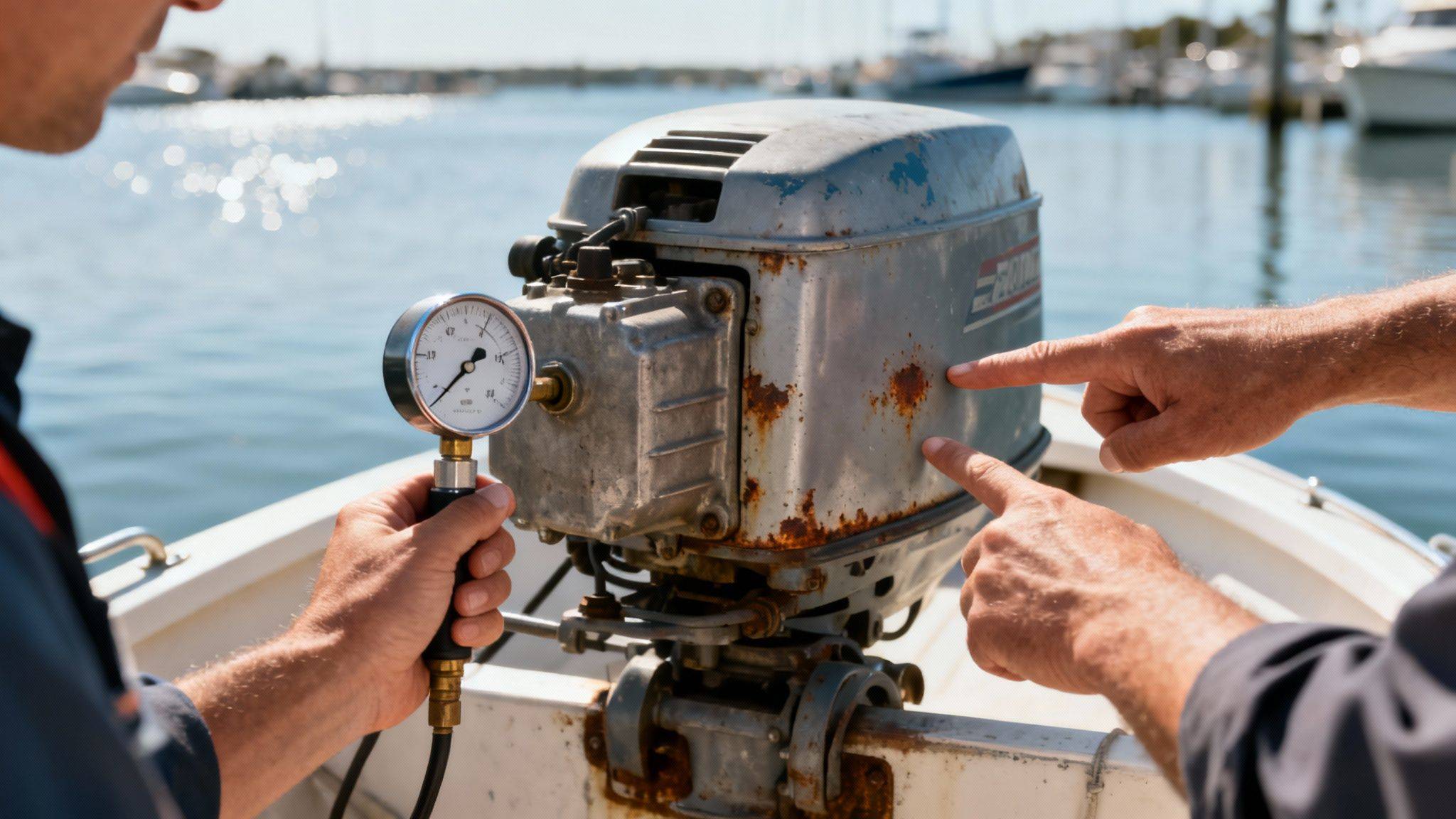
First impressions mean a lot. Start with a slow, deliberate walk-around, just taking in the motor's overall cosmetic state. A few scuffs and faded decals are completely normal for a used motor. But keep an eye out for deep gouges, significant paint bubbling, or heavy corrosion—these are tell-tale signs of a hard life or serious neglect.
Zero in on these specific areas:
- The Cowling: Look for hairline cracks, especially around the mounting points where stress occurs. Mismatched paint or brand-new decals can sometimes be a clever trick to hide previous damage or shoddy repairs.
- The Skeg and Propeller: The skeg is the lowest part of the motor, and it’s usually the first thing to meet a rock or a sandbar. Check for any signs of it being bent, welded back on, or ground down. A chipped prop is an easy and relatively cheap fix, but a badly damaged skeg points to a major impact that could have caused damage elsewhere.
- Anodes: These little metal tabs are sacrificial—they're designed to corrode away to protect the engine's more important metal parts. If they’re completely gone or eaten down to nothing, it’s a big hint that the motor has been poorly maintained or run hard in saltwater without the proper care.
Lifting the Lid for a Deeper Look
Okay, time to pop the cowling off. This is where the real deal-breakers are hiding. The inside of the engine bay should be reasonably clean for its age. A light film of oil is fine, but if you see thick, greasy gunk everywhere, you’re likely looking at leaks.
Get your torch out and have a good look at the wiring. You’re searching for anything that looks burnt, brittle, or has dodgy-looking repairs wrapped in electrical tape. Tidy, well-organised wiring is a fantastic sign of a motor that's been looked after. If it's a four-stroke, pull the dipstick and check the oil. It should be a honey or dark brown colour. If it looks milky, like a flat white coffee, that's a massive red flag. It means water is getting into the engine.
Read the full guide at easyinflatables.com.au
Explore the Aerowave range
Weekend-Proof Score 17 questions · about 2 minutes
Will the boat you're about to buy survive an Australian summer?
Seventeen straight questions about where you'll use it, what you'll ask of it and the boat you're weighing up. You get a score out of 100, the exact weak points in your plan, and the one boat that genuinely fits.
Free · your result shows on screen · no email required
So which one is yours?
Pick how you'll actually use it and we'll take you straight to the right hull.
I want to fish it
Open bow, rod holders, deck space you can stand and cast from.
Viper Sport 400Family, diving and the beach
3.8 m Series 3 catamaran — low bow to climb back in wearing fins or a tank.
WaveRunner 380Tender / one-person launch
3.3 m hard-floor boat that packs into a bag and still takes a beach landing.
Viper 330Shop gear featured in this guide
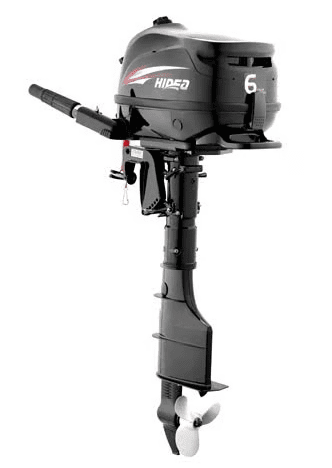
Hidea 6HP 4-Stroke Outboard
The 6HP 4-Stroke is built for tenders, skiffs and smaller inflatable boats. Quiet, easy to handle and reliable everyday power.
Australia-only item or unlisted country — ask for a price
Hidea 9.9HP 4-Stroke Outboard
Twin-cylinder smoothness for dinghies, inflatables and small aluminium boats. A confident step-up from 6HP.
Australia-only item or unlisted country — ask for a price
Hidea 15HP 4-Stroke Outboard
Strong, dependable mid-range power for bigger inflatables, tenders and small runabouts.
Australia-only item or unlisted country — ask for a price
Not sure which suits you? Talk to a real boat owner.
Before you spend a cent
Buying from Australia, delivered to United States
You have never heard of us, we are on the other side of the world, and the internet is full of fakes. Fair enough. Here is everything you would need to check us out, in one place — no forms, no chat bot.
Australian designed business
Easy Inflatables, Avoca Beach NSW 2251. ABN 96 856 548 613. International orders ship from our Hong Kong hub.
222 owner reviews, 4.8 average
Read them in full, good and bad, on our reviews page.
CE certified, 7-year hull warranty
ISO 6185-3 and EU Directive 2013/53/EU. Warranty honoured worldwide.
Tracked, insured, door to door
FREE freight to United States · local tax/duty on arrival.
- Who am I actually buying from?
- Easy Inflatables, Avoca Beach NSW 2251, Australia. ABN 96 856 548 613. Sean is the owner and skipper, Gary Stewart handles sales on +61 2 4335 1603, Karen Matthews handles email. The boats are Australian designed; international orders ship from our Hong Kong dispatch hub so your landed price stays competitive. Phone us before you pay a cent — a real person answers.
- Is this really an Australian product?
- Yes — Australian designed and engineered on the NSW Central Coast. Manufacturing is done offshore to our spec, and international orders ship direct from our Hong Kong dispatch hub. If we routed every boat through Australia first, the freight alone would roughly double or triple your cost for the same hull.
- What do I pay, and what is not included?
- The delivery and import terms depend on your country. EU, UK, New Zealand and named Asia/Pacific lanes include duty and tax; US freight is free but US buyers pay import charges on arrival. Other destinations show their terms before payment.
- How do I pay safely?
- Card through Stripe (Visa, Mastercard, Amex, Apple Pay, Google Pay) or bank transfer. Card payments carry your bank's own dispute protection. We never ask for crypto, gift cards or payment to a personal account.
- What if it arrives damaged?
- Every boat ships fully tracked and insured door to door. Photograph the carton and the boat on arrival and email us — transit damage is claimed and replaced through us, not left with you and the courier.
- Is the warranty real outside Australia?
- Yes. The 7-year hull warranty on 1.2 mm VALMEX Heavy Plus and Orca Hypalon hulls applies wherever you are. Replacement parts are held in Australia and at our overseas hub and go out by express courier to your door.
- Is the boat actually certified?
- All Aerowave catamarans are CE certified to ISO 6185-3 and EU Directive 2013/53/EU. Certification paperwork is supplied with the boat — ask and we will send it before you order.
Ready to set sail?
Premium German-fabric inflatable catamarans, built to order and delivered to your door. Talk to our team or browse the fleet.
Like this guide? Get the next one in your inbox.
Owner-tested tips, gear deep-dives and Aussie boating know-how — no spam.