
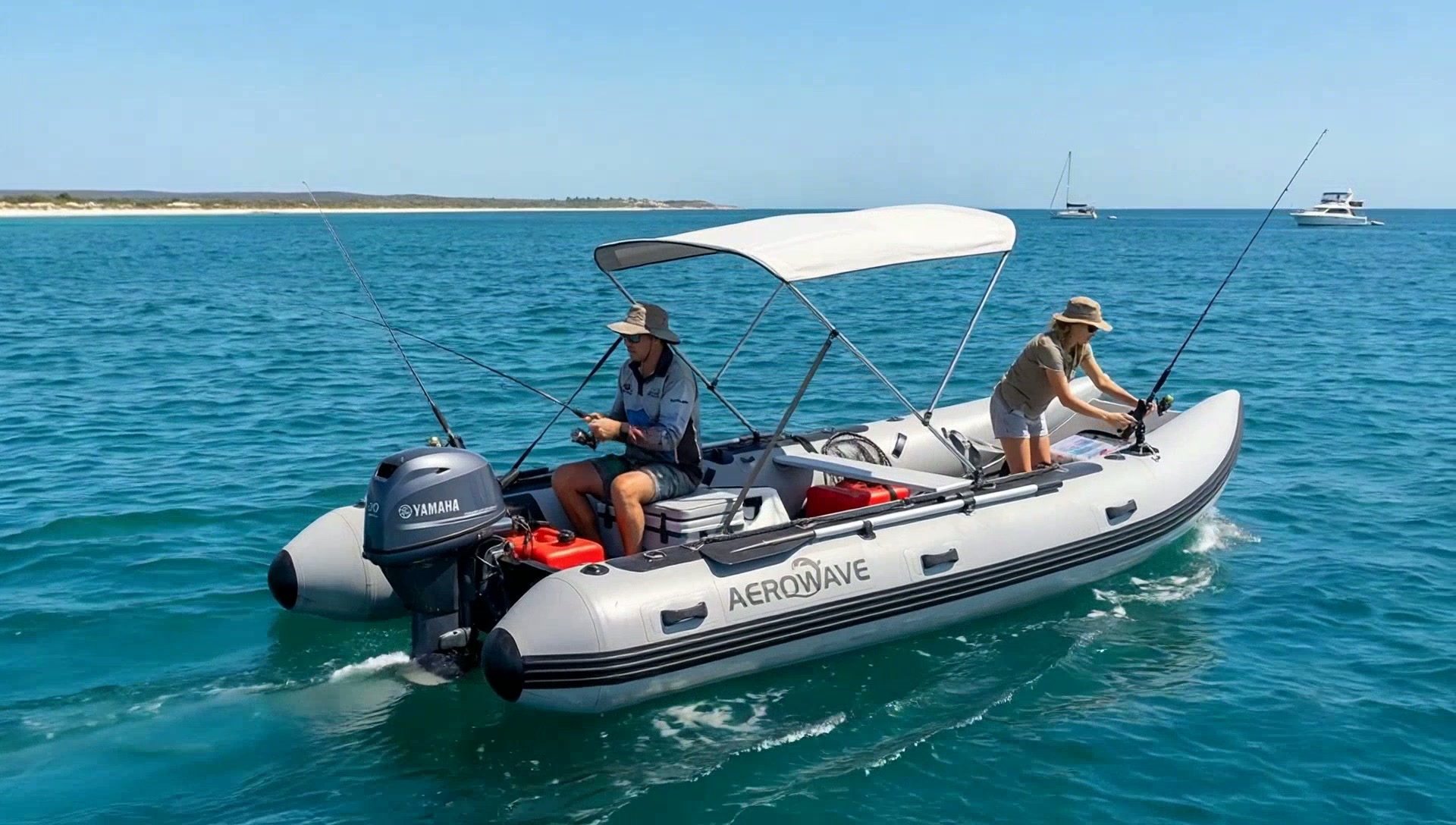
SIB vs RIB: What Soft Inflatable Boats Really Are (And Which One Suits You)
SIB, RIB, dinghy, tender, cat. The terminology puts people off before they start. Here is the plain-English breakdown of soft inflatable boats versus rigid inflatables, and where an inflatable catamaran sits between them.
Our recommendation
Aerowave Viper 330
Length
330cm / 10'9"
Beam
165cm / 65"
Inside Beam
69cm / 27"
Tube Diameter
50cm / 19"
Ask three boaties what a SIB is and you will get three answers. The acronyms are the single biggest barrier for people buying their first inflatable, so let us kill the confusion in one page.
The definitions, without the jargon
SIB — Soft Inflatable Boat. Every part of the hull is fabric. Inflatable tubes, plus a floor that is either an inflatable air deck, slatted timber, or removable aluminium panels. Deflate it, roll it, put it in a bag.
RIB — Rigid Inflatable Boat. Inflatable tubes bonded to a solid moulded hull, usually fibreglass or aluminium. The tubes are soft; the bottom is not. It does not pack down and it lives on a trailer.
RHIB is the same thing as a RIB, just with "hulled" spelled out. There is no difference.
Inflatable catamaran. A soft inflatable, but with two full-length hulls instead of one hull with side tubes. That single change is what makes it behave differently from both a conventional SIB and a RIB.
Side by side
| SIB (single hull) | RIB | Inflatable catamaran | |
|---|---|---|---|
| Packs into a bag | Yes | No | Yes |
| Needs a trailer | No | Yes | No |
| Stability at rest | Moderate | Good | Excellent — buoyancy at both outer edges |
| Weight | Light | Heavy | Light |
| Storage | Boot or shelf | Yard, driveway or paid storage | Boot or shelf |
| Beach launching | Yes | Ramp, realistically | Yes, with launch wheels |
| Ride in chop | Depends on floor | Very good | Very good — twin hulls cut rather than slam |
| Shallow draft | Good | Poor | Excellent |
Why the floor matters more than the badge
The single most useful question when comparing soft inflatables is not "SIB or RIB" — it is what is the floor and what is the fabric.
A cheap SIB with a slat floor and thin fabric flexes underfoot, feels nervous when you stand up, and wears out. A soft inflatable with a high-pressure air deck or aluminium floor and heavy fabric feels like a boat.
Our numbers, so you can compare like for like:
- AeroCat series: 1100 GSM / 0.9mm German VALMEX® — 5-year hull warranty
- Viper series: 1500 GSM / 1.2mm VALMEX® Heavy Plus — 7-year hull warranty
- Working life of premium VALMEX fabric in Australian sun and salt: 10–12 years
- Transom height: 380mm, which keeps more propeller in the water and kills the ventilation that plagues shallow transoms
Fabric is always quoted as GSM and millimetres. If a listing only gives you one of the two, you are being told half the story.
Which one should you buy?
Buy a RIB if you want a permanently rigged boat, you tow to a ramp anyway, you have somewhere to keep it, and you are running serious horsepower over long offshore distances.
Buy a conventional SIB if you need the smallest, lightest possible tender to hang off a yacht and you rarely have more than two people aboard.
Buy an inflatable catamaran if you want the packability of a soft inflatable without the compromise: a boat that stores in the boot, launches off a beach with no ramp and no trailer, and still sits flat enough to stand up and fish from.
The stability difference explained
On a single-hull inflatable, buoyancy comes from tubes running down each side of a hull that tapers to a keel. Step to one side and it leans.
On a catamaran, the two hulls are the widest part of the boat and run the full length. Weight moving to one side has almost nowhere to tip to. That is not marketing — it is where the buoyancy physically sits. It is the reason people cast standing up from a 3.3m cat and would not attempt it in a 3.3m single-hull inflatable.
What "packs into a bag" actually means
Deflated, a 3.6m catamaran plus its air deck fits in the boot of a mid-size SUV. No trailer registration, no bearings, no tyres, no driveway. You drive a normal car to a spot with no ramp, carry the bag down, and you are on the water in about fifteen minutes with a hand pump.
The short version
SIB means the whole hull is fabric. RIB means the bottom is solid. An inflatable catamaran is a SIB that borrowed the stability a RIB is bought for, and kept the ability to go in the boot.
Built to last. Made to explore.
Explore the Aerowave range
Frequently asked questions
- What does SIB stand for?
- Soft Inflatable Boat. The entire hull is fabric — inflatable tubes with an air deck, slatted or removable aluminium floor — so the whole boat deflates and packs into a carry bag.
- What is the difference between a SIB and a RIB?
- A SIB has a fully fabric hull and packs into a bag. A RIB (rigid inflatable boat) has inflatable tubes bonded to a solid fibreglass or aluminium hull, so it cannot be deflated and needs a trailer and somewhere to store it.
- Is a RIB more stable than a soft inflatable?
- Compared with a conventional single-hull SIB, usually yes. Compared with an inflatable catamaran, no — a cat carries its buoyancy in two full-length hulls at the outer edges, so it stays flat when weight shifts to one side.
- Are soft inflatable boats safe offshore?
- Within their rating and in appropriate conditions, yes. Fabric weight and floor type matter most: our hulls use 1100 GSM / 0.9mm or 1500 GSM / 1.2mm German VALMEX and are CE certified to ISO 6185-3 and EU Directive 2013/53/EU. Always check the vessel's rated conditions and carry the safety gear your state requires.
- Does a SIB need a trailer?
- No. That is the main reason people choose one. It deflates into a bag that fits in a car boot, and launch wheels let you get it to the water without a ramp.
Finance this boat from $22/week
Estimate only — powered by Australian Motorcycle & Marine Finance (AMMF).
Deposit (AUD)
$495
10% of price
Term
5 years
60 monthly repayments
Comparison rate
9.95% p.a.
Subject to AMMF approval
Weekly
$22
Monthly
$94
Amount financed
$4,450
Indicative only. Actual repayments depend on your AMMF credit assessment, term, fees and the balloon you select. Talk to AMMF for a personalised quote on Aerowave Viper 330.
Like this guide? Get the next one in your inbox.
Owner-tested tips and Aussie boating know-how — no spam.
Ready when you are
Build your Viper 330 in under 3 minutes.
1500 GSM / 1.2 mm VALMEX® hull. Five-year limited hull warranty plus two years of extended limited structural hull cover, subject to conditions. Free freight to United States · local taxes payable on arrival.
delivered to your door
See it for yourself
Real boats. Real owners. Real people behind them.
Plenty of what you read online these days is generated. Check us out properly — the factory, the reviews and the owners are all one click away. Why we use AI, and how to check we’re real
How our boats are built
Walk the production line: thermo-welded seams, 1.2 mm VALMEX Heavy Plus hulls, over-pressure relief valves on every chamber.
See the buildGoogle Maps reviews
Real Australian owners, five stars, published on our Google Business Profile with the map — read them there, not just on our own site.
Open Google Maps reviewsOwner stories
Boats in use — offshore, on rivers, on rescue duty. Photos and words from the people who actually own them.
Read owner stories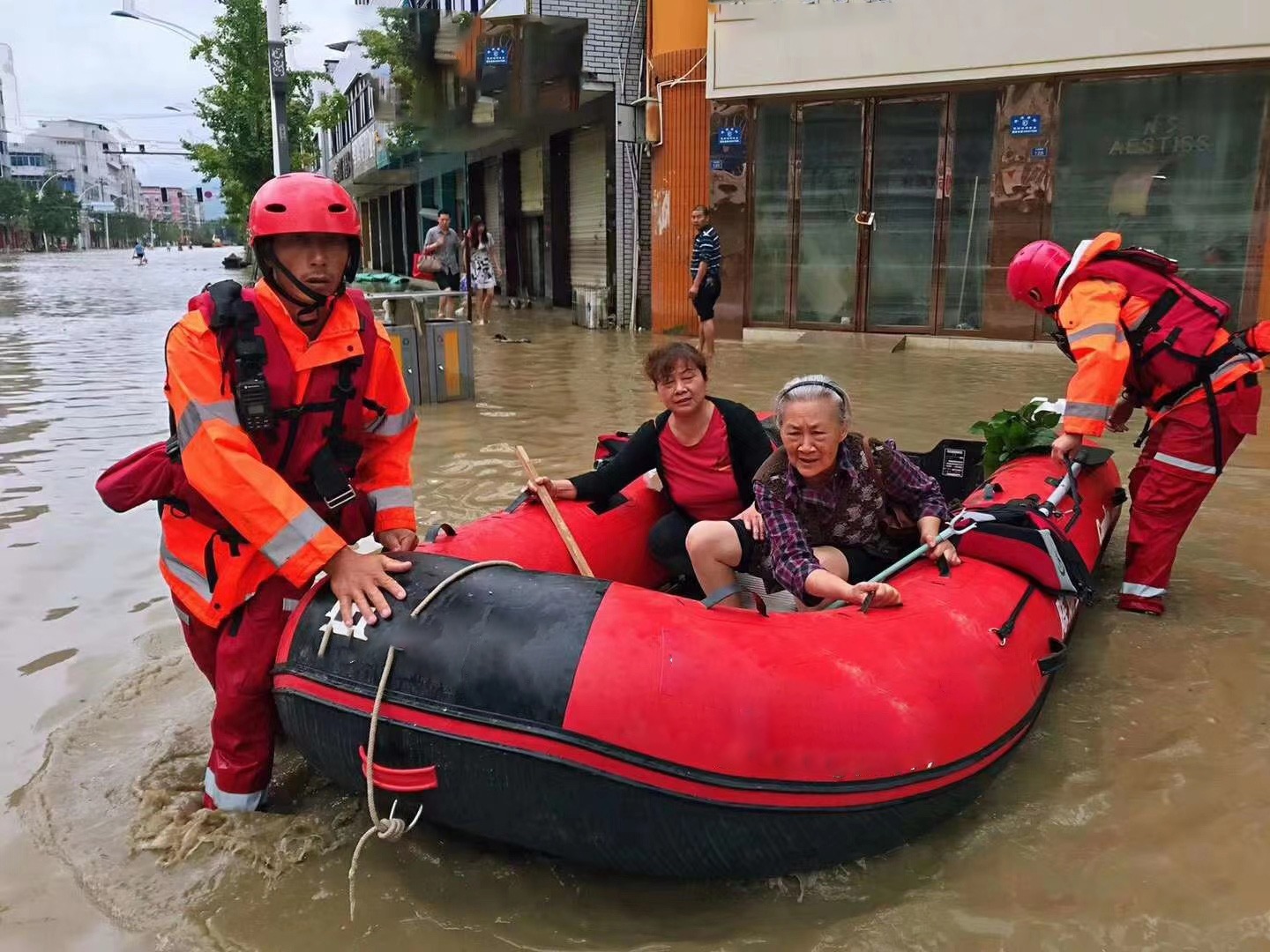
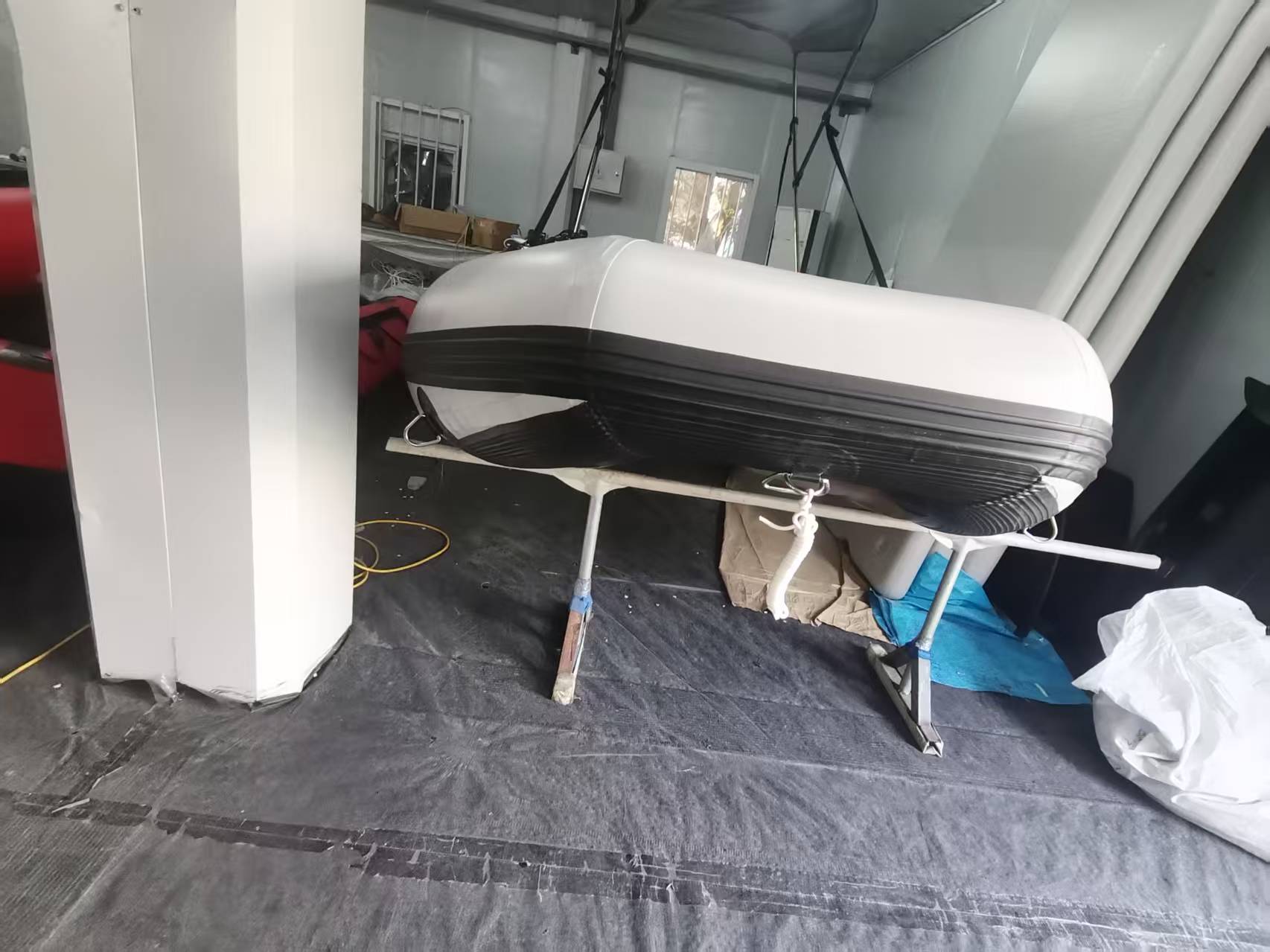
Aerowave Viper 330
US$2,774 USD · delivered to your door