Your Guide to Rigid Hull Inflatable Dinghy Ownership
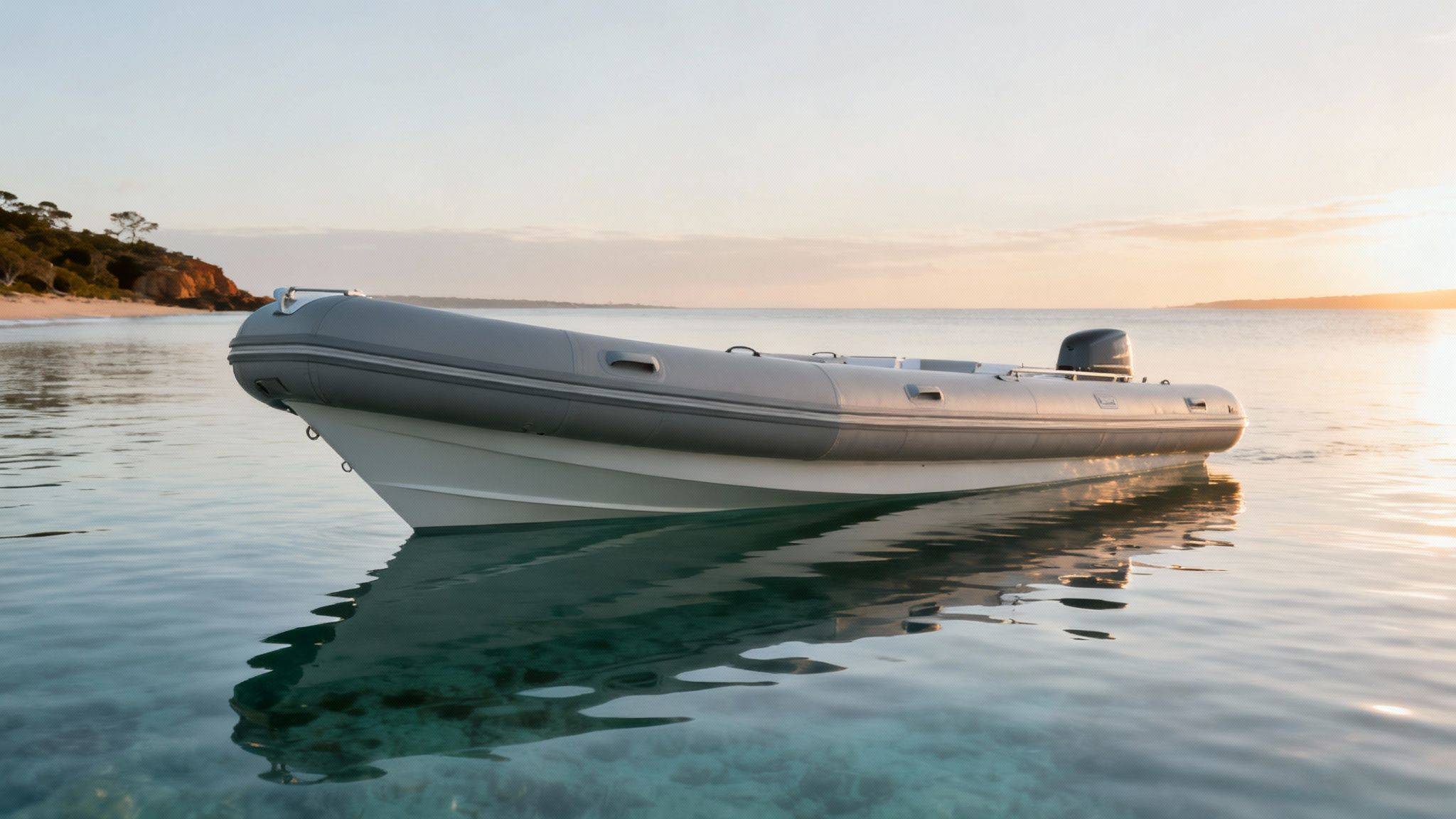
You’ve probably heard the term RIB or RHIB thrown around at the boat ramp or marina. It stands for Rigid Hull Inflatable Dinghy, and it's a game changer in the boating world. This clever hybrid combines a solid, V shaped…
At a glance
You’ve probably heard the term RIB or RHIB thrown around at the boat ramp or marina. It stands for Rigid Hull Inflatable Dinghy, and it's a game changer in the boating world. This clever hybrid combines a solid, V shaped…
- The Best of Both Worlds Explained
- Why This Hybrid Design Is So Effective
- Dominating Australian Waterways
- Deconstructing a High-Performance RIB
What we'd put you in
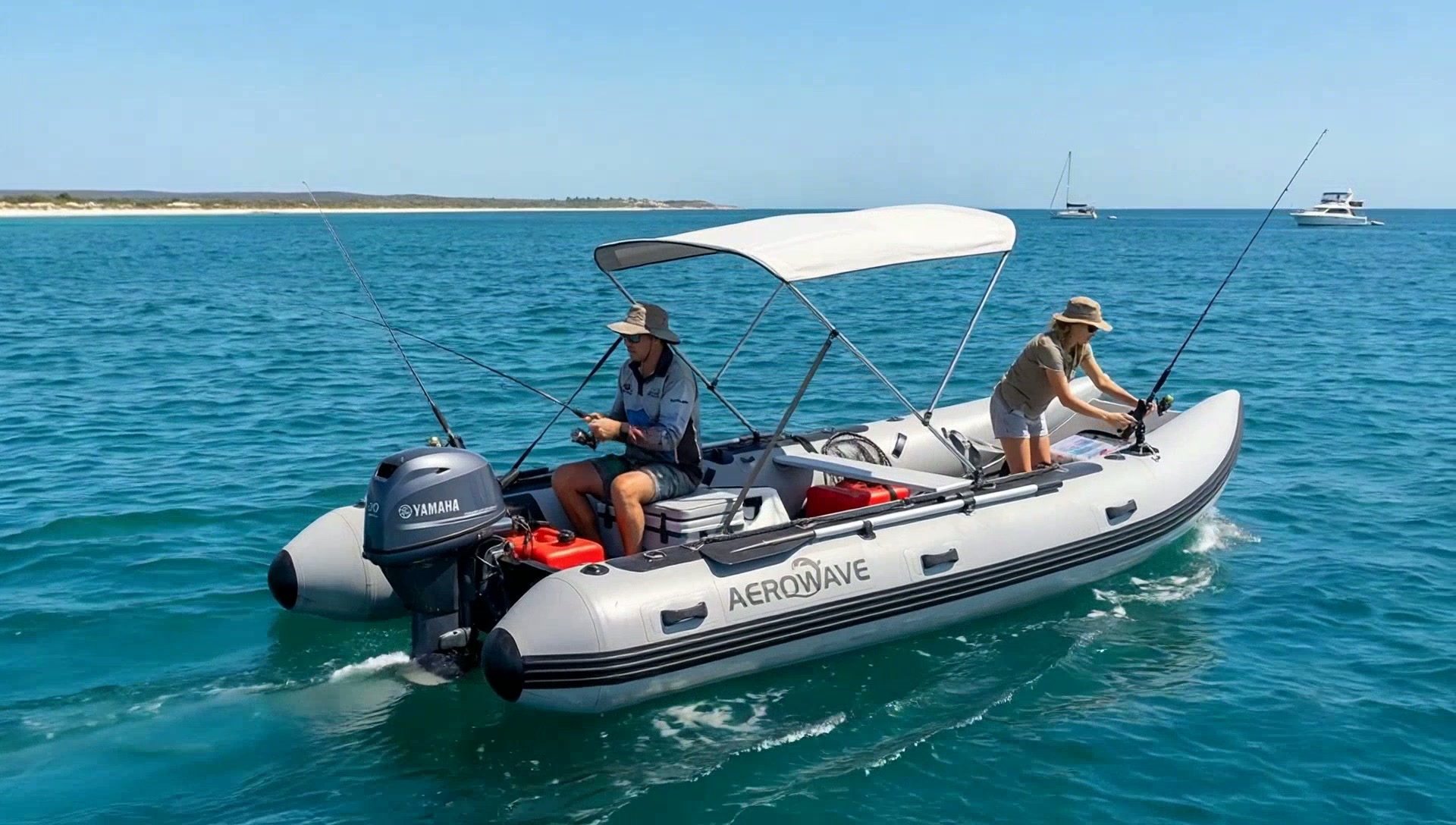
Aerowave Viper 330
Packs into a bag, inflates to a 3.3 m hard-floor boat — the tender that doesn't sulk.
US$2,774 USD
Delivered to your door, today's rate
- Free freight to United States · local taxes payable on arrival
- 7-year hull warranty
🇺🇸 Shipping to United States · landed price quoted in writing
Yes — we ship the Aerowave Viper 330 to United States. Here's the landed price.
Packs into a bag, inflates to a 3.3 m hard-floor boat — the tender that doesn't sulk.
Aerowave Viper 330
- Boat package (export price)
- US$3,264
- 15% tariff relief credit
- − US$490
- Express air freight to United States
- Included
- Import duty, taxes & customs clearance
- Payable on arrival
- Estimated landed, USD
- US$2,774
Indicative, converted at today's rate, before local duty and tax on arrival. Ask below and we'll put a fixed figure in writing, valid 30 days.
- 7-year hull warranty
- 1500 GSM / 1.2 mm VALMEX® Heavy Plus hull
- CE certified to ISO 6185-3 and EU Directive 2013/53/EU
- Door-to-door, tracked the whole way
Your price, delivered to your door — freight included.
We email the full PDF quote (spec, freight, finance, WavePay) to your inbox in under 60 seconds. No spam — one quote, one follow-up.
See it for yourself
Real boats. Real owners. Real people behind them.
Plenty of what you read online these days is generated. Check us out properly — the factory, the reviews and the owners are all one click away. Why we use AI, and how to check we’re real
How our boats are built
Walk the production line: thermo-welded seams, 1.2 mm VALMEX Heavy Plus hulls, over-pressure relief valves on every chamber.
See the buildGoogle Maps reviews
Real Australian owners, five stars, published on our Google Business Profile with the map — read them there, not just on our own site.
Open Google Maps reviewsOwner stories
Boats in use — offshore, on rivers, on rescue duty. Photos and words from the people who actually own them.
Read owner storiesYou’ve probably heard the term RIB or RHIB thrown around at the boat ramp or marina. It stands for Rigid Hull Inflatable Dinghy, and it's a game-changer in the boating world. This clever hybrid combines a solid, V-shaped hull with tough, air-filled tubes running along the sides. The result? You get the wave-slicing performance of a traditional hard-shelled boat and the incredible stability and safety of an inflatable. It’s a design that makes them unbelievably versatile, especially for the kinds of conditions we see all over Australia. Looking for the best recreational boats available near you? A rigid hull inflatable dinghy is often the smartest answer.
The Best of Both Worlds Explained
Think of it like this: a RIB is the marine equivalent of a top-tier 4WD. It pairs a rugged, reliable frame with a suspension system that can absorb anything the terrain throws at it. That’s exactly what a rigid hull inflatable dinghy does on the water, bringing two different boating technologies together to create something truly special. The "rigid hull" is the boat's backbone. It’s the solid, V-shaped bottom, usually built from fibreglass or aluminium, that cuts cleanly through the water. This is what gives the boat its sharp handling and smooth ride, even when the wind picks up and things get choppy. It performs much like a conventional powerboat, giving you speed and agility. Wrapped around this solid base are the "inflatable tubes," also known as sponsons. These aren't just for show—they're the secret to the boat's incredible buoyancy and stability. They act like giant, built-in shock absorbers, softening the ride and making the boat almost impossible to capsize. It's a huge safety advantage, whether you're out with the family or heading offshore. If you're curious about how this setup stacks up against other designs, our guide on the different types of boats you can buy gives a great overview.
Why This Hybrid Design Is So Effective
The real magic happens when these two elements work in harmony. This combination creates a boat that is:
- Lightweight: The inflatable tubes slash the overall weight compared to a fully rigid boat of the same size, making it easier to launch, retrieve, and power.
- Incredibly Stable: With a low centre of gravity thanks to the tubes, a RIB feels solid and secure underfoot, even when you're not moving.
- Exceptionally Safe: The tubes are made up of multiple air chambers. This means that even if one section gets punctured, the boat stays afloat and gets you home safely.
- High-Performing: The V-hull isn't just for a smooth ride. It allows for tight turns, zippy acceleration, and better fuel efficiency.
Dominating Australian Waterways
This unique blend of features has made the RIB a favourite for all sorts of marine activities, not just in Australia but worldwide. In fact, RHIBs make up over 60% of the commercial and defence inflatable boat market—a massive vote of confidence in their reliability and toughness. You’ll see this reflected right here in Australia, where everyone from maritime rescue agencies to whale-watching tour operators relies on them day in, day out. That same professional-grade engineering is what makes them so popular with recreational boaters, who get a vessel built to handle just about anything. It's why models like our Aerowave Sprint RIBs deliver such incredible performance and value.
Deconstructing a High-Performance RIB
To really get what makes a rigid hull inflatable dinghy (or RIB) so special, you need to look at its two core parts: the solid hull that gives it strength and the inflatable tubes that deliver incredible stability. This clever combination is the secret sauce behind its amazing performance on the water. Every part of a RIB is a product of specific material choices that influence everything from how it handles chop to how long it will last.
This diagram shows how the hull and tubes work together to create a boat that’s fast, safe, and seriously versatile.
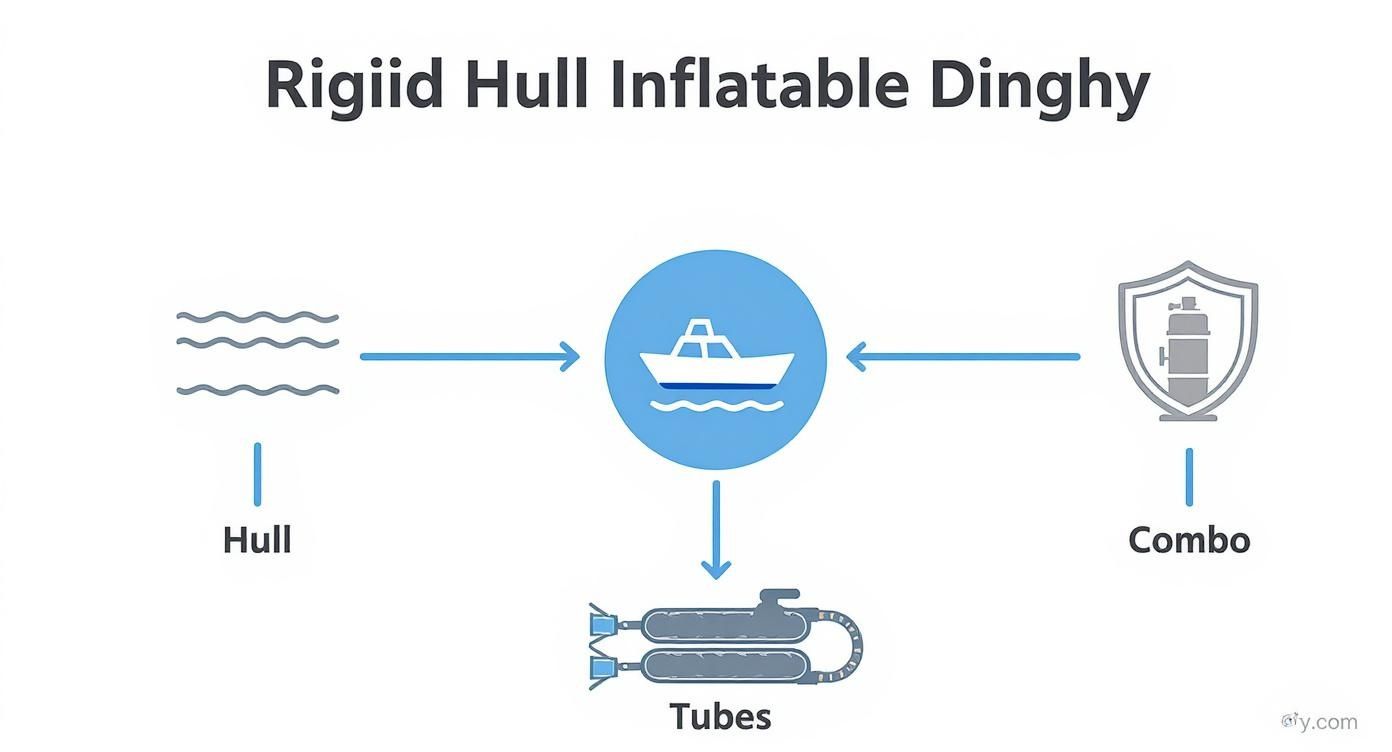 As you can see, the RIB's magic comes from the synergy between its wave-slicing hull and its buoyant, protective tubes.
The Solid Foundation: The Rigid Hull
The hull is the boat’s backbone. It’s the part that’s always in contact with the water, doing the heavy lifting. Its deep V-shape is engineered to cut through waves, not bounce over them like a flat-bottomed boat would. This is why a RIB gives you a much smoother, drier ride, especially when conditions get a bit rough. When you're choosing a RIB, the hull material is one of the biggest decisions you'll make. The market is dominated by two main players: fibreglass and aluminium.
- Fibreglass Hulls: Known for delivering a quieter and more comfortable ride, fibreglass is brilliant at soaking up vibrations from choppy water. Because it can be moulded into complex, hydrodynamic shapes, manufacturers can fine-tune the hull for sharp handling and rock-solid stability.
- Aluminium Hulls: If you’re after something tough, rugged, and lightweight, aluminium is the way to go. These hulls can take a beating—think bumps, scrapes on rocky beaches, and the general wear and tear that comes with serious adventuring. They're also much lighter than fibreglass, making the boat easier to launch, retrieve, and power with a smaller, more fuel-efficient engine.
This is where the affordable build quality of brands like Aerowave Sprint RIBs really stands out. Their smart design combines the toughness of aluminium with great performance, making top-tier boating more accessible for Australian families and adventurers without the hefty price tag.
The Inflatable Collar: The Sponsons
Wrapped around the hull are the inflatable tubes, often called sponsons or a collar. These are much more than just pockets of air; they are the key to the RIB's legendary stability and safety. The huge volume of air provides massive buoyancy, which makes the boat virtually unsinkable and incredibly difficult to capsize. Just like with the hull, the material used for these tubes is critical—especially under the harsh Australian sun. Your two main choices are PVC (Polyvinyl Chloride) and Hypalon (a brand name for a type of synthetic rubber).
- PVC: This is a popular and budget-friendly material known for its excellent air-holding ability and resistance to scrapes. Modern, high-quality PVC—like the German Valmex material used in Aerowave boats—is incredibly tough and often features welded seams for superior strength. It offers fantastic value for money, making it the go-to for most recreational boaters.
- Hypalon: Widely considered the premium choice, Hypalon offers unmatched resistance to UV radiation, chemicals, and extreme temperatures. Its sheer durability makes it the top pick for commercial operators, rescue services, and anyone who stores their boat uncovered in direct sunlight for long periods.
The choice between PVC and Hypalon often boils down to your specific use and budget. For most recreational boaters who store their boat properly, a high-quality modern PVC provides more than enough durability at a far more attractive price.
To help you weigh up the options, here’s a quick look at how these materials compare when you're making a decision.
Comparing RIB Construction Materials
| Component | Material | Key Advantages | Ideal For |
|---|---|---|---|
| Hull | Fibreglass | Smoother, quieter ride; complex shaping for better performance. | Recreational cruising, family outings, and a more comfortable experience in choppy water. |
| Hull | Aluminium | Lightweight, rugged, and highly durable; dent-resistant. | Fishing, diving, exploring rocky coastlines, and frequent beaching. |
| Tubes | PVC | Affordable, excellent abrasion resistance, and lightweight. | Weekend adventurers, family boaters, and anyone seeking great value for money. |
| Tubes | Hypalon | Superior UV and chemical resistance, and extreme longevity. | Commercial use, tropical climates, and boats that will be stored uncovered in direct sunlight. |
Ultimately, understanding these core components helps you cut through the noise and compare different models effectively. It empowers you to find a rigid hull inflatable dinghy that not only fits your budget but is perfectly built for what you want to do on the water.
Key Benefits of Choosing a RIB
So, why are so many Aussie boaters making the switch to a rigid hull inflatable dinghy? It comes down to a unique mix of features that deliver an experience on the water that's tough to beat. A RIB isn't just another boat; it's a high-performance machine built on the core pillars of stability, safety, performance, and pure versatility.
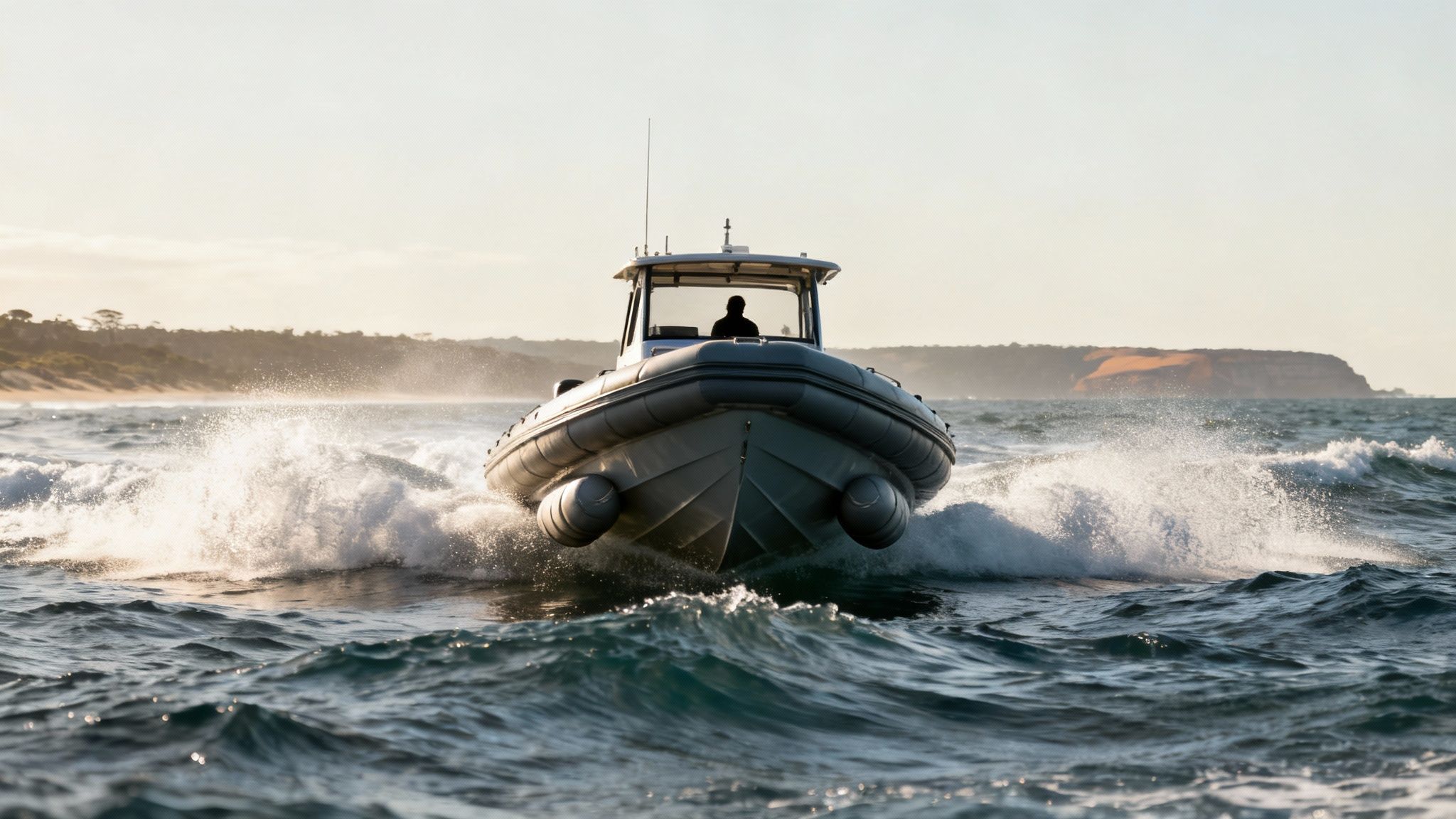 This powerful combination is a big reason why RIBs are making waves in Australia's growing watercraft market. With boating being the top water-based activity for about 32% of participants, the demand for reliable, capable vessels is sky-high. When you compare prices and features of inflatable boats in your area, you'll find RIBs offer exceptional value.
Unshakeable Stability and Safety
The first thing you’ll notice in a RIB is its incredible stability. Those large inflatable tubes, or sponsons, act like outriggers, giving the boat a wide, steady footprint on the water. This design creates a super low centre of gravity, making the vessel remarkably difficult to capsize—a massive plus for families with kids or when you're loading up gear. This stability isn't just for when you're on the move. At rest, a RIB provides a solid, dependable platform for fishing, diving, or just kicking back. You can walk around the boat with confidence, without that unnerving rocking you get in other small craft.
The inflatable tubes do more than just add stability; they're a core part of the boat's safety system. Made up of multiple independent air chambers, they guarantee the boat stays buoyant and afloat even if one section gets punctured. That’s serious peace of mind when you're far from shore.
We dive deeper into the many advantages of inflatable boat designs in another one of our detailed articles if you want to learn more.
Superior Performance and Handling
A rigid hull inflatable dinghy really comes alive when you open it up. The solid deep-V hull is designed to slice cleanly through choppy water, not bounce over the top of it. The result is a ride that's significantly smoother and drier compared to fully inflatable or flat-bottomed boats of a similar size. This high-performance design gives you a few key advantages:
- Comfort in Rough Seas: It can handle conditions that would keep other small boats tied to the dock.
- Agile Manoeuvring: The combo of a sharp hull and buoyant tubes allows for tight, responsive turns that feel incredibly intuitive.
- Fuel Efficiency: Because the V-hull cuts through the water with less resistance, it often needs less power to get up on the plane, saving you money at the fuel pump.
This is why Aerowave Sprint RIBs are such a popular choice; their efficient build packs this high-end performance into an affordable package, opening up thrilling boating experiences to more people.
Remarkable Versatility for Australian Lifestyles
Perhaps the best thing about a RIB is its sheer versatility. This one boat can adapt to a huge range of activities, making it the perfect all-rounder for the Aussie lifestyle. It’s not just a boat; it’s a tool for adventure. Looking for a place in Australia to hire inflatable boats for a family outing? Many hire companies choose RIBs for this very reason. Think about all the different hats a RIB can wear:
- The Perfect Tender: Lightweight and tough, it’s ideal for ferrying people and supplies from a larger yacht to the shore.
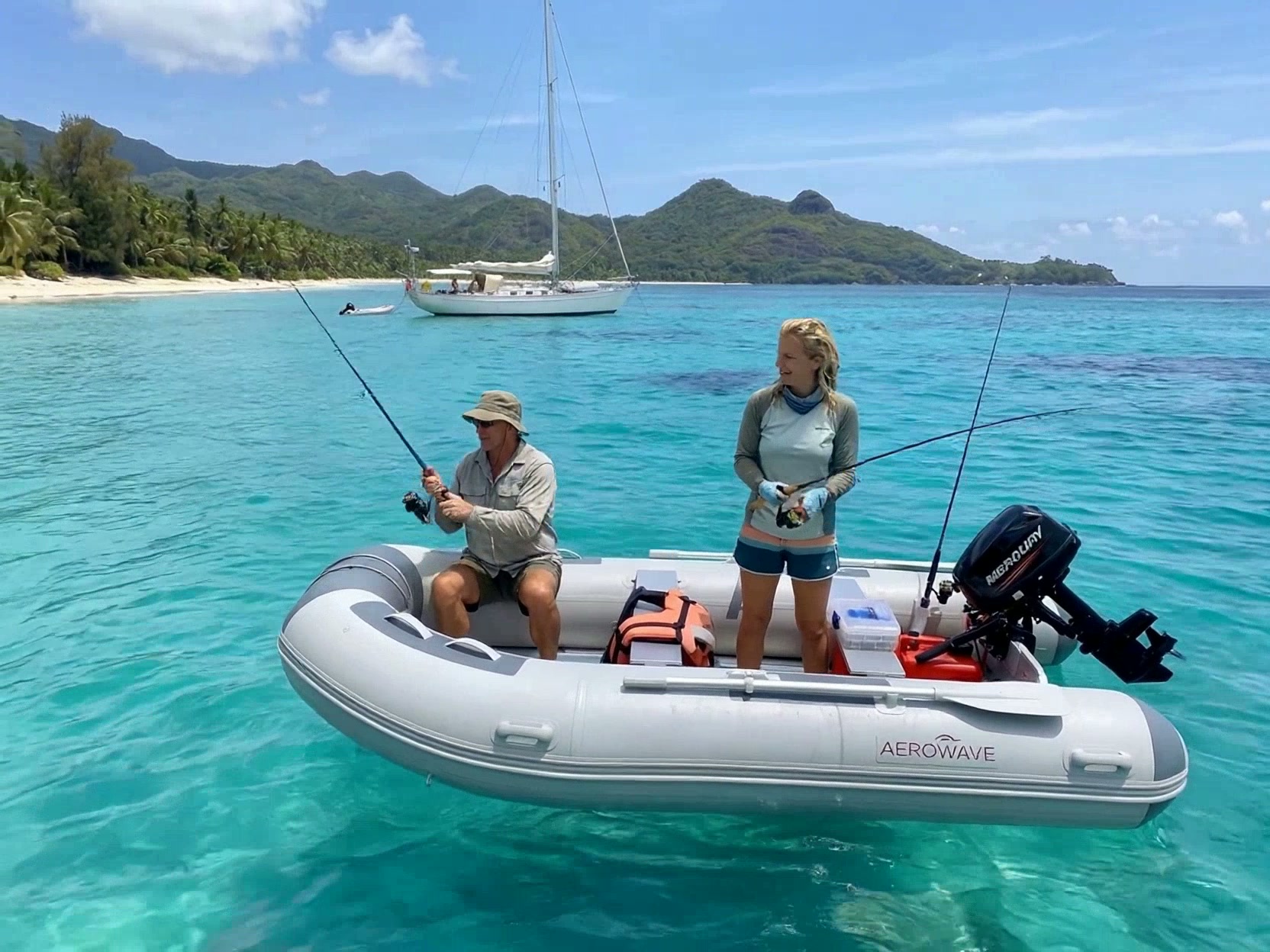
- A Fishing Machine: Its stability offers a great casting platform, and its shallow draft lets you sneak into fishing spots others can't reach.
- A Diving and Snorkelling Base: The low-slung tubes make it ridiculously easy to get in and out of the water, even with all your gear on.
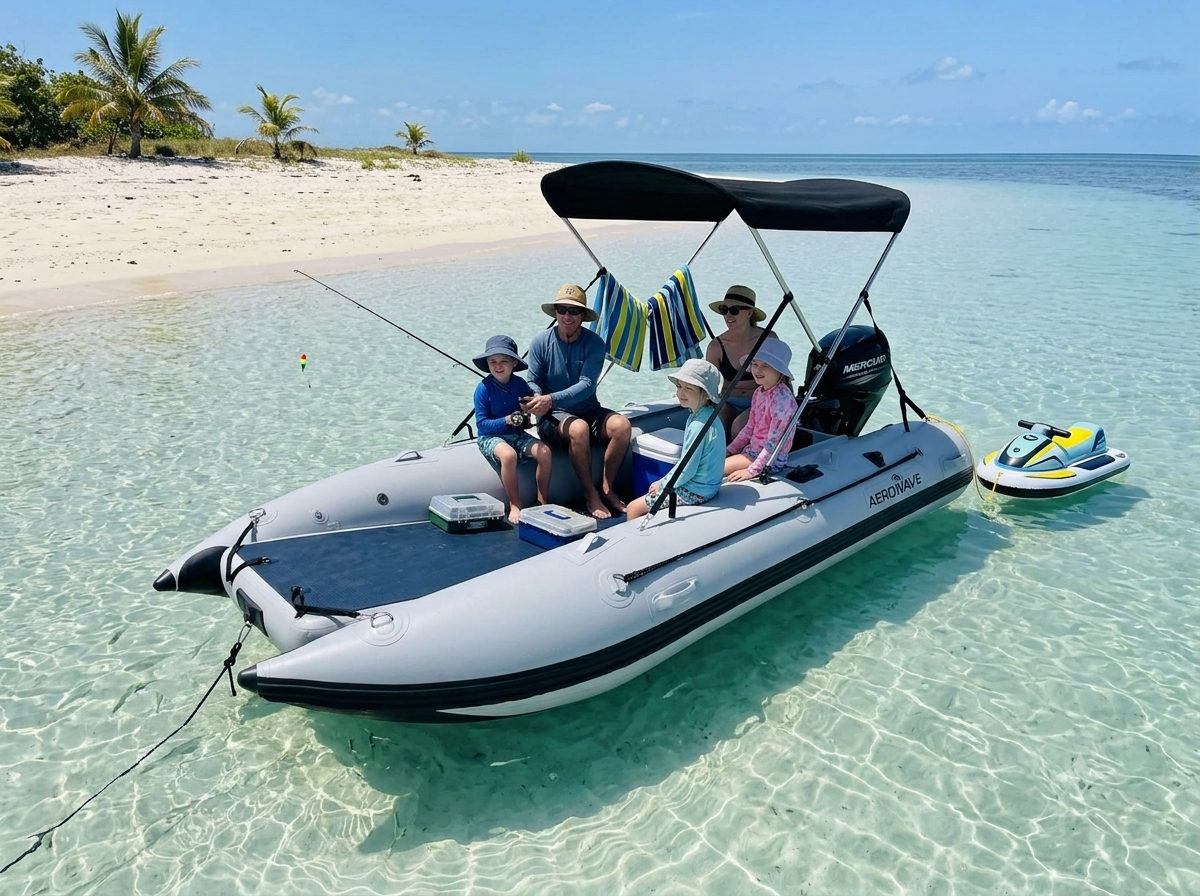
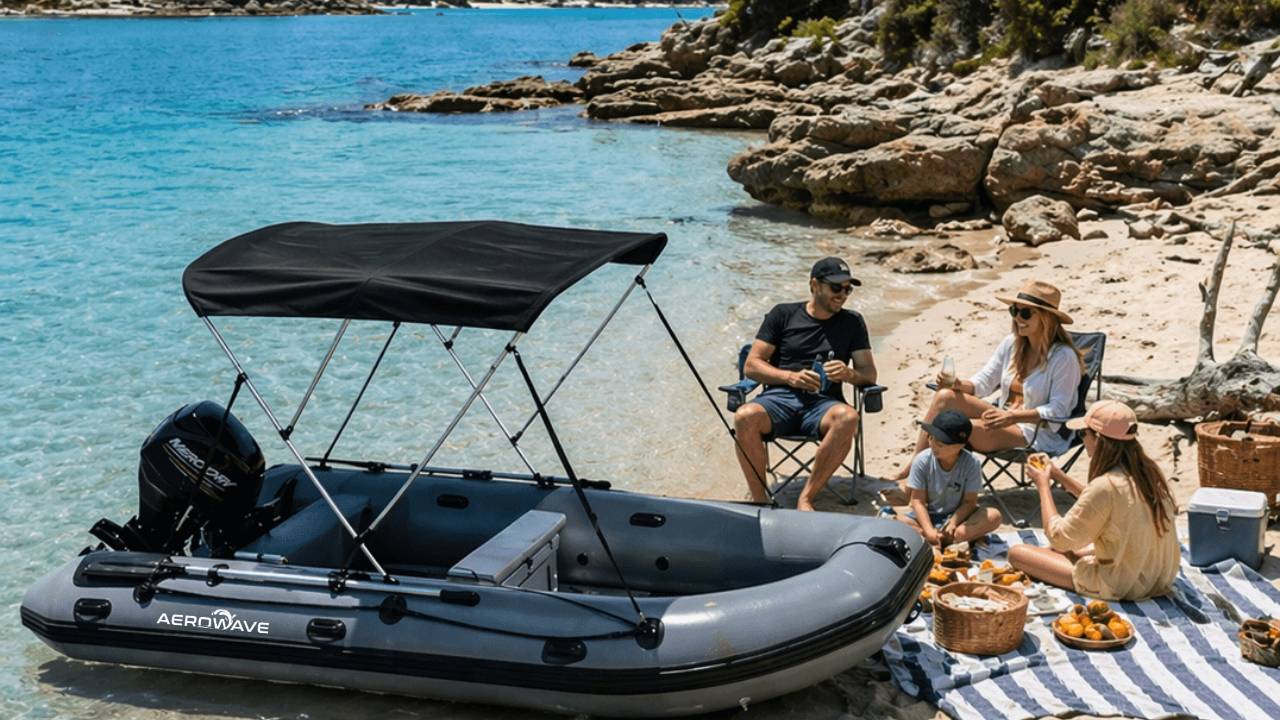
- The Family Explorer: It’s perfect for discovering hidden coves, enjoying a picnic on a secluded beach, or towing the kids on a tube.
This ability to be a master of many trades, rather than just one, is what makes a rigid hull inflatable dinghy such a smart investment for anyone who loves the water.
How to Select the Perfect RIB for Your Needs
Choosing the right rigid hull inflatable dinghy might seem like a huge decision, but it gets a whole lot simpler when you break it down. The perfect RIB is the one that just fits—your lifestyle, your budget, and what you dream of doing on the water. Whether you need a small tender for your yacht or a versatile boat for family adventures, the very first step is matching the boat to its main job. Just picture your ideal day out. Are you exploring quiet estuaries, chasing fish in coastal bays, or zipping across to a secluded beach for a picnic? Your answer will point you toward the right size, hull material, and features, making sure you invest in a boat you’ll actually love using for years to come.
Matching Size to Your Intended Use
The size of your rigid hull inflatable dinghy directly shapes its capacity, how it handles, and how easy it is to move around. It's a classic balancing act: you want enough space for people and gear, but you also need a boat you can manage both in and out of the water.
- Compact Tenders (2.4m - 3.0m): These smaller RIBs are the perfect sidekicks for larger vessels. They’re lightweight, easy to hoist onto a davit system or stow on deck, and absolutely ideal for quick trips to shore or exploring a quiet anchorage.
- Family All-Rounders (3.0m - 4.5m): For many Aussie boaters, this is the sweet spot. A RIB in this range gives a small family plenty of room for themselves and their gear, creating a stable and safe platform for fishing, towing a tube, or exploring the coastline.
- Adventure and Performance Models (4.5m+): If you're planning bigger adventures, these are the boats for you. Larger RIBs can handle more powerful engines, carry more passengers, and deliver a smoother ride in choppy offshore waters. They're built for diving, long-distance cruising, or serious sport fishing.
Remember, bigger isn't always better. Think about where you’ll store it, what vehicle you'll use for towing, and how easy it will be to launch and retrieve by yourself if you need to.
Affordability Without Compromise: The Aerowave Sprint Advantage
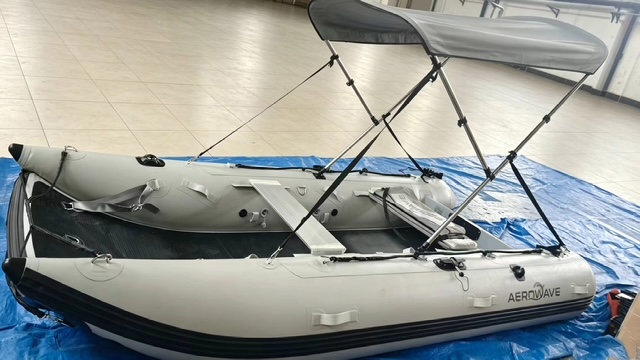
Let's be honest, one of the biggest hurdles for many aspiring boat owners is the price tag. High-performance boating has traditionally come with a high cost, but that's changing. The trick is to find a brand that delivers serious value by focusing on smart design and efficient manufacturing, not by cutting corners on quality. This is exactly where the Aerowave Sprint RIBs come in. Their whole philosophy is built around making top-tier boating accessible to more Australian families and adventurers. They do this by pairing lightweight yet rugged aluminium hulls with high-quality German Valmex PVC tubes—a combination that delivers outstanding performance and durability at an impressively low price point.
The genius of the Aerowave Sprint's build is its focus on efficiency. By using advanced construction techniques and an affordable yet durable material combination, they deliver a rigid hull inflatable dinghy that punches well above its weight in performance without the premium price.
This approach means you get a boat that’s tough enough for Aussie conditions, a breeze to handle, and incredibly fuel-efficient, all while being surprisingly affordable. It’s proof that you don't have to sacrifice quality to get a great deal. If you're ready to see for yourself, you can explore the full range and buy a RIB boat that fits your specific needs.
Your Rigid Hull Inflatable Dinghy Buying Checklist
Before you pull the trigger, running through a quick checklist is a smart move. It helps you cover all your bases, compare different models confidently, and ask all the right questions. It's all about making sure you find the perfect match for your on-water plans. Taking a few minutes to think through these points will help you build a clear profile of your ideal boat, making it much easier to narrow down the options. This little bit of prep work is the key to a successful purchase.
| Consideration | Key Questions to Ask Yourself | Your Notes and Preferences |
|---|---|---|
| Primary Use | What are the main activities I will use the boat for? (e.g., fishing, family fun, tender) | |
| Capacity Needs | How many people will I typically have on board? What gear do I need to carry? | |
| Hull Material | Do I prefer the rugged, lightweight nature of aluminium or the quiet ride of fibreglass? | |
| Engine Size | What horsepower is recommended for this boat? Does it match my need for speed vs. fuel economy? | |
| Portability & Storage | Where will I store the boat? Do I need to transport it on a trailer or a roof rack? | |
| Budget | What is my total budget, including the boat, motor, trailer, and safety gear? | |
| Long-Term Value | What warranty is offered? How does the brand support its products with after-sales service? |
By carefully thinking through each of these points, you can step into the buying process with a clear vision. This structured approach helps you filter out the noise and focus on the rigid hull inflatable dinghy models that are genuinely right for you, ensuring your investment brings countless hours of enjoyment on the water.
Maintaining Your Dinghy for Lasting Performance
Owning a rigid hull inflatable dinghy is your ticket to adventure, and a bit of care will make sure that ticket lasts for years. Good, consistent maintenance is the secret sauce to keeping your boat safe, reliable, and always ready for action. Neglecting it just isn't an option, especially with the harsh Aussie sun and saltwater doing their best to wear things down.
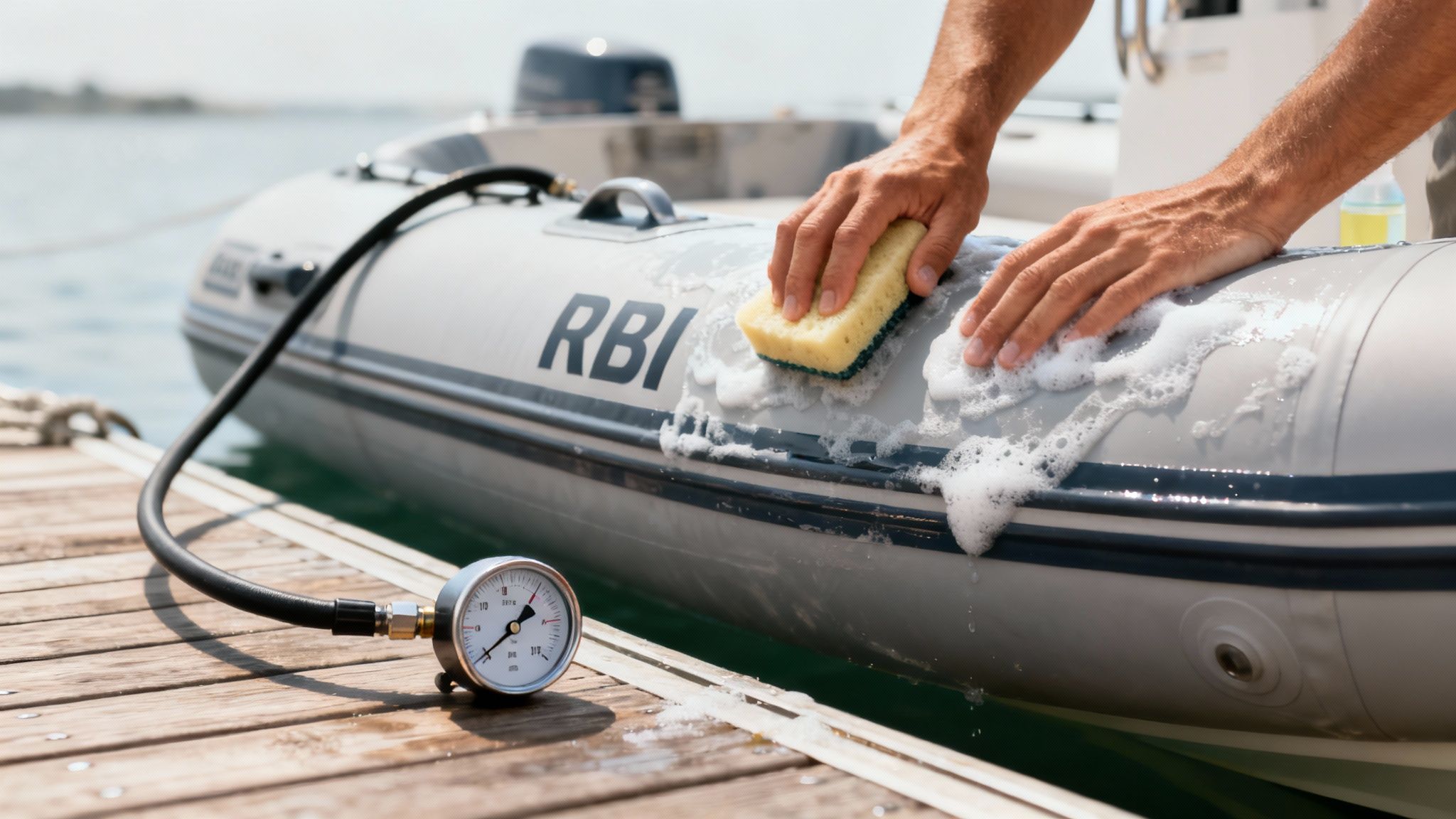 Think of maintenance as a quick routine, not a massive chore. A little attention after each trip goes a long, long way in stopping bigger problems from ever starting. It’s all about protecting both the inflatable tubes and the solid hull, as each part needs its own kind of TLC to stay in top shape.
These simple habits will boost your boat's lifespan and performance, keeping it primed for your next day on the water.
Think of maintenance as a quick routine, not a massive chore. A little attention after each trip goes a long, long way in stopping bigger problems from ever starting. It’s all about protecting both the inflatable tubes and the solid hull, as each part needs its own kind of TLC to stay in top shape.
These simple habits will boost your boat's lifespan and performance, keeping it primed for your next day on the water.
Caring for Your Inflatable Tubes
The inflatable tubes, or sponsons, are what make a RIB a RIB. They're also the most exposed part of the boat. UV rays, salt, and mildew are their biggest enemies, so a regular cleaning routine is non-negotiable. After every single outing, give the tubes a good rinse with fresh water. This washes away any salt crystals, which can be abrasive and hold onto moisture. For a proper clean, use a specialised inflatable boat cleaner with a soft-bristled brush or sponge. Steer clear of harsh chemicals like bleach or ammonia—they can eat away at the PVC or Hypalon fabric over time.
A critical but often overlooked step is checking your air pressure. Temperature swings can make the pressure inside the tubes go up and down like a yoyo. Always check the manufacturer's recommended PSI and adjust it. Over-inflation puts a huge strain on the seams, while under-inflation kills your boat's performance on the water.
Get in the habit of doing regular inspections, too. Before you head out, run your hands over the tubes to feel for any nicks or scrapes and listen for the faint hiss of a slow leak. Catching a tiny issue early can save you from a major headache later. Of course, some jobs are best left to the pros. If you've got a puncture that looks like more than a simple patch can handle, our resources on inflatable boat repairs can point you in the right direction.
Protecting the Rigid Hull
The hull is the backbone of your boat, and keeping it healthy depends on what it's made of. Whether you've got fibreglass or aluminium, each needs specific attention to stay structurally sound and looking sharp. For fibreglass hulls, a regular wash and a good quality marine wax are your best mates. Waxing isn't just about making it shiny; it creates a protective shield against UV damage and oxidation, which is what makes the gelcoat look chalky and faded. Aim to put on a fresh coat of wax at least twice a year. With an aluminium hull, like the ones on the tough and affordable Aerowave Sprint RIBs, the name of the game is preventing corrosion. Their smart build quality makes this easier, but marine-grade aluminium still needs care.
- Rinse Thoroughly: No excuses—always rinse the hull with fresh water after you've been in saltwater.
- Check for Scratches: Deep scratches can break through the protective oxide layer. Touch them up with a suitable marine paint to seal them off.
- Inspect Fittings: Keep a close eye on where stainless steel fittings are attached. This can be a hotspot for galvanic corrosion if you're not careful.
By following these straightforward steps, you’ll ensure your rigid hull inflatable dinghy stays a dependable, high-performing boat for countless seasons of fun.
Your RIB Questions, Answered
Stepping into the world of rigid hull inflatable dinghies opens up a lifetime of adventure, but it’s normal to have a few questions before you cast off. To clear up any last-minute uncertainties, we’ve put together answers to the questions we hear most from new and aspiring RIB owners. Think of this as your quick-start guide to get you on the water with confidence. From picking the right motor to knowing the local rules, getting these details sorted is the final step toward brilliant, hassle-free boating.
What Size Engine Do I Need for My RIB?
Choosing the right engine is a crucial balancing act. You need enough power to do what you want, but without adding unnecessary weight or cost. The perfect motor size for your rigid hull inflatable dinghy really comes down to its length, its weight, and what you plan to do with it. The first rule is simple: always check the boat’s maximum horsepower (HP) rating on its compliance plate. Never, ever exceed this limit.
- For smaller tenders (under 3m): A 2.5hp to 6hp outboard is usually spot on. It gives you plenty of push for short trips to shore and is light enough for one person to handle easily.
- For all-rounders (3m - 4.5m): An engine in the 9.9hp to 30hp range often hits the sweet spot. This provides enough grunt to get the boat on plane with a few people and their gear, making it perfect for exploring and family fun.
- For larger models (4.5m+): You’ll be looking at 40hp and above. These bigger engines are needed to unlock the full performance of larger, heavier RIBs designed for offshore runs or watersports.
How Do I Transport and Store My Dinghy?
One of the best things about owning a rigid hull inflatable dinghy is how easy it is to move around. For smaller models, you can often deflate the tubes and pop the boat on a roof rack or even in the back of a big SUV. But for most RIBs over 3 metres, a dedicated boat trailer is the way to go. Proper storage is your ticket to a long-lasting boat, especially with the harsh Aussie sun.
- Cover It Up: Always use a snug-fitting boat cover when storing your RIB outside. This is your number one defence against UV damage, which can degrade both PVC and Hypalon tubes over time.
- Ease the Pressure: If you're storing it for a while, letting a bit of air out of the tubes is a smart move. This reduces stress on the seams, especially as temperatures change.
- Keep It Clean and Dry: Before you pack it away, give the boat a good rinse with fresh water and let it dry completely. This stops any mould or mildew from getting a foothold.
Remember that safe setup is just as important as proper storage. Taking a few moments to double-check everything before you launch can prevent common issues and ensure a stress-free day. For a complete rundown, check out our guide on inflatable boat setup tips for safety.
Do I Need to Register My RIB in Australia?
Yes, in most cases, you will. Australian maritime rules vary a little from state to state, but the general rule is that any boat powered by an engine—no matter how small—needs to be registered. That includes your small rigid hull inflatable dinghy with its low-horsepower outboard. Once registered, you'll get a registration number that has to be clearly displayed on both sides of the hull. Getting caught without it can lead to hefty fines, so it’s something you want to sort out straight away. Check with your local state authority (like Roads and Maritime in NSW or VicRoads in Victoria) to get the specific details on requirements, fees, and the safety gear you'll need for your boat's size.
How Durable Are Inflatable Tubes, Really?
This is a big one for first-time buyers, and the answer is simple: they are incredibly tough. Modern RIBs are built to take a beating. High-quality models, like our Aerowave Sprint RIBs, use heavy-duty materials like German Valmex PVC or French Hypalon, which are famous for resisting punctures, scrapes, and UV damage. The affordable build of these boats doesn't compromise on durability; the seams are often thermo-welded, creating a bond that is even stronger than the material itself. While a puncture isn't impossible, it's pretty rare in normal use. And thanks to the multi-chamber design, if one section does get a leak, the others stay fully inflated. The boat remains stable and buoyant, giving you plenty of time to get safely back to shore. This tough, reliable construction is a huge reason why these boats are becoming so popular. In fact, the Australian rigid hull inflatable boat market is projected to grow at a compound annual growth rate of approximately 8.7%, driven by strong demand from boaties who trust their proven reliability.
At Easy Inflatables, we believe everyone deserves to experience the joy and freedom of being on the water. Our Aerowave Sprint RIBs are designed to deliver exceptional performance, safety, and durability at a price that makes sense for Australian families and adventurers. Ready to start your journey? Explore our full range of high-performance rigid hull inflatable dinghies today.
Explore the Aerowave range
Weekend-Proof Score 17 questions · about 2 minutes
Will the boat you're about to buy survive an Australian summer?
Seventeen straight questions about where you'll use it, what you'll ask of it and the boat you're weighing up. You get a score out of 100, the exact weak points in your plan, and the one boat that genuinely fits.
Free · your result shows on screen · no email required
So which one is yours?
Pick how you'll actually use it and we'll take you straight to the right hull.
I want to fish it
Open bow, rod holders, deck space you can stand and cast from.
Viper Sport 400Family, diving and the beach
3.8 m Series 3 catamaran — low bow to climb back in wearing fins or a tank.
WaveRunner 380Tender / one-person launch
3.3 m hard-floor boat that packs into a bag and still takes a beach landing.
Viper 330Shop gear featured in this guide
Aerowave WaveRunner 380 Series 3 Catamaran Package
The WaveRunner 380 Series 3 is a premium 3.8m inflatable catamaran package built for Australian and worldwide families, fishing, and coastal day boating — ideal for snorkeling and spearfishing — offering serious stability and premium German Valmex® construction.
Free freight to United States · local taxes payable on arrival
Aerowave Viper 400 Sovereign
Flagship 4m enclosed-bow inflatable catamaran. German VALMEX® 7321 Heavy Plus 1.2mm commercial-grade fabric, 10 PSI high-pressure drop-stitch air deck floor with VALMEX non-slip surface, LockPro wheels, full Bimini and FREE express delivery Australia-wide included. Winter special — save $1,000 until 31 August 2026.
Free freight to United States · local taxes payable on arrival

Aerowave Viper 365 Open Bow
Premium 3.65m Inflatable catamaran — built the same way as our flagship Viper 400 sports boat, just 35cm shorter. German VALMEX® 7321 Heavy Plus 1.2mm commercial-grade fabric, 10 PSI high-pressure drop-stitch air deck floor with VALMEX non-slip surface, LockPro wheels, full Bimini and FREE express delivery Australia-wide included.
Free freight to United States · local taxes payable on arrival
Not sure which suits you? Talk to a real boat owner.
Before you spend a cent
Buying from Australia, delivered to United States
You have never heard of us, we are on the other side of the world, and the internet is full of fakes. Fair enough. Here is everything you would need to check us out, in one place — no forms, no chat bot.
Australian designed business
Easy Inflatables, Avoca Beach NSW 2251. ABN 96 856 548 613. International orders ship from our Hong Kong hub.
222 owner reviews, 4.8 average
Read them in full, good and bad, on our reviews page.
CE certified, 7-year hull warranty
ISO 6185-3 and EU Directive 2013/53/EU. Warranty honoured worldwide.
Tracked, insured, door to door
FREE freight to United States · local tax/duty on arrival.
- Who am I actually buying from?
- Easy Inflatables, Avoca Beach NSW 2251, Australia. ABN 96 856 548 613. Sean is the owner and skipper, Gary Stewart handles sales on +61 2 4335 1603, Karen Matthews handles email. The boats are Australian designed; international orders ship from our Hong Kong dispatch hub so your landed price stays competitive. Phone us before you pay a cent — a real person answers.
- Is this really an Australian product?
- Yes — Australian designed and engineered on the NSW Central Coast. Manufacturing is done offshore to our spec, and international orders ship direct from our Hong Kong dispatch hub. If we routed every boat through Australia first, the freight alone would roughly double or triple your cost for the same hull.
- What do I pay, and what is not included?
- The delivery and import terms depend on your country. EU, UK, New Zealand and named Asia/Pacific lanes include duty and tax; US freight is free but US buyers pay import charges on arrival. Other destinations show their terms before payment.
- How do I pay safely?
- Card through Stripe (Visa, Mastercard, Amex, Apple Pay, Google Pay) or bank transfer. Card payments carry your bank's own dispute protection. We never ask for crypto, gift cards or payment to a personal account.
- What if it arrives damaged?
- Every boat ships fully tracked and insured door to door. Photograph the carton and the boat on arrival and email us — transit damage is claimed and replaced through us, not left with you and the courier.
- Is the warranty real outside Australia?
- Yes. The 7-year hull warranty on 1.2 mm VALMEX Heavy Plus and Orca Hypalon hulls applies wherever you are. Replacement parts are held in Australia and at our overseas hub and go out by express courier to your door.
- Is the boat actually certified?
- All Aerowave catamarans are CE certified to ISO 6185-3 and EU Directive 2013/53/EU. Certification paperwork is supplied with the boat — ask and we will send it before you order.
Ready to set sail?
Premium German-fabric inflatable catamarans, built to order and delivered to your door. Talk to our team or browse the fleet.
Like this guide? Get the next one in your inbox.
Owner-tested tips, gear deep-dives and Aussie boating know-how — no spam.