
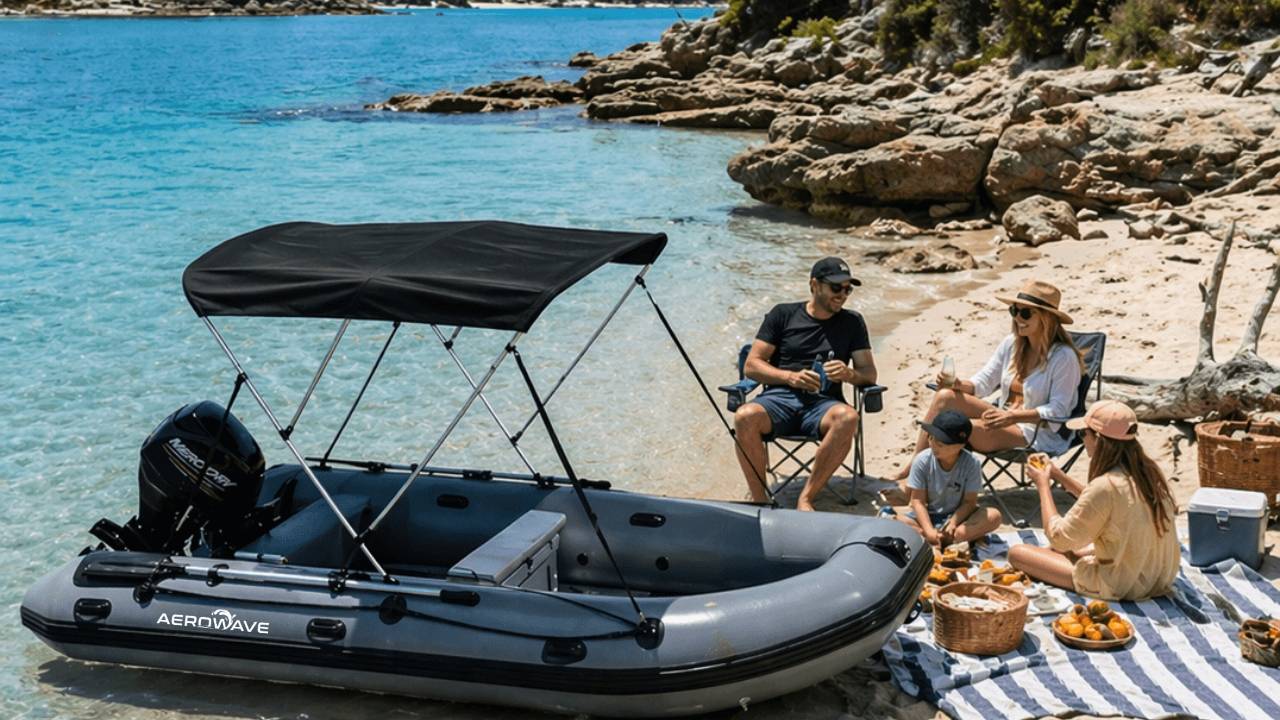
Inflatable Boat Maintenance Checklist: After Every Trip, Monthly and Seasonal Care (Australia)
A simple after-every-trip, monthly and seasonal routine to keep your inflatable boat clean, safe and ready for the next launch.
Our recommendation
Aerowave Viper 400 Sovereign
Length
4.0m / 13'1"
Beam
1.80m / 71"
Tube Diameter
51cm
Bare Boat Weight (without Bimini & wheel kit)
66kg / 145lbs
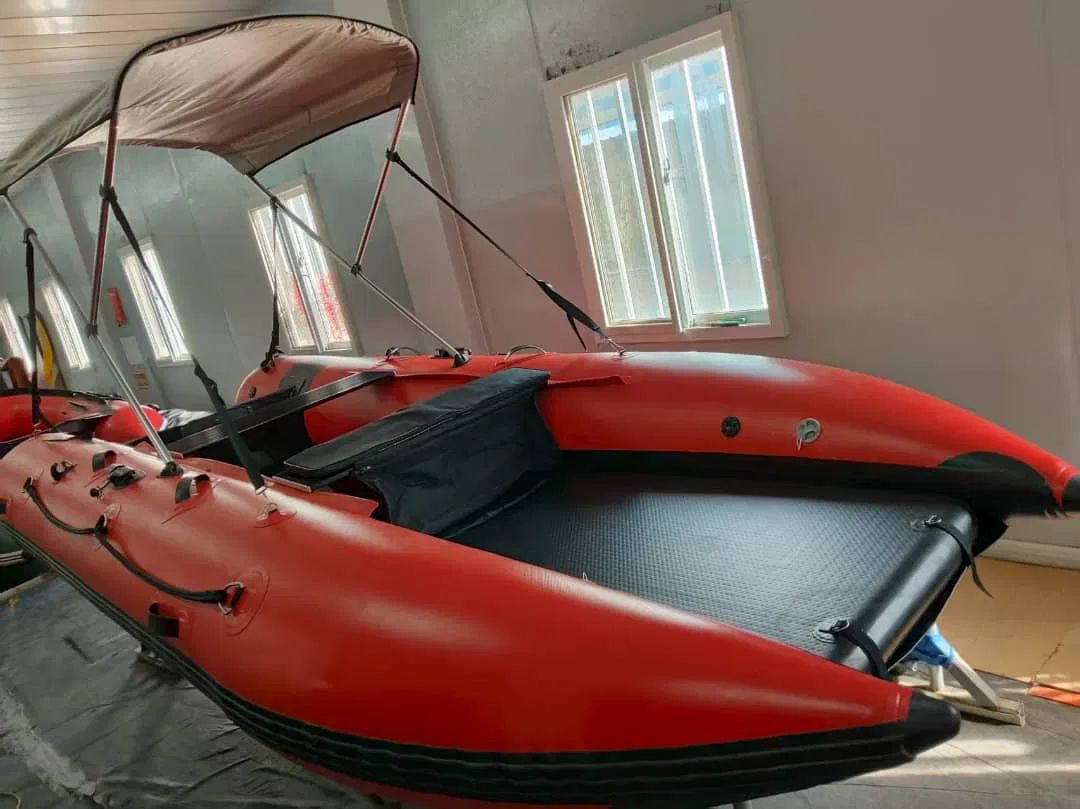
A little regular care goes a long way toward keeping your inflatable boat clean, reliable and ready for the next launch. In Australia, salt, sand, strong UV and big temperature swings can all take their toll, so it helps to follow a simple routine instead of waiting for a problem to appear.
Use this inflatable boat maintenance checklist after every trip, once a month during regular use, and at the start and end of each boating season. Your boat’s owner’s manual always takes priority, especially for inflation pressure, cleaning products, repairs and valve servicing.
After every trip: rinse, dry and inspect
A quick check when you get home can prevent salt and grit from lingering in places that are difficult to reach later.
- Rinse with fresh water. Wash off salt, sand, mud, fish residue and sunscreen. Clean the hull, floor and seams gently. Keep all water and cleaners away from inflation valves, valve caps and their bases. Mild soap is for the hull, floor and seams only.
- Avoid harsh cleaning methods. Don’t use solvents, strong detergents, abrasive pads or a high-pressure washer unless the manufacturer specifically approves them. These can damage the fabric or fittings.
- Let the whole boat dry. Dry the tubes, floor, removable panels and areas underneath them before covering or packing the boat away. Trapped moisture can lead to mould and unpleasant odours.
- Check for fresh damage. Look for cuts, scrapes, punctures, loose fittings or anything caught around the hull. Remove hooks, grit and sharp debris carefully.
- Check pressure with a gauge. Use the pressure specified for your model, not a guess based on how firm the tubes feel. Temperature affects pressure: a boat in cool morning air may read differently after sitting in the sun. Don’t leave it fully inflated in hot conditions without following the manufacturer’s guidance.
- Refit valve caps. Keep dirt and water out of the valve area during storage.
If you’re packing the boat away, make sure it’s dry before folding or rolling. For advice on carrying and storing your boat, see our storage and transport guide.
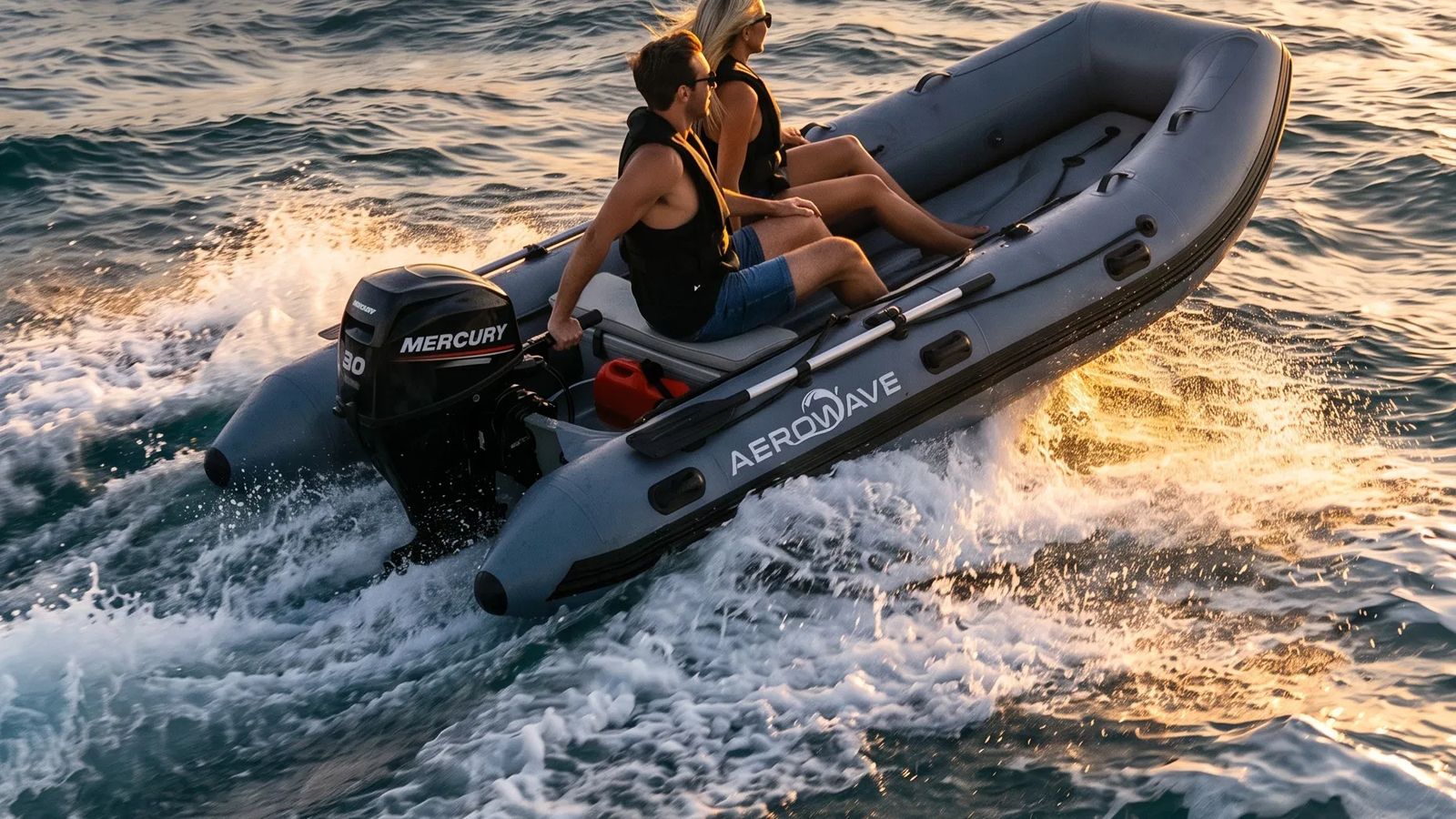
Monthly: give the boat a closer look
During months when you’re boating regularly, set aside a few minutes for a more thorough inspection. Choose a shaded spot and check the boat while it’s clean and dry.
Valves and pressure-relief valves
Inspect valve caps and the surrounding fabric for dirt, damage or signs of air escaping. Check that caps fit properly. Keep valves, their caps and bases dry. To check for a valve leak, listen for a hiss and compare gauge readings. If air escapes from the centre pin, press it down, give it a small turn, let it spring back up and refit the cap. Recheck the gauge after an hour. Persistent pressure loss needs inspection before launching. Soapy water is for the hull, floor fabric and seams only, never valves or their caps.
Don’t poke, dismantle or overtighten a valve or pressure-relief valve. Follow the maker’s instructions for inspection and servicing. A pressure-relief valve is an important safeguard against overpressure as temperatures rise, but it doesn’t replace sensible pressure checks or shade.
Seams, rubbing strips and fabric
Walk around the boat and look along the full length of the seams, rubbing strips, handles and attachment points. Check for cuts, heavy abrasion, lifting edges or changes in shape. Pay particular attention to places that rub against sand, rocks, jetties or gear.
Our VALMEX boats use thermo-welded seams, which are fused with heat rather than relying on adhesive alone. That means less routine seam maintenance, but it’s still worth checking for impact damage, abrasion or other changes. Learn more about the differences between VALMEX and Hypalon fabrics.
Transom and floor
Check the transom and its joins for cracks, movement, water damage or loose hardware. Inspect the floor for punctures, worn areas and dirt trapped underneath removable sections. Make sure fittings and attachments are secure, but don’t tighten them beyond the instructions for your model.
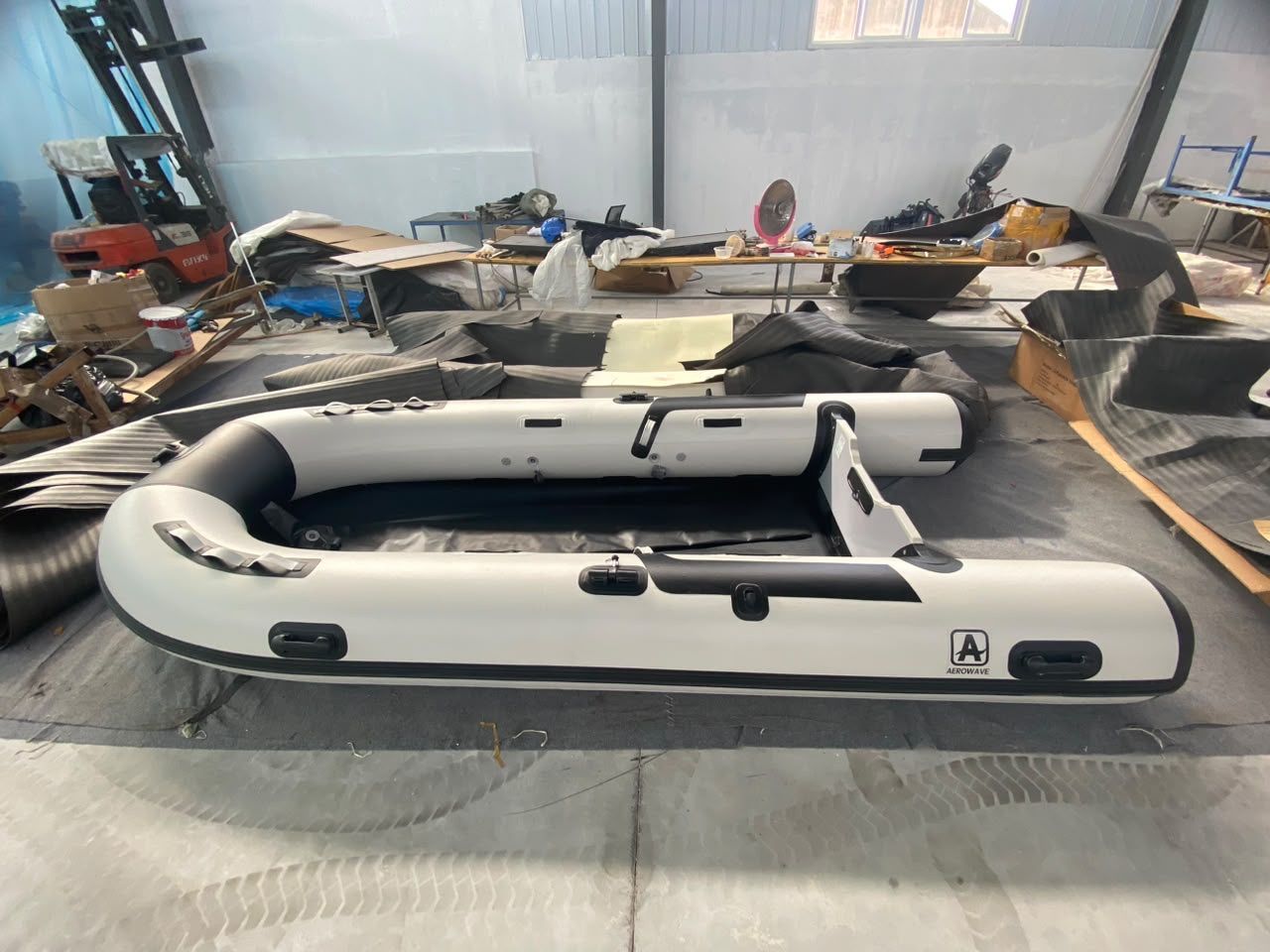
Before summer: prepare for heat and UV
Before the busy season, do a full clean and inspection, then make sure your boat is ready for hot-weather use.
- Check tubes and floor against the pressure specifications in your manual, using a suitable gauge.
- Inspect the pressure-relief valves according to the manufacturer’s instructions. Confirm they’re clear and in good condition; don’t force or dismantle them.
- Look over the seams, transom, valves, floor and fittings before your first long outing.
- Plan where the boat will sit when it’s ashore. Shade it where practical, and don’t leave it baking on a hot surface or in direct sun for extended periods.
- Use a protective cover or a UV treatment only if it’s suitable for your boat’s fabric and approved by the manufacturer.
VALMEX fabric is designed to resist UV exposure, but no material benefits from unnecessary, prolonged exposure to harsh Australian sun. Pressure-relief valves help manage the risk of heat-related overpressure; they’re not a reason to ignore pressure limits or leave a boat unattended in the heat.
When you’re ready to get back on the water, allow approximately 15 minutes to set up your boat, depending on the model and conditions. Browse compatible boat accessories, including covers and pumps.
Before winter or longer-term storage: clean, dry and protect
Whether you store your boat inflated or deflated depends on the space you have and the manufacturer’s recommendations. The most important rules are to store it clean, completely dry, out of direct sunlight and away from sharp objects or heavy items.
Storing inflated
If you have a suitable indoor space, storing the boat inflated can reduce repeated folding. Keep it away from heaters, sharp edges and direct sun, and avoid leaving it at full operating pressure in a space that gets hot. Follow the manual’s advice on storage pressure and support.
Storing deflated
Clean and dry the boat thoroughly before deflating it. Follow the recommended folding pattern where available, and roll or fold it loosely to avoid sharp creases in the same spots. Don’t drag it over concrete or gravel, and don’t pile heavy gear on top. Store it in a cool, dry place, off the ground if possible.
Before the next outing, unfold the boat, inspect it carefully and inflate it to the specified pressure. If you find damage or persistent pressure loss, contact the manufacturer or a qualified repairer before use.
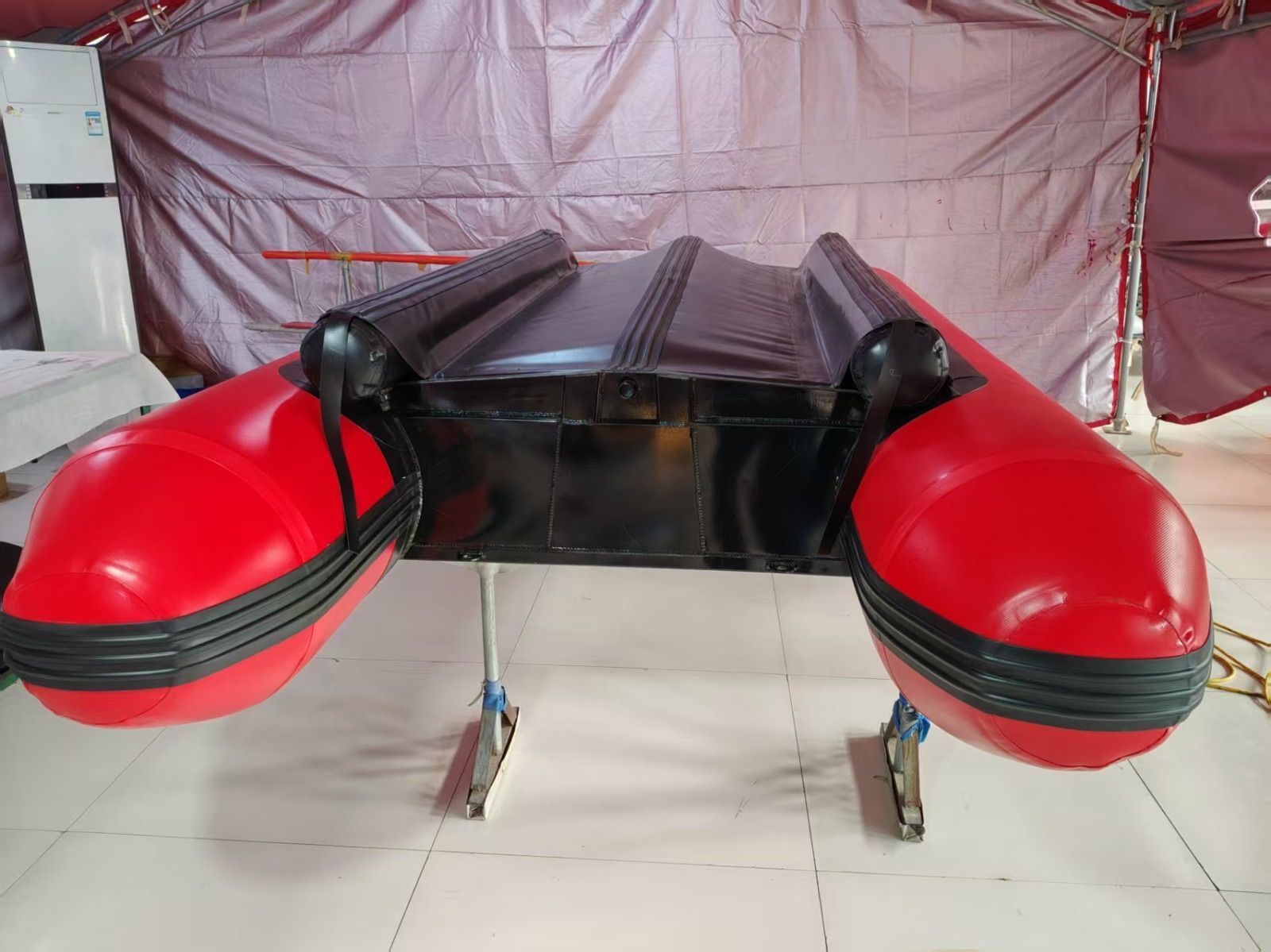
Printable inflatable boat maintenance checklist
Save or print this list and keep it with your boating gear.
After every trip
- Rinse the hull, floor and seams; keep water away from valves, caps and bases.
- Use a suitable mild cleaner on the hull, floor and seams only, never on valves.
- Dry tubes, floor and hidden areas completely.
- Check for cuts, abrasion, punctures or trapped debris.
- Check pressure with a gauge and compare it with the manual.
- Refit valve caps before storage.
Monthly during regular use
- Inspect valves and valve areas for dirt, damage or leaks.
- Check seams, rubbing strips, handles and attachment points.
- Inspect transom joins and hardware.
- Check the floor and clean underneath removable sections.
- Note any changes and arrange repairs before they worsen.
Before summer
- Check operating pressure and inspect the boat thoroughly.
- Check pressure-relief valves as directed by the manufacturer.
- Plan for shade or suitable UV protection when the boat is ashore.
- Confirm the boat, floor, fittings and accessories are ready to use.
Before winter or long-term storage
- Clean and dry the boat fully, inside and out.
- Choose inflated or deflated storage in line with the manual.
- Avoid sharp folds, damp spaces, direct sun and heavy objects.
- Inspect again before the next launch.
A regular routine makes it easier to spot small issues early and helps your boat stay ready for more weekends on the water. For packing and storage tips, see our storage and transport guide, or compare VALMEX and Hypalon fabrics.
Frequently asked questions
- How often should I clean my inflatable boat?
- Rinse it with fresh water after every trip, then let it dry fully before packing away. Do a closer check monthly during regular use.
- Can I use soapy water on the valves?
- No. Keep water and cleaners away from valves, valve caps and their bases. Mild soap is for the hull, floor and seams only.
- How should I store an inflatable boat over winter?
- Clean and fully dry it, then store it out of direct sun in a cool, dry place, loosely rolled or inflated as your owner's manual advises.
- What should I avoid when cleaning?
- Solvents, strong detergents, abrasive pads and high-pressure washers, unless the manufacturer approves them.
- Does UV damage inflatable boats?
- Strong Australian UV ages any fabric over time. Cover the boat or store it in shade between trips to extend its life.
Finance this boat from $30/week
Estimate only — powered by Australian Motorcycle & Marine Finance (AMMF).
Paid upfront (AUD)
$675
10% of price
Term
5 years
60 monthly repayments
Comparison rate
9.95% p.a.
Subject to AMMF approval
Weekly
$30
Monthly
$129
Amount financed
$6,070
Indicative only. Actual repayments depend on your AMMF credit assessment, term, fees and the balloon you select. Talk to AMMF for a personalised quote on Aerowave Viper 400 Sovereign.
Like this guide? Get the next one in your inbox.
Owner-tested tips and Aussie boating know-how — no spam.
Ready when you are
Build your Viper 400 Sovereign in under 3 minutes.
1500 GSM / 1.2 mm VALMEX® hull. Five-year limited hull warranty plus two years of extended limited structural hull cover, subject to conditions. Free freight to United States · taxes included, nothing to pay on arrival.
delivered to your door
See it for yourself
Real boats. Real owners. Real people behind them.
Plenty of what you read online these days is generated. Check us out properly — the factory, the reviews and the owners are all one click away. Why we use AI, and how to check we’re real
How our boats are built
Walk the production line: thermo-welded seams, 1.2 mm VALMEX Heavy Plus hulls, over-pressure relief valves on every chamber.
See the buildGoogle Maps reviews
Real Australian owners, five stars, published on our Google Business Profile with the map — read them there, not just on our own site.
Open Google Maps reviewsOwner stories
Boats in use — offshore, on rivers, on rescue duty. Photos and words from the people who actually own them.
Read owner stories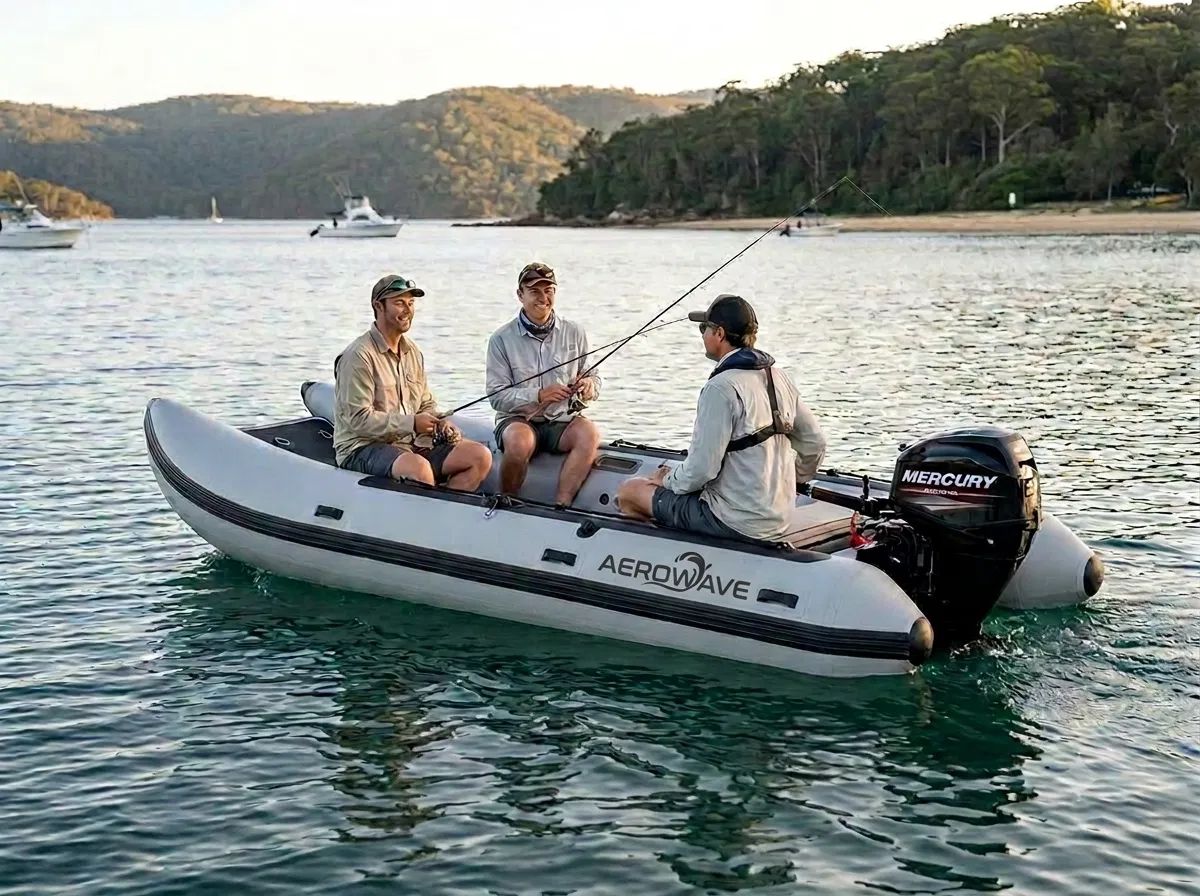
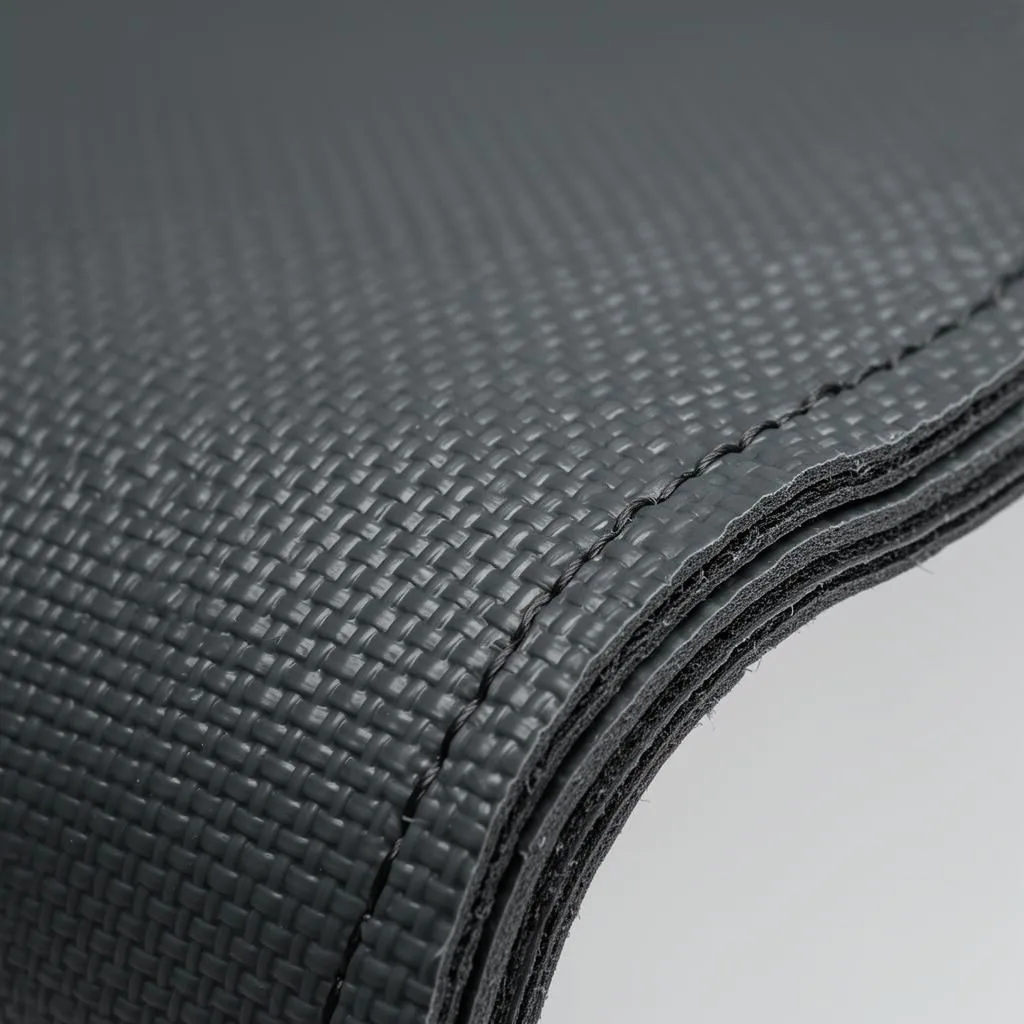
Aerowave Viper 400 Sovereign
US$4,805 USD · delivered to your door