VHF Marine Radio and Antenna Guide for Inflatables
You’re a few minutes into the day when the question comes up. Do I need a proper vhf marine radio and antenna setup on an inflatable, or will a phone and a cheap handheld do the job? For calm water near a busy ramp, peop…
At a glance
You’re a few minutes into the day when the question comes up. Do I need a proper vhf marine radio and antenna setup on an inflatable, or will a phone and a cheap handheld do the job? For calm water near a busy ramp, peop…
- Why Your Inflatable Boat Needs a VHF Radio
- Why this matters more on a small inflatable
- The practical difference on real trips
- Choosing Your VHF Radio and Antenna System
What we'd put you in
Aerowave Viper 400 Sovereign
Our best-selling boat: 4.0 m, 1.2 mm VALMEX hull, 7-year hull warranty.
US$3,167 USD
Delivered to your door, today's rate
- Free freight to United States · local taxes payable on arrival
- 7-year hull warranty
🇺🇸 Shipping to United States · landed price quoted in writing
Yes — we ship the Aerowave Viper 400 Sovereign to United States. Here's the landed price.
Our best-selling boat: 4.0 m, 1.2 mm VALMEX hull, 7-year hull warranty.
Aerowave Viper 400 Sovereign
- Boat package (export price)
- US$3,726
- 15% tariff relief credit
- − US$559
- Express air freight to United States
- Included
- Import duty, taxes & customs clearance
- Payable on arrival
- Estimated landed, USD
- US$3,167
Indicative, converted at today's rate, before local duty and tax on arrival. Ask below and we'll put a fixed figure in writing, valid 30 days.
- 7-year hull warranty
- 1500 GSM / 1.2 mm VALMEX® Heavy Plus hull
- CE certified to ISO 6185-3 and EU Directive 2013/53/EU
- Door-to-door, tracked the whole way
Your price, delivered to your door — freight included.
We email the full PDF quote (spec, freight, finance, WavePay) to your inbox in under 60 seconds. No spam — one quote, one follow-up.
See it for yourself
Real boats. Real owners. Real people behind them.
Plenty of what you read online these days is generated. Check us out properly — the factory, the reviews and the owners are all one click away. Why we use AI, and how to check we’re real
How our boats are built
Walk the production line: thermo-welded seams, 1.2 mm VALMEX Heavy Plus hulls, over-pressure relief valves on every chamber.
See the buildGoogle Maps reviews
Real Australian owners, five stars, published on our Google Business Profile with the map — read them there, not just on our own site.
Open Google Maps reviewsOwner stories
Boats in use — offshore, on rivers, on rescue duty. Photos and words from the people who actually own them.
Read owner storiesYou’re a few minutes into the day when the question comes up. Do I need a proper vhf marine radio and antenna setup on an inflatable, or will a phone and a cheap handheld do the job?
For calm water near a busy ramp, people get away with a basic setup. Once you move beyond that, the weaknesses show up fast. Inflatables, tenders, RIBs and inflatable catamarans have limited mounting space, flexible structures, exposed cabling, and far less forgiveness for poor antenna choice than a larger fibreglass boat.
That is why this topic matters more than many owners expect. A solid radio installation is not about adding another accessory. It is about building a communication system that still works when the boat is pitching, the phone has no service, and you need to talk clearly the first time.
Why Your Inflatable Boat Needs a VHF Radio
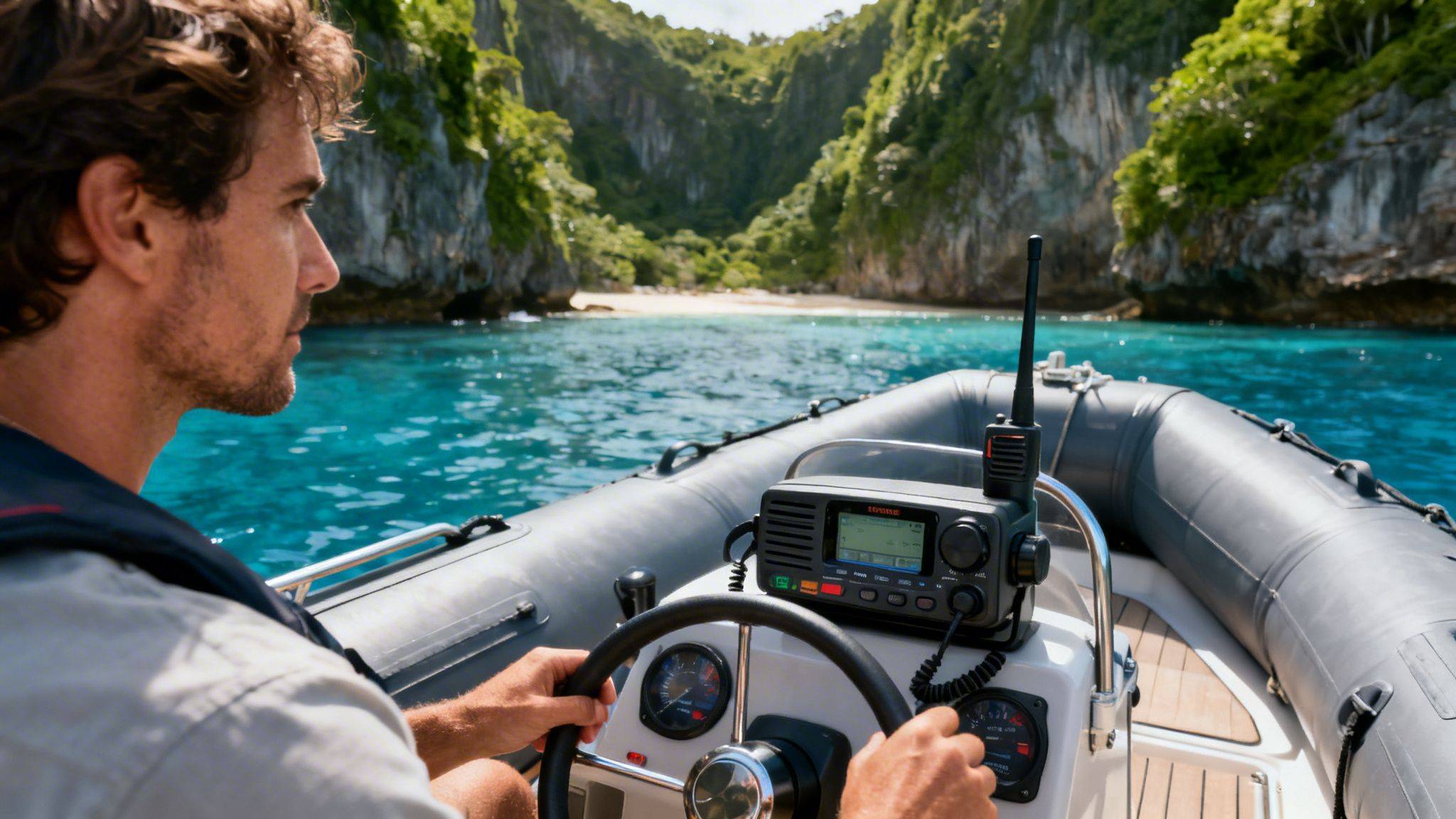
You run up a stretch of coast for a fish, anchor near a quiet headland, and realise your phone dropped out a while back. That is common on Australian water. It is also the moment a proper marine radio stops being optional.
A mobile phone talks to one network if coverage exists. A vhf marine radio and antenna setup connects you to a marine communication system built for boat-to-boat and boat-to-shore use. If something goes wrong, you are not relying on one carrier and one tower. You are using the system other vessels and marine services are already listening to.
Why this matters more on a small inflatable
Owners of portable boats travel light. That is part of the appeal. You can launch quickly, pack into an SUV, tow behind an RV, or use the boat as a tender from a larger vessel.
That convenience can create a false sense that “small boat” means “small communication needs”. It is the opposite. Small boats sit lower, get bounced around more, and can be harder to see. Clear communication matters even more when the platform is compact.
The Australian framework for marine VHF is not theoretical. Channel 16 is mandated for distress calls, and that system contributed to 85% of the 1,200+ marine rescues facilitated by AMSA in 2022-2023 according to the story behind the marine VHF frequency band.
A phone can be useful. A VHF radio is the tool designed for the job on the water.
The practical difference on real trips
On a tender, RIB or inflatable catamaran, a VHF helps in three ordinary situations:
- Mechanical trouble: You can call another vessel or a local marine service quickly.
- Changing conditions: You can communicate before a nuisance becomes an emergency.
- Routine coordination: You can talk to nearby boats, your mothership, or your crew without guessing whether mobile coverage still exists.
If you are fitting out a boat for family use, fishing, or coastal exploring, it belongs on the same planning list as the rest of your boat safety equipment checklist.
Choosing Your VHF Radio and Antenna System
The first decision is the radio. The second, and more important one for performance, is the antenna.
Many owners spend most of their time comparing radio brands and little time thinking about signal pattern, mounting height, or how the boat moves. On inflatables, that is backwards. The antenna choice decides whether the system performs well or poorly.
Fixed mount or handheld
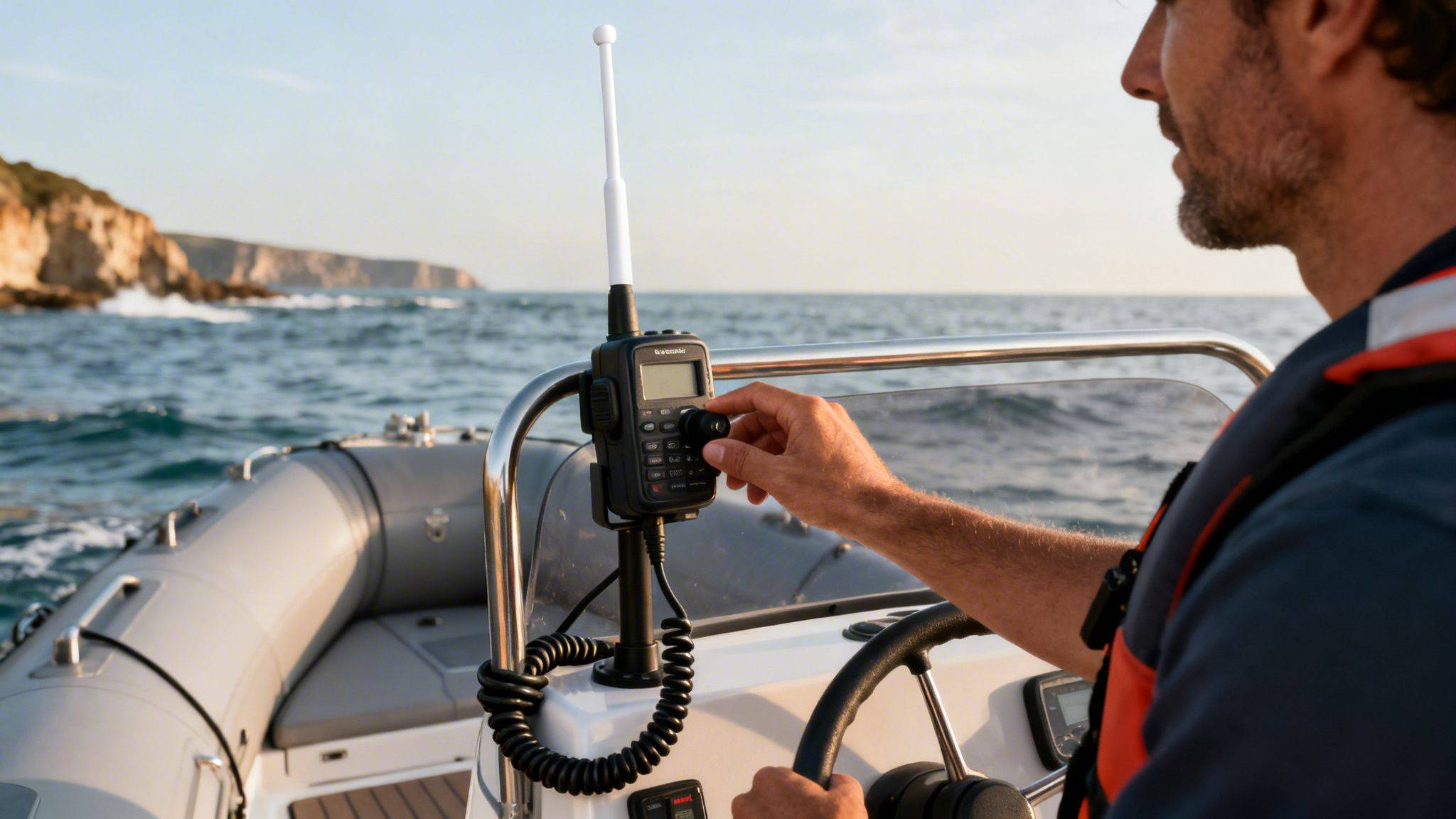
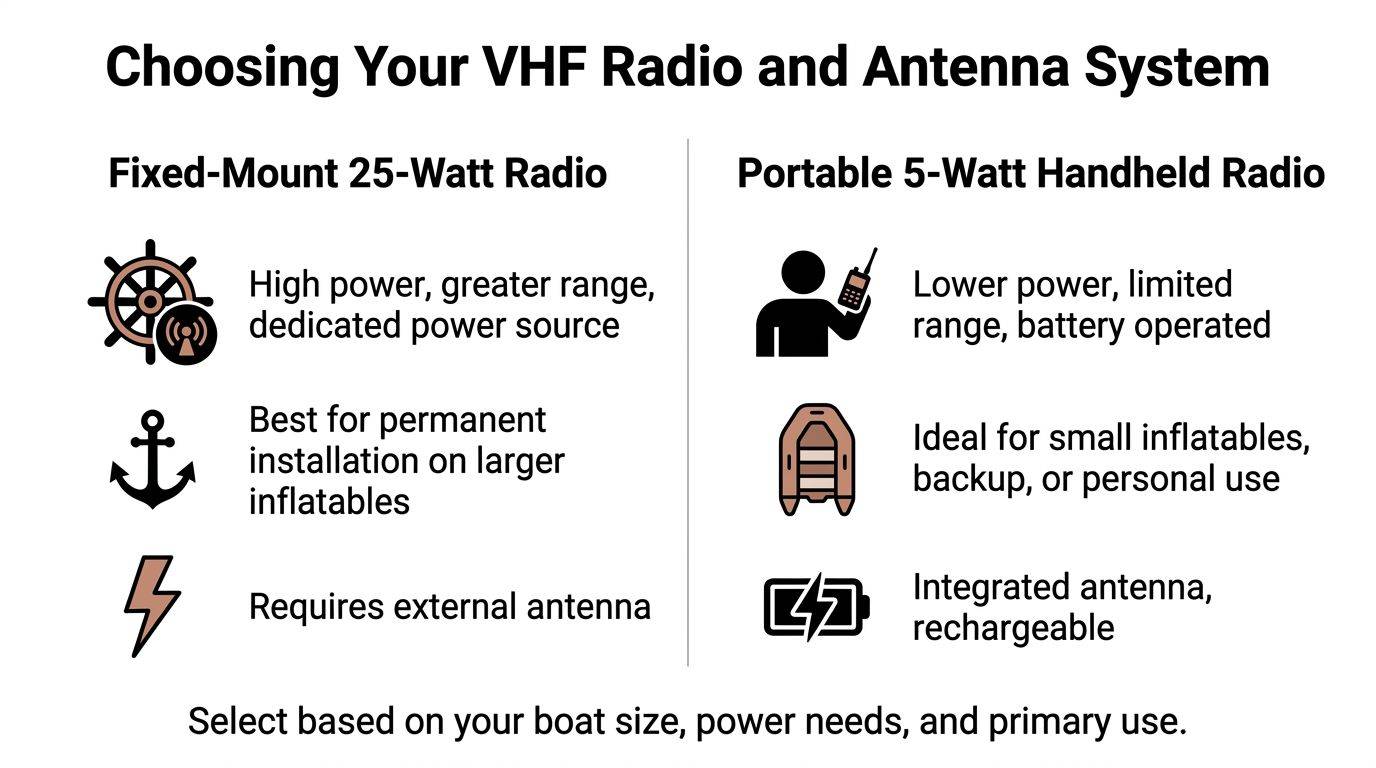
A fixed-mount 25-watt radio suits owners who want a permanent helm setup with an external antenna and a dedicated power source. A portable 5-watt handheld suits small inflatables, backup use, or owners who need something removable and simple.
Both have a place.
- Choose fixed mount if: you run offshore, use the boat regularly, or want the best performance your platform can support.
- Choose handheld if: you have minimal dash space, want a backup radio, or use the boat as a tender and need portability.
- Choose both if: the fixed set is your primary system and the handheld lives charged and ready as insurance.
A handheld is convenient. A fixed unit with the right antenna is the stronger primary setup.
The antenna decision commonly misunderstood
For inflatable boats, higher gain is not better.
For this style of boat, a 3dB antenna is technically superior to a higher-gain option because it uses a broader signal pattern that stays more useful when the boat pitches and rolls. The Easy Inflatables guide on choosing a VHF marine antenna notes that a 3dB antenna has an 80-degree radiation pattern, while a 6dB antenna narrows to about 35 degrees.
That difference matters on a lightweight boat. A narrow beam can look good on paper, but once the hull starts moving through chop, that tighter pattern is easier to throw above or below the horizon. Signal dropout begins there.
On an inflatable, the aim is not bragging-rights gain. The aim is a stable signal where you operate.
VHF Antenna Choice for Inflatable Boats
| Feature | 3dB Gain Antenna (Recommended) | 6dB Gain Antenna |
|---|---|---|
| Signal pattern | Broad 80-degree pattern | Narrower 35-degree pattern |
| Behaviour in chop | Better at maintaining horizon coverage | More prone to dropout as the boat rolls |
| Physical size | Shorter and easier to mount | Longer and less forgiving on compact boats |
| Best fit | Tenders, RIBs, small inflatables | More stable platforms |
What works on small boats
A good inflatable installation favors a shorter antenna mounted cleanly and solidly over a taller, more awkward one mounted in the wrong place.
Common mounting locations include:
- Console rail: Good on centre-console style inflatables where the whip stays clear of crew movement.
- Transom area: Works if cable routing is tidy and the mount does not interfere with the outboard or tiller movement.
- Fold-down rail mount: Useful where storage height matters and the antenna needs to come down for transport.
Stainless steel or fibreglass marine antennas both have their place. The key is choosing a unit built for marine exposure and matching it to a mount that does not wobble, flex, or put undue strain on a light console.
If you are buying for a small inflatable, tender, or compact inflatable catamaran, start by choosing the antenna for the boat’s behaviour, not the brochure headline.
Step-by-Step VHF Installation for Inflatable Boats
A clean install on an inflatable takes more thought than it does on a larger hard boat. You have less structure, fewer cable paths, and not much spare room for mistakes. Done properly, the setup is neat, durable, and dependable. Done poorly, even good gear performs like rubbish.
Finding the right antenna position
Height matters more than most owners think. VHF is line-of-sight, so the antenna needs the clearest possible path over the water.
The documented guidance is straightforward. Antenna mounting height is the single most critical factor determining VHF range, and while a 3dB antenna mounted at 1.5 metres might theoretically reach 8-12 nautical miles, poor mounting can reduce effective range by 40-60% according to the marine radio propagation and mounting guidance.
On an inflatable, the sweet spot is the highest practical position that still keeps the antenna stable, out of the crew’s way, and clear of canvas, grab lines, and rod holders.
Good mounting habits
- Keep it upright: VHF antennas are designed to work vertically.
- Avoid shadowing: Do not hide the antenna behind a console frame, bimini hardware, or stacked gear.
- Check movement: Turn the outboard fully and make sure nothing fouls.
Securing the mount properly
Light boats punish weak brackets. The boat pounds. The mount vibrates. Fasteners loosen. Cheap plastic bases crack.
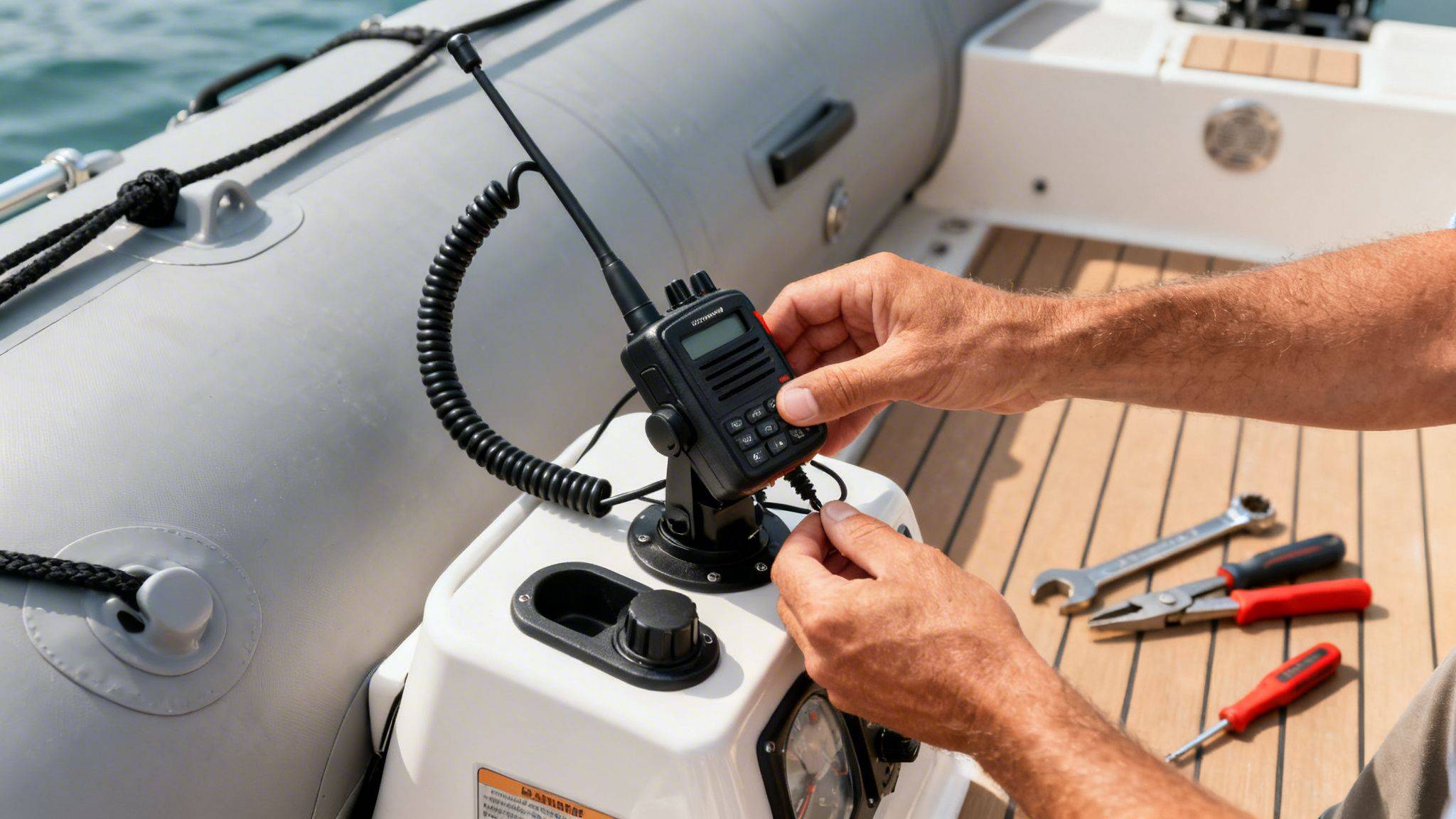
A proper mount should suit the actual structure it is attached to. Aluminium transoms, rails, and compact consoles all need different approaches. Use marine-grade hardware, backing where possible, and enough support that the antenna does not wag around underway.
If you want a reference point for layout ideas and common fitment approaches, the installations collected under VHF antenna installation show the sort of mounting logic that works on compact craft.
The best antenna in the world cannot overcome a mount that flexes every time the hull lands.
Routing the coaxial cable cleanly
Cable routing is where many small-boat jobs go wrong. On inflatables, the cable is exposed to feet, tackle boxes, folding seats, and UV.
Route the coax where it is protected, supported, and not kinked. Avoid tight bends. Avoid crushing it under brackets or lids. Leave enough slack for folding mounts or removable consoles, but not so much that the cable flaps around.
Three problems show up:
- Chafe points: Cable rubbing on alloy edges or rough brackets.
- Water entry: Poorly sealed penetrations near consoles or battery boxes.
- Strain at connectors: Cable weight hanging off the back of the radio or antenna base.
Connecting power the sensible way
A fixed-mount radio needs a dependable 12V supply. On a small inflatable that means a compact battery box rather than tapping into a messy shared circuit.
Keep the wiring short, fused correctly, and protected from spray. If the boat is portable, think about serviceability. You may need to remove the console, pack the boat, or disconnect the battery for transport.
This is a good place to be conservative. Marine wiring faults rarely improve with age.
A good visual walkthrough helps before you start drilling or terminating cable.
Getting the ground side right
Grounding and bonding confuse plenty of owners because inflatables do not have the same large bonded structure you get on some bigger boats.
The practical point is simple. Follow the radio and antenna manufacturer instructions carefully, make every connection clean and secure, and do not assume a random metal fitting gives you a proper electrical path. Aluminium transoms and removable components can complicate this quickly.
If your setup includes a transom mount, inspect every connection twice. The system has to survive vibration, moisture, and transport. “Good enough in the driveway” is not the same as good enough offshore.
How to Test and Tune for a Perfect Signal
A radio install is not finished when the bracket is tight and the set powers on. It is finished when the antenna system is tested and the radio transmits cleanly.
Many DIY jobs fall short in this area. The owner assumes a quality radio will cover up a weak installation. It will not.
Start with SWR and not guesswork
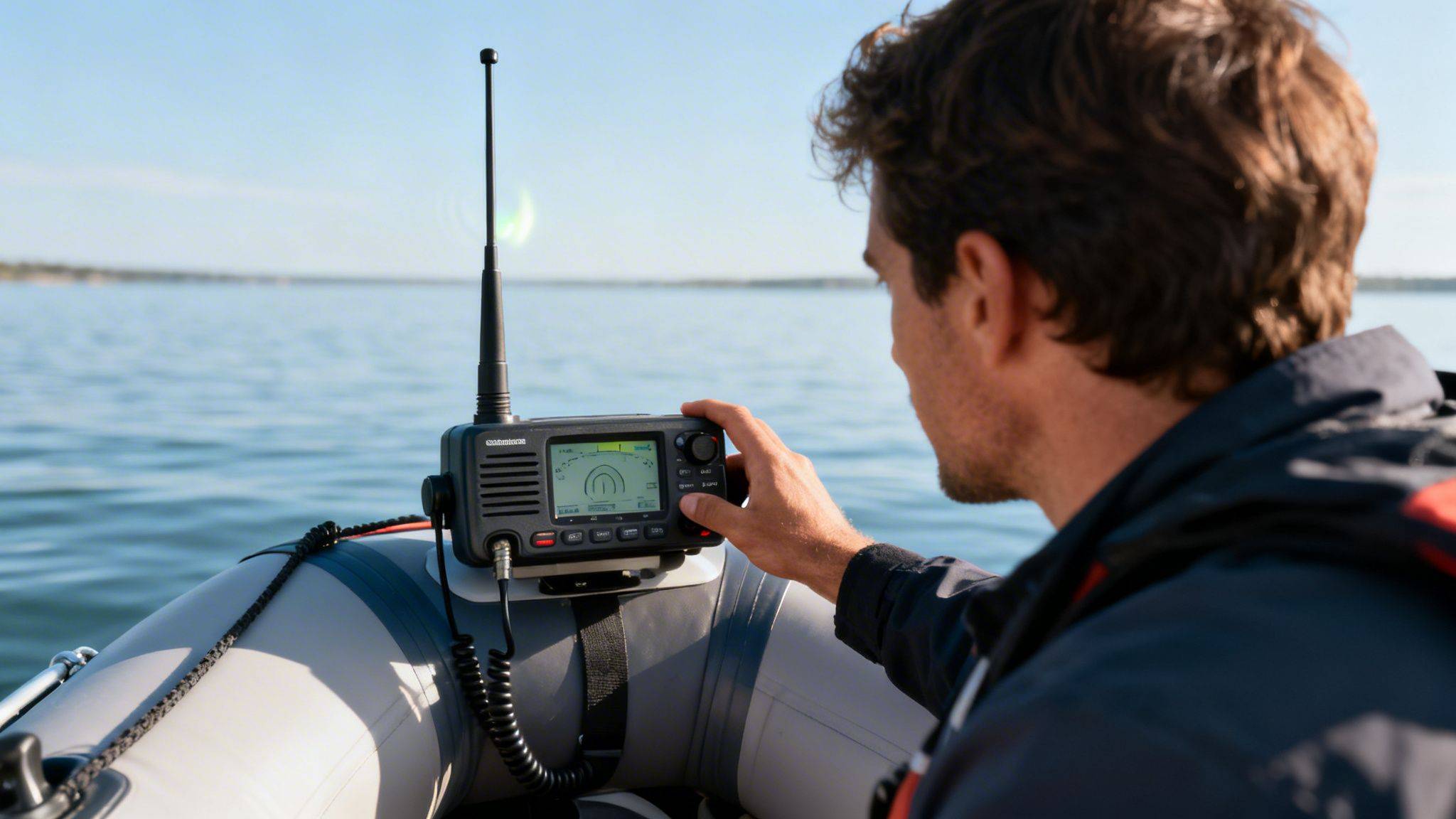
VSWR is the health check for the antenna system. It tells you whether the radio’s transmitted energy is moving efficiently into the antenna or being reflected back.
Australian standards require VSWR below 1.5:1 at 156.8 MHz, and AMSA testing has shown that improper grounding can cause up to 80% signal loss according to the cited summary of marine VHF radio standards and testing.
That is a serious penalty. A powerful radio with a poor antenna system is still a poor radio system.
What to check first
If the reading is too high, inspect the basics before blaming the antenna itself.
- Connector quality: Poorly fitted plugs are a frequent fault.
- Cable condition: Look for kinks, crush damage, or chafe.
- Mount integrity: A loose base can create intermittent issues.
- Grounding path: On an inflatable transom, this deserves extra attention.
If you are building a small battery box for a fixed set or managing charging for a handheld and accessories, keep the whole power side organised with a proper marine battery and charger setup rather than a temporary arrangement.
If the SWR is wrong, fix the installation first. Do not “test it on the water and see how it goes”.
Do a proper radio check
Once the antenna system tests well, do an on-water radio check. Keep it brief and use correct marine procedure. The point is to confirm readability, not to occupy a working channel with a long conversation.
A practical routine is:
- Choose an appropriate channel used locally for non-distress traffic or radio checks.
- Call clearly with your vessel identification.
- Ask for a radio check and wait for a response.
- Confirm readability and log any weak or distorted reports.
If your report is scratchy, intermittent, or weak at modest range, go back to the installation. On inflatables, the fault is mounting, cable routing, or grounding rather than the radio head itself.
VHF Licensing and Channel Use in Australia
A tidy install is only half the job. The operator needs to use the radio legally and properly.
Many owners of small inflatables and tenders encounter issues here. Because the boat is compact, removable, or used casually, they assume the radio rules are looser. They are not.
The compliance gap on small boats
There is a gap in how this gets handled on compact craft. A cited summary of recent AMSA audit findings notes a 35% failure rate for antenna installations on vessels under 6m, linked to issues such as improper SWR and coax routing, and it frames this within the broader ACMA licensing requirement for operators on marine VHF equipment in Australia through the referenced discussion of compliance issues for inflatable boat users.
That lines up with what many people see in practice. Plenty of owners buy decent gear, then lose performance through installation shortcuts or operate the radio without learning proper procedure.
What operators should do
For inflatable owners, the practical checklist is simple:
- Get the right operator qualification: Do not assume recreational use removes the requirement.
- Learn call procedure: Marine radio has a structure for a reason. It keeps messages clear.
- Set the boat up correctly: Licensing does not fix a poor antenna install.
- Treat distress features seriously: If your radio supports DSC, make sure you understand how to use it.
A VHF radio is one layer of safety. It should sit alongside other emergency tools such as an ACR rescue beacon, especially if you venture beyond busy inshore water.
The essential channel habits
The channel list on your radio can look busy, but recreational operators need to know a few core habits well.
Channel 16: Distress, safety, and calling. Keep it for its intended purpose.
Local working channels: Use these once contact is established and where local procedure requires it.
Non-commercial inter-ship channels: Suitable for routine vessel-to-vessel communication where permitted.
The most important point is etiquette. Keep calls short, accurate, and calm. Identify yourself properly. Move off a calling or distress channel when appropriate. Do not use marine VHF like a casual UHF chat set.
Competent radio use makes the water safer for everyone, not just the person holding the mic.
Staying Safe and Connected on Every Adventure
A vhf marine radio and antenna setup on an inflatable is not about making the dash look complete. It is about giving a small boat a dependable voice.
The right setup for most tenders, RIBs and portable inflatables is straightforward. Choose a radio that suits the way you use the boat. Match it with an antenna that suits a light, moving platform. Mount it as high and as cleanly as the boat allows. Test it properly before trusting it.
The trade-offs matter. A longer, higher-gain antenna can be the wrong answer on a lively inflatable. A premium radio can underperform if the coax is routed badly. A neat-looking installation can still fail if the grounding and tuning were skipped.
What works in practice
The owners who get this right focus on a few things:
- They keep the system simple: Fewer weak points, fewer adaptors, fewer avoidable faults.
- They install for practical conditions: Spray, vibration, transport, and crew movement all get considered.
- They respect compliance: The radio is treated as safety equipment, not just electronics.
The payoff is confidence
When the setup is correct, you stop thinking about it. That is the goal. You launch, head out, and know the system is there if weather changes, the outboard plays up, or you need to reach another vessel fast.
That matters whether you run a yacht tender, a fishing RIB, or a portable inflatable catamaran packed for a beach-camping trip. Good communication gear supports the whole day. It lets you explore further with better judgement and less dependence on luck.
If you are planning a new boat package or refining an existing one, include the radio system early. It is easier to choose the right mount, power layout, and antenna path before the boat is loaded with other accessories.
If you’re choosing a new tender, RIB, inflatable catamaran, or portable fishing setup, Easy Inflatables offers Aerowave inflatable boats and accessories that can be planned with practical on-water fitout in mind, including the space and layout considerations that matter for a proper VHF installation.
Explore the Aerowave range
Weekend-Proof Score 17 questions · about 2 minutes
Will the boat you're about to buy survive an Australian summer?
Seventeen straight questions about where you'll use it, what you'll ask of it and the boat you're weighing up. You get a score out of 100, the exact weak points in your plan, and the one boat that genuinely fits.
Free · your result shows on screen · no email required
So which one is yours?
Pick how you'll actually use it and we'll take you straight to the right hull.
I want to fish it
Open bow, rod holders, deck space you can stand and cast from.
Viper Sport 400Family, diving and the beach
3.8 m Series 3 catamaran — low bow to climb back in wearing fins or a tank.
WaveRunner 380Tender / one-person launch
3.3 m hard-floor boat that packs into a bag and still takes a beach landing.
Viper 330Shop gear featured in this guide
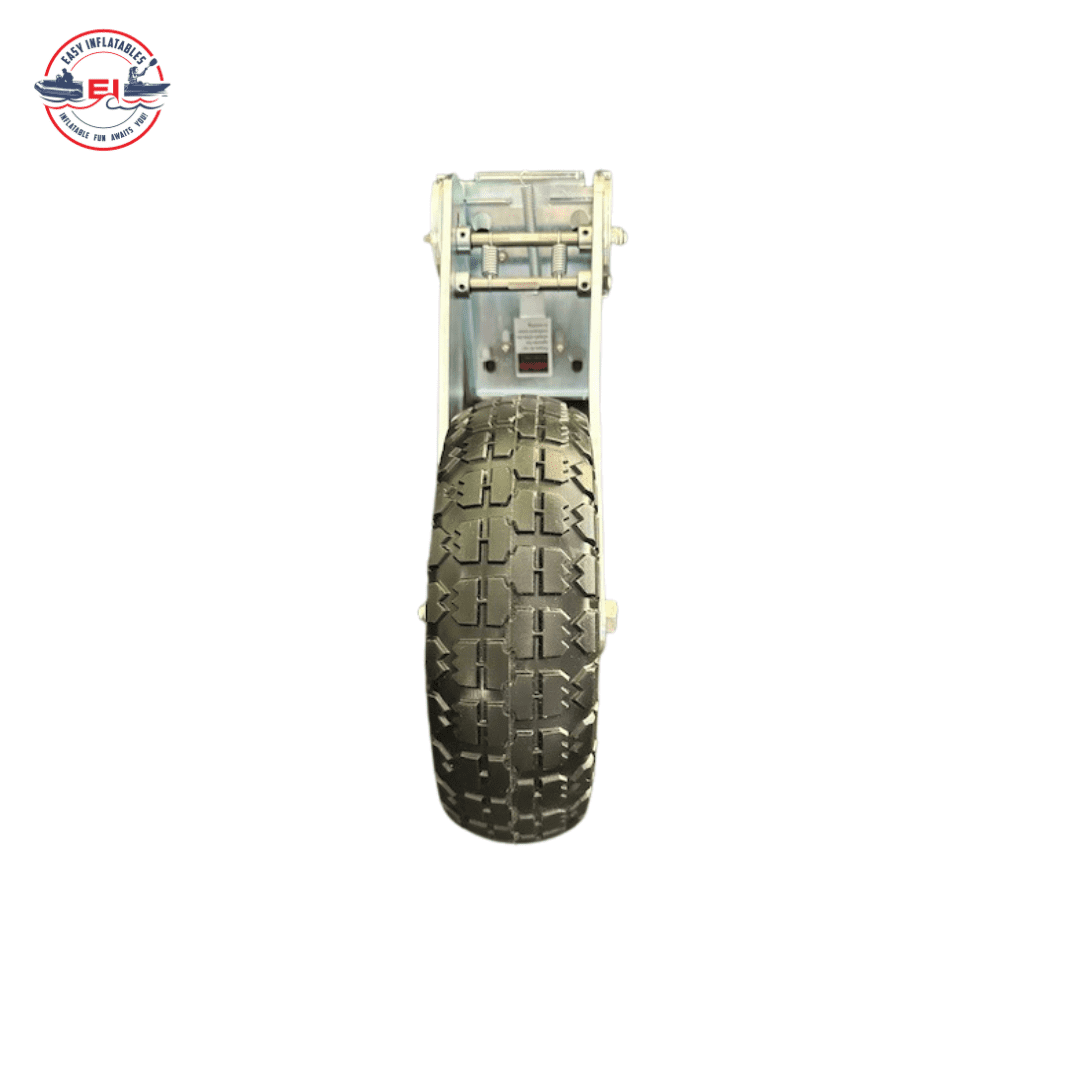
LockPro Plus Inflatable Boat Wheel Set
The LockPro Plus Inflatable Boat Wheel Set offers a premium solution for easy and safe loading of inflatable boats, featuring an Italian stainless steel quick-lock system.
Free freight to United States · local taxes payable on arrival
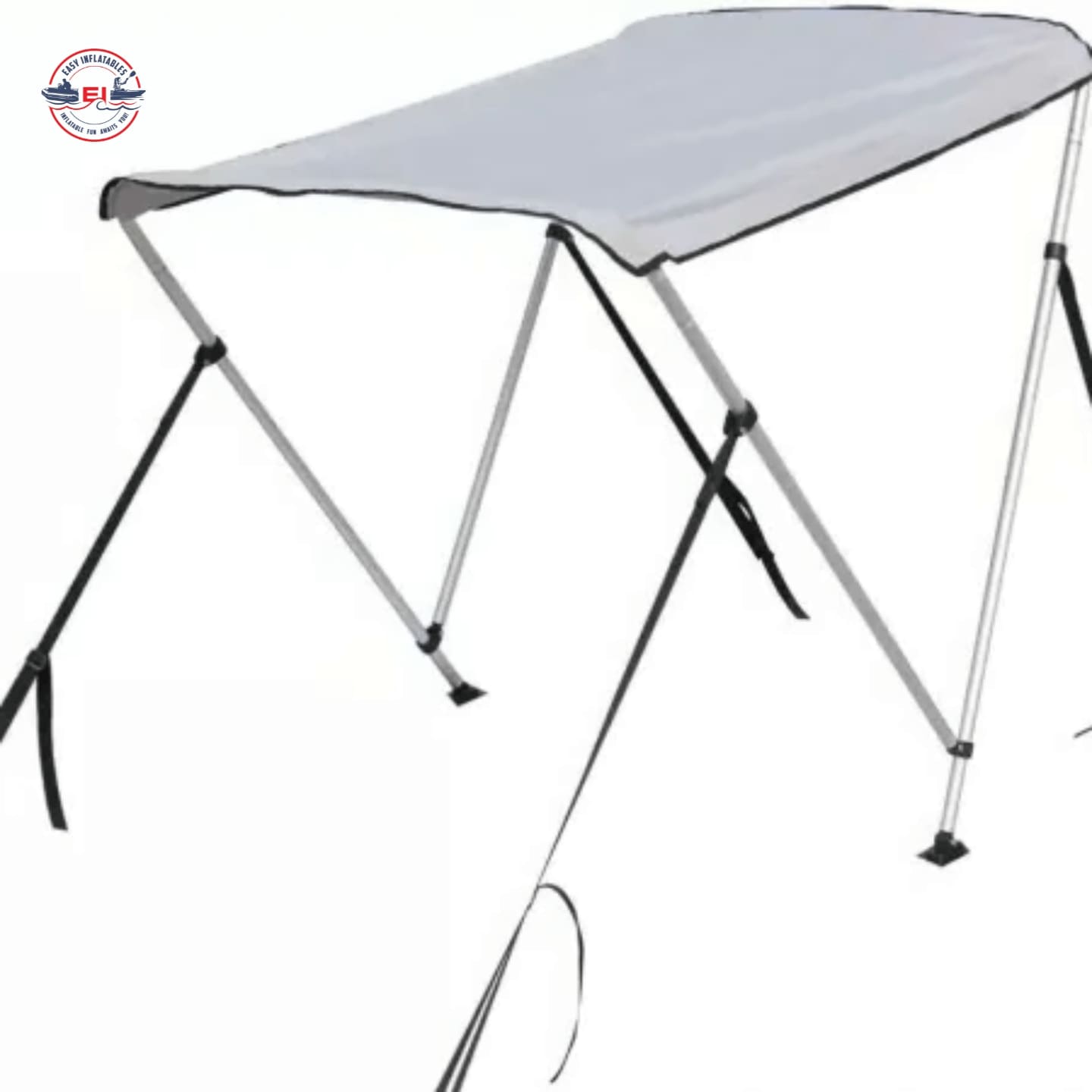
Aerowave Inflatable Boat Bimini
Lightweight inflatable UV sun-shade canopy for inflatable boats, SIBs and catamarans. Now available in two colours — Light Grey and Black. Fast setup, compact storage and premium UV protection for Australian boating.
Free freight to United States · local taxes payable on arrival
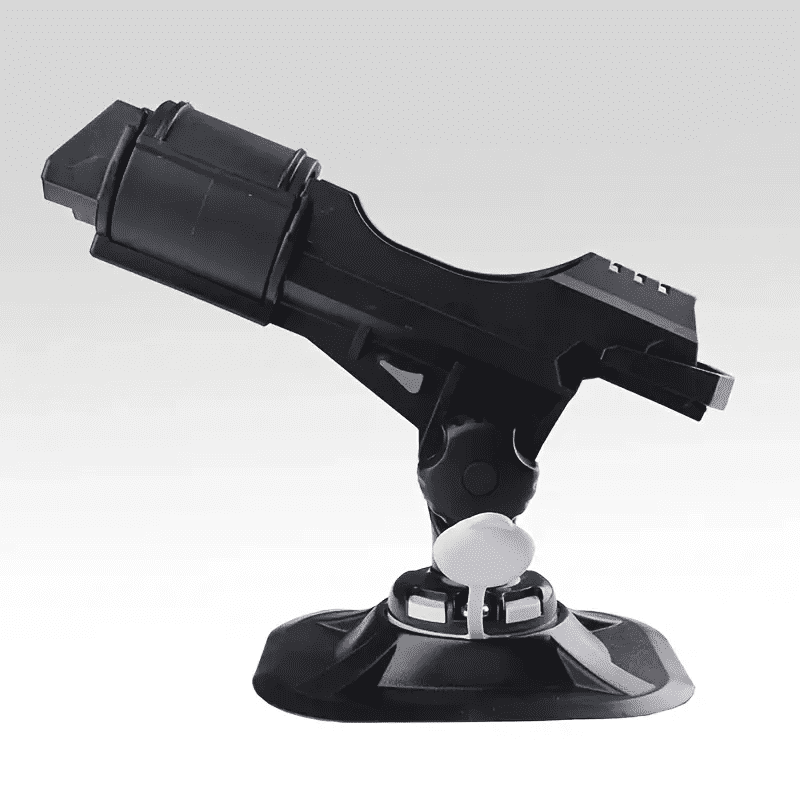
Inflatable Boat Rod Holder Mount
Factory-installed fishing mount designed for Easy Inflatables boats, providing a clean and secure installation for serious anglers.
Free freight to United States · local taxes payable on arrival
Not sure which suits you? Talk to a real boat owner.
Before you spend a cent
Buying from Australia, delivered to United States
You have never heard of us, we are on the other side of the world, and the internet is full of fakes. Fair enough. Here is everything you would need to check us out, in one place — no forms, no chat bot.
Australian designed business
Easy Inflatables, Avoca Beach NSW 2251. ABN 96 856 548 613. International orders ship from our Hong Kong hub.
222 owner reviews, 4.8 average
Read them in full, good and bad, on our reviews page.
CE certified, 7-year hull warranty
ISO 6185-3 and EU Directive 2013/53/EU. Warranty honoured worldwide.
Tracked, insured, door to door
FREE freight to United States · local tax/duty on arrival.
- Who am I actually buying from?
- Easy Inflatables, Avoca Beach NSW 2251, Australia. ABN 96 856 548 613. Sean is the owner and skipper, Gary Stewart handles sales on +61 2 4335 1603, Karen Matthews handles email. The boats are Australian designed; international orders ship from our Hong Kong dispatch hub so your landed price stays competitive. Phone us before you pay a cent — a real person answers.
- Is this really an Australian product?
- Yes — Australian designed and engineered on the NSW Central Coast. Manufacturing is done offshore to our spec, and international orders ship direct from our Hong Kong dispatch hub. If we routed every boat through Australia first, the freight alone would roughly double or triple your cost for the same hull.
- What do I pay, and what is not included?
- The delivery and import terms depend on your country. EU, UK, New Zealand and named Asia/Pacific lanes include duty and tax; US freight is free but US buyers pay import charges on arrival. Other destinations show their terms before payment.
- How do I pay safely?
- Card through Stripe (Visa, Mastercard, Amex, Apple Pay, Google Pay) or bank transfer. Card payments carry your bank's own dispute protection. We never ask for crypto, gift cards or payment to a personal account.
- What if it arrives damaged?
- Every boat ships fully tracked and insured door to door. Photograph the carton and the boat on arrival and email us — transit damage is claimed and replaced through us, not left with you and the courier.
- Is the warranty real outside Australia?
- Yes. The 7-year hull warranty on 1.2 mm VALMEX Heavy Plus and Orca Hypalon hulls applies wherever you are. Replacement parts are held in Australia and at our overseas hub and go out by express courier to your door.
- Is the boat actually certified?
- All Aerowave catamarans are CE certified to ISO 6185-3 and EU Directive 2013/53/EU. Certification paperwork is supplied with the boat — ask and we will send it before you order.
Ready to set sail?
Premium German-fabric inflatable catamarans, built to order and delivered to your door. Talk to our team or browse the fleet.
Like this guide? Get the next one in your inbox.
Owner-tested tips, gear deep-dives and Aussie boating know-how — no spam.