A Complete Guide to Boat Guides for Boat Trailers
Getting the right boat guides for your boat trailer is an absolute game changer. It turns what can be a stressful, rushed launch or retrieval into a smooth, almost effortless task. They basically create a foolproof chann…
At a glance
Getting the right boat guides for your boat trailer is an absolute game changer. It turns what can be a stressful, rushed launch or retrieval into a smooth, almost effortless task. They basically create a foolproof chann…
- Why Trailer Guides Are Essential for Inflatable Boats
- Removing Guesswork from Launch and Retrieval
- Protecting Your Investment
- Choosing the Right Guides for Your Boat and Trailer
What we'd put you in
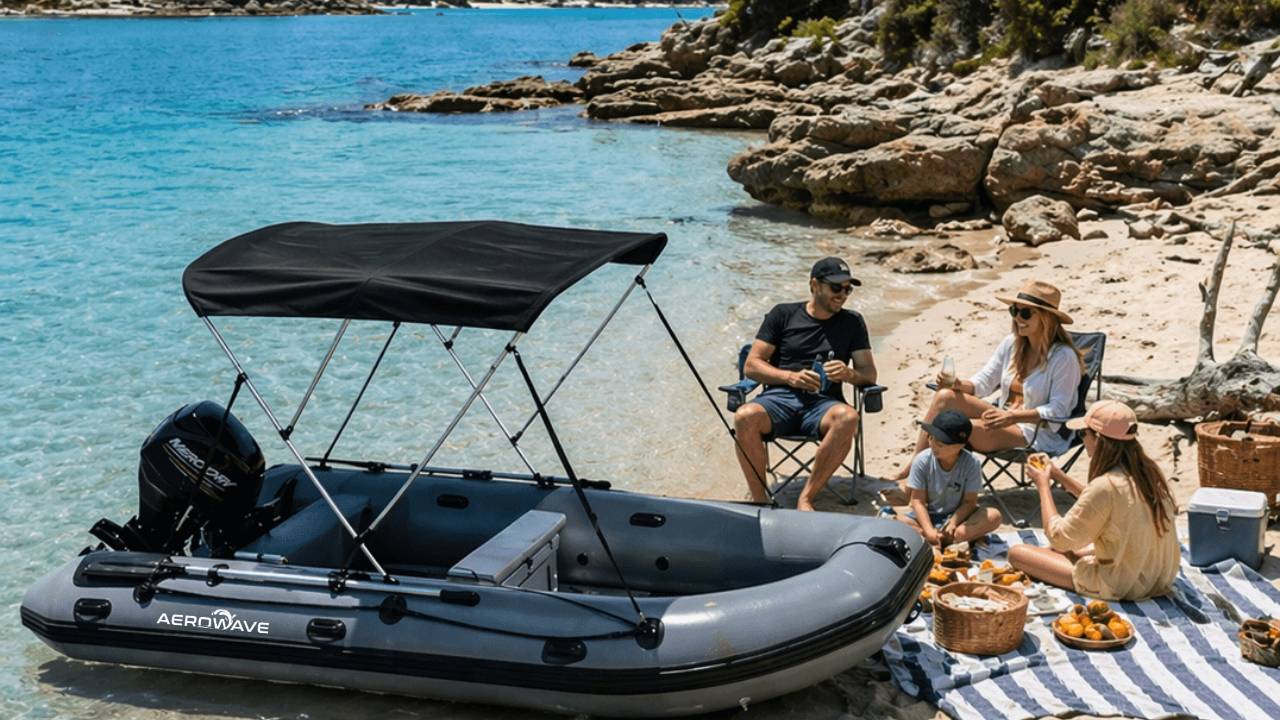
Aerowave Viper 400 Sovereign
Same capability as a small hard boat — without the trailer, the ramp or the rego.
US$3,167 USD
Delivered to your door, today's rate
- Free freight to United States · local taxes payable on arrival
- 7-year hull warranty
🇺🇸 Shipping to United States · landed price quoted in writing
Yes — we ship the Aerowave Viper 400 Sovereign to United States. Here's the landed price.
Same capability as a small hard boat — without the trailer, the ramp or the rego.
Aerowave Viper 400 Sovereign
- Boat package (export price)
- US$3,726
- 15% tariff relief credit
- − US$559
- Express air freight to United States
- Included
- Import duty, taxes & customs clearance
- Payable on arrival
- Estimated landed, USD
- US$3,167
Indicative, converted at today's rate, before local duty and tax on arrival. Ask below and we'll put a fixed figure in writing, valid 30 days.
- 7-year hull warranty
- 1500 GSM / 1.2 mm VALMEX® Heavy Plus hull
- CE certified to ISO 6185-3 and EU Directive 2013/53/EU
- Door-to-door, tracked the whole way
Your price, delivered to your door — freight included.
We email the full PDF quote (spec, freight, finance, WavePay) to your inbox in under 60 seconds. No spam — one quote, one follow-up.
See it for yourself
Real boats. Real owners. Real people behind them.
Plenty of what you read online these days is generated. Check us out properly — the factory, the reviews and the owners are all one click away. Why we use AI, and how to check we’re real
How our boats are built
Walk the production line: thermo-welded seams, 1.2 mm VALMEX Heavy Plus hulls, over-pressure relief valves on every chamber.
See the buildGoogle Maps reviews
Real Australian owners, five stars, published on our Google Business Profile with the map — read them there, not just on our own site.
Open Google Maps reviewsOwner stories
Boats in use — offshore, on rivers, on rescue duty. Photos and words from the people who actually own them.
Read owner storiesGetting the right boat guides for your boat trailer is an absolute game-changer. It turns what can be a stressful, rushed launch or retrieval into a smooth, almost effortless task. They basically create a foolproof channel, making sure your inflatable boat lines up perfectly with the trailer bunks or rollers every single time—especially when you’re fighting crosswinds or a strong current.
Why Trailer Guides Are Essential for Inflatable Boats
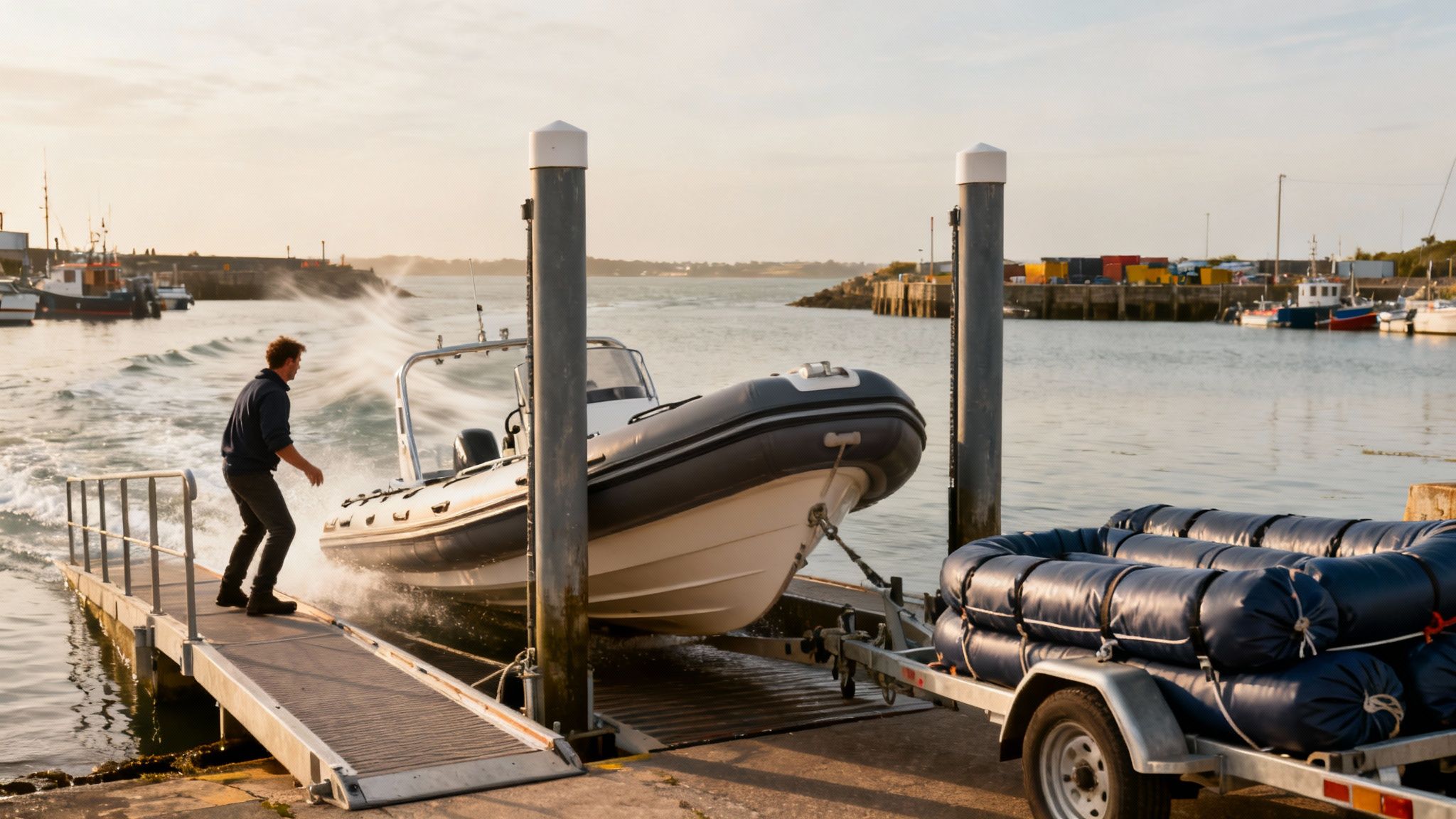
Anyone who's tried to load an inflatable onto a trailer at a busy Australian ramp knows the feeling. Just as you’re lining it up, a gust of wind catches the bow and shoves it sideways. Or maybe the current subtly pulls the stern offline. Before you know it, your boat is crooked, and you're wrestling with it while a queue of impatient boaters watches on.
This isn’t just frustrating; it can be damaging. A misaligned boat can lead to scuffs on the inflatable tubes, damage to the transom, or even put unnecessary stress on the trailer frame itself. Without a proper guiding system, you risk turning a great day on the water into a costly headache.
Removing Guesswork from Launch and Retrieval
The main job of boat guides is to take all that guesswork out of the equation. They create a clear, defined path for your boat to follow, which makes both launching and retrieval predictable and dead simple. Think of them like the bumpers in a bowling lane—they just keep your boat headed straight for the winching post.
This is a massive help for inflatable boats. Their lightweight nature and flexible hulls make them much more likely to get pushed around by wind and water compared to heavier fibreglass or aluminium boats. A good set of boat guides for your boat trailer provides the rigid structure needed to overcome that, whether you're using it for a family outing or a serious fishing trip.
A well-chosen set of guides can mean the difference between a 30-second solo retrieval and a 10-minute struggle with a helper. It's all about spending less time on the ramp and more time enjoying the water.
Protecting Your Investment
Beyond sheer convenience, guides play a critical protective role. Inflatable boats, even the tough inflatable catamarans, rely on their tubes for buoyancy and structure. Constantly scraping them against sharp trailer brackets or missing the bunks altogether will lead to premature wear, tear, and potential leaks.
A proper guide system ensures the hull only makes contact with the supportive, non-marking surfaces designed to carry its weight. This preserves the integrity of your boat's materials, prolonging its life and keeping its value up. You can find more details on different boat types in our guide to inflatable boats in Australia.
Ultimately, installing guides is an investment in peace of mind. It simplifies the entire process, builds confidence for solo boaters, and makes sure every trip starts and ends on a high note.
Choosing the Right Guides for Your Boat and Trailer
Picking the perfect guides for your boat trailer isn't a one-size-fits-all deal. It really boils down to three things: your boat’s hull, your trailer’s design, and the kind of ramps you're usually dealing with. There’s no single "best" option, but there's definitely a right one for your specific setup—especially when you're working with an inflatable like a RIB or even an Inflatable Catamaran.
Getting this choice right makes a massive difference in how easily and safely you can get on and off the water. It’s a decision more and more Aussie boaters are making, too. Australia's marine equipment industry has been growing steadily at 3.2% a year for the last five years, hitting a whopping $2.6 billion. Boat trailers and their accessories are a huge part of that boom.
Bunk Guides vs Roller Guides vs Post Guides
The big debate is usually between bunk guides and roller guides, but simple vertical post guides are a popular choice as well. Each type has its own strengths, and the best one for you depends entirely on your boat. If you're looking to compare prices and features of inflatable boats in your area, knowing which guide system works best is a key part of that decision.
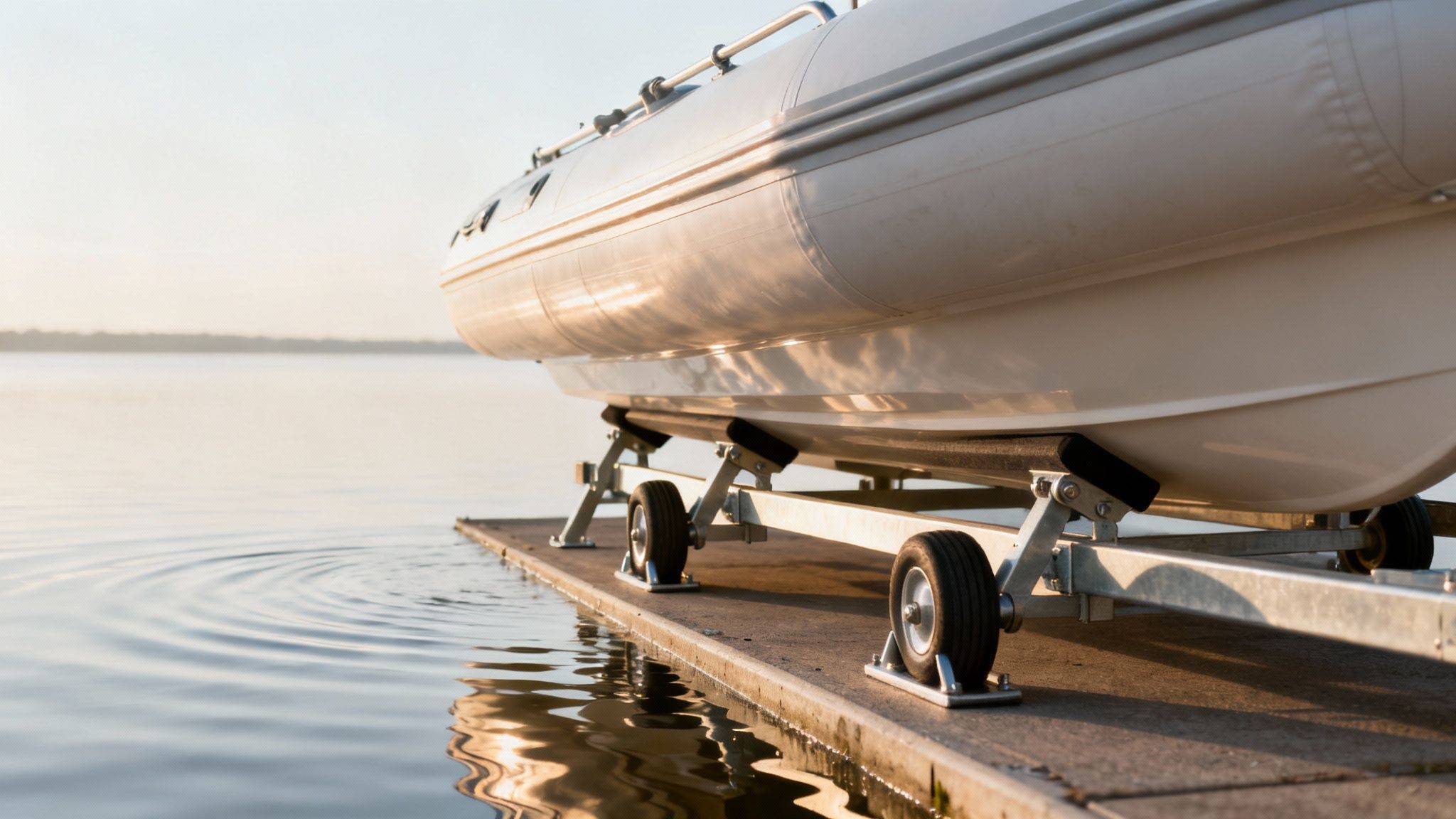
Bunk guides are essentially carpeted wooden or plastic boards that run parallel to your boat. They offer fantastic support by spreading the boat's weight over a large surface area. This is exactly what you want for an inflatable, as it minimises pressure points on the tubes and hull, creating a smooth, low-friction channel for your boat to slide into.
Roller guides, on the other hand, use a series of wheels to help winch the boat onto the trailer. They can be a real lifesaver on shallow ramps where you can't back the trailer in very deep. The catch? You have to use high-quality, non-marking rollers to avoid scuffing or damaging your inflatable's PVC or Hypalon fabric.
Matching Guides to Your Inflatable Boat
For most standard inflatable boats, including many inflatable catamarans, bunk guides are the safest bet. They just provide the best all-around support and protection for those crucial air-filled tubes.
- Standard Inflatables & RIBs: You can't go wrong with padded bunk guides. They deliver the best performance by protecting the tubes from concentrated pressure. These are the best inflatable boats for recreational use available near me, and I want to protect them.
- Inflatable Catamarans: These often do best with a custom setup. A central bunk supporting the tunnel, paired with outer guides for the main tubes, gives you unbeatable stability.
- Lightweight Tenders: Simple vertical post guides are often all you need. They act like goalposts to help you centre the bow, which is perfect for a compact setup without needing full-length support. If you're sorting out a trailer for a smaller craft, check out our insights on selecting a small boat trailer.
Remember, the goal is to guide the boat, not force it. Your guides should create a generous channel—about 2-5 cm of space on each side—to gently funnel the boat into position without pinching or scuffing the tubes.
A Quick Comparison
To make it even clearer, here’s a quick breakdown of the common guide types and where they shine. For those who want to compare prices and features of inflatable boats in their area, understanding the trailer requirements is essential.
Comparison of Boat Trailer Guide Types
| Guide Type | Best For | Pros | Cons |
|---|---|---|---|
| Bunk Guides | Inflatable boats, RIBs, fibreglass hulls, and boats needing maximum hull support. | - Excellent weight distribution - Protects tubes and sensitive hulls - Simple, durable design | - Higher friction during launching/retrieval - May require deeper water at the ramp |
| Roller Guides | Aluminium boats, boats with durable hulls, and use on shallow ramps. | - Makes winching much easier - Great for shallow-water launching - Fast and smooth retrieval | - Can create pressure points on tubes - Risk of marking or damaging PVC/Hypalon - More moving parts to maintain |
| Post Guides | Lightweight tenders, small tinnies, and boaters needing a simple alignment aid. | - Simple and cost-effective - Easy to install and adjust - Great for visual alignment of the bow | - Offers minimal side support - Not suitable for heavy boats or rough conditions |
Ultimately, the right choice comes down to protecting your boat. For inflatables, that almost always means choosing the distributed support of bunk guides over the convenience of rollers.
Material World: Galvanised Steel vs Aluminium
Finally, let's talk materials. Galvanised steel is strong, affordable, and perfectly fine for freshwater boating.
But if you're anywhere near saltwater, aluminium is the superior choice. It offers incredible corrosion resistance, preventing the rust that can weaken your guides and leave ugly stains on your boat. It might cost a bit more upfront, but for any coastal boater in Australia, it’s a smart investment that pays for itself in the long run.
How to Install and Align Your Trailer Guides
You've picked out the perfect set of guides—now for the fun part. Getting them mounted correctly is just as important as choosing the right type in the first place. A proper installation is the difference between a smooth retrieval and a frustrating afternoon at the ramp.
While it's a pretty straightforward job, taking your time to get the alignment spot-on will save you a world of headaches later.
The absolute key to getting this right, especially with an inflatable, is to do a 'dry fit' with your boat already sitting perfectly centred on the trailer. This is a non-negotiable step. It lets you see exactly where the guides need to live, moulding them to the natural curve of your boat's tubes. Trying to eyeball it without the boat is just asking for trouble.
Gathering Your Tools and Getting Started
First things first, get your gear ready. Most guide kits come with all the U-bolts, nuts, and brackets you'll need, but the tools are on you. A good socket set, a wrench, and a measuring tape are usually all it takes.
Start by loosely attaching the mounting brackets to your trailer frame. Don't crank them down tight just yet. The idea is to get them in the general area where they’ll support the guide posts or bunks, giving you plenty of wiggle room for those crucial micro-adjustments.
This visual guide breaks down the selection process, which is the first step before installation begins.
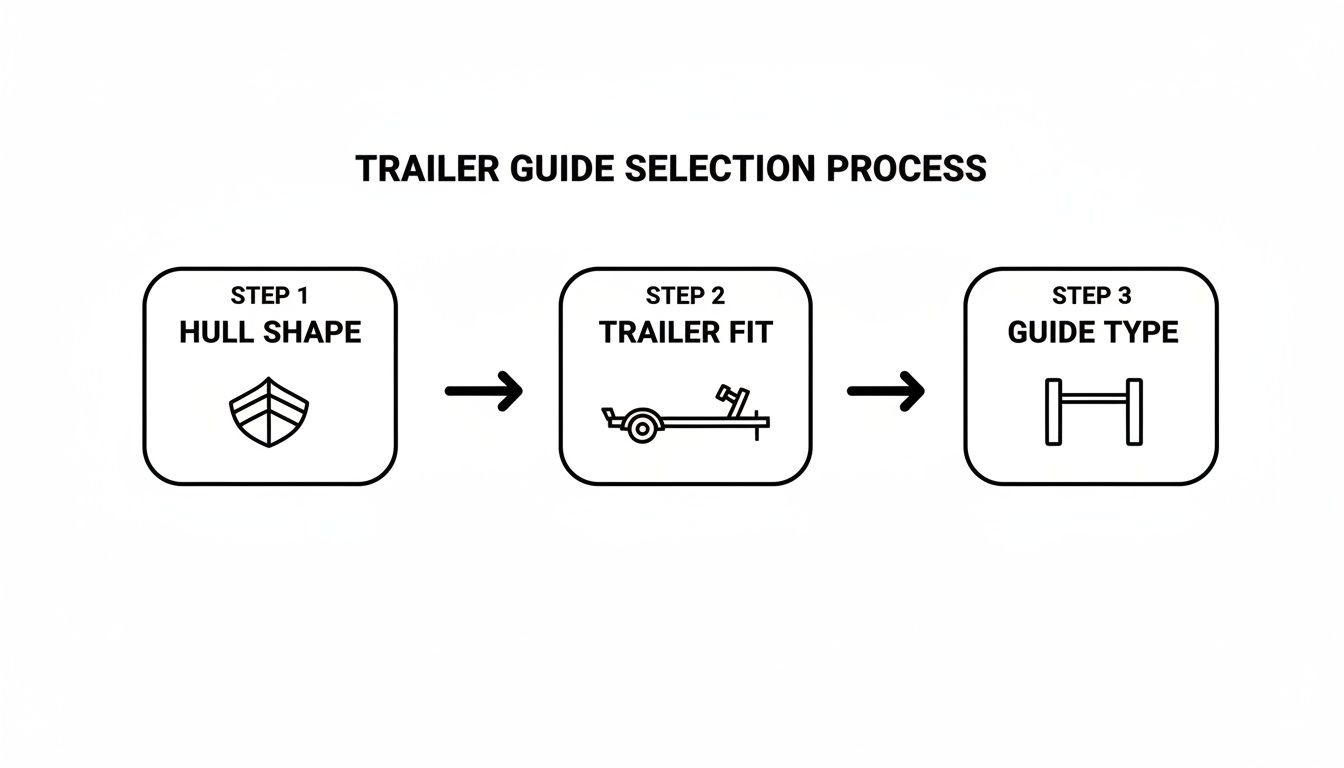
Matching the hardware to your specific boat and trailer before you even pick up a wrench is the secret to a pain-free setup.
Achieving Perfect Alignment
With the brackets loosely in place, it’s time to slide the guides themselves into position against the boat’s hull. For an inflatable, you’re looking for a snug fit against the tubes, but not so tight that they're getting squashed or compressed.
A common question is about the ideal spacing. I always aim for about 2–5 centimetres (or 1–2 inches) of clearance on each side. This creates a perfect channel that funnels the boat onto the trailer without being so tight that it scuffs or pinches the tubes, especially when the wind kicks up.
Once you're happy with the spacing, it's time to tighten everything down for good. Work your way around methodically, securing the nuts on the U-bolts evenly so the brackets clamp down firmly on the trailer frame. Give them a final check to make sure the guides are perfectly vertical and parallel to each other.
Final Checks and Pro Tips
After everything is rock solid, do one last visual inspection from the back of the trailer. Squat down and look down the line of the guides—they should create a perfectly symmetrical path leading straight to the winch post.
Here are a few extra tips I've picked up over the years for a flawless setup:
- Check for Obstructions: Make sure your new guides don't get in the way of your trailer's lights, tie-down points, or anything else. It's an easy mistake to make.
- Angle the Tops (Optional): Some people like to angle the tops of their post guides slightly outwards. This creates a wider "mouth" that makes it even easier to get the bow started between the guides during retrieval.
- The All-Important Test Run: If you can, do a quick test launch and retrieval at a quiet ramp. This is the ultimate confirmation that your alignment is perfect before you're in a high-pressure situation with an audience.
For those with unique trailer needs, like a compact setup for travel, exploring options like a folding boat trailer can offer even more flexibility to complement a perfectly aligned guide system.
Mastering the Boat Ramp with Your New Guides
With your boat guides for your boat trailer perfectly installed and aligned, it's time for the real test: the boat ramp. This is where all that careful prep work pays off, turning what's often the most stressful part of the day into a smooth, controlled process.
The right technique lets the guides do all the hard work for you. Launching your inflatable becomes ridiculously simple. As you back down the ramp, just get the trailer deep enough for the boat's stern to start floating. Your new guides will keep the hull dead straight as it slides off the bunks, completely killing the risk of it drifting sideways into a pylon or another trailer.
Effortless Launching Techniques
The secret to a graceful launch is controlled momentum. There’s absolutely no need to rush it.
- Prep Before You Back Down: Get your drain plugs in, tilt the motor up, and have your bow line ready to grab. Doing this in the prep area keeps the ramp clear and the mood relaxed.
- Let Gravity and Water Do the Work: Once the boat starts to float, a gentle tap on the brakes is often all you need to send it sliding smoothly off the trailer. The guides will make sure it launches straight back, every time.
- Manage Your Lines: Keep a firm grip on the bow line to control the boat the second it's free. This stops it from drifting away while you go and park your car.
This kind of hassle-free process is a big reason why boating is such a favourite Aussie pastime. In fact, the market for boat trailers is set for strong growth at a projected CAGR of 4.3% through 2035, fuelled by high boat ownership and our incredible coastline. This just shows how many of us are investing in setups that make life on the water easier. You can find more insights on Australian boat trailer market trends.
Nailing the Retrieval Every Time
Retrieving your boat is where your new guides really prove their worth, especially when you’re dealing with a tricky wind or current. The goal is to let these elements work for you, not against you.
Approach the trailer slowly, coming from downwind or down-current whenever possible. This gives you far more control. Aim the bow of your inflatable between the two upright posts and let the boat’s momentum carry you forward. The V-shape of the guides will funnel the hull directly onto the centre of your bunks or rollers.
Once the bow is captured between the guides, you've won half the battle. You can then attach the winch strap and let the winch do the rest of the work, pulling the boat straight and true onto its resting place.
This is a game-changer for solo boaters. You no longer need a mate on the dock to help push and shove the boat into position. You can just drive it on, hook up the winch, and pull it out. And if you’re looking to make your boat even easier to handle on land, you might be interested in our guide on the best wheels for an inflatable boat.
Maintaining Your Guides and Troubleshooting Problems
Once your guides are installed, a little bit of care goes a long way. Proper maintenance isn’t complicated, but it's the key to keeping your launch and retrieval process smooth and protecting your inflatable from unnecessary wear.
Think of it as a quick pre-launch checklist that takes less than five minutes. This kind of proactive care is essential, especially when you consider how many of us rely on our trailers.
In Australia, boat trailers are a massive part of the recreational scene, with boat trailers and horse floats accounting for roughly 961,840 registered units. That's a huge 26% of all trailers nationwide—a figure that truly highlights Australia's passion for boating. You can dig deeper into these numbers in the national road vehicle census.
Routine Checks for Long-Lasting Performance
Before you head out, get into the habit of giving your guides a quick once-over. This simple routine can stop small issues from turning into major headaches down the track.
- Check the Bolts: Road vibration is the enemy of tight fittings. Give the nuts and bolts a quick wiggle to make sure everything is secure.
- Inspect for Corrosion: Saltwater is notoriously tough on metal. Look for any signs of rust on galvanised steel guides or fittings, and always give them a good rinse with fresh water after every saltwater dip.
- Clean the Surfaces: Keep your bunk carpet or roller surfaces clean. Sand, grit, or salt crystals can act like sandpaper against your inflatable's tubes, causing scuffs and premature wear.
Troubleshooting Common Guide Problems
Even with a perfect setup, you might run into the occasional hiccup. The good news is, most are easy fixes that just require a small adjustment.
Boat Consistently Off-Centre
If you find your boat is always loading slightly to one side, it's a dead giveaway of an alignment issue. The fix is usually simple: loosen the U-bolts on the side the boat is favouring and tap the guide outwards slightly—maybe just a centimetre. Retighten and test it again.
Guides Are Too Tight or Too Loose
Are you noticing scuff marks on your boat's tubes? Your guides are probably too tight. On the flip side, if the boat slops around between them at the ramp, they're too loose. Adjust them to achieve that sweet spot: an ideal 2-5 cm gap on each side for a perfect, snug fit.
Don't fight a bad setup. If you're consistently wrestling with your boat at the ramp, take the time back at home to put it back on the trailer and properly re-align the guides. A 15-minute adjustment now will save you countless frustrations later.
For more handy tips on keeping your craft in top condition, you might find our guide to simple inflatable boat maintenance useful. Taking care of your equipment ensures every day on the water is a good one.
Got Questions About Boat Trailer Guides?
Still scratching your head about the right boat guides for your boat trailer? You’re not the only one. It’s one of the most common things we get asked about by inflatable boat owners all over Australia.
Let’s run through a few of the big ones. Getting these details sorted will make your time at the ramp faster, safer, and a whole lot less stressful.
Roller Guides or Bunk Guides? What's Best for an Inflatable?
For almost any inflatable boat out there, from RIBs to inflatable cats, bunk guides are the way to go. Think of them as long, supportive arms that cradle your boat. They spread the weight out evenly across a wide, flat surface.
This is a huge deal for inflatables because it dramatically reduces the pressure on any single spot of the tubes, which prevents nasty wear and tear over time. For those wondering, "What are the best inflatable boats for recreational use available near me?", the answer often includes models that are best supported by this type of guide.
Sure, some high-quality roller guides can make retrieval feel a bit slicker on a shallow ramp, but they come with a catch. The risk of creating pressure points on your PVC or Hypalon tubes usually isn't worth it. Bunk guides offer the safest, most reliable channel to guide your boat home.
How Much of a Gap Should I Leave Between the Guides and the Boat?
This is a critical adjustment, but thankfully, it's a simple one. You want to aim for roughly 2 to 5 centimetres (that's about 1 to 2 inches) of space on each side once your boat is sitting perfectly centred on the trailer.
This gap creates the perfect funnel. It's just wide enough to allow for a bit of sideways drift from wind or current without scuffing the tubes, but it's snug enough to make sure the boat lands exactly where it needs to be every single time.
Nailing this measurement is the secret to a perfect retrieval. Too tight, and you'll get abrasion. Too loose, and the guides aren't really doing their job.
Do Inflatable Catamarans Need a Special Setup?
Yep, they certainly do. An inflatable cat's twin-hull design means it needs a more specialised approach. While your standard vertical post guides can help get you centred at the ramp, they don't give the hull the support it actually needs for transport. An Inflatable Catamaran is a high-performance vessel that deserves the best setup.
The best setup for an inflatable cat usually mixes a couple of guide types:
- A central bunk system: This is non-negotiable. It supports the tunnel between the two main hulls, which is a key structural area.
- Outer bunk guides: These look after the main outer tubes, keeping the whole boat stable and level on the trailer.
This combination makes sure the entire structure is properly supported, preventing stress on the seams and the transom. If you're shopping around for a trailer for your cat, this is a make-or-break feature to ask about.
Can I Fit Boat Trailer Guides Myself?
Absolutely. The vast majority of boat trailer guide kits are made for a bit of DIY. If you've got a basic socket set and a measuring tape, you can easily knock the job over in an afternoon.
The single most important tip? Do all your measuring and final alignment checks with the boat sitting right there on the trailer. This guarantees the guides are shaped perfectly to your boat’s specific hull, so you know it’s a perfect fit before you even think about heading to the water.
Ready to make launch and retrieval the easiest part of your day? Easy Inflatables offers a premium range of inflatable boats, catamarans, and accessories designed for Australian conditions. While we don't hire inflatable boats for a family outing, we can help you find the perfect one to own. Explore our durable, high-performance boats and find the perfect setup for your next adventure. Visit us at to see the range.
Explore the Aerowave range
Weekend-Proof Score 17 questions · about 2 minutes
Will the boat you're about to buy survive an Australian summer?
Seventeen straight questions about where you'll use it, what you'll ask of it and the boat you're weighing up. You get a score out of 100, the exact weak points in your plan, and the one boat that genuinely fits.
Free · your result shows on screen · no email required
So which one is yours?
Pick how you'll actually use it and we'll take you straight to the right hull.
I want to fish it
Open bow, rod holders, deck space you can stand and cast from.
Viper Sport 400Family, diving and the beach
3.8 m Series 3 catamaran — low bow to climb back in wearing fins or a tank.
WaveRunner 380Tender / one-person launch
3.3 m hard-floor boat that packs into a bag and still takes a beach landing.
Viper 330Shop gear featured in this guide
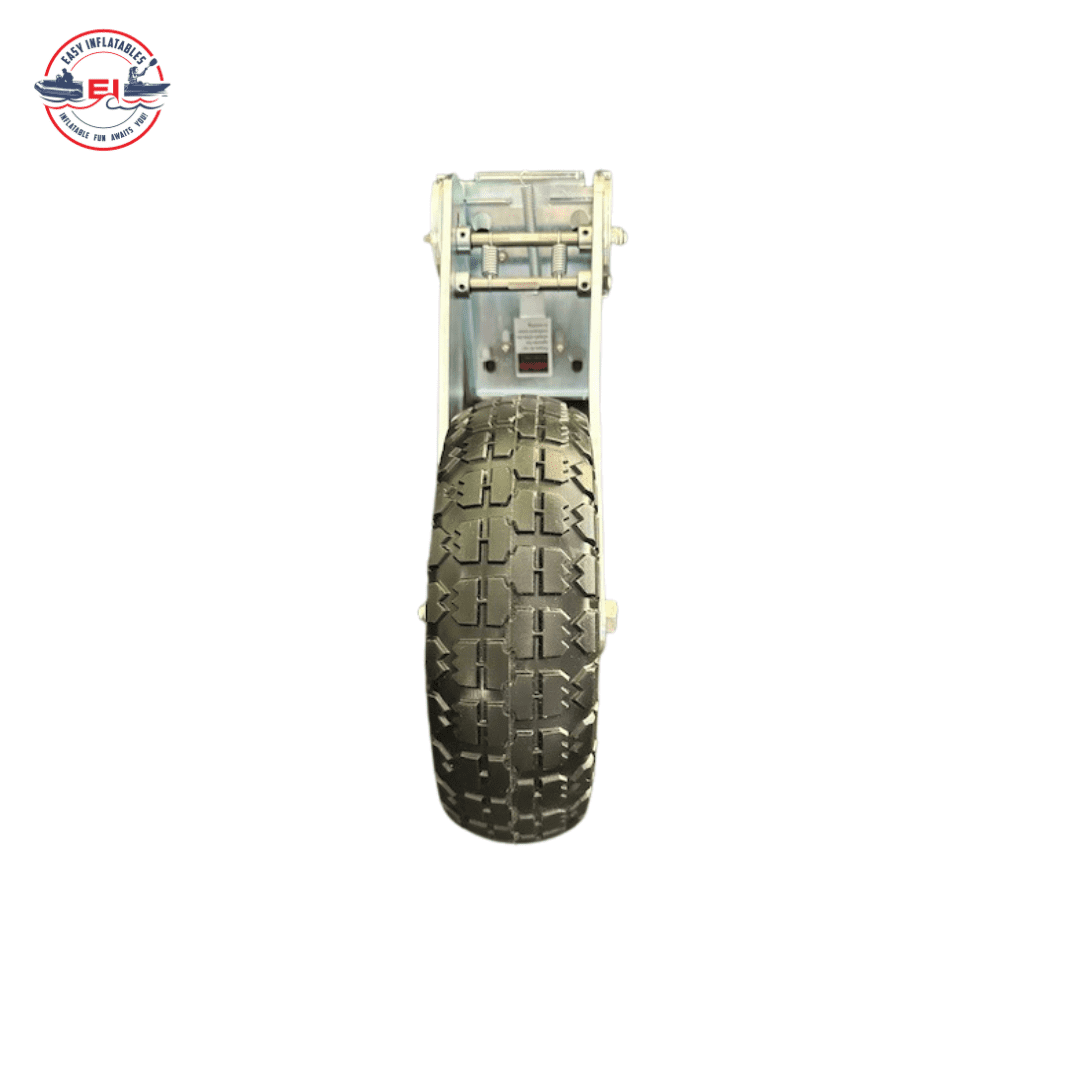
LockPro Plus Inflatable Boat Wheel Set
The LockPro Plus Inflatable Boat Wheel Set offers a premium solution for easy and safe loading of inflatable boats, featuring an Italian stainless steel quick-lock system.
Free freight to United States · local taxes payable on arrival
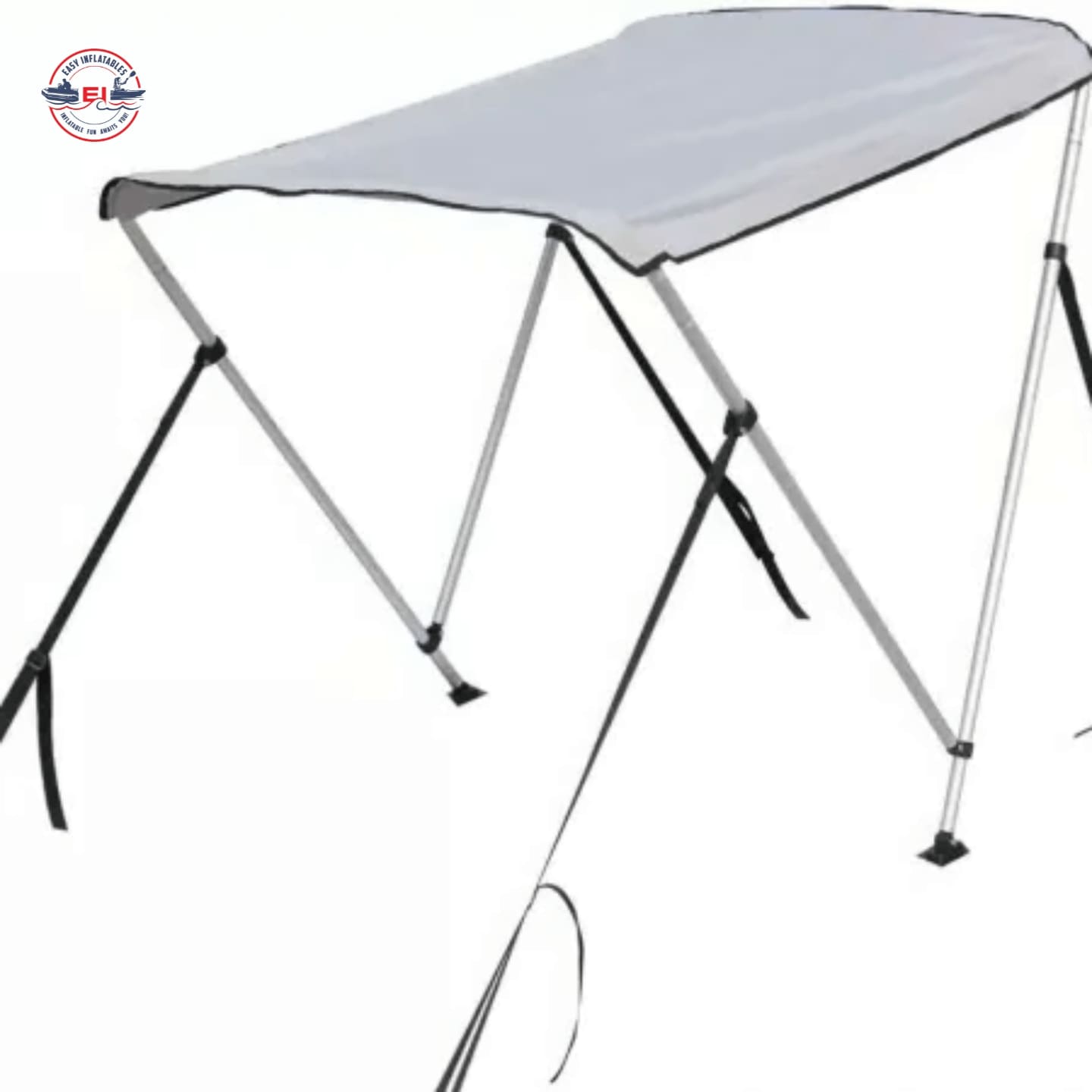
Aerowave Inflatable Boat Bimini
Lightweight inflatable UV sun-shade canopy for inflatable boats, SIBs and catamarans. Now available in two colours — Light Grey and Black. Fast setup, compact storage and premium UV protection for Australian boating.
Free freight to United States · local taxes payable on arrival
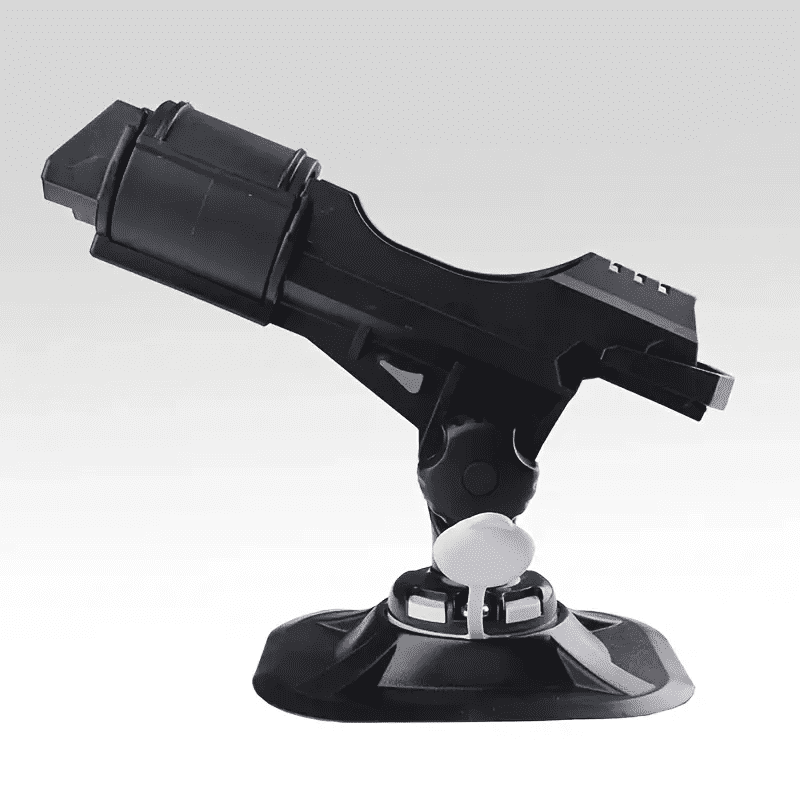
Inflatable Boat Rod Holder Mount
Factory-installed fishing mount designed for Easy Inflatables boats, providing a clean and secure installation for serious anglers.
Free freight to United States · local taxes payable on arrival
Not sure which suits you? Talk to a real boat owner.
Before you spend a cent
Buying from Australia, delivered to United States
You have never heard of us, we are on the other side of the world, and the internet is full of fakes. Fair enough. Here is everything you would need to check us out, in one place — no forms, no chat bot.
Australian designed business
Easy Inflatables, Avoca Beach NSW 2251. ABN 96 856 548 613. International orders ship from our Hong Kong hub.
222 owner reviews, 4.8 average
Read them in full, good and bad, on our reviews page.
CE certified, 7-year hull warranty
ISO 6185-3 and EU Directive 2013/53/EU. Warranty honoured worldwide.
Tracked, insured, door to door
FREE freight to United States · local tax/duty on arrival.
- Who am I actually buying from?
- Easy Inflatables, Avoca Beach NSW 2251, Australia. ABN 96 856 548 613. Sean is the owner and skipper, Gary Stewart handles sales on +61 2 4335 1603, Karen Matthews handles email. The boats are Australian designed; international orders ship from our Hong Kong dispatch hub so your landed price stays competitive. Phone us before you pay a cent — a real person answers.
- Is this really an Australian product?
- Yes — Australian designed and engineered on the NSW Central Coast. Manufacturing is done offshore to our spec, and international orders ship direct from our Hong Kong dispatch hub. If we routed every boat through Australia first, the freight alone would roughly double or triple your cost for the same hull.
- What do I pay, and what is not included?
- The delivery and import terms depend on your country. EU, UK, New Zealand and named Asia/Pacific lanes include duty and tax; US freight is free but US buyers pay import charges on arrival. Other destinations show their terms before payment.
- How do I pay safely?
- Card through Stripe (Visa, Mastercard, Amex, Apple Pay, Google Pay) or bank transfer. Card payments carry your bank's own dispute protection. We never ask for crypto, gift cards or payment to a personal account.
- What if it arrives damaged?
- Every boat ships fully tracked and insured door to door. Photograph the carton and the boat on arrival and email us — transit damage is claimed and replaced through us, not left with you and the courier.
- Is the warranty real outside Australia?
- Yes. The 7-year hull warranty on 1.2 mm VALMEX Heavy Plus and Orca Hypalon hulls applies wherever you are. Replacement parts are held in Australia and at our overseas hub and go out by express courier to your door.
- Is the boat actually certified?
- All Aerowave catamarans are CE certified to ISO 6185-3 and EU Directive 2013/53/EU. Certification paperwork is supplied with the boat — ask and we will send it before you order.
Ready to set sail?
Premium German-fabric inflatable catamarans, built to order and delivered to your door. Talk to our team or browse the fleet.
Like this guide? Get the next one in your inbox.
Owner-tested tips, gear deep-dives and Aussie boating know-how — no spam.