The Ultimate Guide to an Inflatable Boat Bimini in Australia
Don't get burned by the Aussie sun or a bad purchase. Our definitive guide to choosing an inflatable boat bimini in Australia covers everything you need to know.
At a glance
Don't get burned by the Aussie sun or a bad purchase. Our definitive guide to choosing an inflatable boat bimini in Australia covers everything you need to know.
- The Glare Reality: Australia's UV and the Boating Factor
- What Exactly is an Inflatable Boat Bimini?
- Core Components
- The Inflatable Challenge
What we'd put you in
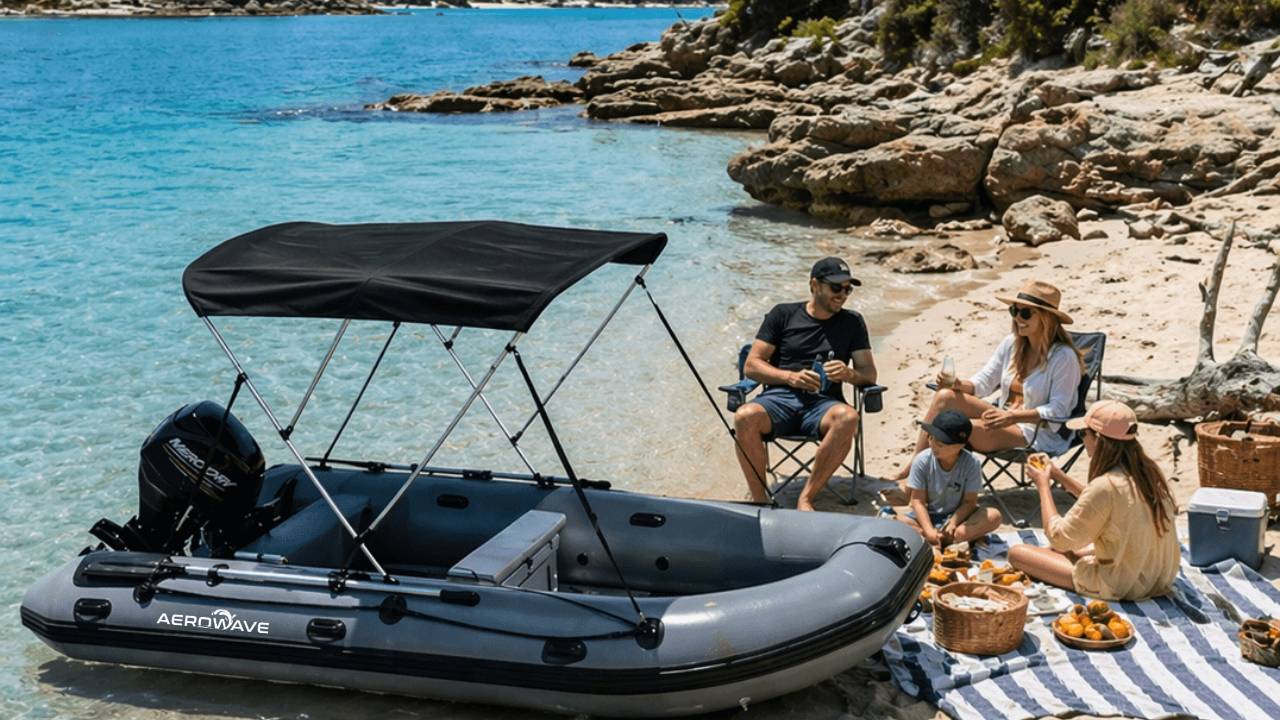
Aerowave Viper 400 Sovereign
Our best-selling boat: 4.0 m, 1.2 mm VALMEX hull, 7-year hull warranty.
US$3,167 USD
Delivered to your door, today's rate
- Free freight to United States · local taxes payable on arrival
- 7-year hull warranty
🇺🇸 Shipping to United States · landed price quoted in writing
Yes — we ship the Aerowave Viper 400 Sovereign to United States. Here's the landed price.
Our best-selling boat: 4.0 m, 1.2 mm VALMEX hull, 7-year hull warranty.
Written for Australian readers — but the boat ships to you. We are an Australian builder and this article is written from Australian waters. That changes nothing about what you can order: the same hull, the same 7-year warranty and the same certification go out to United States every week.
Aerowave Viper 400 Sovereign
- Boat package (export price)
- US$3,726
- 15% tariff relief credit
- − US$559
- Express air freight to United States
- Included
- Import duty, taxes & customs clearance
- Payable on arrival
- Estimated landed, USD
- US$3,167
Indicative, converted at today's rate, before local duty and tax on arrival. Ask below and we'll put a fixed figure in writing, valid 30 days.
- 7-year hull warranty
- 1500 GSM / 1.2 mm VALMEX® Heavy Plus hull
- CE certified to ISO 6185-3 and EU Directive 2013/53/EU
- Door-to-door, tracked the whole way
Your price, delivered to your door — freight included.
We email the full PDF quote (spec, freight, finance, WavePay) to your inbox in under 60 seconds. No spam — one quote, one follow-up.
See it for yourself
Real boats. Real owners. Real people behind them.
Plenty of what you read online these days is generated. Check us out properly — the factory, the reviews and the owners are all one click away. Why we use AI, and how to check we’re real
How our boats are built
Walk the production line: thermo-welded seams, 1.2 mm VALMEX Heavy Plus hulls, over-pressure relief valves on every chamber.
See the buildGoogle Maps reviews
Real Australian owners, five stars, published on our Google Business Profile with the map — read them there, not just on our own site.
Open Google Maps reviewsOwner stories
Boats in use — offshore, on rivers, on rescue duty. Photos and words from the people who actually own them.
Read owner storiesOut on the water, the Australian sun is both your greatest ally and your fiercest adversary. A bimini isn't a luxury; it's mission-critical equipment.
There is nothing quite like the feeling of gliding across a pristine Australian waterway in an inflatable boat. The quiet hum of a four-stroke outboard, the gentle slap of water against the hulls, and the freedom to explore secluded beaches and hidden coves is the very essence of the Aussie lifestyle. But this idyllic picture has a harsh, often-underestimated reality baked into it: our sun is relentless. On the water, with reflective glare coming from all angles, that relentlessness is amplified to a dangerous degree.
For too many new boat owners, this realisation dawns halfway through their first scorching summer day, huddled under a towel and wishing for a patch of shade. The search for an inflatable boat bimini in Australia begins, and what seems like a simple purchase quickly descends into a frustrating maze of ill-fitting products, questionable materials, and complex installation. Many inflatable boats, especially budget imports, are sold as bare-bones packages, treating shade as an expensive, difficult afterthought. We believe this is fundamentally the wrong approach. Shade on the water in Australia is as essential as a life jacket or an anchor.
This guide is designed to be the definitive resource for Australian inflatable boat owners. We'll cut through the marketing jargon and explain why a purpose-built bimini is non-negotiable, what separates a quality unit from a disposable one, and why an integrated system, designed for your specific boat, is vastly superior to a generic, one-size-fits-none aftermarket solution.
The Glare Reality: Australia's UV and the Boating Factor
We all know the 'slip, slop, slap' mantra, but it's easy to become complacent. It's crucial to understand why this is so much more critical on a boat. Australia and New Zealand have the highest rates of melanoma in the world, a direct consequence of our proximity to the equator, clear atmospheric conditions, and a historically outdoor-focused culture.
On a boat, you're exposed to a double dose of ultraviolet (UV) radiation. There's the direct sunlight from above, and then there's the reflected UV from the water's surface, which can increase your total exposure by up to 25%. On a calm, sunny day, you are quite literally being cooked from two directions. This isn't just about avoiding a painful sunburn; it's about preventing long-term, irreversible skin damage and reducing the risk of skin cancer.
Even on overcast days, up to 80% of harmful UV rays can penetrate cloud cover. This 'incidental' exposure is what catches many people out. A 30-minute trip to a fishing spot and a couple of hours on the water can equate to a full day's worth of dangerous UV exposure without adequate protection. A hat and sunscreen are the bare minimum, but for any trip longer than a quick dash across the harbour, they simply aren't enough to provide a genuine refuge from the sun's intensity.
What Exactly is an Inflatable Boat Bimini?
A bimini top is a collapsible, open-fronted canvas sunshade supported by a metal frame. The name originates from the Bimini islands in the Bahamas, another locale where boaters desperately needed a reprieve from tropical sun. While the concept is simple, the execution for an inflatable boat presents unique challenges not faced by rigid-hull alternatives.
Core Components
Every bimini consists of three main parts:
- The Canopy: This is the fabric 'roof' that provides the shade. Its material, UV resistance rating, and construction quality are paramount.
- The Framework: This is the skeleton, typically made of aluminium or stainless steel tubing, that supports the canopy. It usually consists of two, three, or four 'bows' that run across the width of the boat.
- The Hardware: This includes all the mounting points, straps, hinges, and fittings that attach the frame to the boat and hold the canopy taut. This is often the weakest link in a cheap system.
The Inflatable Challenge
Unlike a tinnie or a fibreglass runabout, you can't just drill holes anywhere you please on an inflatable boat. The primary challenge is securing the bimini frame to flexible, air-filled tubes. This is the single biggest hurdle that separates well-designed inflatable boat biminis from a world of aftermarket frustration. The mounting system must be robust, reliable, and not compromise the integrity of the boat's fabric. This is where generic, one-size-fits-all solutions almost always fall short.
The Aftermarket Nightmare: A Common Tale
Many inflatable boat retailers in Australia sell you a boat and wave you goodbye. The moment you realise you need a bimini, you're on your own. The typical journey looks like this:
- The Realisation: After one too many sunburnt afternoons, you decide a bimini is essential.
- The Search: You start Googling "inflatable boat bimini Australia" and are met with a flood of options, most from large marine accessory warehouses.
- The Confusion: The listings are for 2-Bow, 3-Bow, and 4-Bow biminis, with widths like '1.3m-1.5m' and '1.5m-1.7m'. You get out the tape measure and try to figure out what will fit your boat's specific beam and tube diameter. You're guessing.
- The Purchase: You choose one that seems about right. It arrives in a box with a confusing array of poles, plastic fittings, and a set of glue-on mounting patches with a small tube of mystery adhesive.
- The Installation: Now the real fun begins. You have to figure out the precise location for the glue-on patches. Get it wrong, and the bimini won't fold correctly or will be stressed at the wrong angle. You mix the two-part PVC glue (if it's even the right kind for your boat's fabric) and nervously apply it, hoping you've prepped the surface correctly and that the patch will hold under wind and wave pressure. It's a permanent, high-stakes modification to your expensive boat.
- The Result: Best case? You have a functional, if slightly crooked, bimini. Worst case? The patches fail on the first windy day, the frame is too wide and chafes the tubes, the plastic fittings snap, or the whole assembly interferes with your outboard tiller, making the boat difficult to steer. You're left with a useless bimini and ugly, potentially leaky patches on your boat.
This experience is incredibly common. The market is not geared towards providing simple, reliable shade solutions for the specific needs of inflatable boat owners.
Decoding Bimini Materials: From Framework to Fabric
Not all biminis are created equal. The materials used will dictate its lifespan, effectiveness, and ability to withstand the harsh marine environment. Understanding these components is key to identifying quality.
The Canopy: Your UV Shield
The fabric is the most critical element for sun protection. Cheap biminis use low-grade materials that fail quickly.
- Standard Polyester: Often found on the cheapest online biminis. This material has poor UV resistance, will fade to a pale ghost of its original colour in one season, and becomes brittle and tears easily.
- Marine-Grade Coated Polyester: A step up. This fabric has a coating for water repellency and improved UV resistance. It's a workable mid-range option, but longevity can still be an issue in the intense Australian sun.
- Solution-Dyed Acrylic or Polyester (e.g., Sunbrella, Atlas): This is the premium standard. In this process, the colour and UV inhibitors are added to the polymer before it's spun into yarn. This means the colour is locked into the core of the fabric, making it exceptionally fade-resistant and durable. This is the type of material you'll find on high-end yachts and premium marine upholstery.
The Skeleton: Framework and Fittings
The frame and fittings are what hold everything together. This is where manufacturers of budget biminis cut corners most aggressively, leading to catastrophic failure.
- Framework: Anodised aluminium is the most common material due to its light weight and corrosion resistance. Look for bright-dipped anodising and a decent wall thickness (1.6mm is good). Stainless steel is stronger and more corrosion-proof but is significantly heavier and more expensive, often overkill for a small inflatable.
- Fittings (Hinges, Deck Mounts, Jaw Slides): This is the crucial part. Low-end biminis use cheap injection-moulded nylon or plastic fittings. These become brittle with UV exposure and will snap, often at the most inconvenient time. High-quality biminis use glass-filled nylon for durability or, for the best possible strength, marine-grade 316 stainless steel fittings. Always check the fittings.
Checklist: Spotting a Low-Quality Bimini
Before you buy any aftermarket bimini, look for these red flags:
- Flimsy, thin-walled aluminium tubing that you can easily flex by hand.
- Shiny, brittle-looking plastic fittings instead of stainless steel or heavy-duty nylon.
- A canopy made of thin fabric that you can almost see through when held up to the light.
- Single-stitched seams that look like they'll pull apart under tension.
- Zippers on the storage boot that are plastic or look like they will corrode instantly.
- Vague sizing ('fits boats 1.3m-1.5m wide') that puts the onus on you to guess.
- A mounting system that relies on a small tube of generic adhesive and a prayer.
The System Solution: Why an Integrated Bimini Wins
There is a better way. Instead of trying to adapt a generic product to a specialised boat, the optimal solution is a bimini that was designed from the ground up as an integrated part of the boat's system. This is the philosophy we've adopted at Easy Inflatables.
We consider a high-quality bimini to be essential safety equipment. That’s why our flagship Aerowave Viper 400 Sovereign Full Package ($5,995) includes our purpose-built Aerowave Bimini as standard. It’s not an optional extra; it's part of the complete package, just like the included wheels and pump.
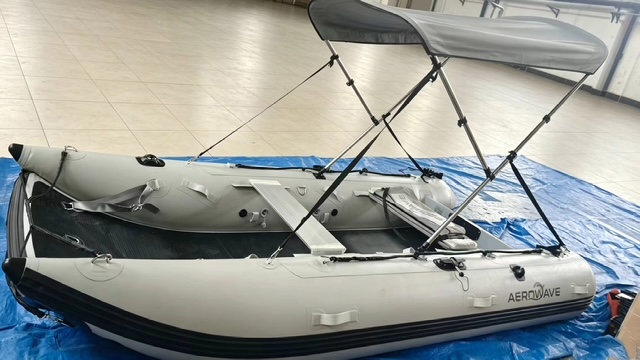
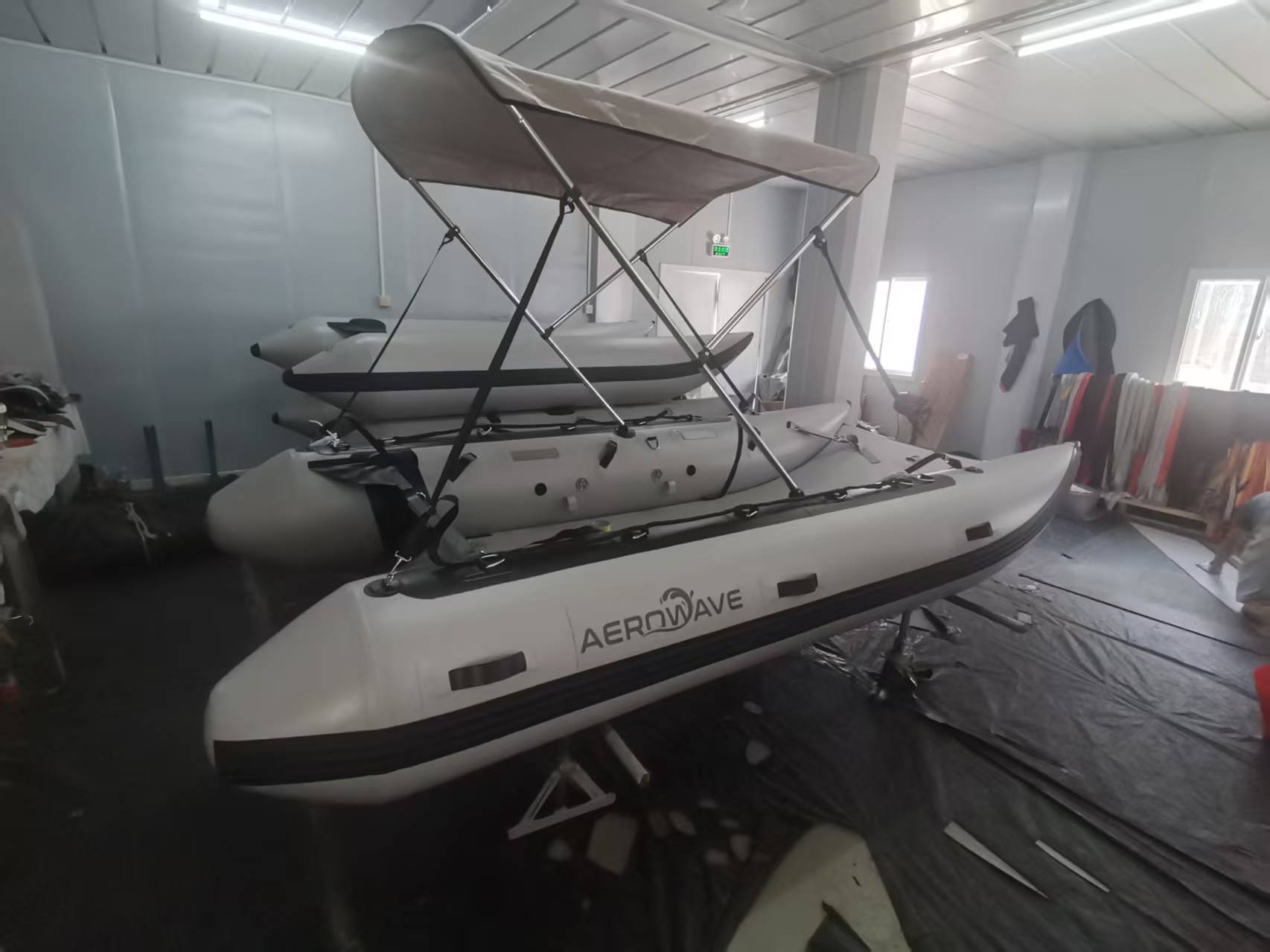
The Aerowave Bimini ($499 if purchased separately) is designed specifically for the beam width, tube diameter, and user ergonomics of our Aerowave Viper and AeroCat inflatable catamarans. Here’s why that matters:
- Perfect Fit, Guaranteed: It's sized perfectly for our boats. There's no guessing, no measuring, and no risk of it being too wide or too narrow.
- Engineered Mounting Points: Our boats come with pre-installed, heavy-duty D-ring patches and mounting bases in precisely the right locations. The bimini frame attaches to these dedicated points with robust hardware. There is no gluing, no drilling, and zero chance of compromising your boat's premium 1.2mm VALMEX® fabric.
- Optimised for Use: The height and length are calculated to provide maximum shade without interfering with the operation of a Hidea 4-stroke outboard. You have full, unimpeded tiller movement. It folds forward neatly, allowing for easy fishing from the rear of the boat, and sits in its storage boot without obstructing deck space.
- Quality Materials: It features a heavy-duty, solution-dyed canopy for maximum UV protection and fade resistance, a robust bright-dipped aluminium frame, and a mix of stainless steel and heavy-duty nylon fittings for longevity in the harsh marine environment.
This system approach turns a frustrating DIY project into a simple, 15-minute assembly job, providing a secure, perfectly integrated shade solution from day one.
Comparison: Integrated System vs. Generic Aftermarket
Let's break down the practical differences in a table.
| Feature | Integrated System (e.g., Aerowave Bimini) | Generic Aftermarket Bimini |
|---|---|---|
| Fit & Sizing | Guaranteed perfect fit for the specific boat model. | Guesswork required based on vague width ranges. Often a poor fit. |
| Mounting Method | Attaches to pre-installed, factory-grade mounting points. | Requires user to glue on patches, risking damage and failure. |
| Installation | Simple, fast (10-15 mins), and reversible. No special tools needed. | Complex, permanent, and stressful. High potential for user error. |
| Performance | Designed to not interfere with tiller, fishing, or storage. | May obstruct outboard, create chafe points, or fold awkwardly. |
| Durability | High-quality materials chosen for the system. Matched quality. | Varies wildly. Often cheap materials that fail within 1-2 seasons. |
| Long-Term Cost | Part of the initial package or a single, quality purchase. | Low initial cost, but high risk of replacement/repair costs. |
| Finding an inflatable boat bimini in Australia | Comes with the boat or available as a guaranteed-fit accessory. | Requires extensive research and acceptance of risk. |
Installation, Care, and Getting the Most From Your Bimini
Whether you have an integrated system or are fitting an aftermarket model, proper care is essential.
On-the-Water Use
- Speed: Biminis create wind resistance. For safety and to prevent frame damage, always fold your bimini down and place it in its storage boot before travelling at high speed or trailering the boat on the road.
- Wind: In very strong winds, it's wise to lower the bimini to reduce the 'sail' effect, which can make the boat harder to handle and puts immense stress on the frame.
- Never Hang Off It: It's a sunshade, not a grab rail or a gymnastics bar. Instruct kids and guests accordingly.
Cleaning and Maintenance
- Freshwater Rinse: The most important thing you can do. Rinse the entire bimini, including the frame and fittings, with fresh water after every single use to remove salt.
- Stain Removal: For bird droppings or other marks, use a soft brush and a gentle, pH-neutral soap. Avoid harsh chemical cleaners or bleach.
- Storage: Always ensure the canopy is completely dry before folding it into its storage boot for an extended period. This prevents mildew from forming, which can permanently stain and damage the fabric.
Proper care will ensure your bimini lasts as long as your boat's high-quality VALMEX fabric, which has a typical lifespan of 10-12 years.
Beyond the Bimini: Your Complete Sun Safety System
A bimini is the centrepiece of your on-water shade strategy, but it's not a complete solution on its own. The sun's angle changes throughout the day, and reflected glare is ever-present. For ultimate comfort and protection, think of it as part of a system:
- The Bimini: Your primary, overhead shade.
- Protective Clothing: Lightweight, long-sleeved rashies or fishing shirts with a high UPF rating are essential.
- Hats: A wide-brimmed hat is crucial for protecting your face, neck, and ears when not directly under the bimini.
- Sunglasses: Invest in high-quality polarised sunglasses to cut the intense glare from the water, reducing eye strain and protecting your vision.
- Sunscreen: A broad-spectrum, water-resistant SPF 50+ sunscreen is non-negotiable. Apply it before you leave and reapply it regularly.
- On-Shore Shade: When you pull up to a beach for lunch, your bimini stays with the boat. Our Easy Inflatables Air Tent ($890) is an incredible accessory, inflating in minutes to create a huge, shaded sanctuary on the sand.
The Bottom Line
For anyone serious about boating in Australia, an inflatable boat bimini is not an optional accessory; it is an essential piece of equipment. It extends your time on the water, protects you and your family from harmful UV radiation, and dramatically increases the enjoyment and versatility of your vessel.
The key is to avoid the pitfalls of the generic aftermarket. The frustration of trying to find and fit a 'universal' product to your specialised inflatable boat is a story we hear all too often. By choosing a boat that offers a fully integrated, purpose-designed shade system, you bypass the entire problem. You get a guaranteed fit, robust materials, and seamless usability from day one.
When you're exploring options, ask the supplier about their shade solution. If they treat it as a difficult afterthought, it's a sign they don't fully understand the realities of boating in our sunburnt country. If you have any questions about fitting a bimini to your boat, or want to know more about our integrated systems, give our expert team a call on +61 2 4335 1603 or email us at sales@easyinflatables.com.au. We're passionate about getting you out on the water, safely and comfortably.
Related
Weekend-Proof Score 17 questions · about 2 minutes
Will the boat you're about to buy survive an Australian summer?
Seventeen straight questions about where you'll use it, what you'll ask of it and the boat you're weighing up. You get a score out of 100, the exact weak points in your plan, and the one boat that genuinely fits.
Free · your result shows on screen · no email required
So which one is yours?
Pick how you'll actually use it and we'll take you straight to the right hull.
I want to fish it
Open bow, rod holders, deck space you can stand and cast from.
Viper Sport 400Family, diving and the beach
3.8 m Series 3 catamaran — low bow to climb back in wearing fins or a tank.
WaveRunner 380Tender / one-person launch
3.3 m hard-floor boat that packs into a bag and still takes a beach landing.
Viper 330Shop gear featured in this guide
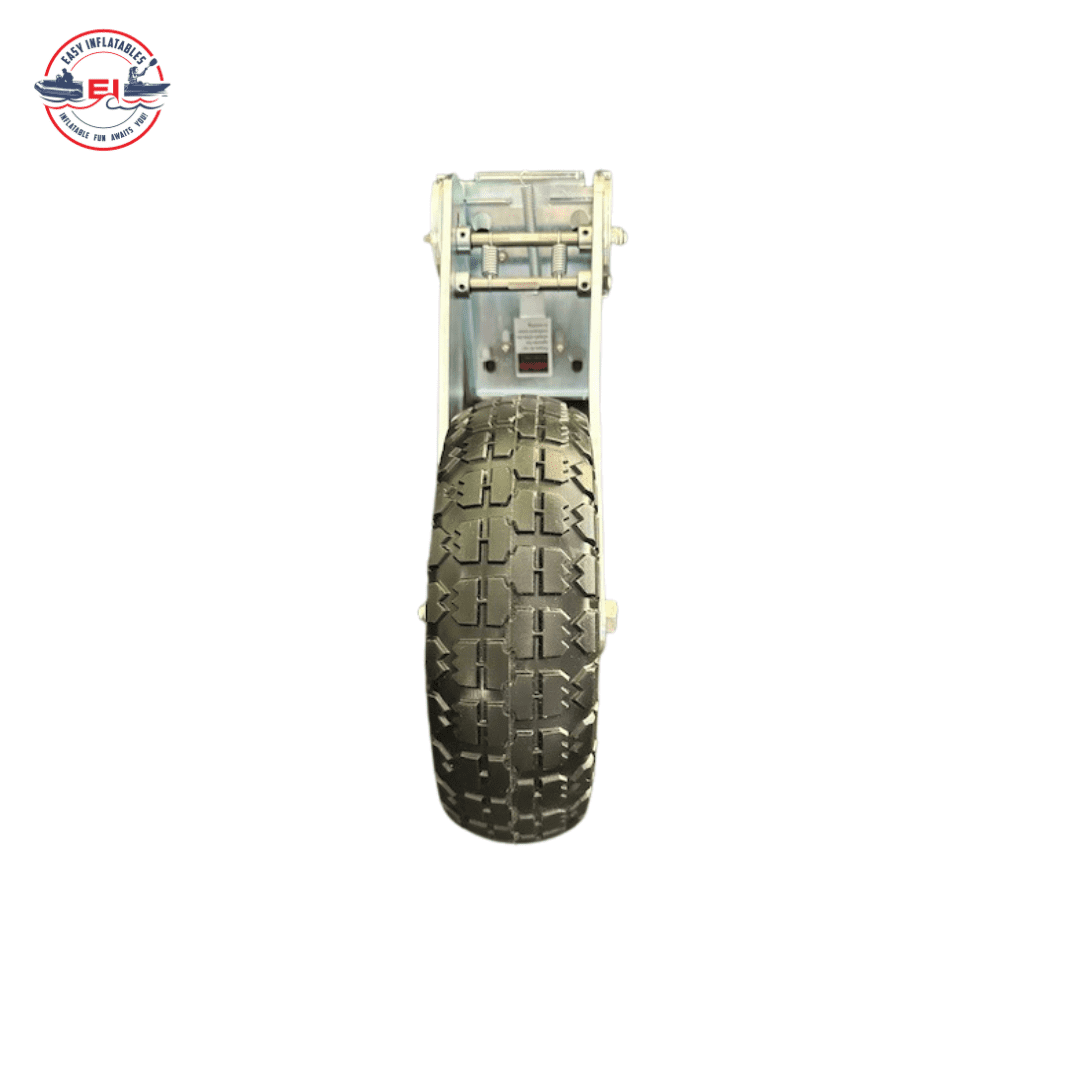
LockPro Plus Inflatable Boat Wheel Set
The LockPro Plus Inflatable Boat Wheel Set offers a premium solution for easy and safe loading of inflatable boats, featuring an Italian stainless steel quick-lock system.
Free freight to United States · local taxes payable on arrival
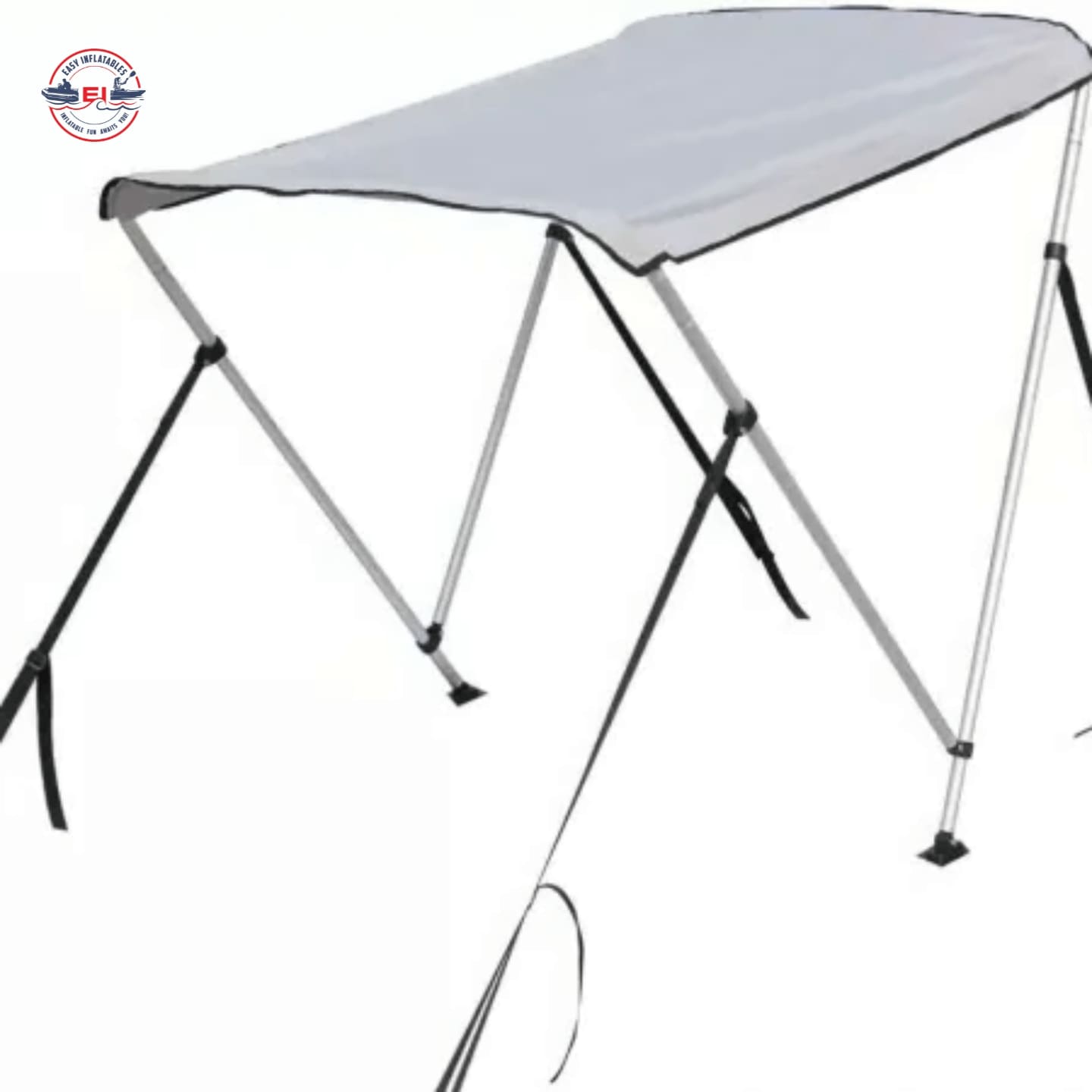
Aerowave Inflatable Boat Bimini
Lightweight inflatable UV sun-shade canopy for inflatable boats, SIBs and catamarans. Now available in two colours — Light Grey and Black. Fast setup, compact storage and premium UV protection for Australian boating.
Free freight to United States · local taxes payable on arrival
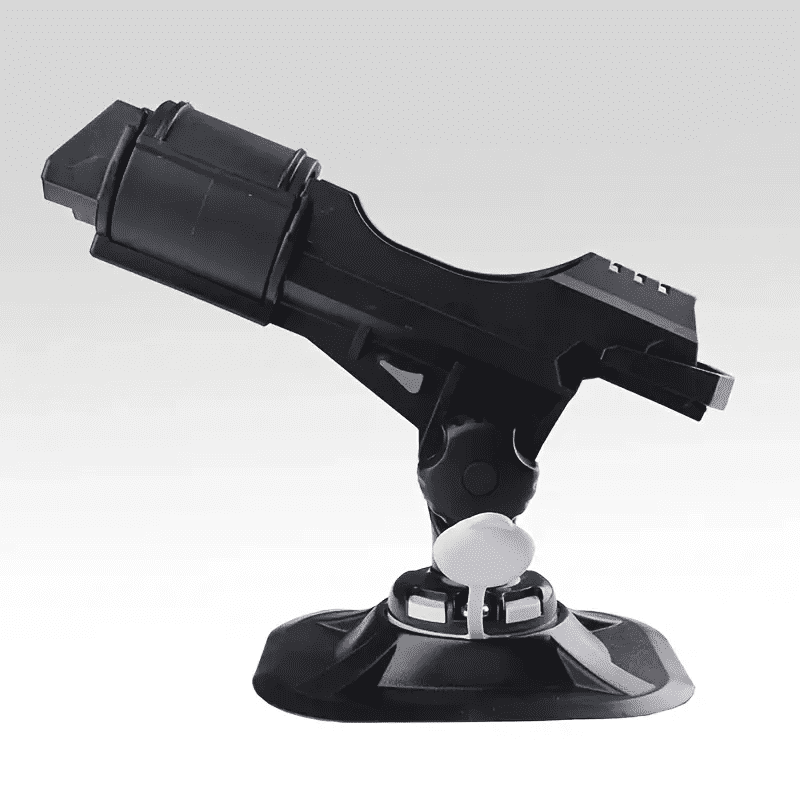
Inflatable Boat Rod Holder Mount
Factory-installed fishing mount designed for Easy Inflatables boats, providing a clean and secure installation for serious anglers.
Free freight to United States · local taxes payable on arrival
Not sure which suits you? Talk to a real boat owner.
Before you spend a cent
Buying from Australia, delivered to United States
You have never heard of us, we are on the other side of the world, and the internet is full of fakes. Fair enough. Here is everything you would need to check us out, in one place — no forms, no chat bot.
Australian designed business
Easy Inflatables, Avoca Beach NSW 2251. ABN 96 856 548 613. International orders ship from our Hong Kong hub.
222 owner reviews, 4.8 average
Read them in full, good and bad, on our reviews page.
CE certified, 7-year hull warranty
ISO 6185-3 and EU Directive 2013/53/EU. Warranty honoured worldwide.
Tracked, insured, door to door
FREE freight to United States · local tax/duty on arrival.
- Who am I actually buying from?
- Easy Inflatables, Avoca Beach NSW 2251, Australia. ABN 96 856 548 613. Sean is the owner and skipper, Gary Stewart handles sales on +61 2 4335 1603, Karen Matthews handles email. The boats are Australian designed; international orders ship from our Hong Kong dispatch hub so your landed price stays competitive. Phone us before you pay a cent — a real person answers.
- Is this really an Australian product?
- Yes — Australian designed and engineered on the NSW Central Coast. Manufacturing is done offshore to our spec, and international orders ship direct from our Hong Kong dispatch hub. If we routed every boat through Australia first, the freight alone would roughly double or triple your cost for the same hull.
- What do I pay, and what is not included?
- The delivery and import terms depend on your country. EU, UK, New Zealand and named Asia/Pacific lanes include duty and tax; US freight is free but US buyers pay import charges on arrival. Other destinations show their terms before payment.
- How do I pay safely?
- Card through Stripe (Visa, Mastercard, Amex, Apple Pay, Google Pay) or bank transfer. Card payments carry your bank's own dispute protection. We never ask for crypto, gift cards or payment to a personal account.
- What if it arrives damaged?
- Every boat ships fully tracked and insured door to door. Photograph the carton and the boat on arrival and email us — transit damage is claimed and replaced through us, not left with you and the courier.
- Is the warranty real outside Australia?
- Yes. The 7-year hull warranty on 1.2 mm VALMEX Heavy Plus and Orca Hypalon hulls applies wherever you are. Replacement parts are held in Australia and at our overseas hub and go out by express courier to your door.
- Is the boat actually certified?
- All Aerowave catamarans are CE certified to ISO 6185-3 and EU Directive 2013/53/EU. Certification paperwork is supplied with the boat — ask and we will send it before you order.
Frequently asked questions
- What is the maximum speed I can travel with my bimini up?
- As a general rule, you should lower your bimini and put it in its storage boot for any travel above 15-20 knots (around 35 km/h). High speeds create significant wind resistance that can damage the frame. It is also mandatory to have it lowered when trailering the boat on the road.
- Can I install an Aerowave Bimini on a different brand of boat?
- The Aerowave Bimini is specifically designed for the beam width and mounting points of the Easy Inflatables Aerowave Viper and AeroCat models. While it might physically fit other boats of a similar size, we cannot guarantee a secure or proper fit, and it would not be covered by warranty in that case.
- Does a bimini make the inflatable boat unstable?
- In normal conditions, a properly installed bimini will not affect stability. In very strong crosswinds, you may notice the wind 'catching' the canopy, so it is wise to lower it for safety and easier handling in such conditions. Our inflatable catamarans are exceptionally stable, providing a great platform for accessories like biminis.
- How do I clean mildew off my bimini canopy?
- The best defence is to ensure the canopy is always dry before storing it. If you do get mildew, you can treat it with a specialised marine canvas cleaner or a diluted solution of white vinegar and water. Avoid using bleach, as it can damage the fabric's fibres and colour.
- Is the fabric on the Aerowave Bimini waterproof?
- The high-quality marine canvas used on our biminis is highly water-resistant and will keep you dry in a light shower. In a heavy downpour, some misting may eventually occur through the fabric weave, which is normal for any canvas bimini top.
- Can I still fish from the boat with the bimini up?
- Absolutely. Our biminis are designed to provide shade while leaving plenty of room for activities like fishing. The Aerowave Bimini folds forward, giving you completely open access to the stern of the boat for casting and managing your lines.
- Why is your bimini included in the Viper 400 package but not others?
- We believe the Viper 400 Sovereign Full Package represents the ultimate turn-key solution for Australian conditions, so we include the bimini as essential equipment. For other models like the AeroCat, we offer it as a perfectly-matched optional accessory, allowing customers to choose based on their specific needs and budget.
Ready to set sail?
Premium German-fabric inflatable catamarans, built to order and delivered to your door. Talk to our team or browse the fleet.
Like this guide? Get the next one in your inbox.
Owner-tested tips, gear deep-dives and Aussie boating know-how — no spam.