
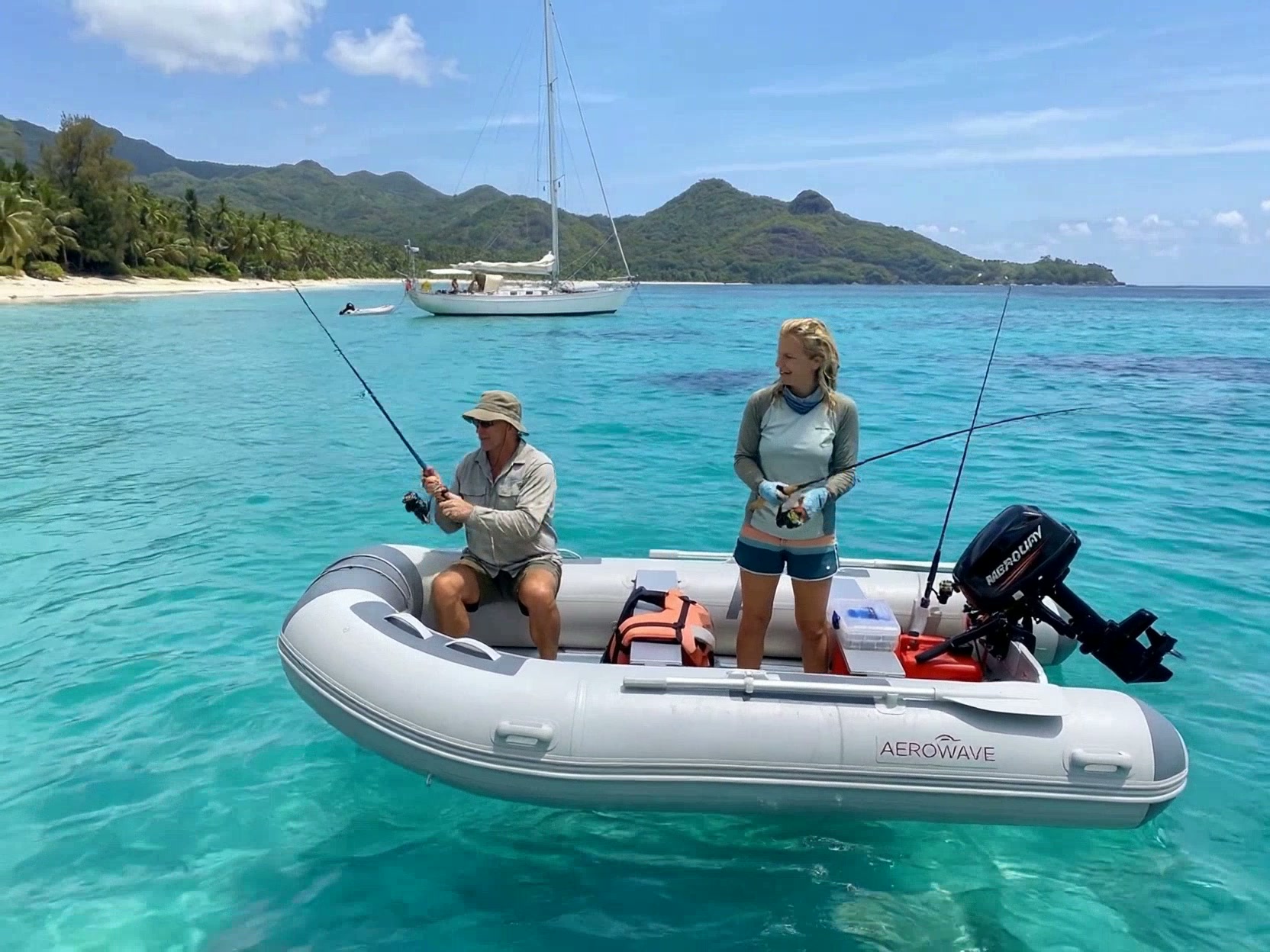
Choosing a Tender for Your Yacht: The Australian Buyer's Guide
How to choose a yacht tender in Australia: davit weight, stowage, real load, soft-hull vs RIB, tender size and the right outboard for the whole system.
Our recommendation
Aerowave Swift Tender 290 SI
Length
290cm / 9'6"
Width
152cm / 4'11"
Tube diameter
42cm
Chambers
3+1
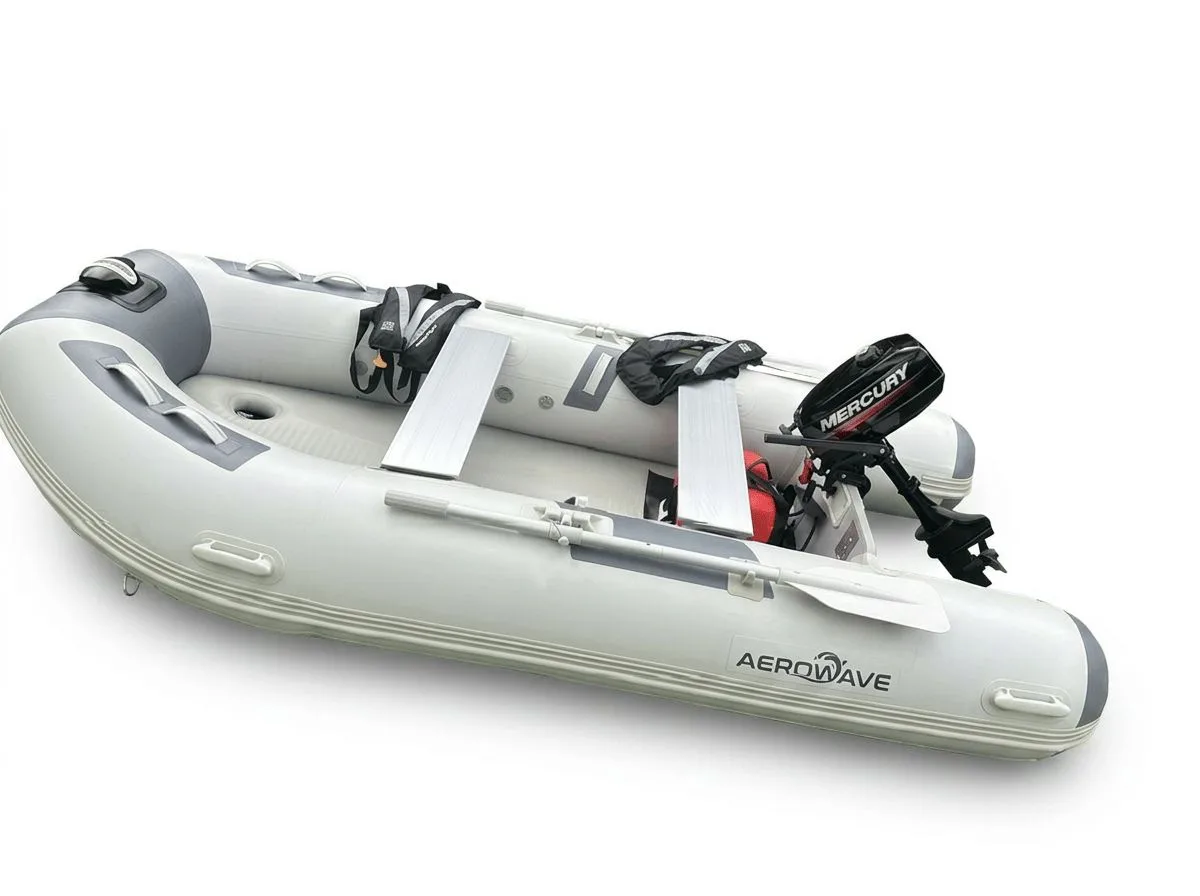
A yacht tender should make time on the water feel effortless: a dependable link between your vessel and the shore, an easy way to bring guests aboard, and a practical carrier for provisions. The right choice is not necessarily the biggest or fastest tender boat. It is the one that suits your yacht’s storage and lifting arrangements, carries your usual load comfortably, and can be handled safely by the people who use it.
This guide covers the key considerations for choosing a yacht tender in Australia, including tender size, davit weight, stowage, stability and outboard pairing.
Start with your yacht’s limits
Yacht length offers a rough starting point, but it does not determine which tender will fit. Two yachts of the same length may have very different davit capacities, stern layouts, locker openings and usable deck space.
Before comparing models, measure the space where the tender will be carried or stored. Check the clear width between davits, the lifting-point spacing and the opening of any locker or garage. If the tender will be stowed inflated, include room for its full width, motor and fittings. If it will be deflated, check that its packed dimensions will fit through the opening and into the storage space.
Ask the yacht or davit manufacturer about the system’s safe working load and any restrictions on lifting position or centre of gravity. Confirm whether the stated rating applies to the complete davit system or to each arm. A tender that looks right on deck may still be unsuitable if it overburdens the lifting system or obstructs other equipment.
A useful rule is to choose the smallest tender that safely serves your regular crew and purpose. Published size ranges by yacht type are useful starting points, but they are no substitute for checking your own yacht’s measurements and limits.
Calculate the complete lifting weight
A catalogue hull weight is only one part of the load your davits may need to lift. Work out the weight of the tender as you intend to carry it, including the outboard, fuel, battery if applicable, lifting bridle, safety equipment and accessories that will stay aboard.
For example, the published net weight of the Aerowave Swift Tender 290 SI is 52 kg. That figure does not include an outboard or the rest of your equipment. Ask for the weight of the exact engine and package you are considering, then compare the combined figure with your yacht’s lifting limits.
Decide whether the outboard will remain on the tender when it is lifted. Keeping it mounted may make each launch more convenient, but adds weight at the transom and affects balance. Carrying it separately reduces the tender’s hanging load but means the crew must lift, mount and secure it each time. Choose the arrangement your regular crew can manage safely, not just the one that looks simplest on paper.
Where possible, test the actual lifting setup with the tender loaded as it will be used. Confirm that it hangs level, clears the yacht and can be guided and secured without awkward reaching or excessive effort.
Think about the load, not just the number of seats
The passengers are only part of a tender’s real load. Count people by their likely combined weight, then allow for provisions, bags, beach gear, safety equipment, fuel and any other items that will make the trip. A dog, dive kit or shopping for the week can change how the boat sits and performs.
Check the manufacturer’s stated maximum load and maximum number of people, and treat both as limits, not a promise of comfortable operation in every condition. Pay attention to freeboard and trim with the load spread sensibly. Everyone should be able to board without creating an unstable crowd at one end or side.
For a yacht tender, stability at the pickup matters as much as capacity underway. Guests may step down from a swim platform, transfer from a ladder or move aboard with wet hands and luggage. A soft-hull inflatable catamaran’s twin-hull footprint and buoyant tubes can provide a steady-feeling platform at rest and a gentle contact point alongside the yacht. The experience still depends on the model, load distribution and conditions, so assess the specific tender rather than assuming all catamarans behave alike.
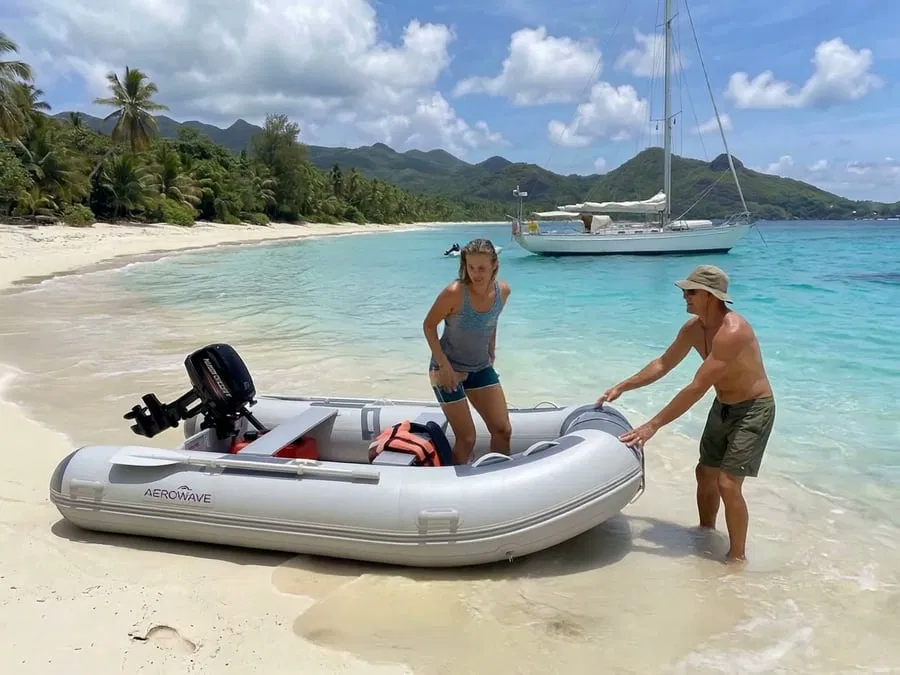
Soft-hull inflatable catamaran or RIB?
A rigid inflatable boat (RIB) combines inflatable tubes with a rigid hull. A soft-hull inflatable catamaran has no rigid hull: its inflatable structure and floor are designed to deflate for storage. For yacht owners, that difference can make a real difference to life aboard.
When deflated, a soft-hull tender can stow flat in a locker or other suitable space, freeing up deck area when it is not in use. If it is stored aboard rather than left in the water, there is no separate mooring to maintain and no rigid hull left in the water that needs antifouling. Its inflatable tubes also provide a forgiving buffer when coming alongside, helping reduce hard contact with the yacht’s topsides.
The trade-off is that a soft-hull boat needs inflation and assembly before use, and it may not have the same handling character as a rigid-hull boat. Allow approximately 15 minutes for setup, depending on the boat, equipment and conditions. Consider how often you will inflate it, where you will do so, and whether the crew is comfortable with the process. Also check how the floor performs under your normal passenger and gear load.
Match tender size to your yacht and use
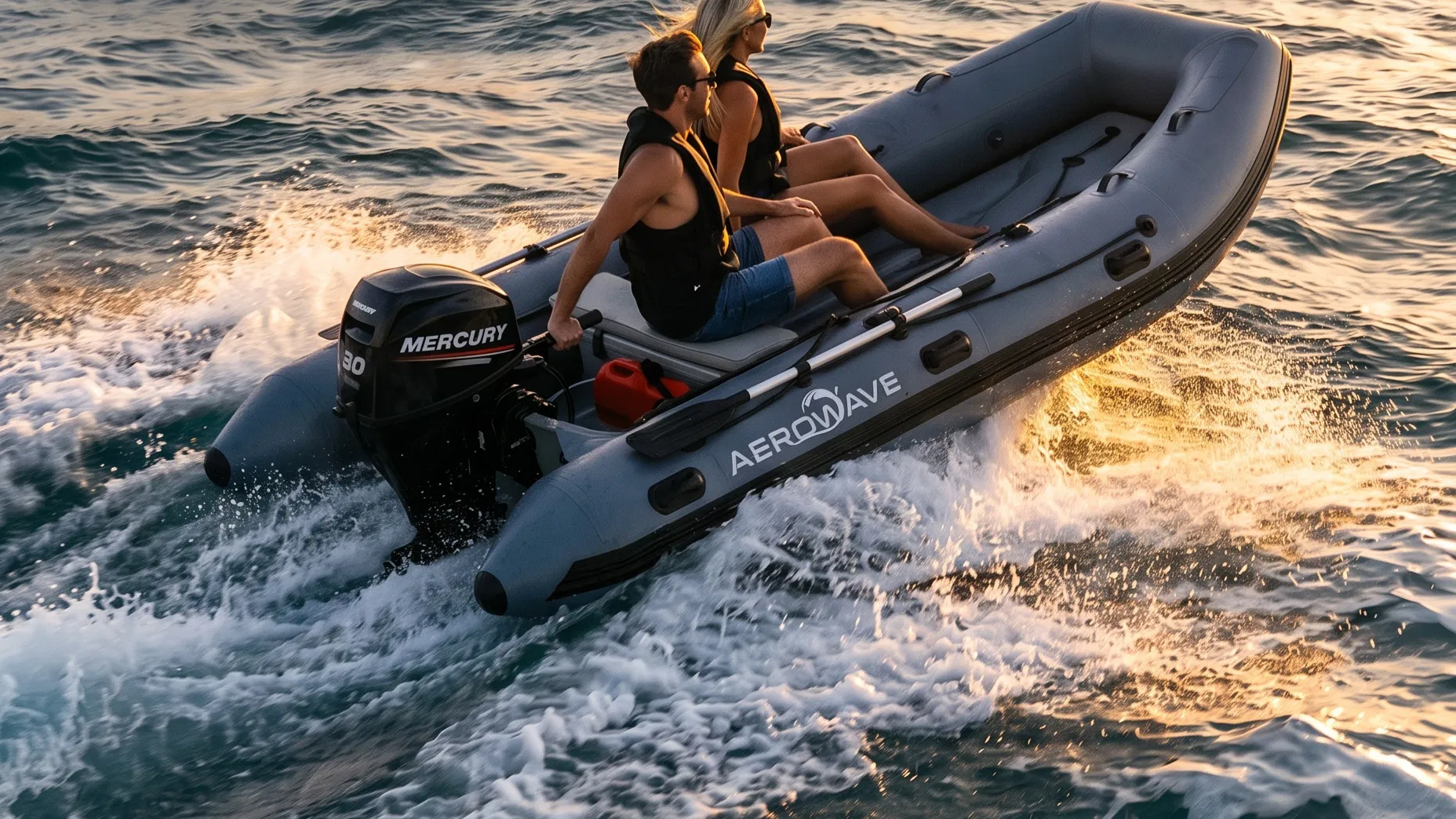
The best tender size balances four things: yacht storage, lifting capacity, passenger and gear load, and the distances you expect to travel. A compact tender may be a good choice for short, sheltered transfers and yachts with limited storage. A larger tender may suit a bigger crew or longer shore runs, but only if your davits, storage and handling arrangements can accommodate it.
As a broad guide, yachts with limited deck or locker space often benefit from a compact, packable tender. For larger cruising yachts, a tender around 2.7–3.0 metres may offer a useful balance of passenger room and stowage, subject to the yacht’s actual davit ratings and available space. Owners of cruising catamarans or yachts with generous stern platforms may be able to consider a larger size, but should still verify loaded weight and lifting geometry.
Consider the trip you make most often. If it is usually two people and a small bag, you may not need the size required for occasional full-crew outings. If you regularly carry guests and provisions, buy for that realistic use while keeping within the tender’s capacity and the yacht’s limits.
For a compact option, the Swift Tender 290 SI is 2.9 metres long, has a published maximum load of 510 kg and is rated for up to four people. Its stated packed dimensions are 110 × 75 × 40 cm. It features 1.2 mm German VALMEX® fabric, a high-pressure AirDeck floor and thermo-welded seams. Confirm the complete package weight and the current outboard limits for your chosen configuration before deciding whether it is suitable for your yacht.
Choose an outboard that fits the whole system
Start with the tender manufacturer’s maximum horsepower, transom limits and recommended shaft length. Never exceed the specified ratings. Then consider the engine’s actual weight as well as its power: a heavier outboard can reduce the load allowance for passengers and equipment, and may make davit handling more difficult.
For short harbour transfers, the simplest suitable engine may be all you need. If you expect to travel farther, carry more people or deal with wind and current, discuss the intended load and conditions with the boat and engine supplier. The goal is a sensible match that gives you reliable control without adding unnecessary weight.
Before ordering, confirm the outboard’s weight, shaft length and mounting compatibility for the exact tender. If you plan to lift the motor separately, make sure the crew can handle that safely. If it will stay mounted, include its weight in your lifting calculation and confirm the tender’s balance with the engine in place.
Construction, compliance and support
A yacht tender works hard: repeated launches, sun exposure, salt, sand and contact with platforms or jetties. Look beyond appearance and ask about fabric, seams, pressure management, repair support and warranty. Robust materials and well-made joins are especially valuable when a tender is used frequently and stored aboard for long periods.
Check Australian registration and safety requirements for the state or territory where you will operate. These can vary by location and use. If a builder’s plate or an exemption is relevant, confirm the applicable requirements with the relevant marine authority. CE certification under the EU Recreational Craft Directive (RCD) 2013/53/EU is European conformity documentation; it does not, by itself, determine Australian registration or replace any Australian requirements that apply.
For tenders used in commercial operations, different standards may apply. The Australian Maritime Safety Authority’s information on non-survey vessels is a useful starting point. Recreational owners should check the current rules with their state or territory marine authority.
Before you choose a yacht tender for sale
Bring these details together before requesting a quote:
- Your available storage dimensions, including access openings.
- Davit safe working load, span and lifting-point arrangement.
- The total weight of the tender, outboard and equipment you intend to carry.
- Your usual passenger and gear load, plus the manufacturer’s capacity limits.
- Your preferred arrangement for lifting and storing the outboard.
- The water conditions and distances you expect to cover.
- Current registration and safety requirements for your operating area.
The best tender is not simply the largest one that fits. It is a well-matched part of your yacht’s system: practical to store, within the lifting limits, comfortable for the people aboard and supported by clear product information.
Explore the Aerowave Tender Series or read more about choosing an inflatable yacht tender. For a tailored recommendation and a free written quote with freight, duty and taxes included, use the Australian quote page. If you would like help assessing your needs first, try the Weekend-Proof Score.
Frequently asked questions
- How do I choose the right size yacht tender?
- Choose the smallest tender that safely serves your regular crew: check stowage space, davit rating, your usual passenger and gear load, and the distances you normally travel.
- How heavy is the Swift Tender 290 SI?
- Its published net weight is 52 kg. Add the outboard, fuel, safety gear and anything left aboard to get the full lifting weight.
- How many people does the Swift Tender 290 SI carry?
- It is rated for up to four people with a maximum load of 510 kg, and up to 15 hp.
- Soft-hull inflatable or RIB for a yacht tender?
- A soft-hull inflatable packs away and is gentle on topsides; a RIB stays rigid and assembled. Choose by stowage, weight limits and how often you use the tender.
- How long does a soft-hull tender take to set up?
- Allow about 15 minutes for inflation and assembly once you are familiar with the process.
- What outboard suits a yacht tender?
- Start with the tender's capacity plate and maximum hp, then match the engine to your usual load and distance. A lighter motor keeps the davit load down.
Finance this boat from $14/week
Estimate only — powered by Australian Motorcycle & Marine Finance (AMMF).
Paid upfront (AUD)
$320
10% of price
Term
5 years
60 monthly repayments
Comparison rate
9.95% p.a.
Subject to AMMF approval
Weekly
$14
Monthly
$61
Amount financed
$2,879
Indicative only. Actual repayments depend on your AMMF credit assessment, term, fees and the balloon you select. Talk to AMMF for a personalised quote on Aerowave Swift Tender 290 SI.
Like this guide? Get the next one in your inbox.
Owner-tested tips and Aussie boating know-how — no spam.
Ready when you are
Build your Swift Tender 290 SI in under 3 minutes.
1500 GSM / 1.2 mm VALMEX® hull. Five-year limited hull warranty. Free freight to United States · taxes included, nothing to pay on arrival.
delivered to your door
See it for yourself
Real boats. Real owners. Real people behind them.
Plenty of what you read online these days is generated. Check us out properly — the factory, the reviews and the owners are all one click away. Why we use AI, and how to check we’re real
How our boats are built
Walk the production line: thermo-welded seams, 1.2 mm VALMEX Heavy Plus hulls, over-pressure relief valves on every chamber.
See the buildGoogle Maps reviews
Real Australian owners, five stars, published on our Google Business Profile with the map — read them there, not just on our own site.
Open Google Maps reviewsOwner stories
Boats in use — offshore, on rivers, on rescue duty. Photos and words from the people who actually own them.
Read owner stories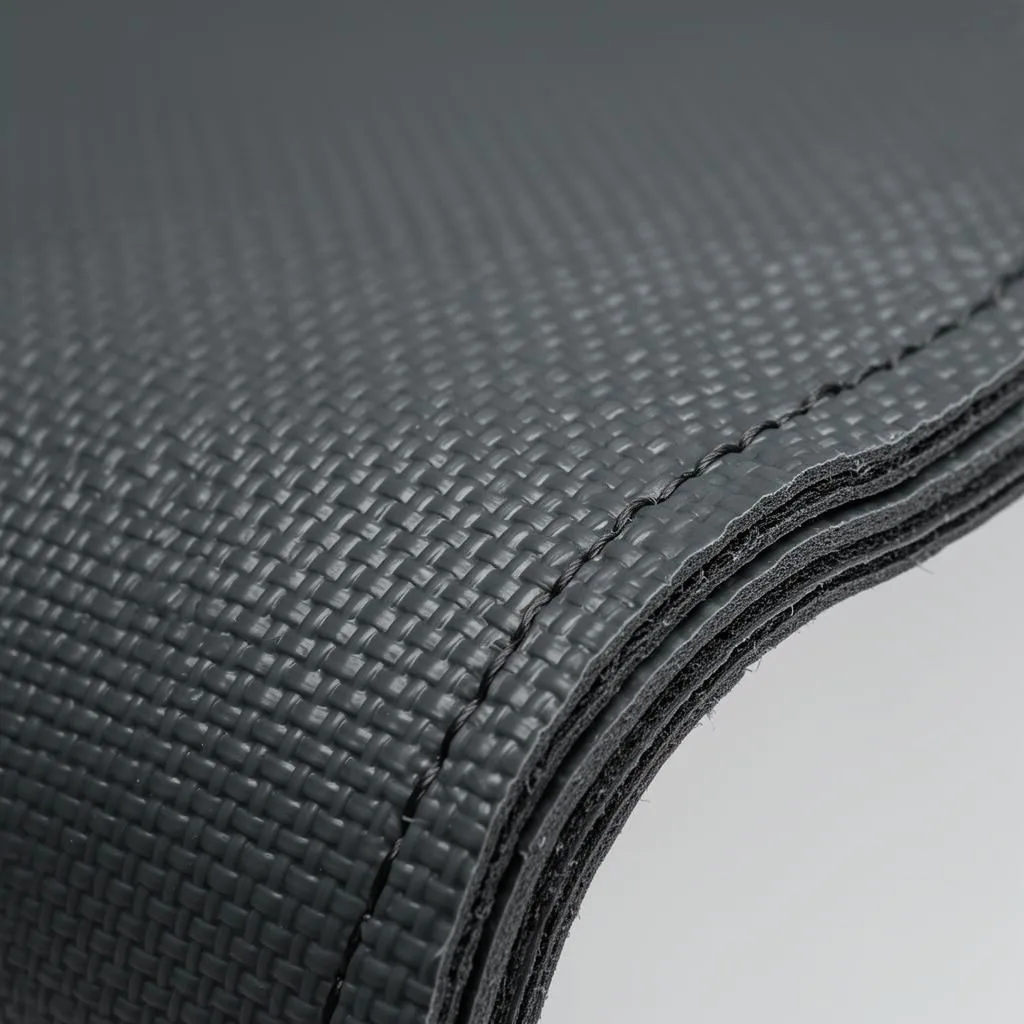

Aerowave Swift Tender 290 SI
US$2,279 USD · delivered to your door