
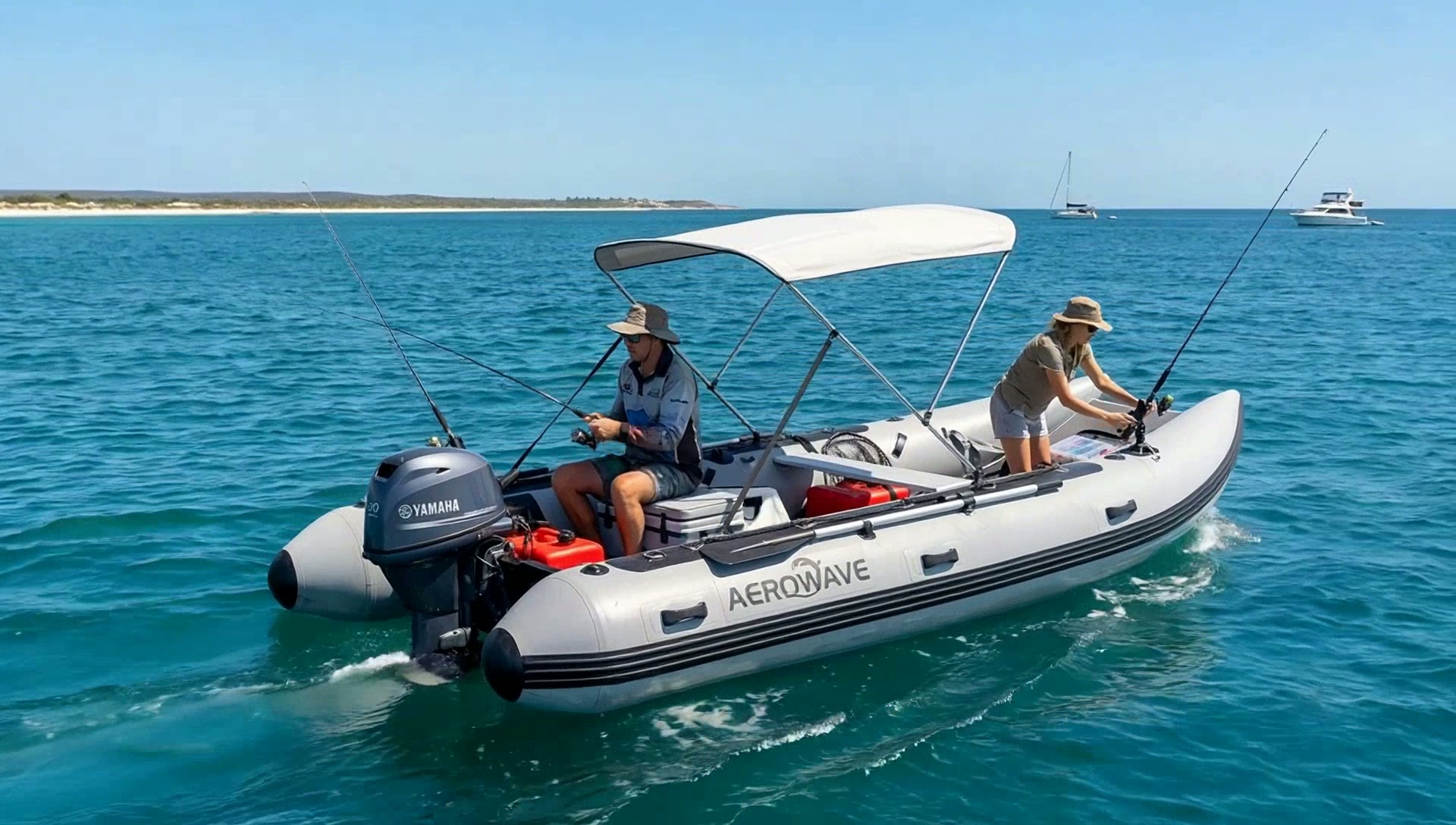
Inflatable Boat Safety Equipment: The 2026 Australian Checklist
What safety gear you must legally carry on an inflatable boat in Australian waters, how the list changes offshore, and the four inflatable-specific items nobody puts on the legal list.
Our recommendation
Aerowave Viper 330
1.2 mm fabric is about 33% thicker than common 0.9 mm fabric: more material between your boat and the water for everyday rubbing and knocks during beach launches. Careful handling still matters.
Length
330cm / 10'9"
Beam
165cm / 65"
Inside Beam
69cm / 27"
Tube Diameter
50cm / 19"
The gear in your boat bag is the difference between an inconvenience and an emergency. On an inflatable, it also has to be gear that survives being rolled up in a garage for six months.
Safety equipment on Australian waters is not a suggestion — it is set by law, it changes with the state you are in, and it changes again the moment you cross from enclosed waters into open water. Inflatable boats are not exempt from any of it.
Here is what you actually need to carry, why each item is on the list, and the practical bits nobody tells you about stowing it in a boat that folds away.
The three zones that decide your list
Every state writes its rules around where you are, not what you are in:
- Enclosed / smooth waters — rivers, most harbours, sheltered bays. The shortest list.
- Partially smooth waters — the transition zone, often further out in a harbour or estuary.
- Open / coastal waters — anything beyond the heads. The longest list, and the one where the gear earns its keep.
Work out which zone your usual launch sits in before you buy a single item. Most inflatable owners we speak to run in the first two zones and occasionally cross into the third.
The core kit — carried in every state, in every zone
1. Lifejackets
One correctly sized, in-date lifejacket for every person on board. Level 100 or higher for open water in most states; Level 50 or 50S may be acceptable in smooth waters. Children have specific wear rules in most jurisdictions — in a boat under 4.8 m, kids often must wear one at all times underway.
Inflatable-style lifejackets need servicing to the manufacturer schedule. A jacket that failed its service is not a compliant jacket.
2. Bailer or bilge pump
A bucket with a lanyard is compliant, cheap and works when a battery does not. On an inflatable with a self-draining transom you will still want one.
3. Anchor with chain and rope
Sized to the boat and matched to the bottom you anchor on. On a light inflatable, an anchor is also your best tool if the motor stops — it stops you drifting while you sort the problem out.
4. Waterproof torch
Required if you are ever out at night, and worth having regardless.
5. Sound signal
A whistle or air horn. Twenty grams of gear that makes you findable.
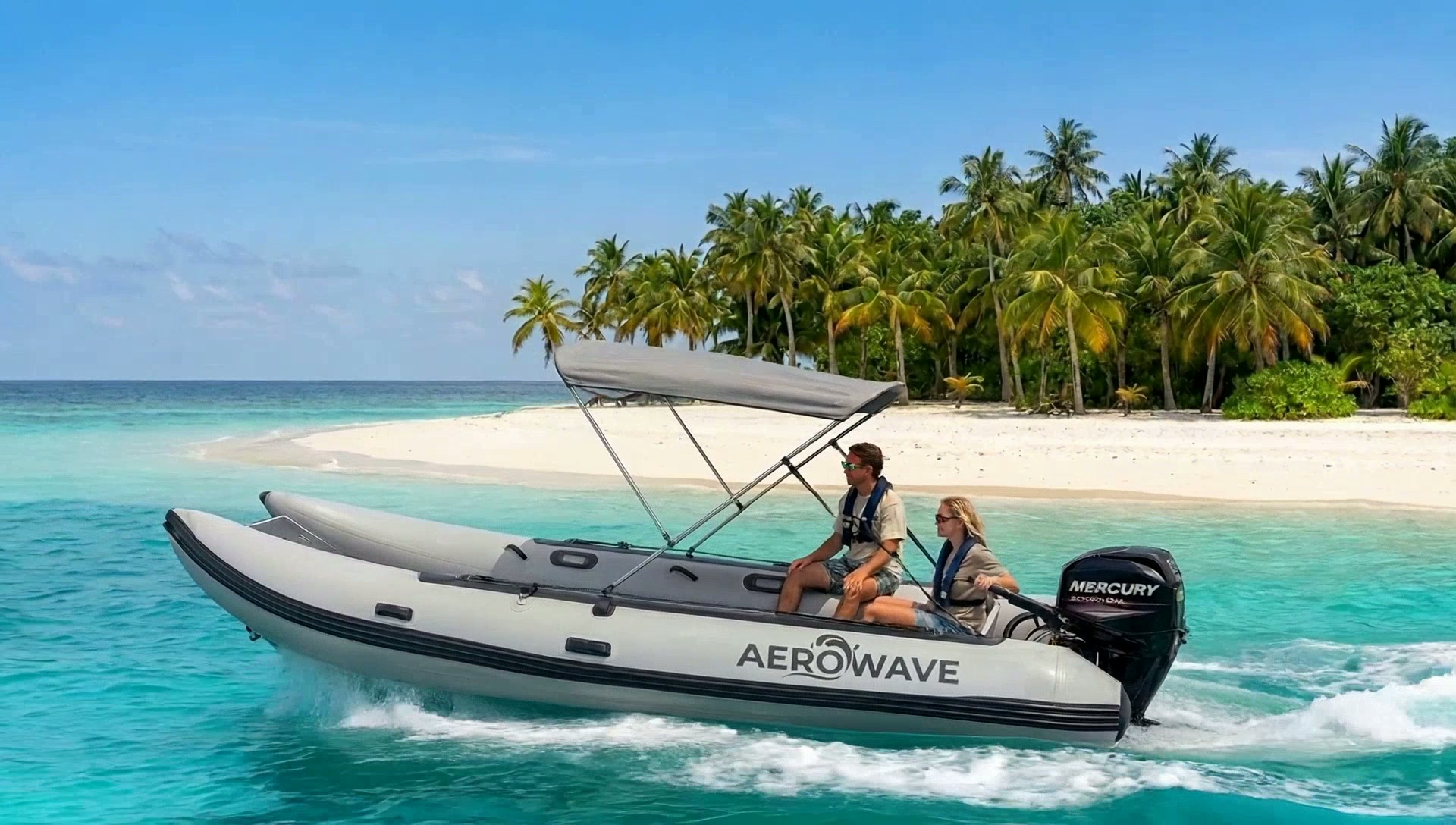
What gets added offshore
Once you are in open water, most states add:
- Flares — typically two red hand-held and two orange smoke, in date. They expire; diarise it.
- EPIRB — a registered 406 MHz beacon, registered free with AMSA, generally required beyond a set distance offshore.
- Compass or GPS — a phone alone is not a plan.
- Fire extinguisher — required where fuel is carried in portable tanks, which covers almost every inflatable running an outboard.
- Marine radio — mandatory in some states beyond a set distance; sensible everywhere.
- Drinking water — several states specify a minimum quantity per person.
Confirm exact quantities with your authority: AMSA, NSW boating, Maritime Safety Queensland, Department of Transport WA.
The inflatable-specific gear nobody lists
The legal list is written for boats generally. These four items matter specifically because your hull is fabric and air.
1. A pump you can reach underway
Not the one in the boot of the car. Tube pressure drops on a cold morning and climbs in the afternoon sun. Carry a hand pump you can get to without unpacking the boat.
2. A pressure gauge
Guessing tube pressure by thumb is how people end up running soft, which kills handling and stresses seams. A cheap gauge takes ten seconds.
3. A repair kit with the right glue and a fabric patch
Matched to your hull material. A patch and glue in a dry bag has saved more weekends than any other item on this page. If you want the detail, read why over-pressure relief valves matter.
4. Spare kill-cord and a basic tool roll
Plug spanner, spare split pins, cable ties, a spare kill-cord lanyard. A kill cord left at home ends the day before it starts.
How to stow it all in a boat that packs away
The mistake is keeping safety gear in the boat between trips. It gets rolled up, crushed, forgotten and out of date.
Better system:
- One dry bag, permanently packed — flares, torch, whistle, first aid, repair kit, gauge. It lives with the boat bag, not in the boat.
- Lifejackets in a separate bag so they are never squashed under an outboard.
- A laminated checklist taped inside the lid of your tool box with expiry dates for flares, EPIRB battery and lifejacket service.
- Clip the anchor bag to a D-ring so it cannot move around underway.
Every Aerowave boat has bonded D-rings and lifting handles built for exactly this kind of use — see why D-rings and handles peel off cheaper boats and why the bonding method matters.
Before you launch: the 60-second check
- Tube pressure checked with the gauge, all chambers.
- Kill cord on, and it stops the motor when pulled.
- Lifejackets on board and sized for who is actually aboard today.
- Flares and EPIRB in date.
- Fuel enough for out, back, and a decent margin — see our fuel range guide.
- Someone ashore knows where you are going and when you will be back.
Registration and licensing sit alongside this list — our inflatable boat registration guide covers the thresholds in each state.
Buying a boat that makes the list easy
A boat with proper bonded D-rings, real handles, a self-draining transom and dry stowage makes carrying the right gear simple. A boat without them makes it a nuisance, and gear that is a nuisance gets left at home.
- See all Aerowave inflatable boats and prices
- Viper Series catamarans
- AeroCat 380
- Swift Series tenders
Want a hand matching gear to where you launch? Call +61 2 4335 1603 or run the 2-minute Weekend-Proof Score and we will tell you what your setup is missing.
Frequently asked questions
- What safety equipment is required on an inflatable boat in Australia?
- At minimum a correctly sized lifejacket for every person, a bailer or bilge pump, an anchor with chain and rope, a waterproof torch if you go out at night, and a sound signal. Open water adds flares, an EPIRB, a compass or GPS, a fire extinguisher where portable fuel is carried, and in some states a marine radio and drinking water.
- Do inflatable boats need an EPIRB?
- In most states an EPIRB is required once you go beyond a set distance offshore, typically two nautical miles. It is free to register your 406 MHz beacon with AMSA and worth carrying whenever you leave sheltered water.
- What level lifejacket do I need on an inflatable boat?
- Level 100 or higher is the usual requirement for open water; Level 50 or 50S may be acceptable in smooth waters. In boats under 4.8 m, most states require children to wear one at all times underway.
- Do I need a fire extinguisher on an inflatable boat?
- Generally yes if you carry fuel in a portable tank, which covers almost every inflatable running an outboard. Check your state requirement for the rated size.
- What extra gear should an inflatable boat carry that other boats do not?
- A hand pump you can reach underway, a pressure gauge, a repair kit with the correct glue and a matching fabric patch, and a spare kill cord. None are on the legal list, and all four regularly save a day on the water.
Finance this boat from $24/week
Estimate only — powered by Australian Motorcycle & Marine Finance (AMMF).
Paid upfront (AUD)
$550
10% of price
Term
5 years
60 monthly repayments
Comparison rate
9.95% p.a.
Subject to AMMF approval
Weekly
$24
Monthly
$105
Amount financed
$4,945
Indicative only. Actual repayments depend on your AMMF credit assessment, term, fees and the balloon you select. Talk to AMMF for a personalised quote on Aerowave Viper 330.
Like this guide? Get the next one in your inbox.
Owner-tested tips and Aussie boating know-how — no spam.
Ready when you are
Build your Viper 330 in under 3 minutes.
1500 GSM / 1.2 mm VALMEX® hull. Five-year limited hull warranty plus two years of extended limited structural hull cover, subject to conditions. Free freight to United States · taxes included, nothing to pay on arrival.
delivered to your door
See it for yourself
Real boats. Real owners. Real people behind them.
Plenty of what you read online these days is generated. Check us out properly — the factory, the reviews and the owners are all one click away. Why we use AI, and how to check we’re real
How our boats are built
Walk the production line: thermo-welded seams, 1.2 mm VALMEX Heavy Plus hulls, over-pressure relief valves on every chamber.
See the buildGoogle Maps reviews
Real Australian owners, five stars, published on our Google Business Profile with the map — read them there, not just on our own site.
Open Google Maps reviewsOwner stories
Boats in use — offshore, on rivers, on rescue duty. Photos and words from the people who actually own them.
Read owner stories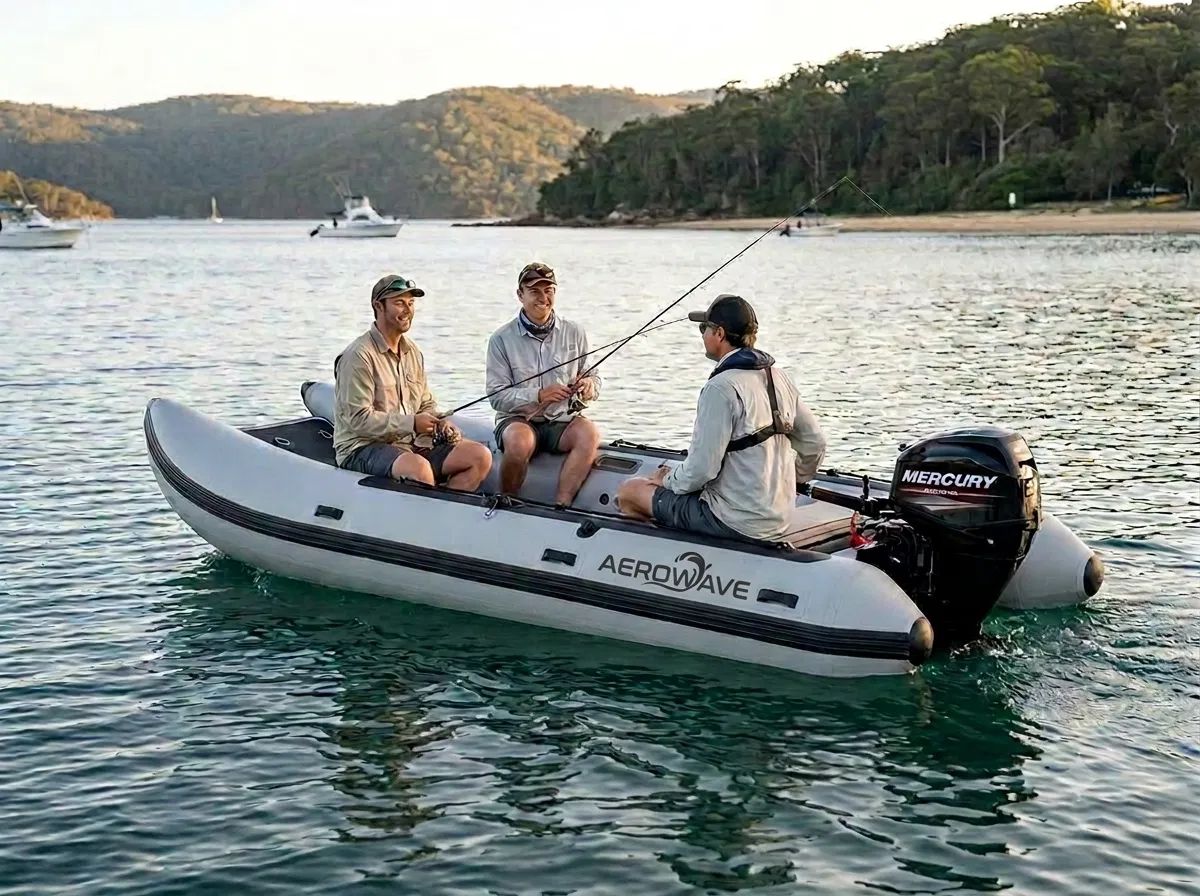
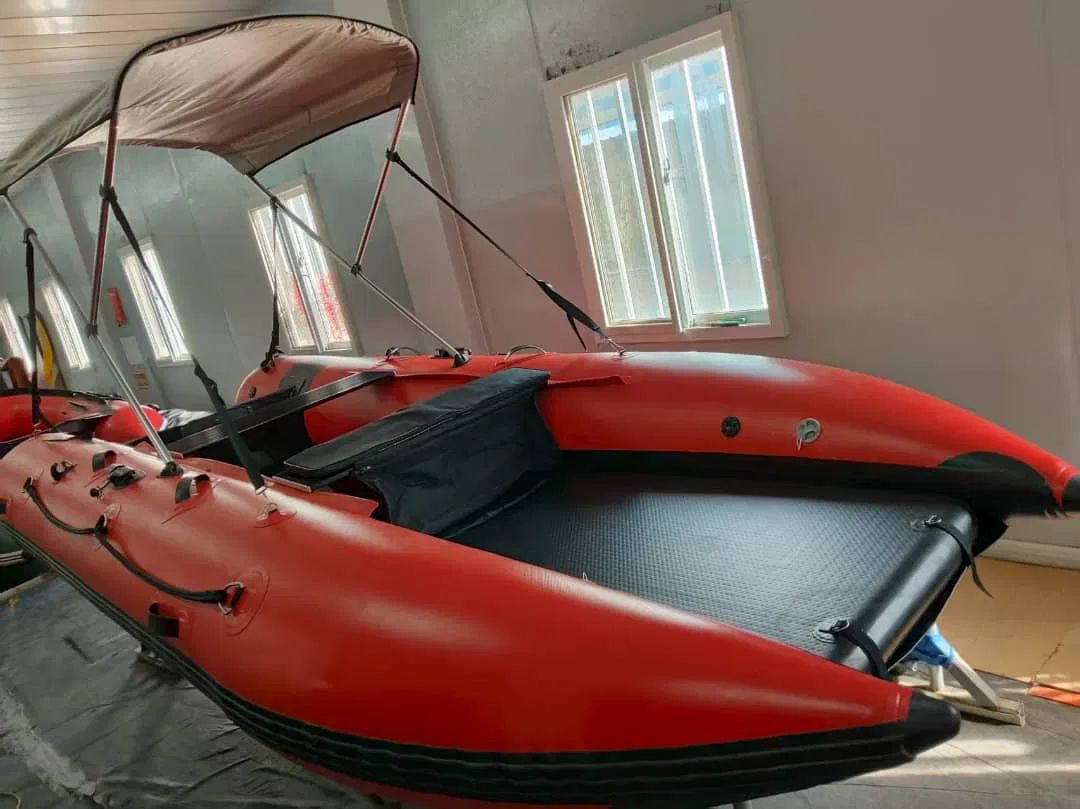
Aerowave Viper 330
US$4,187 USD · delivered to your door