Inflatable Boat with Motor Australia: The 2026 Buyer's Guide (RIBs, Catamarans, Roll-ups)
The honest 2026 buyer's guide to inflatable boats with motors in Australia. RIB vs catamaran vs roll-up, fabric grades, motor sizing, and what premium actually means — from the people who build them.
At a glance
The honest 2026 buyer's guide to inflatable boats with motors in Australia. RIB vs catamaran vs roll-up, fabric grades, motor sizing, and what premium actually means — from the people who build them.
- The short answer
- RIB, roll-up, or inflatable catamaran?
- Rigid-hull inflatable (RIB)
- Roll-up / slatted inflatable
What we'd put you in
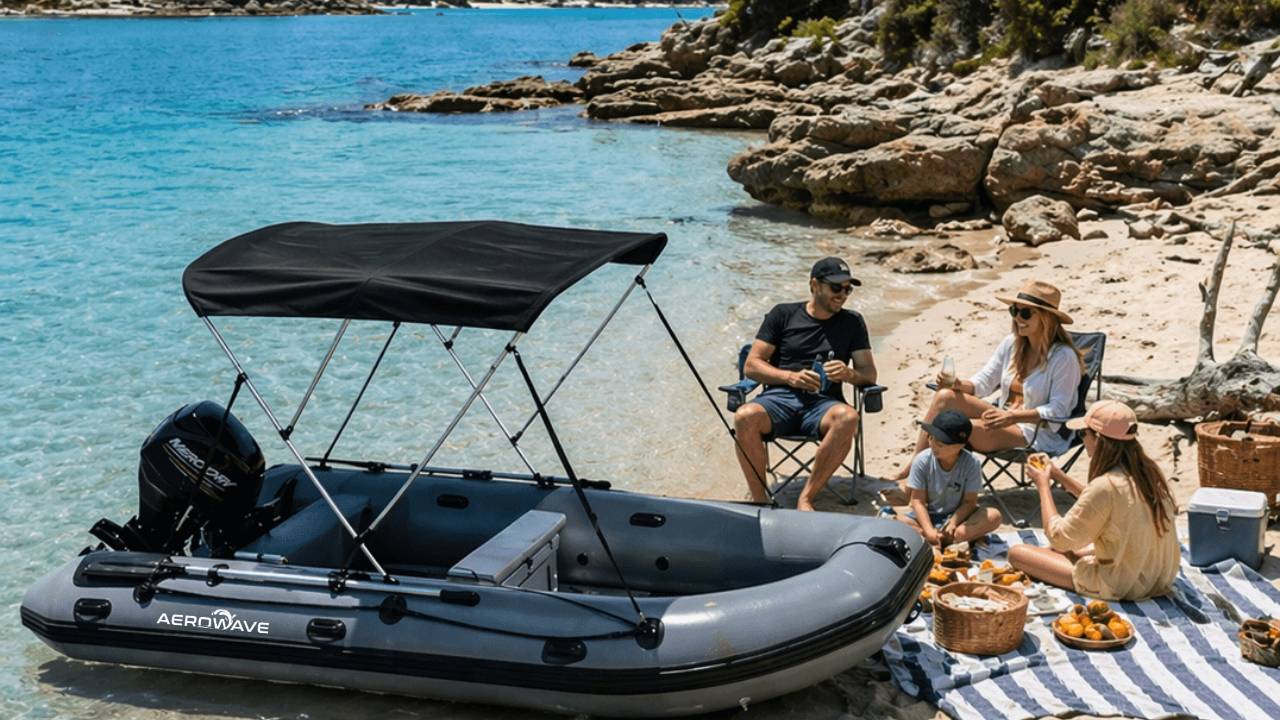
Aerowave Viper 400 Sovereign
If you're reading about catamarans, this is the one we build most of.
US$3,167 USD
Delivered to your door, today's rate
- Free freight to United States · local taxes payable on arrival
- 7-year hull warranty
🇺🇸 Shipping to United States · landed price quoted in writing
Yes — we ship the Aerowave Viper 400 Sovereign to United States. Here's the landed price.
If you're reading about catamarans, this is the one we build most of.
Written for Australian readers — but the boat ships to you. We are an Australian builder and this article is written from Australian waters. That changes nothing about what you can order: the same hull, the same 7-year warranty and the same certification go out to United States every week.
Aerowave Viper 400 Sovereign
- Boat package (export price)
- US$3,726
- 15% tariff relief credit
- − US$559
- Express air freight to United States
- Included
- Import duty, taxes & customs clearance
- Payable on arrival
- Estimated landed, USD
- US$3,167
Indicative, converted at today's rate, before local duty and tax on arrival. Ask below and we'll put a fixed figure in writing, valid 30 days.
- 7-year hull warranty
- 1500 GSM / 1.2 mm VALMEX® Heavy Plus hull
- CE certified to ISO 6185-3 and EU Directive 2013/53/EU
- Door-to-door, tracked the whole way
Your price, delivered to your door — freight included.
We email the full PDF quote (spec, freight, finance, WavePay) to your inbox in under 60 seconds. No spam — one quote, one follow-up.
See it for yourself
Real boats. Real owners. Real people behind them.
Plenty of what you read online these days is generated. Check us out properly — the factory, the reviews and the owners are all one click away. Why we use AI, and how to check we’re real
How our boats are built
Walk the production line: thermo-welded seams, 1.2 mm VALMEX Heavy Plus hulls, over-pressure relief valves on every chamber.
See the buildGoogle Maps reviews
Real Australian owners, five stars, published on our Google Business Profile with the map — read them there, not just on our own site.
Open Google Maps reviewsOwner stories
Boats in use — offshore, on rivers, on rescue duty. Photos and words from the people who actually own them.
Read owner storiesIf you've Googled inflatable boat with motor, you've already worked out the truth most boat-shop salesmen won't tell you: you don't need a $40,000 aluminium plate boat to fish, dive, tender off a yacht, or run the family across the bay. You need a hull that handles real Australian conditions, packs into the boot of a hatchback, and turns up at your door ready to launch.
This is the 2026 buyer's guide we wish existed when we started building boats. It cuts through the marketing — RIB vs roll-up vs catamaran, fabric grades, motor sizing, certification, what "premium" actually means once the wind picks up.
The short answer
For most Australian buyers in 2026:
- 3.0 – 3.5 m — tender, two-up fishing, calm estuary work. Outboard: 6–10 HP.
- 3.6 – 4.0 m — family weekends, 3-up fishing, sheltered bays, comfortable in mild chop. Outboard: 15–20 HP.
- 4.0 m+ — open coast, 4 adults, longer runs, towing inflatables. Outboard: 25–30 HP.
The hull material matters more than the brand badge. The motor pairing matters more than the horsepower number. We'll show you why.
RIB, roll-up, or inflatable catamaran?
Three hull styles dominate the market. Each has a job it does well.
Rigid-hull inflatable (RIB)
A fibreglass or aluminium V-hull bonded to inflatable tubes. Excellent in open water and chop, fast on the plane, but heavy (often 90 kg+ before the motor) and not packable — you need a trailer and somewhere to store it. RIBs are what coast guards, dive charters, and superyacht crews use when storage and weight aren't a constraint.
Roll-up / slatted inflatable
A traditional soft inflatable with a fabric floor and timber or aluminium slats. Cheap, light, packs small, but the floor flexes underfoot and the hull design loses efficiency at planing speed. Fine as a yacht tender for short hops. Frustrating as a fishing platform.
Inflatable catamaran (twin-hull)
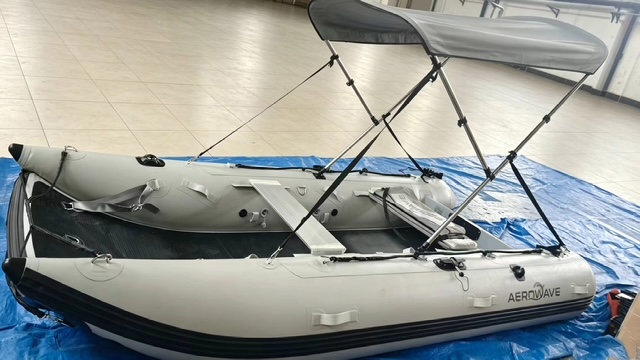
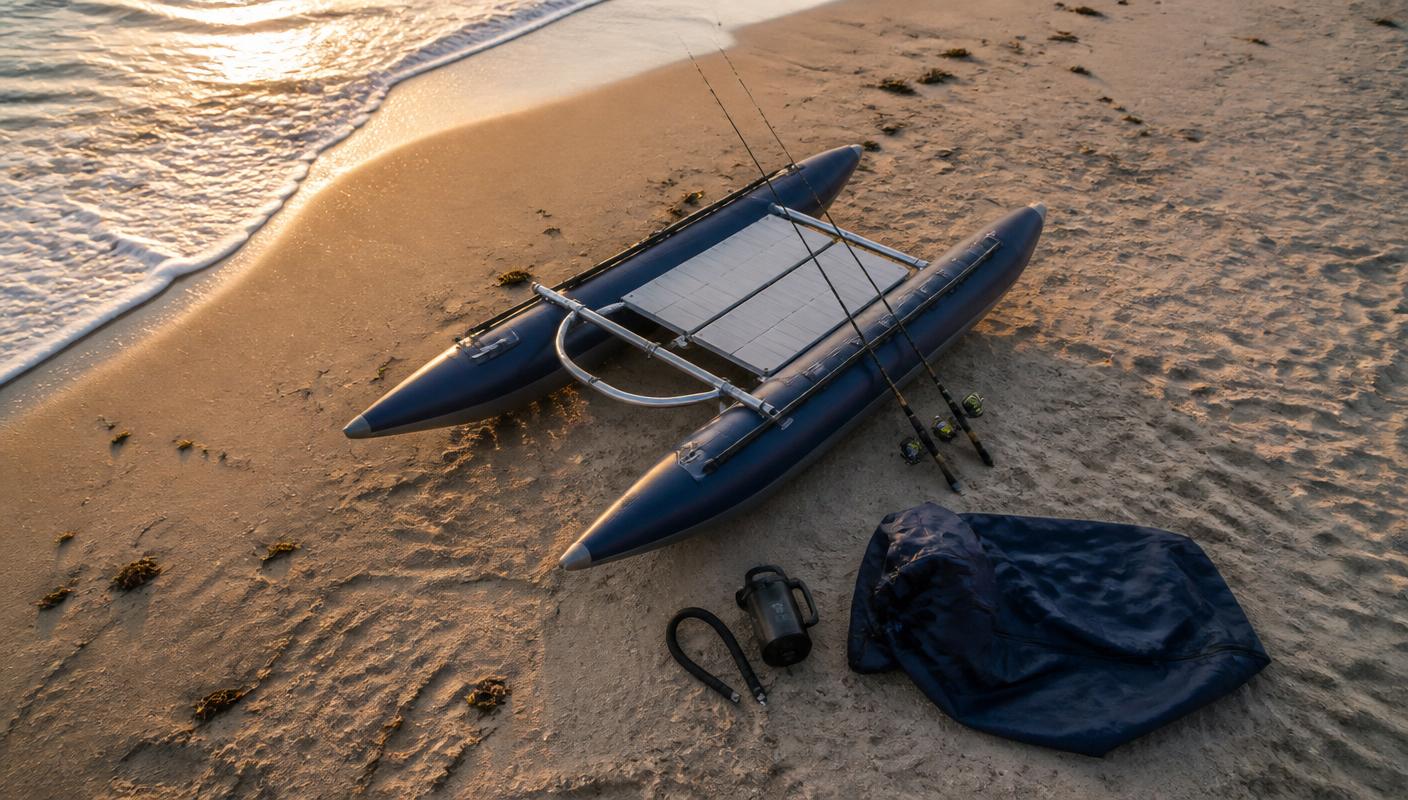
Two parallel inflatable hulls joined by a rigid transom and an inflatable air-deck floor. Modern catamarans like our Aerowave Viper and AeroCat ranges hit a sweet spot most Australian buyers don't even know exists:
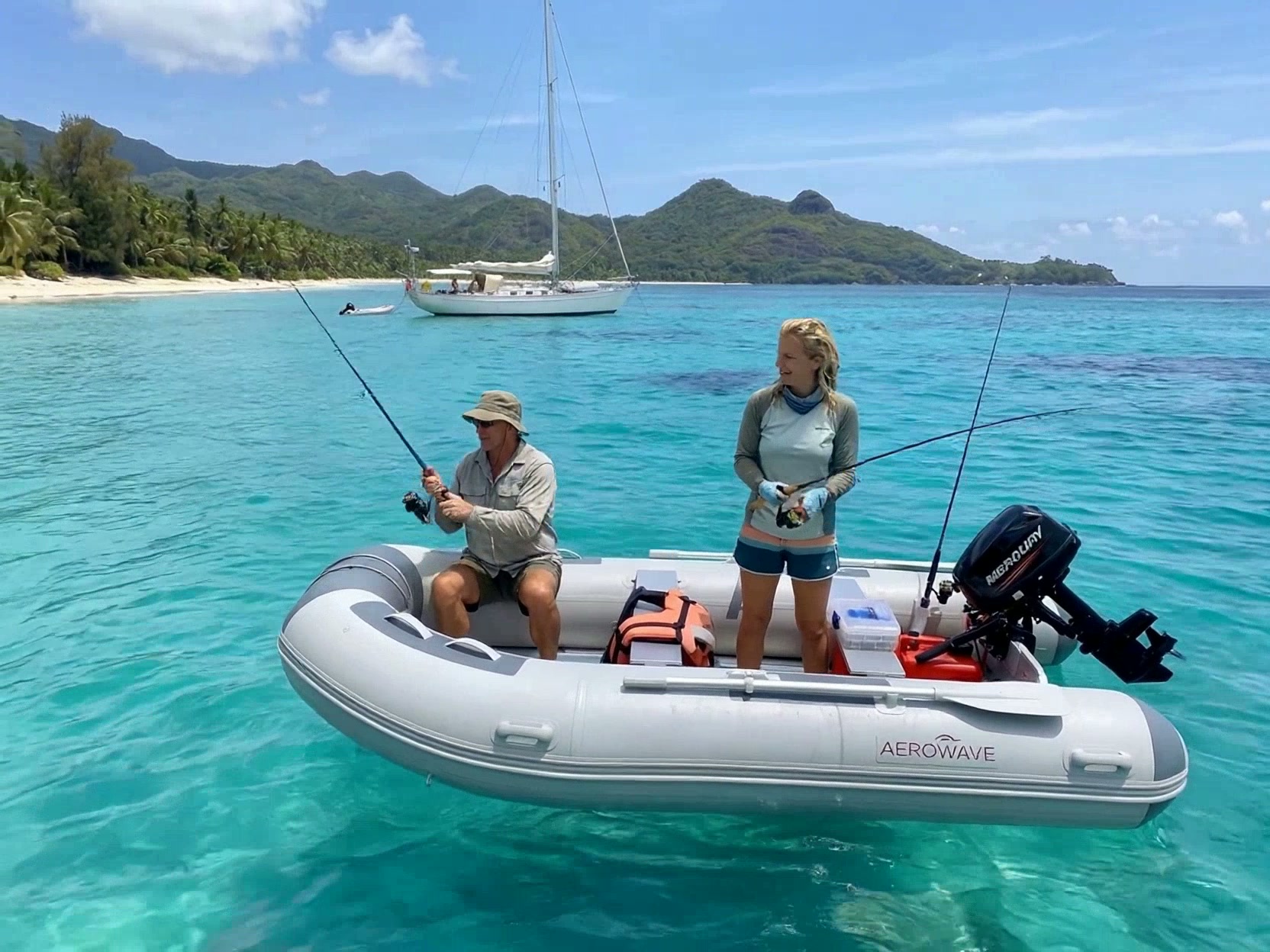
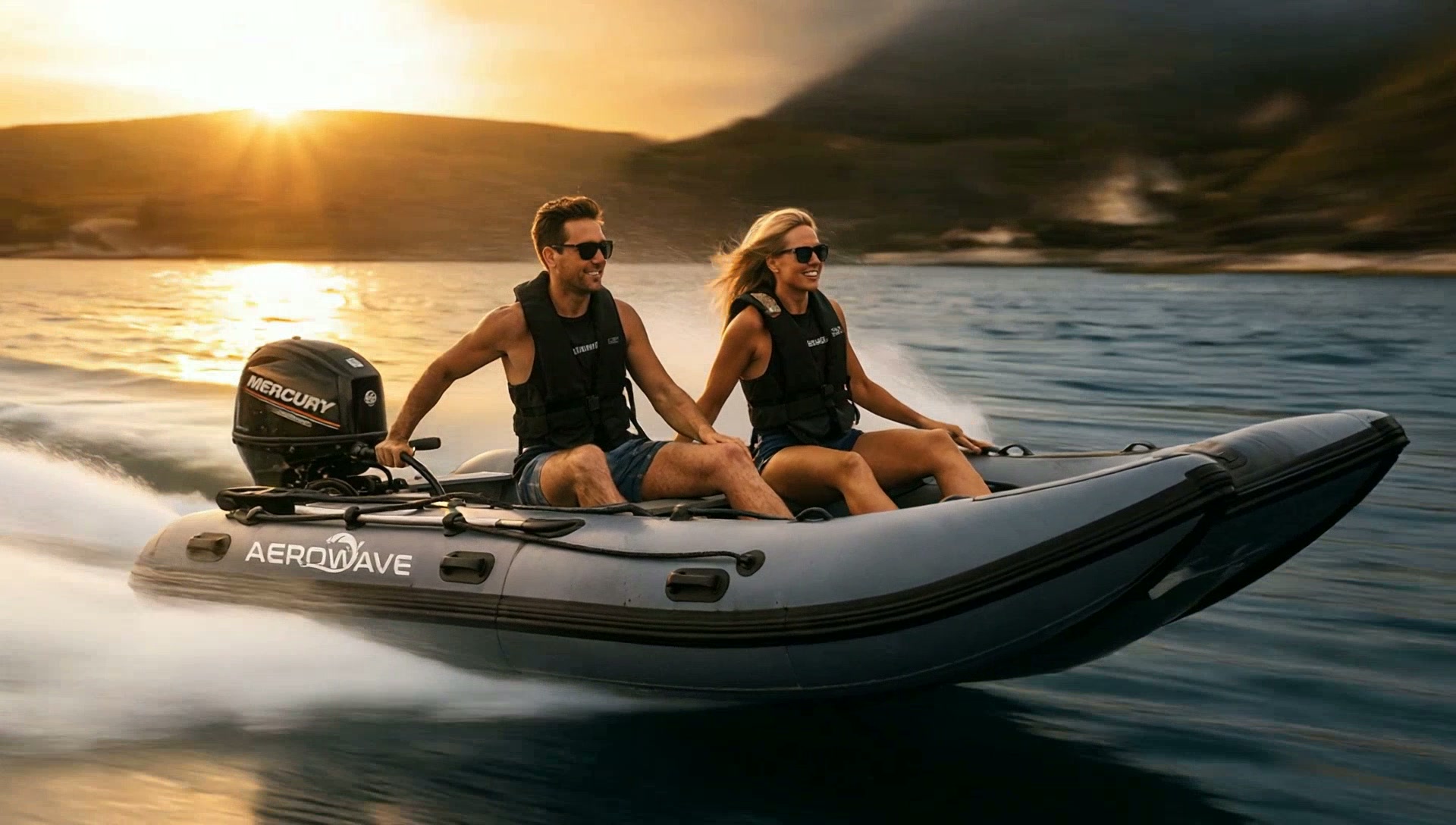
- Plane on small horsepower (a 9.9 HP four-stroke will plane a 3.3 m cat with two adults aboard)
- Massive stable deck for fishing, diving, or kids
- Pack down into a single travel bag — fits in the back of a sedan
- Soft ride in chop because the twin hulls cushion the slam
- CE certified to ISO 6185-3 and EU Directive 2013/53/EU
If you don't need the all-weather speed of a RIB, a catamaran is almost always the better answer. Lighter, cheaper to power, easier to store, and you can launch off a beach where a trailerable boat physically can't go.
Fabric: 0.9 mm vs 1.2 mm — what the salesman won't volunteer
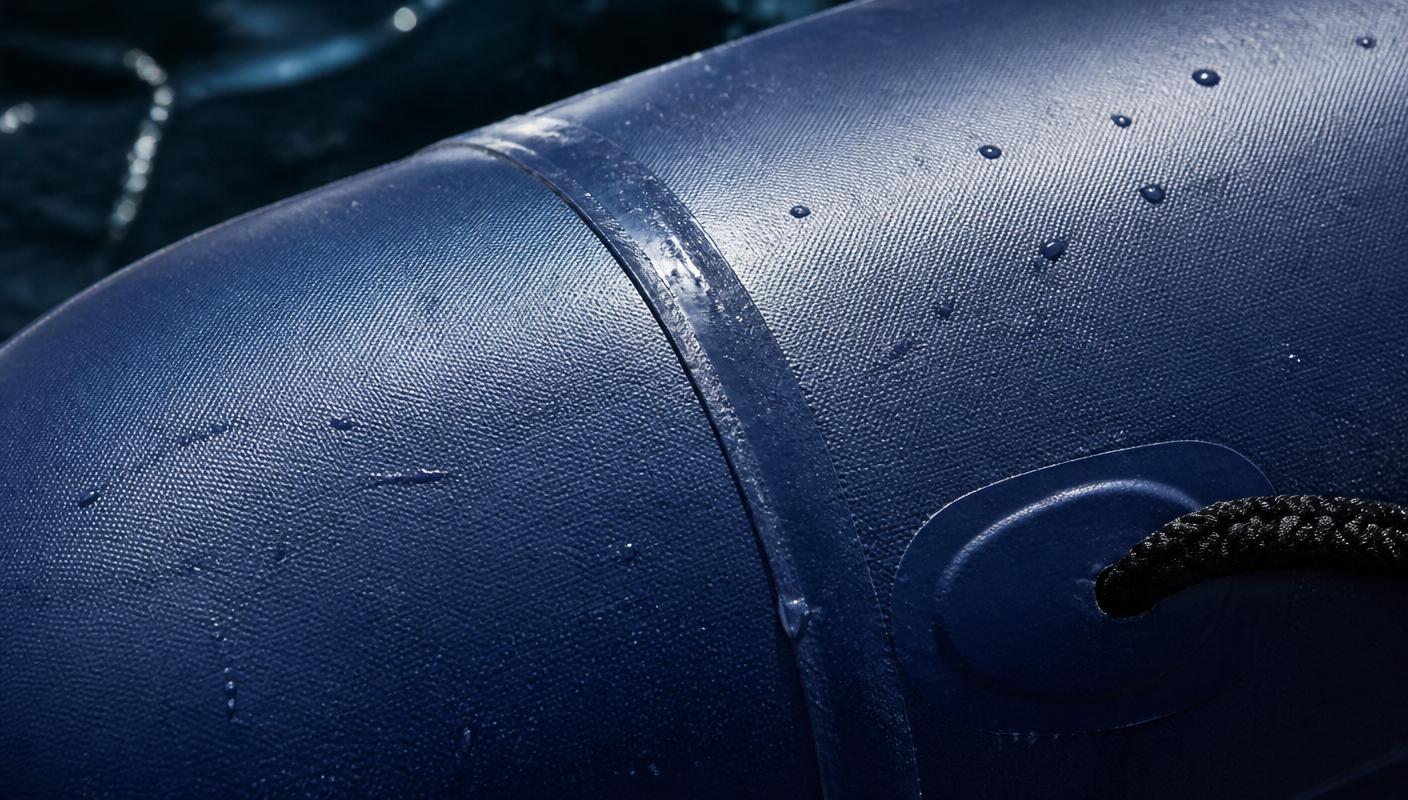
Every Australian-sold inflatable advertises "German VALMEX" or "heavy-duty PVC". Most of them are running 1100 GSM / 0.9 mm fabric — the entry-grade weave. It's fine. It will last 8–10 years in average use.
Premium hulls run 1500 GSM / 1.2 mm VALMEX® Heavy Plus. The difference shows up in three places:
- Oyster leases, rocky ramps, sandy beaches. Thicker tubes shrug off abrasion that thins out 0.9 mm in months.
- UV life. Australian sun is brutal. The thicker laminate carries more UV stabiliser and stays soft and supple for 10–12 years rather than going chalky and brittle at year 6.
- Air retention. Heavier fabric holds pressure longer between top-ups — you'll re-inflate weekly instead of every trip.
Both grades are excellent. The question is which one matches the abuse your boat will actually cop. Yacht tenders in sheltered marinas? 0.9 mm is fine. Fishing rocky headlands and dragging up beaches? Spend the extra $1,000 on 1.2 mm — you'll get those dollars back at trade-in time.
Always ask for the GSM and thickness together. "0.9 mm" alone means nothing without the weave weight. A spec sheet that won't list GSM is hiding something.
What size motor for an inflatable boat?
The single most common mistake we see: people over-power. A 30 HP motor on a 3.3 m cat doesn't make it faster than 25 HP — it just makes it heavier, harder to lift onto the transom, and burns 40% more fuel.
Use this as a rough guide (modern four-stroke outboards, two adults, fishing load):
| Hull length | Cruise HP | Max recommended HP | Top speed (loaded) |
|---|---|---|---|
| 3.0 m roll-up | 6 HP | 10 HP | 12 kn |
| 3.3 m catamaran | 9.9 HP | 15 HP | 18 kn |
| 3.6 m catamaran | 15 HP | 20 HP | 22 kn |
| 4.0 m catamaran | 20 HP | 30 HP | 25 kn |
| 4.0 m RIB | 25 HP | 50 HP | 30 kn |
Four-stroke beats two-stroke for inflatables. Lower vibration is kinder to glued seams, fuel economy is dramatically better on long days, and electric-start models add maybe 8 kg — worth it when you're alone on the water.
Yacht tender or beach launcher?
Two different use cases push you toward different boats.
Yacht tender. Davit-friendly weight matters most. Look for a packable inflatable catamaran under 45 kg dry — it'll lift onto a 38–50 ft yacht's davits with two crew. The flat deck doubles as a swim platform. Tubes won't gouge the topsides like a RIB will.
Beach launcher. Weight on the wheels matters. A 4.0 m cat with a launch trolley and a 25 HP outboard is the most boat you can comfortably wheel down a soft-sand ramp without a tractor. Anything bigger needs a trailer.
What "premium" actually means
Marketing words are cheap. Here's what we look for on a spec sheet before we'd buy any inflatable:
- Fabric: GSM and mm thickness listed openly. 1100 GSM / 0.9 mm is entry, 1500 GSM / 1.2 mm is premium.
- Seams: high-frequency thermo-welded, not glued. Glued seams fail first in Australian heat.
- Air chambers: minimum 3, ideally 4–5. One puncture should never sink the boat.
- Over-pressurisation valves fitted as standard. Hot afternoon on a dark beach = expanding air. Without relief valves, seams blow.
- Aluminium transom (4 mm minimum) — not marine ply skinned in fibreglass. Ply rots; aluminium doesn't.
- CE certification to ISO 6185-3. The boat has been tested, not just designed.
- Real warranty — minimum 5 years on the hull, ideally 7. Anything less is a tell.
Buying in Australia in 2026: shipping, finance, and how to not get burned
Two industry shifts have made it dramatically cheaper to buy a premium inflatable in 2026:
- Air freight from the factory has collapsed to A$810 contribution per hull for 7–14 day door-to-door delivery. Free sea freight (30–40 days) is also still available.
- AMMF finance is available on the same approval that car loans use — typically A$30–50/week on a 3.6 m package.
- Pay-in-4 (WavePay) lets you fortnightly-split the deposit without involving a third-party BNPL provider.
What to watch out for: any seller refusing to quote a landed price (boat + freight + GST). The headline number is meaningless if shipping, duty, and tax aren't disclosed before you commit. We always quote landed.
Our pick of the lineup
We make these boats, so take the picks with that filter. But here's how we'd spend the budget in 2026:
- Best yacht tender / first inflatable: Aerowave AeroCat 330 — 3.3 m twin-hull, 0.9 mm VALMEX, planes on 9.9 HP, packs into the back of a hatchback. From A$3,490 boat-only.
- Best all-rounder: Aerowave Viper 365 — 3.65 m twin-hull, 1.2 mm VALMEX Heavy Plus, 15 HP cruise, real family boat. Full package from A$4,895.
- Best fishing platform: Aerowave Viper 400 Sovereign — 4.0 m twin-hull, 1.2 mm fabric, 25 HP, twin LockPro Plus wheels, four-stroke ready. Full package from A$5,795.
- Best deep-water boat: Aerowave WaveRunner 380 — wider beam, deeper V, designed for offshore chop. Bimini sun-top included.
Every one of these comes with a 7-year hull warranty and the option to upgrade to Orca Hypalon tubes for tropical-climate buyers (+A$1,900).
The bottom line
Buy the hull material first, the brand second. Match the motor to the hull, don't max it out. Demand GSM and millimetre fabric specs. Insist on a landed price before you transfer a dollar. And if you can avoid a trailer, do — modern inflatable catamarans give you 90% of a RIB's capability in a package you can launch off any beach in the country.
The boat that gets used is the boat that doesn't need a tractor and an empty driveway. That's what we build.
Explore the Aerowave range
Weekend-Proof Score 17 questions · about 2 minutes
Will the boat you're about to buy survive an Australian summer?
Seventeen straight questions about where you'll use it, what you'll ask of it and the boat you're weighing up. You get a score out of 100, the exact weak points in your plan, and the one boat that genuinely fits.
Free · your result shows on screen · no email required
So which one is yours?
Pick how you'll actually use it and we'll take you straight to the right hull.
I want to fish it
Open bow, rod holders, deck space you can stand and cast from.
Viper Sport 400Family, diving and the beach
3.8 m Series 3 catamaran — low bow to climb back in wearing fins or a tank.
WaveRunner 380Tender / one-person launch
3.3 m hard-floor boat that packs into a bag and still takes a beach landing.
Viper 330Shop gear featured in this guide
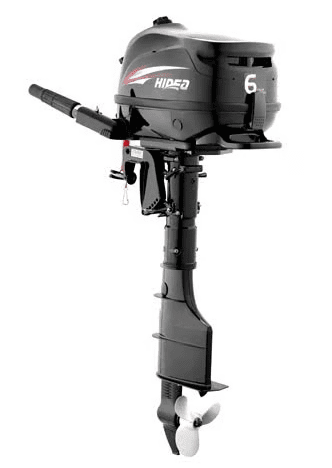
Hidea 6HP 4-Stroke Outboard
The 6HP 4-Stroke is built for tenders, skiffs and smaller inflatable boats. Quiet, easy to handle and reliable everyday power.
Australia-only item or unlisted country — ask for a price
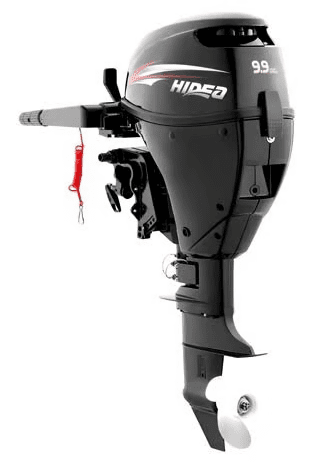
Hidea 9.9HP 4-Stroke Outboard
Twin-cylinder smoothness for dinghies, inflatables and small aluminium boats. A confident step-up from 6HP.
Australia-only item or unlisted country — ask for a price
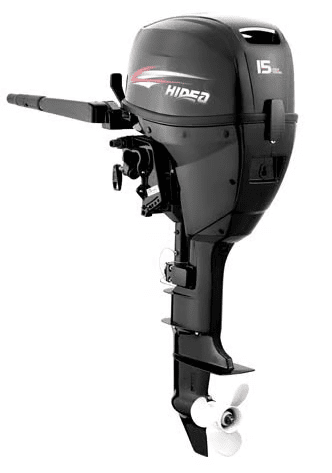
Hidea 15HP 4-Stroke Outboard
Strong, dependable mid-range power for bigger inflatables, tenders and small runabouts.
Australia-only item or unlisted country — ask for a price
Not sure which suits you? Talk to a real boat owner.
Before you spend a cent
Buying from Australia, delivered to United States
You have never heard of us, we are on the other side of the world, and the internet is full of fakes. Fair enough. Here is everything you would need to check us out, in one place — no forms, no chat bot.
Australian designed business
Easy Inflatables, Avoca Beach NSW 2251. ABN 96 856 548 613. International orders ship from our Hong Kong hub.
222 owner reviews, 4.8 average
Read them in full, good and bad, on our reviews page.
CE certified, 7-year hull warranty
ISO 6185-3 and EU Directive 2013/53/EU. Warranty honoured worldwide.
Tracked, insured, door to door
FREE freight to United States · local tax/duty on arrival.
- Who am I actually buying from?
- Easy Inflatables, Avoca Beach NSW 2251, Australia. ABN 96 856 548 613. Sean is the owner and skipper, Gary Stewart handles sales on +61 2 4335 1603, Karen Matthews handles email. The boats are Australian designed; international orders ship from our Hong Kong dispatch hub so your landed price stays competitive. Phone us before you pay a cent — a real person answers.
- Is this really an Australian product?
- Yes — Australian designed and engineered on the NSW Central Coast. Manufacturing is done offshore to our spec, and international orders ship direct from our Hong Kong dispatch hub. If we routed every boat through Australia first, the freight alone would roughly double or triple your cost for the same hull.
- What do I pay, and what is not included?
- The delivery and import terms depend on your country. EU, UK, New Zealand and named Asia/Pacific lanes include duty and tax; US freight is free but US buyers pay import charges on arrival. Other destinations show their terms before payment.
- How do I pay safely?
- Card through Stripe (Visa, Mastercard, Amex, Apple Pay, Google Pay) or bank transfer. Card payments carry your bank's own dispute protection. We never ask for crypto, gift cards or payment to a personal account.
- What if it arrives damaged?
- Every boat ships fully tracked and insured door to door. Photograph the carton and the boat on arrival and email us — transit damage is claimed and replaced through us, not left with you and the courier.
- Is the warranty real outside Australia?
- Yes. The 7-year hull warranty on 1.2 mm VALMEX Heavy Plus and Orca Hypalon hulls applies wherever you are. Replacement parts are held in Australia and at our overseas hub and go out by express courier to your door.
- Is the boat actually certified?
- All Aerowave catamarans are CE certified to ISO 6185-3 and EU Directive 2013/53/EU. Certification paperwork is supplied with the boat — ask and we will send it before you order.
Frequently asked questions
Ready to set sail?
Premium German-fabric inflatable catamarans, built to order and delivered to your door. Talk to our team or browse the fleet.
Like this guide? Get the next one in your inbox.
Owner-tested tips, gear deep-dives and Aussie boating know-how — no spam.