Inflatable Boat Launching Wheels: Why Cheap Kits Are a Costly Mistake
A deep dive into premium inflatable boat launching wheels versus cheap online kits. Discover why investing in quality 316 stainless steel wheels is crucial for Australian conditions.
At a glance
A deep dive into premium inflatable boat launching wheels versus cheap online kits. Discover why investing in quality 316 stainless steel wheels is crucial for Australian conditions.
- What Are Inflatable Boat Launching Wheels, Really?
- The Anatomy of a Cheap Launching Wheel Kit
- Materials: The Rust You Don't See Coming
- Design: Pins, Springs, and Seized-Up Parts
What we'd put you in
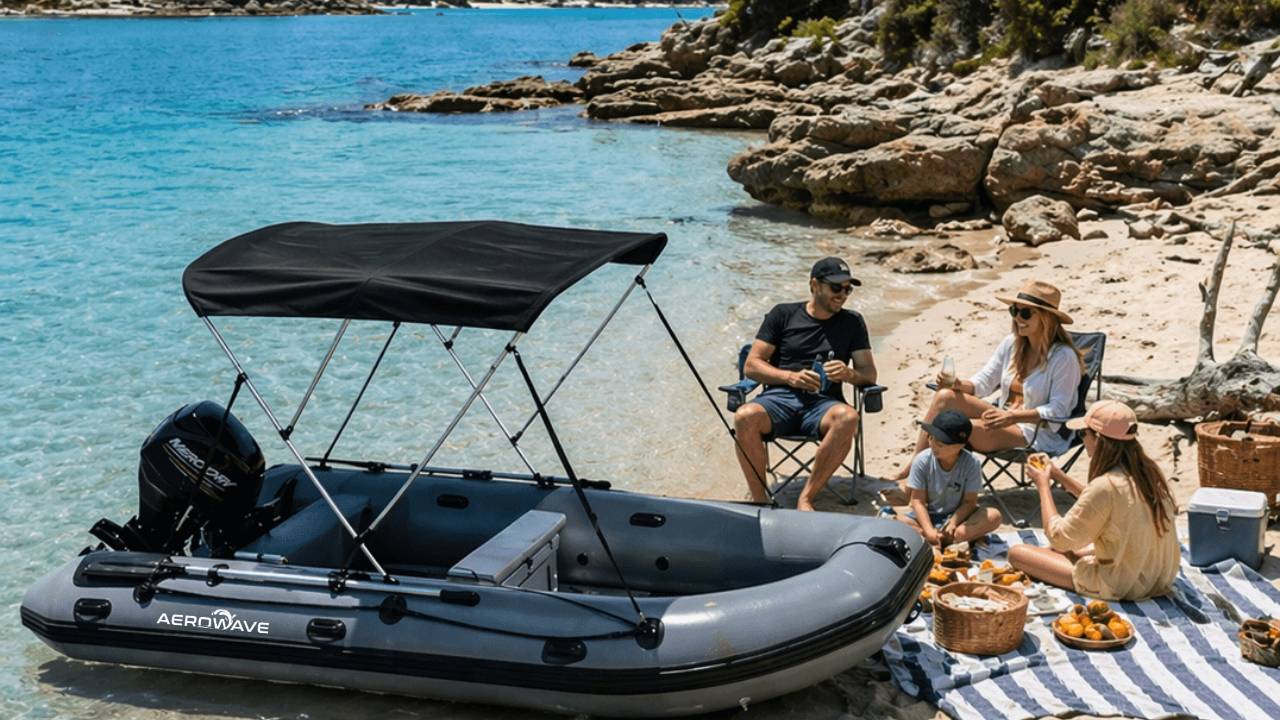
Aerowave Viper 400 Sovereign
Our best-selling boat: 4.0 m, 1.2 mm VALMEX hull, 7-year hull warranty.
US$3,167 USD
Delivered to your door, today's rate
- Free freight to United States · local taxes payable on arrival
- 7-year hull warranty
Ships to United States 🇺🇸 · tracked door to door
One person, one launch. No trailer.
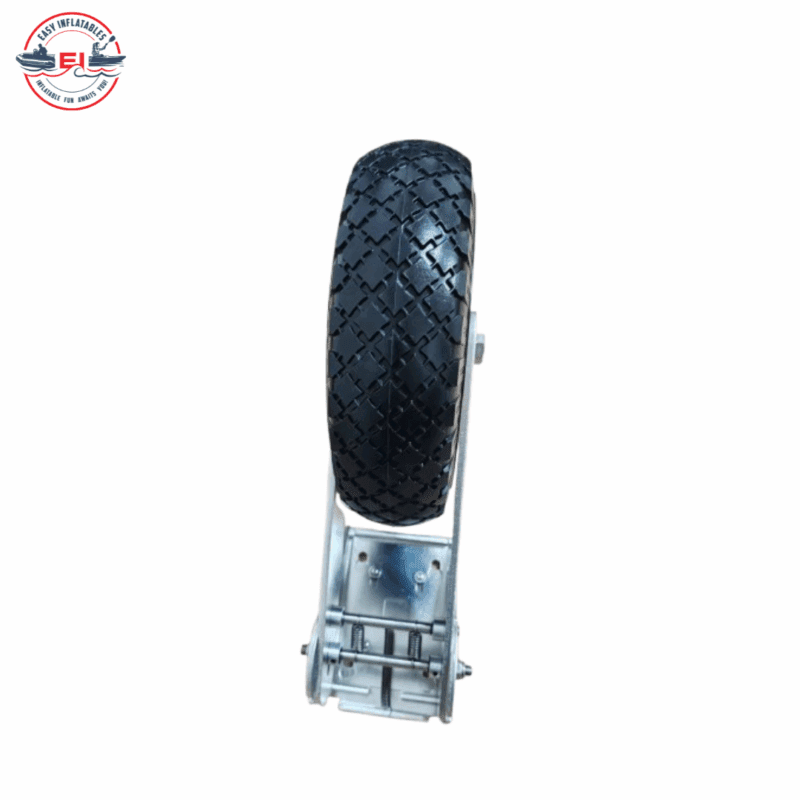
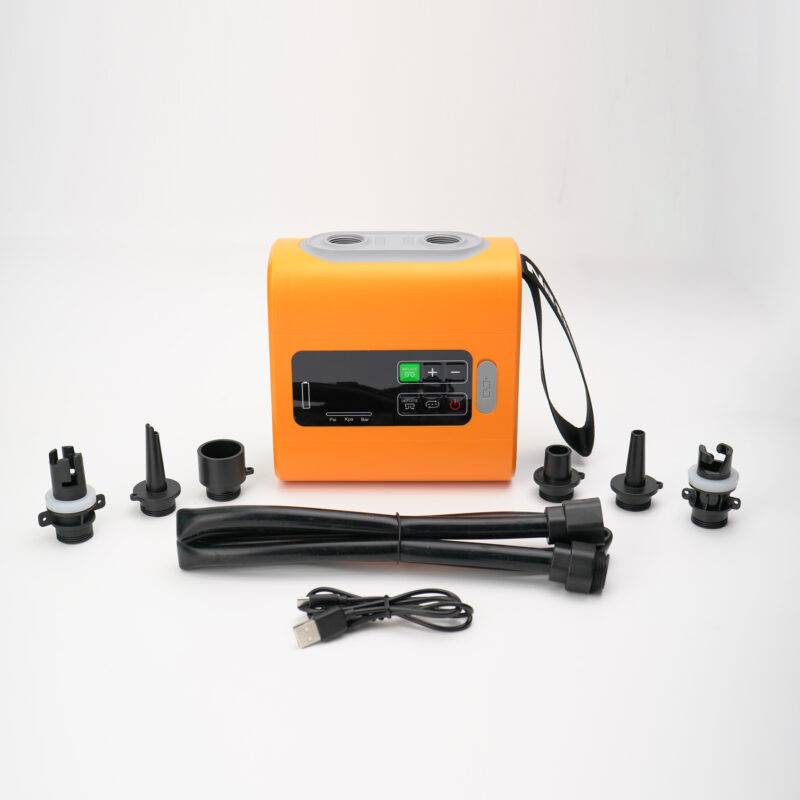
LockPro Plus transom wheels and the 22 PSI lithium pump — the two things that decide whether the boat gets used.
- Transom wheels rated for a loaded 4 m boat over soft sand
- 22 PSI lithium pump for the tubes; use it on the AirDeck only to approximately 2–2.5 PSI, then finish the floor to 8–10 PSI with the manual pump
- Ships worldwide, tracked door to door
Or replace the boat entirely
Aerowave Viper 400 Sovereign
Delivered to United States — freight included in the figure below.
US$3,167landed, USD
- 7-year hull warranty
- CE certified to ISO 6185-3 and EU Directive 2013/53/EU
- Door-to-door, tracked the whole way
See it for yourself
Real boats. Real owners. Real people behind them.
Plenty of what you read online these days is generated. Check us out properly — the factory, the reviews and the owners are all one click away. Why we use AI, and how to check we’re real
How our boats are built
Walk the production line: thermo-welded seams, 1.2 mm VALMEX Heavy Plus hulls, over-pressure relief valves on every chamber.
See the buildGoogle Maps reviews
Real Australian owners, five stars, published on our Google Business Profile with the map — read them there, not just on our own site.
Open Google Maps reviewsOwner stories
Boats in use — offshore, on rivers, on rescue duty. Photos and words from the people who actually own them.
Read owner storiesThe 50 metres from your car to the water can make or break your entire day on the boat.
You’ve invested in a top-tier inflatable boat. Perhaps it's a nimble AeroCat, perfect for exploring coastal estuaries, or the formidable Viper 400 Sovereign, a stable platform for serious fishing. You've paired it with a reliable Hidea 4-stroke outboard. The esky is packed, the rods are rigged, and the sun is just starting to climb. But between you and the water lies the gauntlet: a steep concrete ramp, a stretch of soft sand, or a gravel track littered with obstacles. This is where your choice of inflatable boat launching wheels becomes the most important piece of gear you own.
It’s tempting, we get it. You see a set of wheels online for under a hundred dollars. They look the part in the photos, and the description is full of promises. You contrast that with a premium, Italian-made system that costs several times more and wonder, “Is it really worth it?” The answer, for anyone who values their boat, their outboard, their back, and their time, is an unequivocal yes. This isn't about luxury; it's about fundamental performance, safety, and long-term value.
In this definitive guide, we’re going to dissect the anatomy of both cheap and premium launching wheel systems. We'll explore the critical differences in materials, design, and real-world functionality that separate a one-season throwaway from a decade-long investment. By the end, you'll understand why skimping on your launching wheels is one of the most expensive mistakes a boat owner can make.
What Are Inflatable Boat Launching Wheels, Really?
At a basic level, they are a pair of wheels mounted to your boat's transom that allow you to roll it from your vehicle to the water and back again. But to leave it there is to miss the point entirely. A good set of transom wheels transforms your boat from a heavy, awkward lump into a perfectly balanced, easy-to-move trolley. They are the key that unlocks true portability and single-handed freedom.
Without wheels, launching an inflatable boat, even a relatively light one, is a chore at best and a hazard at worst. Consider a popular model like our AeroCat 380. At 59kg, it's manageable for two people to carry over a short, flat distance. Now add a 27kg Hidea 9.9hp 4-stroke outboard, a full fuel tank, an anchor, and your safety gear. You're easily looking at over 100kg. Dragging that weight across abrasive surfaces like concrete or gravel is a surefire way to scuff and degrade your boat's hull fabric—even premium 1.2mm VALMEX® PVC, with its 10-12 year lifespan, isn't invincible against that kind of abuse.
Proper inflatable boat launching wheels solve this problem elegantly. They take the entire weight of the boat and motor, allowing a single person to effortlessly walk the vessel to the water's edge. Once afloat, the wheels pivot up and lock out of the way, or in the case of the best systems, can be removed entirely in seconds. This isn't just about convenience; it's about:
- Protecting Your Investment: Preventing hull abrasion and damage.
- Protecting Your Body: Eliminating the back-straining work of carrying or dragging.
- Protecting Your Motor: Keeping the skeg and propeller clear of the ground.
- Unlocking New Locations: Giving you the confidence to launch from beaches, remote tracks, and other spots without a pristine ramp.
The Anatomy of a Cheap Launching Wheel Kit
Let's take a closer look at that tempting sub-$150 wheel kit you see on Amazon, eBay, or from budget boat importers. They all tend to share a few common traits, and it's in these details where the problems begin.
Materials: The Rust You Don't See Coming
Most cheap kits advertise “stainless steel” construction. However, this term is dangerously broad. The vast majority use Grade 304 stainless steel. While 304 is fine for a kitchen sink, it lacks a critical element for marine use: molybdenum. Without it, 304 stainless steel is highly susceptible to crevice corrosion and pitting when exposed to saltwater. The first signs appear as 'tea staining'—ugly brown rust marks—but beneath the surface, the metal's integrity is being compromised. The brackets, the pins, and the axles will all begin to fail, often within a single season of regular use in a harbour or coastal environment.
Design: Pins, Springs, and Seized-Up Parts
The most common design on budget wheels is a simple pivot leg held in the 'up' or 'down' position by a pin on a lanyard or a spring-loaded button. On day one, this seems fine. After a few trips to a sandy, salty beach, it becomes a nightmare. Sand and salt crystals work their way into the mechanism. The spring-loaded button seizes solid. The retaining pin, which you have to fumble with while balancing the boat, gets dropped and lost in the sand or water. The locking positions are often imprecise, allowing for 'slop' and movement, which puts immense stress on the transom bracket under load.
Wheels & Tyres: Designed to Fail
The wheels themselves are another major point of failure. You'll typically find one of two options:
- Hard Plastic Wheels: These are cheap to produce but are dreadful in practice. They offer zero shock absorption, making for a jarring ride over anything but perfect pavement. On soft sand or mud, their narrow profile and hard material cause them to dig in and act like an anchor, completely defeating their purpose.
- Low-Quality Pneumatic Tyres: While better than plastic, the budget versions are a false economy. The rubber is thin and not UV-stabilised, meaning it will perish, crack, and fail quickly under the harsh Australian sun. The hubs are often simple plastic bushings rather than proper bearings, leading to high friction and rapid wear. They are almost always too small in diameter, which again makes them useless on the soft sand where you need them most.
The LockPro Difference: A Deep Dive into Premium Italian Engineering
Now, let's contrast the budget kit with a professionally engineered system like the Italian-made LockPro. When you look at the price tag, you're not just paying for a brand name; you're paying for superior materials, an intelligent patented design, and the peace of mind that comes from gear that works flawlessly every time.
Materials: The 316 Marine-Grade Stainless Steel Advantage
This is the single most important material difference. LockPro wheels are constructed from 316 marine-grade stainless steel. The addition of molybdenum to the alloy gives 316 steel vastly superior resistance to chloride corrosion—the kind that saltwater relentlessly inflicts. Where a 304-grade bracket will show tea staining and pitting after a few months, a 316-grade bracket will remain pristine for years. The tubing is thick-walled, the welds are immaculate, and the entire assembly is built to withstand the forces of a fully loaded boat bumping down a ramp. It's designed to last the full 10-12 year lifespan of your boat's VALMEX® fabric, not just one summer.
Design: The Patented Quick-Lock Mechanism
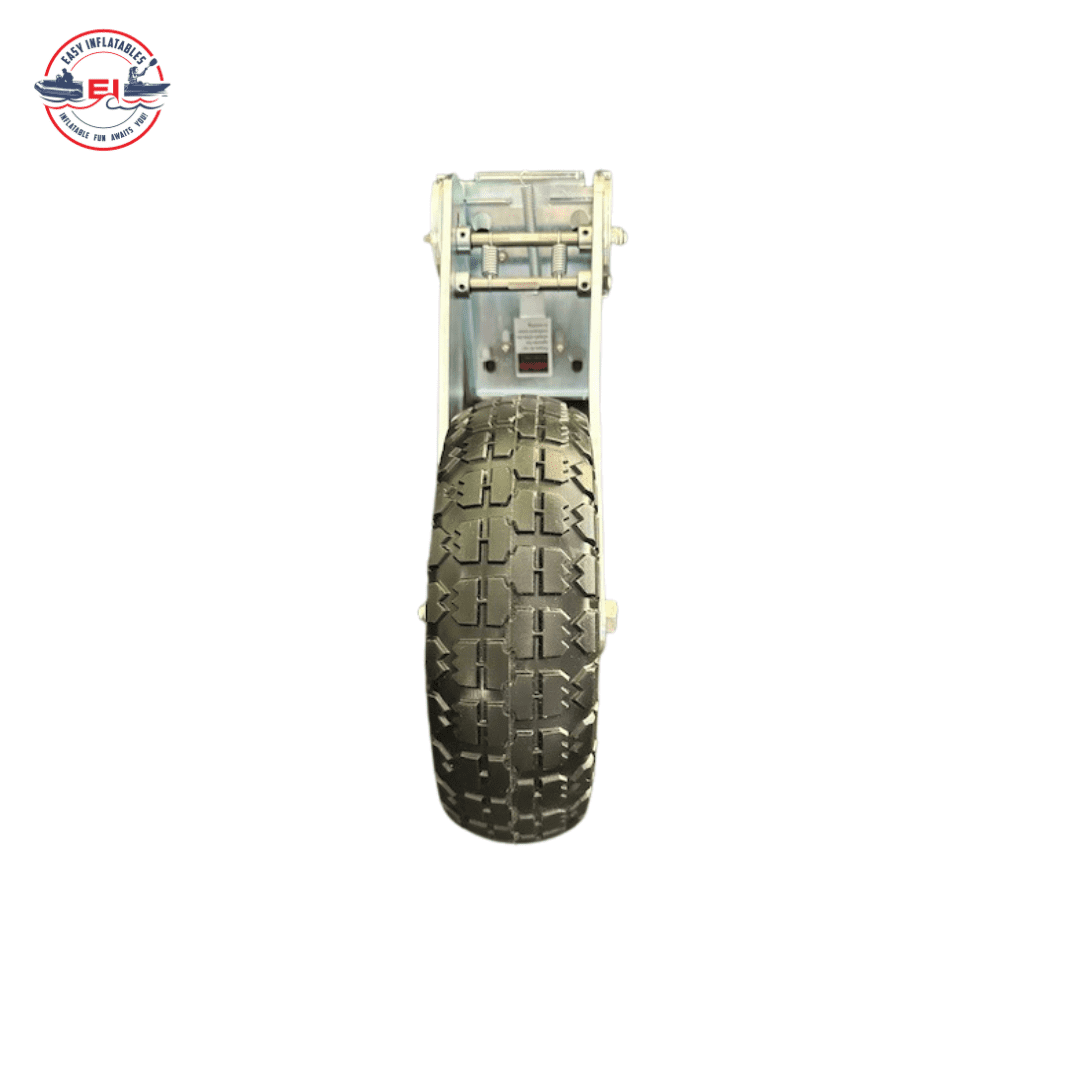
The LockPro's party piece is its ingenious locking system. It does away with fiddly pins and seize-prone springs. Instead, a large, robust, and intuitive collar allows for instant, positive locking in multiple positions. You can deploy the wheels, retract them for being on the water, or remove them from the transom bracket entirely with a simple, one-handed twist-and-pull motion.
This has several huge advantages in the real world:
- Speed: Launching and retrieval are dramatically faster. No more fumbling.
- Security: The lock is positive and strong. There is zero chance of a wheel collapsing mid-launch, dropping your outboard skeg onto the concrete.
- Simplicity: It’s so easy to use you can do it with one hand while holding the boat with the other. The wheels can also be completely removed from the transom and stowed in the boat or car, reducing drag and keeping them out of the way.
Wheels & Tyres: Built for Australian Conditions
Premium systems understand that a wheel's effectiveness is dictated by its size and quality. LockPro wheels feature large-diameter (often 260mm or more) pneumatic tyres. This larger 'footprint' is what allows them to 'float' over soft sand instead of digging in. The tyres are made from UV-resistant rubber compounds, and they are mounted on durable hubs with proper bearings, not cheap plastic bushings. This means they roll smoothly and freely, requiring far less effort to move the boat, especially over uneven terrain.
Head-to-Head Comparison: LockPro Wheels vs. Budget Kits
Let's lay it out clearly. The differences aren't minor; they are fundamental to the product's function and lifespan.
| Feature | Premium LockPro System | Generic Budget Kit |
|---|---|---|
| Material Grade | 316 Marine-Grade Stainless Steel | 304 'Food-Grade' Stainless or lower |
| Locking Mechanism | Patented quick-release, one-handed | Fiddly pins or spring-loaded buttons |
| Corrosion Resistance | Excellent; designed for saltwater | Poor; prone to rust and pitting |
| Wheel Diameter & Type | Large diameter, high-quality pneumatic | Small diameter, hard plastic or cheap pneumatic |
| Performance on Sand | Excellent; floats over soft surfaces | Poor; digs in and becomes an anchor |
| Durability | Designed for 10+ years of use | Often fails within 1-2 seasons |
| Ease of Use | Effortless, secure, one-handed operation | Awkward, requires two hands, prone to seizing |
| Safety | Secure locking prevents accidental collapse | Risk of collapse, potential damage/injury |
| Removability | Wheels detach from transom instantly | Legs may be removable, often with difficulty |
| Long-Term Cost | Buy once, cry once | Buy cheap, buy twice (or more) |
| Best for | Serious boaters wanting reliable inflatable boat launching wheels | Very occasional use on perfect surfaces only |
The Hidden Costs of 'Saving Money' on Launching Wheels
That initial $200-$300 saving on a cheap set of wheels can quickly become one of the most expensive decisions you make. The true cost isn't measured by the purchase price, but by the potential for catastrophic and expensive failures.
-
Damage to Your Boat: Imagine a cheap spring-loaded pin fails as you're rolling your beautiful Aerowave Viper 400 down a concrete ramp. The transom drops, and the full 130kg+ weight of your rig crashes onto the ground. At best, you get a deep, ugly scrape on the bottom of a pontoon. At worst, the impact punctures the heavy-duty 1.2mm 1500 GSM VALMEX Heavy Plus fabric, leading to a complex and costly repair. Or the twisting force on the cheap bracket cracks your boat's transom. Suddenly, that $200 saving looks trivial.
-
Damage to Your Outboard: When a wheel system collapses, the first part of your motor to hit the ground is almost always the skeg (the fin below the propeller). Smashing a skeg on concrete can snap it clean off. A professional weld repair for a skeg can run into the hundreds of dollars, assuming it's even repairable. A replacement lower unit housing is even more. This single incident can cost more than the boat's entire launching wheel system.
-
The 'Frustration Tax': Your time on the water is precious. A launching system that fights you every step of the way is a thief of that time. Spending 20 minutes wrestling with seized pins, digging wheels out of the sand, or asking strangers for help to drag your boat is the definition of a false economy. A premium system gives you that time back, turning the launch and retrieval into a seamless, stress-free part of the experience.
-
Replacement Cycles: A cheap set of wheels might last two seasons if you're lucky and diligent with maintenance. A premium 316 stainless system will last the life of your boat. Buying a $150 kit every two years means you'll have spent more than the cost of a superior system within 5-6 years, and you'll have endured years of frustration in the process.
Installation and Compatibility: Getting It Right
No matter which wheels you choose, correct installation is paramount to ensure the safety and integrity of your boat's transom. Our Easy Inflatables boats, like the AeroCat and WaveRunner 380, feature robust, marine-plywood transoms with a standard 380mm height, specifically designed to handle the loads of both an outboard and a quality wheel system.
However, drilling holes in your transom should never be taken lightly. Water ingress is the enemy, leading to rot that can destroy a transom from the inside out. Here is a simple checklist for a professional-quality installation:
- Measure Twice, Drill Once: Use the manufacturer's template. Carefully position it to ensure the wheels will not interfere with the outboard's turning radius when in the 'up' position.
- Seal Everything: This is the most critical step. Use a high-quality marine-grade adhesive sealant like 3M 5200. Apply a generous amount into the drill holes before inserting the bolts, and apply a bead around the entire perimeter of the mounting bracket.
- Use Sealing Washers: Place a stainless washer with a bead of sealant under the bolt head on the outside and under the nut on the inside. This creates a compressed, waterproof seal.
- Correct Hardware: Use the supplied stainless steel bolts, nuts, and washers. Ensure they are tightened securely but do not overtighten to the point of crushing the transom's plywood core.
- Check for Balance: The ideal position for the wheel axle is slightly behind the boat's centre of gravity when the motor is attached. This ensures the bow stays light enough to lift and steer easily.
If you're ever unsure, the team at Easy Inflatables is here to help. We can provide specific advice for fitting wheels to our models. You can reach us at sales@easyinflatables.com.au or call +61 2 4335 1603.
The Bottom Line
Your inflatable boat launching wheels are not an optional accessory. They are a fundamental part of your boating system, as critical as your anchor or your lifejackets. They dictate how, where, and how easily you can get on the water. While the allure of a cheap online kit is understandable, the risks associated with poor materials, flawed design, and inevitable failure are simply not worth it.
Investing in a premium, 316 marine-grade stainless steel system like LockPro is an investment in safety, reliability, and long-term value. It protects your boat, your motor, and your precious time. It turns the often-dreaded launch and retrieval into a simple, one-person operation, giving you the freedom to explore Australia's incredible waterways with confidence. When you're ready to equip your boat with wheels that won't let you down, get in touch with us. We only stock gear we'd trust on our own boats.
Related
Weekend-Proof Score 17 questions · about 2 minutes
Will the boat you're about to buy survive an Australian summer?
Seventeen straight questions about where you'll use it, what you'll ask of it and the boat you're weighing up. You get a score out of 100, the exact weak points in your plan, and the one boat that genuinely fits.
Free · your result shows on screen · no email required
So which one is yours?
Pick how you'll actually use it and we'll take you straight to the right hull.
I want to fish it
Open bow, rod holders, deck space you can stand and cast from.
Viper Sport 400Family, diving and the beach
3.8 m Series 3 catamaran — low bow to climb back in wearing fins or a tank.
WaveRunner 380Tender / one-person launch
3.3 m hard-floor boat that packs into a bag and still takes a beach landing.
Viper 330Shop gear featured in this guide

LockPro Plus Inflatable Boat Wheel Set
The LockPro Plus Inflatable Boat Wheel Set offers a premium solution for easy and safe loading of inflatable boats, featuring an Italian stainless steel quick-lock system.
Free freight to United States · local taxes payable on arrival
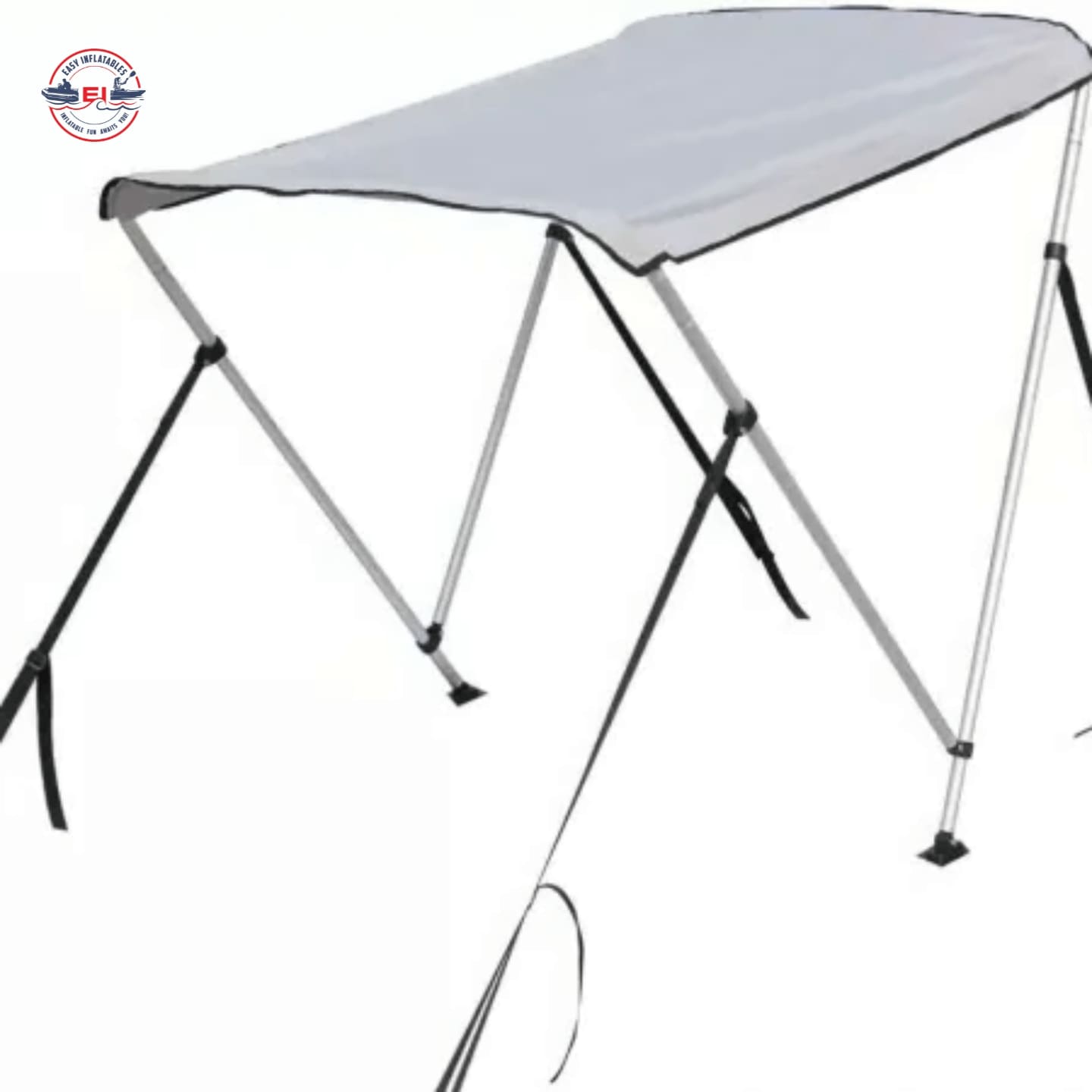
Aerowave Inflatable Boat Bimini
Lightweight inflatable UV sun-shade canopy for inflatable boats, SIBs and catamarans. Now available in two colours — Light Grey and Black. Fast setup, compact storage and premium UV protection for Australian boating.
Free freight to United States · local taxes payable on arrival
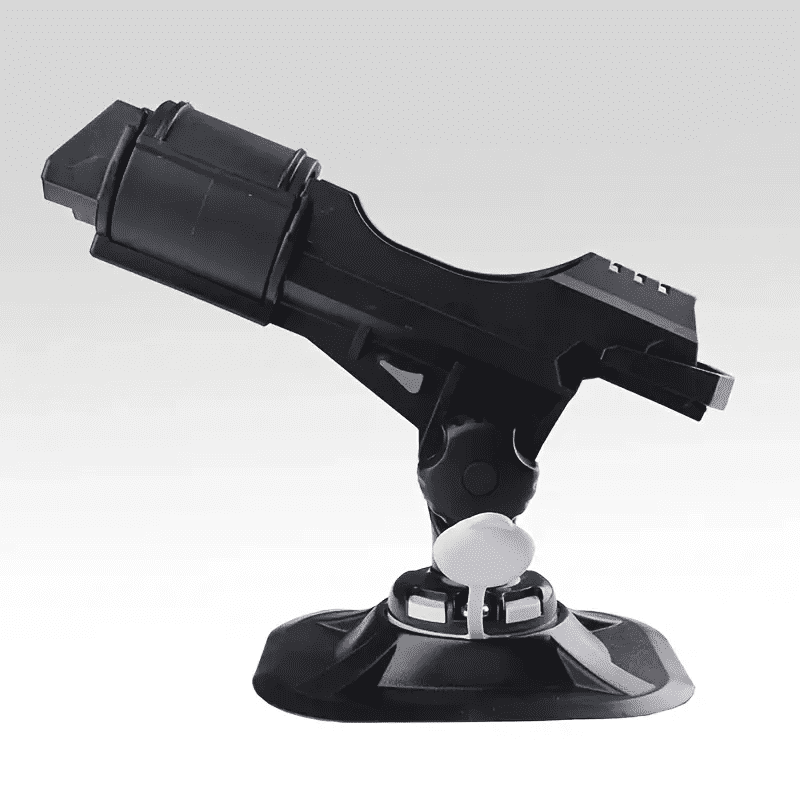
Inflatable Boat Rod Holder Mount
Factory-installed fishing mount designed for Easy Inflatables boats, providing a clean and secure installation for serious anglers.
Free freight to United States · local taxes payable on arrival
Not sure which suits you? Talk to a real boat owner.
Before you spend a cent
Buying from Australia, delivered to United States
You have never heard of us, we are on the other side of the world, and the internet is full of fakes. Fair enough. Here is everything you would need to check us out, in one place — no forms, no chat bot.
Australian designed business
Easy Inflatables, Avoca Beach NSW 2251. ABN 96 856 548 613. International orders ship from our Hong Kong hub.
222 owner reviews, 4.8 average
Read them in full, good and bad, on our reviews page.
CE certified, 7-year hull warranty
ISO 6185-3 and EU Directive 2013/53/EU. Warranty honoured worldwide.
Tracked, insured, door to door
FREE freight to United States · local tax/duty on arrival.
- Who am I actually buying from?
- Easy Inflatables, Avoca Beach NSW 2251, Australia. ABN 96 856 548 613. Sean is the owner and skipper, Gary Stewart handles sales on +61 2 4335 1603, Karen Matthews handles email. The boats are Australian designed; international orders ship from our Hong Kong dispatch hub so your landed price stays competitive. Phone us before you pay a cent — a real person answers.
- Is this really an Australian product?
- Yes — Australian designed and engineered on the NSW Central Coast. Manufacturing is done offshore to our spec, and international orders ship direct from our Hong Kong dispatch hub. If we routed every boat through Australia first, the freight alone would roughly double or triple your cost for the same hull.
- What do I pay, and what is not included?
- The delivery and import terms depend on your country. EU, UK, New Zealand and named Asia/Pacific lanes include duty and tax; US freight is free but US buyers pay import charges on arrival. Other destinations show their terms before payment.
- How do I pay safely?
- Card through Stripe (Visa, Mastercard, Amex, Apple Pay, Google Pay) or bank transfer. Card payments carry your bank's own dispute protection. We never ask for crypto, gift cards or payment to a personal account.
- What if it arrives damaged?
- Every boat ships fully tracked and insured door to door. Photograph the carton and the boat on arrival and email us — transit damage is claimed and replaced through us, not left with you and the courier.
- Is the warranty real outside Australia?
- Yes. The 7-year hull warranty on 1.2 mm VALMEX Heavy Plus and Orca Hypalon hulls applies wherever you are. Replacement parts are held in Australia and at our overseas hub and go out by express courier to your door.
- Is the boat actually certified?
- All Aerowave catamarans are CE certified to ISO 6185-3 and EU Directive 2013/53/EU. Certification paperwork is supplied with the boat — ask and we will send it before you order.
Frequently asked questions
- Can I install inflatable boat launching wheels myself?
- Yes, installation is a straightforward DIY job for most people with basic tools. The key is to measure carefully, use the provided template, and most importantly, use a high-quality marine-grade adhesive sealant on all drill holes and hardware to ensure a watertight seal.
- Will drilling holes in the transom void my boat's warranty?
- Generally, no. Transoms on quality inflatables like our AeroCat and Viper series are designed to accommodate outboards and accessories. As long as the installation is done correctly with proper sealing to prevent water ingress, it will not affect your warranty. For example, our Viper Sovereign includes a 7-year warranty on the boat itself.
- What's the maximum weight transom wheels can handle?
- This varies by model, but premium systems like LockPro are typically rated for 150kg or more, which is ample for most inflatable boat, motor, and gear combinations. Cheap kits often have overstated capacities that they can't safely sustain.
- Why is 316 'marine-grade' stainless steel so important for launching wheels?
- Unlike 304 stainless, 316 grade contains molybdenum, which provides superior corrosion resistance in saltwater. This prevents the ugly 'tea staining' rust and, more importantly, the hidden structural pitting that causes cheaper 304-grade wheels to fail.
- Are pneumatic (air-filled) or solid tyres better?
- For Australian conditions, pneumatic tyres are far superior. Their ability to be run at lower pressures and their larger footprint allow them to roll over soft sand and uneven ground. Solid tyres are maintenance-free but perform poorly on anything but hard, smooth surfaces.
- Do I have to remove the wheels when I'm on the water?
- You don't have to, as they all pivot up. However, for best performance and to reduce drag, it's highly recommended. Premium systems like LockPro make this incredibly easy, allowing you to detach the entire wheel leg in seconds and stow it aboard.
- How long should a good set of inflatable boat launching wheels last?
- A high-quality set made from 316 stainless steel and with durable components should last the life of your boat. For a premium VALMEX fabric boat with a 10-12 year lifespan, you should expect your wheels to last just as long with minimal maintenance.
- Can these wheels be fitted to any inflatable boat brand?
- Generally, yes, provided the boat has a solid, flat transom of sufficient strength and size. They are perfectly suited for our range, including the AeroCat, WaveRunner 380, and Viper models, but can also be fitted to most other brands with a rigid transom.
Ready to set sail?
Premium German-fabric inflatable catamarans, built to order and delivered to your door. Talk to our team or browse the fleet.
Like this guide? Get the next one in your inbox.
Owner-tested tips, gear deep-dives and Aussie boating know-how — no spam.