9.9 HP 2-Stroke Mercury: Is It Still the Right Motor for a Small Boat in Australia? (2026)
The 9.9 HP 2-stroke Mercury is light, simple and easy to lift. Here is what it really weighs, what it costs to run, where it still wins on a tender, and when a modern 4-stroke is the smarter buy.
At a glance
The 9.9 HP 2-stroke Mercury is light, simple and easy to lift. Here is what it really weighs, what it costs to run, where it still wins on a tender, and when a modern 4-stroke is the smarter buy.
- Finding the Right Small-Boat Motor
- Why portability changes the decision
- How the Mercury Two-Stroke Works
- What the owner feels on the water
What we'd put you in
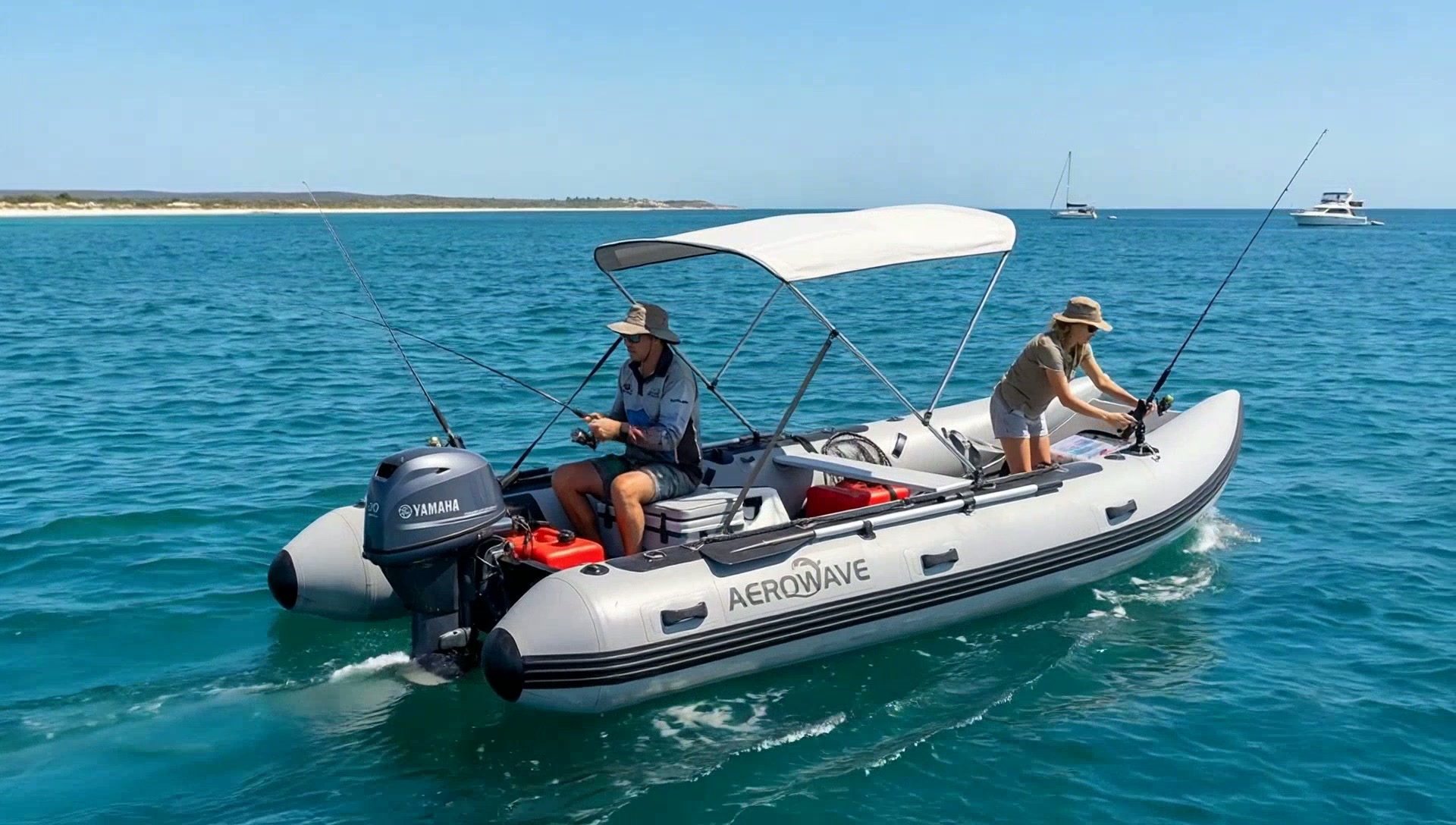
Aerowave Viper 330
Light hull, small motor, big result — plenty of boat for a modest outboard.
US$2,774 USD
Delivered to your door, today's rate
- Free freight to United States · local taxes payable on arrival
- 7-year hull warranty
Ships to United States 🇺🇸 · tracked door to door
The motor for your inflatable — petrol or electric, in stock now.
Hidea 4-strokes from 2.5 to 20 hp, plus the Haswing Ultima 3.0HP and Fuber Global 1.5 electric outboards. Every one of them is matched to a soft-transom inflatable.
- Hidea 4-stroke range: 2.5, 5, 6, 8, 9.9, 15 and 20 hp — carby or EFI
- Haswing Ultima 3.0HP and Fuber Global 1.5 electric — quiet, no fuel, no service
- Shaft length, transom height and thrust matched to our hulls before it ships
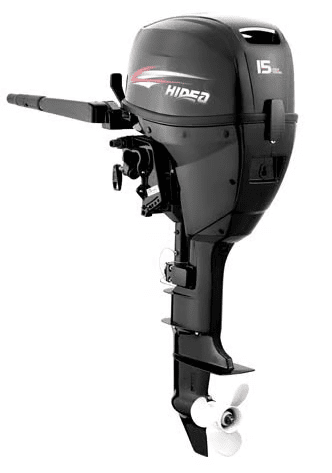 Hidea 15HP 4-Stroke OutboardUS$2,801 · in stock, ships now
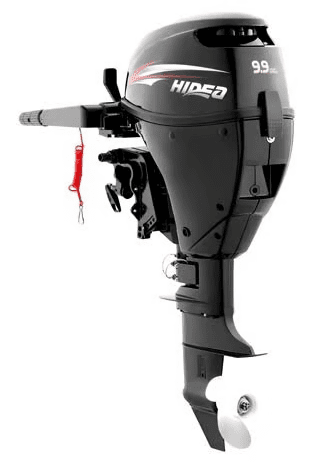 Hidea 9.9HP 4-Stroke OutboardUS$2,508 · in stock, ships now
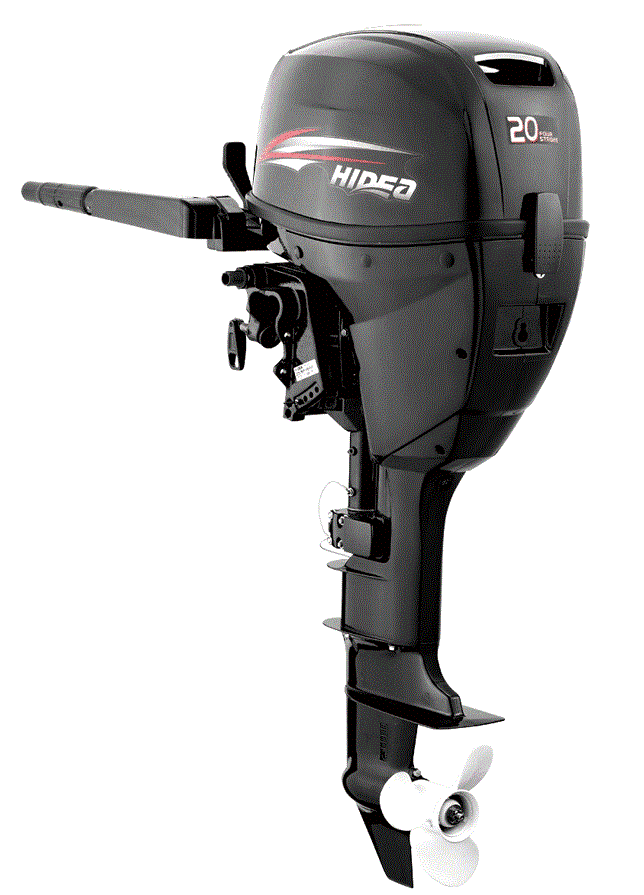 Hidea 20HP Carburettor 4-Stroke Outboard — Short Shaft, Electric StartUS$2,640 · in stock, ships now
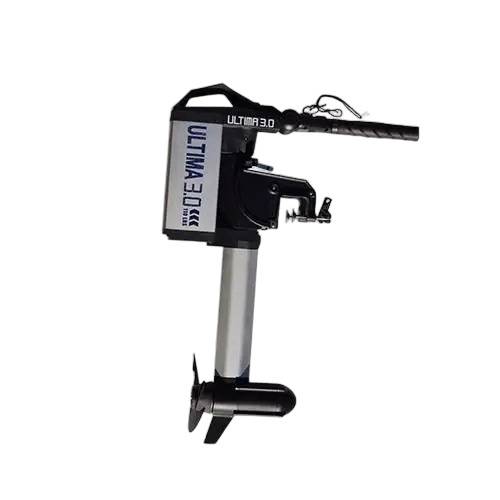 Haswing Ultima 3.0HP Electric OutboardUS$1,947 · in stock, ships now
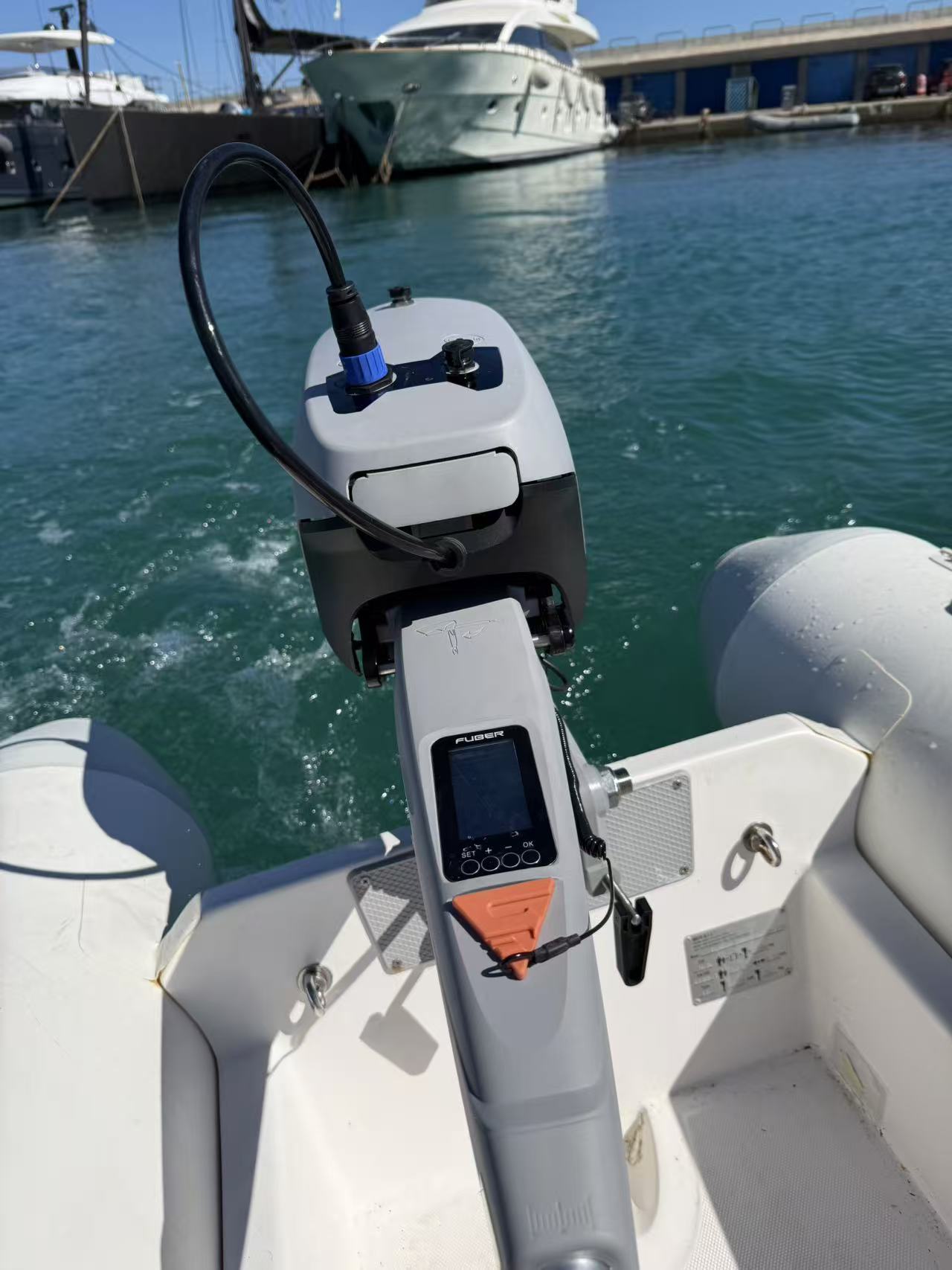 Fuber Global 1.5 Electric Outboard — Short ShaftUS$2,475 · in stock, ships now
Or replace the boat entirely
Aerowave Viper 330
Delivered to United States — freight included in the figure below.
US$2,774landed, USD
- 7-year hull warranty
- CE certified to ISO 6185-3 and EU Directive 2013/53/EU
- Door-to-door, tracked the whole way
See it for yourself
Real boats. Real owners. Real people behind them.
Plenty of what you read online these days is generated. Check us out properly — the factory, the reviews and the owners are all one click away. Why we use AI, and how to check we’re real
How our boats are built
Walk the production line: thermo-welded seams, 1.2 mm VALMEX Heavy Plus hulls, over-pressure relief valves on every chamber.
See the buildGoogle Maps reviews
Real Australian owners, five stars, published on our Google Business Profile with the map — read them there, not just on our own site.
Open Google Maps reviewsOwner stories
Boats in use — offshore, on rivers, on rescue duty. Photos and words from the people who actually own them.
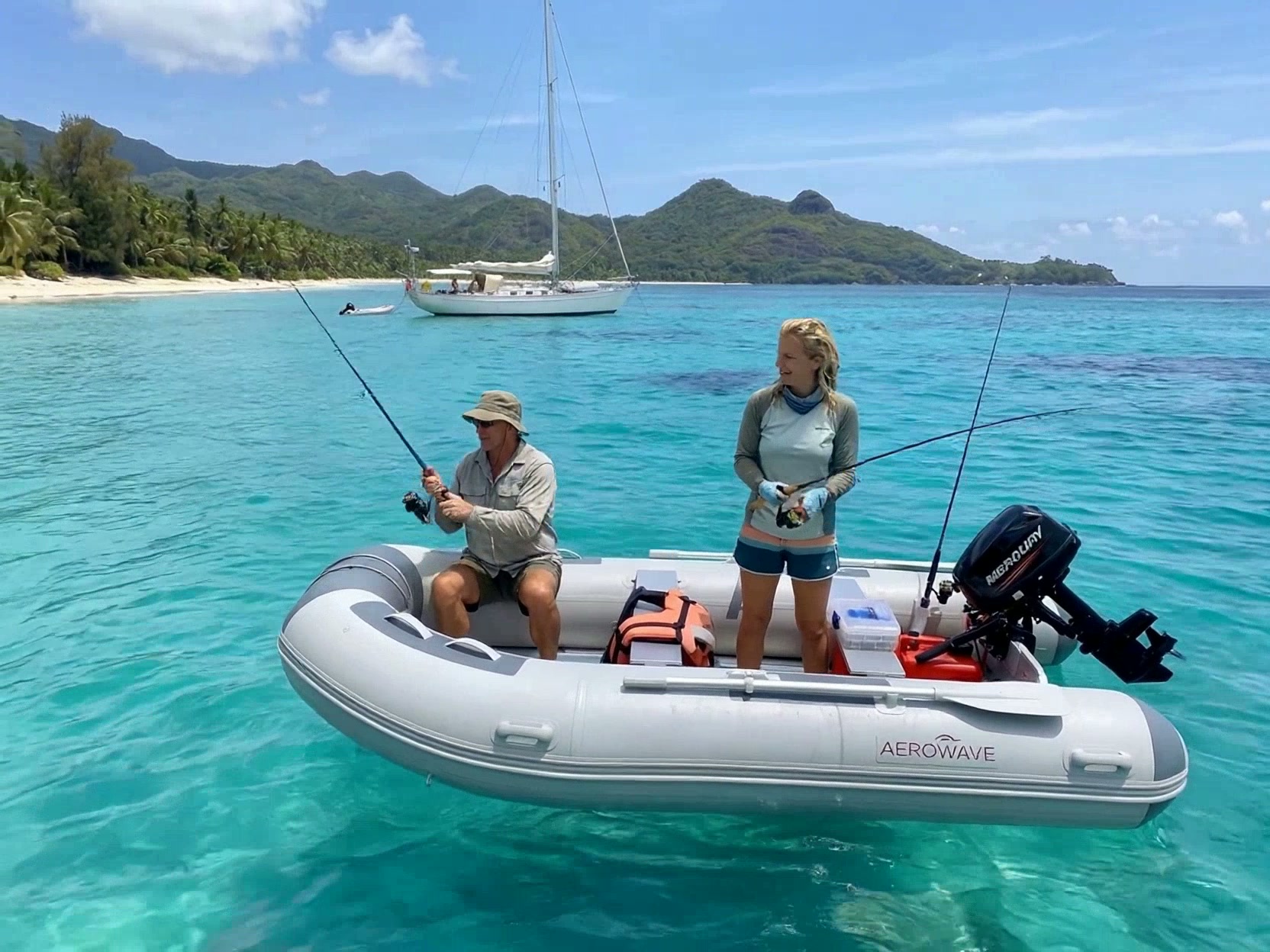
Read owner storiesThe family has the inflatable boat pumped up beside the ramp, the esky is loaded, and someone still has to lift the outboard onto the transom. A heavier motor may offer more refinement, but it can turn a simple afternoon on the water into a two-person job. That's where the 9.9 2 stroke Mercury earns attention. It's compact, mechanically straightforward, and capable of pushing a small tender, tinny, or inflatable without the bulk associated with larger outboards.
The attraction isn't headline horsepower. It's the practical combination of manageable weight, useful torque, tiller control, and simple ownership. The trade-offs are just as real, including premix fuel, carburettor maintenance, noise, smoke, and the need to verify Australian compliance before buying or using an older model.
Finding the Right Small-Boat Motor
At a Sydney Harbour ramp, one family may be choosing between a compact tender motor and a heavier mid-range outboard while their children wait beside the inflated boat. At a regional dam, an angler may be loading a car before dawn and asking a simpler question: can one person lift the motor, mount it securely, and get fishing without a trailer?
Those situations favour the same buying test. How often will the engine leave the boat, how high is the transom, and how much load will it carry? A motor that stays permanently mounted can tolerate more weight than one moved between a yacht tender, car boot, and storage shed.
The Australian Mercury 9.9 hp two-stroke was sold as a compact twin-cylinder outboard with 262 cc displacement, 9.9 hp, or 7.4 kW, and a full-throttle operating range of 5,000 to 6,000 rpm. Australian dealer specifications also listed a 5-year warranty package, made up of 3 years of base coverage plus 2 years extended, for that model. See the guide to choosing a motor for an inflatable boat before treating the engine as a universal fit.
Why portability changes the decision
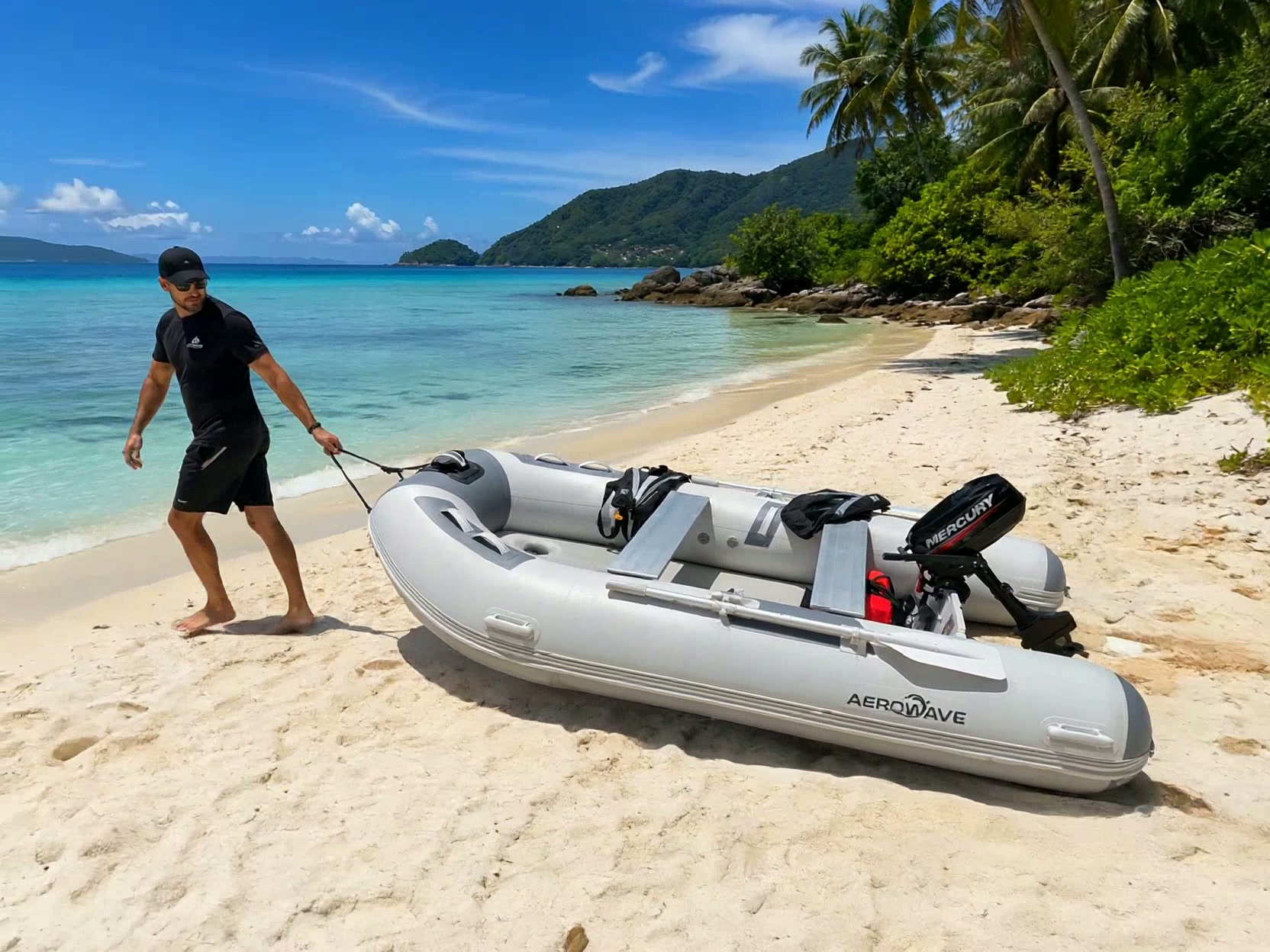
The lightweight model's listed 26 kg dry weight is the handling benchmark that matters most for many owners, as documented by Australian Mercury 9.9 model specifications. That weight can make solo lifting, car-topping, and mounting on an inflatable transom realistic. It also reduces the strain on a small boat's transom and makes storage less demanding.
A heavier four-stroke can be the better choice for quiet running, frequent long trips, or a permanently mounted yacht auxiliary. For short tender runs, estuary fishing, and occasional transfers, the Mercury's convenience often matters more than extra refinement.
Practical rule: If you'll regularly lift the motor alone, judge the outboard as part of the handling system, not as a horsepower figure on a brochure.
How the Mercury Two-Stroke Works
A two-stroke outboard completes its power cycle with fewer piston movements than a four-stroke design. That lets Mercury package useful power into a compact engine with fewer valve-train components and no separate engine-oil sump.
The published 9.9-class documentation needs careful reading. One Mercury specification lists the engine at 247 cc, 2 cylinders, 7.3 kW, and 4,500 to 5,300 rpm, while an Australian 9.9 hp listing gives 262 cc, 7.4 kW, and 5,000 to 6,000 rpm. The Mercury 9.9/15/18 family manual shows why model year and market version matter.
What the owner feels on the water
The engine's compact two-cylinder layout gives it responsive throttle behaviour and useful pulling power at low speed. That suits displacement running, marina manoeuvring, and getting a lightly loaded tender moving without the physical size of a larger engine.
The cooling system uses raw water, with a thermostat and tell-tale outlet to show that cooling water is circulating. CDI ignition removes the need for the traditional points arrangement found on much older engines. The 2.08:1 gear ratio listed for the 262 cc model helps turn crankshaft speed into propeller thrust at low speed, which is useful when a loaded dinghy needs grip rather than high engine revs. These specifications are documented in the Mercury 9.9 hp two-stroke technical listing.
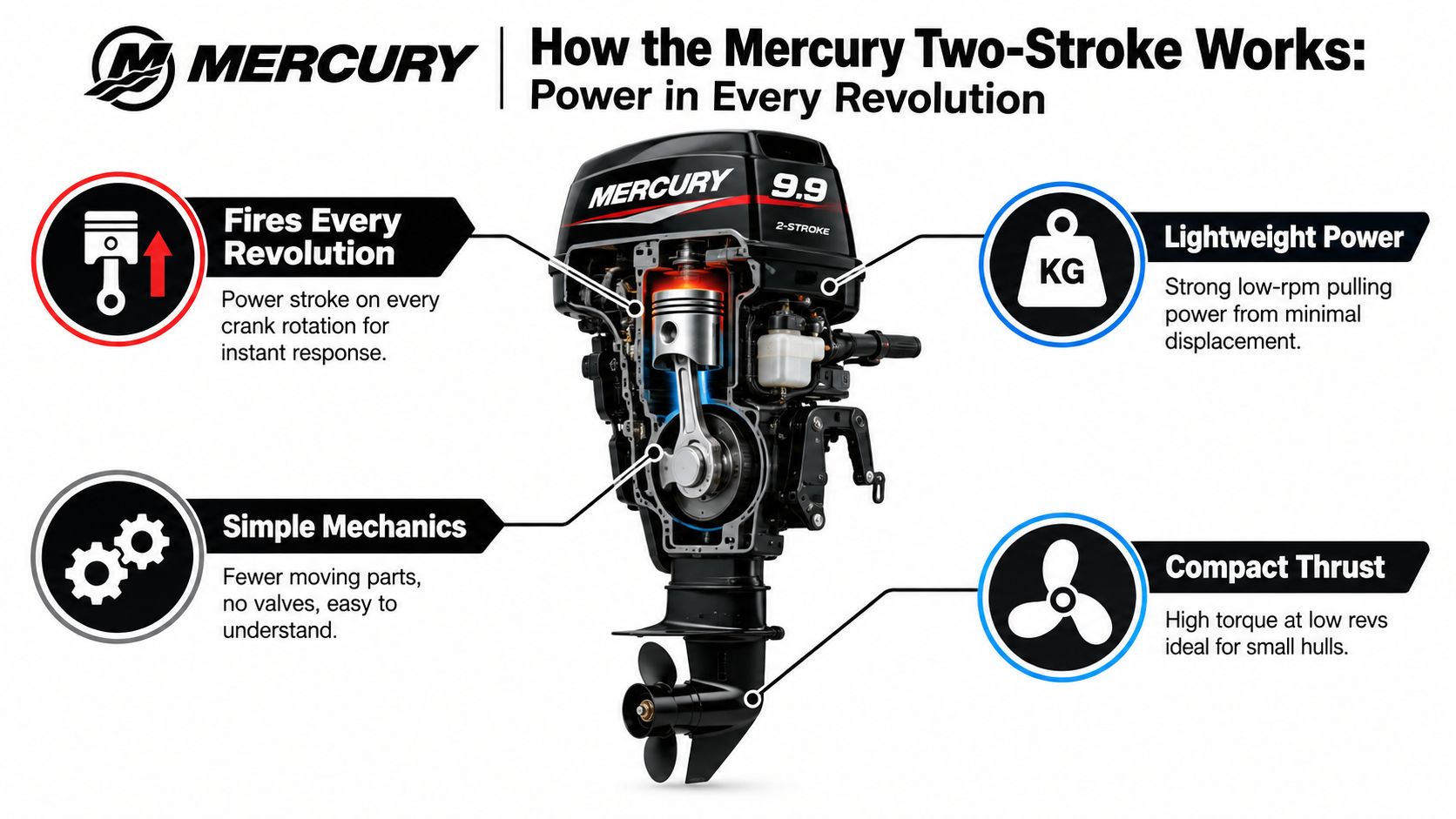
The trade is fuel handling. The 247 cc factory sheet specifies a 1:50 fuel-oil mix, while the particular engine's plate and manual remain the final authority. The owner gets easier lifting and relatively simple mechanics, but must measure oil correctly and keep the carburettor, ignition, cooling passages, and fuel system in good order. Mercury's Australia outboard range and ownership information is useful background, but it shouldn't replace the documentation for the exact motor in front of you.
Reading the Published Specifications
A 9.9 two-stroke specification sheet can look straightforward until you compare documents from different years. Mercury's 9.9-class family appears in more than one Australasian specification format, including a 247 cc, 7.3 kW version and a 262 cc, 7.4 kW version. Those figures aren't interchangeable, so buyers should never identify an engine from the badge alone.
Start with output, then move to weight and shaft length. A short shaft may suit a standard inflatable transom, while a long shaft may be necessary for a deeper yacht tender or a different bracket. The anti-ventilation plate should sit at the correct depth relative to the hull, and the boat manufacturer's transom rating still controls the installation.
A useful reading order
| Specification | Typical Value | Buyer Note |
|---|---|---|
| Power | 9.9 hp, 7.4 kW | The Australian 262 cc listing uses this rating. Confirm the plate on the motor. |
| Displacement | 262 cc | A compact twin-cylinder layout with useful torque for small boats. |
| Cylinders | 2 | Don't assume every 9.9-class document describes the same market version. |
| Operating range | 5,000 to 6,000 rpm | Applies to the Australian 262 cc listing. |
| Dry weight | 26 kg | A key handling benchmark for the lightweight model. |
| Fuel system | 12 L remote tank and premix | Confirm the exact fuel arrangement before filling. |
| Gear ratio | 2.08:1 | Helps provide usable propeller thrust at low speed. |
| Warranty | 5 years, 3 years plus 2 years extended | Confirm whether the package applies to the exact model and sale. |
The guide to outboard sizing for an inflatable boat can help with the boat-side calculation. The older factory sheet lists 247 cc, 7.3 kW, 4,500 to 5,300 rpm, a 1:50 mix, and a 25 L fuel tank, as shown in Mercury's 9.9/15/18 two-stroke specification sheet. That difference from the 262 cc listing is precisely why the buyer should record the model code, serial range, shaft length, starter arrangement, and local SKU.
Manual-start and electric-start versions can also differ in weight and equipment. Tiller layouts, remote controls, sail-power variants, and four-stroke badges may sit close together in search results. Ask the dealer for the specification sheet that matches the serial number, not a generic 9.9 brochure.
Typical Small-Boat Performance
A 9.9 hp outboard is best judged by the work it does, not by an advertised top-speed promise. On a suitable 3.0 to 3.6 m inflatable or aluminium tender, it can provide lively displacement running and may achieve planing behaviour in calm conditions when the hull, propeller, and load cooperate. That outcome changes quickly with extra people, fuel, fishing gear, chop, current, and an inefficient trim angle.
A light two-person trip feels very different from a family departure with an esky, anchor, battery, safety equipment, and camping bags. The engine may still run cleanly, but acceleration becomes slower and the boat takes longer to settle into its best attitude. A broad inflatable hull can offer stability while also presenting more drag, particularly when the tubes sit heavily in the water.
What controls the result
Transom height is the first check. The shaft must suit the boat, or the propeller may run too deep or ventilate in turns. Propeller pitch then shapes the engine's behaviour. Lower pitch generally favours pulling power and load carrying, while higher pitch can suit a lighter planing setup if the engine can reach its specified operating range.
Waterline length also matters. A longer, narrower tender can move efficiently at displacement speed, while a wide-mouth inflatable may need more power to climb onto the plane. Calm harbour water and protected estuaries let the motor show its strengths. Open chop, head tides, and a full load expose the limits of a compact 9.9.
| Use Case | Boat Type | Operating Behaviour | Notes |
|---|---|---|---|
| Marina transfer | Small tender | Controlled low-rpm manoeuvring and responsive throttle | Prioritise shaft fit and reverse control. |
| Light harbour trip | Inflatable or RIB | Brisk movement with a light crew in calm water | Trim and prop choice strongly affect acceleration. |
| Family outing | Loaded inflatable | Slower acceleration and more deliberate planing behaviour | Keep expectations realistic as people and gear are added. |
| Estuary fishing | Small aluminium boat | Useful low-speed control and practical cruising | Trolling and shallow-water work suit the format. |
| Exposed coastal run | Heavier tender | Limited reserve when chop, tide, and load combine | Choose more displacement or horsepower for regular offshore work. |
For protected short transfers, the Mercury is competent. It isn't the right answer for long coastal hops, rough-water work, or a heavy boat that needs constant reserve thrust. Those jobs justify a larger-displacement four-stroke or a more powerful two-stroke, even if the motor stays permanently mounted.
Fuel and Maintenance Requirements
The Mercury two-stroke's maintenance is straightforward, but it isn't maintenance-free. The central routine is fuel preparation. The older factory specification lists a 1:50 fuel-oil ratio, while some owners may encounter oil-injection or autolube variants. Confirm the ratio on the engine plate and manual before the first tank, because guessing can damage the powerhead or create excessive smoke and fouling.
Use clean, fresh unleaded and a suitable marine two-stroke oil. Measure the oil accurately rather than relying on a rough pour, and keep the fuel container clearly marked. A guide to petrol tanks for outboard engines covers the supporting fuel equipment, but the motor's own instructions remain decisive.
A routine that prevents avoidable faults
Before starting, check the fuel line, primer bulb, tank connection, kill-switch lanyard, propeller, and cooling-water tell-tale. Look for brittle hoses, loose clamps, fishing line around the prop shaft, and signs of fuel leakage. The tell-tale should show a healthy water stream once the engine is running. A weak or absent stream means the engine should be stopped and investigated.
The raw-water circuit depends on an impeller, thermostat, and clear passages. Salt, sand, and silt can reduce cooling performance, so flush the motor with fresh water after saltwater use and inspect the tell-tale regularly. Spark plugs, ignition leads, the carburettor, fuel filter, and gear oil all deserve periodic attention.
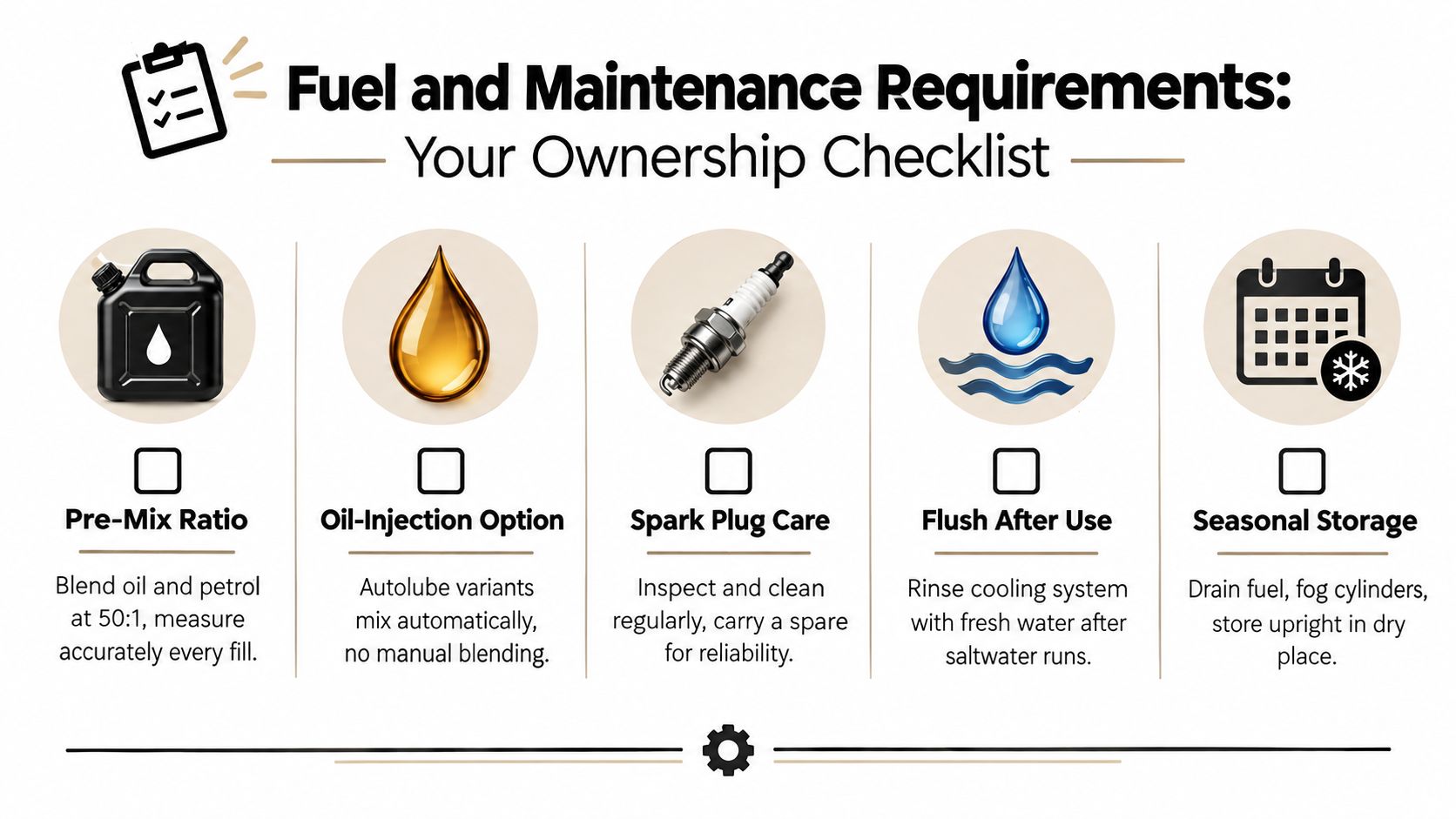
For seasonal storage, stabilise or drain fuel as appropriate, protect the cylinders according to the service manual, and store the engine in the correct position. Damp lockers encourage corrosion around electrical connections and carburettor components. A competent owner can handle much of this work with basic tools, but parts familiarity varies between model years and regional suppliers.
The ownership advantage is access. A carburetted two-stroke has fewer scheduled engine-oil components than a four-stroke, and many faults are understandable to an experienced owner. The disadvantage is that poor fuel storage, incorrect premix, or neglected cooling maintenance will quickly erase the simplicity benefit.
Matching the Motor to Your Boat
The 9.9 2 stroke Mercury suits a boat that values portability as much as thrust. That usually means an inflatable tender, a compact RIB, a small aluminium fishing boat, or a yacht tender used for short marina and anchorage transfers. It doesn't mean every boat in those categories is suitable. Transom rating, shaft length, load limit, and operating water decide the result.
Four common Australian applications
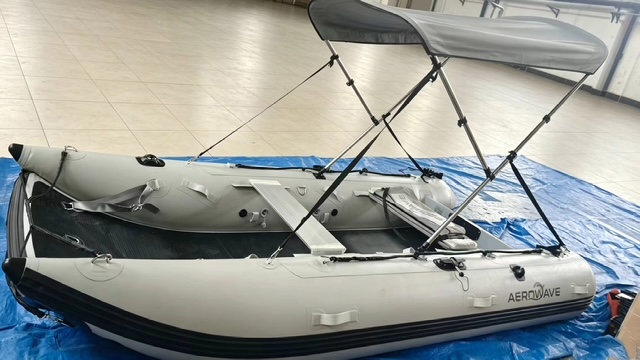
For inflatables, the 26 kg lightweight benchmark is a genuine advantage. A RIB or air-deck tender around the compact end of the range can be easier to assemble, carry, and mount when the motor isn't overly heavy. Check that the transom accepts the engine's power, that the clamp brackets sit correctly, and that the shaft length matches the hull.
A yacht tender benefits from a manageable motor when the crew regularly moves it from a stern bracket or storage cradle. The Mercury makes sense for dinghy-dock transfers and protected marina work. If the tender is large, heavily loaded, or towed offshore in exposed conditions, choose more reserve rather than relying on the smallest practical engine.
Small tinnies used on estuaries and dams are another strong match. The motor offers useful low-speed control for fishing and manoeuvring, while the compact package remains practical for owners who carry the boat and engine by vehicle. A shallow-water drive setting can help in suitable areas, but it doesn't remove the need to avoid submerged hazards.
Short coastal transfers require more judgement. Protected passages can suit the engine, but strong tides, head seas, and a full load reduce control margins. If the route regularly involves open water, the safer choice is usually a larger-displacement outboard.
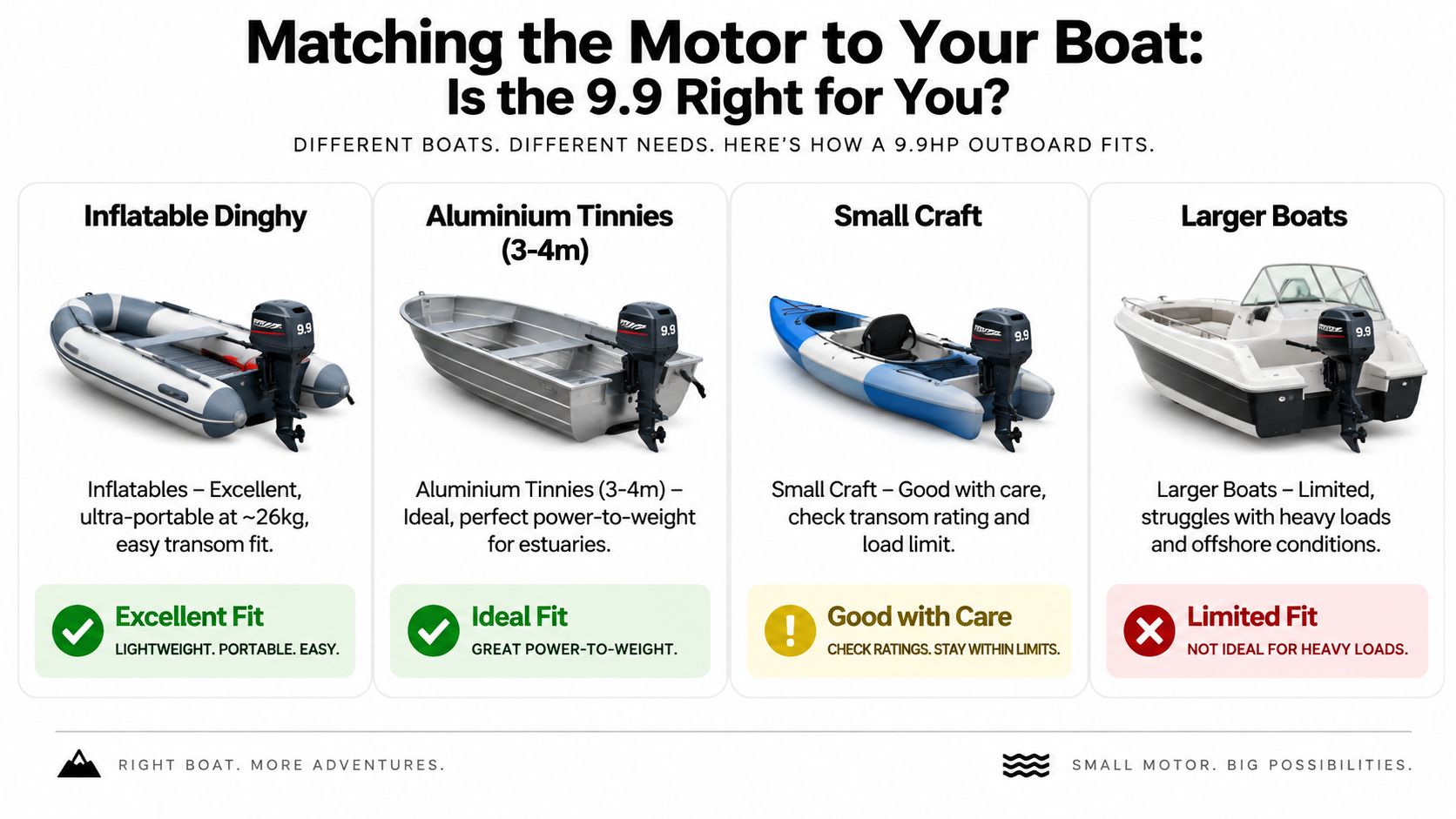
Fit before power: A correctly mounted 9.9 hp on a light, well-trimmed boat is more useful than a larger engine on a transom that can't carry it properly.
The same logic applies to inflatable catamarans and an inflatable catamaran used for fishing or sheltered-water exploration. Their stability can be excellent, but the hull shape and total load still determine whether the motor feels lively or laboured. Check the manufacturer's plate and installation instructions before buying the engine.
Australian Ownership Considerations
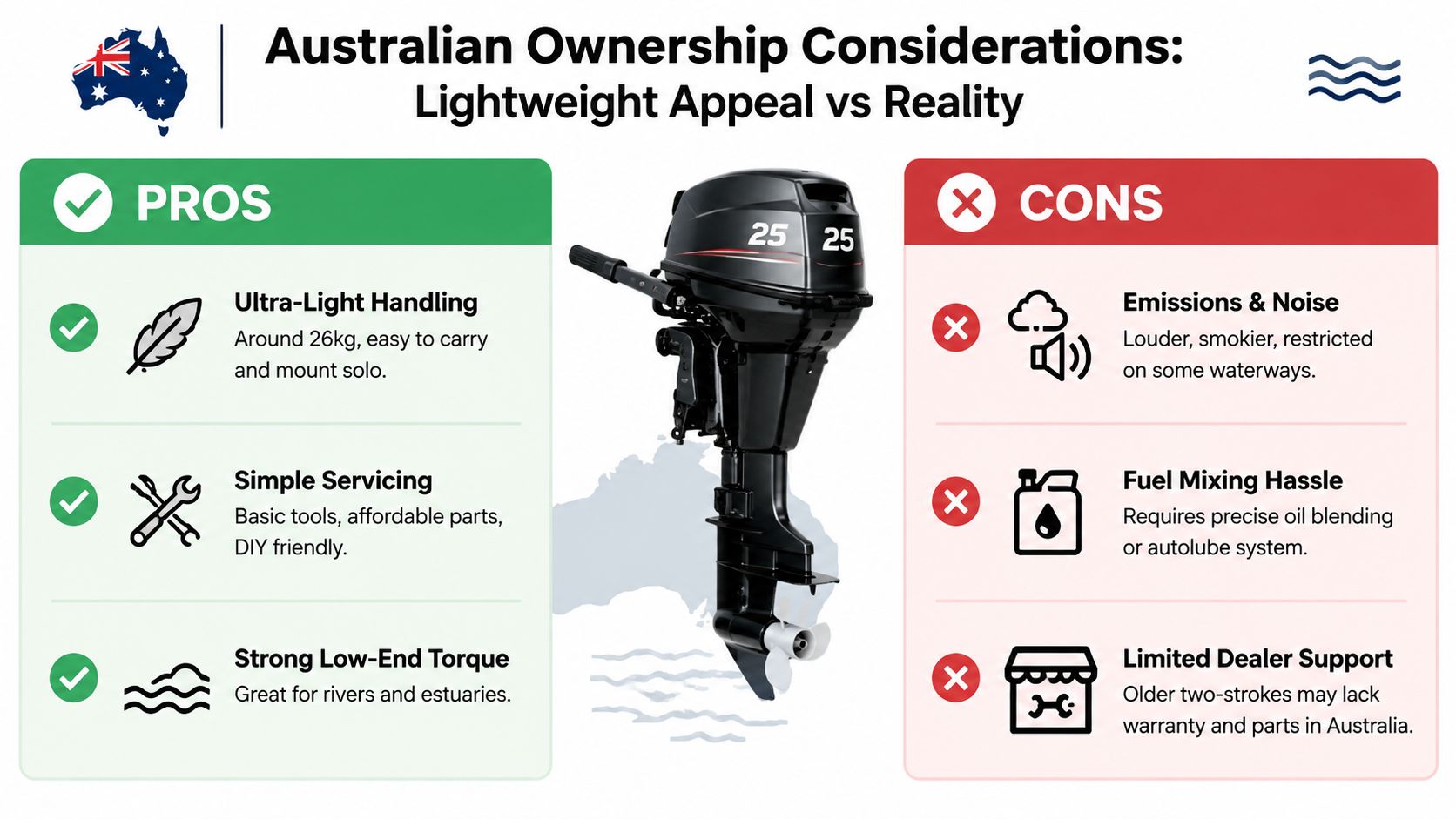
The strongest argument for this Mercury in Australia is physical handling. A listed 26 kg dry weight can change the job from “find help” to “fit it yourself”, particularly when the owner moves the motor between a car, storage rack, inflatable transom, and yacht bracket. That benefit is tangible and shouldn't be dismissed because newer four-strokes are common.
The harder question is support. Australian listings continue to show Mercury 9.9 two-stroke availability, and parts suppliers still offer service and carburettor kits for Mercury and Tohatsu 9.9 to 15 hp two-strokes. Mercury's AU and Pacific documentation also continues to cover 6, 8, 9.8, and 9.9 two-stroke models, which indicates ongoing support rather than total abandonment. Availability still varies by model year and serial range, so ask for parts confirmation before handing over money.
Compliance is a use question
Two-stroke outboards aren't fully banned across Australia. New imported or manufactured engines must meet Australian and New Zealand emissions standards, while state and local rules can impose restrictions in sensitive waterways. The Australian-focused explanation of two-stroke outboard legality is a useful starting point, but buyers should check the rules for the actual state, waterway, and motor.
Smoke, noise, and oil discharge may make an older premix engine a poor fit for environmentally sensitive areas even where general ownership is lawful. Insurance providers may also ask for condition, serial details, service records, and compliance information on an older outboard. Resale tends to depend on local demand, club use, marina networks, and evidence that the carburettor, cooling system, and lower unit have been maintained.
Choose the Mercury if portability, occasional use, and simple mechanical access dominate your priorities. Choose a newer four-stroke if quiet operation, clean running, frequent commercial use, or strict waterway requirements matter more.
Making a Confident Buying Decision
A 9.9 2 stroke Mercury deserves serious consideration if you're fitting out a yacht tender, running a compact inflatable with a family, fishing from a light tinny, or carrying a backup motor that must be manageable by one person. It's a sensible format for protected water and occasional short transfers when the boat is correctly matched.
Pause before buying if you need exceptionally quiet operation, strict emissions performance, heavy commercial reliability, or regular open-water reserve. The lightest motor isn't automatically the safest or cheapest package once fuel, servicing, compliance, parts, and resale are included.
Check these details before purchase
- Model identity: Record the model year, exact model code, serial range, and local specification sheet.
- Installation: Confirm shaft length, transom height, steering arrangement, and boat horsepower rating.
- Controls: Decide whether tiller steering and manual start suit your routine, or whether remote controls and electric start justify extra bulk.
- Fuel system: Verify the premix ratio, tank arrangement, and whether the engine uses manual blending or an oil-injection system.
- Condition: Inspect compression, cooling-water flow, gear oil, propeller damage, corrosion, carburettor response, and ignition.
- Ownership support: Ask about parts availability, service history, warranty status, and local dealer capability.
Use the Mercury outboard motor pricing guide as one part of the comparison, not as a substitute for inspecting the exact engine. Confidence comes from matching the motor to the hull, the waterway, and the owner's lifting and maintenance routine.
Easy Inflatables offers portable inflatable boats, RIBs, yacht tenders, inflatable catamarans, accessories, and Hidea outboards from 2.5 to 60 hp, so you can compare the hull and motor as one practical package. Visit Easy Inflatables to discuss a suitable tender or inflatable setup, check transom compatibility, and arrange Australia-wide delivery and local after-sales support.
Where to next
If you are matching a motor to a boat rather than the other way around, start with the hull and let the transom decide the horsepower.
- Work out your number first with our outboard size guide for inflatable boats.
- Comparing new four-strokes on price? See the Hidea outboards buyer's guide.
- Light tender that suits a 9.9: the Aerowave Swift Tender 290 SI.
- Stepping up to a catamaran: the Aerowave AeroCat 380.
Tell us the boat and how you launch, and we will confirm the right shaft length and horsepower before you spend a cent.
Weekend-Proof Score 17 questions · about 2 minutes
Will the boat you're about to buy survive an Australian summer?
Seventeen straight questions about where you'll use it, what you'll ask of it and the boat you're weighing up. You get a score out of 100, the exact weak points in your plan, and the one boat that genuinely fits.
Free · your result shows on screen · no email required
So which one is yours?
Pick how you'll actually use it and we'll take you straight to the right hull.
I want to fish it
Open bow, rod holders, deck space you can stand and cast from.
Viper Sport 400Family, diving and the beach
3.8 m Series 3 catamaran — low bow to climb back in wearing fins or a tank.
WaveRunner 380Tender / one-person launch
3.3 m hard-floor boat that packs into a bag and still takes a beach landing.
Viper 330Shop gear featured in this guide
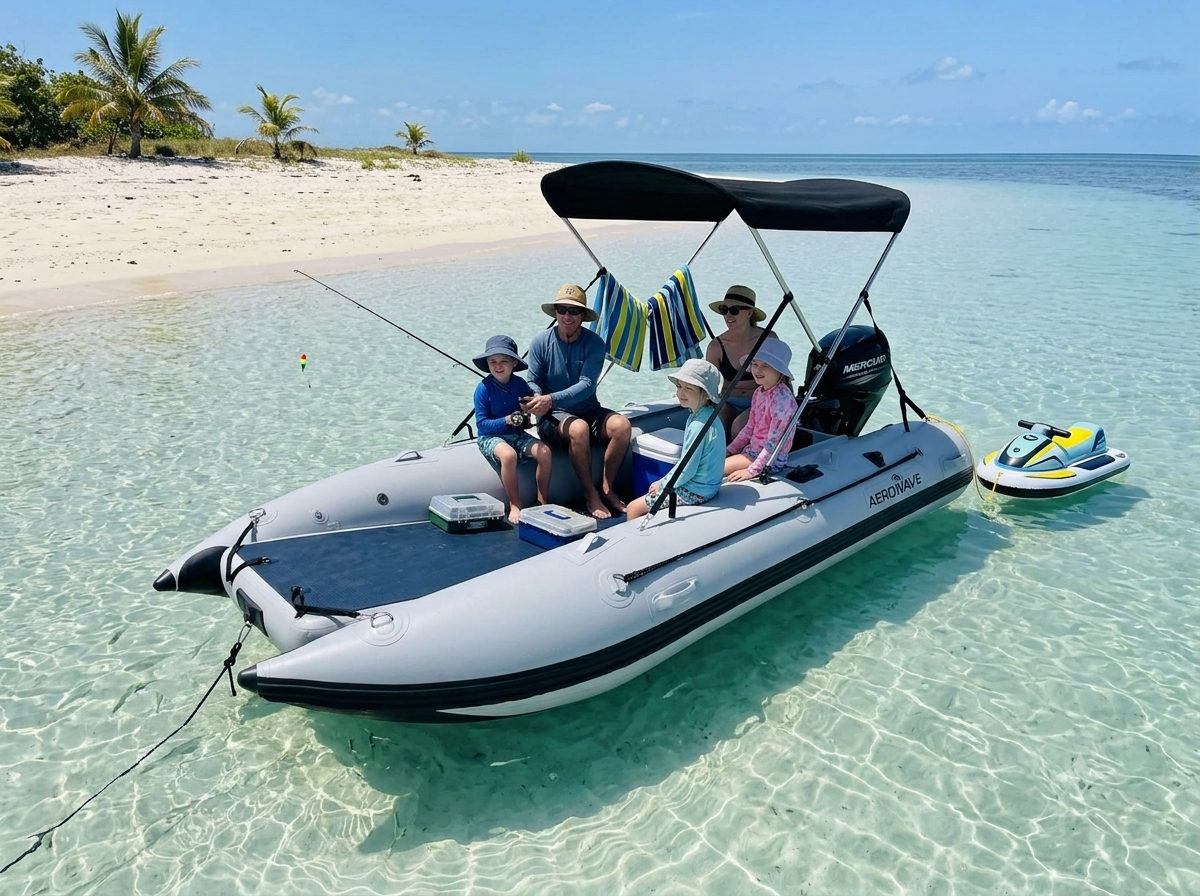
Aerowave WaveRunner 380 Series 3 Catamaran Package
The WaveRunner 380 Series 3 is a premium 3.8m inflatable catamaran package built for Australian and worldwide families, fishing, and coastal day boating — ideal for snorkeling and spearfishing — offering serious stability and premium German Valmex® construction.
Free freight to United States · local taxes payable on arrival
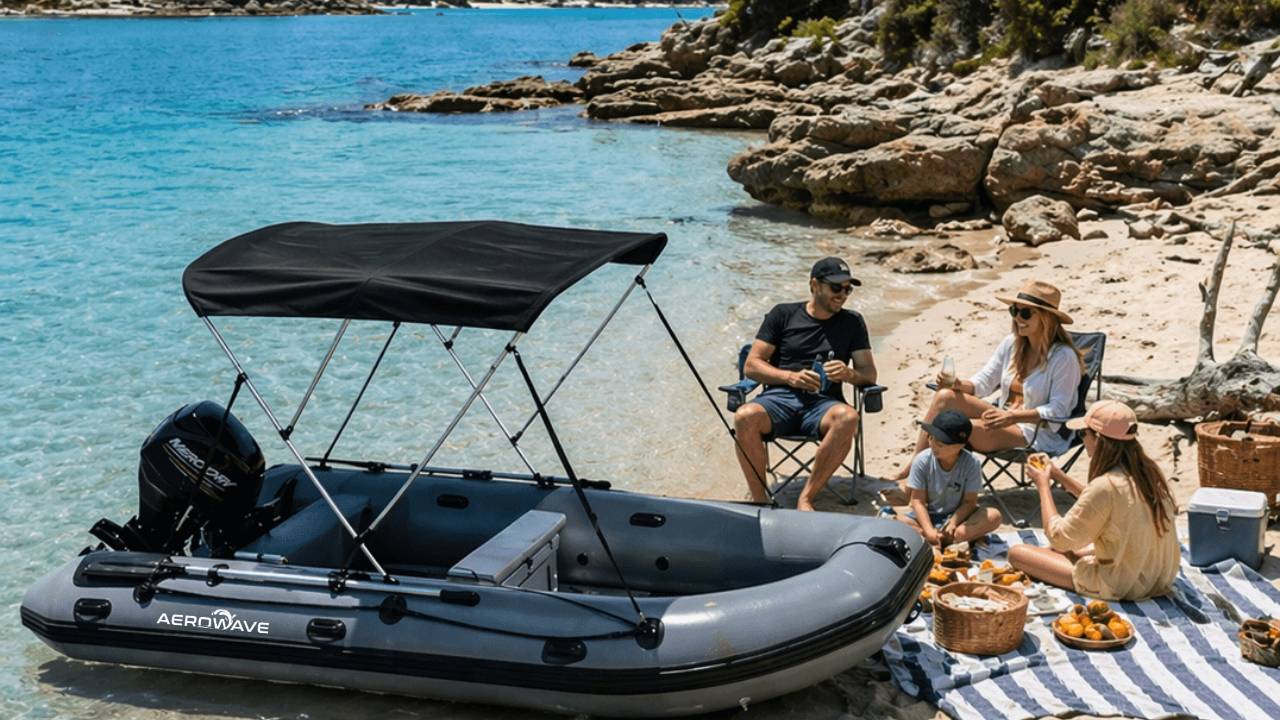
Aerowave Viper 400 Sovereign
Flagship 4m enclosed-bow inflatable catamaran. German VALMEX® 7321 Heavy Plus 1.2mm commercial-grade fabric, 10 PSI high-pressure drop-stitch air deck floor with VALMEX non-slip surface, LockPro wheels, full Bimini and FREE express delivery Australia-wide included. Winter special — save $1,000 until 31 August 2026.
Free freight to United States · local taxes payable on arrival

Aerowave Viper 365 Open Bow
Premium 3.65m Inflatable catamaran — built the same way as our flagship Viper 400 sports boat, just 35cm shorter. German VALMEX® 7321 Heavy Plus 1.2mm commercial-grade fabric, 10 PSI high-pressure drop-stitch air deck floor with VALMEX non-slip surface, LockPro wheels, full Bimini and FREE express delivery Australia-wide included.
Free freight to United States · local taxes payable on arrival
Not sure which suits you? Talk to a real boat owner.
Before you spend a cent
Buying from Australia, delivered to United States
You have never heard of us, we are on the other side of the world, and the internet is full of fakes. Fair enough. Here is everything you would need to check us out, in one place — no forms, no chat bot.
Australian designed business
Easy Inflatables, Avoca Beach NSW 2251. ABN 96 856 548 613. International orders ship from our Hong Kong hub.
222 owner reviews, 4.8 average
Read them in full, good and bad, on our reviews page.
CE certified, 7-year hull warranty
ISO 6185-3 and EU Directive 2013/53/EU. Warranty honoured worldwide.
Tracked, insured, door to door
FREE freight to United States · local tax/duty on arrival.
- Who am I actually buying from?
- Easy Inflatables, Avoca Beach NSW 2251, Australia. ABN 96 856 548 613. Sean is the owner and skipper, Gary Stewart handles sales on +61 2 4335 1603, Karen Matthews handles email. The boats are Australian designed; international orders ship from our Hong Kong dispatch hub so your landed price stays competitive. Phone us before you pay a cent — a real person answers.
- Is this really an Australian product?
- Yes — Australian designed and engineered on the NSW Central Coast. Manufacturing is done offshore to our spec, and international orders ship direct from our Hong Kong dispatch hub. If we routed every boat through Australia first, the freight alone would roughly double or triple your cost for the same hull.
- What do I pay, and what is not included?
- The delivery and import terms depend on your country. EU, UK, New Zealand and named Asia/Pacific lanes include duty and tax; US freight is free but US buyers pay import charges on arrival. Other destinations show their terms before payment.
- How do I pay safely?
- Card through Stripe (Visa, Mastercard, Amex, Apple Pay, Google Pay) or bank transfer. Card payments carry your bank's own dispute protection. We never ask for crypto, gift cards or payment to a personal account.
- What if it arrives damaged?
- Every boat ships fully tracked and insured door to door. Photograph the carton and the boat on arrival and email us — transit damage is claimed and replaced through us, not left with you and the courier.
- Is the warranty real outside Australia?
- Yes. The 7-year hull warranty on 1.2 mm VALMEX Heavy Plus and Orca Hypalon hulls applies wherever you are. Replacement parts are held in Australia and at our overseas hub and go out by express courier to your door.
- Is the boat actually certified?
- All Aerowave catamarans are CE certified to ISO 6185-3 and EU Directive 2013/53/EU. Certification paperwork is supplied with the boat — ask and we will send it before you order.
Frequently asked questions
- How much does a 9.9 HP 2-stroke Mercury weigh?
- Most 9.9 HP two-stroke Mercury models sit around 36 to 40 kg depending on year and shaft length. That is light enough for one reasonably fit person to lift onto a transom, and noticeably lighter than many four-stroke equivalents.
- Can you still buy a new 2-stroke 9.9 in Australia?
- New carburetted two-strokes are no longer sold through mainstream Australian dealers because of emissions rules, so anything you find will be second-hand or grey import. Check state emissions and waterway rules, and confirm parts availability, before you commit.
- Is 9.9 HP enough for a 3.3 m to 3.8 m inflatable?
- For two adults and gear at displacement to light planing speeds, yes. If you want reliable planing with three or four aboard on a 3.8 m catamaran, 15 to 20 HP is the more realistic choice.
- What fuel mix does a 9.9 2-stroke Mercury use?
- Most run a 50:1 petrol to two-stroke oil mix unless the model has oil injection. Always confirm against the plate on the engine, because running the wrong ratio is the fastest way to destroy a small outboard.
- Short shaft or long shaft for an inflatable?
- Match the shaft to the transom height. Aerowave WaveRunner-series transoms are 380 mm, which suits a short shaft and keeps more prop in the water, reducing ventilation and cavitation. Measure your transom before buying.
- Two-stroke or four-stroke for a tender?
- A two-stroke wins on weight, simplicity and price. A modern four-stroke wins on fuel economy, noise, smell and resale, and it is the only option if you want a warranty and local dealer support. For a tender that gets lifted often, weight usually decides it.
- Do I need to register a small boat with a 9.9 HP motor in Australia?
- Rules vary by state, and most states require registration once a powered vessel exceeds a set horsepower or speed. Check the current requirements for your state before launching.
Ready to set sail?
Premium German-fabric inflatable catamarans, built to order and delivered to your door. Talk to our team or browse the fleet.
Like this guide? Get the next one in your inbox.
Owner-tested tips, gear deep-dives and Aussie boating know-how — no spam.