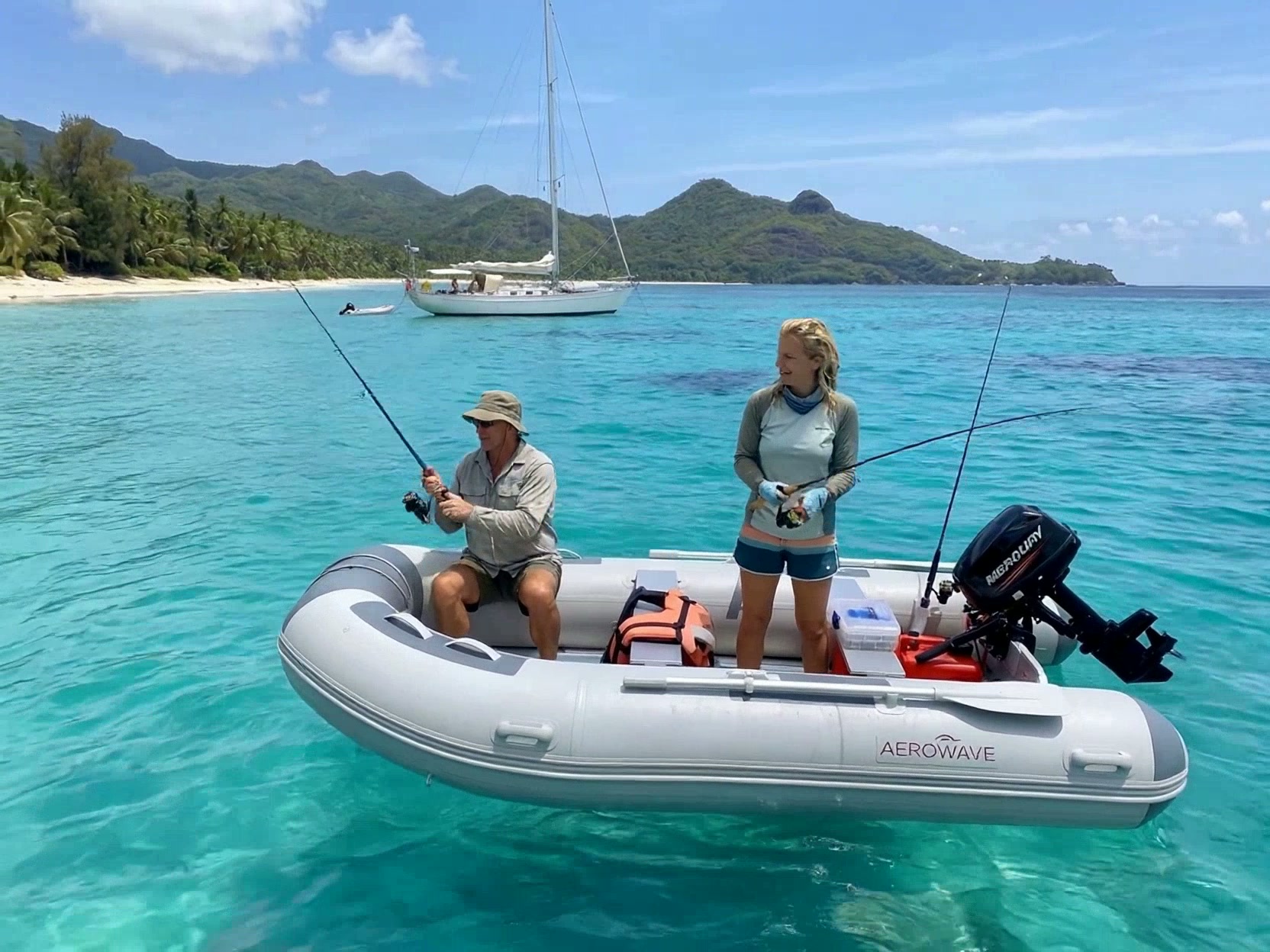
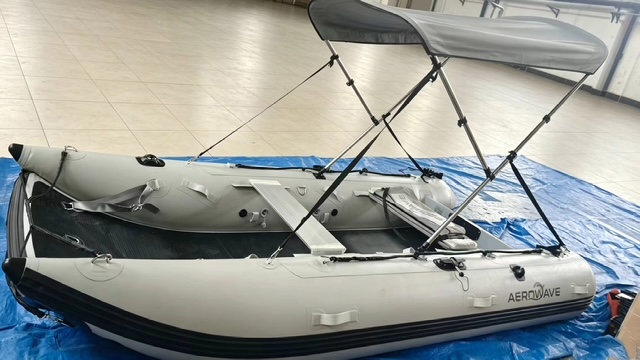
Yamaha 15 HP vs Hidea: Which Outboard for an Inflatable Boat?
A straight comparison of the Yamaha 15 HP and the Hidea 15 HP on an inflatable catamaran — price, weight, shaft length, parts, resale and which one actually suits how you boat.
At a glance
A straight comparison of the Yamaha 15 HP and the Hidea 15 HP on an inflatable catamaran — price, weight, shaft length, parts, resale and which one actually suits how you boat.
- The short answer
- What a 15 HP actually does on an inflatable
- Weight — the number people forget
- Price — the honest gap
Ships to United States 🇺🇸 · tracked door to door
The motor for your inflatable — petrol or electric, in stock now.
Hidea 4-strokes from 2.5 to 20 hp, plus the Haswing Ultima 3.0HP and Fuber Global 1.5 electric outboards. Every one of them is matched to a soft-transom inflatable.
- Hidea 4-stroke range: 2.5, 5, 6, 8, 9.9, 15 and 20 hp — carby or EFI
- Haswing Ultima 3.0HP and Fuber Global 1.5 electric — quiet, no fuel, no service
- Shaft length, transom height and thrust matched to our hulls before it ships
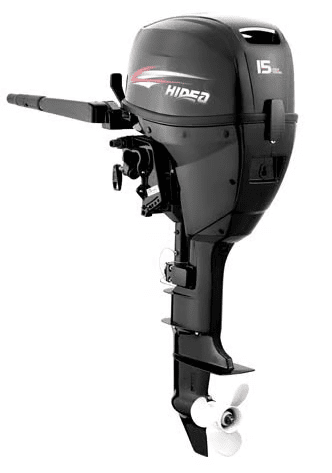 Hidea 15HP 4-Stroke OutboardUS$2,801 · in stock, ships now
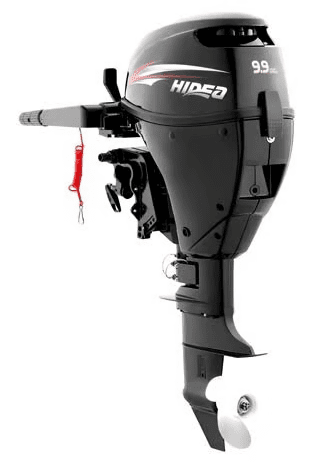 Hidea 9.9HP 4-Stroke OutboardUS$2,508 · in stock, ships now
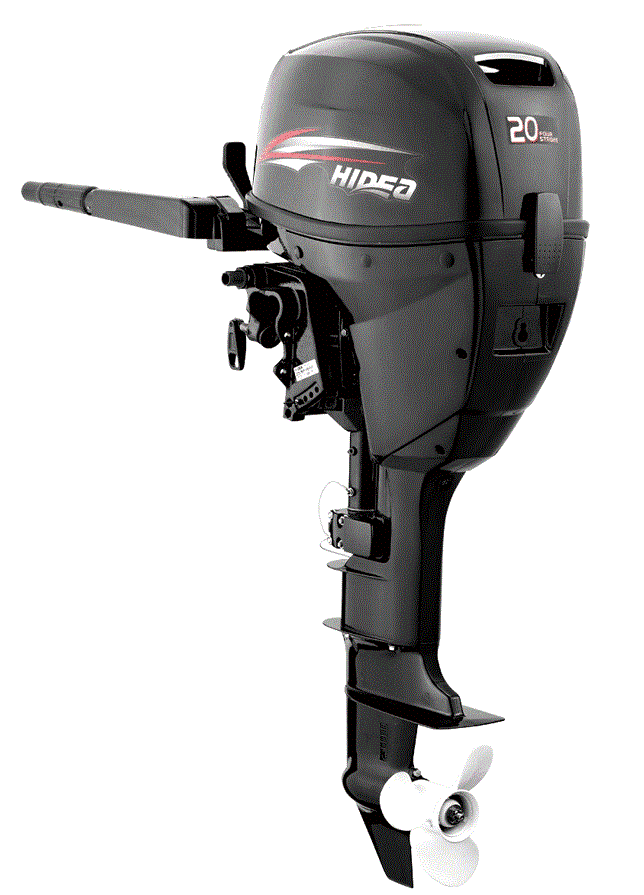 Hidea 20HP Carburettor 4-Stroke Outboard — Short Shaft, Electric StartUS$2,640 · in stock, ships now
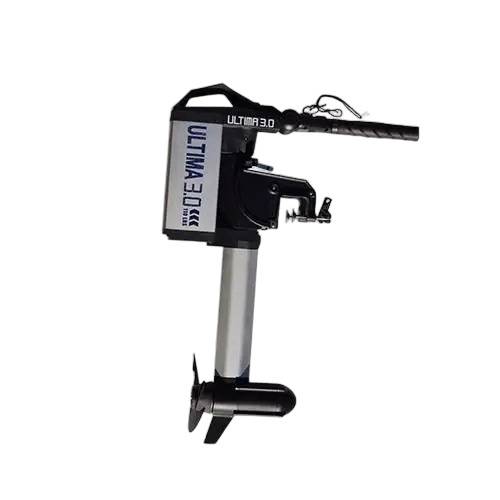 Haswing Ultima 3.0HP Electric OutboardUS$1,947 · in stock, ships now
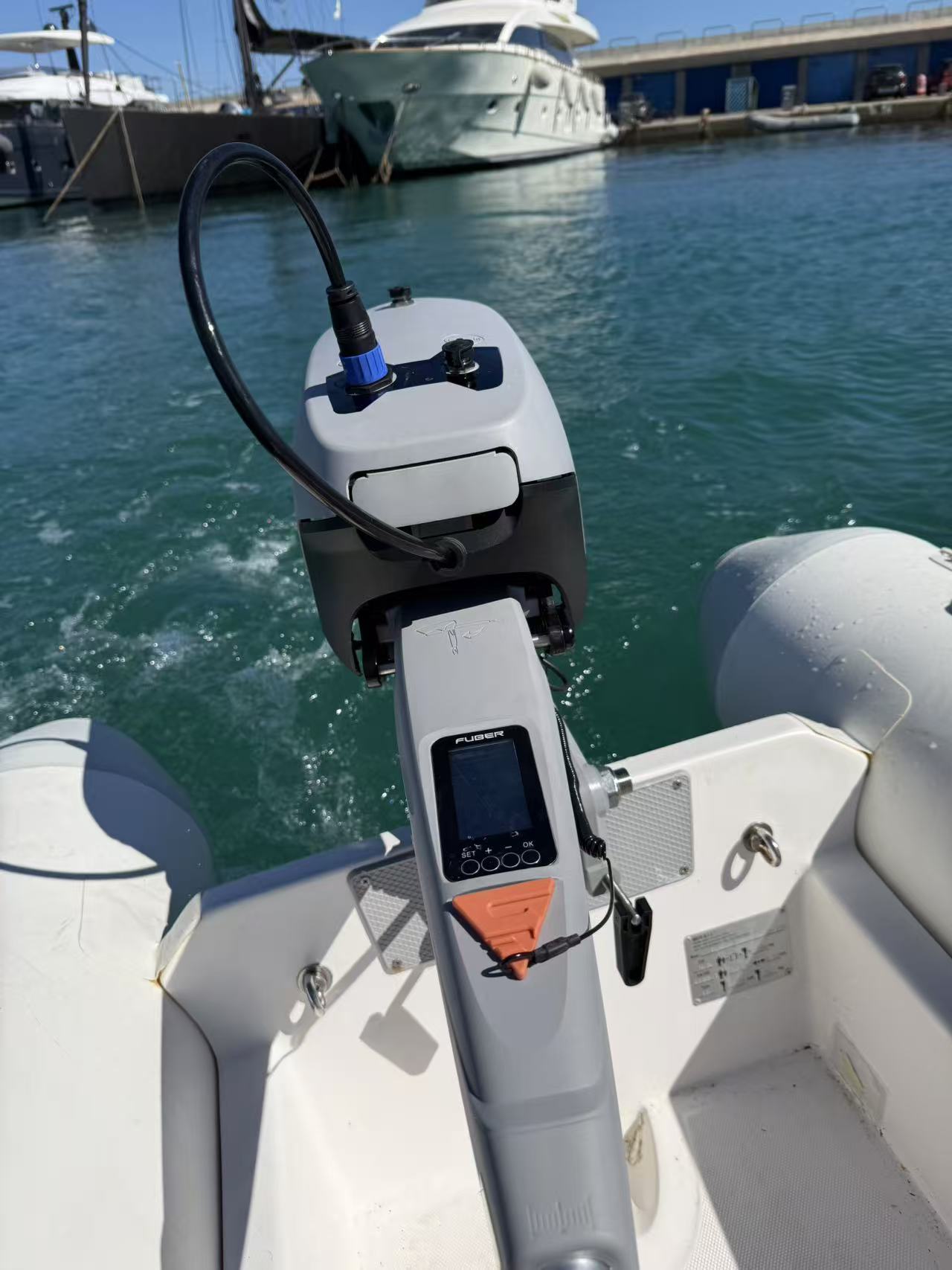 Fuber Global 1.5 Electric Outboard — Short ShaftUS$2,475 · in stock, ships now
Or replace the boat entirely
Aerowave Viper 330
Delivered to United States — freight included in the figure below.
US$2,774landed, USD
- 7-year hull warranty
- CE certified to ISO 6185-3 and EU Directive 2013/53/EU
- Door-to-door, tracked the whole way
See it for yourself
Real boats. Real owners. Real people behind them.
Plenty of what you read online these days is generated. Check us out properly — the factory, the reviews and the owners are all one click away. Why we use AI, and how to check we’re real
How our boats are built
Walk the production line: thermo-welded seams, 1.2 mm VALMEX Heavy Plus hulls, over-pressure relief valves on every chamber.
See the buildGoogle Maps reviews
Real Australian owners, five stars, published on our Google Business Profile with the map — read them there, not just on our own site.
Open Google Maps reviewsOwner stories
Boats in use — offshore, on rivers, on rescue duty. Photos and words from the people who actually own them.
Read owner storiesThe short answer
If you run your boat most weekends, tow it interstate, and plan to keep it a decade, the Yamaha 15 HP is the safer long-term buy. If you run a light inflatable catamaran a dozen times a year and would rather put the difference into the boat itself, the Hidea 15 HP does the same job for roughly half the money.
That is the whole decision in two sentences. The rest of this article is the detail behind it, because a 15 HP outboard is usually the second-biggest cheque you write after the hull, and most of the advice online is written by people who have never had to lift one onto a soft transom on a windy ramp.
What a 15 HP actually does on an inflatable
On a 3.3 m to 4.0 m inflatable catamaran, 15 HP is the sweet spot. It is enough to plane two adults plus gear comfortably, it stays under the weight where a soft transom starts to complain, and in most Australian states it sits under the threshold where licensing and registration get more involved.
Expect roughly:
- Two adults, light gear: planes in 3-4 seconds, cruises 18-22 knots
- Three adults plus fuel and an esky: planes, cruises 15-18 knots
- Fuel burn at cruise: around 4-5 litres per hour
Both engines hit those numbers. Nobody is winning a drag race here. The differences are everywhere else.
Weight — the number people forget
| Yamaha 15 HP | Hidea 15 HP | |
|---|---|---|
| Dry weight (short shaft) | ~36 kg | ~38 kg |
| Shaft options | Short / long | Short / long |
| Starting | Manual (electric optional) | Manual (electric optional) |
| Fuel system | Carburettor or EFI | Carburettor |
Two kilos sounds like nothing until you are lifting the motor off a tailgate at 5 am. Both are two-person-friendly, one-person-awkward. If you boat alone regularly, look hard at a motor trolley or a transom hoist regardless of brand.
Shaft length matters more than brand. Our catamaran transoms are 380 mm, which means a short shaft is correct. A long shaft on a 380 mm transom drags the anti-ventilation plate too deep, kills top speed and loads the transom unnecessarily. Get this wrong and no amount of brand loyalty saves you.
Price — the honest gap
At the time of writing, a new Yamaha 15 HP lands in Australia around the A$4,500-A$5,200 mark depending on shaft, start type and dealer. A Hidea 15 HP sits closer to A$2,200-A$2,600.
That is a gap of roughly A$2,500. Put another way: the price difference between the two motors is close to the price of a complete AeroCat 330 upgrade path — bigger boat, better fabric, more usable deck. That is a real trade-off worth sitting with before you default to the badge.
Parts, service and the thing nobody tells you
This is where Yamaha genuinely earns the premium. There is a Yamaha service agent in almost every coastal town in Australia. Impellers, plugs, water pump kits and gear oil are shelf stock. If you cook a water pump in Exmouth on a Saturday, someone can help you on Monday.
Hidea parts are available, but the network is thinner. We hold service parts for the Hidea motors we sell in both Australia and our Hong Kong hub, and ship direct to your door by DHL Express — but that is a courier timeline, not a walk-in counter.
So the real question is not "which motor is better built". It is "how far from a service agent do I usually boat, and how quickly do I need to be back on the water?"
Resale
A five-year-old Yamaha 15 HP with a service history typically retains 55-65% of its purchase price. A five-year-old Hidea retains less in percentage terms, but because you paid so much less to start with, the dollars you actually lose are broadly similar. Do not let percentage resale figures trick you into thinking the expensive motor is free.
Which one for which owner
Buy the Yamaha if you:
- Boat 20+ times a year
- Travel remote, or trailer long distances
- Want a walk-in service network anywhere on the coast
- Plan to keep the package 8-10 years
Buy the Hidea if you:
- Boat a handful of times a year, mostly estuary and bay
- Want to put more budget into the hull and less into the badge
- Are comfortable ordering service parts online
- Want a complete boat-and-motor package under A$8,000
Pairing it with the right hull
Whichever motor you choose, the hull under it is what decides whether the package feels good. A 15 HP on a thin 0.9 mm single-tube inflatable will feel skittish and hard to trim. On a twin-hull catamaran built from 1.2 mm German VALMEX, the same 15 HP feels planted — the tunnel between the hulls damps chop, the boat sits level under load, and you can stand and cast without the deck moving under you.
That is why our boat-and-motor packages are matched rather than assembled: WaveRunner 380 + 15 HP and Viper 400 Sovereign + 20 HP are set up around transom height, weight and prop pitch, not just horsepower on paper.
The bottom line
Neither motor is a mistake. The Yamaha buys you a service network and a badge that holds value. The Hidea buys you the same weekend on the water for around half the money, with parts by courier instead of over the counter.
If you are still deciding, tell us where you boat and how often — we will tell you honestly which one we would put on your transom.
Explore the Aerowave range
Weekend-Proof Score 17 questions · about 2 minutes
Will the boat you're about to buy survive an Australian summer?
Seventeen straight questions about where you'll use it, what you'll ask of it and the boat you're weighing up. You get a score out of 100, the exact weak points in your plan, and the one boat that genuinely fits.
Free · your result shows on screen · no email required
So which one is yours?
Pick how you'll actually use it and we'll take you straight to the right hull.
I want to fish it
Open bow, rod holders, deck space you can stand and cast from.
Viper Sport 400Family, diving and the beach
3.8 m Series 3 catamaran — low bow to climb back in wearing fins or a tank.
WaveRunner 380Tender / one-person launch
3.3 m hard-floor boat that packs into a bag and still takes a beach landing.
Viper 330Shop gear featured in this guide
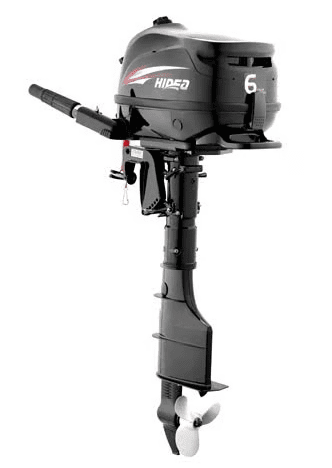
Hidea 6HP 4-Stroke Outboard
The 6HP 4-Stroke is built for tenders, skiffs and smaller inflatable boats. Quiet, easy to handle and reliable everyday power.
Australia-only item or unlisted country — ask for a price
Hidea 9.9HP 4-Stroke Outboard
Twin-cylinder smoothness for dinghies, inflatables and small aluminium boats. A confident step-up from 6HP.
Australia-only item or unlisted country — ask for a price
Hidea 15HP 4-Stroke Outboard
Strong, dependable mid-range power for bigger inflatables, tenders and small runabouts.
Australia-only item or unlisted country — ask for a price
Not sure which suits you? Talk to a real boat owner.
Before you spend a cent
Buying from Australia, delivered to United States
You have never heard of us, we are on the other side of the world, and the internet is full of fakes. Fair enough. Here is everything you would need to check us out, in one place — no forms, no chat bot.
Australian designed business
Easy Inflatables, Avoca Beach NSW 2251. ABN 96 856 548 613. International orders ship from our Hong Kong hub.
222 owner reviews, 4.8 average
Read them in full, good and bad, on our reviews page.
CE certified, 7-year hull warranty
ISO 6185-3 and EU Directive 2013/53/EU. Warranty honoured worldwide.
Tracked, insured, door to door
FREE freight to United States · local tax/duty on arrival.
- Who am I actually buying from?
- Easy Inflatables, Avoca Beach NSW 2251, Australia. ABN 96 856 548 613. Sean is the owner and skipper, Gary Stewart handles sales on +61 2 4335 1603, Karen Matthews handles email. The boats are Australian designed; international orders ship from our Hong Kong dispatch hub so your landed price stays competitive. Phone us before you pay a cent — a real person answers.
- Is this really an Australian product?
- Yes — Australian designed and engineered on the NSW Central Coast. Manufacturing is done offshore to our spec, and international orders ship direct from our Hong Kong dispatch hub. If we routed every boat through Australia first, the freight alone would roughly double or triple your cost for the same hull.
- What do I pay, and what is not included?
- The delivery and import terms depend on your country. EU, UK, New Zealand and named Asia/Pacific lanes include duty and tax; US freight is free but US buyers pay import charges on arrival. Other destinations show their terms before payment.
- How do I pay safely?
- Card through Stripe (Visa, Mastercard, Amex, Apple Pay, Google Pay) or bank transfer. Card payments carry your bank's own dispute protection. We never ask for crypto, gift cards or payment to a personal account.
- What if it arrives damaged?
- Every boat ships fully tracked and insured door to door. Photograph the carton and the boat on arrival and email us — transit damage is claimed and replaced through us, not left with you and the courier.
- Is the warranty real outside Australia?
- Yes. The 7-year hull warranty on 1.2 mm VALMEX Heavy Plus and Orca Hypalon hulls applies wherever you are. Replacement parts are held in Australia and at our overseas hub and go out by express courier to your door.
- Is the boat actually certified?
- All Aerowave catamarans are CE certified to ISO 6185-3 and EU Directive 2013/53/EU. Certification paperwork is supplied with the boat — ask and we will send it before you order.
Frequently asked questions
- Is 15 HP enough for a 3.8 m inflatable catamaran?
- Yes. On a 3.8 m twin-hull, 15 HP planes two to three adults with gear and cruises comfortably at 15-20 knots. Going to 20 HP buys you faster hole-shot with a full load, not much more top speed.
- Do I need a short shaft or a long shaft?
- Short shaft. Our catamaran transoms are 380 mm, which is designed for a short-shaft outboard. A long shaft sits too deep, costs you speed and loads the transom unnecessarily.
- Are Hidea parts hard to get in Australia?
- No, but they are courier-based rather than over-the-counter. We hold service parts in both Australia and our Hong Kong hub and ship direct to your door by DHL Express.
- Can I fit either motor to a soft transom?
- Both suit our aluminium grilled transoms. At around 36-38 kg they are within the design load. Solo owners should consider a transom hoist or motor trolley for lifting, regardless of brand.
- Which motor holds its value better?
- Yamaha retains a higher percentage, but because the purchase price is roughly double, the dollars lost over five years end up similar. Judge on service access and how often you boat, not resale percentage.
Ready to set sail?
Premium German-fabric inflatable catamarans, built to order and delivered to your door. Talk to our team or browse the fleet.
Like this guide? Get the next one in your inbox.
Owner-tested tips, gear deep-dives and Aussie boating know-how — no spam.