Electric Outboard Inflatable Boat: The Ultimate Haswing Ultima 3.0 Review
Is a silent, fume-free electric outboard right for your inflatable? We put the Haswing Ultima 3.0HP through its paces on our inflatable catamarans to find out.
At a glance
Is a silent, fume-free electric outboard right for your inflatable? We put the Haswing Ultima 3.0HP through its paces on our inflatable catamarans to find out.
- Why Even Consider an Electric Outboard for Your Inflatable?
- The Allure of Absolute Silence
- No More Petrol: The Convenience and Cleanliness Factor
- Weight and Portability: A Game-Changer for SIBs
Ships to United States 🇺🇸 · tracked door to door
The motor for your inflatable — petrol or electric, in stock now.
Hidea 4-strokes from 2.5 to 20 hp, plus the Haswing Ultima 3.0HP and Fuber Global 1.5 electric outboards. Every one of them is matched to a soft-transom inflatable.
- Hidea 4-stroke range: 2.5, 5, 6, 8, 9.9, 15 and 20 hp — carby or EFI
- Haswing Ultima 3.0HP and Fuber Global 1.5 electric — quiet, no fuel, no service
- Shaft length, transom height and thrust matched to our hulls before it ships
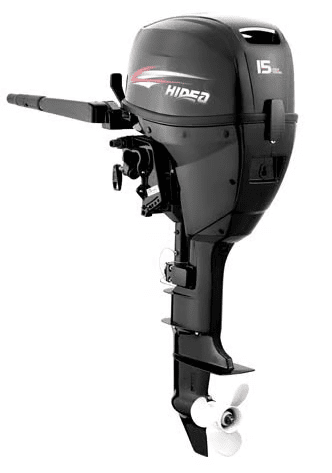 Hidea 15HP 4-Stroke OutboardUS$2,801 · in stock, ships now
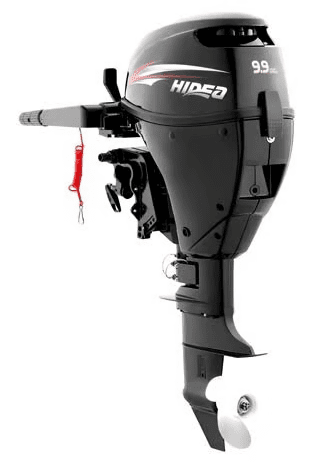 Hidea 9.9HP 4-Stroke OutboardUS$2,508 · in stock, ships now
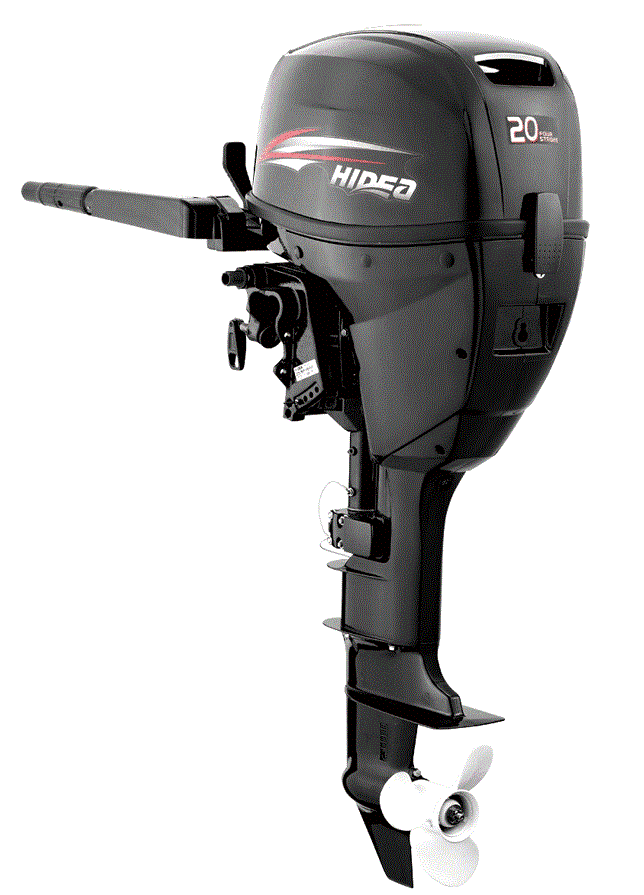 Hidea 20HP Carburettor 4-Stroke Outboard — Short Shaft, Electric StartUS$2,640 · in stock, ships now
 Haswing Ultima 3.0HP Electric OutboardUS$1,947 · in stock, ships now
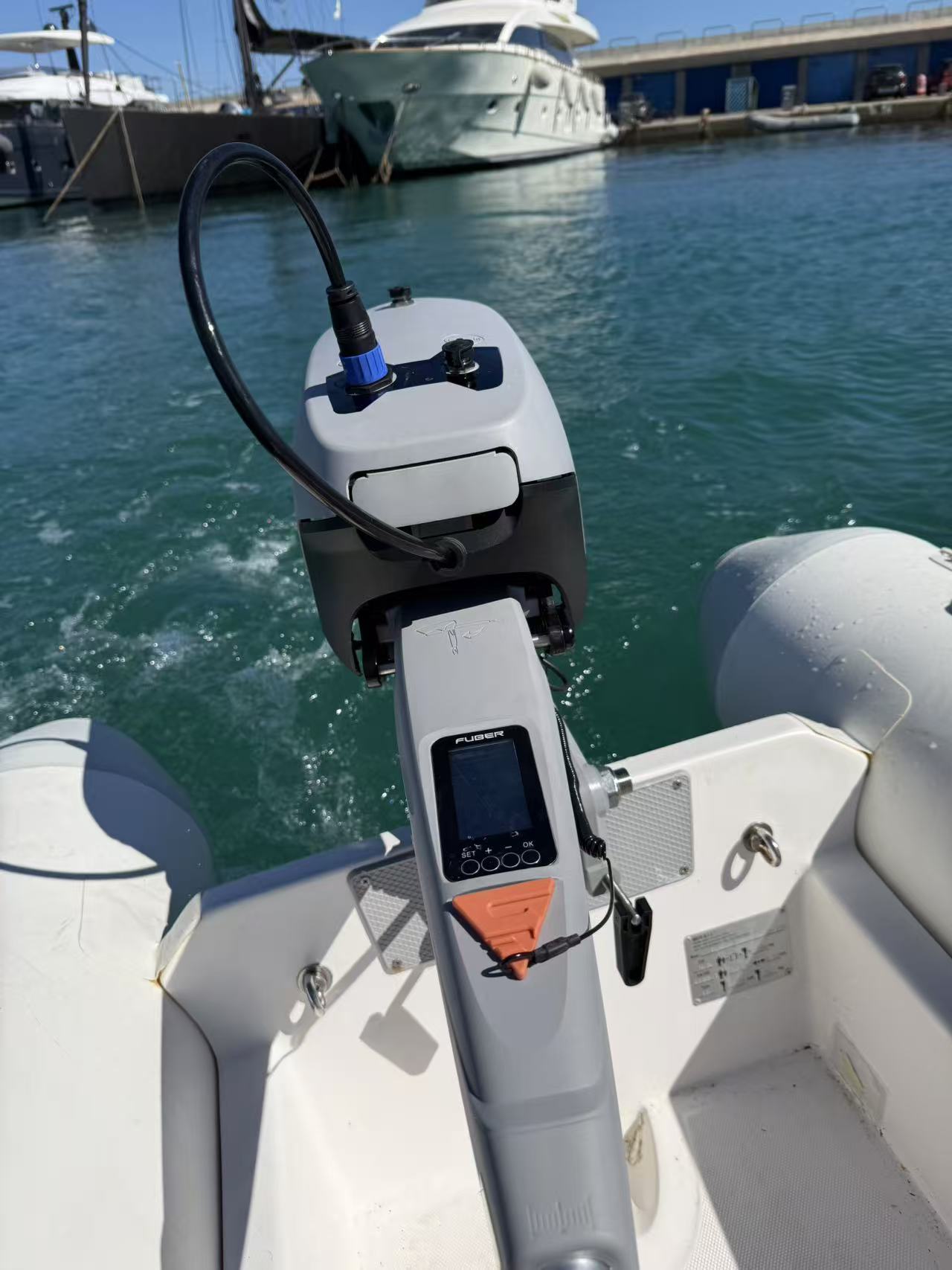 Fuber Global 1.5 Electric Outboard — Short ShaftUS$2,475 · in stock, ships now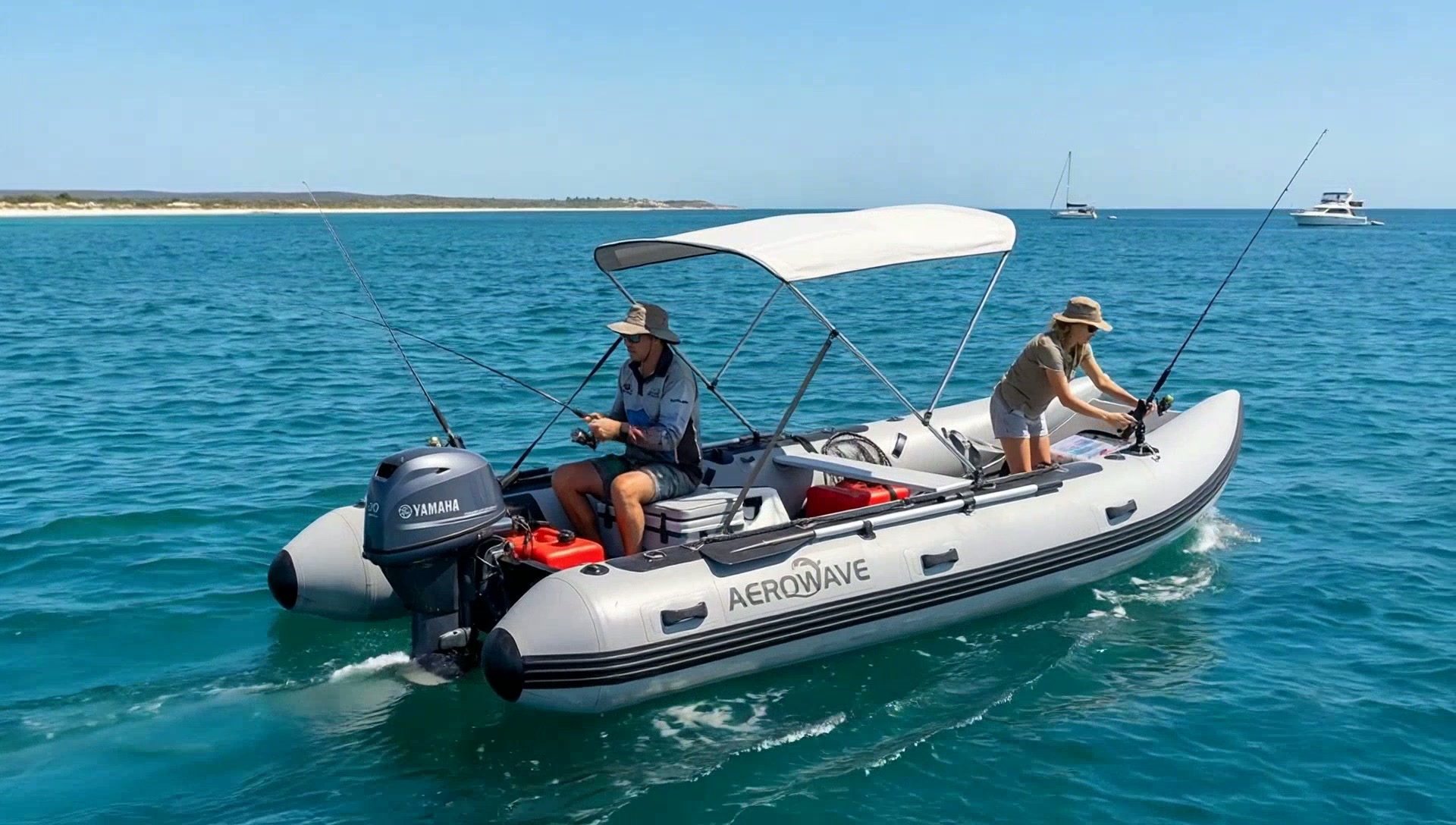
Or replace the boat entirely
Aerowave Viper 330
Delivered to United States — freight included in the figure below.
US$2,774landed, USD
- 7-year hull warranty
- CE certified to ISO 6185-3 and EU Directive 2013/53/EU
- Door-to-door, tracked the whole way
See it for yourself
Real boats. Real owners. Real people behind them.
Plenty of what you read online these days is generated. Check us out properly — the factory, the reviews and the owners are all one click away. Why we use AI, and how to check we’re real
How our boats are built
Walk the production line: thermo-welded seams, 1.2 mm VALMEX Heavy Plus hulls, over-pressure relief valves on every chamber.
See the buildGoogle Maps reviews
Real Australian owners, five stars, published on our Google Business Profile with the map — read them there, not just on our own site.
Open Google Maps reviewsOwner stories
Boats in use — offshore, on rivers, on rescue duty. Photos and words from the people who actually own them.
Read owner storiesFor years, the choice was simple: row, or endure the noise and fumes of a petrol two-stroke. Now, a third way is maturing, and it might just be the future for small-boat enthusiasts.
Choosing the right motor is as crucial as choosing the boat itself. It defines your range, your speed, and the very nature of your day on the water. For owners of portable, high-performance craft like our VALMEX inflatable catamarans, the petrol four-stroke has long been the gold standard, offering a superb blend of power, reliability, and fuel efficiency. But there’s a quiet revolution underway. The rise of powerful, integrated lithium-battery systems is pushing the electric outboard inflatable boat from a niche concept for trolling in freshwater dams into a serious contender for coastal tenders and estuary explorers.
The question is no longer if electric outboards are viable, but for whom and for what purpose. To answer this, we sourced a Haswing Ultima 3.0 — arguably the most popular integrated electric system in its class — and spent some serious time testing it on the water. This isn't a rehash of a spec sheet. This is a real-world, in-depth analysis of what it's like to live with an electric outboard on a premium inflatable boat, warts and all.
Why Even Consider an Electric Outboard for Your Inflatable?
The appeal of electric power is primal. It’s about simplicity, stealth, and a cleaner connection to the environment you’re there to enjoy. But beyond the warm-and-fuzzy feelings, there are hard, practical advantages that make them uniquely suited to the world of high-quality inflatable boats.
The Allure of Absolute Silence
The first thing that strikes you isn't what the Haswing Ultima does, but what it doesn't do. It doesn't roar to life. It doesn't shudder or vibrate through the transom. It doesn't force you to shout over the drone of a combustion engine. At low speeds, the only sound is the gentle lapping of water against the hulls. At full throttle, you hear the whir of the prop and the whisper of the brushless motor, but it’s a sound you can easily talk over. This transforms the boating experience. You can sneak into quiet coves to watch birdlife without scaring it away. You can have a normal conversation with your passenger. You can hear the fish breaking the surface. For anyone tired of the constant racket of a petrol engine, this alone can be worth the price of admission.
No More Petrol: The Convenience and Cleanliness Factor
Let’s be honest: dealing with petrol is the least enjoyable part of boating. The trips to the servo, the bulky jerry cans sloshing around in the back of your car, the inevitable spills on the deck or in the water, the oily film, and the choking two-stroke fumes (even modern four-strokes have their odour). An electric outboard eliminates all of this. Your ‘fuel’ is a compact, detachable battery that you carry inside and charge from a standard wall socket, just like a high-end cordless drill. There are no oil changes, no spark plugs to foul, no carburettors to gum up, and no winterising procedures. The engine compartment of your car stays clean, your boat deck stays pristine, and you can store the motor and battery in a cupboard at home without stinking out the whole house.
Weight and Portability: A Game-Changer for SIBs
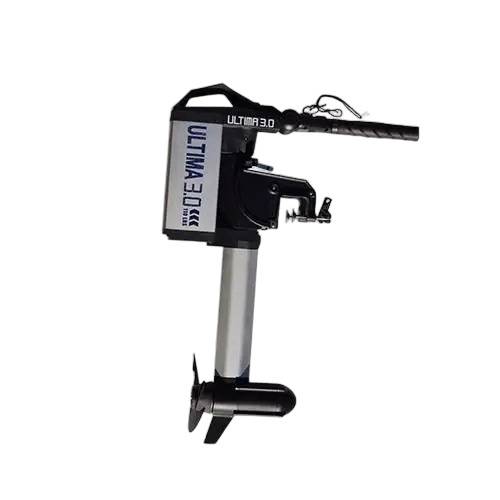
Weight is the constant battle for owners of portable boats. A typical 3.5hp 4-stroke petrol outboard weighs around 17–19kg, plus a separate fuel tank and line. The Haswing Ultima 3.0, including its integrated 1030Wh lithium battery, comes in at a remarkably manageable 18.3kg total. The motor itself is a featherweight 7kg, while the battery pack is 11.3kg. This separation is key. Instead of heaving a single, awkward 18kg block onto the transom, you mount the light motor first, then simply click the battery into place on top. This makes setup and pack-down significantly easier and less strenuous, perfectly complementing the 'boat-in-a-bag' philosophy of our AeroCat and WaveRunner series.
The Haswing Ultima 3.0: A Deep Dive on this Electric Outboard
Not all electric outboards are created equal. Many are little more than glorified trolling motors designed for slow speeds on inland dams. The Haswing Ultima 3.0 aims higher, presenting itself as a genuine petrol alternative for tenders and small craft. We got our hands on one to see if the reality matches the marketing.
Unboxing and First Impressions: Build and Finish
The unit arrives well-packaged and feels substantial out of the box. The leg and motor housing are cast aluminium with a durable-looking powder coat finish. The tiller arm incorporates a clear, backlit digital display showing battery percentage, voltage, and power draw in watts — crucial information that’s often missing on cheaper models. The control is a stepless, variable-speed magnetic throttle, meaning you have infinite adjustment forward and reverse, which is a big step up from the notched speeds of basic trolling motors. The battery itself is a sleek, self-contained unit with its own carrying handle and a robust locking mechanism that clicks securely onto the motor head. Overall, the impression is one of thoughtful design, more akin to a modern power tool than a rudimentary piece of marine gear. It feels like a mature product, not a first-generation experiment.
Key Specifications: What Do the Numbers Mean?
- Power: 1030 Watts / 3.0 Horsepower Equivalent
- Thrust: 110 lbs
- Motor Type: Brushless DC Motor
- Voltage: 36V nominal
- Battery: 29.6V / 1030Wh removable, rechargeable Lithium-ion
- Total Weight: 18.3kg (Motor 7kg, Battery 11.3kg)
- Shaft Length: Short Shaft (ideal for the 380mm transoms on our boats)
Let's break this down. The '3.0HP' rating is an equivalency claim. Electric motors are properly measured in watts of input power (1030W) and pounds of static thrust (110lbs). While it's tricky to directly compare thrust to horsepower, the 110lbs figure puts it in the same league as a 3.5hp petrol outboard for pushing a light displacement hull at low speeds. The brushless motor is the key piece of technology. Compared to older brushed motors, brushless designs are vastly more efficient, run cooler, and have a much longer service life with virtually no maintenance. The 1030Wh (watt-hour) battery rating is its 'fuel tank' capacity. It means the battery can deliver 1030 watts for one hour, or 515 watts for two hours, and so on.
Real-World Performance on Easy Inflatables Boats
Specs are one thing; on-water performance is everything. We bolted the Haswing Ultima 3.0 onto the transoms of two of our most popular models: the nimble AeroCat 330 catamaran and the larger WaveRunner 380 monohull, to test it in a variety of real-world conditions.
Getting on the Plane? Let's Be Realistic.
This is the million-dollar question for anyone considering an electric outboard inflatable boat. Can it plane? The simple answer is no, not in the way a 5hp or 9.8hp petrol outboard can. With a single adult in the AeroCat 330 (total weight approx. 120kg), full throttle pushed the boat to a top speed of around 8-9 km/h (4.5-5 knots). The boat moved efficiently at displacement speed, creating very little wake, but it never lifted onto a clean plane. The WaveRunner 380, being slightly heavier and a monohull, achieved a similar top speed. This is crucial to understand: the Haswing Ultima 3.0 is a powerful displacement motor. It will push your inflatable along at the speed of a brisk jog, but it won't give you the thrilling, wind-in-your-hair planing performance of a more powerful petrol engine.
Runtime Reality: How Far Can You Actually Go?
Manufacturer claims for electric anything are notoriously optimistic. We wanted to find the real-world numbers.
- Full Throttle (1030W draw): At a constant top speed of 8-9 km/h, the 1030Wh battery lasted for almost exactly 1 hour. This gives a maximum-speed range of about 8-9 kilometres. It's exhilarating but drains the battery fast.
- Half Throttle (~350W draw): This was the sweet spot. The boat moved along beautifully at a relaxed 5-6 km/h (about 3 knots). The motor was nearly silent, and the power draw was low. At this setting, we ran for just under 3 hours, giving a very useful range of 15-18 kilometres.
- Quarter Throttle (~150W draw): At this leisurely cruising speed of around 3-4 km/h, the power draw is minimal. The battery would likely last for 6-7 hours, providing a massive range of over 20km for those with time on their side, like fishos exploring a shoreline.
The digital display is your best friend here. By watching the live power draw in watts, you learn to feather the throttle for maximum efficiency, trading a little speed for a huge gain in range. Unlike a petrol gauge which can be vague, this gives you precise, to-the-minute data on your endurance.
Comparison: Haswing Ultima 3.0 vs. 3.5HP 4-Stroke Petrol
To put it all in perspective, here is how the Haswing stacks up against a generic, good-quality 3.5HP 4-stroke petrol outboard, a popular choice for our smaller inflatable boats.
| Feature | Haswing Ultima 3.0 Electric | 3.5HP 4-Stroke Petrol Outboard |
|---|---|---|
| Total Weight | 18.3kg (7kg motor + 11.3kg battery) | ~18kg motor + 3-5kg for a 5L fuel can |
| Portability | Excellent. Two light, manageable pieces. | Fair. One awkward, heavy block. |
| Noise Level | Near silent at low speed, quiet hum at high | Loud at all speeds. Conversation is difficult. |
| Fuel/Energy | Rechargeable 1030Wh lithium battery | Unleaded Petrol |
| Fumes & Spills | None. Clean hands, clean car, clean boat. | Constant risk of petrol/oil spills and fumes. |
| Maintenance | Virtually nil. Rinse with fresh water. | Regular: oil changes, spark plugs, carburettor. |
| Top Speed | ~8-9 km/h (Displacement speed) | ~12-20 km/h (Can plane a very light boat/person) |
| Primary Use Case | Quiet cruising, tenders, car-toppers. | All-purpose power, planing, fighting currents. |
| Suitability for an electric outboard inflatable boat | Excellent for portability and quiet enjoyment. | Excellent for raw power and range. |
Is an Electric Outboard Right for Your Inflatable Boat?
After extensive testing, it's clear the Haswing Ultima 3.0 is a fantastic piece of engineering, but it's not a universal replacement for petrol. Its suitability depends entirely on your personal boating style.
The Ideal User: Tenders, Estuaries, and Secret Fishing Spots
An electric outboard shines for specific applications. It is the undisputed king for use as a tender, shuttling you from a larger vessel to shore. The silence, lack of fumes, and instant start-up are perfect for short, frequent trips. It's also magnificent for exploring calm estuaries, rivers, and lakes where speed isn't the priority. For anglers wanting to sneak up on fish in shallow flats, it's a genuine game-changer. If your boating involves relaxed cruising, photography, or simply enjoying the peace and quiet, the electric experience is superior to petrol.
When Petrol Still Wins: Offshore, Strong Currents, and Long Distances
If your plans involve heading out of the harbour into open water, dealing with strong tidal currents, or covering long distances at speed, a petrol outboard remains the logical choice. A Hidea 4-stroke 5hp or 9.8hp outboard on one of our AeroCat or Viper catamarans will give you the power to punch through chop, the speed to outrun a coming storm, and the range to explore far and wide. The ability to carry an extra jerry can of fuel provides a safety margin and extended range that battery technology, for now, cannot match in a portable format.
Matching Your Motor to an Easy Inflatables Boat
Pairing the right motor with the right hull is critical. The Haswing Ultima 3.0, being a short-shaft motor, is a perfect match for the 380mm (15-inch) transoms on our entire range, from the AeroCat 330 to the flagship Viper 400 Sovereign. The lightweight nature of the motor is a huge plus, putting minimal stress on the transom and making for a well-balanced boat.
The remarkable stability of our inflatable catamaran hulls, like the AeroCat and Aerowave Viper, makes for an ideal platform for electric boating. You have a stable, comfortable base for fishing or photography, and the efficient twin-hull design glides through the water with minimal drag, helping you maximise the range from your battery.
While we typically pair our boats with robust and reliable Hidea 4-stroke outboards, we recognise the growing appeal of electric power for certain customers. If you're purchasing one of our market-leading inflatable boats, constructed from premium German VALMEX® fabric with a lifespan of 10-12 years, it's worth considering if an electric motor fits your primary use case. All our boats, from the AeroCat 330 at $2,910 to the Viper 400 Sovereign Full Package at $5,995, are delivered door-to-door by express courier like DHL or FedEx within 7-14 days, with shipping included in the price. We can help you decide on the perfect power source to match your new boat.
Checklist: Are You Ready for an Electric Outboard?
Run through this quick checklist. If you find yourself nodding 'yes' to most of these, an electric outboard inflatable boat setup could be your perfect match.
- Is 90% of my boating done in calm waters like estuaries, lakes, or protected bays?
- Is quiet operation a top priority for my enjoyment on the water?
- Am I tired of handling, storing, and smelling petrol and oil?
- Is ease of transport and setup (portability and low weight) critical for me?
- Do I have a convenient place at home or at the marina to recharge a large battery?
- Is my typical trip less than 15 kilometres, or am I happy to travel at a slower pace to extend my range?
- Do I use my boat as a tender to a larger vessel?
- Am I primarily interested in fishing, birdwatching, or relaxed cruising rather than high-speed thrills?
The Bottom Line
The Haswing Ultima 3.0 is a mature, well-designed, and highly capable electric outboard that delivers on its promises. It offers a supremely quiet, clean, and enjoyable boating experience. It is not, however, a direct replacement for a 3.5hp petrol outboard, as it cannot achieve planing speeds.
Think of it as choosing a different kind of vehicle. A petrol outboard is your rugged, go-anywhere 4x4 Ute. An electric outboard is your sophisticated, silent luxury EV for cruising the city. Both are excellent tools, but they are built for different missions. For the tender user, the estuary explorer, and the stealth angler, the Haswing Ultima 3.0 paired with a high-quality inflatable like an AeroCat or WaveRunner is not just a viable option—it’s a superior one. For those needing speed and offshore capability, petrol remains king. The great news is that now, you have a truly compelling choice.
If you're still undecided, give our expert team a call on +61 2 4335 1603 or email us at sales@easyinflatables.com.au. We live and breathe inflatable boats and can help you weigh the pros and cons for your specific needs.
Related
Weekend-Proof Score 17 questions · about 2 minutes
Will the boat you're about to buy survive an Australian summer?
Seventeen straight questions about where you'll use it, what you'll ask of it and the boat you're weighing up. You get a score out of 100, the exact weak points in your plan, and the one boat that genuinely fits.
Free · your result shows on screen · no email required
So which one is yours?
Pick how you'll actually use it and we'll take you straight to the right hull.
I want to fish it
Open bow, rod holders, deck space you can stand and cast from.
Viper Sport 400Family, diving and the beach
3.8 m Series 3 catamaran — low bow to climb back in wearing fins or a tank.
WaveRunner 380Tender / one-person launch
3.3 m hard-floor boat that packs into a bag and still takes a beach landing.
Viper 330Shop gear featured in this guide
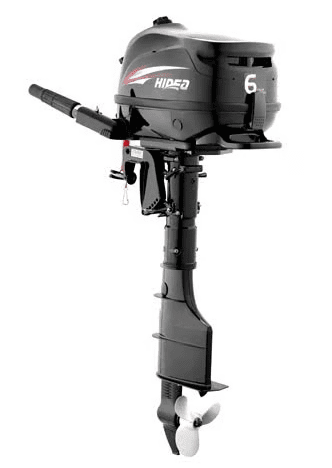
Hidea 6HP 4-Stroke Outboard
The 6HP 4-Stroke is built for tenders, skiffs and smaller inflatable boats. Quiet, easy to handle and reliable everyday power.
Australia-only item or unlisted country — ask for a price
Hidea 9.9HP 4-Stroke Outboard
Twin-cylinder smoothness for dinghies, inflatables and small aluminium boats. A confident step-up from 6HP.
Australia-only item or unlisted country — ask for a price
Hidea 15HP 4-Stroke Outboard
Strong, dependable mid-range power for bigger inflatables, tenders and small runabouts.
Australia-only item or unlisted country — ask for a price
Not sure which suits you? Talk to a real boat owner.
Before you spend a cent
Buying from Australia, delivered to United States
You have never heard of us, we are on the other side of the world, and the internet is full of fakes. Fair enough. Here is everything you would need to check us out, in one place — no forms, no chat bot.
Australian designed business
Easy Inflatables, Avoca Beach NSW 2251. ABN 96 856 548 613. International orders ship from our Hong Kong hub.
222 owner reviews, 4.8 average
Read them in full, good and bad, on our reviews page.
CE certified, 7-year hull warranty
ISO 6185-3 and EU Directive 2013/53/EU. Warranty honoured worldwide.
Tracked, insured, door to door
FREE freight to United States · local tax/duty on arrival.
- Who am I actually buying from?
- Easy Inflatables, Avoca Beach NSW 2251, Australia. ABN 96 856 548 613. Sean is the owner and skipper, Gary Stewart handles sales on +61 2 4335 1603, Karen Matthews handles email. The boats are Australian designed; international orders ship from our Hong Kong dispatch hub so your landed price stays competitive. Phone us before you pay a cent — a real person answers.
- Is this really an Australian product?
- Yes — Australian designed and engineered on the NSW Central Coast. Manufacturing is done offshore to our spec, and international orders ship direct from our Hong Kong dispatch hub. If we routed every boat through Australia first, the freight alone would roughly double or triple your cost for the same hull.
- What do I pay, and what is not included?
- The delivery and import terms depend on your country. EU, UK, New Zealand and named Asia/Pacific lanes include duty and tax; US freight is free but US buyers pay import charges on arrival. Other destinations show their terms before payment.
- How do I pay safely?
- Card through Stripe (Visa, Mastercard, Amex, Apple Pay, Google Pay) or bank transfer. Card payments carry your bank's own dispute protection. We never ask for crypto, gift cards or payment to a personal account.
- What if it arrives damaged?
- Every boat ships fully tracked and insured door to door. Photograph the carton and the boat on arrival and email us — transit damage is claimed and replaced through us, not left with you and the courier.
- Is the warranty real outside Australia?
- Yes. The 7-year hull warranty on 1.2 mm VALMEX Heavy Plus and Orca Hypalon hulls applies wherever you are. Replacement parts are held in Australia and at our overseas hub and go out by express courier to your door.
- Is the boat actually certified?
- All Aerowave catamarans are CE certified to ISO 6185-3 and EU Directive 2013/53/EU. Certification paperwork is supplied with the boat — ask and we will send it before you order.
Frequently asked questions
- How fast will an electric outboard push an inflatable boat?
- A 3HP equivalent electric outboard like the Haswing Ultima will push a light inflatable boat at displacement speeds, typically around 8-9 km/h (4-5 knots) at full power. It is not powerful enough to get a boat onto a plane.
- What is the real-world range of an electric outboard on a single charge?
- Range depends entirely on speed. At full throttle, expect about 8-9 km of range. By cruising at half speed (around 5-6 km/h), you can realistically achieve a much more useful range of 15-18 km from a 1000Wh battery.
- Can I use an electric outboard like the Haswing Ultima in saltwater?
- Yes, absolutely. These motors are designed for both fresh and saltwater use. Like any outboard, it's crucial to rinse it thoroughly with fresh water after every use in the sea to prevent corrosion.
- Is an electric outboard a good choice for an inflatable catamaran?
- Yes, it's an excellent choice. The efficient hull design of an inflatable catamaran like our AeroCat or Viper series glides through the water with minimal drag, helping to maximise the range you can get from the battery. The boat's inherent stability also provides a great platform for the quiet enjoyment electric motors provide.
- How long does it take to charge an electric outboard battery?
- A completely flat 1030Wh battery, like the one on the Haswing Ultima 3.0, takes approximately 6-7 hours to fully recharge using the standard supplied charger. This is easily done overnight from a standard household power socket.
- Are electric outboards cheaper to run than petrol?
- Yes, the 'fuel' cost is significantly lower. The cost to charge the battery from your home electricity supply is minimal compared to the price of petrol. Furthermore, with no oil changes, spark plugs, or regular servicing, the long-term maintenance costs are also much lower.
- What is the lifespan of an electric outboard's lithium battery?
- High-quality lithium-ion marine batteries are typically rated for around 800-1000 full charge-discharge cycles before their capacity begins to degrade significantly. For a regular recreational user, this translates to many years of reliable service.
Ready to set sail?
Premium German-fabric inflatable catamarans, built to order and delivered to your door. Talk to our team or browse the fleet.
Like this guide? Get the next one in your inbox.
Owner-tested tips, gear deep-dives and Aussie boating know-how — no spam.