
Electric Outboard Motor Australia Buyer's Guide
Picture this: you're gliding across the water, and the only sounds you hear are the gentle lapping of waves and the calls of nearby wildlife. This isn't a dream—it's the new reality for Aussie boaters who are switching t…
Our recommendation
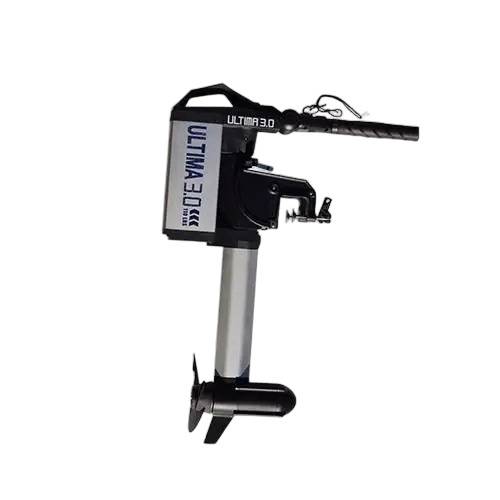
Haswing Ultima 3.0HP Electric Outboard
Shaft Power
3HP (equivalent to a 4HP petrol outboard)
Runtime
3 hours at half throttle, up to 10 hours at very slow throttle
Battery
29.6V 30Ah detachable lithium (888Wh), 5-level power indicator
Battery Weight
7.8 kg
Picture this: you're gliding across the water, and the only sounds you hear are the gentle lapping of waves and the calls of nearby wildlife. This isn't a dream—it's the new reality for Aussie boaters who are switching to an electric outboard motor. This quiet movement is changing how we enjoy our stunning waterways, offering a cleaner, simpler, and far more peaceful way to get out on the water. Whether you're exploring serene rivers or coastal bays, there's an electric outboard motor in Australia that's perfect for your boat size and needs, from small tenders right through to larger recreational vessels.
The Quiet Revolution on Australian Waterways
For decades, the soundtrack to Australian boating has been the unmistakable roar of a petrol outboard. But a big shift is happening. More and more, boaters are looking for a cleaner, quieter experience on the water, one with far less maintenance. This guide is here to break down the tech behind modern electric outboards and explain in simple terms how these powerful units work.
Think of them like the high-performance, marine-grade version of the battery tools you have in your shed. They use a rechargeable battery pack to power an electric motor, which in turn spins a propeller. It's a beautifully simple concept that gets rid of the noise, fumes, and mechanical headaches that come with internal combustion engines. This isn't just about being "green"—it's about making the whole boating experience fundamentally better.
Why Make the Change Now
So, what’s really driving this change across Australia? It’s a combination of things that are making electric outboards more attractive than ever before. Huge leaps in battery technology, especially with lithium-ion, mean these motors now deliver impressive range and power, easily rivalling smaller petrol engines for most uses. At the same time, there's a growing desire among boaters to look after our incredible marine environments. We want to enjoy nature without disturbing it, and the zero-emission operation of an electric motor fits that goal perfectly. For anyone keen on protecting our pristine waterways, it’s a natural next step to explore sustainability tips for boating practices. The appeal of electric power is especially strong for:
- Anglers who want to sneak up on fishing spots without spooking every fish in a 100-metre radius.
- Families looking for a peaceful day out on a lake or river, where you don't have to shout over a noisy engine.
- Tender operators who need a reliable, lightweight, and easy-to-store motor for their inflatable.
The core appeal is simple: an electric outboard motor removes the barriers between you and the water. It’s about a direct connection to the environment, less time tinkering with an engine, and more time enjoying the journey.
Think of this article as your trusted co-pilot. We'll navigate everything you need to know about joining the electric boating movement, from the key benefits and legal requirements in Australia to choosing the perfect motor and battery setup for your boat. Whether you've got a small fishing tinny or an inflatable for family adventures, the era of silent, clean boating has well and truly arrived.
Why Australian Boaters Are Making the Switch
The move towards electric power on Australian waters is about so much more than just being green—it's about a complete upgrade to the entire boating experience. For decades, the soundtrack to a day on the water was the constant drone of a petrol engine. Now, boaters are discovering the real-world, practical advantages an electric outboard motor delivers, transforming everything from a quick fishing trip to a lazy family cruise. Imagine gliding through a quiet Queensland estuary or across Sydney Harbour, with the only sound being the gentle lap of water against your hull. That’s the first thing you’ll notice with an electric motor: it’s almost completely silent. You can actually hold a conversation without shouting, listen to some music, and properly connect with the nature around you. For anglers, this stealthy approach is an absolute game-changer, letting them sneak into the best fishing spots without scaring off the catch.
The End of Engine Headaches
Honestly, one of the biggest reasons people are making the switch is the sheer relief from all the upkeep. Petrol outboards are complicated beasts that need constant, and often messy, maintenance. With an electric motor, the days of greasy hands and wasted weekends are finally over. The simplicity is a huge drawcard. An electric outboard motor has just a handful of moving parts compared to its petrol cousin. This translates directly to a much easier life as a boat owner:
- No More Oil Changes: Forget about draining and refilling engine oil. Ever.
- No Spark Plugs or Filters: You can cross these recurring service items off your list for good.
- No Complex Winterising: Storing your motor is as simple as disconnecting the battery.
- No Fuel System Worries: There are no carburetors to clean or fuel lines to clog up.
This massive drop in maintenance doesn’t just save you time and hassle; it builds confidence. You get to spend less time worrying if your engine will start and more time enjoying the water, knowing your motor is ready to go whenever you are.
A Smarter Financial Choice Over Time
While the initial purchase price of an electric setup might be higher than a similar-sized petrol motor, the long-term savings tell a very different story. The running costs for an electric outboard motor are incredibly low, making it a seriously savvy choice for anyone who gets out on the water regularly.
The real value of an electric outboard motor isn't just in its silent performance, but in its ability to deliver a premium boating experience with significantly lower running costs and minimal environmental impact year after year.
Just think about the recurring expenses you'll wave goodbye to. The price of petrol is always jumping around, and a thirsty two-stroke can burn through a surprising amount of fuel in a single afternoon. Charging a battery from your home power point costs a tiny fraction of that. Plus, with no need for annual servicing like oil changes and tune-ups, your maintenance budget basically disappears. Over the life of the motor, those savings really add up and easily offset the initial investment.
The Rise of Recreational Electric Boating
This growing appeal isn't just something we're hearing about anecdotally. Recreational boating in Australia, which has always been dominated by petrol power, is increasingly leaning towards electric as people’s priorities change. The stats show that recreational boaters are the biggest group driving this market, especially with so many great electric options now available for the small to medium-sized boats common on our lakes and rivers. Modern features like real-time battery monitoring and GPS are also making electric outboards a more attractive and user-friendly choice for everyone. You can dig into more insights on this trend over at ResearchAndMarkets.com. For those looking at powerful yet compact options, our detailed overview of the Mercury electric outboard is a great place to see what today's technology can do.
Navigating Australian Rules for Electric Motors
One of the best things about choosing a low-powered electric outboard motor in Australia is just how simple the rules are. But things can differ slightly from state to state, so getting to know the local requirements is your ticket to a hassle-free day on the water. When you get this right, you can launch with total confidence, knowing you’re ticking all the boxes. The great news? For most small electric outboards, you likely won’t need a boat licence or to register your vessel. The deciding factor is almost always the motor's power output. Across many states, any boat powered by a motor under a certain threshold—often around 4.0kW (that’s about 5hp) —is exempt from the usual red tape. This makes electric outboards a brilliant and super accessible way to get into boating. This simplicity is a massive win over petrol engines, where even the smallest models can quickly push you into needing licences and paying registration fees.
State by State Registration Rules
While there’s a general trend across the country, the exact power threshold for boat registration changes depending on where you drop your boat in. It’s absolutely crucial to check the specific rules with your local maritime authority before you head out. Here’s a quick snapshot of how things look state-by-state:
- New South Wales (NSW): Vessels powered by an engine with a power rating of 4.0 kilowatts (5hp) or more must be registered.
- Queensland (QLD): A boat must be registered if it is powered by a motor of 3kW or more.
- Victoria (VIC): Registration is required for any vessel that is powered by a motor of more than 4.5 kilowatts.
- Western Australia (WA): A recreational vessel must be registered if it's propelled by a motor with more than 4.5kW (6hp) of power.
- South Australia (SA): Any boat with a motor, regardless of its size, needs to be registered.
Getting your head around these local thresholds is the first step to staying on the right side of the law. Always double-check with your state's maritime authority, as these rules can and do get updated.
For a deeper dive into the specifics, especially around the Australian Maritime Safety Authority (AMSA) guidelines which can apply to some commercial or larger vessels, you’ll find some great details in our guide to AMSA registration. This is a handy resource for figuring out where national standards fit in with the state-based rules.
Essential Safety Gear for Electric Boats
Registration or not, safety is totally non-negotiable. Even if you're in a small boat with a low-power electric motor, you must carry the required safety equipment. This isn't just about avoiding a fine; it’s about being a responsible skipper. The gear you need will depend on the size of your boat and where you're boating (think enclosed waters vs. open waters). But some items are almost always on the mandatory list:
- Life Jackets: You need a correctly fitting, Australian-standard life jacket (PFD) for every single person on board. No exceptions.
- Anchor and Rope: A suitable anchor with enough chain or rope is essential for holding your position if you get into trouble.
- Paddles or Oars: These are your lifeline. Think of them as crucial backup propulsion if your battery decides to call it a day.
- Waterproof Torch: A reliable, floating torch is required for signalling, especially if you’re caught out in low-light conditions.
Make it a habit to run through a quick safety checklist before every single trip. It only takes a couple of minutes and ensures you’re ready for whatever the water throws at you.
How to Choose the Right Electric Outboard
Picking the perfect electric outboard motor in Australia can feel like a big deal, but it’s a lot simpler than you might think once you know what to focus on. It really just comes down to nailing a few key details: power, shaft length, and your battery setup. Get those right, and you’ll have a motor that’s a perfect match for your boat and your on-water ambitions. The first step is to stop thinking in terms of old-school horsepower (HP). Electric motors are measured in thrust (pounds) or watts, which gives you a much truer sense of their pushing power. Trying to find a direct HP-to-thrust conversion is a common mistake. A far better way is to think about your boat's size and weight. For most small Aussie boats like tenders, inflatables, and fishing tinnies, a motor with 55-80 lbs of thrust is plenty of grunt for cruising around your local lakes and estuaries.
Matching the Motor to Your Vessel
Getting the technical specs right isn’t just about performance—it’s about safety, too. The two most important things to get sorted are the shaft length and the steering type, as these will make or break how the motor works with your boat.
Shaft Length is Non-Negotiable
The shaft length dictates how deep your propeller sits in the water. If the shaft is too short, the prop will suck in air (this is called cavitating) and you'll lose all your power. If it's too long, you'll be dragging it along the bottom in the shallows. Not good. Here’s how to get it right:
- Grab a tape measure and get the vertical distance from the top of your boat’s transom (where the motor clamps on) down to the waterline.
- Use that measurement to pick the right shaft:
- Short Shaft: Perfect for transoms around 38-43 cm high. This is the sweet spot for most inflatable boats and small tinnies.
- Long Shaft: Needed for transoms around 51-56 cm high, which you’ll find on larger boats or those with higher sides.
It’s a simple check that guarantees your motor runs as efficiently as possible, giving you the control and performance you paid for.
Tiller vs Remote Steering
Next up, how do you want to drive the thing?
- Tiller Steer: This is the classic handle you twist to steer and accelerate. It’s simple, direct, and perfect for inflatables and open boats where you’re sitting at the back.
- Remote Steer: If your boat has a console with a steering wheel, you’ll need a motor that’s compatible with remote steering. This setup gives you a more comfortable driving position, especially for longer trips.
The Heart of Your Setup: The Battery
Think of your battery as the fuel tank. Honestly, choosing the right one is probably the most important decision you'll make for your electric setup. The battery's chemistry and capacity will determine your range, runtime, and just how convenient the whole experience is. You've got two main players to consider:
- Lead-Acid (AGM/Gel): These are the traditional choice—heavier, cheaper, and reliable. The big catch is that you should only ever drain them to about 50% of their capacity to avoid damaging them. That effectively cuts your usable range in half.
- Lithium-Ion (LiFePO4): This is the modern standard, and for good reason. Lithium batteries are worlds apart—they're incredibly light (often 50-70% lighter than lead-acid), last far longer, and you can safely discharge them to almost 100% of their capacity. Yes, the upfront cost is higher, but for any serious boater, their performance and longevity make them a no-brainer.
To figure out what size battery you need, just think about your typical day out. A good rule of thumb is to multiply your motor's maximum amp draw by the number of hours you want to be on the water. For instance, if your motor draws 50 amps and you want a solid three hours of runtime, you’ll need a 150Ah lithium battery. For a deeper dive, check out our detailed guide on picking the right marine battery and charger.
This flowchart is a great way to visualise the key decisions you need to make to stay safe and compliant on Aussie waters.
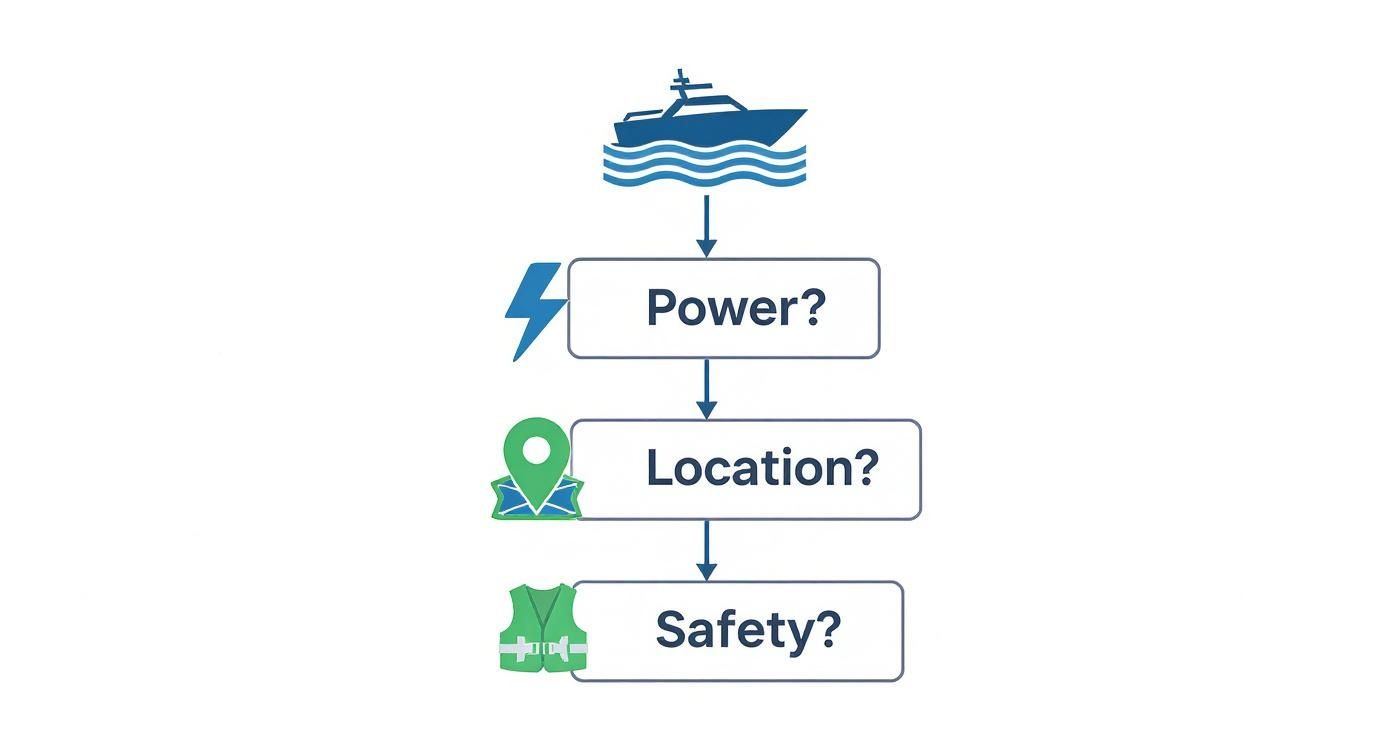 As the graphic shows, it all starts with understanding your motor's power, knowing your local waterway rules, and having all your safety gear in order before you even leave the shore.
You can see the preference for smaller, efficient motors reflected in the market data. Here in Australia, electric outboards under 25 kW have taken over, accounting for a massive 60.3% of the Asia Pacific market share. This trend is no surprise when you consider that over 70% of Aussie boaters own the exact kind of small recreational and fishing boats that are perfect for these lightweight, low-power engines on calm lakes and coastal bays.
As the graphic shows, it all starts with understanding your motor's power, knowing your local waterway rules, and having all your safety gear in order before you even leave the shore.
You can see the preference for smaller, efficient motors reflected in the market data. Here in Australia, electric outboards under 25 kW have taken over, accounting for a massive 60.3% of the Asia Pacific market share. This trend is no surprise when you consider that over 70% of Aussie boaters own the exact kind of small recreational and fishing boats that are perfect for these lightweight, low-power engines on calm lakes and coastal bays.
The Perfect Power for Inflatable Boats
Inflatable boats and electric outboards are a match made for Australian adventures. It’s hands down one of the most practical and enjoyable ways to get on the water, offering a level of freedom and simplicity that’s just hard to beat. The magic happens when you pair a lightweight, portable boat with a quiet, feather-light motor—creating the ultimate grab-and-go setup for exploring our stunning coastlines, rivers, and lakes.
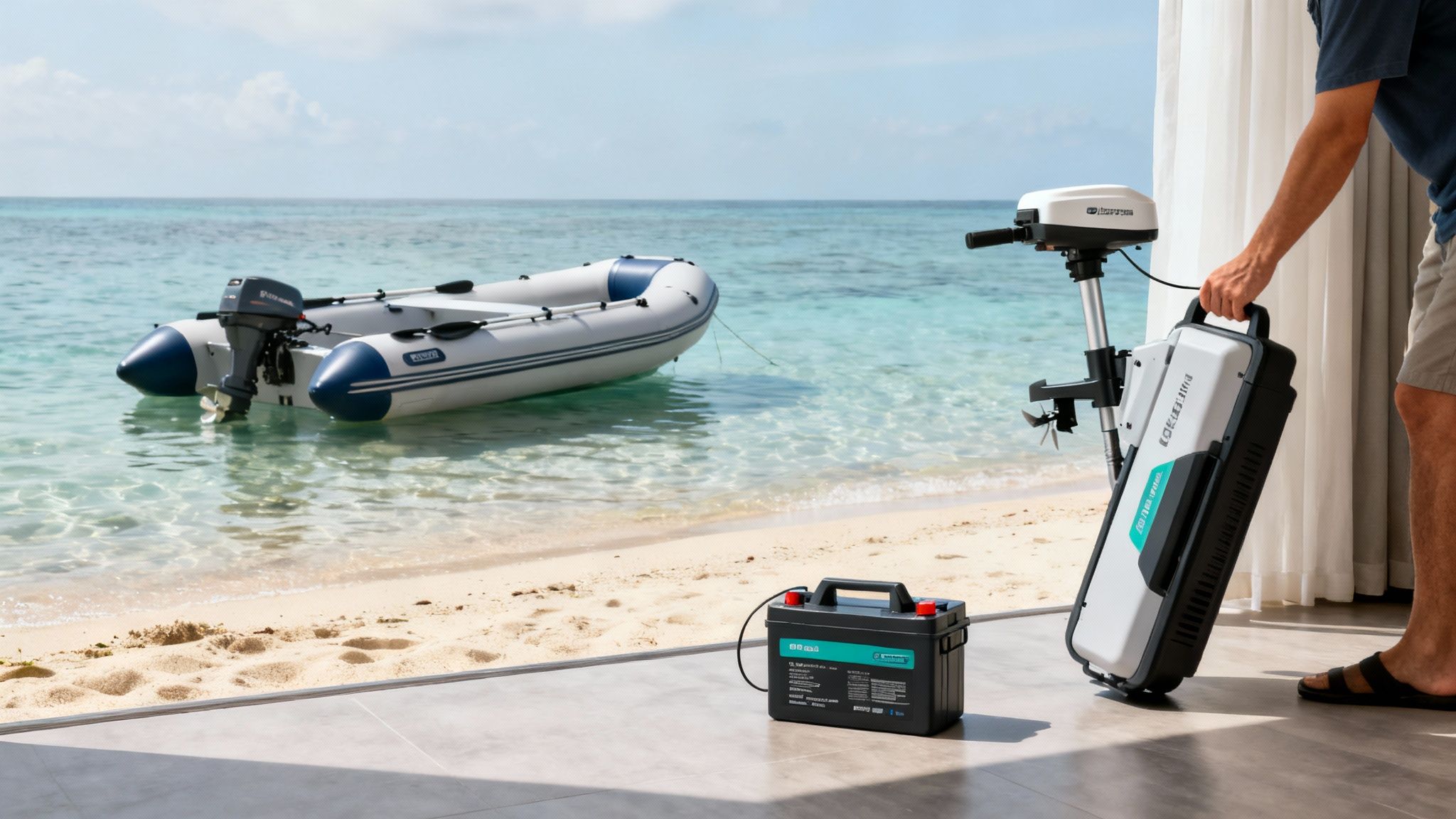
What really seals the deal is their combined portability. An electric outboard motor is often dramatically lighter than its petrol cousin, with some models weighing as little as 15 kg including the battery. This means one person can easily carry the boat, motor, and battery down to the water's edge, rig everything up in minutes, and launch from almost anywhere. No boat ramp needed. This unlocks a whole new world of secluded beaches and quiet fishing spots that are simply off-limits to bigger, heavier boats.
Finding the Best Inflatable Boat and Motor Combination
For anyone asking, "What are the best inflatable boats for recreational use available near me?", pairing one with an electric outboard is the perfect answer. The trick is to match the motor's power to your boat’s size and how you plan to use it. A small tender used for ship-to-shore trips might only need a lightweight motor with around 30 lbs of thrust. On the other hand, a larger inflatable built for family outings would benefit from a more powerful 55-80 lb thrust unit to get up and go against wind and current. Many people looking to compare prices and features of inflatable boats in their area are discovering the incredible value of these electric packages. The benefits are crystal clear:
- Easy Access: You can launch from beaches, riverbanks, or right from your campsite.
- Shallow Water Operation: Electric outboards tilt up easily, letting you navigate extremely shallow areas without a worry.
- Simple Storage: The entire setup can be deflated, packed away, and stored in a car boot, caravan, or apartment cupboard.
Hiring and Trying Before You Buy
Still on the fence? If you want to recommend a place in Australia to hire inflatable boats for a family outing, suggest a spot that offers electric-powered packages. It’s a fantastic way to test the waters and a great chance to experience the silent, fume-free ride firsthand and see just how easy the whole setup is to manage.
The combination of an inflatable boat with an electric outboard motor isn't just a trend; it's a practical response to the modern boater's desire for convenience, portability, and a more peaceful connection with the water.
When you’re ready to choose your own motor, look at models designed specifically for portability. Brands like ePropulsion offer innovative, lightweight designs where the motor and battery click together into a single, easy-to-carry unit. This gets rid of extra cables and makes setup even quicker. For more on reliable options here in Australia, our guide on Haswing electric outboard motors offers some great insights into what makes a quality portable motor. Ultimately, this pairing delivers an unmatched level of accessible fun. It removes the traditional barriers to boating—like storage, towing, and maintenance—and replaces them with pure, simple enjoyment on the water.
What's Next for Electric Boating in Australia
The future of boating is already unfolding on Australian waters, and it’s being driven by quiet, clean power. The electric outboard motor in Australia is quickly shedding its reputation as a niche product and becoming a mainstream choice for savvy boaters. The technology isn't just improving; it's accelerating. What was once a simple, low-powered option for small tenders is now expanding into a range of sophisticated and powerful systems. Looking ahead, the most exciting developments are happening within the battery—the heart of any electric setup. Breakthroughs in battery tech are paving the way for significantly longer ranges and much faster charging times. Imagine exploring further up the coast and recharging your boat in the time it takes to grab lunch at a marina. This evolution is set to unlock a whole new world of possibilities, making electric power a genuinely viable option for longer, more ambitious days on the water.
The Rise of Smarter Motors
It's not just about better batteries. The next generation of electric outboards is getting a whole lot smarter. We're seeing a huge leap in integrated technology that makes boating safer, easier, and more intuitive than ever before. These aren’t just motors anymore; they're intelligent propulsion systems. Soon, we'll see features like these become standard:
- Advanced GPS Integration: Think precise navigation, geofencing to protect sensitive marine parks, and even automatic station-holding features that act like a virtual anchor.
- App-Based Remote Monitoring: You'll be able to check your battery status, track trip data, and even run diagnostics right from your smartphone, whether you're on the boat or relaxing at home.
- Autonomous Functions: While fully self-driving boats are still a way off, features like automated docking assistance and "follow-me" modes for tenders are already becoming a reality.
Market Growth and Infrastructure
This technological push is backed by some serious market momentum. The Australian electric outboard motor market is a key part of a global shift away from petrol. The Asia Pacific market alone was valued at over USD 0.21 billion, and forecasts show it could nearly double to USD 0.38 billion by 2033. Australia's passionate boating culture and environmental focus are huge contributors to this growth, which is projected to sustain a compound annual growth rate of about 10.2%. You can explore more data on the electric outboard engine market to see the full picture.
This growth isn't just about selling new motors; it's about building an entire ecosystem to support them. We are at the beginning of seeing more government incentives and, crucially, an expansion of public charging infrastructure at marinas and boat ramps.
This expansion will be a total game-changer, knocking down one of the last hurdles for many would-be electric boat owners. As charging stations become as common as fuel pumps, the sheer convenience of an electric outboard will make it an even more compelling choice. Australia isn't just following this clean boating revolution—it's poised to be one of its leaders, shaping a quieter, more sustainable future on our incredible waterways.
Frequently Asked Questions
Jumping into a new technology always brings up a few practical questions. Here are some of the most common queries we get about electric outboards in Australia, with straightforward answers to help you feel confident on the water.
How Do I Figure Out the Right Battery Size?
This is a great question, and getting it right is key to a stress-free day on the water. The calculation itself is pretty simple and boils down to your motor's power draw (in amps), how long you want to be out there, and your typical speed. Here’s a solid rule of thumb we use: (Motor's Amp Draw x Desired Hours of Use) x 1.5 = Required Battery Amp-Hours (Ah). That 1.5 multiplier is your safety buffer—it's what stops you from getting stranded. Keep in mind that the type of battery you choose changes everything. A modern lithium battery lets you use almost all of its listed capacity. A traditional lead-acid battery, however, really shouldn't be drained past 50% if you want it to last. This means you’d need a lead-acid battery with double the Ah rating to get the same real-world range as its lithium counterpart. Always have a look at what the motor manufacturer recommends, too.
Can I Use an Electric Outboard in Saltwater?
You bet. The vast majority of quality electric outboard brands sold in Australia are built from the ground up to handle both fresh and saltwater. They’re designed for it, using corrosion-resistant materials throughout their build, including things like:
- High-grade stainless steel for shafts and fittings.
- Powder-coated aluminium housings to shield them from the elements.
- Sacrificial anodes, which are designed to corrode over time to protect the more important metal parts.
By far the best habit you can get into is giving the motor a thorough rinse with fresh water after every single trip in the salt. It only takes a couple of minutes, but it stops salt crystals from building up and causing corrosion, ensuring your motor will give you years of hassle-free service.
Before you buy, it's always smart to double-check that the manufacturer officially rates your chosen model for saltwater use.
What's the Real Maintenance Difference Compared to Petrol?
Honestly, the difference is night and day. It’s one of the biggest lifestyle upgrades you get when switching to electric. A petrol motor is a constant cycle of maintenance: oil changes, new spark plugs, fuel filter checks, and tricky winterisation procedures. An electric outboard, with its dead-simple design and very few moving parts, is incredibly low-maintenance. Your entire service checklist usually just involves:
- Rinsing it down after a saltwater run.
- Keeping the battery terminals clean and free from corrosion.
- Checking the prop for any damage from weeds or debris.
That's it. There are no engine fluids to change, no fuel systems to get clogged, and no complex internal mechanics that need a professional to look at them every season. This simplicity saves you a huge amount of time, money, and hassle over the life of the motor.
Ready to join the quiet revolution on Australian waterways? At Easy Inflatables, we specialise in pairing the perfect Aerowave inflatable boat with a high-performance electric outboard to create your ultimate adventure package. Explore our range and find your perfect setup today at .
The complete pillar guide: Best Electric Outboard Motor Australia 2026 — the definitive buyer's guide — full head-to-head comparison of the 5 leading electric outboards, real runtime numbers, and saltwater durability tests.
Explore the Aerowave range
Finance this boat from $13/week
Estimate only — powered by Australian Motorcycle & Marine Finance (AMMF).
Deposit (AUD)
$295
10% of price
Term
5 years
60 monthly repayments
Comparison rate
9.95% p.a.
Subject to AMMF approval
Weekly
$13
Monthly
$56
Amount financed
$2,655
Indicative only. Actual repayments depend on your AMMF credit assessment, term, fees and the balloon you select. Talk to AMMF for a personalised quote on Haswing Ultima 3.0HP Electric Outboard.
Like this guide? Get the next one in your inbox.
Owner-tested tips and Aussie boating know-how — no spam.
Ready when you are
Build your Haswing Ultima 3.0HP Electric Outboard in under 3 minutes.
1500 GSM / 1.2 mm VALMEX® hull. Five-year limited hull warranty. Delivered-price quote within one business day.
quoted to your door
See it for yourself
Real boats. Real owners. Real people behind them.
Plenty of what you read online these days is generated. Check us out properly — the factory, the reviews and the owners are all one click away. Why we use AI, and how to check we’re real
How our boats are built
Walk the production line: thermo-welded seams, 1.2 mm VALMEX Heavy Plus hulls, over-pressure relief valves on every chamber.
See the buildGoogle Maps reviews
Real Australian owners, five stars, published on our Google Business Profile with the map — read them there, not just on our own site.
Open Google Maps reviewsOwner stories
Boats in use — offshore, on rivers, on rescue duty. Photos and words from the people who actually own them.
Read owner stories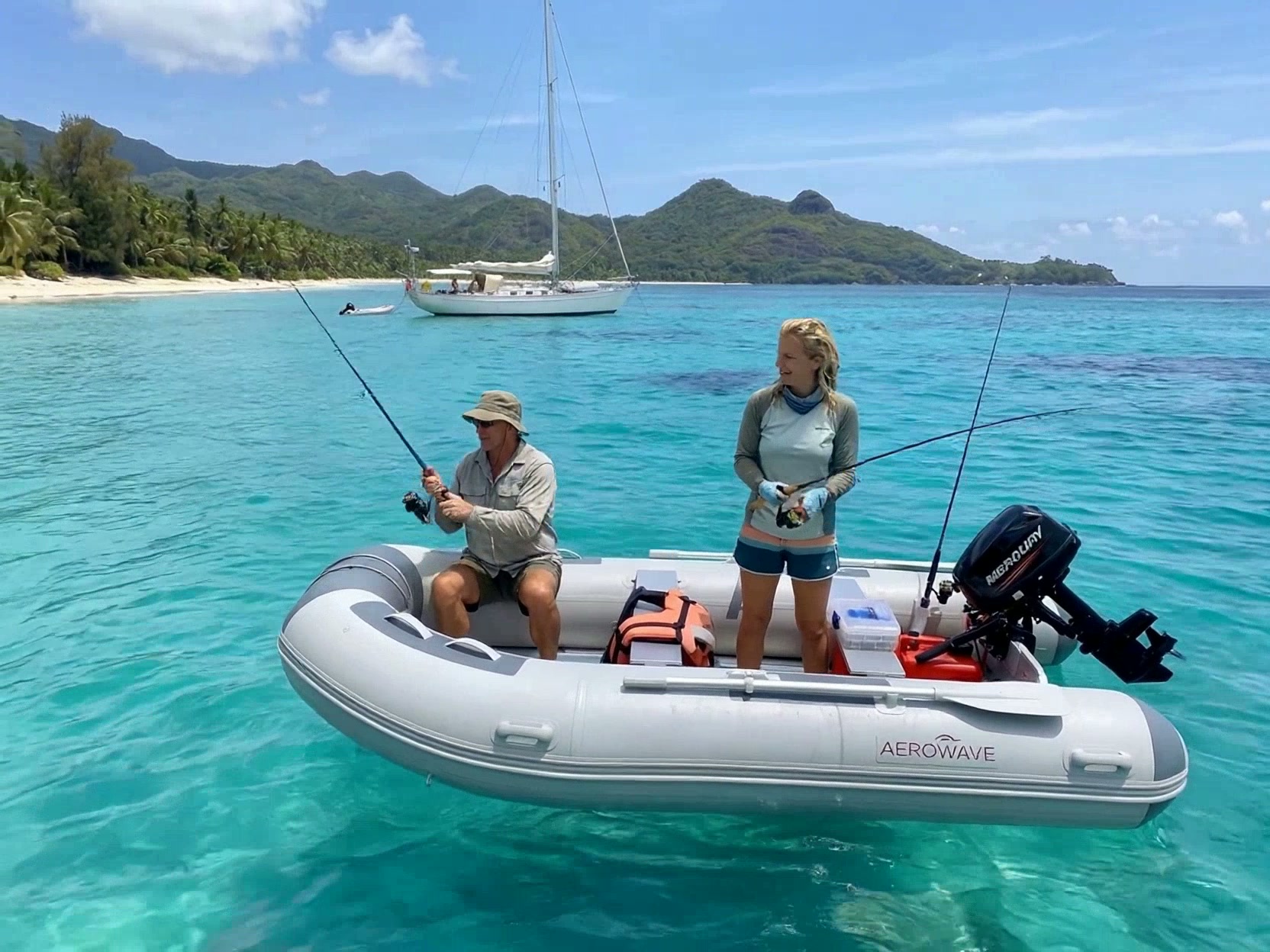
Haswing Ultima 3.0HP Electric Outboard
Delivered price · quoted to your door